REVIEW · KRAKOW
Krakow to Auschwitz-Birkenau Live Guided Tour & Hotel Pick-up
Book on Viator →Operated by Krakow Tours by KrakowDirect · Bookable on Viator
A sober day, planned with care. This Krakow-to-Auschwitz tour cuts the hassle with admission included and hotel pickup or a central meet-up in Krakow.
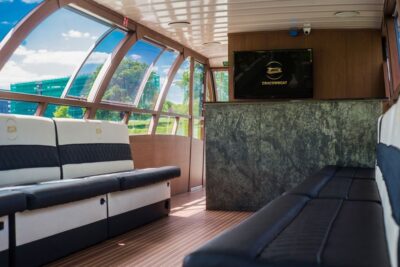
I also like that you’re not just dropped at the gates. You travel with a driver and a licensed local guide, using headsets so you can actually hear the story as you walk the sites.
One thing to think about up front: the schedule is tightly set by the memorial. That means a lot of walking (including uneven ground and stairs), and it can feel fast if you need lots of quiet time to process.
In This Review
- Quick highlights you’ll feel on the day
- Krakow to Oswięcim: the ride that sets the tone
- Admission included: what you gain by not paying at the gate
- Inside Auschwitz I: the walking route and how the headset helps
- Birkenau (Auschwitz II): why the biggest camp hits differently
- Timing, breaks, and how the day actually flows
- What the guides and drivers tend to get right
- Price and value: why this can be a smart buy
- What to pack (and what to leave alone)
- Who this tour is best for (and who should reconsider)
- Should you book this Krakow-to-Auschwitz-Birkenau tour?
- FAQ
- How long is the Krakow to Auschwitz-Birkenau live guided tour?
- Is admission to Auschwitz-Birkenau included?
- Do you offer hotel pickup in Krakow?
- What language is the tour guide?
- Do I need my passport or ID?
- Is lunch included, and are there places to buy food on-site?
- Are there limits on luggage?
- What is the cancellation policy?
Quick highlights you’ll feel on the day
- Admission is included so you don’t scramble for tickets at the entrance.
- English-speaking group leader plus a licensed local Auschwitz guide once you arrive.
- Headsets help you follow the narration clearly during Auschwitz I.
- Small group size (limited to 30 at the museum) keeps the tour more manageable.
- Bring a snack. Lunch isn’t provided and there’s no regular meal stop between Auschwitz I and Birkenau.
Krakow to Oswięcim: the ride that sets the tone
This is a full-day out-and-back from Krakow to the Auschwitz-Birkenau Memorial in Oswięcim (about 1 hour 15 minutes each way, roughly 65 km). You’ll start either from Floriana Straszewskiego 17 or from your hotel, depending on the option you chose.
The early start matters here. Pickup times are tentative until confirmation the day before, and they can shift due to museum scheduling and traffic. The tour operator notes pickup can fall anywhere between 5:00 AM and 2:00 PM, with most changes only about 30–60 minutes. That’s one reason I suggest planning your Krakow morning with a little buffer, not with a tight brunch reservation.
On the ride, you may get context that helps you focus when you arrive. One common detail I’ve seen is that a short documentary-style video can be shown on the way up, which can help you understand what you’re walking into before you step through the gates.
You can also read our reviews of more guided tours in Krakow
Admission included: what you gain by not paying at the gate
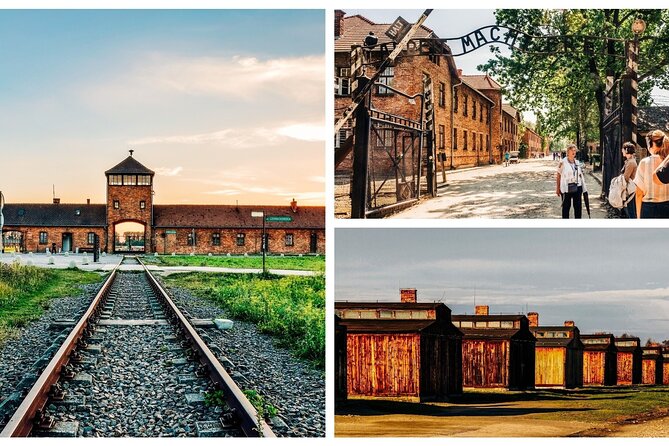
At a somber site like Auschwitz-Birkenau, admin stress is the last thing you want. The big practical win is that admission is included, so you’re not paying extra day-of just to enter.
There’s also a key rule that can’t be ignored: you must bring your passport or ID. The museum requires personal details to be confirmed at the entrance, and without ID you may not be allowed in. I treat that like a non-negotiable packing step—same level as your plane ticket.
Once you’re in, the tour is guided, organized, and paced around how the memorial permits visitor movement. That pacing is part of the value. It means you’re less likely to get lost in the scale of the site, and more likely to understand what you’re seeing as you see it.
Inside Auschwitz I: the walking route and how the headset helps
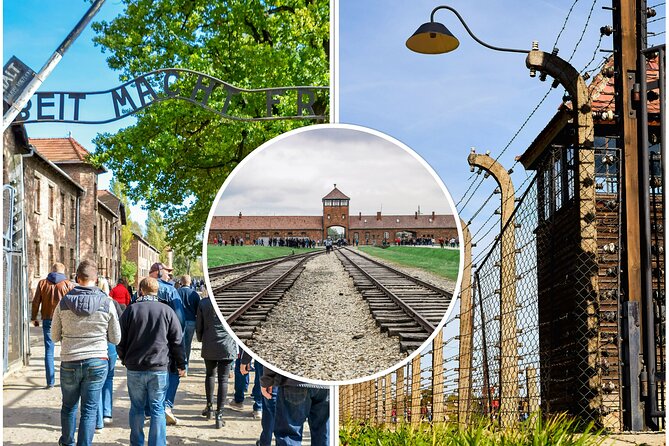
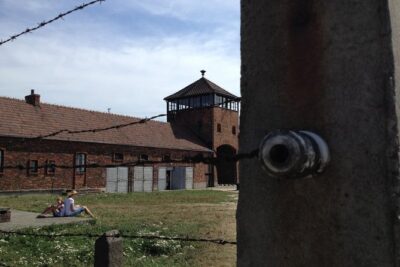
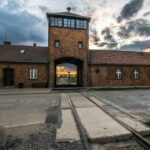
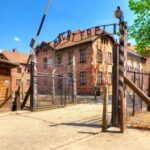
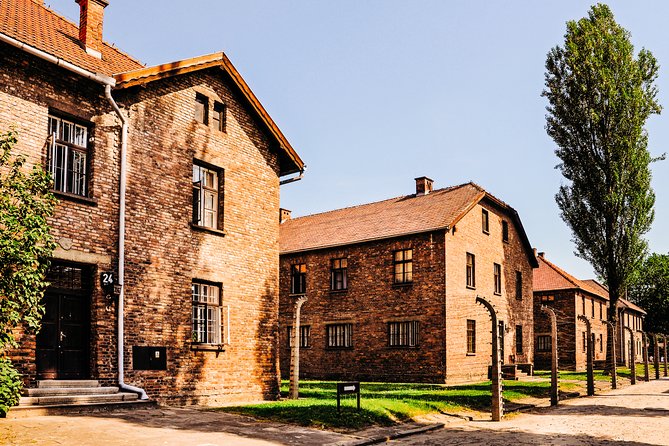
Your day begins at Auschwitz I, the first camp. You’ll walk through the gate area and pass under the infamous message Arbeit Macht Frei. This is where the story becomes concrete and immediate: what the camp was, who was targeted, and how the machinery of persecution worked.
A licensed local guide leads you through key surviving features, including:
- original wooden barracks
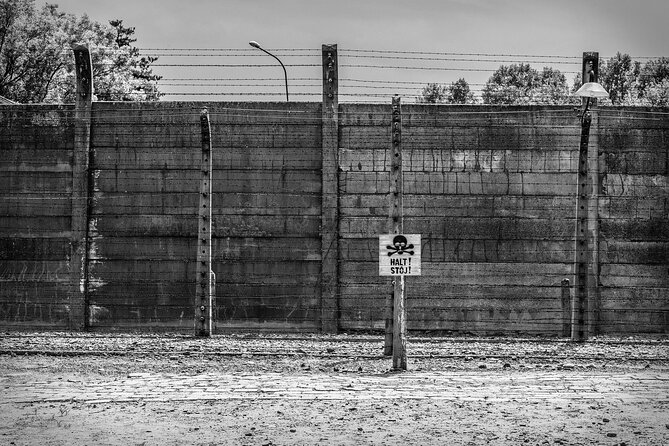
- fortified walls and barbed-wire fences
- areas linked to gas chambers and crematoria
The structure is also built for comprehension. Your guide is heard through a headset system, and the tour duration for Auschwitz I is typically around 2 hours. The museum limits group size to 30 people, which is a big deal at a site this large and this emotionally intense. It’s not a tiny group, but it’s small enough that you can follow along without constantly craning your neck.
One drawback to be aware of: a few people report the Auschwitz I portion can feel fast, with limited time to pause at every information board. That doesn’t mean the tour is skipping facts—it often means the memorial’s schedule leaves fewer “drift time” moments. If you know you like to stop and read slowly, plan to do that during the parts where the guide pauses or during quieter sections that fit the route.
Birkenau (Auschwitz II): why the biggest camp hits differently
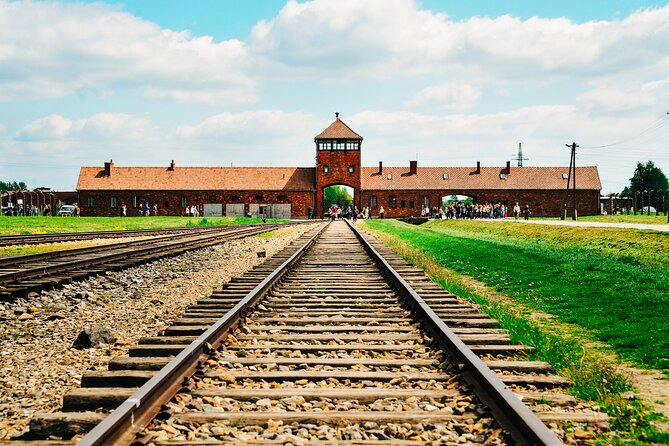
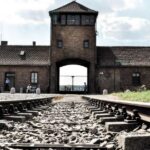
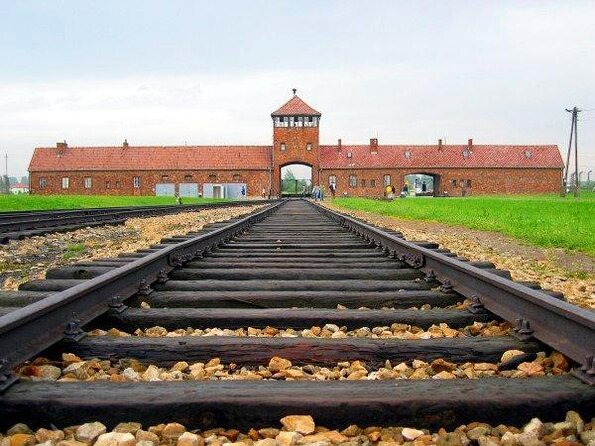
After a short break (up to 15 minutes), you move to Birkenau, Auschwitz II, which is just minutes away. The group then continues with the second, larger camp site in Brzezinka (Birkenau).
Birkenau is described as the largest camp, built and operated with the Nazi goal of making Europe Judenrein (free of Jews). The camp was constructed starting in 1941 on the orders of SS commander Heinrich Himmler, and it could hold around 90,000 prisoners.
This portion is where the scale and system can feel almost unbearable. You’ll hear accounts of:
- brutal living conditions
- the cruel selection process
- pseudo-scientific medical experiments carried out by Nazi doctors
The narration includes names you’ll recognize from history, including Josef Mengele. It’s heavy material, and the tour does not treat it like a checklist. The guided story is meant to give you enough context to make sense of what you’re seeing.
Just be honest with yourself about your tolerance for pace and sound. Headsets are helpful, but in rare cases there can be audio interference (for example, someone reported difficulty hearing the guide clearly due to clothing rubbing a transmitter). If you rely on clear audio, keep your headset adjusted and flag any problem immediately.
Timing, breaks, and how the day actually flows
The tour is built around a practical reality: there isn’t a smooth “lunch break” between Auschwitz I and Birkenau. Lunch is not included, and there’s no time for a regular meal in between. The operator also notes there’s no grocery shop, snack bar, or restaurant on-site.
So here’s my simple rule: bring a snack you’ll actually want to eat, plus water if allowed and appropriate for your plans. You can’t power through this day on coffee alone, even if you think you can.
The schedule also includes small built-in pauses:
- brief break on arrival for coffee or outdoor exhibits
- around 15 minutes between Auschwitz I and Birkenau
- short rest break near the end before the ride back to Krakow
Those breaks matter. They’re not just convenience. They’re your chance to reset your body so you can handle the next section.
Walk-and-stand reality check: this is a lot of moving through outdoor spaces, with uneven ground and stairs mentioned in real guest feedback. If you’re traveling with knee issues or you tire quickly standing for long periods, this is the part where you should plan a smarter alternative plan than hoping “it’ll be fine.”
What the guides and drivers tend to get right
The tour’s emotional weight is fixed. What varies is how smoothly the day runs and how clearly the story is delivered.
In the feedback I’ve seen, certain guide names show up with praise for keeping the experience dignified and understandable. Michael is repeatedly described as moving and highly informed, and Anna also gets strong marks for respectful, thoughtful explanations. Łukasz is singled out for clear communication around key requirements like ID and security steps, and Bogdan, Jay, and Peter appear in feedback for being friendly and helpful during the transport piece.
There’s also a key “behind the scenes” role worth appreciating: getting a group back to the bus on time without turning it into a panic. Patryk is one driver mentioned for handling group coordination well.
My takeaway: this tour can be very well run when the guide is steady and the group moves cleanly. When the pace feels rushed to someone, it’s often not because the guide lacks knowledge—it’s because the memorial’s flow and time limits push everyone forward.
Price and value: why this can be a smart buy
At about $30.17 per person with admission included, the value is mostly in what you’re not paying for separately and what you’re not organizing yourself.
You get:
- round-trip transportation from Krakow (about 1h15 each way)
- English-speaking support
- guided access through both Auschwitz I and Birkenau
- headset-supported narration
- entry/admission included
Even if you’re a history buff who thinks you could DIY it, Auschwitz-Birkenau is exactly the place where DIY can turn into confusion and wasted time. The sites are complex, the route is structured, and the museum rules matter. For many people, that alone makes a guided day-trip feel like a bargain, not an expense.
Still, be realistic. If you strongly want extra quiet time to read every board slowly and think through each area at your own pace, this format may not match your style. That’s not about value—it’s about how the memorial tour flow works.
What to pack (and what to leave alone)
This is not a day-trip for a “whatever, we’ll see” packing strategy.
Bring:
- Passport or ID (required for entrance)
- a snack (lunch not included and no meal options on-site)
- a few warm layers (conditions can feel cold, windy, and damp outdoors; at least one guest specifically advises wrapping up warm)
Pack smart:
- your carry-on has a size limit: 30 x 20 x 10 cm
- larger luggage can be left in the car
Plan your comfort:
- wear shoes you trust on uneven ground
- expect stairs and long walking segments
- keep your body hydrated and fed, since you can’t count on meal stops
Photography is allowed with some clearly indicated exceptions. Keep an eye out for signage and follow the rules on-site.
Who this tour is best for (and who should reconsider)
This works especially well if you:
- want an English guided experience with professional narration
- prefer small-group structure (museum limit is 30)
- like having admission handled so you can focus on the day
- are comfortable with a serious, emotional visit that requires attention
It may be a tough fit if you:
- need a lot of long pauses to process and read without pressure
- struggle with stairs, uneven ground, or long standing/walking
I’m also thinking about mental pacing, not just physical. Auschwitz-Birkenau can be traumatic. The operator recommends visitors be at least 13 years old. That’s a good baseline to take seriously, not to bargain with.
Should you book this Krakow-to-Auschwitz-Birkenau tour?
I’d book it if you want a structured, English-guided day trip where admission is included, the group stays small, and you’ll benefit from headsets and a licensed local guide. It’s also a solid value at the price, especially since the day includes transport plus both major sites.
I’d hesitate if you know you need slow pacing to absorb everything, or if mobility and stamina are major concerns for you. The memorial’s timing shapes the experience, and this format is built for that flow.
If your goal is to leave Krakow and handle Auschwitz-Birkenau with clarity and care, this tour is a strong choice. Just come prepared: ID in your pocket, snack in your bag, comfortable shoes on your feet, and realistic expectations about the pace.
FAQ
How long is the Krakow to Auschwitz-Birkenau live guided tour?
The duration is listed as about 7 hours (approx.). The actual time can vary based on the memorial’s visitor service regulations and the day’s travel conditions.
Is admission to Auschwitz-Birkenau included?
Yes. Admission is included, so you don’t need to pay extra on the day.
Do you offer hotel pickup in Krakow?
Pickup is offered. You can choose hotel pickup or meet at a central Krakow location (Floriana Straszewskiego 17), and the price can differ depending on the pickup option you select.
What language is the tour guide?
The tour is offered with an English-speaking group leader.
Do I need my passport or ID?
Yes. Entrance requires you to confirm personal details, so you must bring your passport or ID. If you forget it, you may not be allowed to enter.
Is lunch included, and are there places to buy food on-site?
Lunch is not included, and there’s no time for a regular meal between Auschwitz I and Birkenau. The operator also states there’s no grocery shop, snack bar, or restaurant on-site, so bring a snack.
Are there limits on luggage?
Yes. The maximum size for a carry-on is 30 x 20 x 10 cm. You can leave larger luggage in the car.
What is the cancellation policy?
Free cancellation is available up to 24 hours in advance for a full refund. If you cancel less than 24 hours before the start time, the amount paid is not refunded.