REVIEW · KRAKOW
Krakow: Schindler’s Factory Guided Tour with Entry Ticket
Book on GetYourGuide →Operated by SeeKrakow · Bookable on GetYourGuide
Krakow’s WWII story gets brutally real fast inside Schindler’s Factory. I really like that this tour pairs original museum rooms with a clear guide-led storyline, so you’re not just staring at photos. I also love how it places Kraków’s Jewish life before and during the war right next to Schindler’s actions, which makes the history feel connected instead of abstract. One consideration: the museum spaces can be tight and busy, so if you’re sensitive to noise or need wider space, plan carefully since it’s not suitable for wheelchair users.
You’ll spend about 100 minutes in English with a professional guide, plus there’s time to continue exploring afterward if you want to watch films or read documents on your own. For a price around $25 per person, you’re buying more than entry: you’re buying a guided path through one of Krakow’s most important WWII sites. If you only have a short list of Krakow must-dos, this is a strong way to use that time well.
Key takeaways
- A guided path through the exhibition so you don’t miss the big turning points in Kraków’s occupation story
- Permanent exhibition focus on Kraków Under Nazi Occupation 1939-1945
- Oskar Schindler’s story in context, including the 1,200 Jews linked to his lifesaving actions
- Practical value at about $25: guide + entrance ticket, with the line-skip included
- A museum that can feel crowded, so timing and hearing matters in narrow rooms
In This Review
- Schindler’s Factory Museum: What You’re Really Signing Up For
- The 100-Minute Route: How the Visit Flows (and Where It Can Feel Tight)
- Entering Kraków Under Nazi Occupation 1939–1945
- From Ghetto to Płaszów: The Occupation Story Takes Shape
- Oskar Schindler’s Factory Story: Why This Museum Doesn’t Stop at One Man
- Seeing More Than Exhibits: Notes on Movies, Documents, and Time to Read
- The Real Value: Pricing, Line-Skip, and What You Get for Around $25
- Who Should Book This Guided Tour (and Who Might Want a Different Plan)
- Should You Book This Schindler’s Factory Guided Tour?
- FAQ
- Is the tour guided and in English?
- How long is the Schindler’s Factory guided tour?
- Where do I meet for the tour?
- Do I need to bring ID?
- Is food included?
- Can I skip the ticket line?
- What is included in the price?
- Is the museum visit suitable for wheelchair users?
- Can I stay after the guided portion?
- What cancellation options are available?
- Can I reserve without paying right away?
Schindler’s Factory Museum: What You’re Really Signing Up For
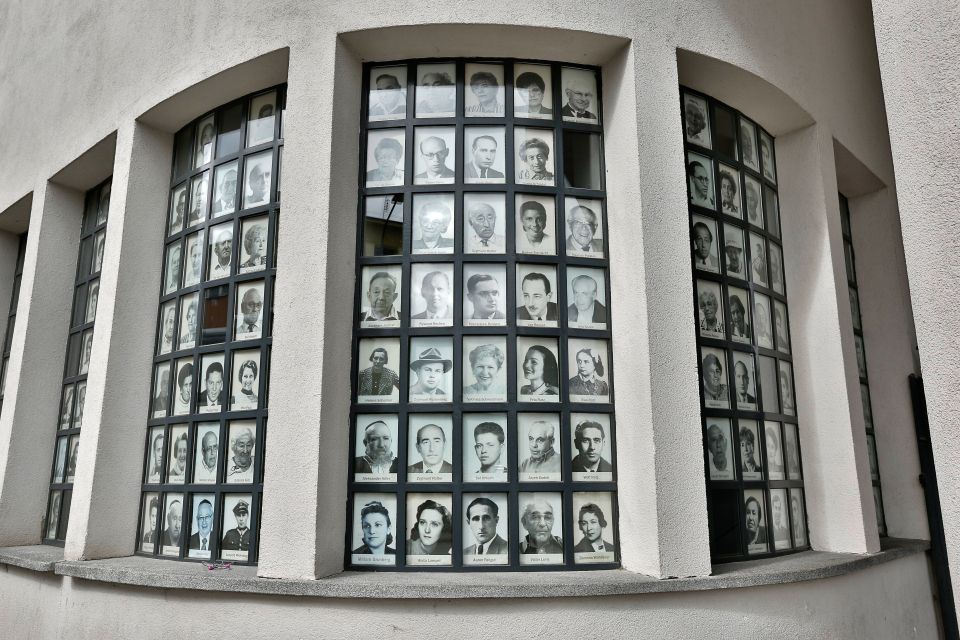
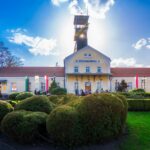
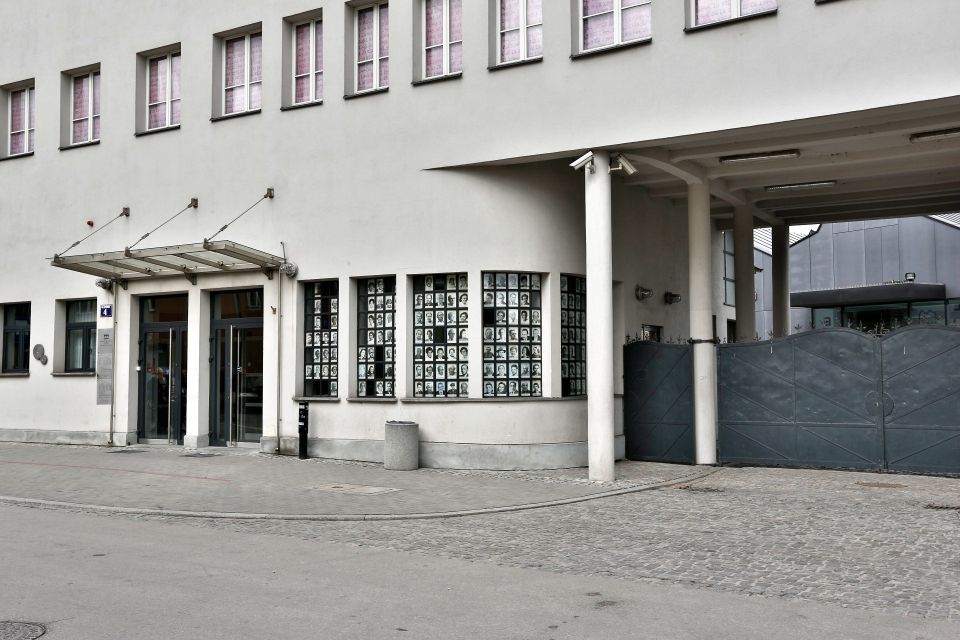
This isn’t a “Schindler movie set” stop. It’s the real factory site—Schindler’s enamel goods factory—turned into a museum that walks you step-by-step through WWII in Krakow, from the tense buildup to the Nazi occupation to the war’s final phase.
What makes this experience worth your time is the way the tour organizes overwhelming material into a line you can follow. You move chronologically through what happened in Kraków, and then the story narrows to Oskar Schindler and the people he helped. That structure matters because this era is heavy, and it’s easy to leave with facts but no understanding of the sequence.
I also like that the museum doesn’t treat this as a single hero story only. It covers the Jews of Krakow before, during, and after the war, and it explains how the city’s Polish and Jewish residents were affected. You’ll come away with a more grounded sense of how everyday life gets shattered under occupation.
One more thing: the tour is led in English, so you can focus on meaning instead of decoding. In multiple guide-led experiences described, the guides were praised for both clarity and organization, which is a big deal in a place where rooms can be crowded.
The 100-Minute Route: How the Visit Flows (and Where It Can Feel Tight)
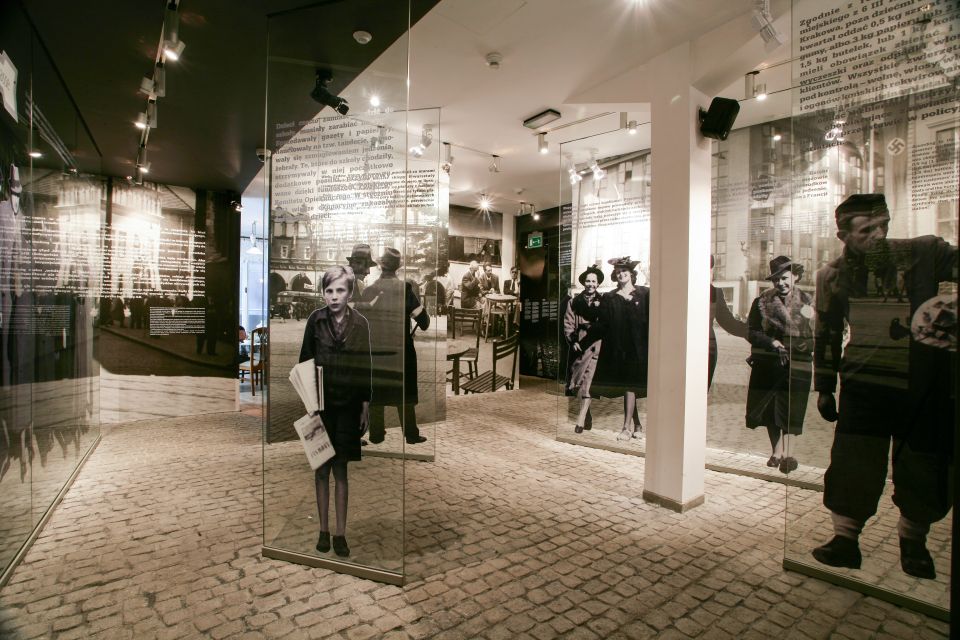
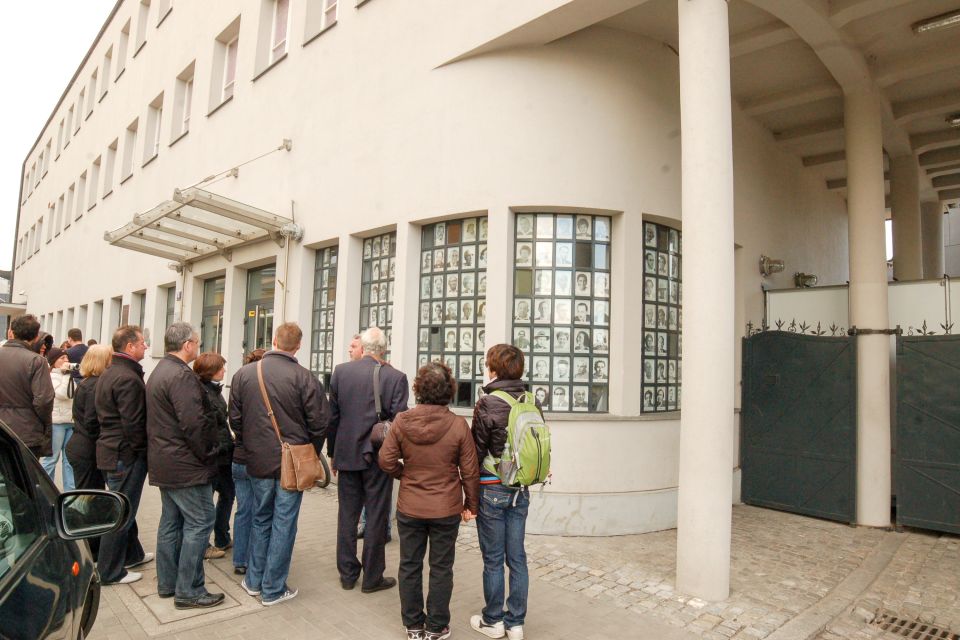
Plan for roughly 100 minutes for the guided portion. The tour runs about 90–100 minutes depending on the group and pacing, and it starts with meeting at the museum entrance on ul. Lipowa 4. Your starting location option is the factory itself (Fabryka Emalia Oskara Schindlera), so you’re not hopping across town—this is a single-site experience.
The museum layout can be narrow in parts, and it can get busy. That’s not a deal-breaker, but it does affect comfort and hearing. If you’re in the middle or back of the group, you may not catch every word in the tightest rooms, especially if there’s museum audio playing.
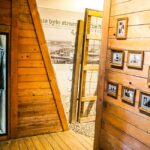
After the guided portion, you can usually stay and explore at your own pace. That’s a real plus here because the museum has details you’ll want time for—photos, documents, and film elements tied to the exhibits. If you have the energy, extend your visit. If you don’t, at least you’ll have a guide-built map for what matters.
You can also read our reviews of more tours and experiences in Krakow


Entering Kraków Under Nazi Occupation 1939–1945
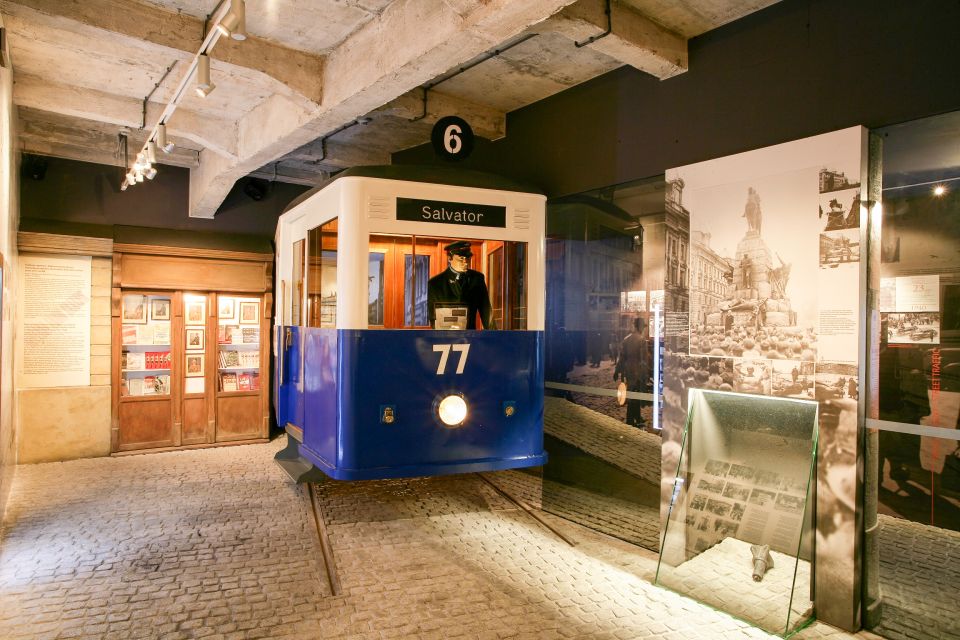
The heart of the tour is the permanent exhibition Kraków Under Nazi Occupation 1939-1945. You begin with what happened in the run-up to the war—events starting about a month before the fighting in the region escalated—so you understand that this wasn’t sudden darkness with no warning.
Then you move through the first months of Nazi occupation, learning how daily life changed and how control was imposed. You’ll hear about Kraków’s inhabitants—both Polish and Jewish—and you’ll see how quickly the city’s social and economic structure got reshaped.
One practical benefit of doing this with a guide: the museum is detailed, and without someone to connect the dots, you can end up reading labels but missing the broader story. A good guide helps you understand why certain rooms are placed where they are and what themes the exhibition is pushing forward.
I’d treat this section like your foundation. If you leave this part confused, the later Schindler segment won’t land as strongly. If you get the occupation story straight, Schindler’s later actions feel less like a surprising plot twist and more like a response to an unfolding system of persecution.
From Ghetto to Płaszów: The Occupation Story Takes Shape
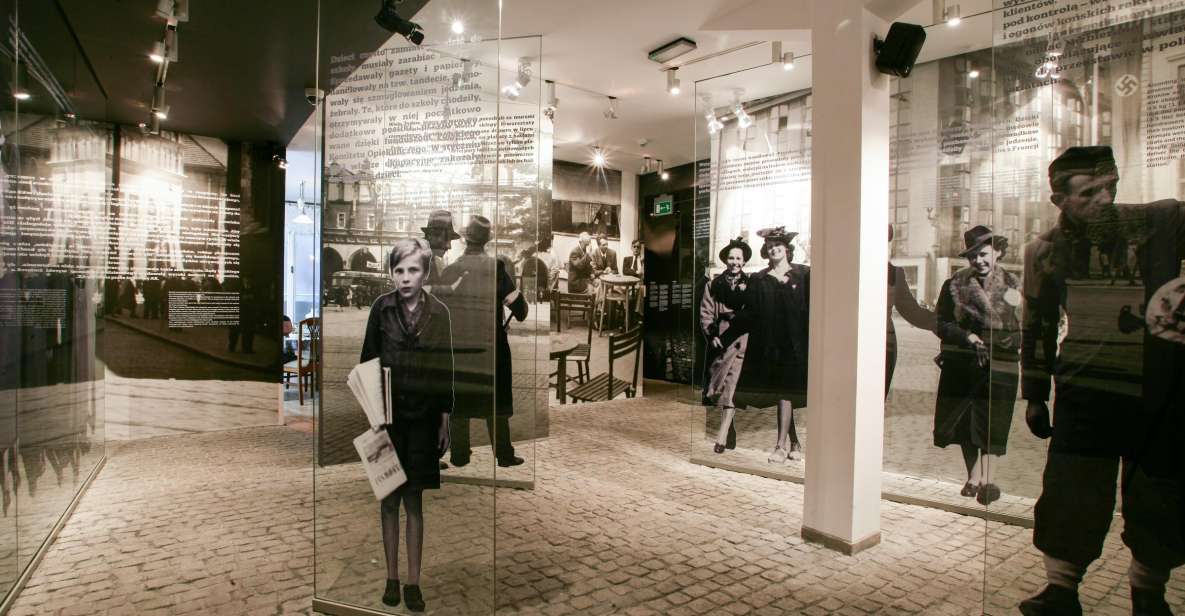
The tour continues into the darker heart of the exhibition, including Kraków’s ghetto and the Płaszów concentration camp. The museum’s design helps you understand how the Nazis organized deportations and confinement, not as isolated events, but as part of a larger machine.
You’ll also see how the narrative connects ordinary people to historic forces—how communities were dismantled, how persecution was enforced, and how the city’s Jewish life was pushed into impossible circumstances. This is the section where you’ll feel the emotional weight most strongly, so it helps that the guide keeps the story organized instead of jumping around.
One consideration: because the material is intense, pacing matters. In some guided experiences, people noted that the final portion of the story can feel rushed. If you’re the type who needs extra time to absorb and read, you may want to arrive earlier than you think and plan to stay afterward for a slow revisit.
Also, museum audio and background sound can be loud, and that can affect what you hear through a headset. If audio matters to you, bring your own headset. Some people have reported the provided audio as mono and low quality in noisy conditions, which is an easy fix if you come prepared.
Oskar Schindler’s Factory Story: Why This Museum Doesn’t Stop at One Man
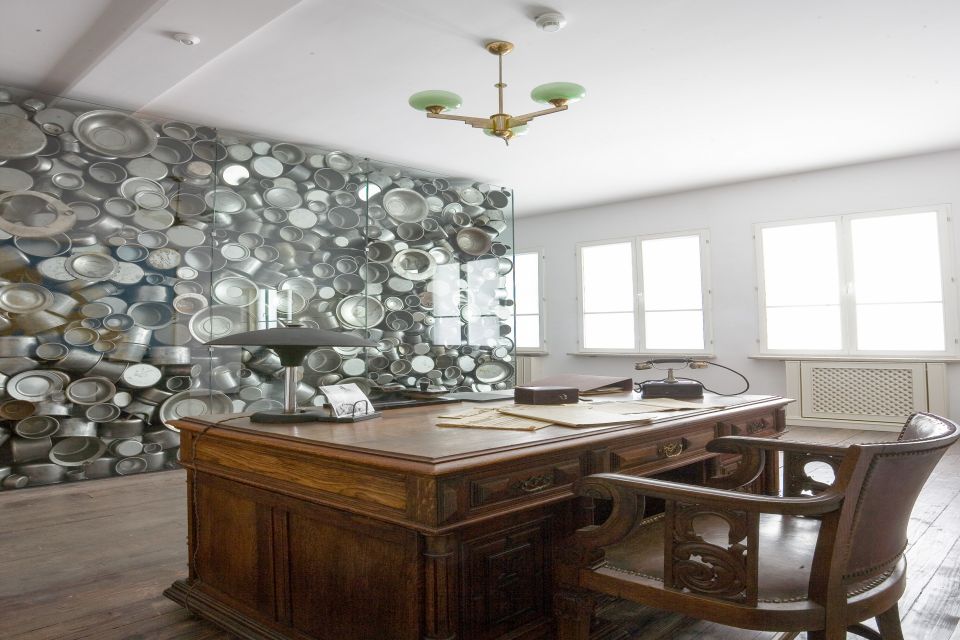
After you’ve learned the occupation context, the tour shifts to the rooms dedicated to Oskar Schindler and the people connected to his lifesaving efforts—specifically, the 1,200 Jews whose lives he helped. You’ll see memories, mementoes, and exhibition material tied to Schindler and his connection to the factory.
This is where you understand why Schindler’s actions are remembered and how those actions fit into the brutal reality around him. The museum doesn’t treat this like a simple “good guy” storyline. Instead, it shows how something profoundly moral can exist inside a system built to destroy, and how rare decisions can change individual fates.
If you’re familiar with Schindler’s List, you’ll recognize themes, but the museum experience won’t be Hollywood. You’re looking at a historical display grounded in Kraków-specific events and the human details behind them.
One of the most helpful ways guides add value is by connecting Schindler to the city’s timeline, not leaving him floating in the story. In multiple guide-led examples, people praised guides for giving both basic background and small, less-known facts that make the broader WWII narrative feel less generic.
Seeing More Than Exhibits: Notes on Movies, Documents, and Time to Read
Even though the guided tour is the main event, the museum includes options to extend your visit. You can stay to watch movies and explore documents related to the story and the people connected to it.
That “stay longer if you want” feature is practical because the museum is dense. It’s the kind of place where you’ll spot one photo or one document that makes you want to linger. With a guide, you get the route first; on your own, you get the chance to slow down.
Plan for breaks. The tour is about 100 minutes, but the exhibits can feel emotionally heavy and physically tiring if you’re moving through tight corridors. If you want to take notes or capture details for later, bring a phone and plan a couple of pauses.
And if your group is large, you may find you need to choose where to focus your attention. A guide can only do so much in narrow rooms, so don’t stress if you miss a sentence. You’ll still get the big picture if you stay oriented to the timeline the guide builds.
You can also read our reviews of more guided tours in Krakow
The Real Value: Pricing, Line-Skip, and What You Get for Around $25
At about $25 per person, this tour is priced like a midrange museum experience—but the value comes from what’s included. You get a professional English guide plus entrance tickets, and you also get to skip the ticket line.
That line-skip matters in Krakow during busy seasons. Even if you can buy tickets on the spot, a guided slot saves you time and makes the visit smoother so you can start learning immediately rather than waiting and losing momentum.
Most museum entries are “self-guided + labels.” Here, you’re paying for interpretation. You’re paying for someone to frame the facts, keep the story chronological, and explain why the museum highlights specific periods—prewar tension, early occupation, ghetto and Płaszów, then Schindler’s connection to lifesaving actions.
So, think of it this way: if you only do the museum solo, you might spend time reading and still feel like you need a guide to connect the story. If you do it guided, you’re buying the connection—plus the context that makes the exhibits hit harder.
Who Should Book This Guided Tour (and Who Might Want a Different Plan)
I think this tour fits best if you want a WWII history experience with structure. If you’re the type who likes understanding timelines and cause-and-effect, the guide-led flow will feel satisfying. It also works well as a lead-in to other WWII sites in Poland because it gives you Kraków-specific context before you move to larger, more widely known camps.
It may feel less ideal if you need lots of mobility or wide walking space. The tour is not suitable for wheelchair users, and tight museum areas can make it hard to pause and read comfortably in the middle of a group.
If you’re someone who already knows a lot about Schindler’s List and wants extreme depth on Schindler alone, you might notice the museum keeps a strong focus on Kraków’s Jewish experience and the broader occupation story. That’s not a flaw—it just means the emphasis isn’t only on one character.
Finally, if you’re highly sensitive to sound, go in ready for noise. The museum can be loud in some sections, and your hearing might depend on headset quality and room conditions. Bringing your own headset is an easy quality-of-life upgrade.
Should You Book This Schindler’s Factory Guided Tour?
Yes, I’d book it if you want the clearest path through one of Krakow’s most important WWII sites. For about $25, you get English guidance, entrance tickets, and a line-skip, plus a structured story that connects Kraków under Nazi occupation to Oskar Schindler’s lifesaving actions.
If you’re short on time, this is a smart choice because the guide helps you absorb what matters without wandering. If you have extra time, you’ll also appreciate the chance to stay and watch films or read documents afterward.
If you’re the kind of visitor who needs wide space, or you know you’ll struggle in narrow, crowded rooms, consider adjusting your plan. But for most people, this guided tour is one of the best ways to make sense of Krakow’s wartime history—and to understand why Schindler’s Factory still matters.
FAQ
Is the tour guided and in English?
Yes. You’ll have a live tour guide in English if you select the guided option.
How long is the Schindler’s Factory guided tour?
The duration is listed as about 100 minutes for this experience.
Where do I meet for the tour?
Meet in front of the entrance to the Schindler’s Factory Museum at ul. Lipowa 4.
Do I need to bring ID?
Yes. Bring a passport or ID card.
Is food included?
No. Food and drinks are not included.
Can I skip the ticket line?
Yes. The experience includes skipping the ticket line.
What is included in the price?
You get the entrance ticket and a professional guide if you choose the guided tour.
Is the museum visit suitable for wheelchair users?
No. It’s not suitable for wheelchair users.
Can I stay after the guided portion?
Yes. The tour is approximately 90 minutes, and you can easily extend your visit to watch movies and explore documents.
What cancellation options are available?
You can cancel up to 24 hours in advance for a full refund.
Can I reserve without paying right away?
Yes. The option is reserve now & pay later, so you can keep plans flexible.