REVIEW · KRAKOW
Krakow: Schindler’s Factory & Ghetto Guided Tour
Book on GetYourGuide →Operated by excursions.city · Bookable on GetYourGuide
A visit to this corner of Kraków hits hard. You start at Schindler’s Factory—not as a simple biography, but as a guided walk through wartime life—then you end up in the ghetto streets, where the memorials make history feel painfully physical. I love that the stories connect Jewish and non-Jewish everyday experiences under Nazi occupation, and the museum rooms are built to make you feel the pressure of confinement.
The guide is the other big reason this tour works. Hearing a live expert like Fil, Alexandra, Joanna, or Eva helps you hold onto details without turning it into a facts-only sprint, and the walking segment pinpoints what matters most, from the ghetto walls to Ghetto Heroes Square. The main drawback to plan for is the pace and the setting: narrow rooms and a time-limited route can leave you wishing you had more quiet moments to read and look around.
In This Review
- Key Points You’ll Care About
- Schindler’s Enamel Factory Museum: where the war feels close
- Don’t expect a working factory
- The exhibition’s message: Oskar Schindler is part of a bigger system
- Small rooms, big information
- The ghetto walk starts at the walls, then moves to the heart
- Chair Memorial: one object, many lives
- Under the Eagle Pharmacy and the story of Tadeusz Pankiewicz
- Why this stop is so valuable
- Guides, microphones, and pacing: the real make-or-break factor
- Timing and comfort tips for a dark, emotional route
- Value check: is $57 a fair deal for Schindler plus the ghetto?
- Who this tour suits best
- Should you book Schindler’s Factory & the Kraków Ghetto tour?
- FAQ
- How long is the tour?
- Where do I meet the guide?
- Is admission to Schindler’s Factory included?
- Which languages are available?
- What does the Schindler’s Factory part focus on?
- Will I see original factory machinery?
- Where does the walking tour go?
- Is food included?
- What should I wear or bring?
- What if I’m late?
- What do I need to provide for entry tickets after January 1, 2026?
Key Points You’ll Care About
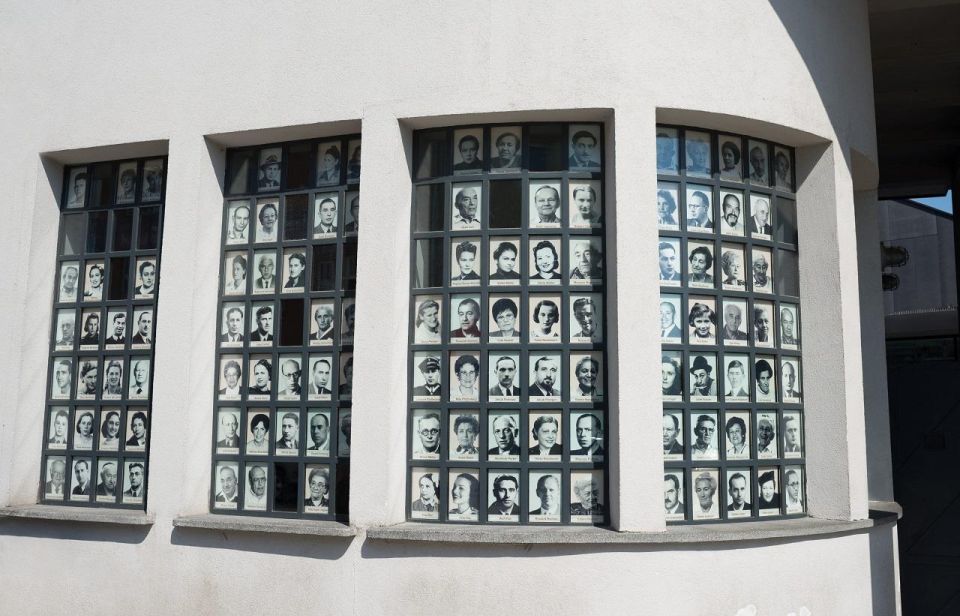
- Skip-the-line entry to Schindler’s Factory saves real time in a museum that draws big crowds.
- A wartime story told through daily life, not just one man’s biography, gives you a fuller picture.
- Ghetto Heroes Square and the Chair Memorial make the scale of loss impossible to ignore.
- Under the Eagle Pharmacy adds a grounded example of resistance and compassion, tied to Tadeusz Pankiewicz.
- Guides matter a lot: many praised the way microphones/headsets and clear pacing helped in small, dim rooms.
- Expect a no-machinery museum—this is an exhibition site, not a functioning factory floor.
Schindler’s Enamel Factory Museum: where the war feels close
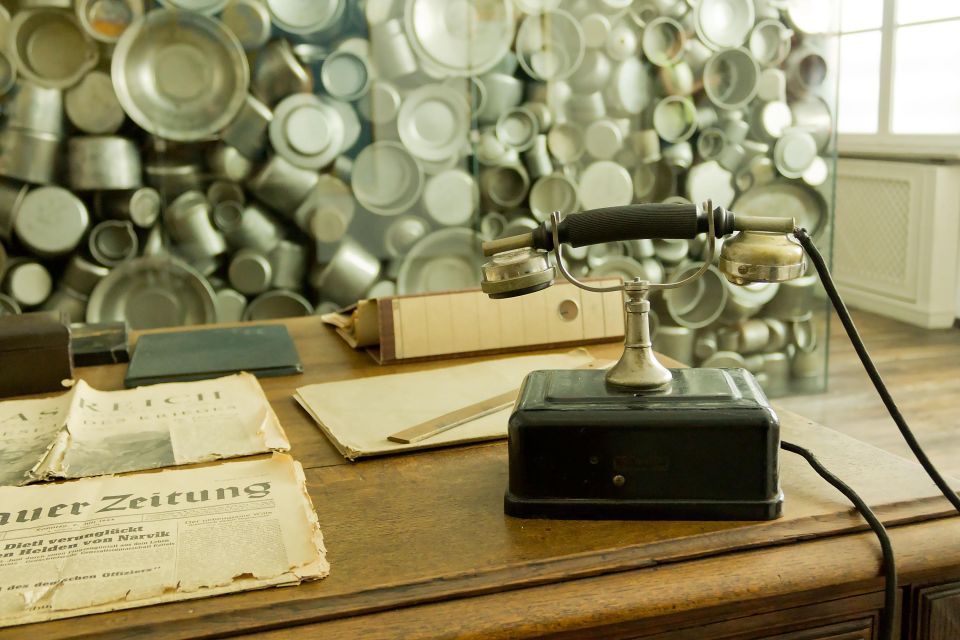
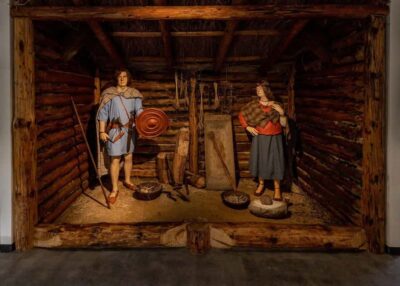
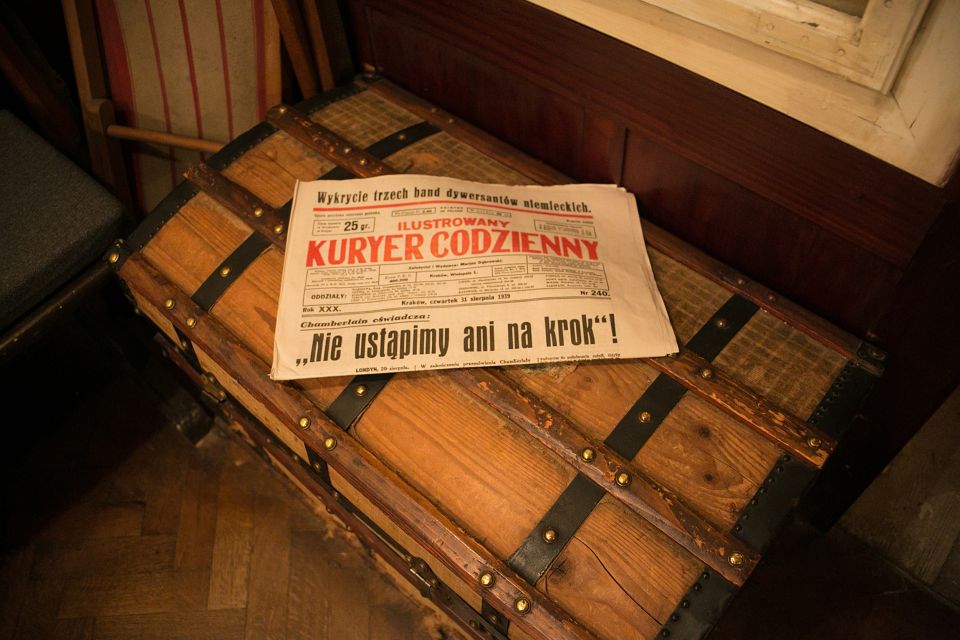
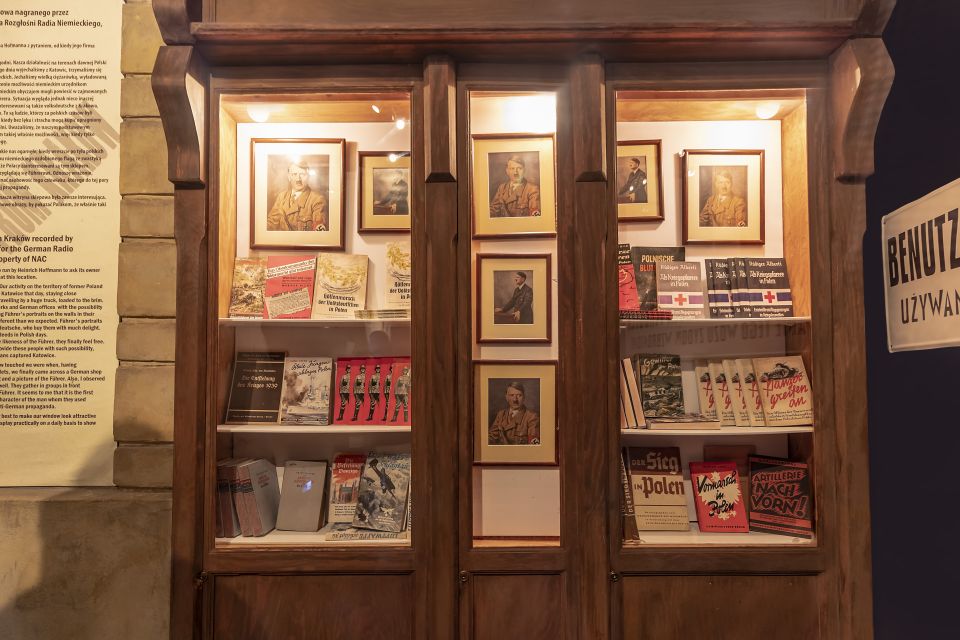
The first stop is Schindler’s Enamel Factory Museum, and it sets the tone fast. This isn’t presented as a tidy biography you can skim and move on from. You’ll walk through “Kraków under Nazi Occupation 1939–1945,” and the focus stays on how war rewired daily life for both Jewish and non-Jewish residents.
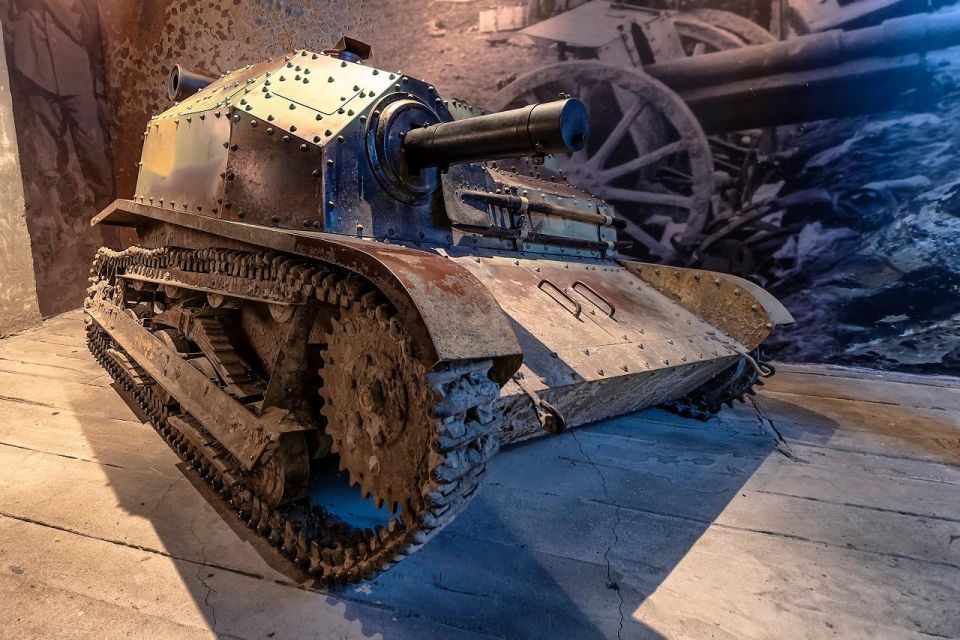
What I like most is the way the exhibition uses original artifacts, photos, and reconstructed scenes to build context. You’re not just learning dates; you’re seeing how space, fear, and control shaped ordinary movement and choices. A lot of the museum runs through narrow corridors that keep the lighting low, and that design choice matters. It can feel uncomfortable in the way the topic demands, which is exactly the point.
You can also read our reviews of more guided tours in Krakow

Don’t expect a working factory
One thing worth flagging early: the building once housed Schindler’s factory, but today it is a museum with no original machinery. If you’re picturing machines humming and workers moving through a real production line, you’ll be surprised. The value here is interpretive: you’re stepping into the story of the factory’s role and the wartime system around it, not touring equipment.
The exhibition’s message: Oskar Schindler is part of a bigger system
You will hear Oskar Schindler’s story, and it does matter—especially how his factory provided refuge for more than a thousand Jewish workers. Still, the tour keeps pulling you outward, toward persecution, deportations, and the destruction of Kraków’s Jewish community. That wider frame is crucial because it keeps Schindler’s actions from getting separated from the larger machinery of Nazi occupation.
In practical terms, this means you leave with a clearer cause-and-effect chain. You can connect why ghettos existed, what confinement meant day to day, and why even small pockets of help had life-and-death weight. If you only came for the famous name, you might still walk out with a stronger understanding of how communities were targeted, controlled, and erased.
Small rooms, big information
The museum design can be a blessing and a curse. The narrow rooms and dim setting help you feel the pressure of the era, but they also limit how long you can linger. Some people found there wasn’t enough time to study every room, especially in a larger group. If you prefer slow, self-paced looking, you might consider pairing this with extra solo time later—because the exhibits deserve it.
The ghetto walk starts at the walls, then moves to the heart
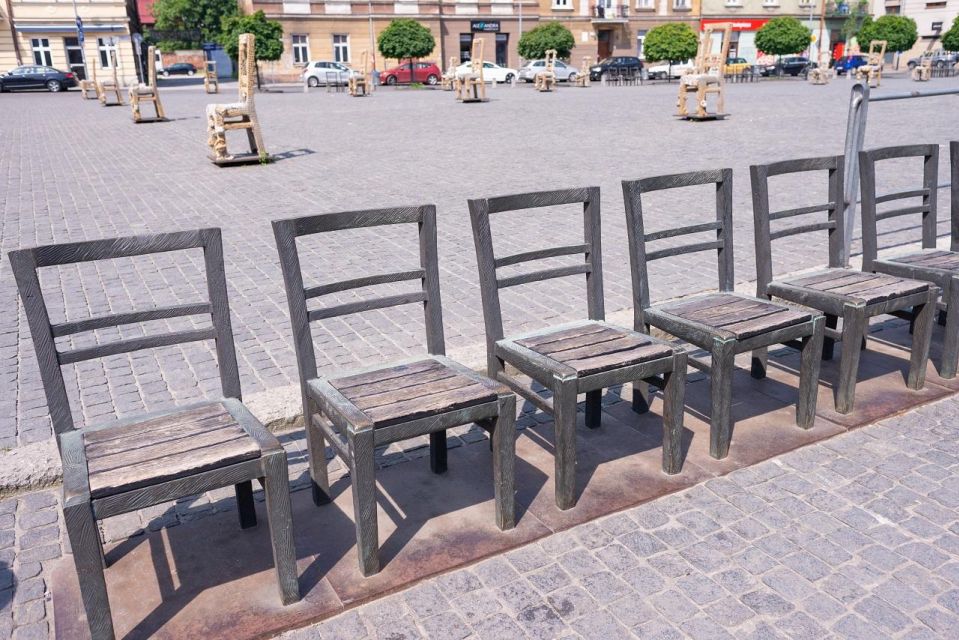
After the museum, the tour shifts into a walking route through the Kraków ghetto area. The first key stop is the remains of the Ghetto Walls. Standing near that boundary is a blunt reminder: this wasn’t just a neighborhood label. It was a physical system of separation that controlled who belonged where, and who could move.
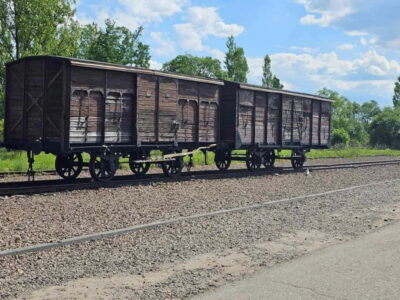
Then you move toward the center of gravity—Ghetto Heroes Square. This is the heart of the ghetto, and it’s tied to deportations to extermination camps. Even if you know the history from a textbook, the square’s location and symbolism force you to process it differently. It’s one of those places where your brain understands, then your body catches up.


Chair Memorial: one object, many lives
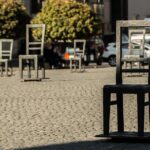
At Ghetto Heroes Square, you’ll see the Chair Memorial, with each chair representing lives lost. This kind of memorial is different from a plaque you read and forget. It’s spare. It’s repetitive. That’s why it lands. You end up doing the math of absence without anyone having to say it out loud.
If you’re the kind of visitor who likes to know what to look for, bring your attention here. Notice how the memorial directs your eye and how it changes your sense of the space. It’s a small design choice with a heavy emotional impact.
Under the Eagle Pharmacy and the story of Tadeusz Pankiewicz
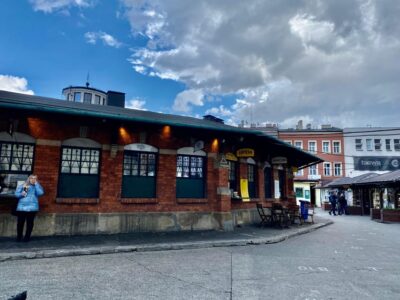
Across the square stands the Under the Eagle Pharmacy, tied to wartime help for ghetto residents. You’ll learn about Tadeusz Pankiewicz and his staff, and how they aided people by preserving access to medicine. That matters because it reframes resistance from only dramatic acts to also the quieter work of keeping someone alive one day at a time.
This stop gives balance to the tour. After confronting walls, deportations, and loss, you get an example of practical courage. It also helps you see how survival depended on networks and choices—sometimes by people with limited power, but real moral commitment.
Why this stop is so valuable
It’s easy for history tours to go numb after too many grim facts. Under the Eagle Pharmacy is different because it shows action inside daily constraints. You don’t just learn that people suffered; you learn that people tried to interrupt suffering, and that those efforts had consequences and risks.
Guides, microphones, and pacing: the real make-or-break factor
This kind of tour lives or dies by the guide. A lot of the top-rated comments point to one thing: the guide doesn’t just recite facts. They explain the connections, keep the group oriented in cramped spaces, and answer questions without turning the atmosphere colder.
You’ll see a pattern across guides like Fil and Alexandra, who were repeatedly praised for clarity and emotional balance. Some guides even used microphone systems with headsets, which makes a difference in small rooms where you’d otherwise have to strain to hear. If you’re sensitive to audio or you’re in a group where people tend to mumble, that gear and setup can make the whole experience easier to follow.
The pacing is another big deal. Some people loved how the guide condensed an information-heavy museum into something you could actually absorb in 3 hours. Others wished it were slower, with more time to read displays and study the rooms. My advice: treat this as a guided orientation. If you want deep reading time, plan a second visit or add an extra hour at the museum later.
Timing and comfort tips for a dark, emotional route
This tour runs about 3 hours, and it packs a museum + walking route into that time. That length works well if you want a powerful overview without committing half a day. It can feel like a lot if you’re also juggling jet lag or you like to take photos slowly.
Weather is another practical factor. The tour goes ahead in all conditions, rain or shine. Come in layers and wear shoes that handle uneven sidewalks and a slower walking pace while you take in memorial spots.
One review-based tip that’s worth repeating: if you do this late in the day, the ghetto walk can feel harder because it gets dark and you lose some visual context. If you have flexibility, choose a time when you can see the street-level environment clearly.
Value check: is $57 a fair deal for Schindler plus the ghetto?
At $57 per person, you’re paying for three things at once: guided entry into Schindler’s Factory (with skip-the-line admission), expert interpretation in the museum, and a guided walking tour of key ghetto sites.
That’s good value when you consider the alternative. Without a guide, Schindler’s Factory can turn into a lot of reading and fragmented context. With a guide, you get a narrative thread through the war years and then you continue with on-the-ground explanation of where the ghetto story was concentrated.
Also, this tour has a strong track record: a 4.7 rating from 1,694 reviews. That’s not a guarantee, but it’s a useful signal that most people leave feeling the guide helped them make sense of a tough subject.
Is it perfect value for everyone? Not always. If you already know the history well and you’re mainly hunting for self-paced time and photos, you might not love the structure. But if you want meaning, clear explanations, and the highest-impact stops in one compact session, this is a solid buy.
Who this tour suits best
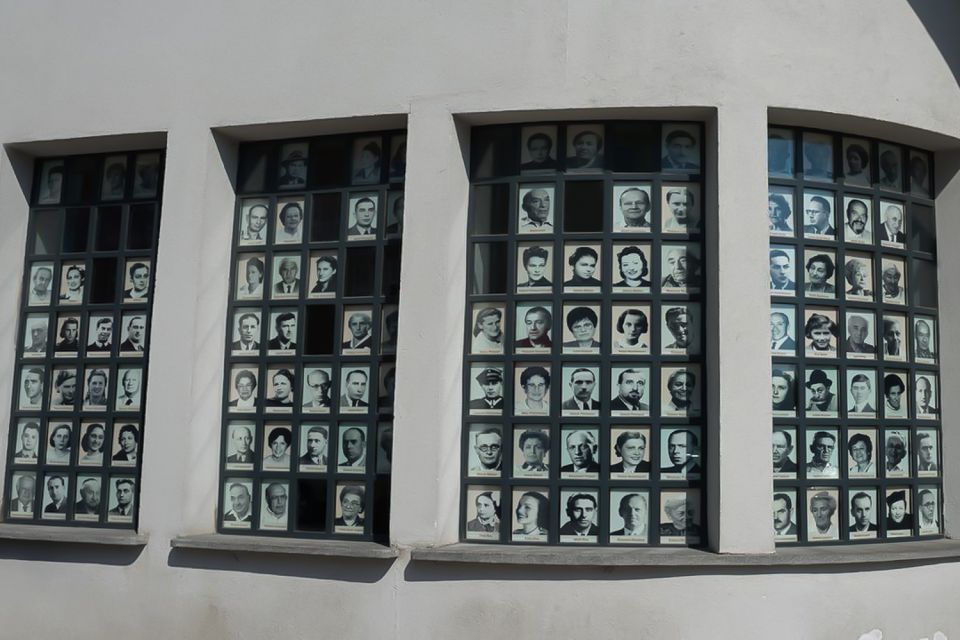
This is a strong choice for you if you want a guided overview that connects the famous Schindler story to the everyday realities of wartime Kraków. It’s also a good fit if you like learning with context rather than collecting random facts.
It can be less ideal if you hate tight schedules or if you need long quiet time inside museums. Some people felt the museum pacing and room size left them without enough time to linger. If that sounds like you, plan extra solo time before or after the tour.
If you’re the type who can handle emotionally heavy topics with respect, you’ll likely find this tour deeply moving. The design choices, memorial stops, and the guided framing push you to process rather than rush.
Should you book Schindler’s Factory & the Kraków Ghetto tour?
I think you should book this tour if you want one focused session that connects Schindler’s Factory to the ghetto sites that still shape how Kraków remembers the war. The skip-the-line entry helps, the museum storytelling builds strong context, and the walking stops hit the key locations that make the history feel real—especially Ghetto Heroes Square and the Chair Memorial.
If you hate group-paced museums, are hoping to see factory machinery in operation, or you’re planning on arriving at the last minute, this probably won’t be as satisfying. Do yourself a favor: arrive on time, bring comfortable shoes, and treat it like an orientation you can build on with later reading.
FAQ
How long is the tour?
The tour lasts about 3 hours.
Where do I meet the guide?
Meet your guide in front of the main entrance to Schindler’s Factory Museum, on the right-hand side, and look for an excursions.city sign.
Is admission to Schindler’s Factory included?
Yes. You get skip-the-line admission to Schindler’s Factory as part of the tour.
Which languages are available?
The live guide is offered in Italian, English, French, Spanish, and German.
What does the Schindler’s Factory part focus on?
It covers Kraków under Nazi occupation from 1939 to 1945, focusing on wartime experiences of Jewish and non-Jewish residents, not just Oskar Schindler’s biography.
Will I see original factory machinery?
No. The building once housed Schindler’s factory, but it is now a museum and does not include original machinery.
Where does the walking tour go?
You visit the remains of the Ghetto Walls, then Ghetto Heroes Square (including the Chair Memorial), and you also see the Under the Eagle Pharmacy.
Is food included?
No. Food and drinks are not included.
What should I wear or bring?
Wear comfortable footwear and dress for the weather. The tour goes ahead in rain or shine.
What if I’m late?
Try to arrive 10 minutes before the tour begins. Once the group has departed, latecomers can’t join and tickets can’t be refunded.
What do I need to provide for entry tickets after January 1, 2026?
From January 1, 2026, it’s essential to provide the names of all participants during booking for the personalized tickets.