REVIEW · KRAKOW
Krakow: Oskar Schindler’s Enamel Factory Museum Guided Tour
Book on GetYourGuide →Operated by EVENTS MANAGEMENT Sp z o.o. · Bookable on GetYourGuide
Krakow’s WWII lesson hits fast. This guided tour of Schindler’s Enamel Factory Museum turns a heavy subject into something you can follow step by step, with an interactive, multimedia exhibit and a live guide to connect the dots about Nazi occupation in the city. I also like that you get into the museum without wasting time in a long queue. One thing to consider: this is not an industrial-factory tour and it isn’t a biographical walk-through of Oskar Schindler’s life like a typical museum movie set.
In 90 minutes, you’ll see the museum’s preserved spaces, including Schindler’s office, and you’ll learn what life looked like in a multicultural Krakow under occupation. The tone is thoughtful, not sensational. That matters, because this subject deserves careful pacing.
Plan to be emotionally moved. Expect the guide to walk you through painful realities, including the tragic history connected to Polish Jews, and you’ll likely leave with a different sense of what the war meant for everyday people.
In This Review
- Key things that make this tour worth your time
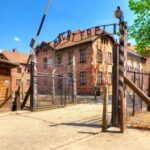
- Getting started at the Schindler Factory entrance
- Inside the museum: interactive and multimedia, not a factory gimmick
- Understanding multicultural Krakow under occupation
- The preserved office of Oskar Schindler: why one room can matter
- A walk through Krakow’s real streets, with war in your head
- 90 minutes of value: price, pacing, and what you actually get
- Who this tour is best for (and who might want a different format)
- Should you book this Schindler Factory guided tour?
- FAQ
- How long is the Krakow Schindler’s Enamel Factory Museum guided tour?
- What is included in the $50 price?
- Where do we meet the guide?
- Which languages are offered for the guided tour?
- Does the tour skip the ticket line?
- Is this a biographical museum about Oskar Schindler’s whole life?
- What should I do for entry starting January 1, 2026?
- Can I choose a preferred start time?
- What is the cancellation policy?
- Can I reserve now and pay later?
Key things that make this tour worth your time
- Skip the ticket line so you start learning right away instead of waiting outside.
- Interactive, multimedia WWII exhibition that helps the story land without feeling like a textbook.
- Live guide in German, Italian, French, Spanish, or English to clarify context as you go.
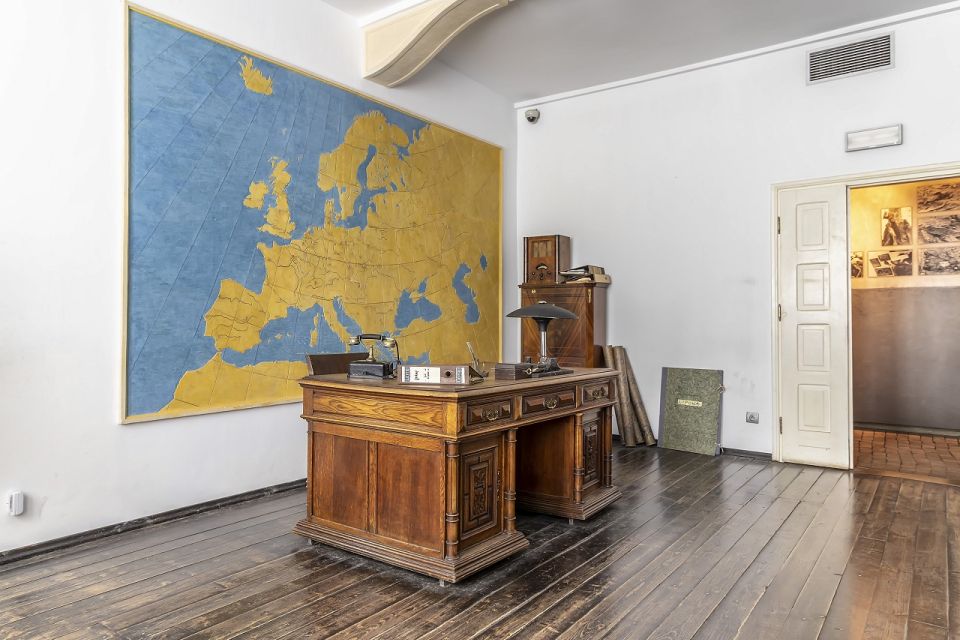
- Schindler’s preserved office for a tangible sense of place, not just photos on a wall.
- A guided walk through the city streets to hear and see what’s still going on around the history.
Getting started at the Schindler Factory entrance

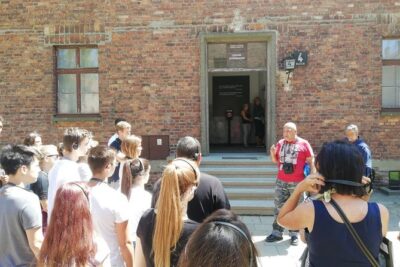
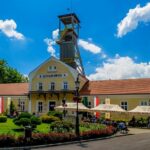
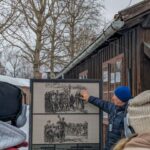
I like tours that respect your time, and this one starts cleanly. Your guide is waiting in front of the museum entrance with tickets in hand, holding a sign that reads excursions.city. That little detail helps a lot in Krakow, where it’s easy to misread a street or get turned around near major sights.
Once you’re in the group, the pace is designed for a focused visit rather than a long museum marathon. You’re scheduled for 90 minutes, which is enough time to get oriented, see the main exhibition areas, and still have the guide’s explanations working in real time.
If you’re traveling with limited time in Krakow, this structure is a strong fit. It’s also a good option when you want a guided narrative but don’t want to commit to a half-day tour.
You can also read our reviews of more guided tours in Krakow
Inside the museum: interactive and multimedia, not a factory gimmick
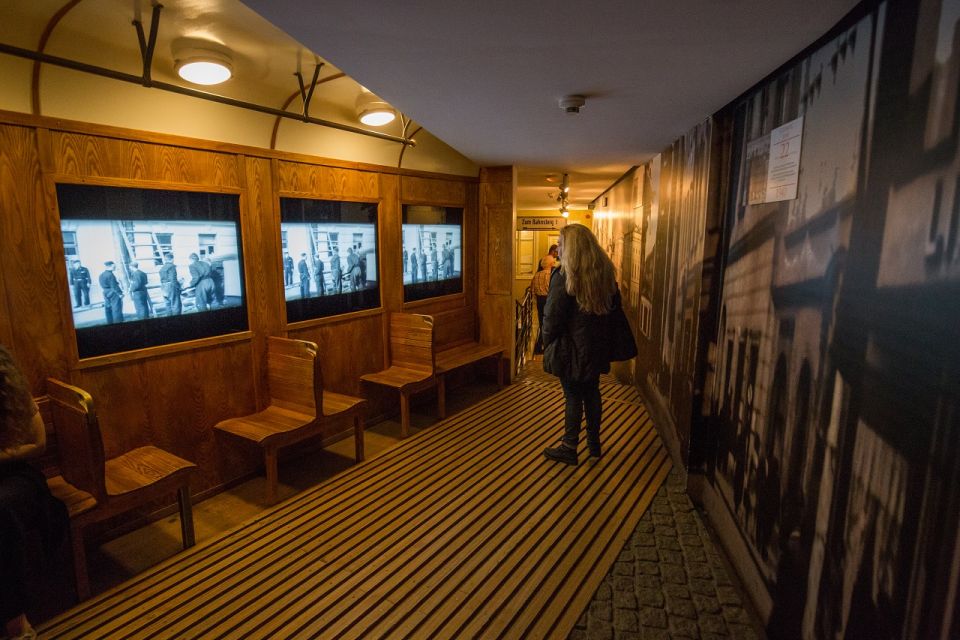
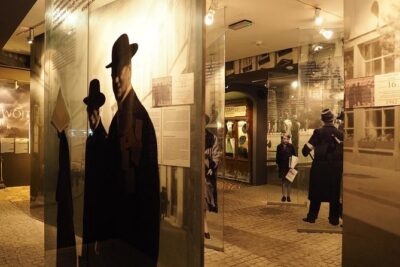
Schindler’s Enamel Factory is one of those places where the exhibition design does some real work for you. Instead of relying only on static displays, the museum uses interactive and multi-media elements to show what life under Nazi occupation looked like in Krakow. You don’t just read facts; you experience the structure of the story as the guide explains it.
I appreciate that the museum is topic-focused. It’s not trying to be a general Krakow WWII museum, and it’s not an industrial factory showing how enamel products were made. That matters because you won’t get pulled into distractions. You can stay on-theme: occupation, control, and the human reality behind the history.
The guide’s role here is huge. Even when exhibits are well-designed, you may miss the connections unless someone frames them. A live guide gives you context—what you’re looking at, why it matters, and how the pieces relate to the war years in Krakow, a city known for its multicultural character.
One practical note: there can be a gap between what people expect from film-style depictions and what the museum actually presents. If you’re coming in thinking the site will feel like an on-screen reenactment or a glossy workshop tour, recalibrate your expectations. This is an exhibition built to explain a specific wartime story, not to recreate an entertainment set.
Understanding multicultural Krakow under occupation
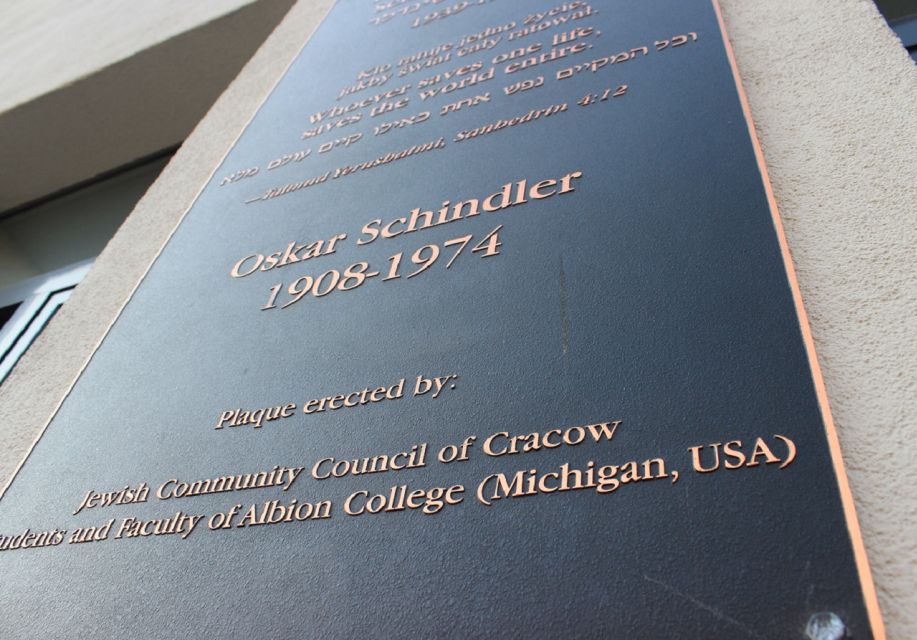
A major reason I think this tour works so well is that it doesn’t treat the past like an isolated tragedy. It explains the realities of living in a multicultural Krakow during the war years. That framing helps you see how occupation disrupted communities, daily routines, and relationships.
You’ll learn how the Nazi occupation changed the city’s atmosphere and, more importantly, the lives inside it. The guide keeps you oriented as the exhibition moves through its themes, so the experience feels like a guided argument rather than a random sequence of rooms.
This also connects to a point that’s easy to overlook if you only focus on one name. Even though Oskar Schindler is central to the museum, the story carries broader weight. The exhibition approach supports a deeper understanding of the tragic history connected to Polish Jews, and the tour’s tone reflects that.
If you want your WWII knowledge to go beyond headlines, this is the kind of experience that adds texture. Not big-picture-only. Not details-only. You get both, tied together by explanations while you’re in the spaces.
The preserved office of Oskar Schindler: why one room can matter
One of the most meaningful parts of the visit is going to the preserved office of Oskar Schindler. This isn’t just a stop for a photo. It’s the moment where the museum shifts from explanation to place.
When you’re standing in or near a preserved office, the story becomes physical. The tour helps you connect the exhibition themes to a specific setting associated with Schindler. That’s where you start to feel how history can be both personal and systemic—what decisions were made inside real rooms, in real time, amid impossible pressure.
I find these kinds of preserved spaces work best when you accept them as evidence, not theater. You’re there to understand what happened and what it meant, not to romanticize it. The guide’s pacing usually keeps the focus on that.
The takeaway is simple: after learning how occupation affected a whole city, the tour brings you into a narrower lens—one office, one set of circumstances—so the larger tragedy doesn’t stay abstract.
A walk through Krakow’s real streets, with war in your head
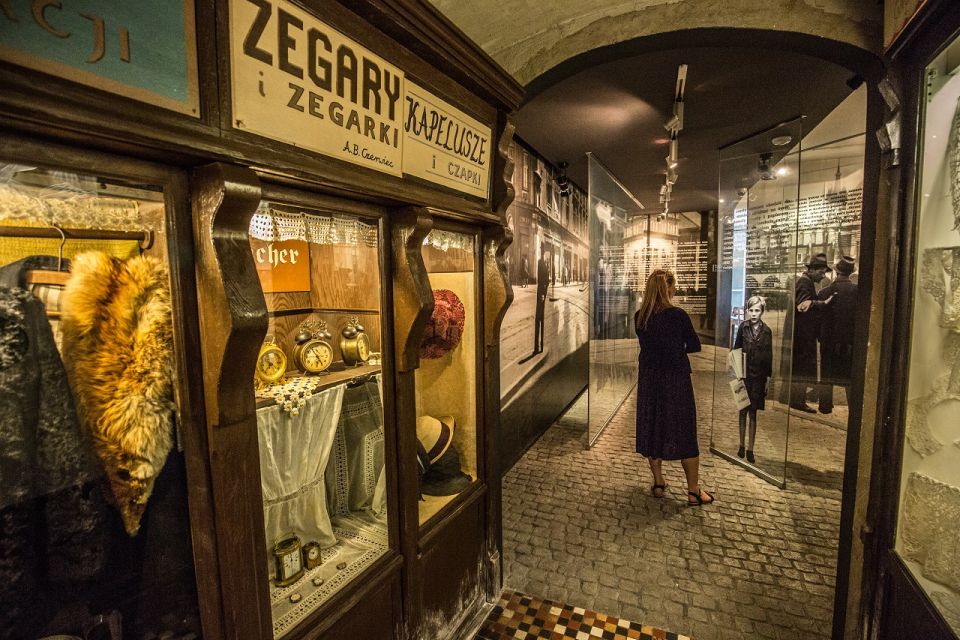
This tour doesn’t keep you trapped indoors the whole time. You walk the streets of Krakow during the experience, hearing city sounds and seeing ongoing life around you. That contrast is powerful.
It also helps your brain place the museum in context. You’re not only learning about a past that happened somewhere else. You’re watching the present move through the same city, which makes the history feel closer and harder to brush off as distant.
You may notice how the guide points out the city’s continued life as a kind of counterweight to the museum’s subject. It doesn’t erase the past. It helps you understand that the past lives on in the way cities are built and remembered.
For me, that street element is a big value-add. A museum-only visit can leave you with knowledge. This adds a layer of location awareness, which makes the facts easier to retain once you’re back out in Krakow.
You can also read our reviews of more museum experiences in Krakow


90 minutes of value: price, pacing, and what you actually get
The price is $50 per person for a 90-minute guided tour, and you’re also getting the museum entrance ticket included. On paper, that might sound like a straightforward museum price. In practice, the value comes from three things:
1) A guide who connects the exhibition themes to WWII context.
A museum can be informative on your own, but a guide helps you move faster through uncertainty and understand what you’re seeing.
2) Skip-the-line entry.
This matters when you have limited time. You’re not standing around watching other people go first; you’re using the paid time for the content.
3) A focused duration.
Ninety minutes keeps the tour from stretching into fatigue. You get a complete experience without turning it into a slog, which is especially helpful for heavier topics.
Also worth noting: the tour languages are German, Italian, French, Spanish, and English. If you’re choosing based on comfort, English guides are available, but you can also select other major languages if that helps you follow details without strain.
One more detail you’ll want to plan around: starting January 1, 2026, entry requires full names of all participants when reserving, and you must bring a passport or ID because tickets are personalized. Times are approximate and may shift based on the museum schedule, so treat your chosen start time as a plan, not a guarantee.
Who this tour is best for (and who might want a different format)
This guided visit is a strong match if you:
- want WWII learning with real context, not just a list of dates
- prefer an exhibition that uses interactive and multimedia elements
- want a guide to help you understand the realities of occupation in Krakow
- like tours that end with you still thinking about what you saw, not forgetting it as you walk away
It may be less ideal if you’re expecting a light, entertainment-style factory experience or a broad Schindler biography like a dedicated life story museum. This tour is explicitly focused on the exhibition topic and the preserved office setting, and it doesn’t try to cover everything.
If you’re traveling with someone who gets uncomfortable with intense historical material, be honest with yourselves about the tone. The exhibition handles painful subject matter in a reflective way, and the guide’s explanations support that approach.
Should you book this Schindler Factory guided tour?
I’d book it if you want a high-impact, time-efficient visit that gives you more than facts. The combination of skip-the-line entry, a live guide in multiple languages, and an interactive multimedia exhibition makes it a smart value for $50, especially if Krakow is tight in your schedule.
I’d skip it only if you’re specifically looking for a lighter museum format, or if you only want a general, casual introduction to Krakow WWII themes. This is more focused and more serious than that.
If you do book, come ready to slow down when the guide slows down. This museum works best when you let the story land—inside the rooms, through the multimedia, and again when you step back out onto Krakow streets.
FAQ
How long is the Krakow Schindler’s Enamel Factory Museum guided tour?
It lasts 90 minutes.
What is included in the $50 price?
The tour includes a live guide and an entrance ticket to the museum.
Where do we meet the guide?
Meet in front of the museum entrance. The guide will be waiting with tickets and a sign that says excursions.city.
Which languages are offered for the guided tour?
The guide is available in German, Italian, French, Spanish, and English.
Does the tour skip the ticket line?
Yes, it skips the ticket line.
Is this a biographical museum about Oskar Schindler’s whole life?
No. It’s an exhibition devoted to a specific topic, not a full biography or an industrial-factory tour.
What should I do for entry starting January 1, 2026?
You must provide full names of all participants when reserving and bring a passport or ID for museum entry, because tickets are personalized.
Can I choose a preferred start time?
Yes, you can choose a preferred time when reserving. Exact timing is not guaranteed, since times are approximate and may change due to the museum’s scheduling.
What is the cancellation policy?
You can cancel up to 24 hours in advance for a full refund.
Can I reserve now and pay later?
Yes. You can reserve and pay later to keep your plans flexible.