REVIEW · KRAKOW
Krakow: 2h Kazimierz (Jewish Quarter) Scooter Tour
Book on GetYourGuide →Operated by Krakow tours - segway, scooter, bike, walking tour in Krakow · Bookable on GetYourGuide
Krakow becomes easy to glide through. This 2-hour e-scooter tour turns Kazimierz into a moving history lesson, with stops tied to Jewish community life and Schindler’s List film locations.
I like how the experience starts with practical training so you’re not fumbling once you reach the streets. I also like the specific, human-scale storytelling: you’ll see synagogues, a Jewish cemetery, the area of the former ghetto, plus places connected to Elena Rubinstein and the largest mikvah in Krakow.
One thing to consider is comfort and balance: the tour isn’t suitable for pregnant women, and you’ll want comfortable shoes and a steady ride mindset for the full session.
In This Review
- Key highlights I’d plan around
- Arriving in Krakow: where this starts to feel effortless
- Scooter training: the safety step you’ll be glad you get
- Kazimierz by e-scooter: seeing the Jewish Quarter with momentum
- Synagogues and a Jewish cemetery: why these stops matter
- Elena Rubinstein and the mikvah: the personal details that stick
- Former ghetto territory: learning without losing the human scale
- Schindler’s List filming locations: when movie locations meet real streets
- The guide matters: what you can expect from Arthur/Arturo
- Pacing and group size: short tour energy, not long-tour exhaustion
- Price and value: why $33 can make sense here
- What to bring and wear so the day stays comfortable
- Who this tour is best for (and who should skip it)
- Should you book this Krakow Kazimierz scooter tour?
- FAQ
- How long is the Krakow Kazimierz e-scooter tour?
- What is included in the price?
- How much does the tour cost?
- Where is the meeting point?
- Do I get training before riding the scooter?
- What will we see during the tour?
- Is the tour private or small group?
- What languages are available?
- Is the tour suitable for pregnant women?
- What should I bring?
- Can I cancel if plans change?
Key highlights I’d plan around
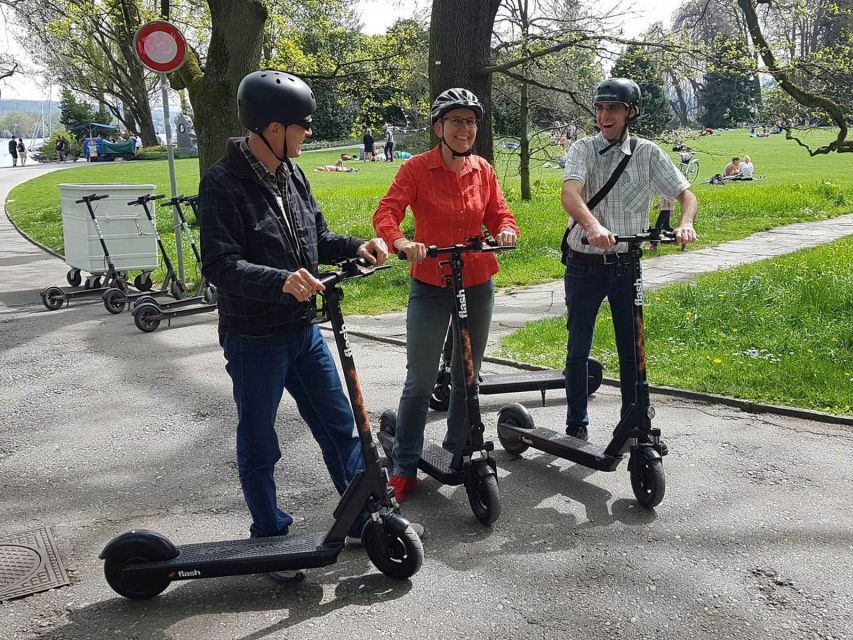
- Training first, then traffic-ready riding so the tour stays smooth and safe
- Kazimierz sights on two wheels including synagogues and a Jewish cemetery
- Elena Rubinstein and the mikvah connection that adds names, not just dates
- Former ghetto territory explained as part of the pre-war story
- Schindler’s List filming locations that make the film feel real
Arriving in Krakow: where this starts to feel effortless

This tour runs for about 2 hours, and it works best when you arrive ready to move. Plan to get there roughly 10 minutes early and look for the Bike Rent Krakow sign across from Izba Administracji Skarbowej.
Once you’re set, the rhythm is simple. You’ll start with a short, guided lesson on how to handle the scooter safely. That matters because the rest of the tour is about attention—street views, signage, and your guide’s story—not about figuring out controls.
You can also read our reviews of more tours and experiences in Krakow


Scooter training: the safety step you’ll be glad you get
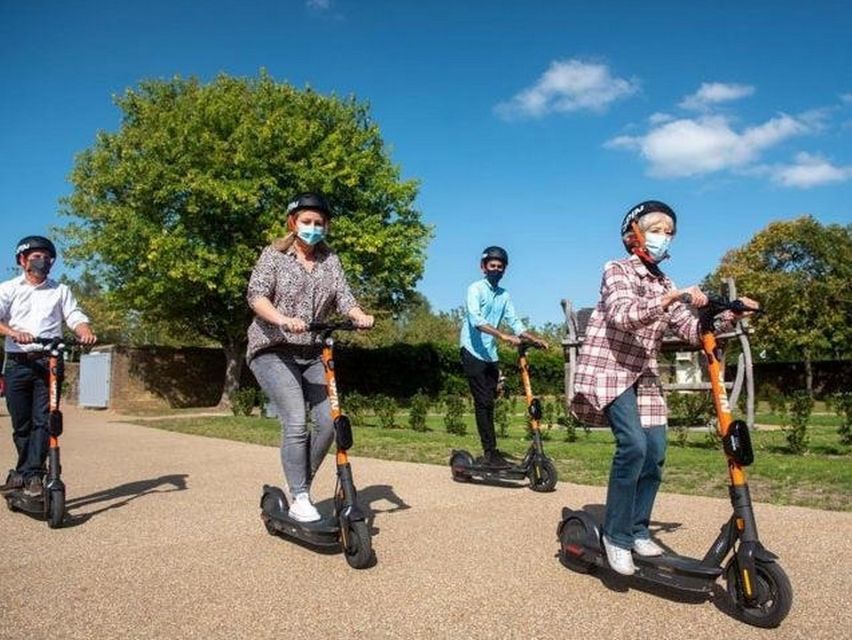
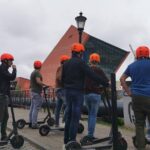
Before you roll into Kazimierz, you’ll receive training on managing an e-scooter. You’ll wear a helmet, and you’ll learn how to ride in a way that fits a guided group pace.
In practice, this is what keeps the tour from feeling chaotic. You’ll get the hang of starting smoothly, slowing down, and turning without panic. It’s a small thing, but it makes a huge difference when the streets aren’t designed for tourists who stop every five seconds.
You should also wear shoes that can handle some uneven ground and quick repositioning. The tour info calls out comfortable shoes, and that’s exactly the kind of detail that prevents the day from turning into sore-foot regret.
Kazimierz by e-scooter: seeing the Jewish Quarter with momentum

The heart of the experience is Kazimierz, the Jewish Quarter of Krakow. You don’t just hear facts—you move through the neighborhood in a way that feels efficient and modern, which is great if you’ve only got a day or two in Krakow.
You’ll pass by and learn about key locations connected to Jewish cultural and community life before the war. The guide’s goal is to help you feel the presence of people who lived here before the war, and also understand what the modern Jewish community looks like today.
If you like history but don’t want a long walking slog, the scooter format is a strong fit. You get to cover more ground than a pure walking tour, without turning the day into a rush.
Synagogues and a Jewish cemetery: why these stops matter
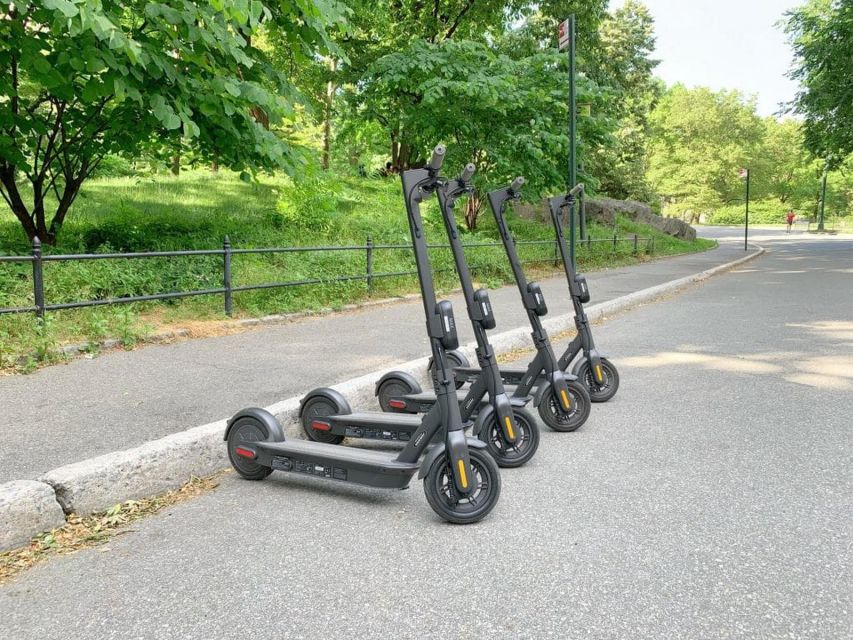
During the tour, you’ll see synagogues and a Jewish cemetery. These places aren’t interchangeable set-pieces. They help anchor the story in real locations where community life had structure, rhythm, and meaning.
What makes these stops valuable is how they fit the tour’s larger theme: pre-war Krakow and the Jewish culture that shaped it. A guide doesn’t need to overdo emotions to make the places feel important. When you’re standing there (or riding past carefully at the right moment), you understand why the tour treats them as core points rather than optional extras.
A cemetery also changes your tempo naturally. Even on a scooter tour, it tends to make you slow down mentally. That can be a good thing if you like thoughtful sightseeing instead of constant photo-snapping.
Elena Rubinstein and the mikvah: the personal details that stick

One reason I like this tour is that it includes named connections you can picture later. You’ll visit the locations where Elena Rubinstein lived, and you’ll also see where the largest mikvah in Krakow was located.
These two stops add texture. Instead of a history lecture that stays at “big events,” you get a sense of everyday life—people with occupations, social influence, and places tied to religious practice.
Rubinstein’s story brings in a recognizable name. The mikvah stop grounds the narrative in a specific institution, not just general cultural references. When a tour includes details like this, it’s easier to remember what you learned because it’s attached to places you actually saw.
You can also read our reviews of more tours and experiences in Krakow




Former ghetto territory: learning without losing the human scale
You’ll also visit the territory of the former ghetto. This is the part of the tour where the meaning of the route becomes more serious. You’re not just sightseeing; you’re tracing how a neighborhood changed and why those changes mattered.
The guide tells the story through lived experience as much as possible—helping you learn about what happened without turning the day into a list of dates. That’s important. You want to understand context, but you also want respect for the places themselves.
From a practical point of view, this segment benefits from the scooter format too. It keeps you moving so you can cover the needed ground while still letting your guide time their explanations. You’re not forced to cram everything into one stop, and you’re not wandering too far on your own.
Schindler’s List filming locations: when movie locations meet real streets
This tour includes Steven Spielberg’s Schindler’s List filming locations. Even if you’ve watched the film before, the effect can be different when you see the real streets and buildings that inspired those scenes.
What I like about this inclusion is how it gives you a visual reference point. You may recognize certain angles and settings, and then the guide connects what you’re seeing back to the broader historical context. That link is what makes film-location stops more than trivia.
It’s also a fun way to experience Krakow if you’re traveling with someone who likes pop culture. Everyone gets value: you learn history, and you get the satisfaction of seeing how a famous story translated to real places.
The guide matters: what you can expect from Arthur/Arturo
Good guides can make or break a short tour. The available feedback points to strong performance from Arthur, and one booking refers to the same guide name as Arturo. In both cases, the story is consistent: lively delivery, solid historical knowledge, and a sense of humor that keeps the tour engaging.
You’ll also benefit from a guide who can explain complex topics in a way that fits a moving group. Since this is a 2-hour experience, the pacing has to work. From the guidance described, you should feel entertained and informed without it dragging.
The tour also runs with live guides in French, Italian, English, Polish, and German. If you’re choosing the tour based on language, go with whichever you can comfortably understand for the detailed parts. That’s where you’ll get the most value.
Pacing and group size: short tour energy, not long-tour exhaustion
This is a compact tour by design. It’s long enough to hit the big thematic stops—synagogues, cemetery, ghetto territory, Rubinstein, the mikvah location, and film spots—without eating your entire day.
Group size is listed as private or small groups available. Small groups are a practical advantage on scooter tours because it’s easier to keep everyone together. You also tend to get more flexibility for questions.
One more note from real experience: on at least one occasion, the route shifted toward Old Town instead of the Jewish Quarter segment, and a refund was offered. That doesn’t mean it will happen to you, but it’s a good reminder to stay flexible and ask what the plan is on the day.
Price and value: why $33 can make sense here
At $33 per person for a 2-hour scooter tour with helmet, scooter, and a professional guide, the math can work well—especially if you want more than a quick walking loop. You’re paying for movement plus interpretation: the scooter itself plus the time and skill of someone guiding you through multiple high-interest locations.
Here’s how I think about it as value:
- If you want Jewish Quarter and Spielberg/Schindler’s List context in one package, the guide saves you time.
- If you’re short on days in Krakow, scooter coverage helps you see more without turning into a full-day grind.
- If you enjoy history tied to specific places, the route is doing real work for the price.
One caution: there’s mention of an extra food tasting element in some experiences, and the portions described there didn’t meet some expectations. If food is a must for you, check what’s actually included in the version you book—don’t assume a specific Polish dish will be part of the deal.
What to bring and wear so the day stays comfortable
You won’t need much beyond basics, but a couple items matter:
- Comfortable shoes (the tour explicitly calls this out)
- A mindset for shared movement and stopping when your guide tells you to
- Light weather planning (Krakow weather can change fast, so dress in layers)
If you’re prone to motion discomfort, you should also think twice about any scooter experience. The tour isn’t suitable for pregnant women, and the safety-first approach suggests it’s best for people who feel confident on small vehicles.
Who this tour is best for (and who should skip it)
This tour is a strong match if you:
- Want pre-war Krakow context tied to Jewish culture
- Like guided storytelling more than browsing alone
- Want to see multiple meaningful sites in 2 hours
- Are curious about how Schindler’s List connects to real locations
You might skip it if you:
- Are pregnant (the tour explicitly says it’s not suitable)
- Don’t feel comfortable riding an e-scooter
- Prefer long walking sightseeing with lots of unplanned wandering
Should you book this Krakow Kazimierz scooter tour?
I’d book it if you want a time-efficient way to connect Kazimierz history to real places, and you care about the Schindler’s List filming locations as more than a photo stop. The combination of scooter coverage, training, and specific stops like synagogues, the cemetery, Elena Rubinstein’s connection, and the mikvah location makes it feel purpose-built for visitors who want clarity and momentum.
Just go in with the right expectations: it’s not a slow, sit-and-read museum day. It’s a guided, moving route where you’ll learn by seeing.
If that’s your style, this is one of the more practical ways to understand Krakow’s Jewish Quarter in a short window.
FAQ
How long is the Krakow Kazimierz e-scooter tour?
The duration is 2 hours.
What is included in the price?
You get a helmet, an e-scooter, and a professional guide.
How much does the tour cost?
The price is listed as $33 per person.
Where is the meeting point?
Look for the Bike Rent Krakow sign across from Izba Administracji Skarbowej.
Do I get training before riding the scooter?
Yes. The tour starts with training on how to manage the e-scooter, with safety prioritized.
What will we see during the tour?
You’ll visit the Jewish Quarter of Krakow, including synagogues, a Jewish cemetery, the territory of the former ghetto, locations connected to Elena Rubinstein, the largest mikvah in Krakow, and Schindler’s List filming locations.
Is the tour private or small group?
It offers private or small groups.
What languages are available?
Live guides are available in French, Italian, English, Polish, and German.
Is the tour suitable for pregnant women?
No. It is not suitable for pregnant women.
What should I bring?
Bring comfortable shoes.
Can I cancel if plans change?
Yes. There is free cancellation up to 24 hours in advance for a full refund.
If you want, tell me your travel dates and what language you prefer, and I’ll help you decide which time slot makes the most sense for pairing this with the rest of your Krakow day.