REVIEW · KRAKOW
Auschwitz-Birkenau Memorial and Museum Guided Tour from Krakow
Book on Viator →Operated by Cracow Boat · Bookable on Viator
Auschwitz is never just a place. This guided day trip from Krakow makes the journey manageable and turns the visit into a structured, understandable walkthrough of the camp’s most crucial areas, from prisoner life to the ruins of the crematoria. I especially like the pickup and round-trip transfer that keeps logistics simple, and the museum guide plus headsets that help you follow the story without straining. One drawback to plan for: even if you arrive on time, the site’s entry flow can cause waiting once you’re there, and that part is out of your tour driver’s control.
What stood out to me is how the best guides can guide your eyes and your mind in the right order, without rushing. One guide named Alexandria is mentioned as delivering a clear, passionate explanation, which is exactly what you want here. Still, this is emotionally intense and you’ll do a lot of standing and walking, so keep your pace calm and expect the day to feel heavy.
In This Review
- Key Highlights You’ll Care About
- Auschwitz-Birkenau From Krakow: Why This Guided Day Works
- Price and Value: What $36 Includes (and What It Doesn’t)
- Pickup, Comfort, and the Reality of Timing
- Museum Headsets: How You’ll Actually Hear the Guide
- What You’ll See at Auschwitz-Birkenau (and Why It’s Organized)
- Auschwitz I and Birkenau Areas: A Hard Day With Clear Stops
- The On-Site Reality: Waiting Can Happen
- What the Guide Should Do for You (and What to Look For)
- What to Bring: ID, Comfort, and Simple Planning Wins
- Food and the Lunch Question: Don’t Assume It’s Included
- How Physically Demanding Is It?
- Who This Tour Is Best For (and Who Might Want Another Option)
- Should You Book This Krakow-to-Auschwitz-Birkenau Tour?
- FAQ
- How long is the Auschwitz-Birkenau guided tour from Krakow?
- Does the tour include pickup in Krakow?
- What’s included in the tour price?
- Are headsets provided during the museum visit?
- Do I need an ID or passport?
- Are the museum tickets personal?
- Is food included?
- How big is the group?
- Can the departure time from Krakow change?
Key Highlights You’ll Care About

- Krakow to Oświęcim with group transfer so you skip the hardest part of planning
- Professional museum guide included for context that’s hard to piece together on your own
- Headsets provided, so narration stays clear even in crowded spaces
- You’ll see the big, hard-to-forget areas like the crematoria ruins, gas chambers, and the railway platform
- Small-group feel up to 30 travelers, which generally helps keep things organized
- Departure times may shift if the museum changes entry rules that day
Auschwitz-Birkenau From Krakow: Why This Guided Day Works
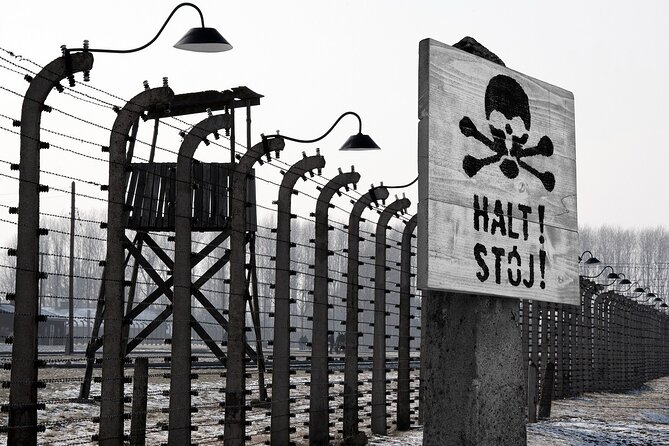
Auschwitz-Birkenau is one of those places where “just seeing it” isn’t really enough. The site is large, the exhibits are detailed, and your brain needs a guided path through the facts so it doesn’t feel like a blur of names, buildings, and artifacts.
This trip is built for that. You start in Krakow, get taken directly to the museum complex, and you get a guide-led visit with museum tickets included. That structure matters because the hardest part isn’t getting there—it’s understanding what you’re looking at while your emotions are already on full volume.
You’ll also appreciate that you’re not navigating trains, timetables, and ticket timing on your own. A day like this is too important to spend it guessing.
You can also read our reviews of more guided tours in Krakow
Price and Value: What $36 Includes (and What It Doesn’t)
For about $36, you’re paying for three practical pieces of value: the round-trip group transfer, the guided museum time, and admission. Even if you’re comfortable with independent travel, that combination saves time and decision fatigue.
Food isn’t included. That’s normal for a day trip, but it changes how you plan your energy. If you’ll need a meal break for your nerves and your body, you’ll either eat before you go or look for an add-on lunch option where available.
Also note the human side of value: this is one of those experiences where the “guide factor” can make a big difference. A good guide helps you see details in the right order, so your visit feels like it added meaning—not just weight.
Pickup, Comfort, and the Reality of Timing

The meeting point is in Kraków at Przystanek Turystyczny Kiss&Ride, Wielopole 2. Pickup is offered, and the tour ends back near the city center. The whole setup is meant to make the day feel straightforward: you show up, you leave for the morning, and you return without managing transit.
The ride is in a group format, and one review highlights a comfortable Mercedes van. That’s a nice detail because you’ll likely want to arrive calmer than you started.
One timing consideration: the departure from Krakow may change due to restrictions imposed by the museum. That’s not something your driver controls. What you can control is your approach: don’t pack the rest of your day too tightly. Give yourself a little buffer on either side so changes don’t stress you out.
Museum Headsets: How You’ll Actually Hear the Guide
You get headsets in the museum, which is a big deal here. The camp grounds and exhibit spaces can be crowded, and even good audio equipment will struggle if you’re relying on normal volume. Headsets help you stay focused on what the guide is saying.
That matters because the narration connects the dots between locations: prisoner living conditions, exhausting labor, medical experiments, and liberation. Without audio support, it’s easy to walk through sections while thinking, I’m not sure what I’m supposed to notice right now.
This tour gives you that guidance. It’s one of the reasons the day can feel structured rather than overwhelming.
What You’ll See at Auschwitz-Birkenau (and Why It’s Organized)
This is the kind of place where you’re not looking for entertainment. You’re looking for understanding, and understanding takes structure.
The museum focuses on key parts of the system:
- living conditions for prisoners
- exhausting forced work
- terrible medical experiments
- liberation of the camp by Soviet troops
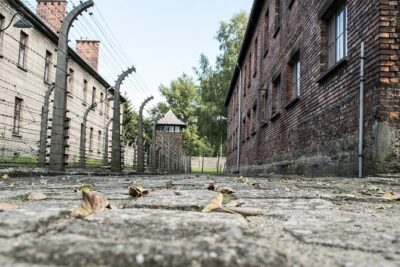
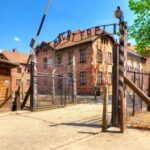
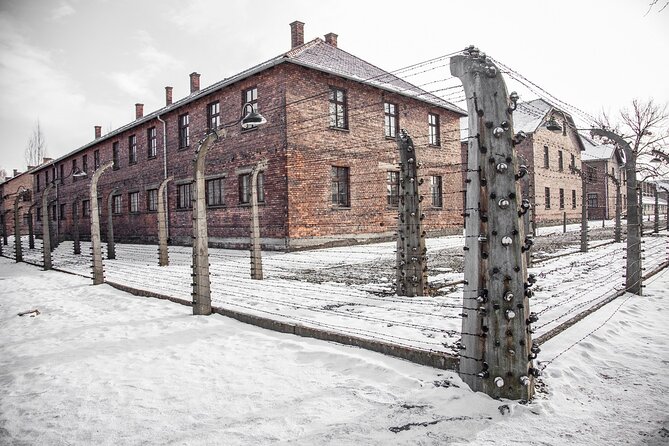
From the memorial’s main areas and exhibits, you’ll also see some of the most infamous remains and artifacts connected to the mass killings. Expect to encounter the ruins of the crematoria, gas chambers, and the railway platform. These aren’t just “sights.” They’re physical evidence of the machinery of genocide.
The museum also includes objects in the exhibition spaces. That’s where the guide’s role becomes especially important—because objects are easier to comprehend when you know what you’re looking at and how it fits into the broader story.
You can also read our reviews of more museum experiences in Krakow




Auschwitz I and Birkenau Areas: A Hard Day With Clear Stops
The experience is described as a guided visit that lasts around 4 hours inside the museum area. That’s a manageable amount of time for a site this intense, especially since you’re not doing it alone.
Here’s what helps most during that block of time: pace yourself between areas. Don’t try to absorb everything at once. Let the guide’s order help you build a mental map—what happened, where it happened, and what the evidence shows.
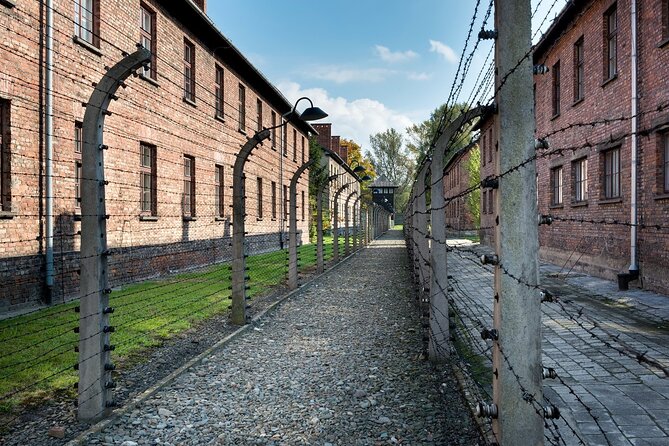
You’ll spend time around ruins and memorial spaces connected to crematoria and gas chambers, and you’ll also encounter the railway platform. Those specific areas can feel shocking because they force you to picture logistics: how people were brought in, processed, and destroyed. The railway platform in particular gives the visit a grim sense of how the system worked in real time.
If you start feeling overwhelmed, it’s okay to slow down and take a breath. A calm pause can help you keep going and remember what you’re seeing. This is not a “rush through and take photos” kind of day.
The On-Site Reality: Waiting Can Happen
One important consideration: even if you arrive early with your group, you may still wait as larger groups are processed. That isn’t a tour-company failure; it’s the museum’s security and entry flow for a high-demand site.
So don’t assume a tight schedule will always run like clockwork after you arrive. The best move is mental: treat any waiting as part of the experience. You’ll be stepping into a place that needs orderly entry, and waiting doesn’t change what you’re there to learn.
If you’re the kind of person who hates uncertainty, plan for it anyway. Leave time buffer on both ends of the day, and keep your expectations grounded.
What the Guide Should Do for You (and What to Look For)
This is where I pay attention when I book a history-heavy tour. The guide doesn’t just recite facts. A good guide helps you interpret what you’re seeing.
From what you can expect here, the guide provides a professional tour and clear narration via headsets. One guide name that comes up is Alexandria, described as doing an outstanding job explaining the history with passion and clarity. That’s the right combination for a site like this.
When the guide is working well, you’ll notice two things:
- You can follow the story without guessing what each building or exhibit represents.
- You’ll understand how the timeline connects to the system of control, work, experiments, and eventual liberation.
If your guide sounds hurried or disengaged, it can affect your ability to process the information. You can’t fully control that, but choosing a structured guided day like this gives you a better chance of staying oriented.
What to Bring: ID, Comfort, and Simple Planning Wins
Your identity document or passport is required. Without it, you will not be able to enter the museum. That’s not a minor detail—plan to travel with the exact document that matches your reservation.
Also, museum tickets are personal. The name and surname on your booking must match the ID document exactly. Double-check spelling and formatting before you go. This is the kind of trip where a small mismatch can become a major hassle.
Wear comfortable shoes. You’ll be walking and standing in cold or changeable weather, and memorial grounds can involve uneven surfaces. Bring layers, even if Krakow feels mild earlier in the day.
Finally, bring a calm mindset. This isn’t a casual museum visit. It’s educational, but it’s also designed to confront real atrocities.
Food and the Lunch Question: Don’t Assume It’s Included
Food and drinks are not included. That means you should plan your timing so you’re not hungry during the museum hours.
In one account, there’s mention of an optional lunch available for an extra fee. If you need a meal break, it’s worth checking whether lunch options are offered by the operator on your departure date. If not, eat before the pickup or plan a post-tour meal back in Krakow so you don’t scramble at the end.
Either way, treat food as part of your mental stamina, not just logistics.
How Physically Demanding Is It?
The tour notes a moderate physical fitness level. That tracks with what this day usually requires: walking outdoors, moving between memorial areas, and spending time standing while reading or listening.
If you have mobility challenges, you’ll want to consider whether you can comfortably manage extended periods on your feet. This tour doesn’t specify step-free routes or special accommodations, so base your decision on your own comfort level.
The silver lining: because the tour is guided with a set structure, you can focus on the content instead of spending your energy figuring out the layout.
Who This Tour Is Best For (and Who Might Want Another Option)
This Auschwitz-Birkenau guided tour is a strong fit if you want:
- a simple, direct Krakow to Oświęcim day plan
- a guide who helps you understand what you’re seeing
- museum admission and headsets included
- a group size capped at up to 30 travelers
It’s also a good choice if you’re traveling alone or don’t want to deal with the stress of independent planning for such a sensitive site.
If you’re the type who prefers total independence—custom pacing, no group flow, and no structured guidance—you might prefer a different format. But even then, you’d still need a plan for timed entry and access. For many people, the value here is that you don’t have to engineer the day yourself.
Should You Book This Krakow-to-Auschwitz-Birkenau Tour?
I’d book it if you want a guided, well-supported visit that removes the hardest logistics. For the price, you’re getting the transfer, museum ticket, and guided context, plus headsets so you can actually hear what matters. You’ll also get a clear, structured look at the most important elements of the memorial, including the ruins of crematoria, gas chambers, and the railway platform.
I’d hesitate if you’re extremely sensitive to waiting or you dislike any uncertainty about timing once you arrive at the museum. Entry flow can cause delays, and departure times from Krakow may shift due to restrictions.
If you can handle that reality and you’re ready for an emotionally serious day, this is a solid, practical way to experience Auschwitz-Birkenau with clarity rather than confusion.
FAQ
How long is the Auschwitz-Birkenau guided tour from Krakow?
The tour runs for about 7 hours total, with roughly 4 hours spent at the Auschwitz-Birkenau museum site.
Does the tour include pickup in Krakow?
Yes, pickup is offered. The meeting point is Przystanek Turystyczny Kiss&Ride, Wielopole 2, 31-072 Kraków.
What’s included in the tour price?
You get group transfer between Kraków and Oświęcim (round trip), a group museum tour with a professional guide, museum admission, and headsets in the museum.
Are headsets provided during the museum visit?
Yes. Headsets are provided so you can hear the narration clearly.
Do I need an ID or passport?
Yes. You must bring your identity document or passport. Without it, you won’t be able to enter the museum.
Are the museum tickets personal?
Yes. The ticket is personal, and the name on the reservation has to match your ID document exactly.
Is food included?
No. Food and drinks are not included, though lunch may be available as an extra add-on on some days.
How big is the group?
The tour has a maximum of 30 travelers.
Can the departure time from Krakow change?
Yes. Departure from Krakow may change due to restrictions imposed by the museum, and you should expect to be informed if it happens.