REVIEW · KRAKOW
From Krakow: Auschwitz-Birkenau Guided Tour with Pickup
Book on GetYourGuide →Operated by Cracow Tansfer&Tours · Bookable on GetYourGuide
Auschwitz makes time feel strange, and this day trip is built for guided context with round-trip pickup from Kraków. I like that the structure is clear: you get guided time at Auschwitz I, then Auschwitz II, plus museum entry and headsets so you’re not just walking from sign to sign.
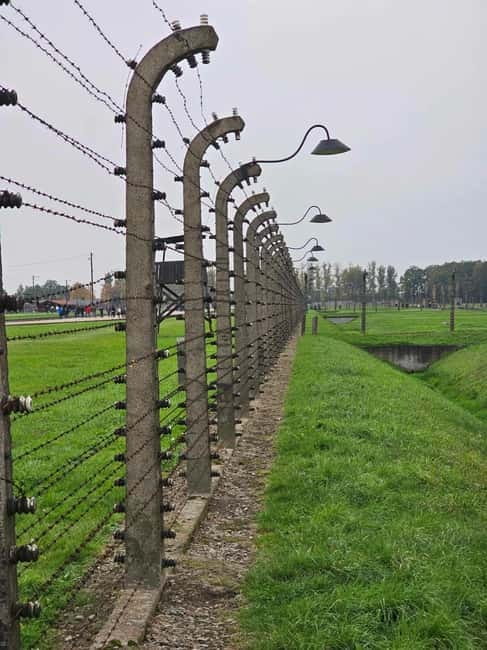
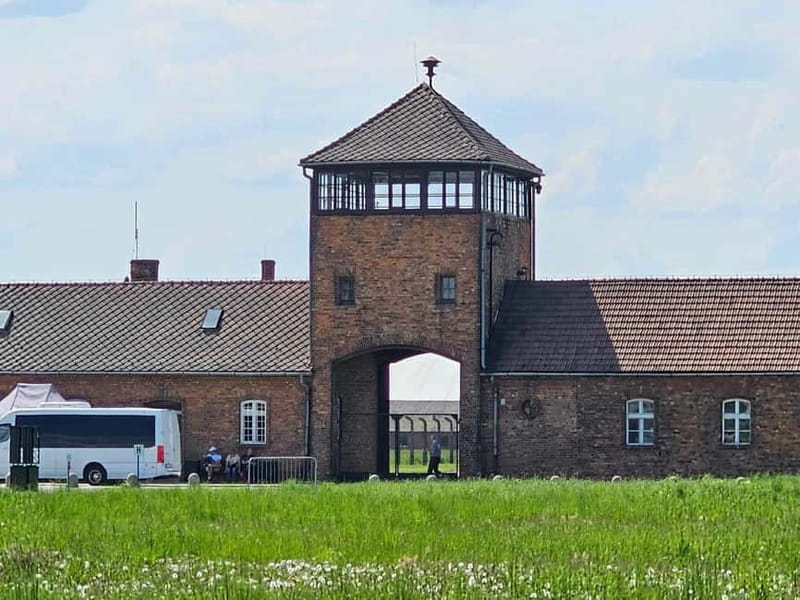
I also like how practical the setup is. You’ll travel by air-conditioned van with pickup from set Kraków meeting points, and the guide runs a planned route with specific stops like the barracks areas, watchtowers, and the barbed-wire fence lines. That’s especially helpful when the site is physically intense and you want your energy to go to understanding, not figuring out timing.
One possible drawback: the schedule can start extremely early, and you should assume a long, walking-heavy day with limited break time. Even if you’re trying to plan around crowds, pickup time can shift, so you’ll need flexibility.
In This Review
- Key things that make this tour work
- Getting from Kraków to Oświęcim without wasting the day
- What you’re really paying for at $13
- Stop 1: Auschwitz I (the first 100 minutes)
- Stop 2: the break time at Auschwitz-Birkenau
- Stop 3: Auschwitz II-Birkenau (about 1.5 hours)
- Museum time and UNESCO grounds: how to make it meaningful
- Language and headsets: when “preferred” really means “confirmed”
- The logistics you must respect: rules, bags, and photos
- Timing reality check: early departures, queues, and what to plan for
- Who this tour suits best
- Quick overview of the itinerary flow
- Should you book this Auschwitz-Birkenau tour from Kraków?
- FAQ
- What pickup options are available in Kraków?
- How long is the tour from Kraków?
- What languages are offered for the guide?
- What’s included in the price?
- Is flash photography allowed and can I bring a big bag?
- Can I cancel if plans change?
Key things that make this tour work
- Hotel pickup in Kraków saves your brain from logistics on a long day
- Headsets included so the guide’s explanation stays clear inside the museum spaces
- Two guided blocks (Auschwitz I and Auschwitz II) help you understand how the site developed
- Admission included means you don’t have to scramble for entry on the day
- Set pacing by memorial staff keeps the route moving even when your emotions slow you down
- No flash, no big bags, no museum food keeps the experience respectful and controlled
Getting from Kraków to Oświęcim without wasting the day
This tour is designed for one thing: getting you from Kraków to Auschwitz-Birkenau with minimal friction. The drive is about 60 kilometers each way, and the van time adds up to roughly 1.5 hours. On paper, that might not sound like much. In real life, it matters because you’re spending your one full day on-site, not figuring out transport.
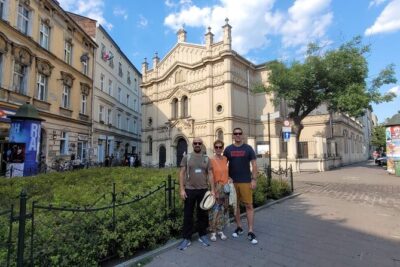
Pickup is the biggest convenience. You choose from three Kraków pickup options (Pawia 18b and Wielopole 2 are listed, plus a third option), and you’re dropped back in Kraków at one of the same locations. The vehicle is air-conditioned, which is a real comfort when your day begins early and the weather is not in your favor.
Timing is where you have to stay alert. The tour’s departures can fall anywhere between 1:00 a.m. and 1:30 p.m., and the exact pickup time can change. The company confirms details the day before via WhatsApp, email, or phone. My practical advice: plan your morning like you might get picked up very early, even if you picked a different time when booking.
If your pickup shifts earlier, don’t panic. The whole point of the early departures is to manage queues so you spend more time in the places that matter. Just remember: you’re still going to have waiting time at the site if you arrive before openings or if ticketing availability forces it.
You can also read our reviews of more guided tours in Krakow
What you’re really paying for at $13
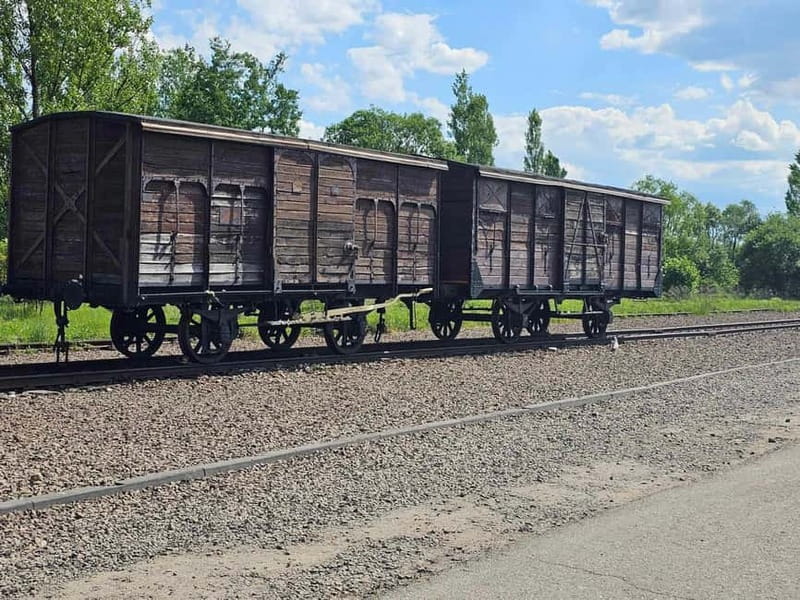
At a price around $13 per person, this is one of those deals that feels almost too good until you look closely at what’s included. You get round-trip transportation, admission to Auschwitz-Birkenau, a guided tour in your preferred language, and headsets. You also skip the ticket line in the normal case.
What that means for value: you’re paying for three hard-to-replace pieces of convenience and clarity:
- getting there and back without hunting for buses
- entering with admission handled
- hearing the guide well with headsets, which matters because the museum spaces can be crowded and noisy
The trade-off is that you’re not in full control of timing. The memorial staff sets the pace and how long you spend in different areas. That’s not a problem for most people. It’s just something you should know so you don’t treat the day like a flexible walking tour where you can slow down whenever you want.
Stop 1: Auschwitz I (the first 100 minutes)
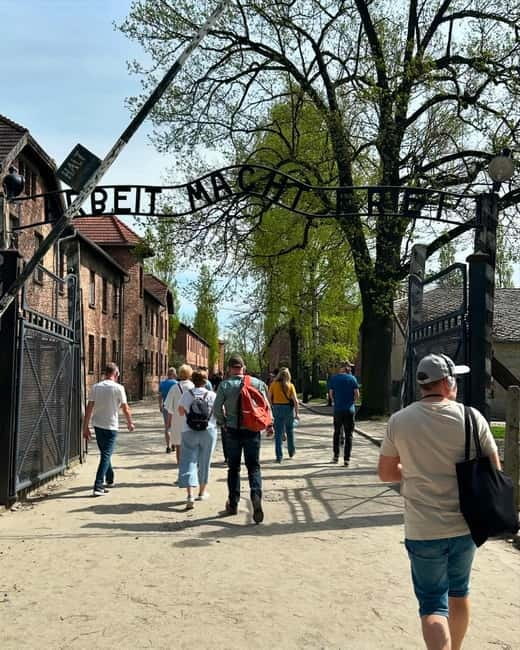
Auschwitz I is where the tour starts with a guided look at the core camp area. You’ll spend about 100 minutes with a guide here, and it’s built to give you a foundation. This is the part where the site stops being a name in a textbook and becomes a physical place with structures, fences, and areas that shaped the daily reality of imprisonment.
You can expect to see the camp grounds and key features the way your guide explains them: layout, function of different areas, and the meaning behind what you’re looking at. The guide’s job is to connect the details to the Holocaust story, including how Auschwitz became a central part of the Nazi system of persecution and extermination.
Practical note: this is also where you need to be ready for an emotional and physical pace. Shoes matter. So does posture. You’ll be walking on uneven surfaces, spending time standing where it’s unavoidable, and absorbing information that is heavy and detailed.
If you’re worried about understanding the guide, the headsets help. Still, language comprehension can depend on group volume and the specific guide. Aim to bring attention, not just volume, and you’ll be fine.
Stop 2: the break time at Auschwitz-Birkenau
After Auschwitz I, you’ll have a break of about 15 minutes. This isn’t a meal break, and you shouldn’t plan on grabbing food inside museum areas. Eating and drinking aren’t permitted inside the museum spaces, and food isn’t included on the tour.
Use this pause like a reset button:
- check your route notes (if you use them)
- refill water before the museum part, if you have a way to keep it outside restricted areas
- use the restroom if you need it
- adjust clothing for weather
It’s short by design because the schedule has to move you efficiently to Auschwitz II.
Stop 3: Auschwitz II-Birkenau (about 1.5 hours)
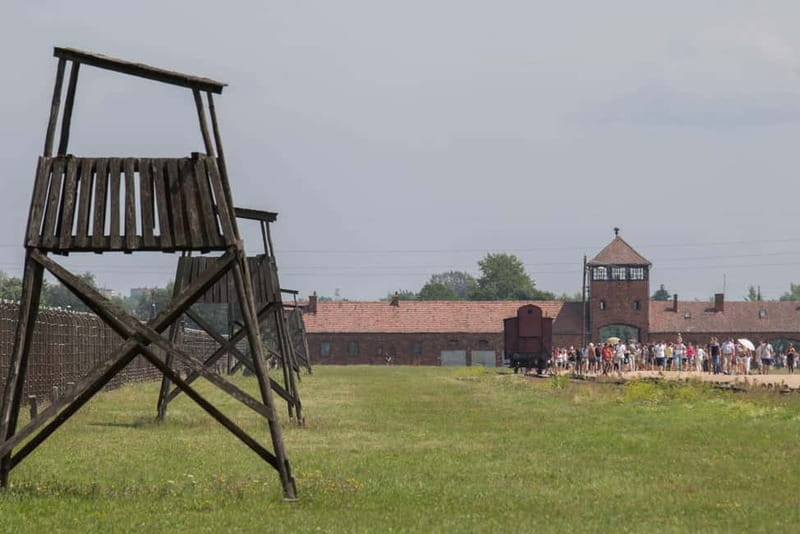
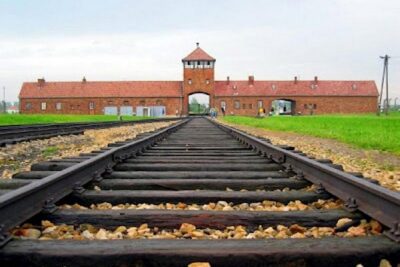
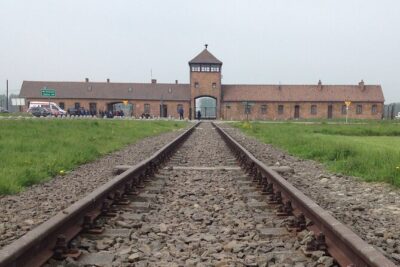
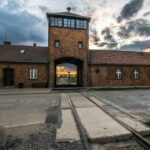
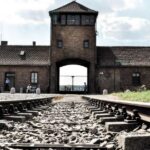
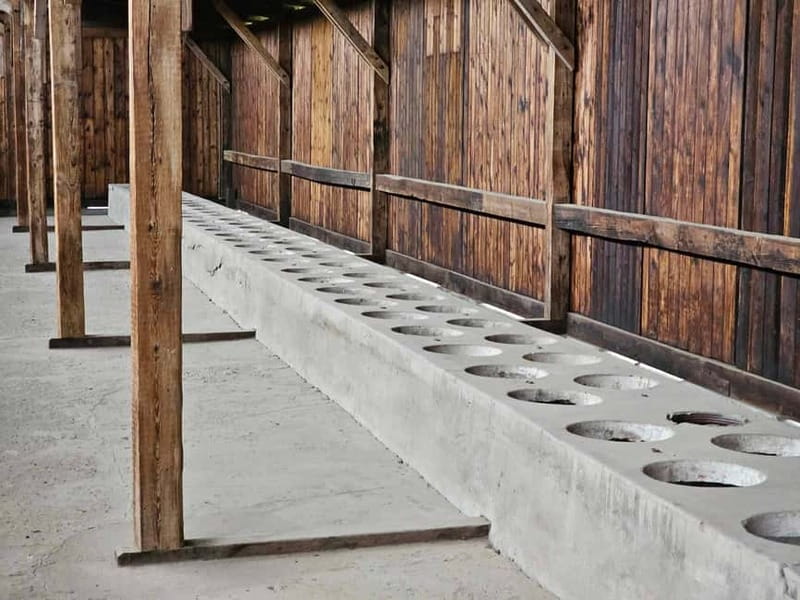
Then comes the large, stark space that most people recognize from photos. Auschwitz II-Birkenau gets about 1.5 hours of guided time. This is where you see the broader camp landscape features: barracks, watchtowers, and barbed-wire fence lines.
This section can hit hard, not just because of what you see, but because of what the guide helps you connect to it. You’ll learn about the site’s significance as the largest Nazi concentration camp complex in World War II. You’ll also hear about scale: more than one million people were killed, and the site’s story includes the final evacuation and liquidation in mid-January 1945.
You’ll likely notice how different this feels from Auschwitz I. Auschwitz II has more open areas, wider sightlines, and a feeling of distance between structures that can be hard to process. That’s normal. Let the guide’s explanations give the place its meaning. Your job is to look carefully and listen.
Museum time and UNESCO grounds: how to make it meaningful
In addition to the guided sections, the tour includes admission to the Auschwitz-Birkenau museum and its exhibits. The museum is the kind of place where it helps to understand what you’re there for. You’re not just viewing artifacts. You’re following a timeline of persecution, imprisonment, deportation, and mass murder, told through documents, displays, and the physical site itself.
The tour also takes in the museum grounds. The site was designated a UNESCO World Heritage Site in 1979, and that matters in a practical way: it’s protected, managed, and preserved so future visitors can understand it properly. That often means clear rules and a controlled visitor flow.
A good way to approach the exhibits: choose a few topics you want to understand more deeply, then stick with them. If you try to absorb everything at once, you’ll feel overloaded. Instead, use your guide’s narrative to pick the thread you can follow best.
Language and headsets: when “preferred” really means “confirmed”
The tour lists live guide languages as Italian, English, and German. You select your preferred language when booking, and the itinerary is set up for a guided route.
Here’s the real-world consideration: group composition can affect what language you end up hearing. One booking experience shows that a requested Italian tour didn’t end up being Italian on the day. That doesn’t mean it will happen to you, but it does mean you should take the language preference seriously enough to verify it with the day-before confirmation.
The good news: headsets are included, and they’re a big deal. They help you catch the guide’s wording even when you’re surrounded by people and noise. If you find sound clarity inconsistent, you’ll be able to correct it fast by adjusting how you listen through the headset.
The logistics you must respect: rules, bags, and photos
This is one of those tours where the rules aren’t decoration. They protect the site, the visitors, and the people you’re remembering.
What to expect:
- You can take photos, but without flash.
- Flash photography is not allowed.
- Large bags and backpacks aren’t allowed inside the museum areas.
- Eating and drinking aren’t permitted inside the museum.
Before you go, pack smart:
- bring a passport or ID card
- wear comfortable shoes (you’ll do a significant amount of walking)
- dress for the weather
- bring only the essentials so you’re not dealing with restrictions on your bag
Also, alcohol and drugs are not allowed. Keep it simple. You’re spending the day in a place where focus and respect matter.
Timing reality check: early departures, queues, and what to plan for
Auschwitz-Birkenau is popular, and early starts exist for a reason. The tour’s pickups can begin as early as 1:00 a.m., and in at least one case the departure time was shifted to 1 a.m. from a later hour so the group could reach the area before long queues. The practical takeaway is clear: the schedule is designed to keep you from burning daylight standing around.
But schedules can also create a mismatch if you arrive before the site is fully ready. One experience described a situation where the Auschwitz site opened later (around 7:30), and the group waited at the start of the day for entry-related steps. That’s not unique to this tour, and it’s why you should treat the day as a whole, not as a perfectly timed appointment.
If you want a stress-free mindset, plan for waiting. Bring patience. You can also bring a light layer even in summer. Morning temperatures can still feel sharp.
Who this tour suits best
This is not a “quick look” tour. It’s a guided, structured visit to a site of mass atrocity where you’ll walk and listen and pay attention.
You’ll likely enjoy it most if you:
- want a guided explanation instead of reading everything yourself
- prefer organized transport from Kraków
- care about having admission and headsets handled
- can handle a long day and a lot of standing and walking
It’s not recommended for children under 14. Also, if you’re someone who needs total flexibility to stop, start, or wander freely, the memorial staff’s pace may feel restrictive. This is more of a guided route with set timing than a personal stroll.
Quick overview of the itinerary flow
Here’s the order you should expect:
- pickup in Kraków from one of the listed locations
- van transfer to Oświęcim (about 1.5 hours)
- Auschwitz I guided tour (about 100 minutes)
- short break (about 15 minutes)
- Auschwitz II-Birkenau guided tour (about 1.5 hours)
- return van ride to Kraków, dropping you off at the selected locations
Overall duration is about 8 to 9 hours. That includes travel and the guided museum time. It’s a full day, even if you’re tempted to squeeze other plans afterward.
Should you book this Auschwitz-Birkenau tour from Kraków?
If you want the easiest day plan from Kraków with admission and headsets included, this tour is a strong choice. The value is real at this price because it bundles transport, entry, and a guided route that’s hard to replicate on your own without extra planning.
Book it if you:
- want round-trip pickup and don’t want to manage the trip by public transport
- value clear explanations through a live guide and headsets
- can handle a long, walking-heavy day with limited breaks
Think twice if you:
- need strict language certainty without any possibility of change (the tour lists preferred languages, but day-of language can vary)
- hate early wakeups and schedule surprises
- are traveling with a child under 14, since it’s not recommended
One last practical tip: after you choose your pickup time, treat the day-before confirmation message as part of your plan, not as a formality.
FAQ
What pickup options are available in Kraków?
Pickup is available from set meeting points in Kraków, including Pawia 18b and Wielopole 2. You’ll also be dropped off at listed Kraków locations after the tour.
How long is the tour from Kraków?
The tour lasts about 8 to 9 hours total, including round-trip transportation and guided time at the sites.
What languages are offered for the guide?
Live guided tours are available in Italian, English, and German.
What’s included in the price?
The tour includes round-trip transportation from Kraków, air-conditioned vehicle transport, pickup from your hotel or meeting point, admission to Auschwitz-Birkenau Museum, a guided tour in your preferred language, and headsets.
Is flash photography allowed and can I bring a big bag?
Flash photography is not allowed. Large bags and backpacks are not permitted inside the museum areas.
Can I cancel if plans change?
Yes. You can cancel up to 24 hours in advance for a full refund.