REVIEW · KRAKOW
Krakow: Auschwitz Birkenau Museum Guided Tour with Pickup
Book on GetYourGuide →Operated by GR8 WAY · Bookable on GetYourGuide
Auschwitz is not a casual sightseeing stop. This guided day trip from Krakow turns a long drive into a clear, structured visit to Auschwitz I and Auschwitz II-Birkenau.
I like that the tour handles the hardest part up front: pickup and transport. I also like the human scale of the experience, with a live English guide and an English audio guide included, so you’re not just looking at plaques—you’re getting context while you walk.
One thing to think about: the day can start extremely early, and the experience is emotionally heavy. Also, with big visitor numbers, getting in and moving between areas can feel a bit hectic for a moment.
In This Review
- Key Things to Know Before You Go
- Auschwitz From Krakow: Why This Trip Works
- The Drive + Pickup: Your Pre-Dawn Reality Check
- What You’re Really Visiting: Auschwitz’s Timeline, Explained Simply
- Stop 2 on the Clock: The Coach Leg to Auschwitz
- Auschwitz I: Original Camp, Guided and Structured
- Between Camps: How the Day Keeps Moving
- Auschwitz II-Birkenau: Gas Chambers, Crematoriums, and the Scale Shock
- Walking, Water, and What to Bring (So You Don’t Regret It)
- The Guides: Clear Facts, Respectful Delivery
- Price and Value: Is $8 Actually a Good Deal?
- Who This Tour Suits Best (And Who Should Rethink It)
- Should You Book This Auschwitz Tour?
- FAQ
- How long is the Auschwitz Birkenau guided tour from Krakow?
- What are the main stops on the tour?
- How far is Krakow from Auschwitz?
- Is there hotel pickup and drop-off?
- Is there an English live guide and audio included?
- Does the tour skip the ticket line?
- What time should I expect to be picked up?
- What documents do I need to bring?
- Is a student discount available?
- Can I bring luggage or a large bag?
Key Things to Know Before You Go
- Hotel pickup + air-conditioned transport: makes the 65 km trip to Auschwitz feel manageable.
- Two sites, Auschwitz I and II-Birkenau: you’ll see the main remains tied to the camp system.
- Skip-the-line entry: saves time, though you’ll still face museum crowds.
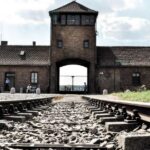
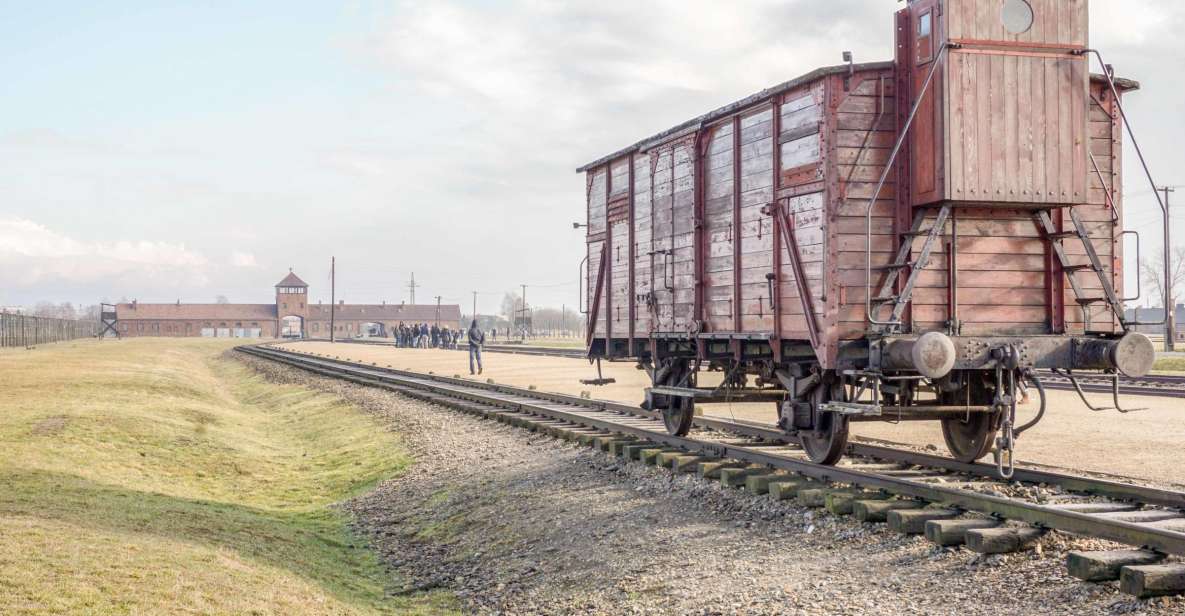
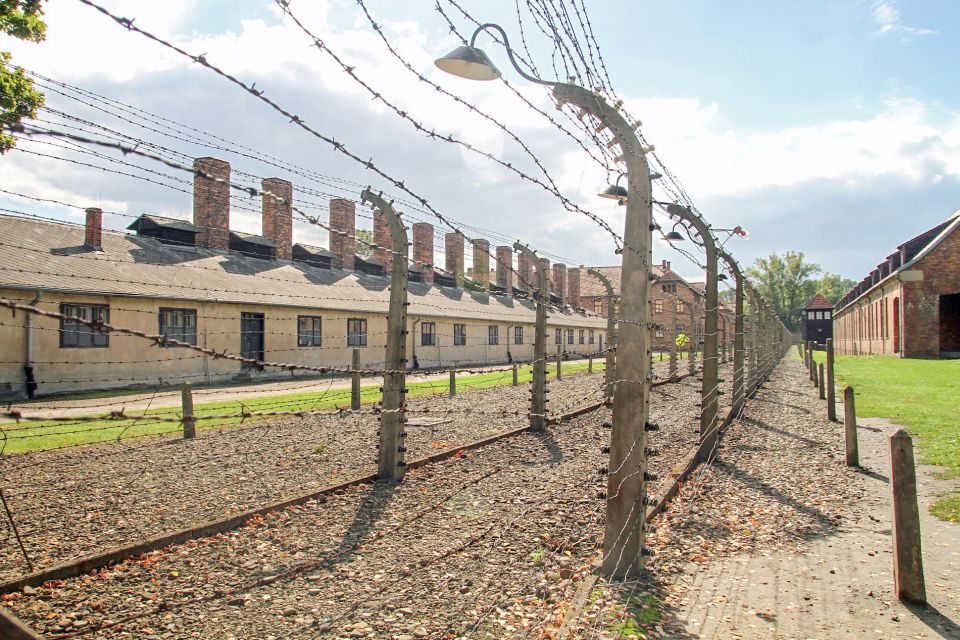
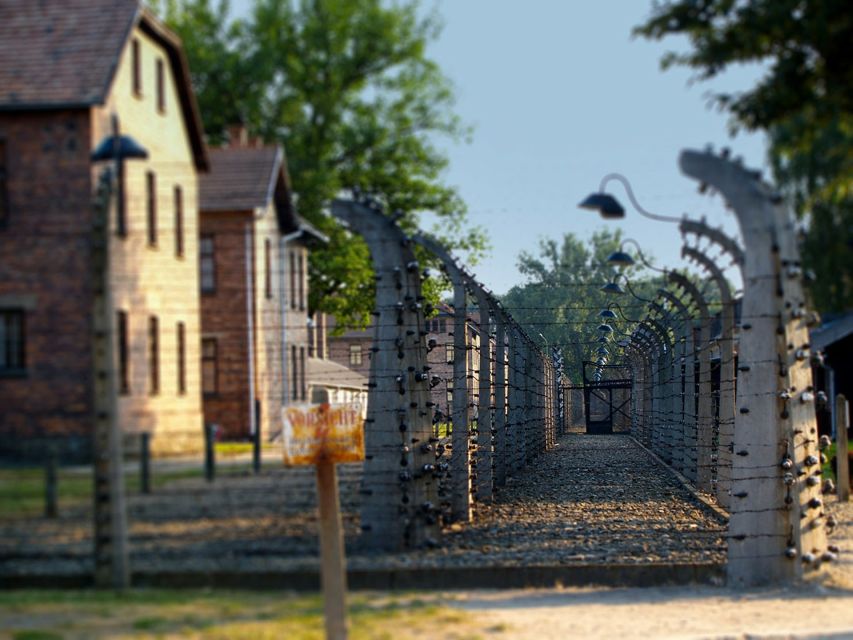
- What you’ll see is raw and authentic: barracks, watchtowers, railway ramps, gas chambers, crematoriums.
- English live guide + English audio: helps you keep up without needing to translate on the fly.
- Bring ID and plan for walking: comfortable shoes matter more than you think.
Auschwitz From Krakow: Why This Trip Works
Krakow to Auschwitz is about 65 kilometres, and the ride takes around 1.5 hours each way. That distance is exactly why a guided day trip makes sense. You’re not trying to figure out trains, timing, and transfers while also handling a visit that demands your full attention.
This tour is built around the two core areas most people come to see: Auschwitz I (the original camp) and Auschwitz II-Birkenau (the larger site associated with the industrial scale of killing). You’ll get guided time at both places, rather than a quick bus-window sweep.
And yes, this is a UNESCO World Heritage–listed site. That matters for a practical reason: it’s protected and interpreted with care. You’re not visiting a theme park. You’re stepping into a memorial and museum space where the goal is understanding and remembrance.
You can also read our reviews of more guided tours in Krakow
The Drive + Pickup: Your Pre-Dawn Reality Check
The day starts with pickup. The tour offers free hotel pickup and hotel drop-off, and the meeting point is listed as Straszewskiego 14. In practice, you’ll want to confirm the exact pickup point for your option so you’re not standing around wondering which van you’re waiting for.
Expect early starts. Some departures run so early they feel like the night isn’t over yet. If you’re tempted to book this and then plan a late brunch afterward… don’t. You’ll come back with a full day used up and your head buzzing.
The upside: when transport and pickup are handled for you, you can arrive with less stress. And fewer worries are a gift, because the rest of the day is not light.
What You’re Really Visiting: Auschwitz’s Timeline, Explained Simply
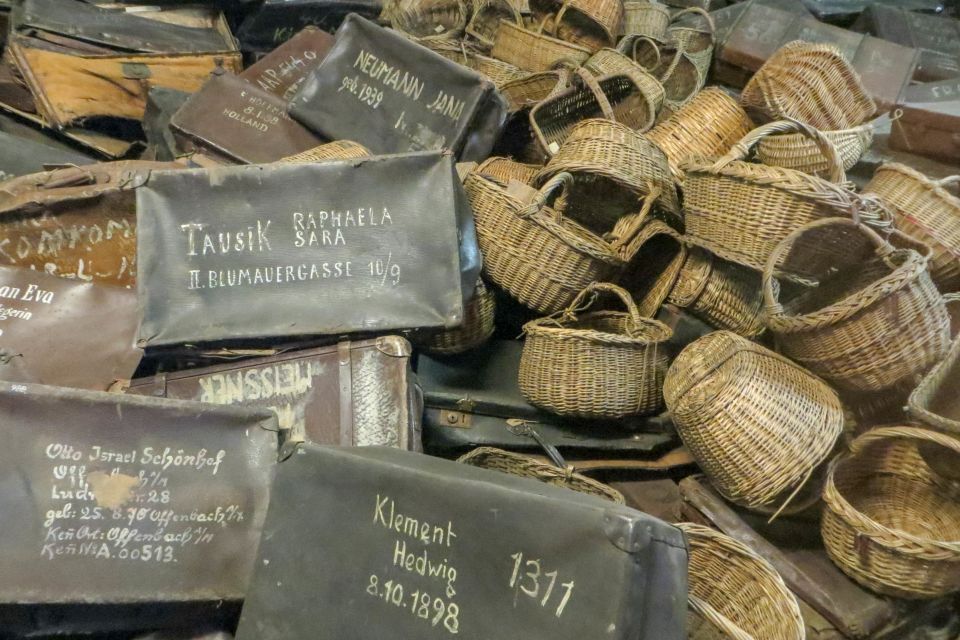
Auschwitz wasn’t a single static place—it evolved. The camp was established in 1941, and in the years that followed it expanded as prisoners were transported by train. The system grew for about four years until Auschwitz II-Birkenau was built, including gas chambers. Auschwitz III later functioned as a work camp.
In 1945, people were liberated after intense physical and psychological abuse. The SS destroyed much of the evidence, and even the criminal actions weren’t left intact for history to witness—except that too many traces survived. Your visit is built to show you those traces: the built environment, the remains, and the documentation presented by the museum.
That context helps you understand why this tour isn’t designed like a normal walking tour. You’re not collecting “highlights.” You’re trying to comprehend a system that was planned, organized, and brutal.
Stop 2 on the Clock: The Coach Leg to Auschwitz
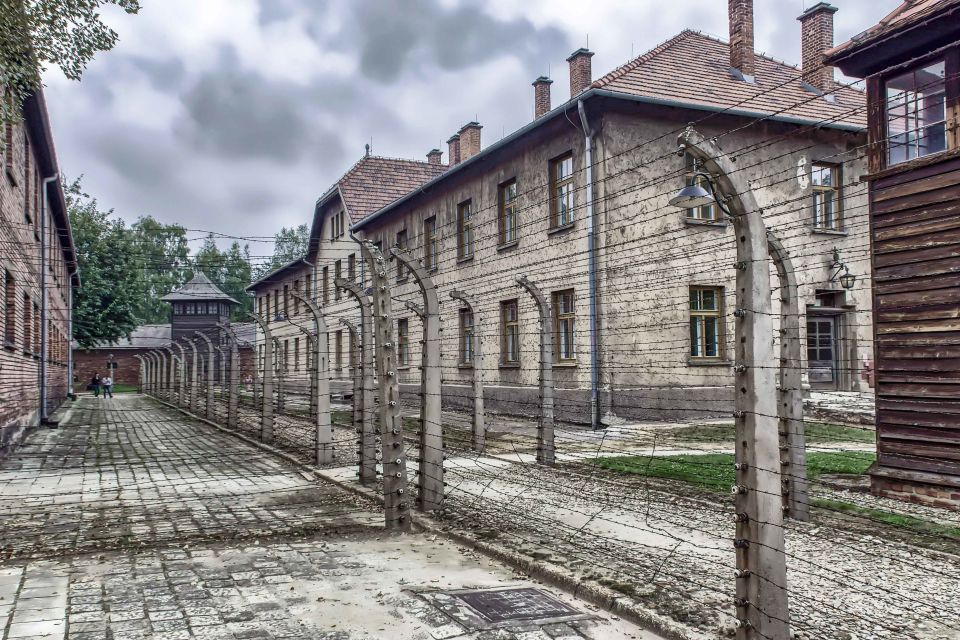
After pickup, you’ll board a coach or bus for about 1.5 hours. Use this time well. I’d treat the ride as a briefing period: review your notes, check your bag rules, and get your shoes on with purpose.
This transport time also affects your energy later. You’ll be walking on uneven ground (especially at Birkenau), and you don’t want to arrive stiff or underprepared. Even if you’re a strong walker, Auschwitz is not “good legs” country—it’s “stay alert” country.
Auschwitz I: Original Camp, Guided and Structured
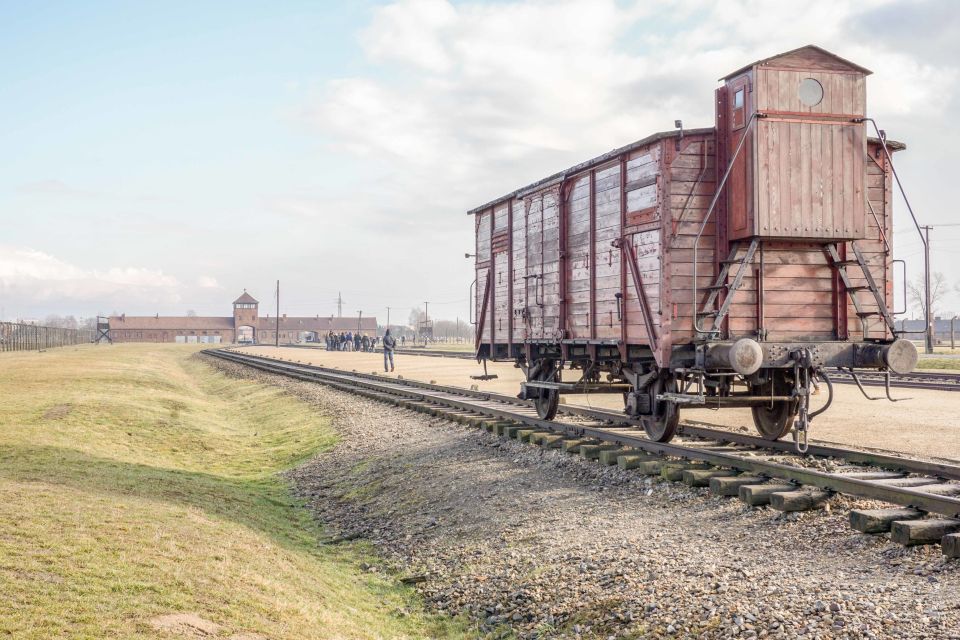
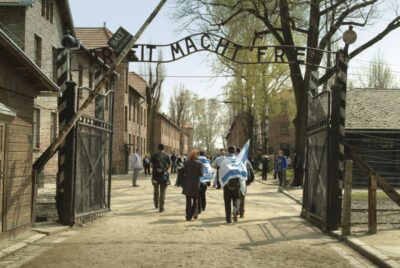
Your first on-site stop is Auschwitz I with a guided tour of about 2.5 hours. This is the more intimate starting point—where you begin to grasp the camp’s origins and the way it functioned.
During this part of the day, you’ll see important remains, including barracks and watchtowers. You’ll also see features tied to how the camp operated, and you’ll be guided through the story so it doesn’t feel like disconnected information.
One practical perk: the tour includes entrance to the museum, and there’s a skip-the-line element. That helps, but don’t expect zero waiting—especially on peak days. When crowds build, the “moving through” part can feel a little chaotic, but that’s usually crowd logistics, not tour failure.
Emotional reality check: this part of the visit can hit hard. That’s normal. Keep going anyway. Your guide’s job is to keep the information respectful and clear, while you absorb what you came for.
You can also read our reviews of more museum experiences in Krakow


Between Camps: How the Day Keeps Moving
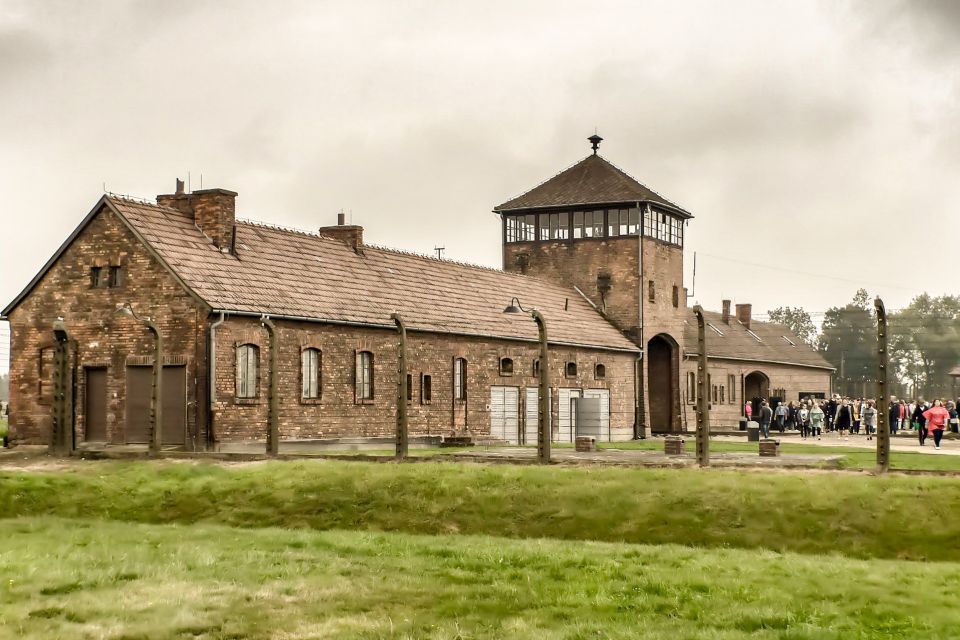
After Auschwitz I, you’ll transfer again by coach (another roughly 1.5 hours). This is where the day’s rhythm really matters. You’re switching from one memorial area to another, and the whole point of the guided structure is that you don’t lose the thread.
It’s also a good time to adjust your plans for comfort. At Auschwitz, you can’t just pop out whenever you want. You’ll want to be ready for the kind of walking where every decision takes effort: shoe grip, hydration timing, and how you carry what you brought.
Some visitors also find that this is when they finally realize the day is long. If you’re going in expecting a quick tour, that expectation will collide with reality fast.
Auschwitz II-Birkenau: Gas Chambers, Crematoriums, and the Scale Shock
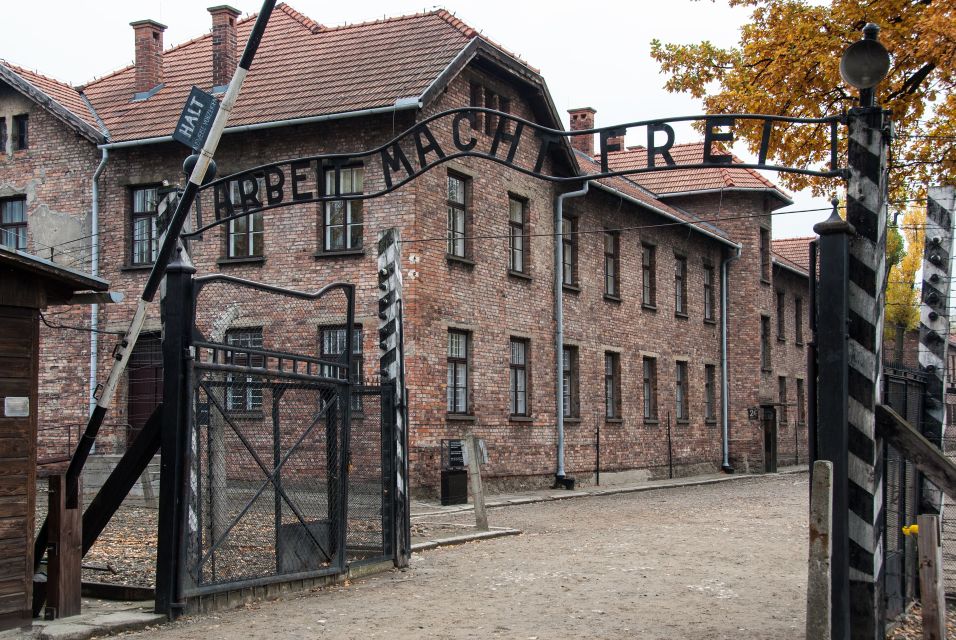
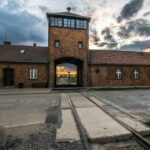
Then comes Auschwitz II-Birkenau with a guided tour of about 1 hour. That’s shorter on the clock than Auschwitz I, but don’t mistake “shorter” for “less intense.” Birkenau’s main impact is scale and layout—how big the system was, and how exposed the grounds can feel.
You’ll see remains connected to mass killing and deportation: gas chambers and crematoriums, plus railway ramps and other features that show how people were processed. Expect barracks and the visual markers that help you understand how the machinery worked.
Also expect wind and weather exposure. Some days feel open and harsh. In colder months, plan for it. A hat and scarf can make a surprising difference if you’re out in exposed areas for long stretches.
Walking, Water, and What to Bring (So You Don’t Regret It)
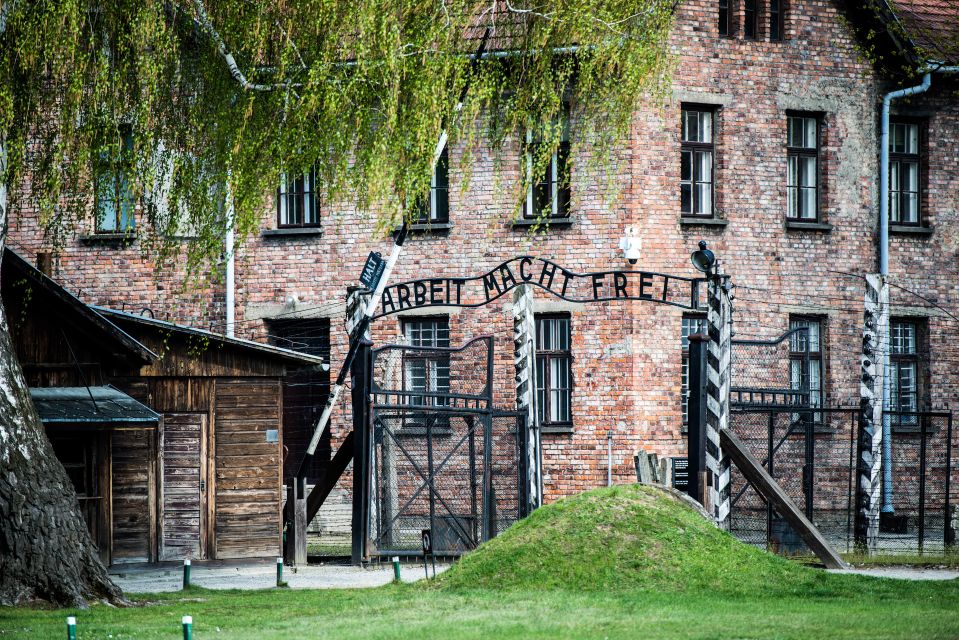
This tour is very much a shoes-and-sanity day. Bring comfortable shoes with grip. At Birkenau, the ground can be rocky, so thin soles can feel punishing.
What to bring:
- Passport or ID card (required)
- Comfortable shoes
- Weather-appropriate clothing
- A small bag (because big luggage isn’t allowed)
What to avoid:
- Luggage or large bags
- Alcohol and drugs
- Pets
Also, plan hydration smartly. At least one common problem: vending-machine prices can be steep once you’re at the sites. If you can, bring water with you. There are places to buy drinks and there’s a café at Auschwitz I before you go in, but prices and availability can vary with how crowds flow.
Small bag tip matters because once you’re in the visit rhythm, you don’t want to be waiting around for lockers or stuck figuring out where your bigger bag went.
The Guides: Clear Facts, Respectful Delivery
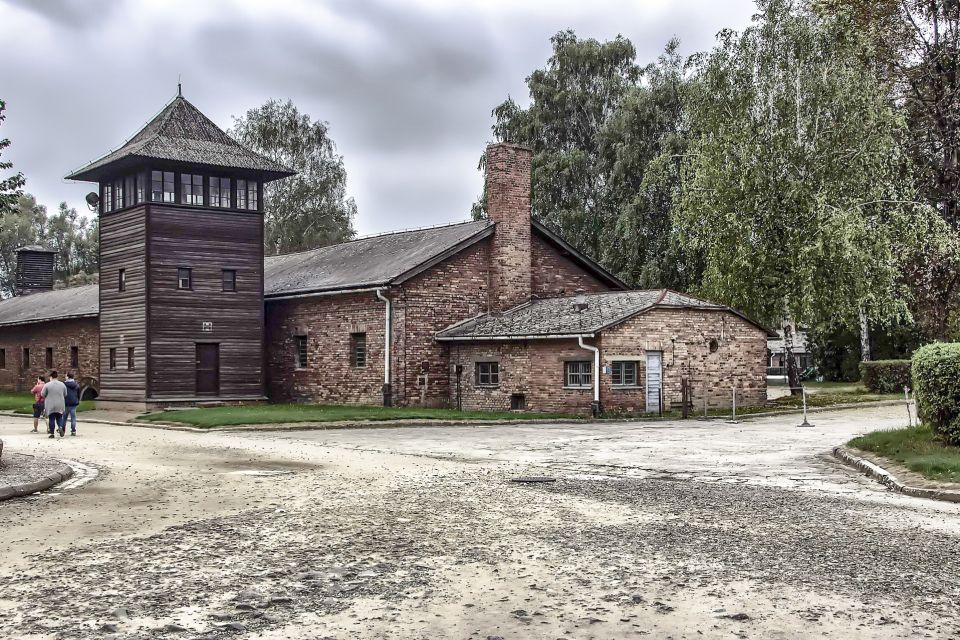
The tour uses a live English guide and also includes an English audio guide. That combination helps you follow details without feeling lost. It also gives your guide room to keep the pacing steady, rather than turning the tour into a stop-start debate.
You might get guides such as Anna, Sofia, or Susannah, depending on your date. And you might also meet drivers named Damien or others who handle the transport side cleanly.
A key point: this is not a “fun facts” day. The best guides keep their tone respectful and direct, and they treat your questions as welcome rather than interruptions.
One caution from real-world experience: some guided pacing can feel quick. If you’re the type who likes to stand longer and reread, you may need to do extra work with your audio guide or allow yourself a moment to reset—quietly—when you can.
Price and Value: Is $8 Actually a Good Deal?
You’re looking at a listed price of $8 per person, and the tour includes a lot for that money: hotel pickup and drop-off, air-conditioned transport, entrance to the museum, a professional English guide, and an English audio guide, plus skip-the-line entry.
Even if you treat pricing as “too good to be true,” the practical way to judge value here is simple: what does it cost you to do this independently—time, stress, transport coordination, and interpretation? This tour compresses all of that into one structured day. You’re paying for the logistics and the narrative thread.
The main value risk isn’t the price. It’s what the day demands from you: early wake-up, long walking, and emotional processing. If you’re prepared for that, the price is a bargain. If you aren’t, no deal will feel like a deal.
Who This Tour Suits Best (And Who Should Rethink It)
This is a strong fit if you:
- Want an organized day without transport headaches
- Like history that’s explained on-site with context
- Prefer a guided experience that keeps moving but still gives you interpretation
It may be a tough fit if you:
- Can’t handle long, early days (pickup times can be very early)
- Need frequent breaks or extra time to process slowly
- Are sensitive to emotionally heavy content and scenes
This trip is intense by design. It’s not a “light day with photos.” The memorial work deserves your attention, not your rushing.
Should You Book This Auschwitz Tour?
If you’re choosing between doing this on your own versus booking a guided trip, I’d lean toward booking. The combination of pickup, skip-the-line entry, and an English guide means you spend your mental energy where it counts: understanding what you’re seeing and connecting it to the larger story.
Book this if you can handle the early start and the emotional weight. And book it with smart preparation: good shoes, weather gear, a small bag, and water.
If you’re looking for a relaxed day trip, or you want a “highlights version” of Auschwitz, this isn’t that. But if you want the most straightforward way to visit Auschwitz I and Auschwitz II-Birkenau with interpretation, this tour is a practical, high-value option from Krakow.
FAQ
How long is the Auschwitz Birkenau guided tour from Krakow?
The total duration is listed as 7 hours. Exact starting times depend on availability.
What are the main stops on the tour?
You visit Auschwitz I and Auschwitz II-Birkenau, with coach time between locations.
How far is Krakow from Auschwitz?
The distance is about 65 kilometres, and the drive takes around 1.5 hours.
Is there hotel pickup and drop-off?
Yes. The tour includes free hotel pickup and hotel drop-off.
Is there an English live guide and audio included?
Yes. The live tour guide is English, and an English audio guide is included.
Does the tour skip the ticket line?
Yes. Skip the ticket line is included.
What time should I expect to be picked up?
Pickup times depend on the selected option, and starts can be very early. Check the confirmed pickup time for your date.
What documents do I need to bring?
You need a passport or ID card.
Is a student discount available?
Yes. A valid student ID allows you to get a youth discount.
Can I bring luggage or a large bag?
No. Luggage or large bags are not allowed. Alcohol and drugs and pets are also not allowed.