REVIEW · KRAKOW
Krakow: Kazimierz, Schindler’s Factory & Ghetto Guided Tour
Book on GetYourGuide →Operated by excursions.city · Bookable on GetYourGuide
Krakow history hits hard. This 5-hour guided walk connects Kazimierz, the WWII ghetto, and Schindler’s Factory Museum in one emotionally powerful route. You start in the place where Jewish life once shaped daily rhythms, then move into the sites where that life was shattered.
I really like how the tour pairs street-level storytelling with museum context, so the past isn’t just names and dates. The second thing I like is the practical skip-the-line entry to Schindler’s Factory, which saves time and keeps your day from dragging.
One thing to plan for: it’s a long, mostly walking day with narrow, dim museum spaces, so come ready for more than sightseeing.
In This Review
- Key highlights worth your attention
- From Kazimierz Synagogues to Wartime Krakow
- Walking the Kazimierz Jewish Quarter, not just passing through
- What’s especially good here
- A small consideration
- Schindler’s Enamel Factory Museum: skip the line, then face the rooms
- What you’ll learn in the museum
- One practical tip
- Kraków Ghetto streets and the Chair Memorial at Ghetto Heroes Square
- Why this section is worth your focus
- Under the Eagle Pharmacy: the Tadeusz Pankiewicz story that adds courage
- The takeaway you’ll likely carry home
- Price and time: does $81 feel fair for what you get?
- Guides matter: why names like Helena and Dominika keep coming up
- Your 5-hour reality check: pace, footwear, and museum lighting
- After January 1, 2026: Schindler’s Factory ID requirements and name matching
- Should you book this Kazimierz, Schindler’s Factory & Ghetto tour?
- FAQ
- Where do I meet my guide?
- How long is the tour?
- What’s included in the ticket price?
- Is Schindler’s Factory admission skip-the-line?
- Which languages are available?
- Do I need food or drinks included?
- Is hotel pickup or drop-off included?
- Do I need an ID for Schindler’s Factory?
- Is free cancellation available?
Key highlights worth your attention
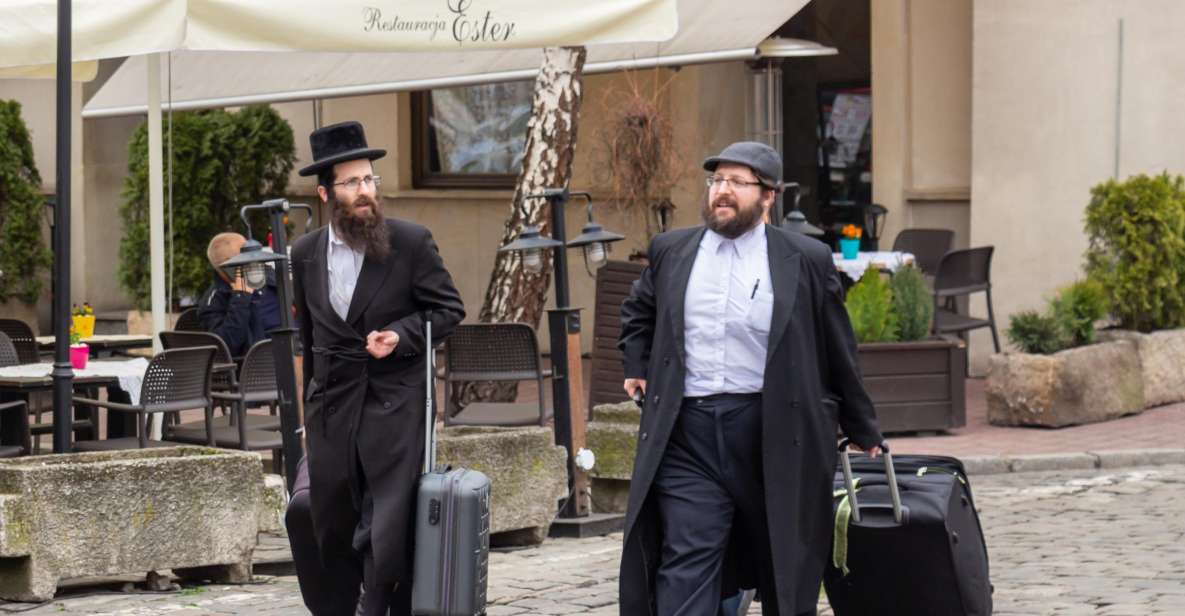
- Old Synagogue meeting point: meet on the steps with an excursions.city sign so you can find the group fast
- Kazimierz walk: you’ll trace how Jewish faith, learning, and community lived in this neighborhood long before the war
- Schindler’s Factory skip-the-line: fewer delays for a museum that can be hard to time well
- Ghetto Heroes Square Chair Memorial: a simple, haunting way to grasp the scale of loss
- Under the Eagle Pharmacy story: the Tadeusz Pankiewicz rescue effort adds real courage to the lesson
- Expert guide spotlight: guides like Alice, Eva, Helena, and Dominika are repeatedly praised for clear, compassionate explanations
From Kazimierz Synagogues to Wartime Krakow
This tour works because it follows a logical emotional arc. You begin with the daily world of prewar Jewish Krakow, then you’re guided through the machinery of occupation, and finally you end in places built to help you remember. That order matters. It keeps the story from turning into a list of stops.
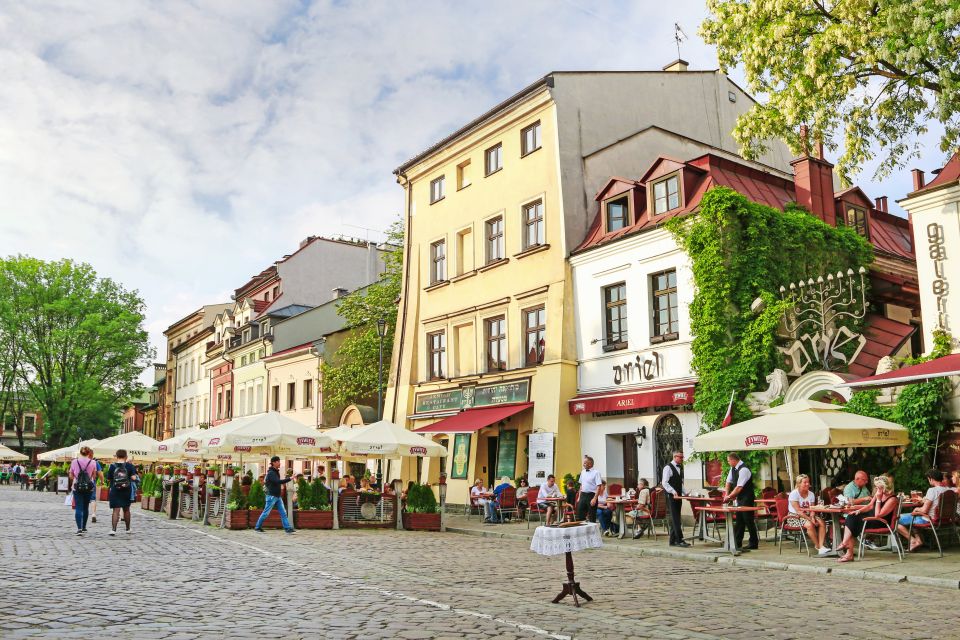
Kazimierz feels like a living neighborhood as you walk—small streets, old walls, and corners that make it easy to imagine people hurrying to shops, schools, and worship. Then the tour pulls you toward WWII reality, where the same city becomes a trap. The transition can feel heavy, but it’s also the point of doing this with a real guide.
You can also read our reviews of more guided tours in Krakow
Walking the Kazimierz Jewish Quarter, not just passing through
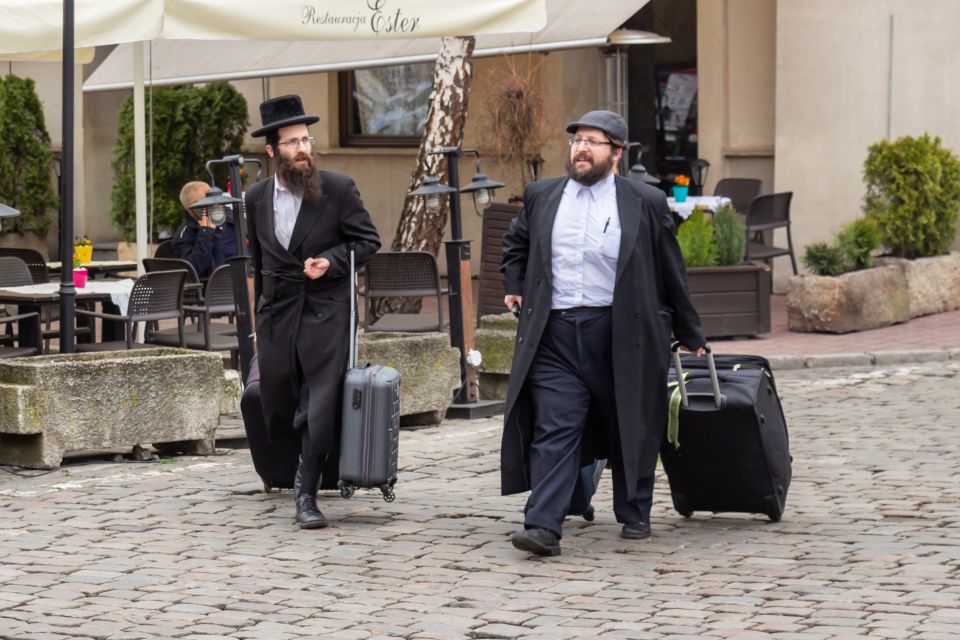
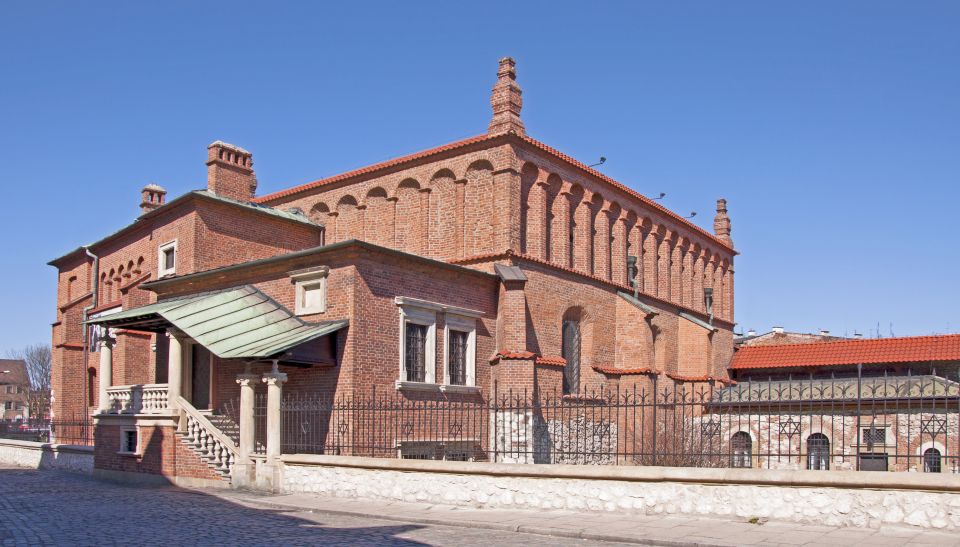
Your morning starts where the Jewish Quarter story begins: you meet your guide on the steps of the Old Synagogue, and they’ll hold an excursions.city sign. That matters because Kazimierz has enough side streets that it’s easy to wander around without the right context.
From there, you’ll walk cobbled lanes where centuries-old buildings remind you this wasn’t a theme park version of history. Your guide focuses on how the neighborhood functioned—faith and study, merchants and families, small community details that shaped daily life. In other words, you’re not only looking at synagogues and prayer houses. You’re learning how people actually used the area.
What’s especially good here
- The guide’s storytelling tends to connect buildings to people, so the district feels understandable rather than abstract.
- It sets up everything that comes later: when you see the ghetto sites afterward, you’re carrying more context than you would from a museum alone.
A small consideration
Kazimierz isn’t always visually dramatic at first glance. If you only glance and move on, you can miss the subtle cues. Going with a guide is the difference between seeing places and understanding why they mattered.
Schindler’s Enamel Factory Museum: skip the line, then face the rooms
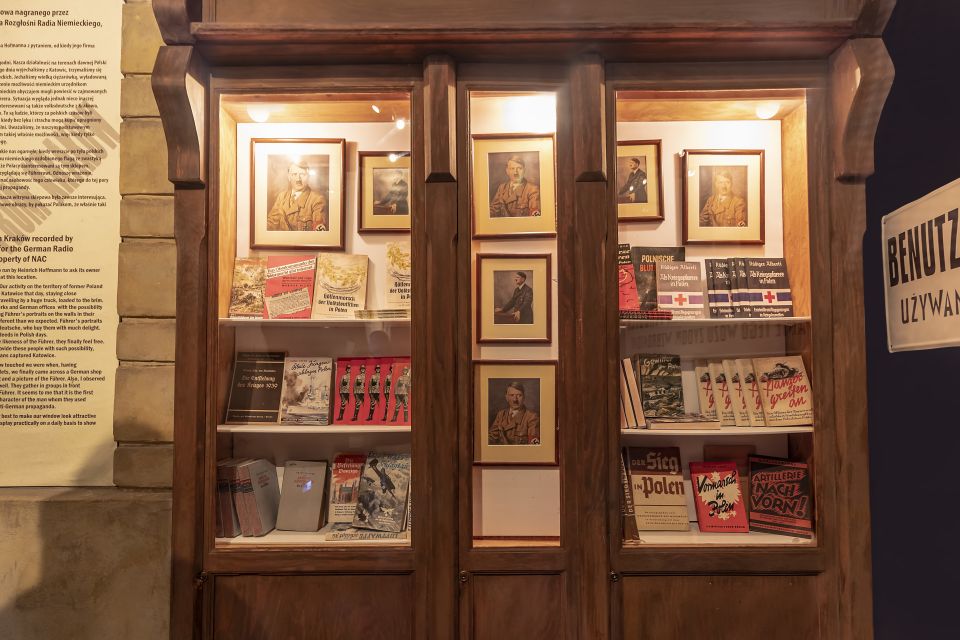
Schindler’s Enamel Factory Museum is the tour’s biggest “time saver” and its biggest emotional checkpoint. You get skip-the-line entry, and the visit is led by a licensed expert. That’s valuable because this museum can draw crowds, and waiting in line on a schedule-heavy day is never fun.
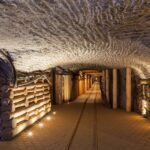
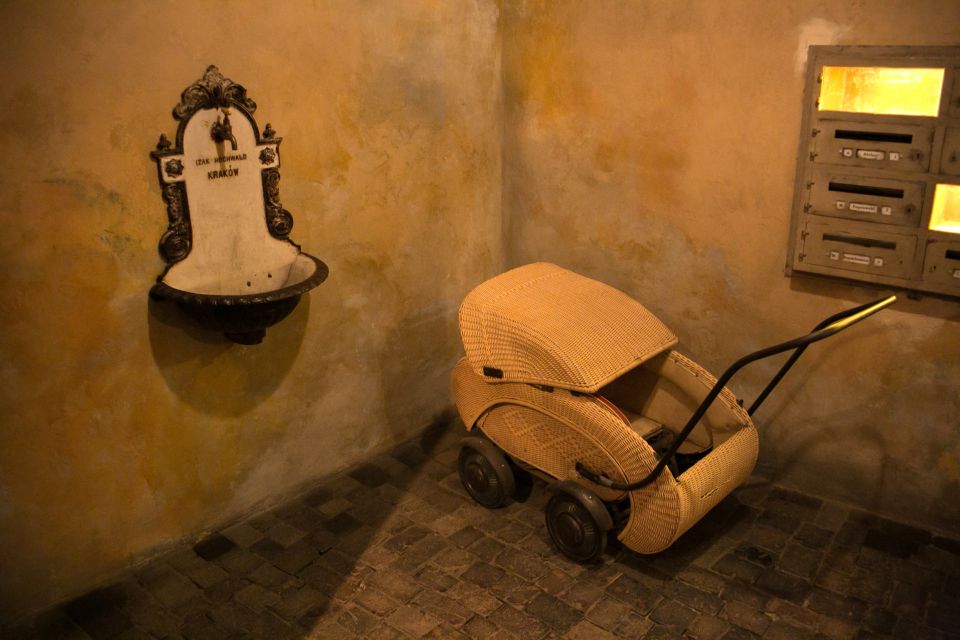
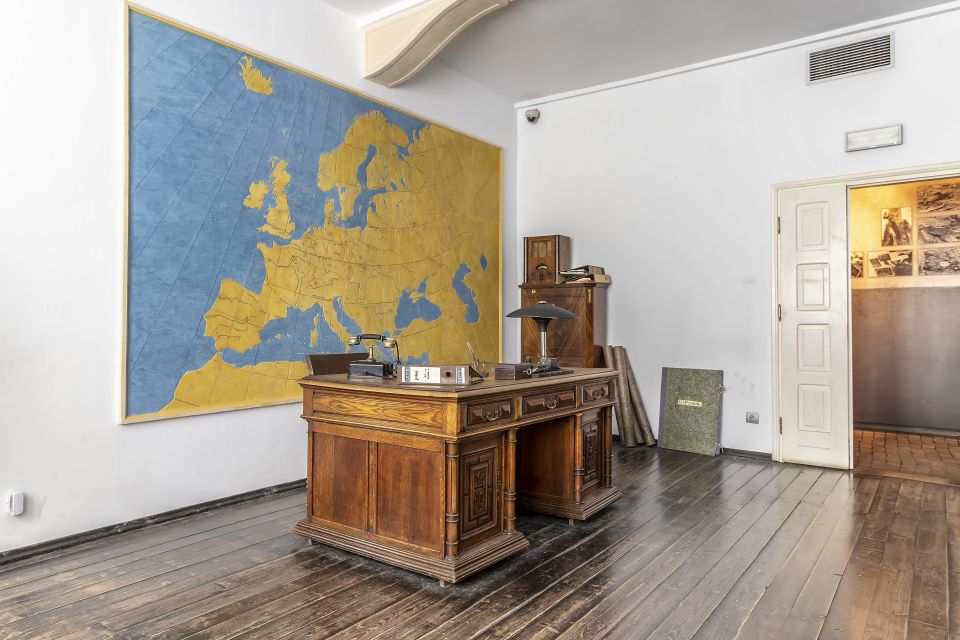
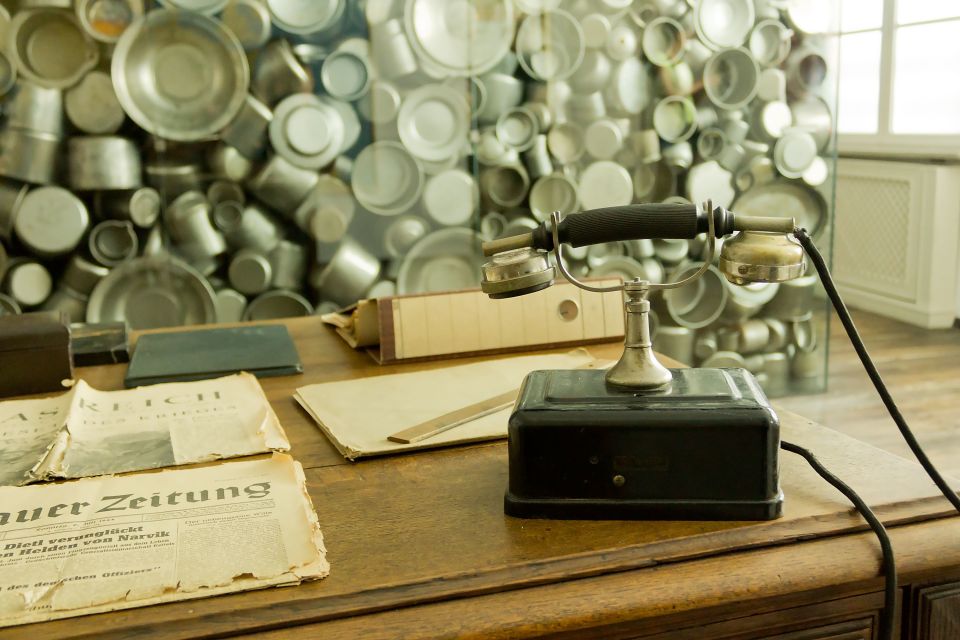
Once inside, you’ll see exhibition areas designed with narrow, dim corridors and immersive recreation. The goal isn’t comfort. It’s atmosphere—fear, confusion, uncertainty—built through soundscapes, photos, and wartime artifacts. You’ll also learn that the building once housed Schindler’s factory, but today it functions as a museum without the original machinery.

What you’ll learn in the museum
You’ll explore the exhibition about Krakow under Nazi occupation (1939–1945). The guide frames the story broadly: Jewish and non-Jewish residents, the pressure of occupation, and how survival worked in practice. You’ll also hear the central story tied to Oskar Schindler—saving over a thousand Jewish workers—but placed in the wider context of how the city was controlled.
One practical tip
Because the museum uses narrow corridors and immersive design, it helps to dress for close indoor spaces. If you’re expecting a bright, easy museum walk, adjust your expectations. It’s built to slow you down.
Kraków Ghetto streets and the Chair Memorial at Ghetto Heroes Square
After Schindler’s Factory, you move into the Kraków Ghetto area, where the past is harder to “picture,” but easier to feel once you know what you’re looking at. There are remnants of the original ghetto wall in the area, and those fragments act like landmarks of forced confinement.
You’ll also visit Ghetto Heroes Square, a site that carries a heavy history of mass deportations. Today, it’s marked by the Chair Memorial. The memorial’s power comes from its restraint: empty chairs stand in place of lives lost, each one a symbolic stand-in for absence.
Why this section is worth your focus
A ghetto walk can become a blur if you’re only collecting photos. On this route, the guide’s job is to slow you down and give you the right questions: Where were people held? What changed day to day? How did the city function around the system? The chair memorial turns those questions into something you can’t easily forget.
Under the Eagle Pharmacy: the Tadeusz Pankiewicz story that adds courage
One stop that gives the tour a different flavor is the Under the Eagle Pharmacy. Your guide explains the story of Tadeusz Pankiewicz, who risked his life to provide medicine, shelter, and hope to ghetto residents.
This is an important balance point. The day already carries tragedy, and this segment adds the human scale of resistance—small actions with enormous stakes. It also helps you understand that courage wasn’t only dramatic, headline-level heroism. Sometimes it was daily choices made under threat.
The takeaway you’ll likely carry home
You’ll probably remember the names and the places less as facts and more as a pattern: occupation created impossible conditions, and people responded with varying levels of risk and compassion. The pharmacy story anchors that idea in one specific place.
Price and time: does $81 feel fair for what you get?
At $81 per person for about 5 hours, the value comes from two things that are hard to replicate on your own: guided interpretation and museum-time efficiency.
1) Guided walking + museum context
You’re not just visiting sites. You’re getting a licensed local guide who ties Kazimierz, wartime occupation, and ghetto reality together into one story. That’s the difference between seeing buildings and understanding how the city changed.
2) Skip-the-line entry to Schindler’s Factory
Skip-the-line isn’t a gimmick here. It protects your schedule. With a 5-hour window, wasting time in queues can shrink what you experience. This tour protects the key stops.
Is it cheap? No. But it’s a lot of guided history in a tight time frame, and the guide-driven explanation tends to be where the experience becomes memorable.
Guides matter: why names like Helena and Dominika keep coming up
One of the strongest signals from the tour feedback is the quality of the guides. People repeatedly highlight guides for clear presentation, pacing that keeps the group together, and the ability to answer questions without turning the day into a lecture.
You might encounter guides such as Alice, Eva, Christopher, Magdalena, Helena, Dominika, Anna, Alyce, Phil, and Felipe. While you won’t control which guide you get, you can still control two things:
- Choose a language you’ll be fully comfortable with (the tour runs in one language).
- Ask questions when you have them. This style of tour is built for interaction, not just passive listening.
If the subject matter is personal for you—Jewish history, WWII history, or Holocaust remembrance—this kind of expert interpretation is often what makes the difference between a good day and a lasting one.
Your 5-hour reality check: pace, footwear, and museum lighting
This is a walking tour. That sounds obvious, but it’s worth stating clearly because the day includes outdoor walking plus indoor museum spaces with narrow corridors and immersive lighting.
Plan for:
- Comfortable, supportive shoes (especially if weather turns wet)
- Layers, because Krakow weather can shift during the day
- Patience with the pace: the route is structured, and it moves
Also note the timing rules: arrive 10 minutes early. Once the group departs, latecomers can’t join, and tickets can’t be refunded.
After January 1, 2026: Schindler’s Factory ID requirements and name matching
From January 1, 2026, Schindler’s Factory museum uses personalized tickets. That means you must provide the full names of all participants when you reserve, and you should bring a passport or ID for entry. Without it, entry may be denied.
If you’re traveling with a partner or a family group, double-check spelling. This is one of those “small administrative details” that can actually become a big day-stopper.
Should you book this Kazimierz, Schindler’s Factory & Ghetto tour?
Book it if you want a guided, connected story rather than a checklist of sites. This is the best choice for first-time Krakow visitors who want the Jewish Quarter, WWII occupation context, and ghetto remembrance in one stretch.
Consider skipping (or pairing it differently) if:
- You struggle with emotionally heavy history and want a lighter day
- You’re looking for lots of outdoor “wow views” instead of reflective, story-driven stops
- You can’t handle long walking or close indoor museum spaces
If your goal is to understand how Krakow worked before the war and what happened to the city under Nazi occupation, this tour is well matched to that aim. The price is reasonable for a 5-hour guided experience that also includes skip-the-line museum entry.
FAQ
Where do I meet my guide?
Meet your guide on the steps of the Old Synagogue. They will hold an excursions.city sign.
How long is the tour?
The duration is 5 hours.
What’s included in the ticket price?
You get a licensed expert local guide, a walking tour of Kazimierz and the Kraków Ghetto, skip-the-line admission to Schindler’s Factory Museum, and a guided tour inside Schindler’s Factory.
Is Schindler’s Factory admission skip-the-line?
Yes. The tour includes skip-the-line admission for Schindler’s Factory Museum.
Which languages are available?
Tours run in one language: French, Spanish, English, Italian, or German.
Do I need food or drinks included?
Food and drinks are not included.
Is hotel pickup or drop-off included?
No. Hotel pickup and drop-off are not included.
Do I need an ID for Schindler’s Factory?
From January 1, 2026, you must provide full names when reserving and bring a passport or ID for entry to Schindler’s Factory Museum.
Is free cancellation available?
Yes. You can cancel up to 24 hours in advance for a full refund.