REVIEW · KRAKOW
From Krakow: Auschwitz Birkenau Tour with Transfer
Book on GetYourGuide →Operated by Best Krakow · Bookable on GetYourGuide
A heavy day, run with real care. This Kraków to Auschwitz-Birkenau tour keeps the logistics simple while you focus on the hard, necessary work of understanding what happened. I like the Auschwitz-Birkenau transfer setup, and I appreciate the brochure route that lets you move at your own speed when the emotions get real.
My favorite part is how smoothly the day is structured: comfortable shared transport, a planned break, and help coordinating museum entry so you are not stuck figuring things out in a stressful moment. I also like that you spend real time at Auschwitz I and then continue to Birkenau, rather than treating Birkenau like a quick stop.
One consideration: the self-guided option does not include a live guide, so you’ll need to rely on the brochure and follow the walking route carefully. If you prefer a person to answer questions and add context as you go, choose the professional guided option.
In This Review
- Key Things I’d Watch Before You Go
- Kraków to Auschwitz: the coach ride and the break that helps
- Entering Auschwitz I with a brochure route, not a scramble
- Judenrampe and the first stepping-stone into the story
- Auschwitz I to Birkenau: short bus hops, big change in scale
- Birkenau with limited time: how to make those 40 minutes count
- Choose the help level: self-guided vs professional guide
- Timing, pacing, and what to pack for the day
- Price and value: what you get for about $21
- Who this day trip suits best (and who should think twice)
- Should you book this Auschwitz-Birkenau transfer tour?
- FAQ
- Is this tour self-guided or guided?
- How long does the tour take?
- Do I need tickets in advance?
- What’s included in the price?
- Is lunch included?
- Where are the pickup locations in Kraków?
- What should I bring?
- Is luggage allowed?
- Is the time I choose guaranteed?
- Who is this tour not suitable for?
Key Things I’d Watch Before You Go
- Pickups that actually work: you can meet at set Kraków points, then settle into air-conditioned coach time.
- Ticket support without the hassle: your tour assistant helps with museum entry documents so you can focus on the visit.
- A self-paced Auschwitz route: you’re not forced to keep up with a group at every turn.
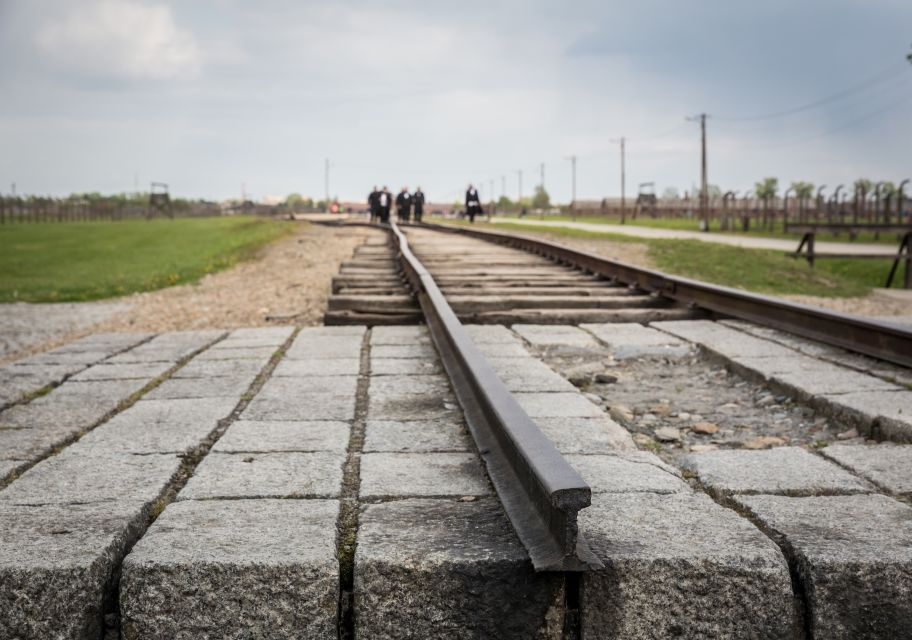
- Judenrampe first: you start with the ramp area before Auschwitz I, which sets the tone for what follows.
- Birkenau timing is short: you’ll have about 40 minutes there, so decide in advance what you most want to see.
Kraków to Auschwitz: the coach ride and the break that helps
The day starts with pickup options in Kraków, then you’re on an air-conditioned bus to the Auschwitz-Birkenau Museum. Expect roughly an hour and a half of coach time before you arrive, which is long enough that it helps to go in rested and hydrated. You’ll also get help from a tour assistant from pickup through drop-off, so you’re not wrestling with instructions alone.
A practical plus: there’s a planned café break on the way. Forty minutes is not huge, but it’s enough to use the restroom, grab a snack, and reset your brain for what comes next. On a day like this, that small buffer matters. You’ll be walking, reading, and absorbing difficult material, and a caffeine boost can keep you steady.
From some guide and driver feedback, I’ve seen a pattern: guides like Andrianna and Adriana are praised for being present at key points and making sure people understand what to do next. Driver support also matters because it removes friction from the day. A smooth transfer turns a chaotic “day trip” into something you can actually manage.
You can also read our reviews of more tours and experiences in Krakow

Entering Auschwitz I with a brochure route, not a scramble
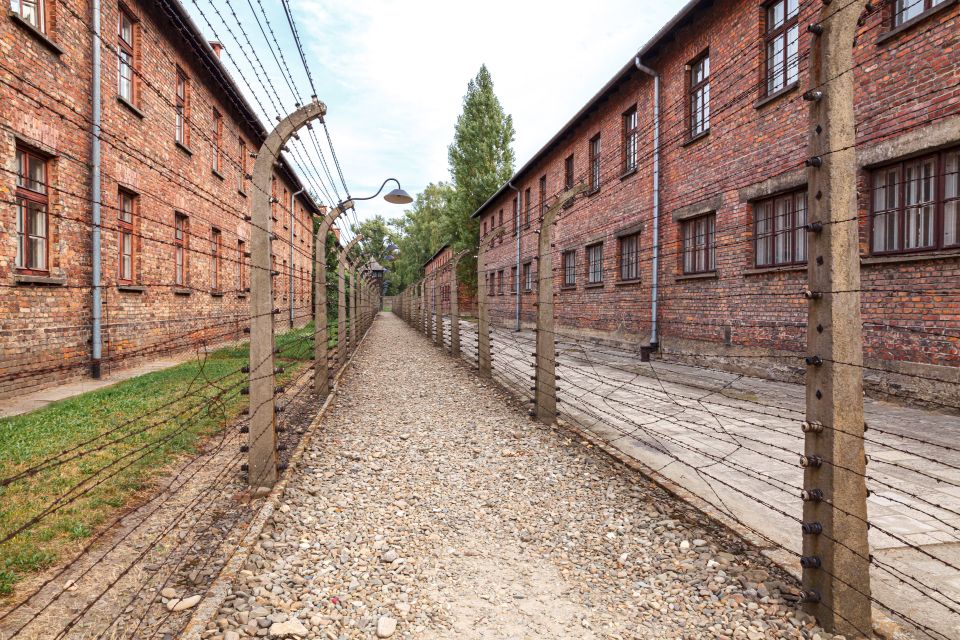
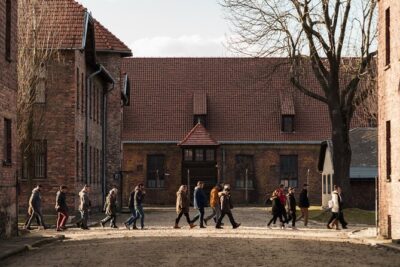
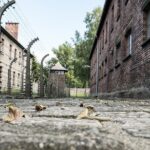
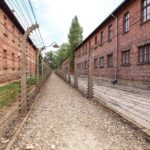
Auschwitz I is where you first get the concentrated sense of how the camp operated. You’ll enter with admission ticket handling done for you (either prepared in advance or collected with the tour leader’s help). Then you switch into the self-guided experience using an informative brochure in your selected language.
In practical terms, this setup works well if you like structure but still want control over pace. You’re given a route and detailed descriptions, plus a path to follow. That means you are not reinventing the visit on your own, but you can slow down where you need to—especially around the most personal parts of the site.
You’ll have about 90 minutes at Auschwitz I. That’s enough time to see the main areas without feeling rushed at every stop, but it’s not so long that you can linger indefinitely. So my advice is simple: pick a few sections you want to understand well, then let the rest “wash over” you without trying to read every word. On a site like this, trying to absorb everything at once often turns into stress instead of learning.
Judenrampe and the first stepping-stone into the story
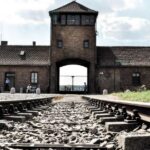
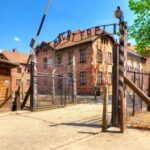
Before Auschwitz I, you visit Judenrampe for about 45 minutes as a self-guided stop. Judenrampe is part of the broader Auschwitz experience that helps explain how deportation and arrival linked to what the Nazis planned. Even if you only spend the required time here, starting at this point keeps your visit from feeling like separate exhibits. It ties the human reality to the physical layout of the camp.
This is also a good place to use your brochure actively. Don’t just look around—use the route notes to understand what you’re seeing. When you get to Auschwitz I, you’ll be more prepared to interpret the buildings and displays as part of a system, not as random structures.
Auschwitz I to Birkenau: short bus hops, big change in scale
Between the first camp and the second, you’ll take short bus transfers (roughly 10 minutes each between segments). That brief travel time is useful because it prevents the day from turning into one endless walking loop. You get a reset while the meaning shifts.
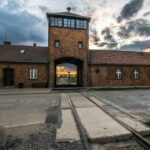
Then you head to Auschwitz II–Birkenau, where the mass killings took place. This second camp is where the scale can hit you in a different way—more open space, wider sightlines, and the sense that the camp was built for industrialized murder. You’ll have around 40 minutes there in this format.
Birkenau with limited time: how to make those 40 minutes count
Forty minutes at Birkenau can feel fast, especially if you stop frequently to read the brochure or just stand and take in the space. In some of the feedback, the recurring theme is not that Birkenau was rushed, but that people wished they’d had a bit more time there. That is worth noting if Birkenau is the main reason you’re booking.
So how do you handle the clock?
- Decide what you need most from Birkenau: layout understanding, specific memorial points, or reading key panels closely.
- Move with purpose between stops, then slow down only at the parts that matter to you most.
- Don’t try to do everything. Pick a few “anchor” moments and accept that you’ll learn the rest over time.
Also, bring a steady mind. Birkenau is not a museum visit in the casual sense. It’s a site that demands respect, quiet focus, and patience. If you go in expecting to feel numb or overwhelmed, you’ll cope better when the visit gets emotionally intense.
Choose the help level: self-guided vs professional guide
This tour offers a self-guided option (no live guide) and also a version with a professional guide. If you choose self-guided, you’ll rely on the brochure for the route and detailed descriptions, and you’ll still get assistance from the tour assistant for the broader day logistics.
If you choose the professional guided option, you’ll likely get more in-the-moment context and guidance as you move around. That can be especially useful at Auschwitz and Birkenau, where small details can carry huge meaning and where you might have questions you don’t know how to ask until you’re there.
From guide feedback, people often highlight the respectful, fact-focused way guides explain what happened and how it connects to the physical spaces. Names like Simon and Daniel come up in positive comments about being respectful and knowledgeable in delivery, and guides have also been described as friendly and helpful even when the weather turned cold. If you tend to learn best by listening and asking follow-ups, a live guide can make the day feel clearer and less like a reading assignment.
Timing, pacing, and what to pack for the day
The overall duration is listed as approximately 7–10 hours. That’s an estimate because visitor services at the memorial set the pace, and timing can shift. You’ll likely spend time traveling, doing the café break, and splitting your visit between Judenrampe, Auschwitz I, and Birkenau.
You’ll also want to plan around walking and reading time. This is not a sit-and-look-around day. You should wear comfortable shoes and dress for weather, since you’ll be outdoors in parts of the experience.
What to bring is straightforward:
- Your passport or ID card.
- Wear what you can walk in for several hours.
What not to bring is equally important:
- Luggage or large bags are not allowed.
If you have a bigger day bag, sort it out before you go. Losing time to bag rules is the last thing you need before the first major stop.
Price and value: what you get for about $21
At around $21 per person, this is a budget-friendly way to do Auschwitz-Birkenau from Kraków. The reason it’s good value is that the key expensive parts are already handled: entry tickets to both Auschwitz I and Auschwitz II–Birkenau are included, plus roundtrip shared transportation on an air-conditioned coach.
You’re not paying for a private driver and you’re not automatically getting a full live guided narration in the self-guided option. Still, for the money, the value comes from getting the hard-to-organize pieces lined up: getting there, getting in, and getting between sites without confusion.
If you want deeper explanation, the professional guided version may cost more depending on your selection. But even then, you’re still getting the structured day flow and assistance throughout pickup to drop-off.
One last “value” note: the tour has a reserve now & pay later option and free cancellation up to 24 hours before departure. That gives you flexibility if your Kraków plans shift.
Who this day trip suits best (and who should think twice)
This format is a strong match if:
- You want help with transport and entry but prefer to walk and read at your own speed.
- You like a clear route and brochure support rather than following a fast-moving group.
- You’re traveling from Kraków and want a one-day solution with minimal logistics stress.
It may be a tough fit if:
- You need step-by-step guidance from a live guide to feel comfortable understanding the sites.
- You struggle with walking/standing for long periods.
- You’re traveling with mobility constraints. This option is listed as not suitable for wheelchair users and for people with mobility impairments.
It’s also not recommended for very young children. The activity lists not suitable for children under 2, under 3, under 4, and under 5. In other words, keep it in mind for age suitability.
Should you book this Auschwitz-Birkenau transfer tour?
I think this is a solid booking choice if you want a well-organized day from Kraków that includes tickets and transport, while still letting you control your pace inside the memorials. The biggest “yes” signal for me is that you get real assistance to keep the logistics from eating your energy, so you can focus on the visit itself.
Book it if:
- You’re ready to do self-guided reading using the brochure route.
- You want a simple one-day format with visits to both Auschwitz I and Birkenau.
- You appreciate comfortable shared transport and a scheduled café break.
Consider an alternative if:
- You strongly prefer a live guide for interpretation and context throughout.
- You are worried that Birkenau time (around 40 minutes in this format) might feel too short for your learning style.
In short: if you value structure plus personal pacing, this day trip is a practical, respectful way to get from Kraków to two essential parts of Auschwitz-Birkenau.
FAQ
Is this tour self-guided or guided?
It depends on the option you choose. The self-guided option does not include a live guide and uses a brochure for the route. A professional guided option is also available.
How long does the tour take?
The duration is approximately 7 to 10 hours, and the exact timing can vary because visitor service pace can affect the schedule.
Do I need tickets in advance?
Entry tickets for Auschwitz I and Auschwitz II–Birkenau are included. The tour operator books entry tickets in advance when possible, and the tour leader can help collect tickets if needed.
What’s included in the price?
The tour includes brochures in your language, entry tickets to Auschwitz I and Auschwitz II–Birkenau, assistance throughout the whole trip, and shared roundtrip transportation by air-conditioned bus from Kraków.
Is lunch included?
No, lunch is not included. There is a café break during the day, but meals are on you.
Where are the pickup locations in Kraków?
Pickup is optional at Pawia 18a (Kiss & Ride Lane bus stop in front of Mercure Hotel) or Wielopole 2 (Kiss & Ride Lane bus stop). The meeting point can vary depending on the option booked.
What should I bring?
Bring your passport or ID card.
Is luggage allowed?
No luggage or large bags are allowed.
Is the time I choose guaranteed?
You choose a preferred time which is not guaranteed. In exceptional circumstances, departure time may change.
Who is this tour not suitable for?
The tour is listed as not suitable for children under 5, wheelchair users, and people with mobility impairments.