REVIEW · KRAKOW
Galicja Jewish Museum
Book on GetYourGuide →Operated by Discover Cracow · Bookable on GetYourGuide
The Galicia Jewish Museum turns photographs into memory work. I love how clearly the permanent exhibition Traces of Memory connects centuries of Jewish life in Polish Galicia to what Nazi violence did afterward, and I like that the museum mixes history with real visual evidence—over 140 photos—and moving WWII footage. If you care about understanding the story, not just seeing it, this is the kind of stop that sticks.
One thing to consider: the experience is photo-heavy, with comparatively fewer physical artifacts. That won’t bother you if you’re happy to spend time reading labels and reflecting, but it’s good to know up front.
In This Review
- Key things to know before you go
- Why the Galicia Jewish Museum feels different from a typical history stop
- Traces of Memory: the 800-year story told through photos
- WWII moving pictures: when the story gains motion
- Photo-heavy doesn’t mean shallow: how to get more from the visuals
- What else is inside: cafe, concerts, bookshop, and temporary space
- Entering smoothly: ticket rules, last entrance, and the City Pass angle
- Tickets and printing
- Last entrance timing
- Kraków City Pass value
- Logistics that affect your day: timing, pacing, and location choices
- Who should book this, and who might think twice
- Should you book the Galicia Jewish Museum?
- FAQ
- What is the Galicia Jewish Museum in Kraków focused on?
- What is the permanent exhibition called?
- What does Traces of Memory include?
- Does the museum include moving pictures related to WWII?
- How long should I plan for the visit?
- What else is available besides the permanent exhibition?
- How much does the ticket cost?
- Is the entrance free with the Krakow City Pass?
- Do I need a printed ticket?
- When is the last entrance?
Key things to know before you go
- Traces of Memory focuses on 800 years of Jewish culture in Polish Galicia
- Over 140 photographs document remnants of Jewish presence in southern Poland
- WWII moving pictures add urgency and human detail
- Chris Schwarz is central to the museum’s visual story (founder and former director)
- You can plan a calm visit with time for the cafe, bookshop, and temporary programming
Why the Galicia Jewish Museum feels different from a typical history stop
In a city full of monuments, this museum does something smarter than just display artifacts. It uses photography, documentation, and curated exhibitions to honor lives that were targeted for erasure. The mission is twofold: pay tribute to victims of the Holocaust while also celebrating Jewish heritage in Polish Galicia. That balance matters because it keeps the story from flattening into only tragedy.
What makes the experience so worth your time is the way the museum frames context. You’re not just looking at images; you’re watching a long cultural presence get documented, then systematically destroyed. It’s the difference between learning facts and understanding loss as a process.
And practical bonus: the setup gives you room to go at your own pace. If you like to slow down, sit with a few photos longer, and read carefully, you can. If you prefer a brisk walk-through, you can still make progress without feeling like you’re missing the plot.
You can also read our reviews of more museum experiences in Krakow
Traces of Memory: the 800-year story told through photos
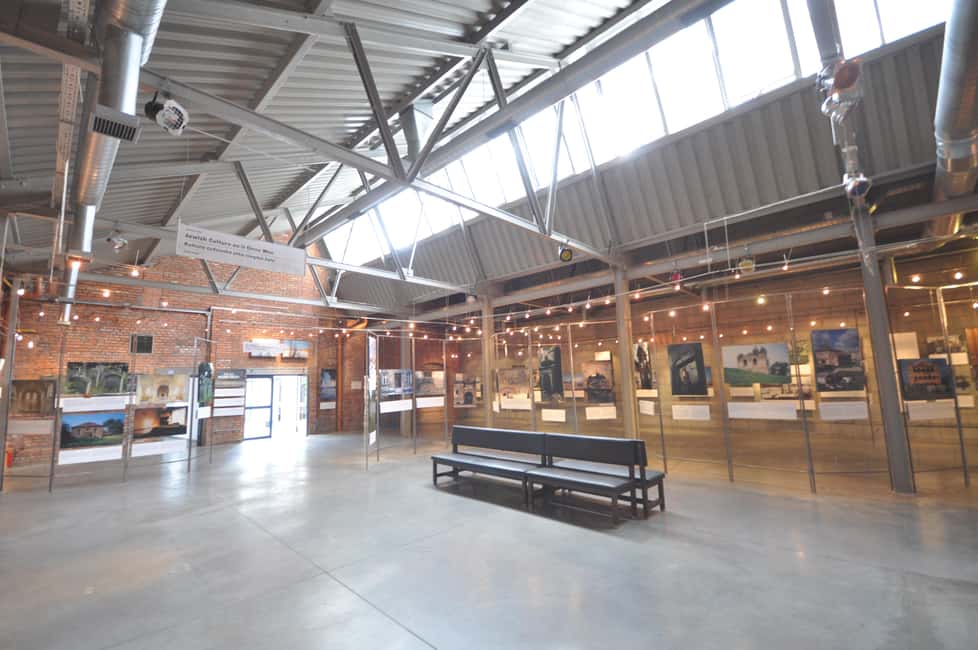
The museum’s permanent exhibition is called Traces of Memory, and it’s the result of twelve years of artistic work. That long gestation shows in how the exhibition reads like a careful sequence, not a random wall of pictures.
The core idea is simple and powerful: the exhibition is a reminder of 800 years of Jewish culture in Poland, specifically in Galicia. Instead of treating the region as background scenery, the museum treats it as a home—part of everyday life—then makes the coming violence feel more tragic because you’ve been shown what existed before it was shattered.
Here’s what you’ll actually see while you’re there:
- A large collection of over 140 photographs created by the founder
- Images described as remnants of Jewish presence in southern Poland, historically known as Galicia
- An exhibition record of the process of destruction of Jewish culture during WWII
If you’re the type who usually rushes through museums, this is a good place to practice slowing down. The photos are meant to be looked at and processed. Don’t treat labels like chores. Let the captions do their job: turning a picture into a connection.
One more important point: this exhibition is also about authorship and perspective. The museum was established by Chris Schwarz, a British photographer whose photos focus on Jewish culture in Poland. He served as the museum’s director before he died in 2007. Knowing that matters because it helps you understand why so much of the museum’s power comes through images rather than relics.
WWII moving pictures: when the story gains motion
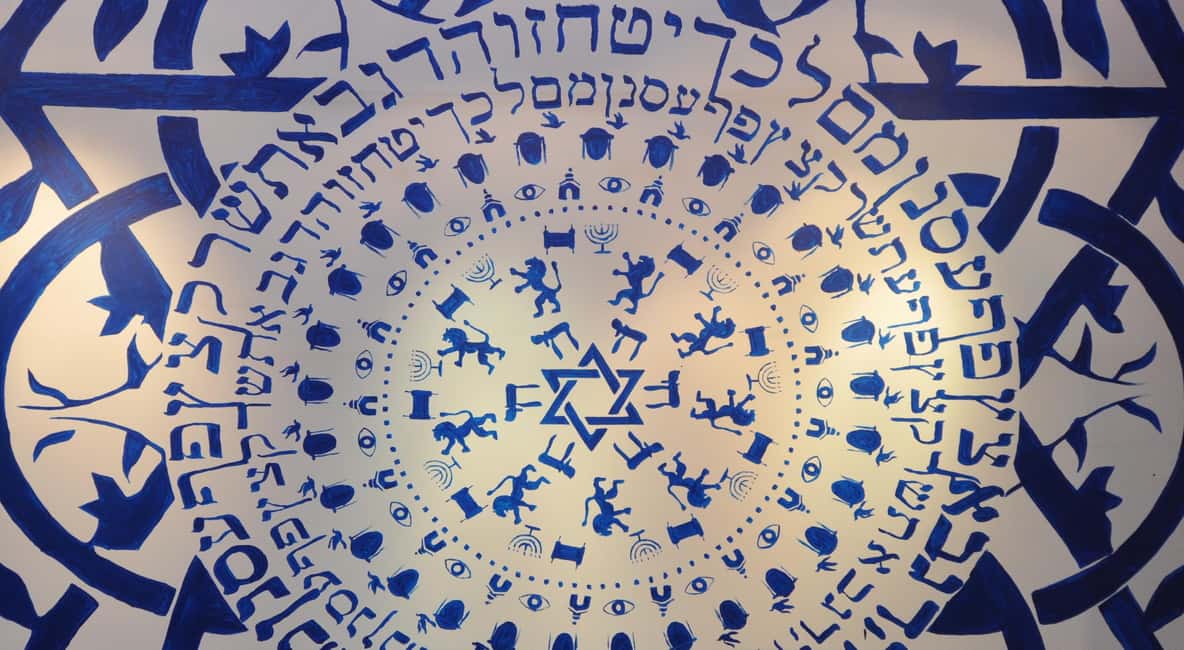
One of the museum highlights is the inclusion of moving pictures showing Jews during WWII. Still images can carry emotion, but footage tends to bring time into the room. It gives you the sense of living within the timeline of events rather than looking at them from a distance.
I find this combination especially effective after you’ve spent time reading the photo history. The permanent exhibition lays out what life looked like and what got broken. Then the WWII visuals shift the mood into something more immediate and unsettling.
This is also where you might want to be mindful of your energy level. If you’re visiting after a long day of walking around Kraków, you may want to keep this museum visit earlier rather than last thing at night. The material is moving, and it benefits from a bit of mental space.
Photo-heavy doesn’t mean shallow: how to get more from the visuals
Because the museum is more photo-based than artifact-based, your experience will depend on how you read. Don’t worry if you’re not a photography expert. You just need patience and a plan.
Here’s the approach I recommend:
- Choose a few photos to look at longer than others
- Read the label right after looking, not ten minutes later
- Notice what the exhibition is building toward: continuity, then rupture
One practical detail from visits is that the museum is often not too crowded, especially if you arrive early. One visitor noted arriving at opening time (10am) made the room easier for reflecting. Even if your exact opening hours differ, the strategy holds: earlier is calmer. You’ll be able to concentrate on the images without constant interruptions.
If you want a “minimum time” target, think in terms of about two hours for the main exhibition area. That seems to be a comfortable window where you can actually absorb what you’re seeing, rather than treating it like a checkbox.
What else is inside: cafe, concerts, bookshop, and temporary space
The museum isn’t only galleries. It’s also a place that keeps culture alive through programming. Inside, you’ll find:
- An exhibition space for the permanent show
- Temporary exhibitions (so the museum can feel different on repeat visits)
- A cafe for a slower pause
- Concerts, meetings with authors, lectures, and workshops
Even if you’re only there for the permanent exhibition, I’d still budget time to use the cafe. It helps you reset your senses after heavier sections, and it keeps the visit from feeling like a sprint from one emotional moment to the next.
Then there’s the bookshop, which can be more useful than you’d expect. You can find books in Polish, English, and German covering Jewish life and culture, the Holocaust, Jewish thought, identity, and literature. If you leave with questions, the bookshop is a good next step because it points you toward deeper reading in languages you can actually use.
If you happen to be in town for a lecture or a concert, that can turn your visit into more than museum time. It becomes a cultural stop that supports the same theme the museum is built on: memory plus living heritage.

Entering smoothly: ticket rules, last entrance, and the City Pass angle
This is a museum admission experience, not a long guided tour. Your “how it works” matters more than your “where it ends up,” so pay attention to these details.
Tickets and printing
You’ll receive a separate ticket via email from the local operator after booking. Only a printed version of that ticket is accepted. If you can’t print it, you can do so at Plac Szczepański 8.
So plan ahead: if you’re traveling with a smartphone-only setup, make sure you can print before you arrive.
Last entrance timing
There’s a clear rule on timing: the last entrance is 90 minutes before closing. That’s enough time to see the permanent exhibition without feeling rushed, but it’s not enough time to wander aimlessly if you show up late. If your day is busy, aim to arrive earlier than you think you need.
Kraków City Pass value
If you’re using the Krakow City Pass, entrance is free of charge. Since the City Pass covers multiple major museums and landmarks, this one can be a high-value pick if you’re trying to stretch your sightseeing days.
Even without the pass, the price is low enough that it feels reasonable for a meaningful visit. The stated cost is $4.33 per person. That price matters because it removes the usual guilt factor: you can choose this museum for its purpose, not because it’s a splurge.
Also, note that opening hours can differ from what you might expect. If your schedule is tight, check the day-of hours so you don’t get caught by surprise.
Logistics that affect your day: timing, pacing, and location choices
The museum experience is valid for 1 to 2 days, depending on what starting time you choose. Meeting point can vary depending on the option booked, and the activity ends back at the meeting point. In plain terms: treat it like a ticketed museum visit you can plug into your Kraków day plan.
Here’s how I’d fit it into a practical itinerary:
- If you want a quieter visit, try to go at opening time or earlier in the day
- Pair it with a slower walk afterward rather than a frantic schedule
- If you have other museum stops, pick just one heavyweight history site on the same day
Because the content is about genocide and cultural destruction, I recommend spacing your emotional load. Kraków has plenty of interesting places, but this one deserves breathing room between sections and between days if you can.
And one small rule you should know: smoking isn’t allowed.
Who should book this, and who might think twice
This museum is a strong match if you:
- Want to understand Jewish life in Polish Galicia through documentation
- Appreciate a museum built around images, captions, and careful presentation
- Like self-paced visits where you can take time to reflect
- Are curious about the founder Chris Schwarz and his focus on Jewish culture in Poland
It’s also a great add-on even if you’re not a “Holocaust museum” person, because the exhibit is explicitly about both remembrance and cultural life, not only the end of it.
You might think twice if:
- You’re expecting a collection of lots of physical artifacts
- You prefer audio guides or heavily interactive exhibits (this experience is mainly visual and interpretive)
- You don’t like reading labels for any reason
Still, even if you’re not a slow reader, you can make this work by spending your time strategically: look first, read second, then decide what you want more of.
Should you book the Galicia Jewish Museum?
If you want a meaningful Kraków stop for a very reasonable price, I’d say yes. The value isn’t just in the low ticket cost. It’s in how the museum uses Traces of Memory, the over 140 photographs, and the WWII moving pictures to tell a story that connects lived culture to deliberate destruction.
Book it if you’re open to a thoughtful, photo-driven experience and you can give it at least a couple hours. If you’re mainly looking for artifact-heavy exhibits, arrive with the right expectation and focus on the visuals and captions.
Either way, plan to go earlier rather than later, and bring a calm mindset. This is the kind of museum where your attention is part of the respect.
FAQ
What is the Galicia Jewish Museum in Kraków focused on?
It honors victims of the Holocaust while also celebrating Jewish culture in Polish Galicia, using its permanent exhibition and supporting collections.
What is the permanent exhibition called?
The permanent exhibition is called Traces of Memory.
What does Traces of Memory include?
It highlights about 800 years of Jewish culture in Poland and presents over 140 photographs documenting remnants of Jewish presence in southern Poland, along with a record of the destruction of Jewish culture during WWII.
Does the museum include moving pictures related to WWII?
Yes. The museum has moving pictures showing Jews during WWII.
How long should I plan for the visit?
The experience is valid for 1–2 days, and many visitors spend around two hours reading and looking through the photo-based materials.
What else is available besides the permanent exhibition?
You can expect an exhibition space, a cafe, temporary exhibitions, and programming such as concerts, meetings with authors, lectures, and workshops, plus a bookshop.
How much does the ticket cost?
The price is listed as $4.33 per person.
Is the entrance free with the Krakow City Pass?
Yes. Krakow City Pass holders get free entrance.
Do I need a printed ticket?
Yes. A separate ticket is sent by email, and only a printed version is accepted. If you can’t print, you can print at Plac Szczepański 8.
When is the last entrance?
The last entrance is 90 minutes before closing.