REVIEW · KRAKOW
From Krakow: Auschwitz-Birkenau Camp Complex Guided Day Trip
Book on GetYourGuide →Operated by Cracovia Viaggi Local Tours. · Bookable on GetYourGuide
The day-to-day reality of history hits fast. This guided Auschwitz-Birkenau trip from Krakow balances hard facts with moments to pause, especially as you see everyday belongings left behind and learn how the camps were built and used.
Two things I really like: the focus on artifacts and personal items that show what people carried in, and the structure of a live Italian guide who explains the origins and roles of each camp stop.
One thing to consider: food and drinks aren’t included, so plan your day around snacks or a packed lunch.
In This Review
- Key things to know before you go
- Value and timing: why this 7-hour Auschwitz-Birkenau day works
- Getting picked up in Krakow without last-minute stress
- Auschwitz I: seeing the gate and the blocks through belongings
- Birkenau: gas chambers, crematoria, and memorial paths that force you to slow down
- Monowitz context: how survival looked in the middle of impossible days
- The guide and language: Italian tour + optional audio
- What to pack (and what will get you turned around)
- How to handle the emotional weight of the day
- Who this Auschwitz-Birkenau guided trip is best for
- Should you book this tour?
- FAQ
- FAQ
- How long is the Auschwitz-Birkenau day trip from Krakow?
- What is the price per person?
- Is pickup included in Krakow?
- What transportation do I get?
- What language is the guided tour in?
- Are entry tickets included?
- Is food and drinks included?
- What should I bring?
- What items are not allowed on the tour?
- How will I know the exact departure time?
Key things to know before you go
- Pickup and transport run tightly: the meeting point and vehicle details come via WhatsApp, and the team checks everyone is accounted for.
- You ride from Krakow to Auschwitz in about 45 km to make the most of your single-day schedule.
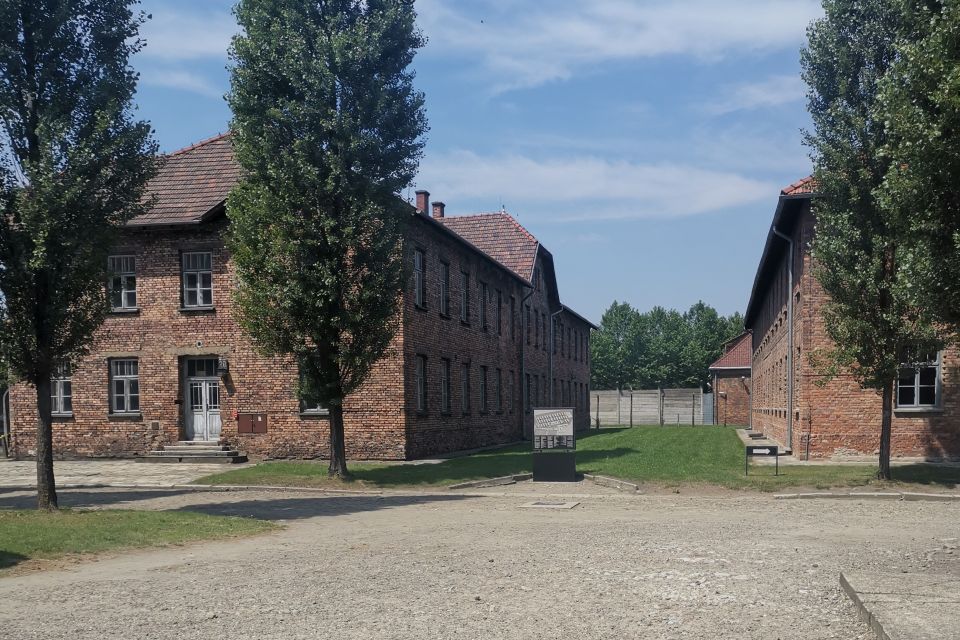
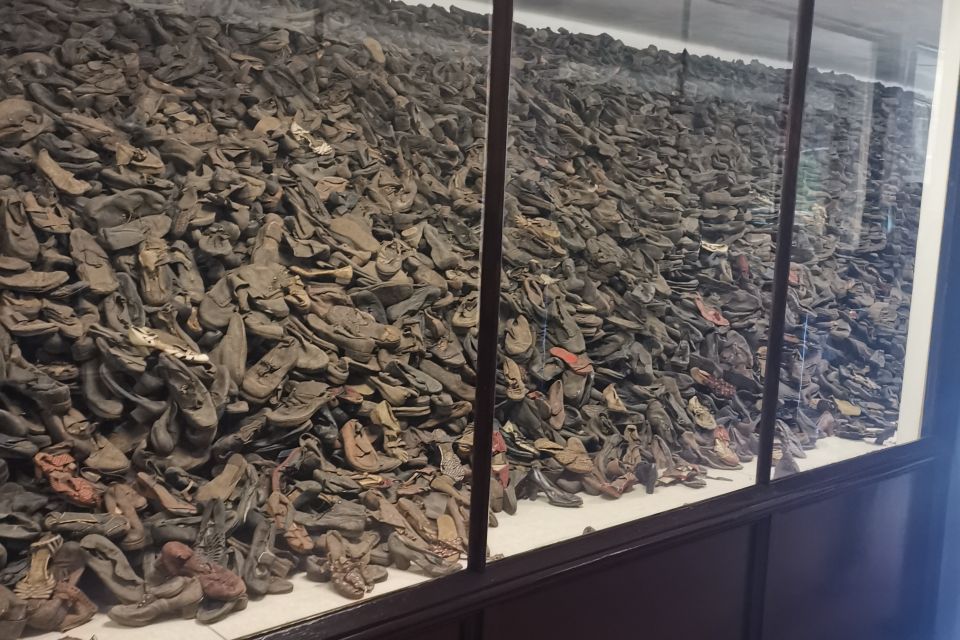
- Auschwitz I is told through what prisoners left behind, from shoes and suitcases to glasses and photos.
- Birkenau is the focus on the machinery of mass killing, including the gas chambers and crematoria.
- You get context beyond the main camps, with insight into Monowitz and the idea of day-to-day survival under extreme conditions.
- You’ll have time for memorial reflection, not just quick photo stops.
Value and timing: why this 7-hour Auschwitz-Birkenau day works
Auschwitz-Birkenau is not a “sightseeing day.” It’s a guided, emotionally heavy visit that takes focus, patience, and the right pace. That’s why I like this format: 7 hours is enough time to cover both Auschwitz I and Birkenau without making you feel rushed through the hardest parts.
For $83 per person, you’re paying for more than entry tickets. You also get private transportation from Krakow, a live guided tour, and on-site assistance. If you tried to DIY this, you’d quickly spend time solving transport, tickets, and meeting logistics. Here, that work is handled for you, which matters on a day when you want mental space.
Also, timing can make a difference. One guide-led day like this often starts early, and that can help you enter among the first visitors, which means fewer distractions and less waiting at key points.
You can also read our reviews of more guided tours in Krakow
Getting picked up in Krakow without last-minute stress
The logistics here are built for real life, not theory. You’ll get details about where to meet and how to find the right vehicle the day before your tour. Then the exact departure time is sent via WhatsApp by 6:30 pm the day prior.
On the day itself, you should expect a clear, organized check-in. In particular, the process is described as careful: staff contact people, confirm who’s present, and even handle late arrivals so the group isn’t permanently stalled.
Practical takeaway for you: keep your phone available and watch WhatsApp the evening before. If you’re traveling with electronics, bring a charged battery pack. The smoother your pickup is, the better you’ll handle the long, quiet ride afterward.
Auschwitz I: seeing the gate and the blocks through belongings
Auschwitz begins with the details. You’ll ride from Krakow toward the former main camp in Auschwitz, and once you arrive you’ll start with the core symbols and layout that shaped what happened there.
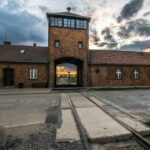
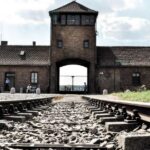
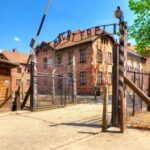
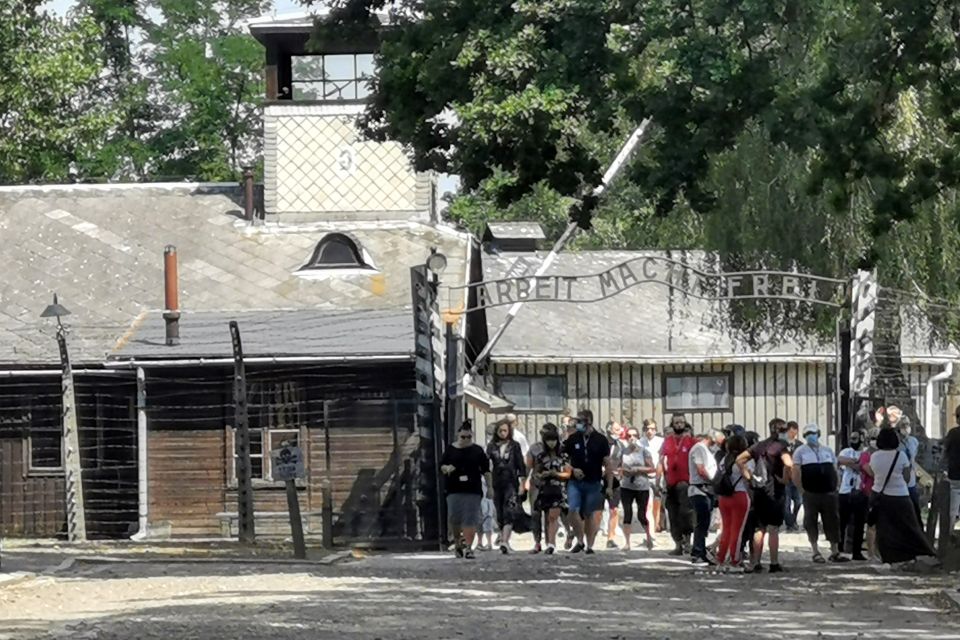
You’ll pass the entrance with the gate that reads Arbeit macht frei. It’s one of those phrases you’ve probably seen in photos, but the real weight comes from standing there and realizing how an engineered system used language as part of terror.
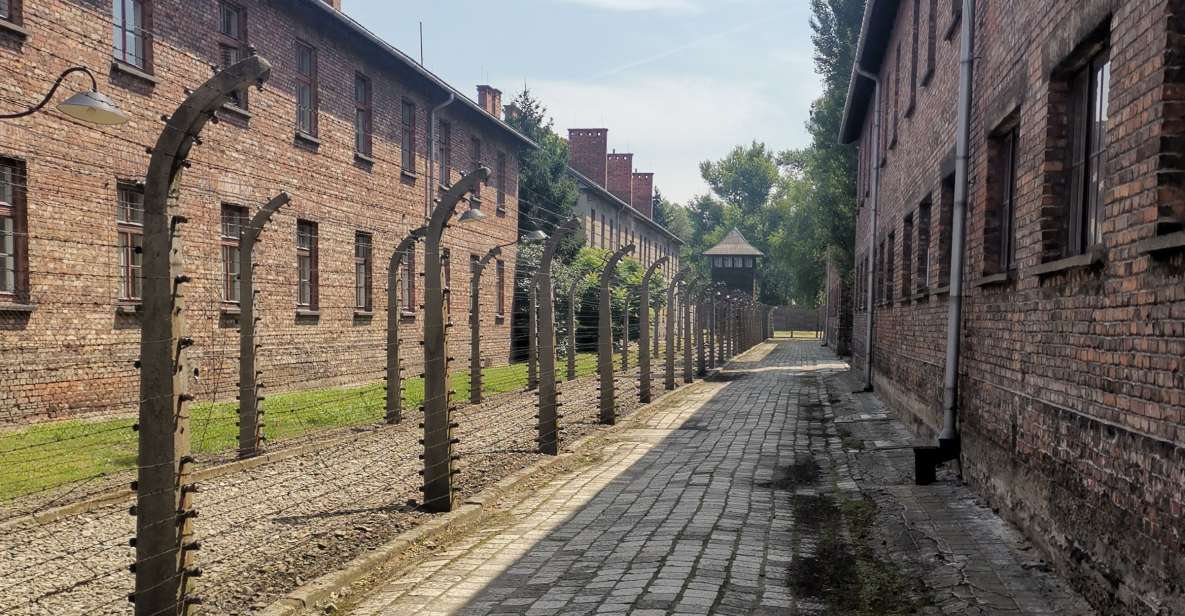
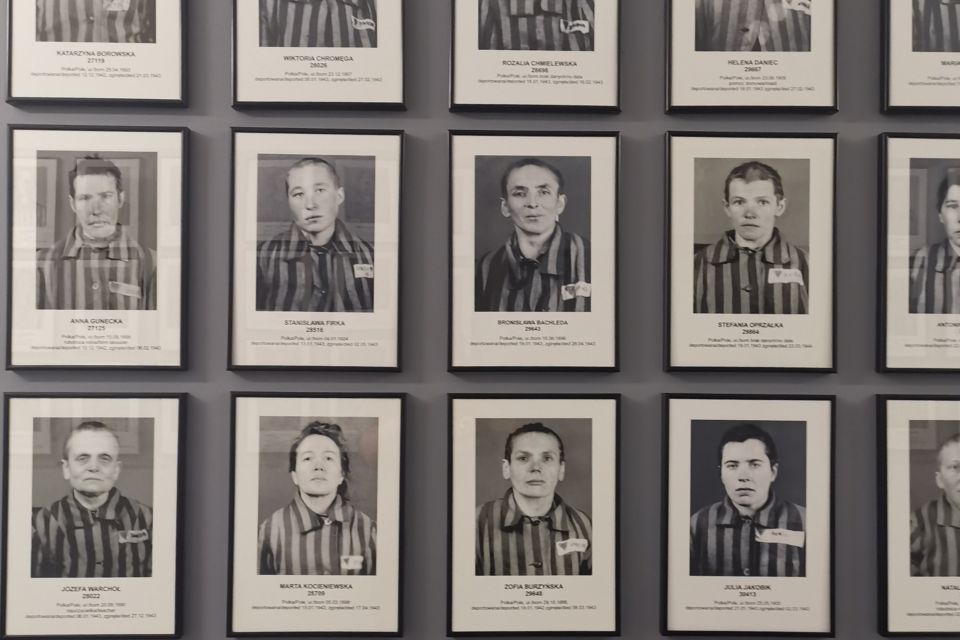
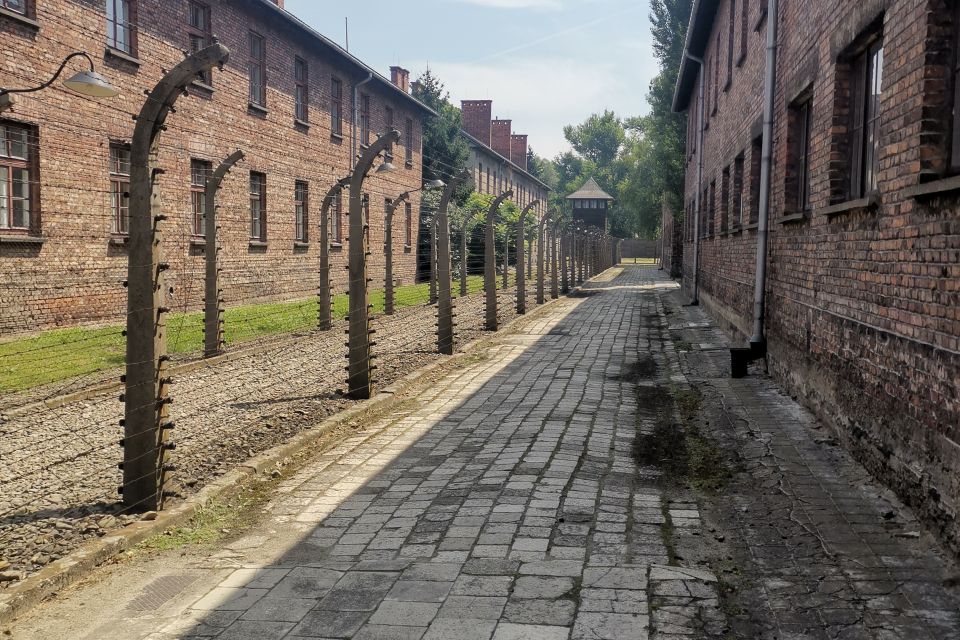
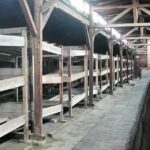
From there, the tour moves into the prisoner blocks, now arranged to house artifacts and belongings left behind. This is where the tour’s tone becomes especially grounded. You’ll see items people carried—things like shoes, suitcases, and glasses—along with photographs and documents.
Why this matters: seeing objects in a museum-like setting is one thing. Seeing them explained as part of how the camp functioned is another. A good guide turns the collection of items into a story about sorting, control, labor, and deprivation. For you, that means less confusion about what you’re looking at and more understanding of why those objects are present at all.
There’s also a detail in the day’s framing you’ll hear from your guide: Auschwitz’s early setup ties into the way the space was first used as barracks for the Polish military before it became part of the Nazi camp system. That context matters because it helps you understand how institutions and infrastructure can be repurposed for violence, often with terrifying speed.
Birkenau: gas chambers, crematoria, and memorial paths that force you to slow down
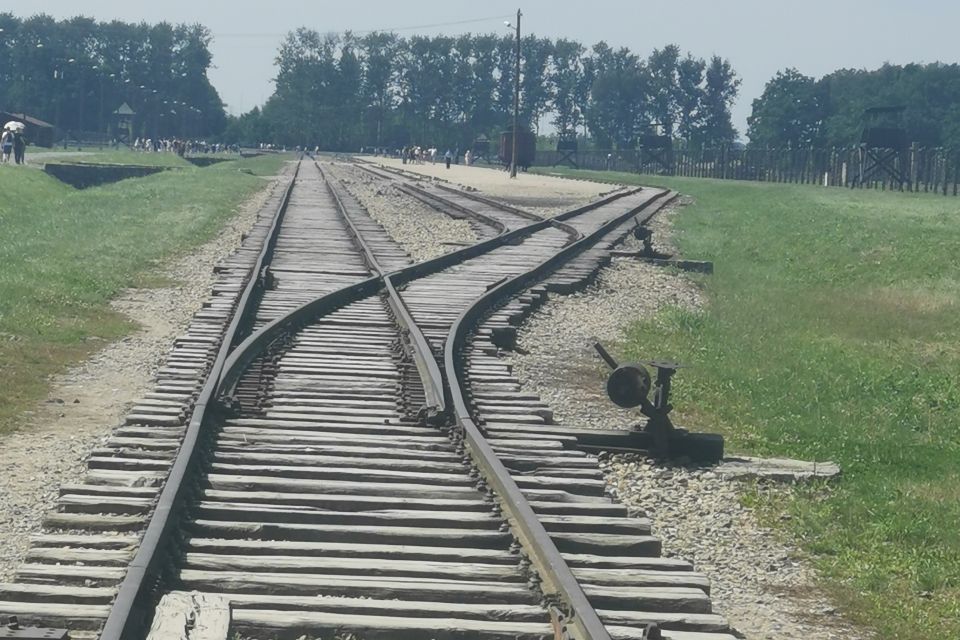
After Auschwitz, you’ll travel a short distance to Birkenau, the larger complex where the scale of the crimes becomes unmistakable. This part of the day isn’t about rushing through points on a map. You’ll move through the site in a way that encourages you to hold onto what you learned earlier and connect it to what you see here.
The tour includes stops connected to the gas chambers and crematoria. Standing near these places changes how you interpret everything else you saw before. It can feel like your brain wants to skip ahead to something more manageable, but the tour keeps you in the present: the pathways, the remains, and the memorial layout.
You’ll also spend time around the memorials that surround the complex. That reflection time is key. It gives you a chance to process what your guide is explaining rather than trying to absorb it all at once. If you tend to overpack your schedule, I’d call this one of those rare tours where slowing down is the point.
Tip: wear shoes that can handle uneven ground and long walking. You’ll want your focus on meaning, not sore feet.
Monowitz context: how survival looked in the middle of impossible days
One of the more useful elements of a good Auschwitz-Birkenau tour is not just explaining the camp machinery, but explaining the human experience around it. This day includes insight into Monowitz and how survival worked, or didn’t work, in everyday terms.
In simple terms, you’ll hear about how people were forced into work and routine under brutal conditions—where survival depended on tiny things and luck you had no control over. That doesn’t make the story “easier,” but it makes it more understandable. It also stops you from viewing the camps as only a single location and instead frames them as part of a wider system.
For you, that means you’re not leaving with only images. You’re leaving with a mental model: how the camps were set up, how roles differed, and how prisoners were pushed through separate functions inside the same larger network.
You can also read our reviews of more tours and experiences in Krakow


The guide and language: Italian tour + optional audio
This tour is led by a live Italian guide, and there’s also an optional audio guide in Italian. If Italian is comfortable for you, you’ll likely appreciate how the guide can point out small but important details in the moment.
If Italian is not your strongest language, don’t panic. You can still follow the structure through site layout and the clearly described stop sequence. But it’s smart to be realistic: the tour’s depth depends on understanding the guide’s narration.
Practical suggestion: if you’re relying on audio support, give yourself a little time at each stop before you start your own reading. Let the guide lay the groundwork, then use audio or notes to help you connect what you’re seeing to what you just heard.
What to pack (and what will get you turned around)
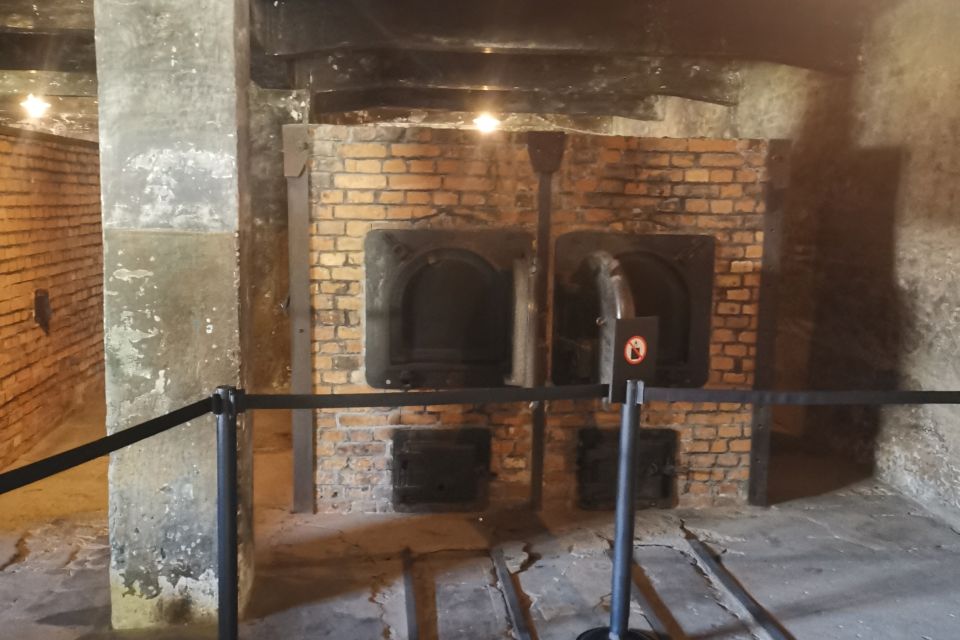
This is one of those days where the small rules affect your experience. Here’s what you should bring:
- Passport or ID card
- Comfortable shoes
And here’s what isn’t allowed:
- Oversize luggage
- Smoking
- Luggage or large bags
- Pets (assistance dogs are allowed)
- Flash photography
- Alcohol and drugs
For you, the key is minimizing what you carry. Choose a small day bag that stays with you but doesn’t count as “large.” Keep essentials reachable so you’re not rummaging in a hurry.
Also, avoid relying on flash. It won’t be allowed anyway, and it can disrupt the atmosphere the memorial sites are trying to protect.
How to handle the emotional weight of the day
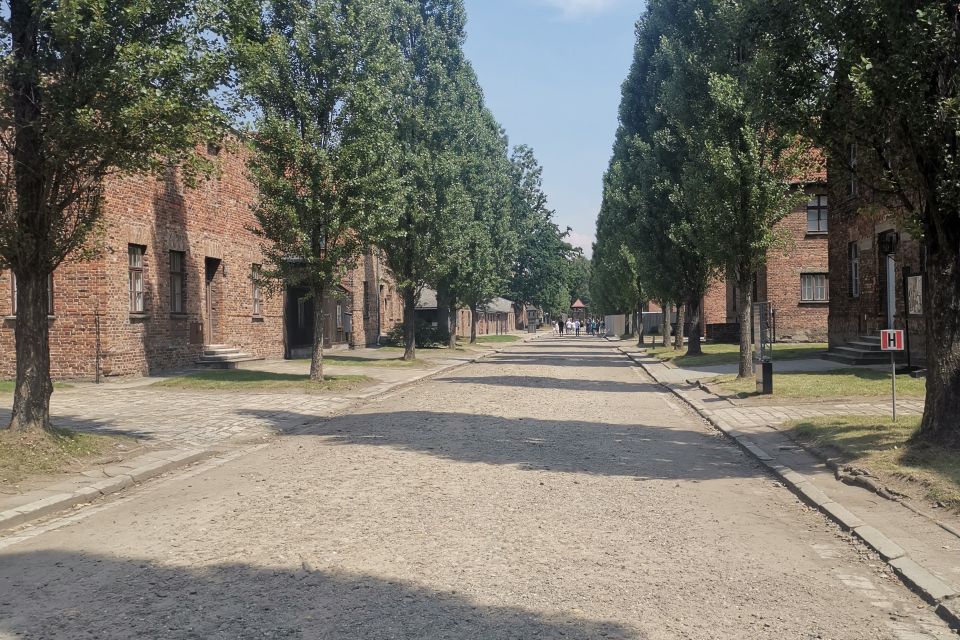
Auschwitz-Birkenau is historically essential and emotionally intense. The pace and tone of a guided day matters because you’re balancing information with reflection. Even on a cold, difficult-feeling day, people have described the visit as clearer because the conditions made the reality harder to dodge.
What helps you cope is planning your expectations. Think of this as a day of concentration, not a day to “feel like a tourist.” You’ll learn about origins, roles of the camps, what people carried in, and the daily reality people endured. Then you’ll pause at memorials built around the complex, and you’ll want silence afterward—time to think, process, and decompress on the ride back.
Who this Auschwitz-Birkenau guided trip is best for
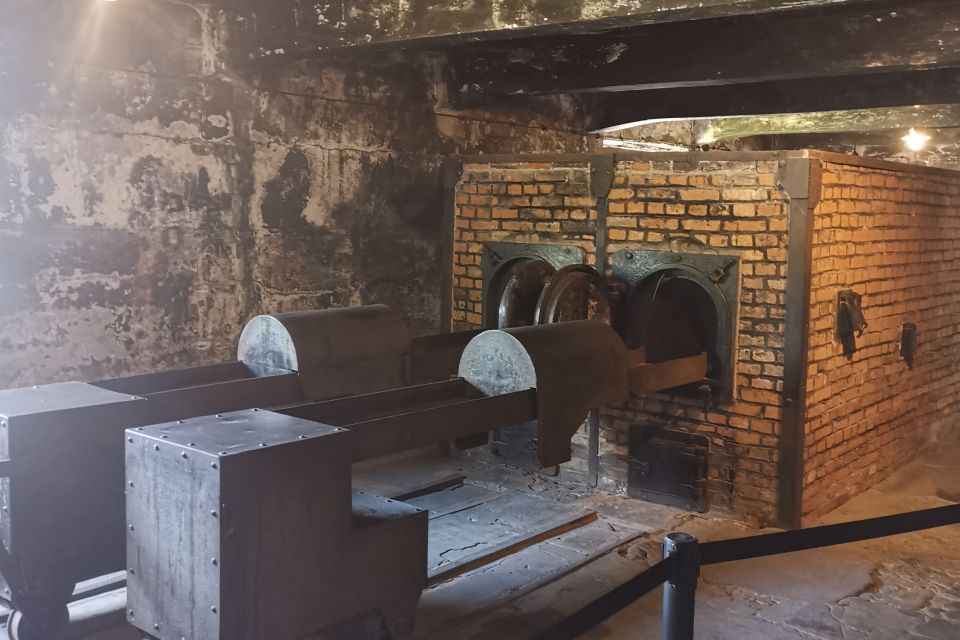
This tour is a strong choice if you want:
- A structured day with private transport and help getting in and out cleanly
- A guided explanation that connects camp origins, functions, and what you see
- Time at Auschwitz I and Birkenau with built-in moments to reflect
It’s also a good fit if you’re staying in Krakow and don’t want to spend your energy coordinating transport and tickets.
It may be less ideal if you strongly prefer a self-guided pace, or if you’re not comfortable with an Italian-language experience. In that case, you’d want a backup plan for comprehension and reading so you’re not lost.
Should you book this tour?
I’d book this Auschwitz-Birkenau day trip from Krakow if you want the experience handled for you: pickup in Krakow, entry tickets included, a guided explanation in Italian, and the chance to see both Auschwitz I and Birkenau with time to reflect. The best part is that the logistics feel treated seriously, so you can stay mentally present instead of fighting bus schedules.
You should think twice before booking if you need food included, or if carrying a small bag is hard for you. On a day like this, those practical details can change your stress level fast.
FAQ
FAQ
How long is the Auschwitz-Birkenau day trip from Krakow?
The trip lasts about 7 hours.
What is the price per person?
The price is $83 per person.
Is pickup included in Krakow?
Yes. Pickup is included in Krakow, and you’ll receive a photo of the vehicle pickup details the day before.
What transportation do I get?
The tour includes private transportation to and from the Auschwitz-Birkenau area.
What language is the guided tour in?
The live tour guide is Italian. An optional audio guide in Italian is also available.
Are entry tickets included?
Yes. Entry tickets are included.
Is food and drinks included?
No. Food and drinks are not included.
What should I bring?
Bring your passport or ID card and wear comfortable shoes.
What items are not allowed on the tour?
You can’t bring oversize luggage or luggage/large bags. Also smoking, flash photography, alcohol and drugs, and pets are not allowed (assistance dogs are allowed).
How will I know the exact departure time?
The exact departure time is communicated via WhatsApp by 6:30 pm one day before the visit.