REVIEW · KRAKOW
Auschwitz-Birkenau: Day Trip & Transfer from Kraków
Book on Viator →Operated by DISCOVER CRACOW · Bookable on Viator
Auschwitz isn’t a normal day trip. This one works because you’re not just getting a ride—you’re getting a structured, small-group visit with English support built around the two main sites. I like that the transfer is set up for round-trip convenience from Kraków (with pickup help when possible), and that the museum blocks include official guided components at both Auschwitz I and Birkenau.
One big consideration: the day is long and tightly paced, with short breaks and lots of walking, and timing can shift depending on guide availability and entry-flow at the museums. On top of that, this is emotionally heavy work, not a quick history hit.
In This Review
- Key things to know before you go
- Price and Logistics for Auschwitz-Birkenau From Kraków
- Pickup at Pawia 18B and the Ride Out to Auschwitz
- Birkenau Memorial Stop: How the Morning Sets Your Expectations
- Auschwitz I Museum: Where the Guided Time Matters Most
- Back to Kraków: Timing, Walking Pace, and Energy Management
- Walking, Weather, and Respect Rules You Should Actually Follow
- When Timing Changes: What to Expect if Tickets or Guides Shift
- Value Check: What You Pay for at $57.50
- Who This Day Trip Fits Best (And Who Might Prefer Another Plan)
- Should You Book This Auschwitz-Birkenau Day Trip?
- FAQ
- How long is the Auschwitz-Birkenau day trip from Kraków?
- Where is the pickup location in Kraków?
- What language is the tour offered in?
- Are entry tickets included?
- What are the main rules during the visit?
- Do I need ID or a passport?
- Is the tour suitable for children?
Key things to know before you go
- Small group size (up to 30) keeps the day more manageable.
- Round-trip transport from Kraków in an air-conditioned vehicle, with pickup options.
- Two-site visit: Birkenau first, then Auschwitz I.
- Short breaks (no more than 10 minutes) and a lot of outdoor walking.
- Strict on-site rules: solemn behavior, no smoking/eating, and quiet conversations.
- Bring ID/passport for security screening.
Price and Logistics for Auschwitz-Birkenau From Kraków
At $57.50 per person, this day trip looks like a budget-friendly way to handle a high-demand destination. The value is in what’s bundled: round-trip transportation from Kraków, entry tied to the Auschwitz sites, and guided museum time at Auschwitz I and Birkenau (when that guided option is selected). For many people, that’s worth paying extra just to avoid fighting with timing and transit on your own.
The schedule is also built around reality. Auschwitz and Birkenau run on timed entry and timed capacity. Even when everything goes smoothly, you’ll still spend a lot of time moving between checkpoints and viewing areas. And since the tour runs in small groups, you’ll typically travel as a unit and follow the leader’s flow.
The tricky part is expectations. Some people have run into issues like last-minute timing changes, long waits, or confusion about tickets. I’d treat this as a visit where organization matters, but the experience is still partly controlled by museum operations. If you want the most stress-free outcome, plan to arrive early at pickup and keep your phone ready.
You can also read our reviews of more tours and experiences in Krakow

Pickup at Pawia 18B and the Ride Out to Auschwitz
Your day starts in Kraków at Pawia 18B at the Kiss and Ride (K+R) bus stop near the Mercure hotel area. Pickup is offered, but Kraków’s restricted traffic zones can force pickup to happen at the nearest workable spot. If you have a hotel in a restricted area, you’ll get the closest pickup address a day before.
The drive is about 1.5 hours each way. Practically speaking, this matters because it sets the tone for the day: you need to be mentally ready before you arrive. This isn’t a tour where you can “sleep in” once you’re on the road—your schedule is tight and your time on-site is limited.
A small but useful detail: breaks on the tour are short, capped at 10 minutes. So on the minivan/bus ride, I’d treat it as your chance to settle in, use the restroom if offered at stops, and get your layers on. Weather at Auschwitz is often changeable, and you’ll be outside for parts of Birkenau and walking corridors between areas.
One more tip: keep your ID/passport handy. Security asks for it before entry, and you don’t want to be the person rummaging through a backpack while everyone else is lining up.
Birkenau Memorial Stop: How the Morning Sets Your Expectations
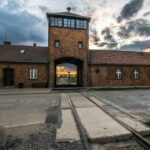
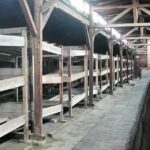
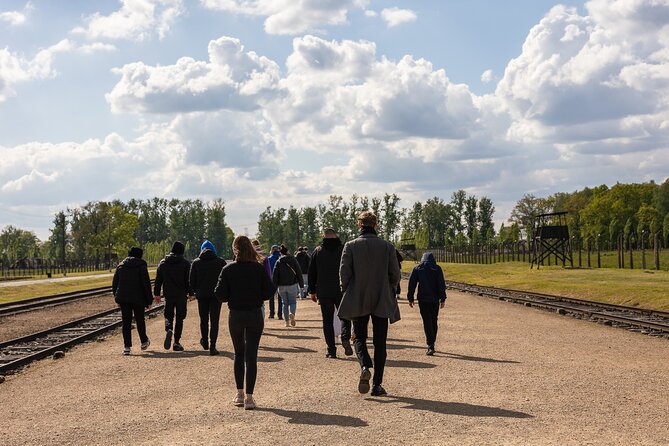
You’ll reach Birkenau after the drive and get a short break before starting the visit. Then it’s straight into the Birkenau Memorial experience, where you’ll explore the remains of prisoner living barracks and the infamous gas chamber area. The tour is designed so you spend at least 1.5 hours here on your own with printed materials and instructions from the driver/leader.
That “on your own” block is important. The memorial is vast and emotionally intense, and moving at a forced group pace can feel wrong. With a self-guided time window, you can linger at certain spots, step back for quiet reflection, and pace yourself. You’ll pick up informational booklets in your language before you start, and you’ll receive key guidance on what to prioritize.
Still, don’t underestimate the physical side. Birkenau is outdoors. You’ll walk on uneven surfaces, and the wind and cold can make it harder to focus on small details in the booklet. If you’re visiting in shoulder season, bring real rain protection, not just a light poncho. One of the more practical review-based lessons I’d borrow is this: if it’s rainy/windy, holding an umbrella and reading won’t work well. Plan for hands-free options like a hooded raincoat.
From Birkenau, you move to Auschwitz Museum for the next stage. That flow—Memorial, then Museum—helps you build context, even though it’s emotionally demanding.
Auschwitz I Museum: Where the Guided Time Matters Most
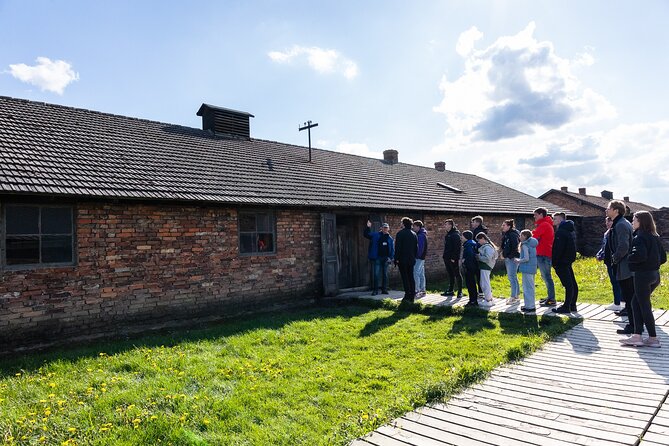
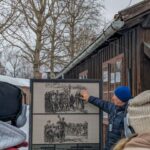
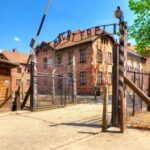
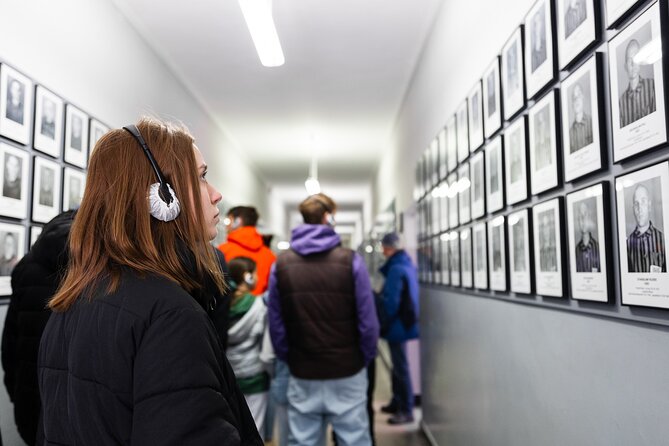
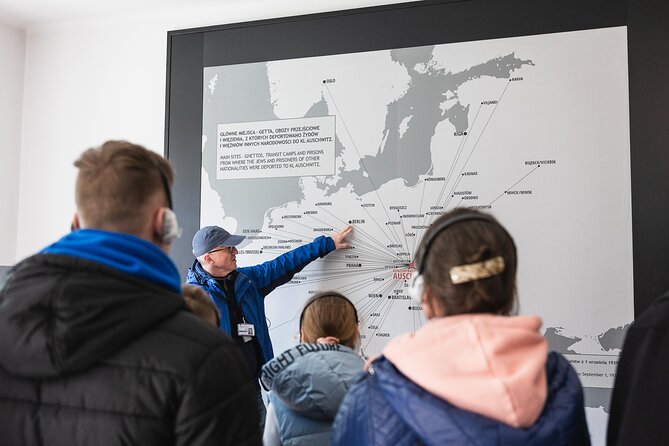
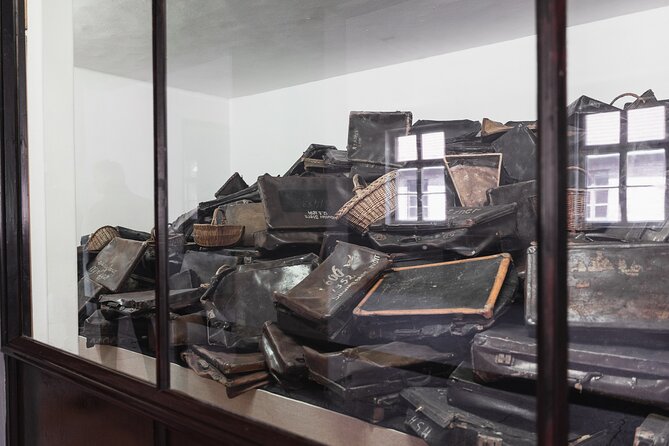
After the Birkenau block, you head to Auschwitz I (the main Auschwitz Museum site). Here, the tour shifts into a guided format with leader guidelines before you enter. You’ll typically have up to around 2 hours inside to see the permanent exhibitions that document the camp’s horror.
This is the part I treat as the “anchor” of the day. Birkenau shows scale and outdoor remnants; Auschwitz I puts those remnants into a tightly curated historical framework. With a guide, you get help sorting what you’re looking at—what each building was used for, how the system worked, and how the exhibits connect. If you’re someone who tends to miss context when sightseeing alone, this is where guided time can prevent your brain from turning the day into random images.
I’ve also seen strong feedback around guides who communicate with real emotional gravity—one name that comes up in top praise is Mirosław, credited for delivery that’s more than dry facts. Even if you don’t get the same guide, the goal is consistent: you’ll leave with a clearer understanding rather than only a checklist of photos.
If you’re sensitive to darkness and graphic history, plan your pace. The museum parts can feel like an exhausting stream. Sit down where you can, read slowly, and don’t feel pressured to keep moving if your thoughts need a pause.
Back to Kraków: Timing, Walking Pace, and Energy Management
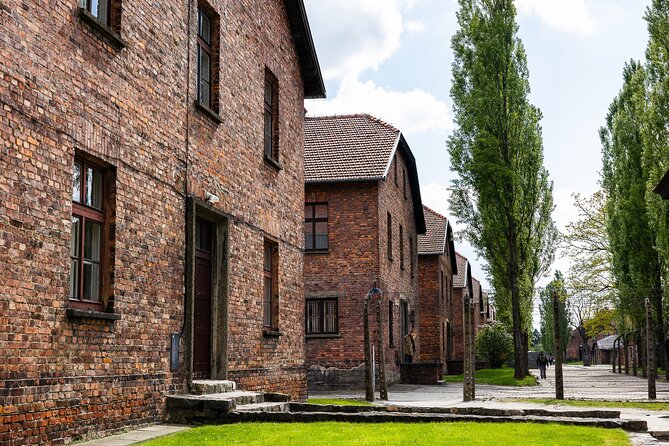
Your return to Kraków is scheduled for the end of the tour, with roughly 1.5 hours back to town and a drop-off near the starting area. Along the way, the plan may include seeing landmarks on the drive back, but the real focus should be your own energy level.
The day is long enough that your footwear matters more than you’d like to admit. You’ll walk a lot across both sites, and the museum areas aren’t “sit and wander” spaces for most people. If you want to enjoy the visit instead of just surviving it, bring shoes you can walk in for hours, even if they feel like overkill for a “short day.”
Food is the second energy factor. The tour rules encourage respect and silence, and you’ll be short on time for eating. The tour data doesn’t promise a full meal break, so plan snacks and water only if your operator’s rules allow it on your specific day. Since the rules explicitly prohibit eating inside the museum areas, you’ll likely need to rely on whatever the tour provides or quick breaks.
Finally, keep your mind on the end-time reality: if anything runs late, you’ll feel it most on the return. That’s why I recommend preparing for the possibility of tight timing and skipping any plans that assume a quick return to Kraków.
You can also read our reviews of more tours and experiences in Krakow


Walking, Weather, and Respect Rules You Should Actually Follow
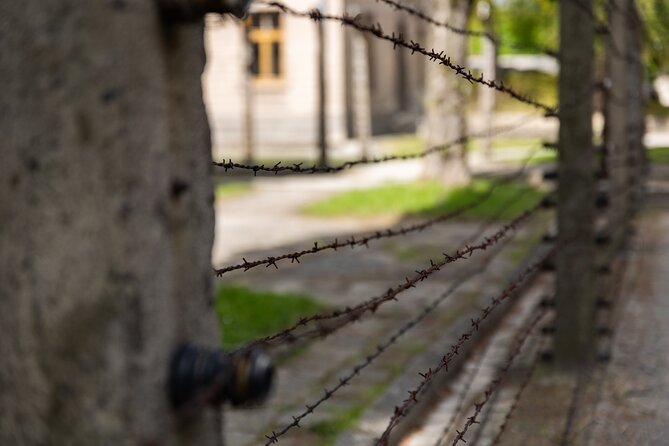
This trip operates in all weather conditions, so you can’t rely on “nice weather” to save you. Dress for outdoor time. Bring an umbrella or raincoat—ideally something that doesn’t turn into a hand-wrestling match while you’re trying to read booklets and take in the grounds.
There are also clear behavior rules: during the visit, you’re asked for solemnity and respect due to the tragic nature of the place. The tour data specifically says no smoking and no eating, and no loud behavior inside the museum spaces. This isn’t about being policed. It’s about staying aligned with what the sites are for.
Physical fitness is listed as moderate. That means most people can do it, but you should be ready for walking, standing, and moving at a steady pace during the day blocks. If you’re traveling with someone who has mobility issues, I’d think hard about whether a self-guided segment at Birkenau plus a museum walk at Auschwitz I fits their comfort level.
One more practical note: breaks are short. So don’t build a plan around a long bathroom stop or a long sit-down lunch. If you need extra time for health reasons, you should handle it before you’re already inside the museum flow.
When Timing Changes: What to Expect if Tickets or Guides Shift
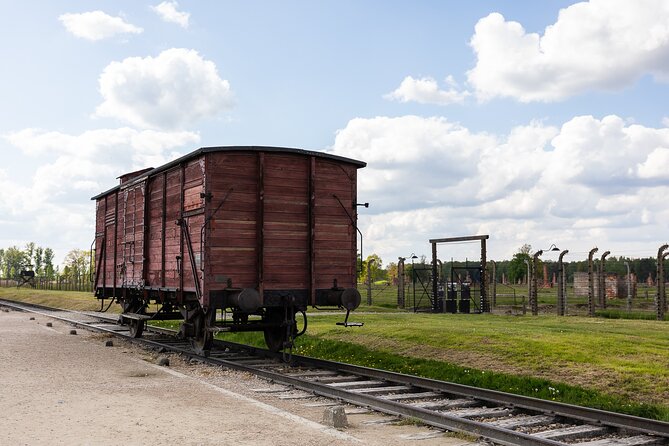
Even with a good operator, Auschwitz days can get complicated. The tour data warns that the start time can change because of the limited number of guides at the Auschwitz Museum. It also notes that departure time might shift based on guide availability, and you should confirm your exact departure time the day before.
That matters because the schedule is connected to entry flow. If guides are scarce, the museum timing can shift the whole day. Some people have reported long waits when entry timing or ticket arrangements didn’t match what they expected. Others reported late pickup or unclear meeting details.
Here’s my practical take: treat this as a high-demand visit where flexibility is part of the deal. I would:
- Keep your phone on for messages the day before and the morning of.
- Arrive at the meeting point early enough to absorb small delays.
- Have a backup mindset for waiting outside if crowd conditions spike.
The best-case version of this trip is organized and calm. The less-perfect version usually comes from timing mismatches. You can’t control museum staffing, but you can control how prepared you are when the day changes.
Value Check: What You Pay for at $57.50
This price is competitive for a day trip that includes transport plus entry support and guided museum time at both Auschwitz I and Birkenau (depending on the option you select). If you’re comparing to doing it all by yourself, the value often comes down to two things: you don’t have to coordinate timed entry plus buses plus museum movement, and you have someone keeping the day moving.
That said, the tour experience can vary based on how museum entry capacity plays out. Some reports mention confusion around the idea of guaranteed skip-the-line tickets, and some mention having to join regular queues. The safe way to think about it is simple: this tour should help you get to the right places in the right order, but you should still expect museum conditions and line procedures to follow museum rules.
Also double-check the vehicle comfort expectation. The tour info says an air-conditioned vehicle, but one report mentioned a bus without air conditioning. If AC comfort is important to you, plan to bring a light layer and be ready for a less-than-perfect bus ride.
When the trip works, the upside is strong: smooth transportation, solid explanations at the museum, and an easier day logistically than self-planning. When it doesn’t, your biggest risk is losing time to waiting or confusion. That’s why preparation is the real “extra value” you can bring.
Who This Day Trip Fits Best (And Who Might Prefer Another Plan)
This is a good fit if you:
- Want a structured day with transport and museum time handled for you
- Like having a guide for Auschwitz I while keeping space to self-explore Birkenau
- Can handle a long, emotional day with lots of walking
It’s less ideal if you:
- Strongly hate waiting and need a perfectly predictable schedule
- Have limited mobility or find outdoor standing difficult
- Are traveling with a child under 14, since it’s not recommended for that age group
If you want history with context, guided time helps. If you prefer full self-paced wandering, you might choose a different format. But for most people visiting Kraków, this balances convenience and understanding well.
Should You Book This Auschwitz-Birkenau Day Trip?
If you’re coming to Kraków and you want Auschwitz-Birkenau on your schedule without getting stuck on logistics, I think this is a reasonable option. The included transport and museum structure can make the day feel far more manageable, and the official museum focus is what you want at Auschwitz I.
I’d only book if you’re ready for the reality of tight timing, outdoor walking, and strict memorial rules. And if you’re a detail person about tickets and start times, confirm your day-before departure and show up early.
FAQ
How long is the Auschwitz-Birkenau day trip from Kraków?
It runs for about 7 hours (approximately). The schedule includes travel time plus visits at both Birkenau and Auschwitz I, with shorter breaks during the day.
Where is the pickup location in Kraków?
Pickup is offered from Pawia 18B, at the Kiss and Ride (K+R) bus stop. If your hotel is in a restricted traffic zone, pickup may be arranged at the nearest available location.
What language is the tour offered in?
The tour is offered in English.
Are entry tickets included?
Yes. Admission tickets for the Auschwitz sites are included as part of the Birkenau and Auschwitz I museum stops. (Pickup and Kraków transfer segments are listed with free admission.)
What are the main rules during the visit?
You’re asked for solemnity and respect. Smoking, eating, and loud behavior are prohibited in the museum.
Do I need ID or a passport?
Yes. You should bring an ID or passport, since security may ask for it before entry.
Is the tour suitable for children?
It’s not recommended for children aged 14 and under.