REVIEW · KRAKOW
Auschwitz-Birkenau Memorial and Museum Trip from Krakow
Book on Viator →Operated by Mr.Shuttle · Bookable on Viator
Auschwitz changes you in silence. This Krakow day trip pairs hotel pickup with an organized visit to Auschwitz-Birkenau, right from the first moments of your morning. I like the straightforward plan and the fact that you’re not left figuring out logistics in a place that already asks a lot of you, emotionally.
My second favorite part is the pacing of learning: you watch a documentary before you enter, then you get a standard guided visit that covers both Auschwitz I and Auschwitz II-Birkenau. The one consideration: this is a group tour, so it can feel rushed, and you may not get much time for lingering or questions in every spot.
In This Review
- Key things you’ll notice on this trip
- From Krakow to Auschwitz-Birkenau: the early start that shapes the whole day
- Hotel pickup and a group of up to 30: the logistics that make it worth it
- The documentary film before the camps: helpful context, but sound can vary
- Auschwitz I: the first camp and the administrative heart you can’t unsee
- Birkenau (Auschwitz II): where the scale hits hardest
- Museum guides, headsets, and why the pace can feel rushed
- Walking, bag limits, and comfort tips that keep you in the moment
- Food is not included: plan a real meal around a 7:00 am departure
- Value for $93.16: what you’re really getting
- Who should book this Auschwitz-Birkenau trip from Krakow
- Should you book this tour or try another option?
- FAQ
- How long is the Auschwitz-Birkenau trip from Krakow?
- Is hotel pickup and drop-off included?
- What’s included in the tour price?
- How big can my bag be at the museum?
- How many people are on the tour?
- Can I cancel for a full refund?
Key things you’ll notice on this trip
- Early start from Krakow that keeps the day efficient and helps you avoid long ticket lines
- Hotel pickup and drop-off inside Krakow city limits, including many apartments and Airbnb stays
- Documentary film on the van to set context before you step inside the memorial
- Official-style guided time covering Auschwitz I and Birkenau with museum educators
- A real schedule limit (group size max 30, and museum time windows) that affects how slowly you can go
From Krakow to Auschwitz-Birkenau: the early start that shapes the whole day
This is built for a full-day visit without feeling like you’re “wasting time” traveling solo. The tour starts at 7:00 am, and the overall duration is listed as 7 to 8 hours. That early departure is not just convenient. It helps you get into the museum area earlier in the day, when the lines and crowding can feel less chaotic than later.
Keep in mind you’re not just touring buildings. You’re visiting a memorial site connected to mass murder and forced incarceration, and it’s draining in a way that doesn’t show up on a typical sightseeing checklist. The tour also involves a lot of walking, so a moderate fitness level is recommended.
Practical mindset: plan your morning like you’re catching a flight. Eat something calm and not-too-heavy, wear clothes you can tolerate for a few hours, and treat the day as one long, meaningful visit rather than a “tour plus extra stops.”
You can also read our reviews of more museum experiences in Krakow
Hotel pickup and a group of up to 30: the logistics that make it worth it
What you’re paying for starts before you reach the museum gates. Hotel pickup and drop-off are included, and if your exact accommodation isn’t listed, the operator says they can pick you up from any lodging inside Krakow city limits.
Group size matters here. The trip caps at 30 travelers, and that size is tied to what the museum allows for guided access. In real life, that usually means you’ll move as a unit—good for entry flow, not great for slow wandering.
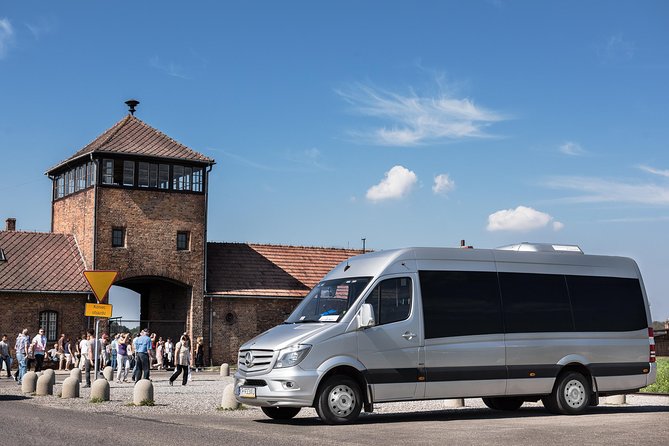
Comfort notes from customer experiences: the transportation is described as a mini bus, and some people praised how easy it felt compared with doing everything on your own. A few others mentioned a rougher ride and recommended extra caution if you’re prone to motion sickness. If you’re sensitive to braking and bumps, sit closer to the front if you can, and keep your eyes on the road ahead of you rather than your phone screen.
Finally, one very important detail: pickup times can shift. There are reports of last-minute changes to the morning pickup time, even when the original booking showed later pickup. Your best move is simple—watch for updates on your phone the day before and again the morning of.
The documentary film before the camps: helpful context, but sound can vary
The schedule includes a documentary movie during the ride. This is smart, especially if Auschwitz is your first deep encounter with the subject. A short film can help you orient yourself quickly: why the camps existed, how the system worked, and what you’re about to see.
Expect one caveat: audio quality can depend on where you sit. Some people reported that if you’re toward the back, it can be hard to hear the film clearly. The vehicle is described as having screens (including in the middle), but sound distribution varies. If you want to catch every word, sit where you have the best line of sight and audio.
Think of the film as your warm-up lap. It won’t replace museum education, but it can make the first moments inside the memorial less disorienting.
Auschwitz I: the first camp and the administrative heart you can’t unsee
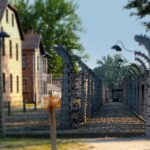
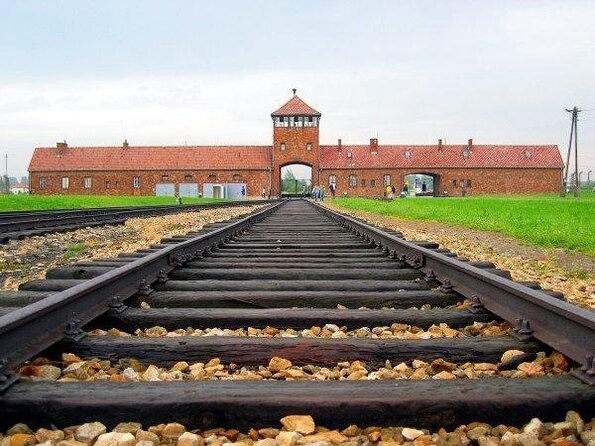
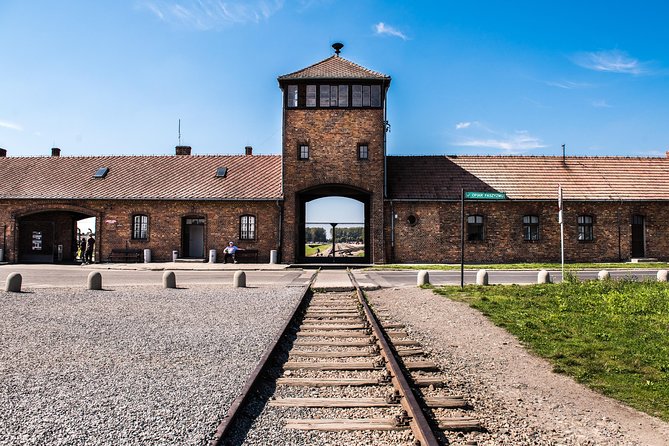
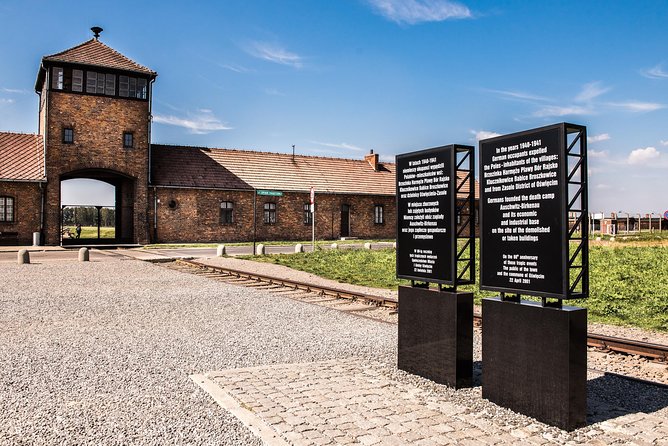
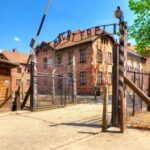
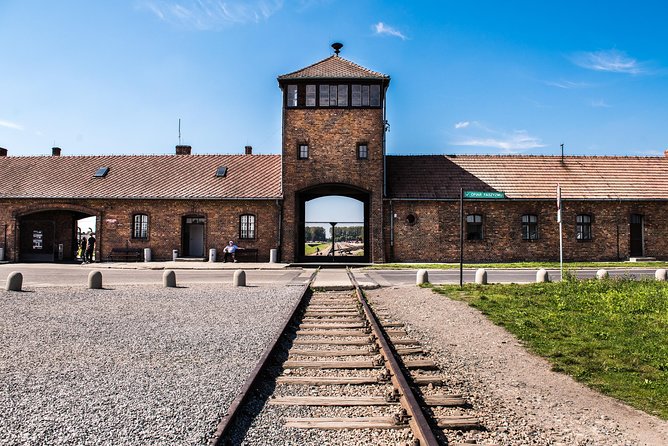
Your main museum visit covers Auschwitz I and Auschwitz II-Birkenau. Auschwitz I is described as the first and main part of the camp complex, and it also served as administrative headquarters for the overall system. Standing in Auschwitz I gives you the sense of structure and control—the part of the system that organized and governed what followed.
In this area, you’ll see how the camp operated in practice: buildings and spaces that were central to the machinery of imprisonment and persecution. This isn’t a place where you’ll get everything from quick photos. The value here is in how guides help you connect the physical site to what it represented.
The tour includes a guided component that’s built into a set museum schedule. That matters because it shapes your experience: you’ll cover a lot of ground, but you’ll also be limited on how long you can pause at every individual detail.
Birkenau (Auschwitz II): where the scale hits hardest
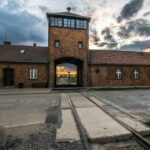
Birkenau is where the story expands into something even harder to comprehend. It’s described as originally designed as a concentration camp that quickly became the main place of genocide, with gas chambers and crematoria. Birkenau was also where the women’s camp was located.
If Auschwitz I can feel like the system’s nerve center, Birkenau can feel like the system’s scale. The layout, the distances, and the sheer scope of the site make it difficult to “process normally.” This is the section where a lot of people feel the emotional weight most intensely.
One repeating theme from real experiences is that the Birkenau portion can feel faster than you want. That doesn’t mean the guides are careless. It’s often the museum’s timing and how groups are managed. If you know you need time to absorb and reflect quietly, consider that this tour may not give you much “slow mode” time inside Birkenau.
Museum guides, headsets, and why the pace can feel rushed
Here’s the key reality: the guided instruction inside the memorial is handled by museum educators, and they follow strict on-site rules. Your tour operator supplies the ride and the structure, but the museum controls the educator-led timing and group movement.
Audio support is also a moving target. Normally, visitors receive headset help at the entrance. But there are reports that on some days, the museum changed what was provided at the start, and some groups didn’t get the full audio assistance they expected. If you rely on clear audio to follow the explanation, it’s worth arriving mentally ready to adapt—ask staff if headsets are available if you don’t see them.
As for speed: many experiences are described as respectful and information-rich, but also compressed. Some people said they wanted more time for questions and contemplation. That’s the trade-off of any large-site memorial visit inside set windows—especially when you’re traveling with a group.
Still, there are clear success stories: guides like Joanne and Margaret are specifically mentioned as strong, respectful, and careful with the subject matter. That’s a sign of what you can hope for: not just facts, but an approach built around sensitivity.
Walking, bag limits, and comfort tips that keep you in the moment
This site involves real walking. The tour lists moderate physical fitness as a requirement, and that’s honest. Even if you’re an experienced walker, expect a long day on your feet with pauses that still involve movement.
There’s also a strict bag size limit for museum grounds: 30 x 20 x 10 cm (about 12 x 8 x 4 inches). If your bag is bigger, the guidance is to leave belongings inside the bus, which is parked nearby. That’s a practical win: pack light, bring only what you need, and save your energy for the visit.
Shoes matter. Wear flat, comfortable shoes you’ve already tested. It’s the kind of trip where sore feet can steal attention from what you came to understand.
One more comfort angle: the emotional intensity can be surprising. People describe it as tear-jerking and draining. Plan to protect your energy. Don’t stack this day with another “big must-do” right after—give yourself time to decompress once you’re back in Krakow.
Food is not included: plan a real meal around a 7:00 am departure
The tour does not include food and drinks. That’s not a deal-breaker, but it does affect your schedule. With a 7:00 am start, you’ll want breakfast early or bring something you can eat before pickup, then plan a proper meal later in the day.
Because the visit includes both Auschwitz I and Auschwitz II-Birkenau under a timed museum structure, it can be difficult to grab food casually between sections. So treat meals as anchors. Eat before you go if you can, and then plan a calm dinner afterward rather than rushing straight into another outing.
Value for $93.16: what you’re really getting
At $93.16 per person, you’re buying a bundle of time-saving pieces:
- Hotel pickup and drop-off
- Admission included
- A documentary film en route
- A standard guided tour covering Auschwitz I and Birkenau
- Insurance included
- Mobile ticket and English-language tour format
The real value isn’t only the ticket. It’s the reduced hassle. Arriving early and getting organized entry can save you from spending your morning in long lines or trying to navigate transport and timing on your own. Several people specifically mention that skipping the ticket line was worth it.
Where the value may feel uneven is in the feeling of time inside the memorial. Lower-cost group tours often mean you cover more, but linger less. If your priority is maximum reflection time, you might feel the schedule push you along. If your priority is structured context plus straightforward logistics from Krakow, this format tends to deliver.
Who should book this Auschwitz-Birkenau trip from Krakow
This is a strong fit if you want:
- A first-time Auschwitz visit with a guided framework
- An easy day plan starting from your hotel
- English-language instruction and a pre-visit documentary
- A manageable group size (up to 30) rather than a solo logistics headache
It may be a tougher fit if you:
- Need lots of quiet time to process and ask questions at every stop
- Have trouble with hearing in crowded places (especially if audio support isn’t handed out as expected)
- Are car-sick prone and sensitive to road roughness
- Are traveling with very young children, because the setting is not easy to explain in a child-friendly way (some people advise skipping kids at younger ages for this reason)
Should you book this tour or try another option?
If you’re visiting Krakow and Auschwitz-Birkenau is on your “must see” list, this is a practical way to do it. The pickup included, the admission included, and the fact that the tour handles the big moving parts make it a good value, especially for your first trip to the memorial.
Just go in with the right expectations. This is not a slow, contemplative museum day. It’s an organized, timed group experience—meaning the emotional impact is real, but your time to linger is limited. If you can accept that, you’ll likely leave with more understanding and less stress.
Before you book, do two simple things:
- Plan for a long day of walking with comfortable shoes
- Watch your phone for pickup-time updates and be ready if your schedule shifts earlier
FAQ
How long is the Auschwitz-Birkenau trip from Krakow?
The tour runs about 7 to 8 hours in total.
Is hotel pickup and drop-off included?
Yes. Hotel pickup and drop-off are included for accommodations within Krakow city limits.
What’s included in the tour price?
The price includes hotel pickup and drop-off, a documentary movie, the standard guided tour of Auschwitz and Birkenau, admission ticket, and insurance.
How big can my bag be at the museum?
Bags and backpacks must be no larger than 30 x 20 x 10 cm. You can leave larger items inside the bus, which is parked nearby.
How many people are on the tour?
The maximum group size is 30 travelers.
Can I cancel for a full refund?
Yes. You can cancel up to 24 hours in advance for a full refund.