REVIEW · KRAKOW
Krakow: Auschwitz-Birkenau Day Trip with Tour Leader
Book on GetYourGuide →Operated by connectkrakow.pl · Bookable on GetYourGuide
A solemn day, with real structure from Krakow. I like the roundtrip bus setup and the fact you get a multilingual online guidebook you can use on your phone, so you are not stuck guessing where to look. One drawback to plan for: the day can feel long once ticket lines and museum pacing come into the mix.
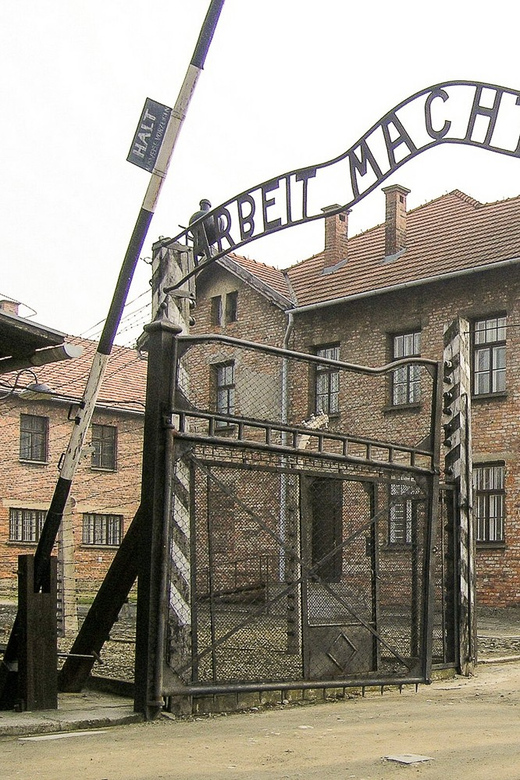
You travel to Oświęcim for the largest Nazi camp complex from World War II, visiting Auschwitz I first and then Auschwitz II-Birkenau. The experience is self-guided once you arrive at each site, but the tour leader helps you get checked in and oriented so you can spend your time where it matters.
The camps are emotionally intense and walking-heavy, with limited places to sit and recover. If you need frequent breaks or step-free options, you may want to think carefully about how much walking this day requires.
In This Review
- Key things I’d watch for before you go
- Krakow to Oświęcim: start where the day actually begins
- Entering Auschwitz I: how to use your time well
- Auschwitz II-Birkenau: the open space that changes everything
- Self-guided inside the camps: what the leader does and what you do
- The schedule reality: 8 hours on paper, longer in real life
- What to bring (and what not to bring) to avoid problems
- Price and logistics: is $37 really good value?
- Who this tour suits best (and who may want to reconsider)
- Should you book this Auschwitz-Birkenau day trip?
- FAQ
- How long is the Krakow Auschwitz-Birkenau day trip?
- Is the tour guided inside Auschwitz and Birkenau?
- What is included in the price?
- What do I need to bring to enter the camps?
- Is food included?
- What phone or data do I need?
Key things I’d watch for before you go
- Roundtrip transport from central Krakow so you do not have to coordinate buses and schedules on your own
- Entry passes to both Auschwitz I and Birkenau included in the tour price
- Self-guided inside the camps, supported by an online guidebook and map on your phone
- Two main blocks of time for Auschwitz I and Birkenau, with the possibility of visiting Birkenau first depending on the season
- Museum-driven pacing means your schedule is real life, not a perfect clock
Krakow to Oświęcim: start where the day actually begins
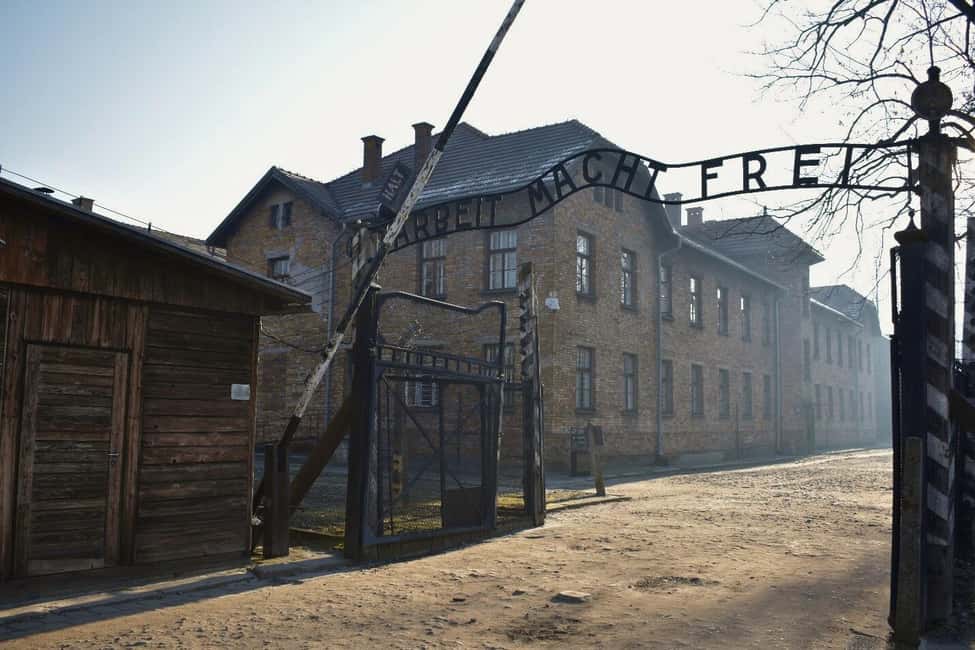
This tour is built for a one-day loop: you meet in Krakow, ride out to the camp area, then return the same day. The pickup is at Pawia 18b, and you also see the route described around the Kiss & Ride bus stop opposite the Mercure Hotel area. The key thing is simple: you should double-check the exact meeting point message you receive, because timing is tight and the morning is when people are most likely to misread where to stand.
The drive to Auschwitz I is around 1 hour 40, give or take. On the way, a tour leader onboard can give context and set expectations. In past departures, the leader has also shared an on-board video en route, which I think helps. Even a short orientation matters here, because once you step inside, your brain will want to connect what you are seeing to what you already know.
Expect a bus day, not a slow sightseeing cruise. The ride is comfortable enough, and you are not alone—you are in a group.
You can also read our reviews of more tours and experiences in Krakow

Entering Auschwitz I: how to use your time well
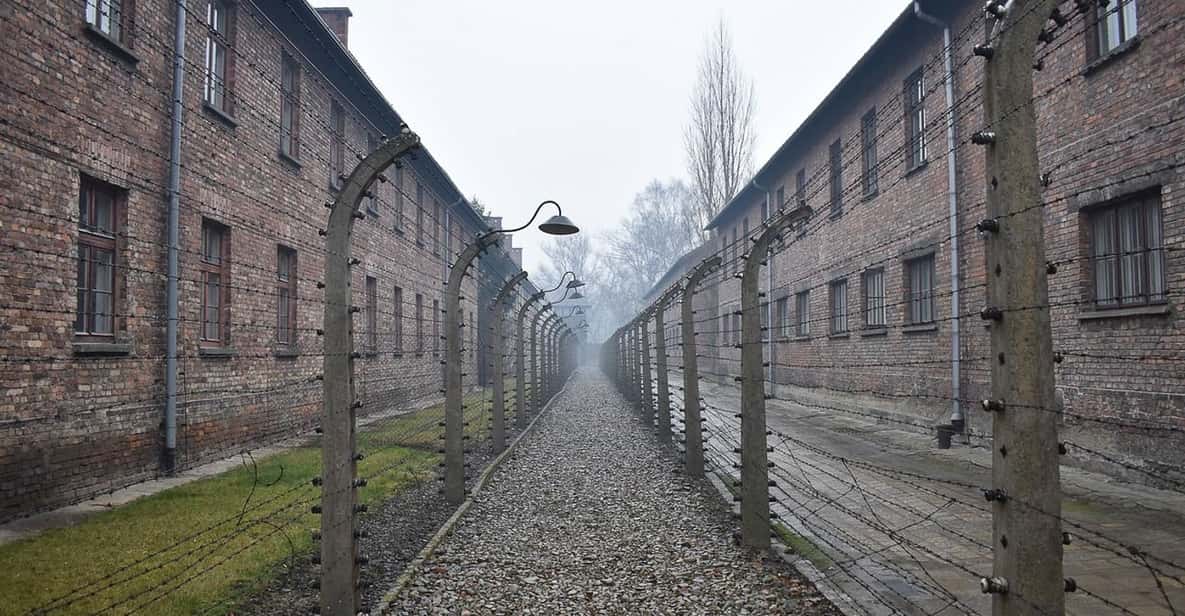
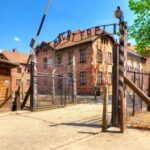
Auschwitz I is your first camp stop, with a visit time of about 105 minutes. This is the part of the complex built around the permanent exhibition in the former prisoners’ barracks. That means you are moving through rooms and displays designed for lingering attention, not quick scanning.
You will see remnants and learn about the system of imprisonment and the tragic fate of prisoners. The focus is on understanding scale and method, which is why the Auschwitz I portion matters: it gives you a baseline before you go to Birkenau, where the landscape itself tells a harsher story.
Two practical tips for how you walk this section:
- Go in with a phone battery plan. Your guidebook and map are online and multilingual, so you will want your phone charged and ready.
- Expect that you might feel rushed even if timing looks fair on paper. Some departures leave people wanting more time in Auschwitz I. That is not a reason to skip it—it is a reminder to be mentally ready for a dense, contained visit.
One more detail: the tour notes that depending on the time of year, you may visit Birkenau first before Auschwitz I. Either way, the Auschwitz I block is the foundation block. If you do get Birkenau first, your brain will still benefit from going to Auschwitz I afterward to anchor what you saw outdoors.
Auschwitz II-Birkenau: the open space that changes everything
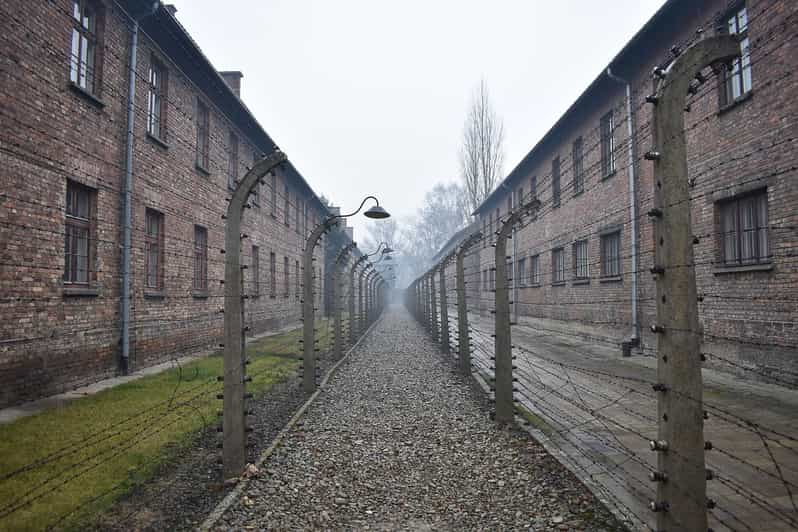
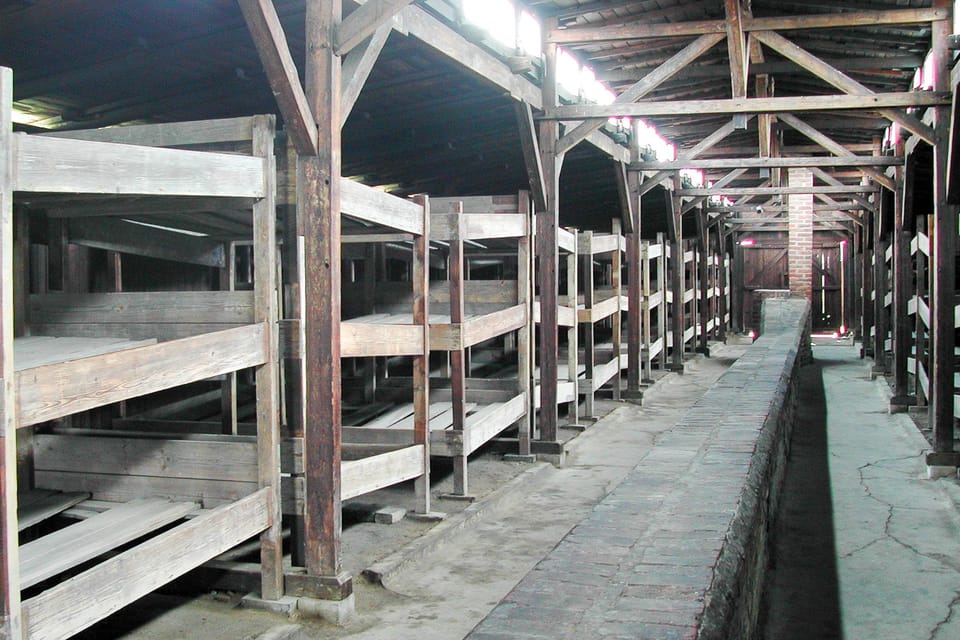
Then comes Auschwitz II-Birkenau, where you get about 1.5 hours to 2 hours. This is the largest of more than 40 camps and sub-camps that made up the Auschwitz complex. Birkenau is bigger in both physical layout and emotional weight, so you are not just reading exhibits—you are moving through a vast space that helps explain how the system worked at scale.
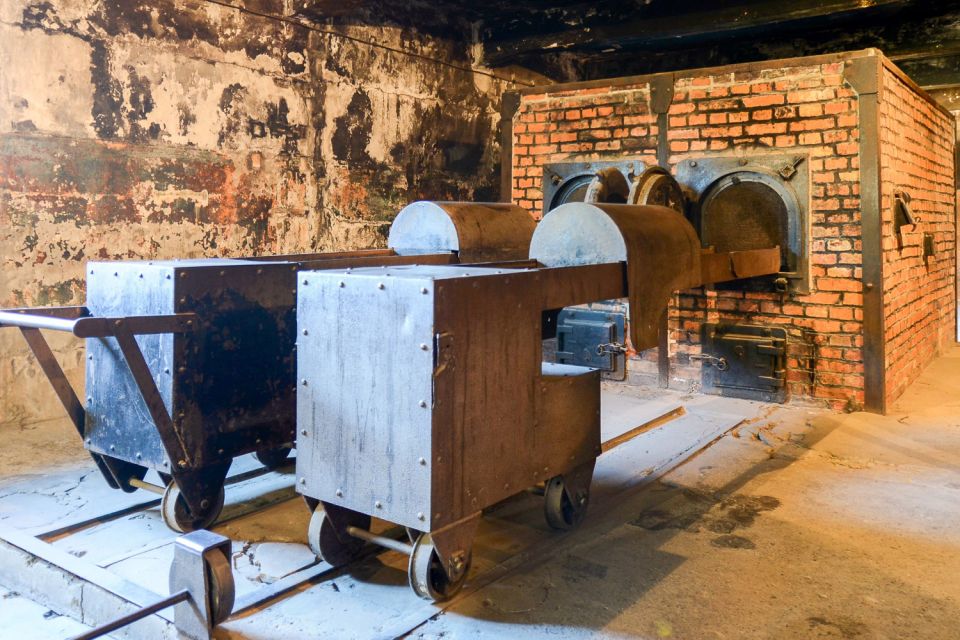
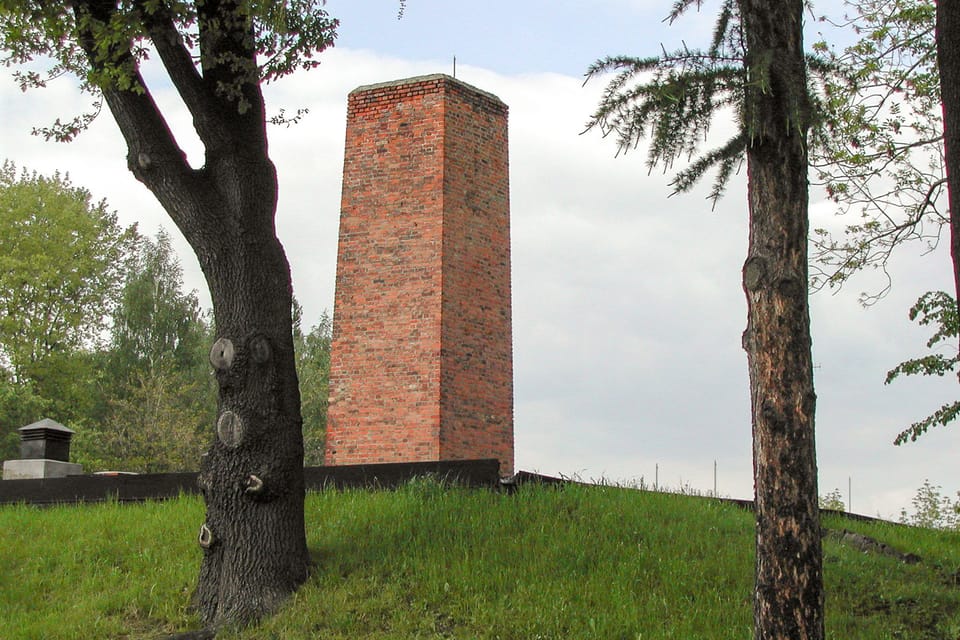
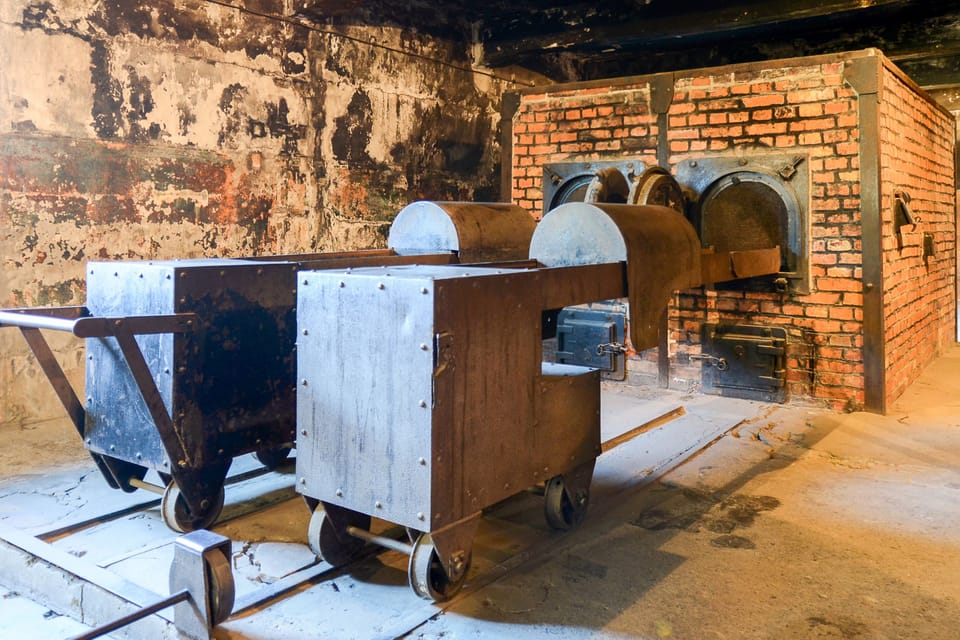
During your visit you will be able to see specific surviving elements, including remnants of the crematories, the unloading ramp, remaining barracks, and a monument dedicated to the last victims of the camp. That list matters because it is not random sightseeing. Each point is a piece of a larger puzzle, and walking the paths between them is how the place teaches you.
Because the tour is self-guided, you get to decide your pace inside the allotted time. That flexibility is a plus. You can stop longer at the personal artifacts and poignant details you find most affecting. It is also a warning sign: if you try to speed-run the site, you will miss the point.
A couple of reality checks:
- Walking is substantial. One review specifically mentioned that the first half felt like too much walking and that there were not many spots to rest.
- Some people underestimate how tiring a memorial visit can be. Even when you are not moving fast, your mind is working hard.
If you need to manage pain or fatigue, plan breaks before you feel you have to. Bring water outside the site if that’s allowed by local guidance (the tour says food isn’t included, and there are restrictions on what you can bring into the premises).
Self-guided inside the camps: what the leader does and what you do
This is a self-guided day trip with a twist: you get a tour leader onboard for the bus, but inside the camps you are using your own device tools. You receive an online guidebook and map in your chosen language. The guidebook is accessed through your phone, usually via a QR code.
In practice, the leader’s role is to get you moving in the right direction:
- help you with check-in steps at the museum area
- provide maps and instructions
- keep the schedule on track while still letting you do your own walkthrough
Past departures also show that the leader sometimes stays through the check-in process, which helps. It reduces stress when there are queues and forms involved.
You might meet a leader with a name like Marcel, Jacob/Jacobe, Miroslaw, Mary, Lukas, or Mirek. I cannot promise which name you will see on your day, but the consistent theme across departures is that the leader adds context before you step into the site.
The schedule reality: 8 hours on paper, longer in real life
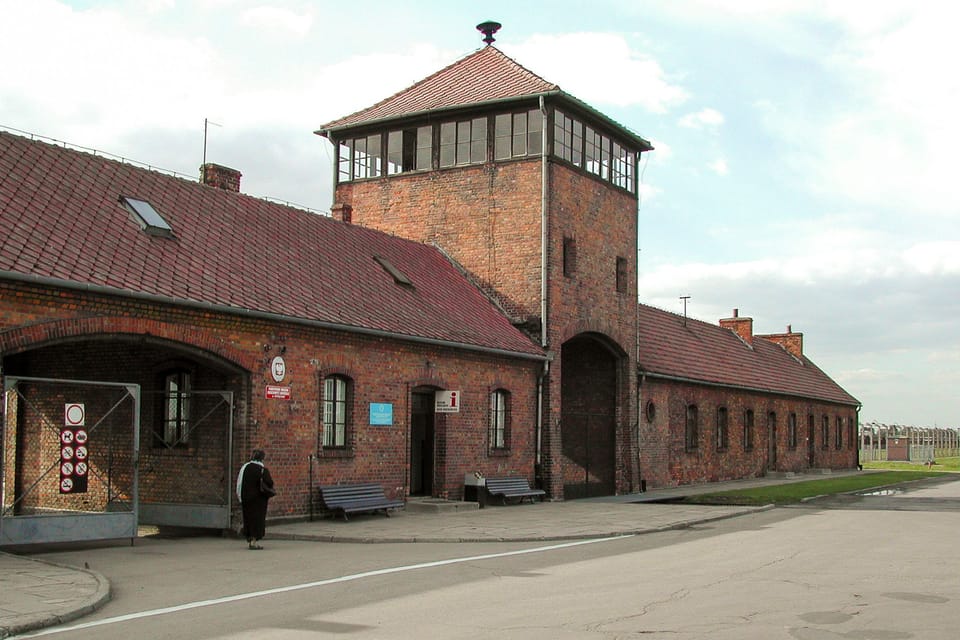
The tour is listed as 8 hours, but plan for a full day. Museum visitor service pacing and waiting times can stretch things out. Multiple departures have described days running closer to 11 or 12 hours, with return around the evening.
The biggest variable is the ticket and check-in line. One account described a wait of around 1.5 hours for tickets. That is not something your tour can eliminate. It is also why being early matters and why you should treat your assigned time as approximate rather than a guarantee.
Your day often includes bus time plus:
- the Auschwitz I visit window
- the Auschwitz II-Birkenau window
- additional time buffers between segments
- time at the end to regroup
Food and drinks are not included in the tour price. Still, some departures include a meal stop at a local restaurant as part of the day flow. So even if you assume you will eat on your own, expect you will want to budget for lunch or snacks outside the camp area.

What to bring (and what not to bring) to avoid problems
This is where you win or lose time. Read the rules closely, because the museum has strict entry requirements.
Bring:
- Passport or ID card (you should have it on you for verification)
- the full name and contact details you used when booking, because the museum requires them
Be careful with your booking name. Entrance can be refused if the name on your booking does not match your name on the ID presented. That is one of those small details that can ruin a day you already mentally prepped for.
Luggage is also limited. The maximum luggage size inside the premises is 30x20x10 cm. If you carry a bag bigger than that, you may need a plan for storing it outside the site.
Not allowed:
- baby strollers
- food
Also, because the guidebook is online, treat your phone like it is part of your tour kit. Bring a charger if you can. A dead battery during self-guided walking is annoying at best and confusing at worst.
Price and logistics: is $37 really good value?
At about $37 per person, the cost is mostly about what you are not doing yourself. You are paying for:
- roundtrip transportation from Krakow
- a tour leader onboard
- entry passes to both Auschwitz I and Birkenau
- a multilingual online guidebook you access on your phone
Is it “just cheap tickets”? Not really. Even if entry rules can sometimes be free for individual visitors under official regulations, a day trip like this is still valuable because it bundles logistics into one plan. Getting there, arriving on time, finding the correct pick-up and drop-off setup, and staying within the museum’s pacing can save you hours of stress.
Where you might question value slightly is not the money—it is the limits of time. If you feel Auschwitz I needed more minutes, you will notice that as you leave. Some people also feel the ticket line wait is longer than expected. Again, that is not a deal-breaker, but it is part of what you buy into when you choose a group day.
Who this tour suits best (and who may want to reconsider)
This tour fits best if you:
- want a structured day trip from Krakow without figuring out transport
- are okay with a self-guided format inside the memorial sites
- can handle long walking and a heavy emotional experience
- like having context in advance from the tour leader
It may be less ideal if you:
- need extra time in Auschwitz I beyond the scheduled visit window
- have mobility or back issues and find walking hard
- get anxious when lines are involved and the day timing shifts
If your plan is to linger quietly for a long time at every display, you may wish you had more flexibility than a set visit window allows. But if you want to see both Auschwitz I and Birkenau in one day with reliable transportation and clear instructions, this hits the mark.
Should you book this Auschwitz-Birkenau day trip?
Yes—if you want a straightforward day from Krakow that handles the heavy logistics for you and keeps you oriented with a leader and a phone-based guide. The core strengths are practical: roundtrip bus, included entry, and a guidebook format that lets you move at your own pace inside the camps.
Book this trip if you are the kind of traveler who prefers a plan with clear boundaries, not an all-day free-for-all. And be ready for the trade-offs: museum pacing, ticket line waits, and a day that often runs longer than the headline duration.
If you are concerned about walking time or fatigue, think about how you typically handle full museum days. If you do well with structured, emotionally serious visits, you will likely find this tour worth every dollar.
FAQ
How long is the Krakow Auschwitz-Birkenau day trip?
The duration is listed as 8 hours, but the actual day can run longer depending on museum visitor service pacing and time spent on check-in and entry.
Is the tour guided inside Auschwitz and Birkenau?
It is self-guided at the camps. You get a multilingual online guidebook and map for your phone, plus support from a tour leader on the bus.
What is included in the price?
Roundtrip transportation, a tour leader onboard, entry passes to Auschwitz I and Auschwitz II-Birkenau, and a multilingual informational online guidebook (accessed via your phone).
What do I need to bring to enter the camps?
Bring your passport or ID card. You also need the full name and contact details used during booking, since entrance can be refused if your booking name does not match your ID name.
Is food included?
No. Food and drinks are not included.
What phone or data do I need?
You will need your phone to access the multilingual online guidebook during the visit.