REVIEW · KRAKOW
Two Day Trip to Auschwitz Birkenau and Wieliczka Salt Mine
Book on Viator →Operated by Mr.Shuttle · Bookable on Viator
Two days, two powerful stops. This Kraków package gives you English-guided time at Auschwitz I and Auschwitz II, plus the Wieliczka Salt Mine underground route with a real sense of how salt mining worked. I like that the schedule is specific (about 2 hours at Auschwitz I, about 1 hour at Birkenau) and that the salt mine includes a long underground walk (2.5 km of tourist route) reaching as deep as 140 meters. The one possible drawback is pacing: if you want more time to see every corner slowly, this plan may feel a bit tight.
What makes it especially practical is the “door-to-door” setup: a 7:00 am start with pickup from hotels, hostels, and apartments in Kraków, plus lunch on day one and round-trip transfers. You also get museum admission included, and the group is capped at 30 people, which helps keep things from turning into a chaotic shuffle.
I think this is a strong fit if you want a guided overview of two major sites without having to organize transport between them. The trade-off is that it’s still two full days with real walking time, and the salt mine includes a descent via wooden stairs with 378 steps—so a moderate fitness level matters.
In This Review
- Key things I’d watch before you go
- How this Auschwitz-Birkenau + Wieliczka tour really works from Kraków
- 7:00 am pickup and transfers: getting to the sites without stress
- Auschwitz I with a museum English guide: context in about two hours
- Auschwitz II (Birkenau) with the same guide: what one hour can cover
- Emotional pacing: how to get through two heavy days without burning out
- Wieliczka Salt Mine day: 700+ years of mining, 2.5 hours underground
- The 378 stairs reality at Wieliczka (and why the lift matters)
- Timing and return to Kraków around 13:00
- Value check: is $172.28 a good deal for two major guided sites?
- Who this tour is best for (and who should think twice)
- Practical tips before you book: make the schedule work for you
- Should you book this two-day Auschwitz-Birkenau and Wieliczka trip?
- FAQ
- What’s included in the tour price?
- What time does pickup start in Kraków?
- Are the tours offered in English?
- How long do you spend at Auschwitz I and Auschwitz II?
- How long is the Wieliczka Salt Mine visit and how deep do you go?
- Is there a lot of walking or stairs at the salt mine?
- What group size should I expect?
- Can I cancel for a full refund?
Key things I’d watch before you go
- English-guided museum time: Auschwitz I is about 2 hours, then Auschwitz II (Birkenau) about 1 hour with the same guide.
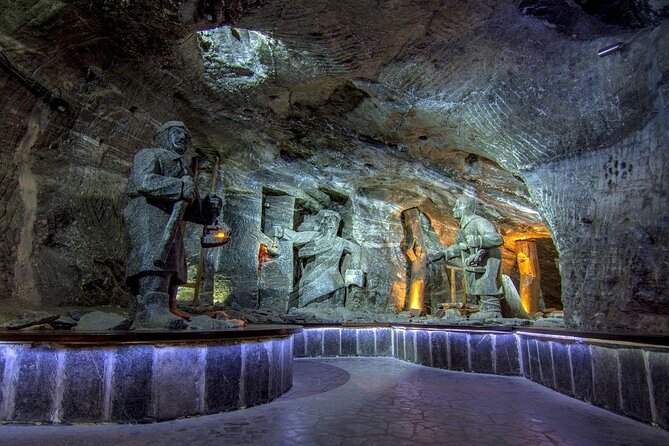
- A real underground trek in Wieliczka: a 2.5-hour journey on a 2.5 km tourist route.
- 378 wooden stairs to the first level (64 meters underground), then a lift back up after the tour.
- Lunch on day one plus round-trip transfers from Kraków, so you’re not managing extra meals and transport.
- Smaller group feel: maximum 30 travelers.
- Good demand: it’s typically booked around 90 days in advance, so early planning helps.
How this Auschwitz-Birkenau + Wieliczka tour really works from Kraków
This is a two-day, guided package built around efficiency. You start early in Kraków, travel out to Auschwitz, do two guided segments in the morning/early afternoon timing, then shift gears the next day to a very different kind of underground experience at Wieliczka Salt Mine.
The biggest value here is that the “hard parts” are handled for you: transport, timed entry (with admission included), and English guidance at both Auschwitz locations and at Wieliczka. You still do the walking and you still feel the weight of the places—but you don’t lose your time trying to figure out logistics mid-trip.
The tour also has a clear limit: maximum 30 travelers. That matters because Auschwitz museums can feel overwhelming even with a guide; smaller groups tend to make questions possible and transfers smoother.
You can also read our reviews of more tours and experiences in Krakow

7:00 am pickup and transfers: getting to the sites without stress
On day one, the day begins at 7:00 am. Pickup is offered from hotels, hostels, and apartments within Kraków city limits, and you’ll get a mobile ticket for the experience.
Why I think that’s a big deal: when you’re dealing with early museum hours and places that demand respect, you want a plan that starts on time and keeps the group moving. Instead of juggling buses or trains (and the risk of being late), you’re in a vehicle with a driver who can get you where you need to go.
Also, this is the kind of trip that gets booked early. Since it’s commonly reserved about 90 days in advance, you’ll usually want to lock in dates soon rather than hoping last-minute availability works out.
Auschwitz I with a museum English guide: context in about two hours
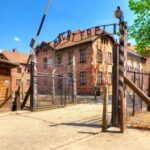
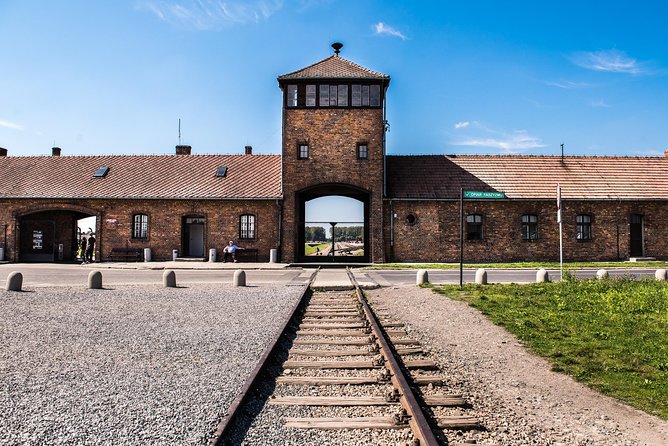
Auschwitz I is where you begin. You’ll be taken there first and join an English tour provided by the museum’s guide, lasting about 2 hours, with admission included.
That two-hour structure is important. Auschwitz isn’t a place you can meaningfully see at “photo speed,” and you also can’t always spend a full day there in a two-day package. A guided segment of about two hours is long enough to build a basic timeline and understand what you’re looking at without turning it into a rushed checklist—though it will still feel fast if you’re the type who wants to linger.
The guide being from the museum itself also helps. You’ll get interpretation directly tied to the site, which is exactly what you need here. This isn’t the place for guesswork or random audio commentary.
Auschwitz II (Birkenau) with the same guide: what one hour can cover
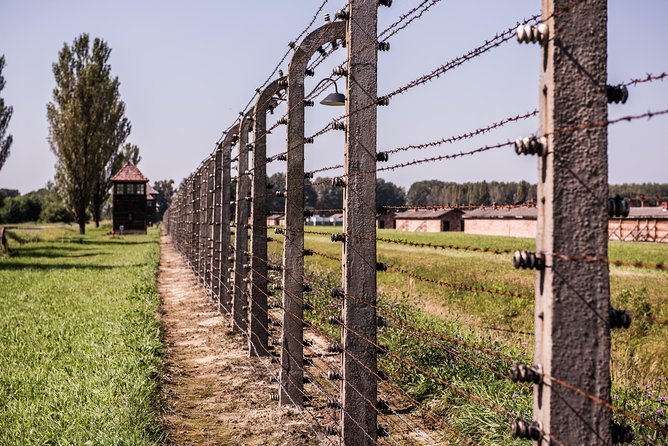
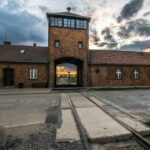
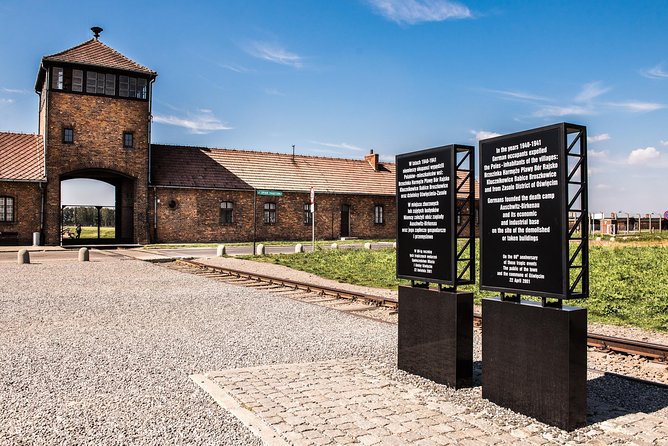
After Auschwitz I, you transfer to Auschwitz II (Birkenau), about 2 km away. You’ll then spend about 1 hour there with the same English guide.
One hour sounds short until you realize how large Birkenau is and how much the site asks of your attention. You’ll likely see the main areas the guide focuses on, but you shouldn’t expect to feel like you’ve “covered everything.” In fact, one of the most common frustrations with this kind of itinerary is simple: Auschwitz II is big, and one hour can feel like you’re only scratching the surface.
Still, the value is that the guide connects the dots. You’re not just walking through an open space with scattered remnants—you’re getting a guided explanation that helps you make sense of scale, layout, and what the site represents.
Emotional pacing: how to get through two heavy days without burning out
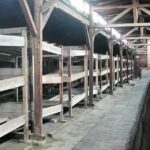
This tour is not light. The concentration camp sites are heartbreaking, and the day-to-day rhythm can hit harder than you expect when you’re in a structured group with set times.
Here’s how I’d prepare your mindset: treat the guided time as learning time, and treat the walk between stops as reflection time. Don’t try to “maximize” emotion by sprinting from one thing to the next. Instead, give yourself a few moments when you need them—quietly, without feeling guilty that you’re not taking in every single detail.
The other emotional reality to plan for is compression. Auschwitz I + Birkenau in one day means you’ll feel pressure to keep up. If you’re sensitive to heavy content, you may want to bring your own coping strategy (headphones off, journal notes, slower walking when allowed) so the schedule supports you rather than pushing you.
You can also read our reviews of more tours and experiences in Krakow

Wieliczka Salt Mine day: 700+ years of mining, 2.5 hours underground
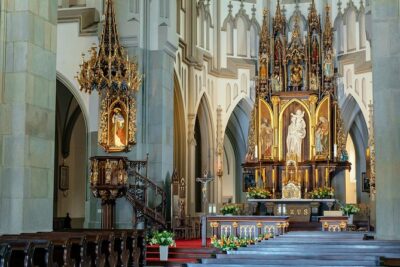
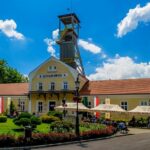
Day two switches to something completely different: Wieliczka Salt Mine, one of the oldest working salt mines in the world. It has produced table salt for over 700 years, and your English-speaking guide leads you up to 140 meters underground.
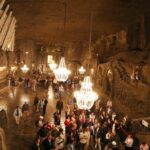
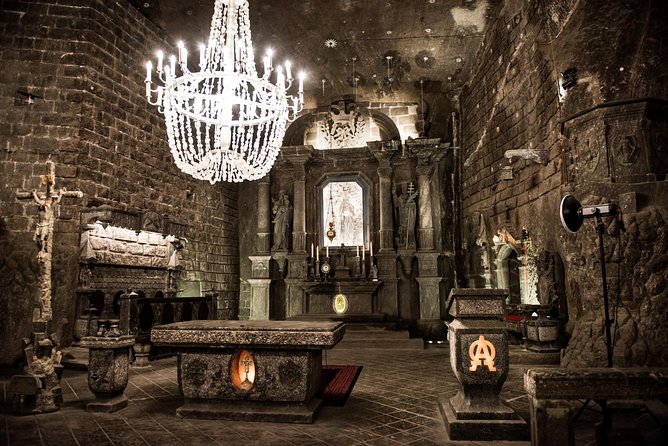
The underground part lasts about 2.5 hours on a tourist route totaling more than 2.5 km, with chambers, carvings and statues, and large collections of mining machines and equipment. Since the tour is built around what’s visible in the mine, it’s not just walking—it’s seeing how this working landscape is presented to visitors.
The 378 stairs reality at Wieliczka (and why the lift matters)
There’s a specific physical detail you should take seriously: to reach the first level (64 meters underground), you descend a wooden stairway with 378 stairs. That’s a lot of steps, and it’s the one part of the day that can be harder than people expect.
The good news is that after the underground tour, you’re taken back up to the surface with a lift. So you’re not repeating the full climb back out on stairs, which improves the balance of the day.
If you have knee issues, you’ll want to gauge your comfort with stairs in advance. If you’re generally fine with moderate fitness, this is doable, but it’s not “sit back and watch” sightseeing.
Timing and return to Kraków around 13:00
The Wieliczka portion is built for a late-morning finish. After the mine visit, you should be back in Kraków around 13:00.
This timing can be a lifesaver for planning the rest of your day. Instead of arriving back late and skipping meals or missing evening activities, you can usually manage dinner, rest, and a calmer walk around Kraków after you’ve done the two big excursions.
Value check: is $172.28 a good deal for two major guided sites?
At $172.28 per person for two days, the value depends on what you’d otherwise have to arrange yourself.
Here’s why I think the price is reasonable for many travelers:
- You get admission tickets included for Auschwitz and Wieliczka, not just “guided time.”
- You get round-trip transfers from Kraków and pickup from within the city.
- You get English guiding at Auschwitz I and Birkenau (museum guide) and at the salt mine.
- You also get lunch on day one, which saves you one planning headache.
If you tried to build this yourself—tickets, timed entry coordination, and transport—you’d spend more time organizing than you want. This package is priced for convenience and for a guided flow between stops.
The only value trade-off is time. Because the schedule is compact, you may feel limited if you’re the type who wants to spend longer in one place. If that’s you, you might end up wishing you had more hours at Birkenau or more time for museum details.
Still, for a two-day overview that’s respectful, guided, and logistics-friendly, this is the kind of package that tends to earn strong ratings. The tour is rated 4.7 with 92% of customers recommending it.
Who this tour is best for (and who should think twice)
This works well if you:
- Want an English-guided introduction to Auschwitz-Birkenau and Wieliczka without piecing it together yourself.
- Appreciate a structured plan when visiting sites that require interpretation and careful pacing.
- Are comfortable with a moderate fitness level, including stairs on day two.
It may be less ideal if you:
- Know you’ll feel upset by limited time at Birkenau.
- Prefer very slow, unstructured sightseeing with lots of time to linger at a single point of interest.
Age can matter too. One of the strengths mentioned in customer feedback is that the two-day format can be a good compromise for travelers who might find more add-ons exhausting. That doesn’t mean this is an easy walking trip, but it does suggest the two-day shape can be manageable for people who want to see both places without turning the itinerary into a marathon.
Practical tips before you book: make the schedule work for you
Wear shoes you can handle for repeated walking days. At Wieliczka, you’ll face a wooden staircase with 378 steps, so traction and comfort matter.
Bring a small mindset plan for Auschwitz: you’re going to be guided, but your emotional experience will still be personal. If you know you may need breaks, plan to pause when you can, even if it’s just a minute to reset before continuing with the guide.
Finally, don’t underestimate how much you’ll learn in a short time. The strength of this tour is that it gives you a guided, structured experience. If you go in expecting a quick stop for photos, you’ll miss what the guides help you understand.
Should you book this two-day Auschwitz-Birkenau and Wieliczka trip?
I’d book this tour if you want a clean, guided route that handles transport, timed entry with admission included, and English interpretation—while still fitting into two days from Kraków. It’s also a smart pick if you’re trying to see both Auschwitz-Birkenau and Wieliczka without building your own itinerary from scratch.
I’d pause before booking if you’re specifically hoping for lots of slow, independent time at Auschwitz, especially at Birkenau. With about 2 hours at Auschwitz I and about 1 hour at Birkenau, this is an overview, not an all-day deep wander.
If you want a respectful, well-organized “big sights” trip with clear time blocks and real underground wow-factor, this one fits the bill.
FAQ
What’s included in the tour price?
The tour includes admission tickets for Auschwitz-Birkenau and the Wieliczka Salt Mine, round-trip transfers from Kraków, lunch on day one, and English-guided tours.
What time does pickup start in Kraków?
Pickup starts at 7:00 am, with pickup available from hotels, hostels, and apartments within Kraków city limits.
Are the tours offered in English?
Yes. The Auschwitz tours are English, and the Wieliczka Salt Mine tour is also English.
How long do you spend at Auschwitz I and Auschwitz II?
You’ll spend about 2 hours at Auschwitz I and about 1 hour at Auschwitz II (Birkenau).
How long is the Wieliczka Salt Mine visit and how deep do you go?
The Wieliczka Salt Mine tour lasts about 2.5 hours underground on a route over 2.5 km long, reaching up to 140 meters underground.
Is there a lot of walking or stairs at the salt mine?
Yes. To reach the first level (64 meters underground), you descend a wooden stairway with 378 stairs. After the tour, you go back up by lift.
What group size should I expect?
The tour has a maximum of 30 travelers.
Can I cancel for a full refund?
Yes. Free cancellation is available up to 24 hours in advance of the experience start time for a full refund.