REVIEW · KRAKOW
Jewish Krakow in German
Book on GetYourGuide →Operated by Walkative Tours · Bookable on GetYourGuide
Synagogues survived, and the story still hits. This Jewish Krakow in German tour walks you through Kazimierz and Podgórze, linking centuries of Jewish life to the places where the Holocaust unfolded in Krakow. You get a structured story, not a random shuffle of sights.
I especially like two things: first, the focus on meaning behind what you see, including the fact that 7 older synagogues survived WWII and the Holocaust as testimony. Second, the balance between tragedy and the revival of Jewish culture in today’s Krakow, where a small but lively community continues to shape the area. One thing to keep in mind: 150 minutes is tight, and at a couple of the stops you may wish you had a bit more time to sit with the details.
In This Review
- Key points at a glance
- Why Kazimierz and Podgórze connect into one powerful route
- Starting at the old synagogue: how the tour gets you oriented fast
- Kazimierz and the seven surviving synagogues: history you can still read in stone
- World War II and the Holocaust locations in Krakow: how the guide keeps it clear
- Podgórze’s WWII ghetto area (1941–1943): reading a neighborhood of loss
- Today’s Kazimierz: Jewish culture, a small lively community, and visible revival
- Price and value: what $26 for 150 minutes actually buys you
- German guide quality: what you should expect in the narration
- Pace, timing, and how to get the most out of 150 minutes
- Who should book this tour, and who might not
- Should you book Jewish Krakow in German?
- FAQ
- What language is the tour in?
- How long is the experience?
- Where is the meeting point?
- What is included in the price?
- What is not included?
- Is there free cancellation?
- Can I reserve now and pay later?
- Is this a fixed-price guided tour?
- What areas will the tour cover?
- What historical topics will the guide cover?
Key points at a glance
- German live guide who can explain the why, not just the what
- Kazimierz + Podgórze on one walk, so the story stays connected
- Seven surviving synagogues and what their survival means
- Holocaust places in Krakow, handled with a clear historical timeline
- Today’s Jewish Krakow revival, so you leave with context, not only grief
Why Kazimierz and Podgórze connect into one powerful route
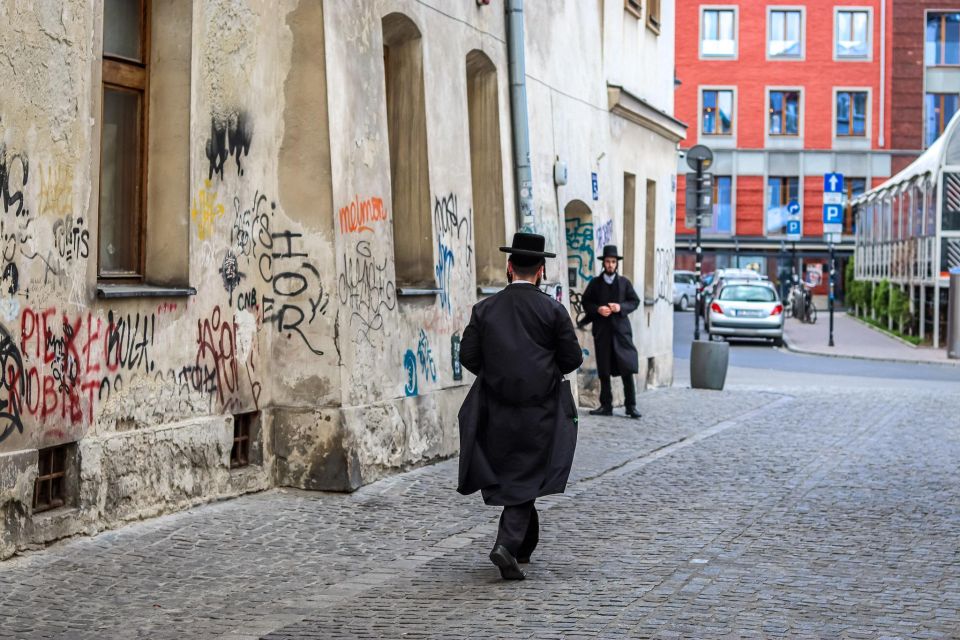
Krakow’s Jewish story isn’t one single landmark. It’s an arc. This tour is built to show you that arc by moving between two different neighborhoods with different roles in the past. Kazimierz is where Jewish life grew for centuries and where you can still read the layout of community life in the streets and buildings. Podgórze is tied to the WWII-era ghetto reality, including the years 1941 to 1943.
That neighborhood switch matters because the meaning changes as you walk. In Kazimierz, you’ll be looking at continuity: the architecture and the cultural presence that survived and then later returned. In Podgórze, you’re dealing with rupture: the place where ordinary life was broken, compressed, and controlled. Put together, the tour helps you understand how a culture can endure even after catastrophe, and how memory is tied to geography.
You can also read our reviews of more tours and experiences in Krakow.
Starting at the old synagogue: how the tour gets you oriented fast
You meet at the stairs in front of the old synagogue in the main street of the Jewish district. Getting that starting point right matters. It places you in the mindset of the neighborhood immediately, before you start chasing individual buildings.
The guide then frames the context: Poland once held one of the largest Jewish communities in the world, and Krakow was a key center. That background gives you a spine to hang details on later. Without it, you’d be stuck seeing an impressive cluster of sites. With it, you start seeing a functioning community system—religious life, neighborhood rhythm, architecture, and relationships between spaces.
In practice, arriving about 10 minutes early helps. It’s enough time to find the meeting point without stress, and it means you can start with the guide’s opening context rather than scrambling when the group is already moving.
Kazimierz and the seven surviving synagogues: history you can still read in stone
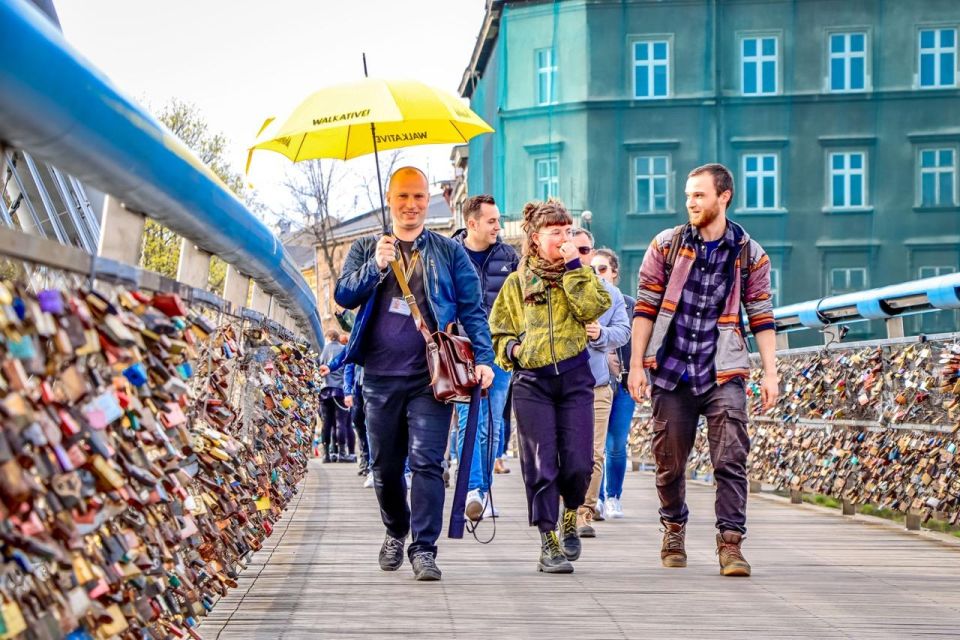
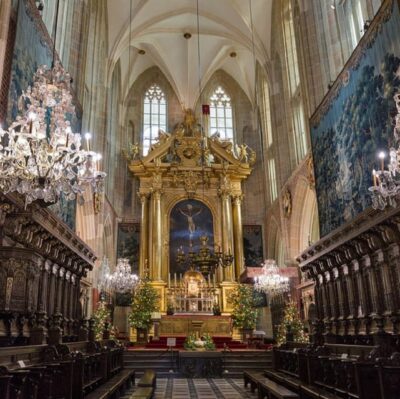
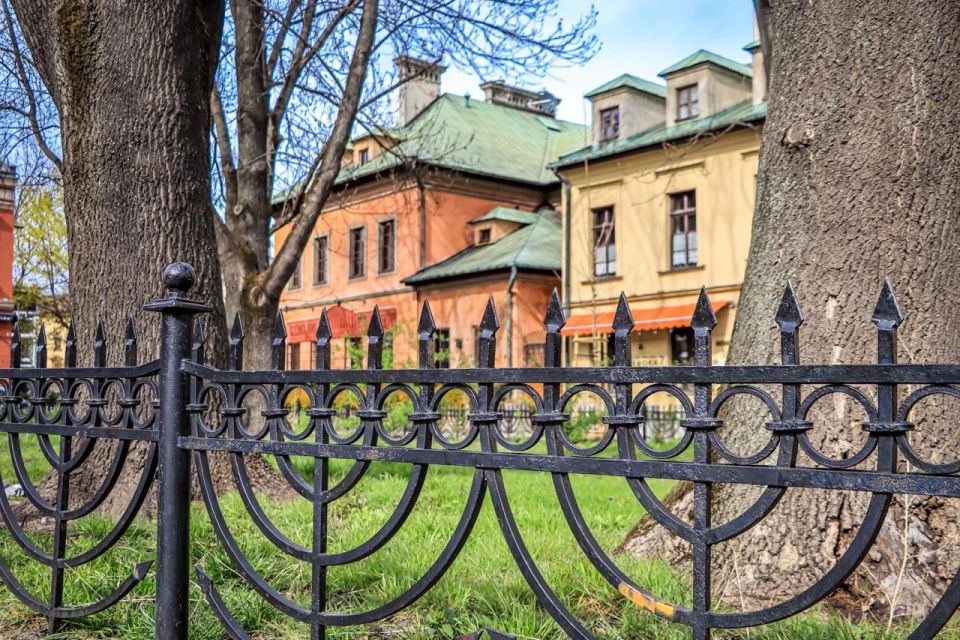
Kazimierz is the centerpiece for a reason. It’s described as a historic Jewish quarter and a cultural heart of modern Krakow, and the tour uses that idea well: you’re not just looking at old buildings; you’re learning how Jewish art and architecture shaped this district.
One of the most striking details is the presence of 7 older synagogues that surprisingly survived destruction during World War II and the Holocaust. That’s not just a trivia fact. It changes how you interpret everything you see. When a building survives when so much else didn’t, it becomes a physical survivor—something that lets you trace older design choices, community identity, and continuity of worship.
What I like about this part is the focus on meaning. You’re encouraged to understand what those synagogues represent and why their survival carries weight. A strong guide can make architecture feel personal by connecting form to function: where people gathered, how religious life shaped the area, and why these sites matter beyond being photogenic.
Practical note: even if you love history, don’t rush the stops. Let your eyes do a little work. The point isn’t to “check” synagogues off a list; it’s to recognize that their survival is part of the story you’re walking through.
World War II and the Holocaust locations in Krakow: how the guide keeps it clear
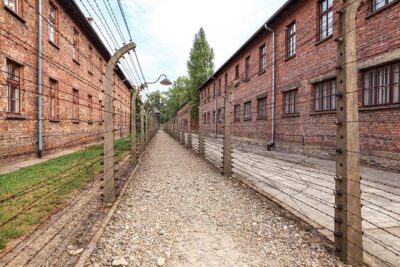
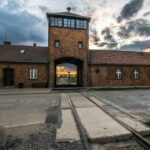
This tour doesn’t shy away from the most painful chapter. You’ll talk about the death and destruction of the Second World War and the Holocaust, and you’ll be shown where the Holocaust took place in Krakow.
What makes this section valuable is how it’s handled as a timeline you can follow. You’re not left guessing which events happened when or where responsibility sat in the system. A structured story means you understand the sequence, and that makes the places more powerful. It’s one thing to stand at a site. It’s another to know what happened there and how it fit into the broader pattern of the Holocaust in Krakow.
Another strong point: you’re not just staring at a memorial. You’re connecting history to neighborhood geography. That’s what helps the sites land. The guide points out the “why this place” angle, which keeps it from becoming vague tragedy. Instead, you start seeing the logic of how the Nazi regime reshaped daily life—until it was shattered.
This is heavy material. If you need a slower pace, you can pace yourself mentally by letting each stop sink in before moving on. The route is short enough to be manageable, but emotionally it can still feel like more than 150 minutes.
Podgórze’s WWII ghetto area (1941–1943): reading a neighborhood of loss
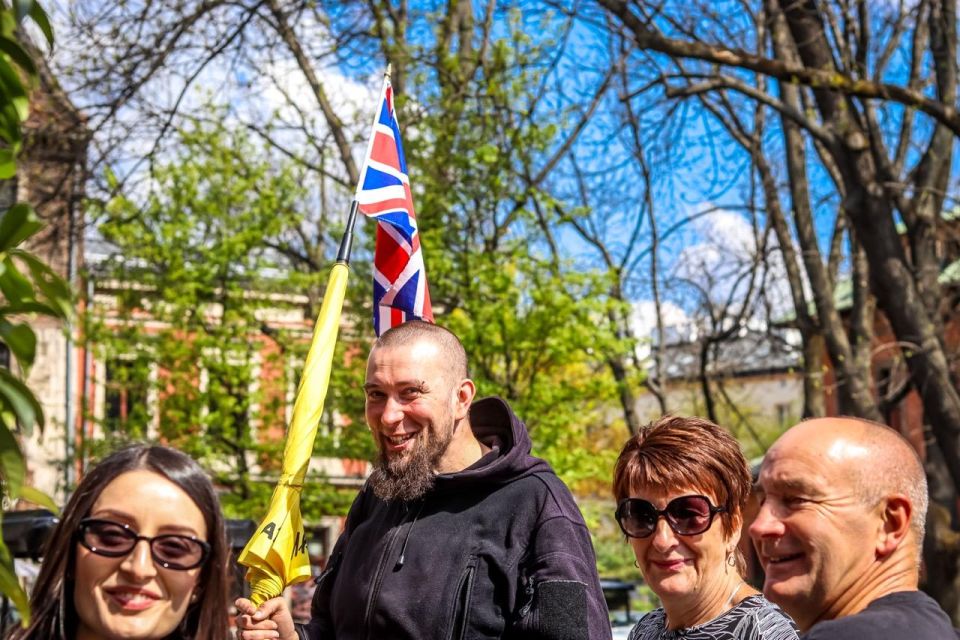
Podgórze is where the tour shifts from cultural continuity to trauma rooted in specific years: 1941–1943. This area is described as the former Jewish ghetto from World War II, and the tour uses that to explain what the original buildings experienced.
The best way to approach this part is with patience. You may feel tempted to scan for “the most important spot.” But the point here is broader: it’s a neighborhood shaped by confinement and destruction. The guide helps you understand that you’re not only visiting one event marker—you’re walking through a built environment that was turned into a system of suffering.
If you’re the kind of visitor who likes to ask questions, this is also where a good German guide can really help. A capable guide can keep answers tight and respectful, and they can connect what you’re seeing to what it meant for the people who lived there.
Also, remember the emotional contrast built into the overall tour. After Podgórze, you’ll return to the idea of revival. That switch isn’t to soften the tragedy. It’s to show what survived, what returned, and how today’s Jewish Krakow doesn’t erase the past—it carries it.
Today’s Kazimierz: Jewish culture, a small lively community, and visible revival
One of the reasons this tour feels worth the time is that it doesn’t end with WWII. In Kazimierz today, there’s a small but lively Jewish community, and the tour frames this as a continuation, not a separate chapter.
You’ll experience the revival of Jewish culture in today’s Krakow, which gives your brain somewhere to land after the heavy sections. This matters because memory without context can leave you stuck in sadness. With context, you start understanding how a community rebuilds identity over time.
You might notice how the tour treats modern life as part of the story’s meaning. Instead of presenting “old Jewish Krakow” as a museum exhibit, the guide makes it clear that Jewish culture is still present in the district. That living aspect changes the way you interpret everything earlier. The surviving synagogues aren’t just artifacts—they’re part of a longer arc that includes loss and return.
Price and value: what $26 for 150 minutes actually buys you
At $26 per person for 150 minutes, the price is fairly straightforward. You’re paying for a live expert, local travel guide and a carefully structured story. That matters more than people think.
A random walking tour can cost less, but it often leaves you with questions: Why this? Why here? What happened next? What does this building have to do with the larger history? This tour is built to answer those questions in a sequence you can follow. That’s what you’re buying with your ticket: time with a guide who can keep details connected instead of dumping facts.
Also, this tour works on a pay-as-you-wish model. The setup is simple: when you book, the amount you pay covers the reservation fee and the guide’s payment. That means you’re not locked into a rigid tip structure, and you can reward the guide based on how the storytelling landed for you.
German guide quality: what you should expect in the narration
Language affects everything on a history walk. Here, the tour is in German, and the feedback you’ll see for this kind of tour tends to emphasize how strong the guides are at speaking clearly and leading the group. One guide specifically named in feedback is Max, highlighted for excellent guidance, solid facts, and an engaging way of moving the group through different places in Kazimierz.
There’s also a clear pattern in what people like: the tours are described as informative, varied, and guided with humor or a light touch where appropriate. That combination helps you stay present. History can turn into a lecture fast; when a guide keeps it conversational, you remember more and feel less overwhelmed.
One practical tip: bring a curious mind, not a “quick photo” mindset. When you’re in a neighborhood story like this, your questions help. If something feels unclear, ask. A good German guide can often explain both the historical event and the neighborhood meaning in one answer.
Pace, timing, and how to get the most out of 150 minutes
A 150-minute walking tour is short enough to be digestible, but long enough to cover more than one neighborhood. That’s the sweet spot for a first-time visit. Still, the trade-off is time. You’ll cover Kazimierz and Podgórze, meaning not every single stop gets a long pause.
So here’s how to handle that: plan to stay mentally active. Let the guide’s structure set the pace. If you find a site that really grabs you, give it your full attention for a moment, then move on without feeling like you missed something. The tour is designed to build understanding across multiple areas, and that overall understanding is the main payoff.
Wear your “standing and walking” comfort level. This is a stroll through meaningful places, not a bus-and-museum day. Comfortable shoes and a water plan help if you’re out in Krakow for the rest of the day.
Who should book this tour, and who might not
This tour is a strong match if you want:
- A guided look at Jewish Krakow that connects culture, architecture, and WWII history
- A clear sequence of Kazimierz and Podgórze so the story makes sense
- A German guide and a structured narrative rather than a self-guided scavenger hunt
You might skip or look for another option if:
- You prefer only light, purely cultural sightseeing and don’t want Holocaust context
- You want lots of time inside buildings or deep stop-by-stop lingering beyond a typical 150-minute walking pace
Should you book Jewish Krakow in German?
I’d book it if you want your Krakow visit to include the Jewish story in a way that feels organized and respectful, not random. The value comes from the combination: German live guidance, a structured story, and a route that pairs Kazimierz’s surviving synagogue heritage with Podgórze’s WWII ghetto reality. If you care about meaning and you’re okay with difficult history, this is a solid use of time.
If you’re uncertain, consider this simple test: do you want a guided narrative that helps you connect places across centuries and tragedy into one coherent understanding? If yes, then this is an easy yes.
FAQ
What language is the tour in?
The tour is in German, with a live tour guide.
How long is the experience?
It lasts 150 minutes.
Where is the meeting point?
You meet on the stairs in front of the old synagogue, in the main street of the Jewish district.
What is included in the price?
An expert, local travel guide and a carefully structured story are included.
What is not included?
Hotel collection and return transport are not included, and snacks are also not included.
Is there free cancellation?
Yes. You can cancel up to 24 hours in advance for a full refund.
Can I reserve now and pay later?
Yes. You can reserve now and pay later.
Is this a fixed-price guided tour?
This booking joins a general pay as you wish setup. The amount you pay covers the reservation fee and the guide’s payment.
What areas will the tour cover?
It covers Krakow’s Jewish quarter Kazimierz and Podgórze, the area of the former Jewish ghetto.
What historical topics will the guide cover?
You’ll learn about the Jewish community’s historical context in Krakow, World War II and the Holocaust, and you’ll also hear about the revival of Jewish culture today.