REVIEW · KRAKOW
Schindler’s Factory Museum
Book on Viator →Operated by Walkative! TOUR · Bookable on Viator
One visit can change how you read the past. Schindler’s Factory Museum in Krakow uses a guided, chronological walk to show what Nazi occupation did to real people, not just famous names. You’re also standing in a place made famous by Schindler’s List, inside a former factory tied to the occupation story—so the history feels immediate, not textbook-flat.
I especially like the way the tour keeps the focus on Krakow’s citizens and daily reality under occupation. You’ll also get a professional local guide who helps connect the exhibit to what life meant on the ground. One thing to plan for: the museum can run crowded, and the exhibition is text-heavy, so if you want lots of wide-open space or minimal reading, this may feel like sensory overload.
In This Review
- Key Highlights to Look For
- Why This Museum Feels Different Than a Standard Exhibit
- Meeting Lipowa 4F and Using the Yellow Umbrella to Save Time
- Walking Through WWII: What the Museum Experience Actually Looks Like
- The “Not Just Schindler” Angle: Why the Guide Changes Everything
- Timing, Crowds, and How to Read Without Going Cross-Eyed
- What You Get for $36 (and When It’s Worth It)
- Who This Tour Fits Best (and Who Might Want Alternatives)
- Should You Book This Walkative Tour of Schindler’s Factory?
- FAQ
- How long is the Schindler’s Factory Museum tour?
- Where do we meet for the tour?
- How much does it cost?
- What’s included in the tour price?
- What’s not included?
- Does the tour have a group size limit?
- What language is the guide?
- Is it suitable for young people?
- Will I need to store a bag?
- Can I leave the museum and come back later with the same ticket?
- Is public transportation nearby?
Key Highlights to Look For

- Yellow umbrella meeting tip to avoid the queue and start fast
- A timeline-style walk that follows how life and control changed over time
- A WWII story that centers Krakow’s Jewish and non-Jewish communities, not just Schindler
- A small group format (max 15 travelers) that keeps the pace manageable
- A museum experience that many people say can take around two hours if you read carefully
- Evidence-driven exhibits (posters, personal belongings, wartime artifacts) that make the occupation feel real
Why This Museum Feels Different Than a Standard Exhibit
Schindler’s Factory Museum is often described as a museum, but the experience plays more like an emotional walk through an occupied city. Instead of only explaining policies from a distance, the story moves forward step by step and shows how ordinary Krakow life was squeezed—by decrees, by fear, by forced labor systems, and by the brutal economics of Nazi control.
I also like that it doesn’t present the occupation story as a single villain/hero movie. The factory setting matters: this was a Nazi-owned factory site used during the war, and it’s tied to the account that the operation helped save more than 1,000 Jews. That detail alone makes you slow down. Then the exhibit presses the bigger question: how could a place used for oppression also become a site of rescue? That tension is what keeps the visit from feeling one-note.
One more reason it lands: Krakow is not portrayed as a faceless backdrop. The focus is on citizens of Krakow—their choices, what they saw, what they feared, and what happened when the rules changed. You get a clearer sense of why survival, collaboration, and resistance are complicated topics. Not comfortable, but clear.
You can also read our reviews of more museum experiences in Krakow

Meeting Lipowa 4F and Using the Yellow Umbrella to Save Time
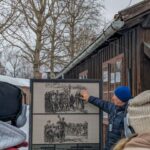
Your tour starts and ends at Lipowa 4F, 30-702 Kraków, and it’s designed so you don’t burn time hunting for the entrance. The most practical detail is the guide meeting strategy: look for your guide holding a yellow umbrella to avoid long lines.
Why this matters: Schindler’s Factory Museum is popular, and the queue can get long when you arrive later in the day. One straightforward piece of advice—if you can avoid waiting, do it. You’ll get more out of the museum when you’re not stressed and rushing to beat a line.
Also, plan on being near public transportation. If you’re basing yourself in the old town area, some people find it’s about a 30-minute walk from there—useful if you want fresh air first and don’t mind a steady pace. The tour itself doesn’t include hotel pickup or transport, so think of it as a focused walking appointment.
Walking Through WWII: What the Museum Experience Actually Looks Like
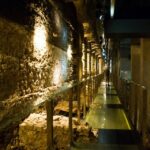
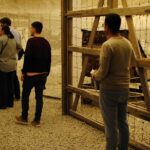
Inside, the museum is built as a timeline-style route. You move through rooms that follow the storyline of Nazi occupation in Krakow and the way systems of control tightened. The pacing is guided by the exhibit layout, not by theatrical set pieces—so the emotional weight comes from the evidence and the sequence.
What you’ll encounter can include:
- photos, posters, and wartime imagery tied to the occupation
- personal belongings and artifacts that show what people had and lost
- explanations of how life changed as the war and Nazi policies advanced
Several visitors note that the museum is packed with information and takes longer than you might expect—one common estimate is around two hours if you actually read and don’t just skim. That’s why this guided format is valuable: your guide helps you understand what matters, what connects, and what to notice as the storyline shifts.
One practical heads-up: the museum experience can feel crowded, with people funneling through a route that’s easy to get tangled in. If you’re sensitive to tight spaces or you need quiet, consider arriving when you can and leaning into the fact that this place is in demand.
The “Not Just Schindler” Angle: Why the Guide Changes Everything
If you’re coming in expecting the tour to be primarily about Oskar Schindler, you may feel a small letdown at first. The overall approach is bigger than his story. Even when Schindler’s connection is central to the location, the exhibition spends more time on the broader occupation context—how Krakow functioned under Nazi rule and how different groups lived through it.
That’s exactly where the guide earns their keep.
A strong local guide can do two crucial things:
- Translate the exhibit into a coherent narrative so it stops feeling like walls of captions.
- Pull the focus back to Krakow—before, during, and after the occupation—so you see the war’s effects as a full arc rather than isolated scenes.
Guides named Damian and Lucy have been praised for connecting history to lived experience and for adding extra detail that goes beyond the museum panels. You’ll feel this most when you hear how the occupation impacted citizens in practical terms, not just in headlines.
If your top priority is learning every detail about Schindler himself, this tour may not satisfy that curiosity fully. But if your priority is understanding why this story matters in Krakow, how the city changed, and how the occupation machinery worked—then the guide-centered approach is a big win.
Timing, Crowds, and How to Read Without Going Cross-Eyed
The tour runs about 1 hour 30 minutes, but the museum itself can take longer depending on how closely you read. With a guided visit, you’re usually moving at a pace that balances comprehension with momentum. Still, if you’re the type who wants to absorb every timeline card, give yourself a little breathing room.
Here are the practical things I’d think about before you go:
- Crowd reality: Some visitors describe peak congestion. A small group (max 15 travelers) helps keep things organized, but you’ll still share the route with other ticket holders.
- Text density: The exhibit includes lots of reading. The content rewards patience; it won’t feel like a quick-hit photo stop.
- Lighting and wayfinding: A few people mention red lights along the route. It’s part of how the museum guides your attention, but it can make photos tricky and make you slow down, so don’t plan on scrolling your camera like it’s a sightseeing museum.
- Plan for your bag: One visitor specifically notes that luggage storage/lockers exist, but they also mention it wasn’t easy to find info about beforehand. If you have a large bag, assume you’ll need a moment for storage before you start.
Also, pay attention to the flow of the visit. The museum ticket experience doesn’t allow leaving and coming back—one review points this out as a frustration. So set yourself up to stay through the route in one go.


What You Get for $36 (and When It’s Worth It)
At $36, you’re paying for more than just entry. This option bundles:
- the museum entrance
- VAT
- a professional local guide
- a queue-avoidance setup (look for the yellow umbrella)
That combination is the real value. Without a guide, you can absolutely spend time reading through exhibits—but you’ll likely miss connections or end up with a scattered timeline in your head. With a guide, you get someone translating the story as you walk, which is exactly what you want in a WWII museum where details stack up quickly.
Where it may not feel like a bargain is if you’re the kind of traveler who skips the explanations, wants minimal talking, and plans to move room-to-room at your own speed without much context. In that case, you might prefer a simpler self-paced entry. But if you want the occupation story turned into something you understand, the guide makes the money feel justified.
Who This Tour Fits Best (and Who Might Want Alternatives)
This experience is best for people who want context. If you care about how Krakow’s communities lived under Nazi occupation—Jewish and non-Jewish stories, not just one chapter—this museum gives you that.
It’s also recommended for youth from 14 years. That’s important: the topic is serious, and the exhibition content is intense.
You might enjoy this most if:
- you like historical narratives that move in sequence
- you want to see Schindler’s List linked to real location history
- you prefer a guide to help you handle heavy subject matter responsibly
You might want to rethink if you:
- hate crowded spaces and don’t tolerate dense reading environments well
- want a deep focus only on Schindler’s biography (the story is broader here)
- struggle emotionally with WWII-era material presented through personal artifacts and occupation-era imagery
Should You Book This Walkative Tour of Schindler’s Factory?
I’d book it if your goal is understanding, not just checking a famous stop. The museum is powerful, but it’s also information-heavy and can get crowded. Paying for a guided structure plus queue avoidance gives you a smoother start and a clearer storyline while you’re inside.
Book it now if:
- you’re visiting during a busier time of year and want to dodge the line
- you value Krakow’s occupation story and not just the Schindler connection
- you want a human guide to keep the timeline clear as the rooms change
Skip the guided option if:
- you strongly prefer self-paced museum wandering
- you’re trying to minimize crowds as much as possible and want to avoid any group pacing
If you’re somewhere in the middle, this is a solid way to handle a difficult subject with care, structure, and better use of your time.
FAQ
How long is the Schindler’s Factory Museum tour?
It runs about 1 hour 30 minutes.
Where do we meet for the tour?
The meeting point is Lipowa 4F, 30-702 Kraków, Poland.
How much does it cost?
The price is $36.
What’s included in the tour price?
Entrance to Schindler’s Factory Museum, VAT, and a professional local guide in Spanish. The tour also helps you avoid the queue.
What’s not included?
Hotel pickup and transportation to attractions.
Does the tour have a group size limit?
Yes. It has a maximum of 15 travelers.
What language is the guide?
The tour listing specifies a local professional guide in Spanish.
Is it suitable for young people?
It’s recommended for youth from 14 years.
Will I need to store a bag?
The museum has luggage storage, though one visitor notes it may not be easy to find detailed information beforehand.
Can I leave the museum and come back later with the same ticket?
A visitor notes that the ticket does not allow leaving and re-entering, so plan to complete the route in one visit.
Is public transportation nearby?
Yes, it’s near public transportation.