REVIEW · KRAKOW
Pierogi Cooking Class with Market Shopping and Local Snacks
Book on Viator →Bookable on Viator
Pierogi dumplings start with the right ingredients and a steady hand. This small-group class pairs market shopping with hands-on pierogi making in a real local apartment, so you learn by doing, then you eat what you made. I also like how the pace stays relaxed, with room to ask questions while you cook and taste along the way.
The main thing to think about is timing and expectations. It’s a 3-hour experience, and on Sundays the market visit is skipped, so your food hunt is shorter that day.
In This Review
- Key Highlights
- Market Shopping That Actually Matters for Pierogi
- Grunwald Monument Start: Convenient, Not Complicated
- A Small-Group Class in a Real Home Kitchen
- The Pierogi Lesson: Dough, Filling, Shaping, Boiling
- The Classic Filling: Cottage Cheese, Potatoes, and Caramelized Onions
- Snacks and Drinks: A Real Meal, Not Just Appetizers
- What You Learn Beyond Cooking: Kraków Food Tips You’ll Use
- Sundays: The Market Step Gets Shorter
- Price and Value: What $83.48 Covers (And Why It’s Not Just Cheap Dumplings)
- Who Should Book This Pierogi Class in Kraków?
- Should You Book This Pierogi Class?
- FAQ
- How long is the pierogi cooking class?
- How many people are in the class?
- Is the class offered in English?
- Is there a market visit on Sundays?
- What pierogi filling will you make?
- What’s included besides the cooking?
- Where do you meet, and where does it end?
- Can I cancel and get a full refund?
Key Highlights
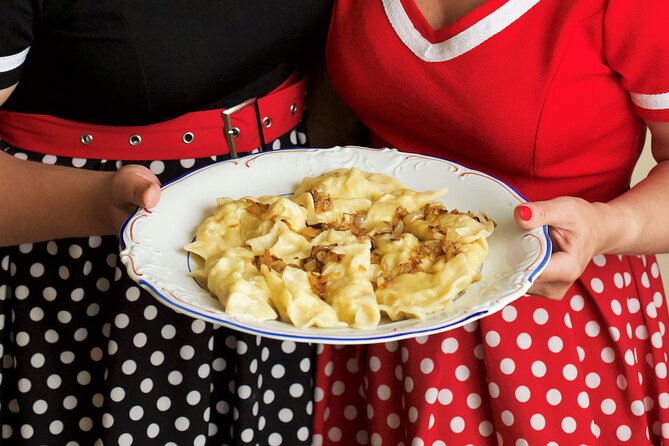
- Market-to-kitchen flow: buy what you need, then walk to the apartment and cook right away
- Small-group size (max 6): more hands-on time and less waiting around
- Classic pierogi filling: fresh cottage cheese, potatoes, and caramelized onions
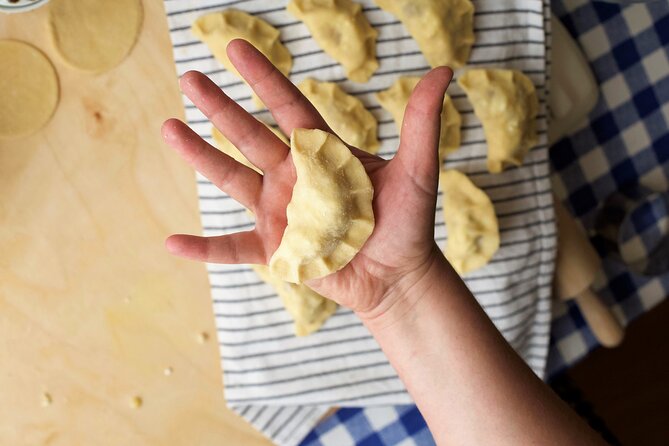
- You get the full process: dough, filling, shaping, and boiling
- Polish snacks and regional alcohol: starter bites plus a liquor or regional drink pairing
Market Shopping That Actually Matters for Pierogi
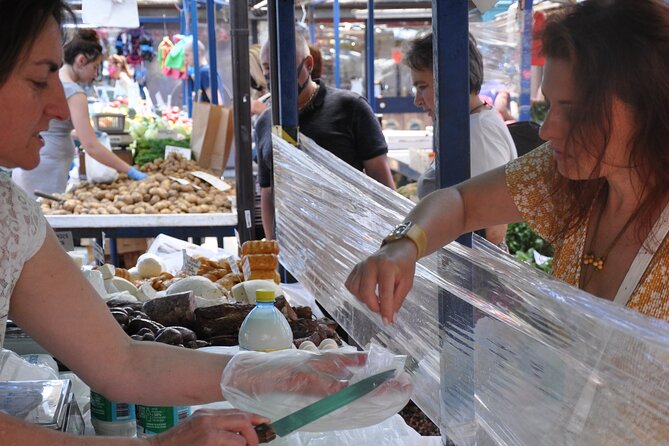
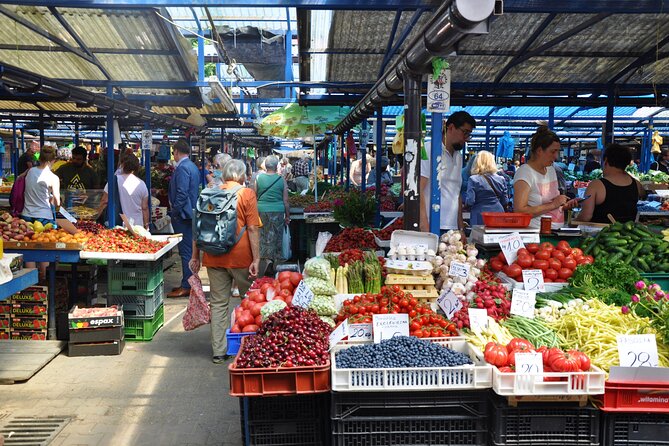
In Kraków, pierogi taste the way they do for a reason: the ingredients. This experience starts by walking into an older market area of the city, where the goal isn’t just sightseeing. It’s getting a feel for what’s fresh, what’s worth buying, and how Polish cooking treats simple ingredients with real respect.
You’ll shop for what your pierogi need, but you’ll also taste things as you go. Expect seasonal snacks that can include cheeses, Polish sausage, sour cucumbers, or sour cabbage—examples change with the season, but the idea stays the same: you’re building the meal while you’re learning about it. If you’re the type who likes to understand food culture by seeing ingredients up close, this step is a big part of the value.
And yes, you’ll probably want to grab extra items for later. A few people end up buying more after the lesson, because once you know what to look for, the market becomes a useful tool—not just a stop.
You can also read our reviews of more shopping tours in Krakow
Grunwald Monument Start: Convenient, Not Complicated
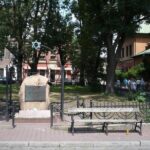
The class meets at the Grunwald Monument (plac Jana Matejki, 30-001 Kraków). It’s easy enough to find without a long maze of instructions, and it’s near public transportation.
From there, the day stays simple: you meet your host, you head to the market, and then you walk to the apartment where the cooking happens. The entire experience ends back at the meeting point, so you’re not stuck figuring out how to get home after dinner.
The experience runs about 3 hours. That’s a sweet spot for people who want a full food experience without losing the whole day.
A Small-Group Class in a Real Home Kitchen
This is not a studio with rows of identical cutting boards. The cooking happens in the instructor’s apartment—an intimate setting that makes the whole class feel personal.
Group size is capped at 6 travelers, which makes a difference. You’re not just watching while someone else folds dumplings. You’re rolling dough, shaping pierogi, and asking questions while you work. Reviews repeatedly flag that the teaching includes patience and step-by-step guidance, which matters when you’re trying to learn a technique that looks easy until your fingers get involved.
Also, because it’s a home kitchen, the rhythm feels different. You’ll snack and talk during the walk and during the early prep. You’ll also get Kraków and food recommendations from your host as part of the conversation, which is a practical perk if you’re still figuring out where to go next.
The Pierogi Lesson: Dough, Filling, Shaping, Boiling
The core of the experience is learning the whole pierogi process, not just the “finish.” You start with dough—how to make it, how it should feel, and how to avoid the common problems that lead to dumplings splitting or turning chewy.
Then you move to the filling. You won’t just be handed a container and told to scoop. You’ll learn how the filling is prepared and how the components come together, including how the potatoes should be handled. From there comes the part most people remember: shaping and pleating.
Finally, you boil your pierogi and eat them. That last step matters because cooking is where you see whether your dough and sealing worked. If you’ve made dumplings before and they were good but inconsistent, you’ll appreciate how this class gives you technique you can repeat at home.
If you’re traveling with kids, this can be a good family activity. The class length and hands-on structure work well for younger participants who want to do something with their hands instead of just watching.
The Classic Filling: Cottage Cheese, Potatoes, and Caramelized Onions
Your pierogi are traditional. The main filling is fresh cottage cheese, potatoes, and caramelized onions. This combo is comfort food logic at its best: creamy, hearty, and sweet-savory from the onions.
One useful point from the teaching is attention to quality. Your host explains how to think about cheese and what makes it work in the filling. Even if you don’t buy the exact same products at home, you’ll come away with the idea that pierogi depend on texture and flavor balance—not just “stuffing plus dough.”
There’s also a vegetarian angle to the core filling. You’ll still see meat or sausage in the starter tastings depending on the season, but your pierogi themselves are built around the cottage cheese, potatoes, and onions.



Snacks and Drinks: A Real Meal, Not Just Appetizers
The class doesn’t end at dumplings and silence. You get a starter course with seasonal local snacks, then you eat your pierogi, and then you finish with regional alcohol.
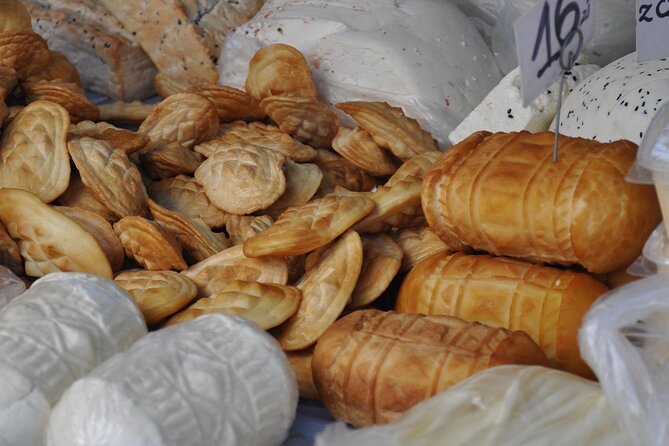
Depending on what’s available and the season, the starter can include items like fresh and smoked cheeses, Polish sausage, sour cucumbers, or sour cabbage. The point isn’t to overload you with unfamiliar food. It’s to give you a Polish flavor lineup that pairs naturally with the meal you’re cooking.
For the drink, the class uses regional alcohol or homemade liquor paired with the pierogi course. Some people describe shots like bison vodka, including a memorable serving style. If you don’t drink alcohol, you can still treat this as a food class first; just go in knowing that alcohol is part of the experience design.
One smart tip: plan to skip dinner reservations afterward. The meal is substantial, and many people leave thinking they’ve already had a full Kraków lunch or early dinner.
What You Learn Beyond Cooking: Kraków Food Tips You’ll Use
A big part of the experience isn’t only the kitchen work. Your host shares knowledge about Polish culinary traditions and also gives Kraków recommendations—places to go and what to try—so the class can connect directly to the rest of your trip.
You’ll likely hear food-history context too. Some instructors include background on where pierogi fit into Polish culture, plus practical details like how certain flavors show up across regional cooking. Even if you don’t remember every fact, the takeaway tends to be the same: you’ll know what to look for when you’re choosing cheese, sour flavors, or the kind of comfort-food dishes that are worth seeking out.
If you like traveling with food curiosity, this is where the class pulls ahead of a “just eat” experience.
Sundays: The Market Step Gets Shorter
There’s one schedule detail to keep in mind. On Sundays, the experience takes place without a visit to the food market. That means the day is still about cooking and eating, but you’ll miss that ingredient-walk step.
If you’re booking for the “market shopping + cooking + snacks” concept, try to pick a weekday or any day that includes the market stop. If your priority is learning pierogi technique, the Sunday version can still work, but it changes the feel of the afternoon.
Price and Value: What $83.48 Covers (And Why It’s Not Just Cheap Dumplings)
At $83.48 per person for about 3 hours, this doesn’t look like a bargain on paper. But it’s priced more like a guided food experience.
You’re paying for:
- Hands-on tuition through the full pierogi process
- Ingredient shopping as part of the market visit
- Food throughout: starter snacks plus your pierogi meal
- Regional alcohol paired with the main dish
- A small group (max 6), so you’re not a face in a crowd
The market step alone can feel like a value unlock if you’re the kind of person who wants to know what to buy and why. And the apartment setting means you get real teaching time, not just a demo.
If you’re traveling on a tight budget, you can still make pierogi at home. But if you want the learning, the ingredients, the eating, and the local perspective in one compact afternoon, the price starts to make sense.
Who Should Book This Pierogi Class in Kraków?
This class fits best if you like one or more of these things:
- You want a hands-on cooking lesson, not a sit-and-watch activity
- You enjoy markets and want practical knowledge about food choices
- You’re traveling with friends or family and want a shared activity
- You want an authentic Kraków experience in a small setting
It’s also a good pick if you plan to do other sightseeing later the same day. You get a full meal out of it, plus local food recommendations to guide your next stops.
Should You Book This Pierogi Class?
Yes—if your trip includes Kraków food priorities, this is an easy yes. The market-to-kitchen format plus the hands-on technique makes it more memorable than just eating pierogi somewhere.
Book it especially if you want to leave with a repeatable skill: making dough, sealing dumplings, and understanding how the filling should taste and feel. And if you can, choose a day when the market visit is included for the full experience.
FAQ
How long is the pierogi cooking class?
It lasts about 3 hours.
How many people are in the class?
The experience has a maximum of 6 travelers.
Is the class offered in English?
Yes, it’s offered in English.
Is there a market visit on Sundays?
On Sundays, the experience happens without a visit to the food market.
What pierogi filling will you make?
You’ll make pierogi with fresh cottage cheese, potatoes, and caramelized onions.
What’s included besides the cooking?
You’ll have local snacks and drinks, then eat the pierogi you make, and there’s regional alcohol with the main course.
Where do you meet, and where does it end?
You meet at Grunwald Monument (plac Jana Matejki, 30-001 Kraków) and the activity ends back at the meeting point.
Can I cancel and get a full refund?
Yes. You can cancel up to 24 hours in advance for a full refund.