REVIEW · KRAKOW
Kazimierz, Schindler’s Factory & Ghetto Guided Tour
Book on GetYourGuide →Operated by INTERCRAC Ltd. · Bookable on GetYourGuide
This is Kraków with your questions turned up. What makes this tour special is the way it links Kazimierz—the old Jewish quarter—with the Nazi-era sites in Podgórze, so the city reads like one connected story. I especially like the focused synagogue walk (Old Synagogue, Remuh, and more) and the guided visit to Schindler’s Factory, where you get the human stakes behind the history. One drawback to plan for: the walking pace and tight museum corridors can feel stressful if your group gets larger.
I also like that the tour is led by a licensed guide and is capped at 25 people, which keeps things from turning into a stampede of strangers. In past departures, guides like Aneta have been praised for making the timeline and cultural context click before you hit the darker parts of the story. If you’re someone who gets overwhelmed by enclosed spaces and crowding, you’ll want to keep an eye on timing and be mentally ready for a heavy topic.
In This Review
- Key things to know before you go
- Kazimierz on Foot: where the Jewish Quarter still tells its story
- Old Synagogue to Remuh Cemetery: the stops that make people feel real
- Szeroka Street, Plac Nowy, and the in-between moments
- Schindler’s Enamel Factory: how the exhibition turns history into a moral story
- Walking the Kraków Ghetto in Podgórze: walls, boundaries, and the chair memorial
- Price and logistics: is $81 worth it for 5 hours?
- Who this tour fits best (and who might prefer a different plan)
- Should you book the Kazimierz, Schindler’s Factory & Ghetto guided tour?
- FAQ
- Where do I meet the guide?
- How long is the tour?
- What languages are available?
- Is admission to Schindler’s Factory included?
- What’s not included in the price?
- What group size should I expect?
- Do I need to provide participant names?
- What if I’m late or need to cancel?
Key things to know before you go
- Kazimierz first, ghetto later: the route builds context before the WWII sites.
- Synagogues with different roles: you’ll pass places linked to everyday Jewish life, not just monuments.
- Fast-track entry to Schindler’s Factory: you spend less time waiting and more time learning.
- The Schindler exhibition explains survival: the story is framed around Kraków under Nazi occupation.
- Ghetto reminders in Podgórze: you’ll see fragments of the wall line and the Ghetto Heroes Square memorial.
Kazimierz on Foot: where the Jewish Quarter still tells its story
Kazimierz is one of those places where the streets don’t feel like a backdrop. You’re walking through a neighborhood that once served as the heart of Jewish life in Kraków, and today you still catch traces of faith, tradition, and community rhythms. The tour is structured so you don’t just point at buildings—you learn what role each place played, and that makes the district feel more “lived in” and less like a set.
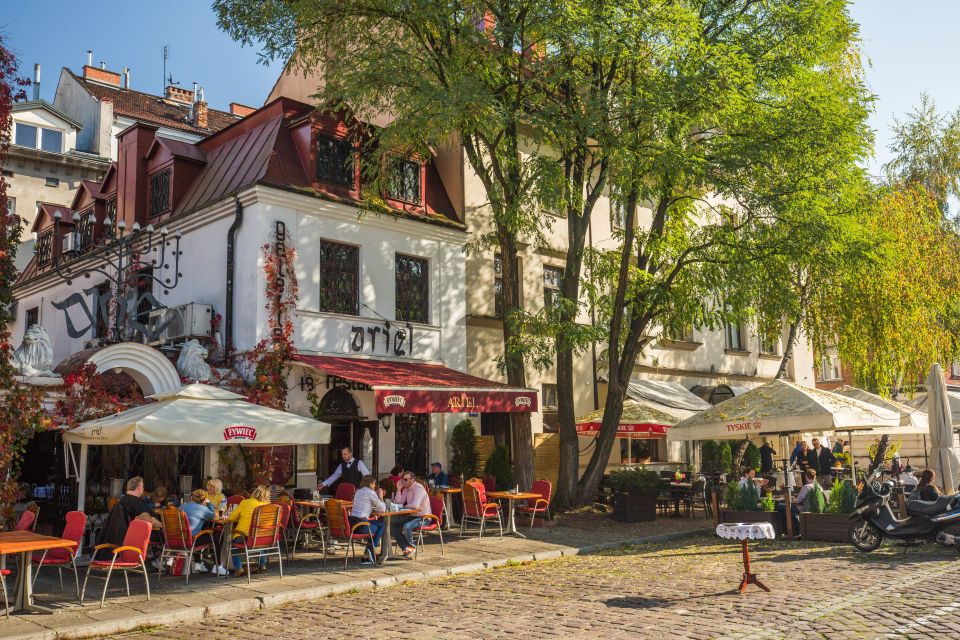
You start on Szeroka Street, often described as the historic core of Kazimierz, framed by older townhouses and synagogue buildings dating to the 16th–18th centuries. That matters because you’ll notice how the architecture supports the story: prayer spaces, community spaces, and the street network that connected them. Even if you only have a few hours, the walking approach helps you understand how people moved through the neighborhood day to day.
I like tours that respect the sequence. Here, you get the cultural setting first—Jewish traditions and local community life—before the tour turns to the WWII-era collapse of safety and freedom. It’s not a “scary-stuff montage.” It’s a build toward understanding what occupation did to ordinary life.
You can also read our reviews of more guided tours in Krakow
Old Synagogue to Remuh Cemetery: the stops that make people feel real
The most important early moment is the Old Synagogue, the oldest preserved synagogue in Poland. Today it operates as a museum of Jewish history. That means you’re not just standing outside looking at a landmark—you’re getting guided context about what you’re seeing and why it matters. It’s a strong anchor stop because it sets expectations for the rest of the walk: these buildings weren’t decorative. They were central to belief, education, and community continuity.
From there, you continue toward Remuh Synagogue and Cemetery, which is one of the most important Jewish religious sites in the country. In a short walking tour, cemetery visits can either feel rushed or respectful. The guide’s job here is to slow your thinking down so you understand Remuh as part of religious life, not just a “somber area to photograph.”
You also pass other synagogues that add texture to the story:
- Kupa Synagogue, connected to poorer residents at one point. This is where your perspective shifts from big historic narratives to social reality—who had access, and what survival meant on a daily level.
- Tempel Synagogue, which is now an active center of cultural life. That choice is important. The tour doesn’t freeze Kazimierz in time as only a WWII scene. It shows that cultural practice continued, and in some forms, still continues.
If you remember nothing else, remember this: the tour keeps reminding you that Jewish life here wasn’t one thing. It was many communities, different needs, and different traditions moving through the same streets.
Szeroka Street, Plac Nowy, and the in-between moments
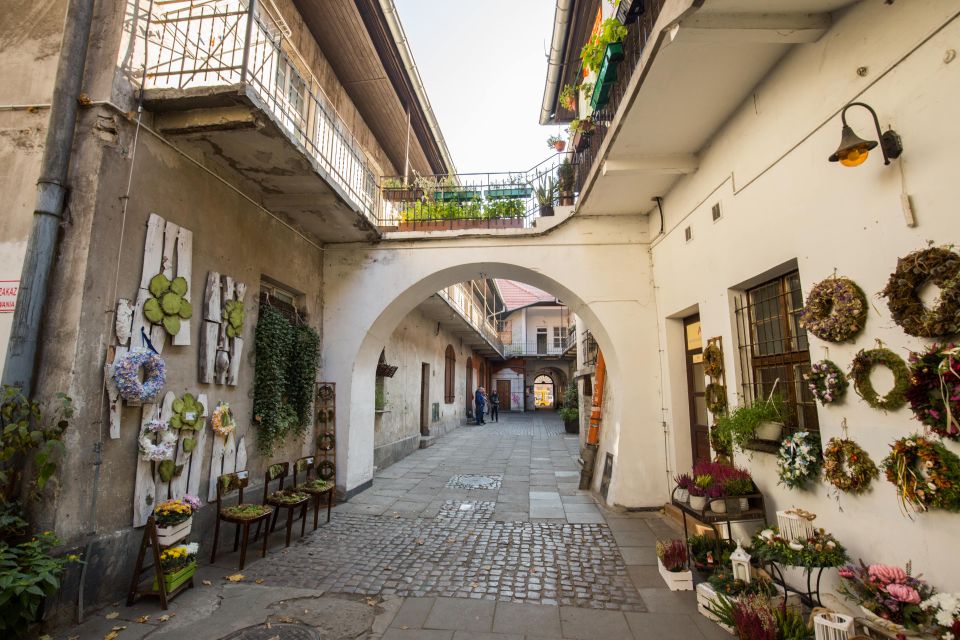
After the synagogue-heavy stretch, the tour heads toward Plac Nowy, a lively square where cafés, markets, and local art help keep the area feeling like a working neighborhood. This is the part I like most for balance. After you spend time with solemn topics and religious spaces, it helps to stand where locals actually gather, even if the tone of the district stays serious.
A small practical tip: this is a great place to do a quick reset in your head. You can look around, orient yourself, and give your feet a moment to catch up. Walking tours in central Kazimierz are not slow strolls. They’re “learn while walking,” so you’ll want these short breathing points.
Also, since you’re going from Kazimierz to the WWII sites, it helps that the tour ends Kazimierz with a sense of place. You finish the neighborhood story and then move into the occupation story with a clearer mental map.
Schindler’s Enamel Factory: how the exhibition turns history into a moral story
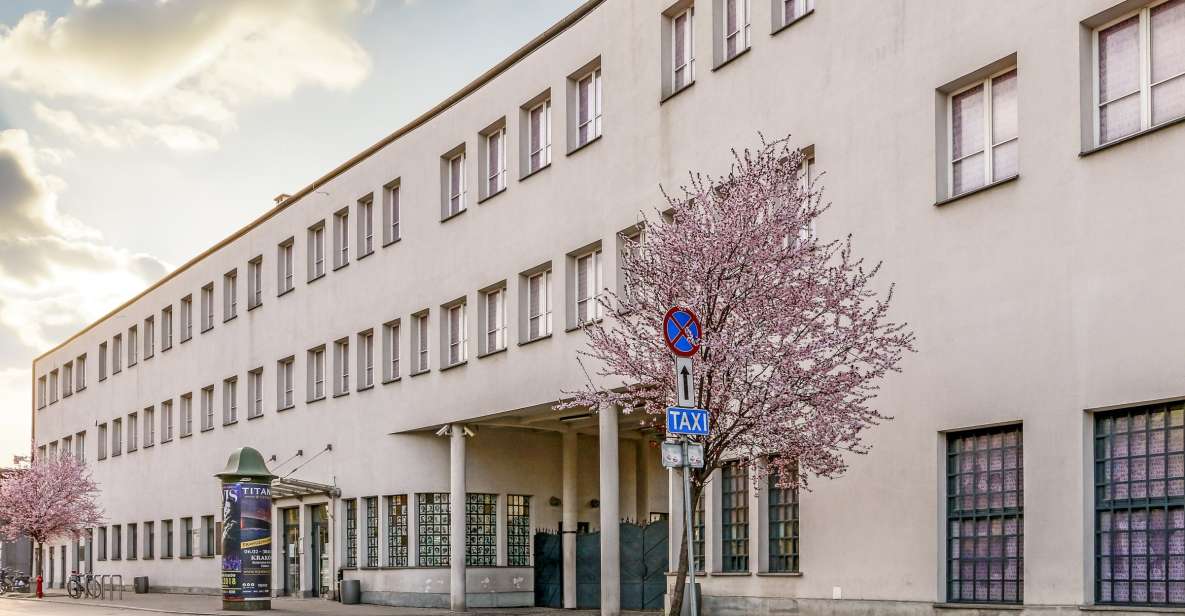
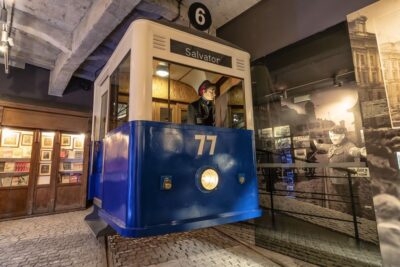
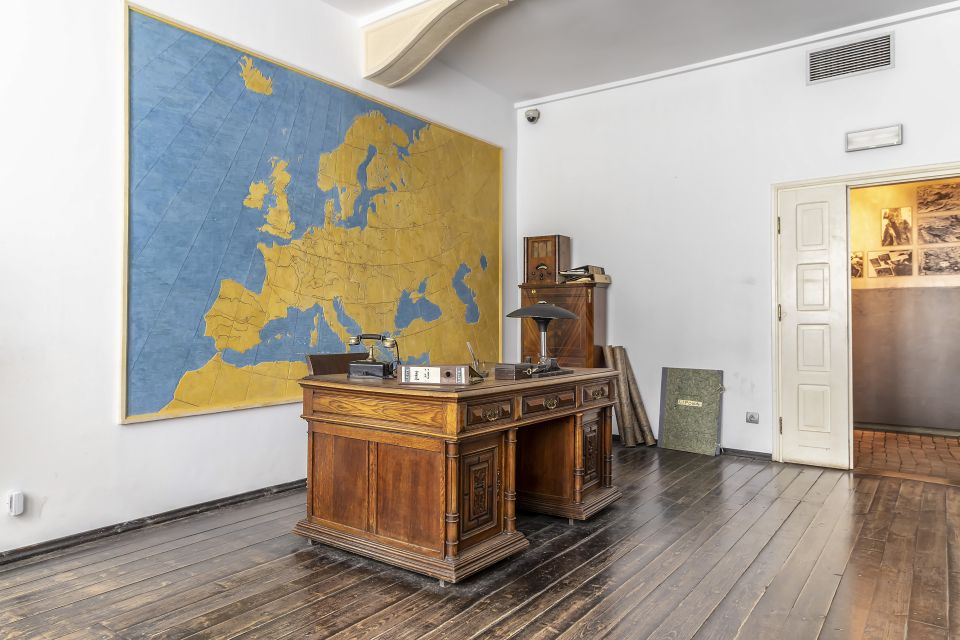
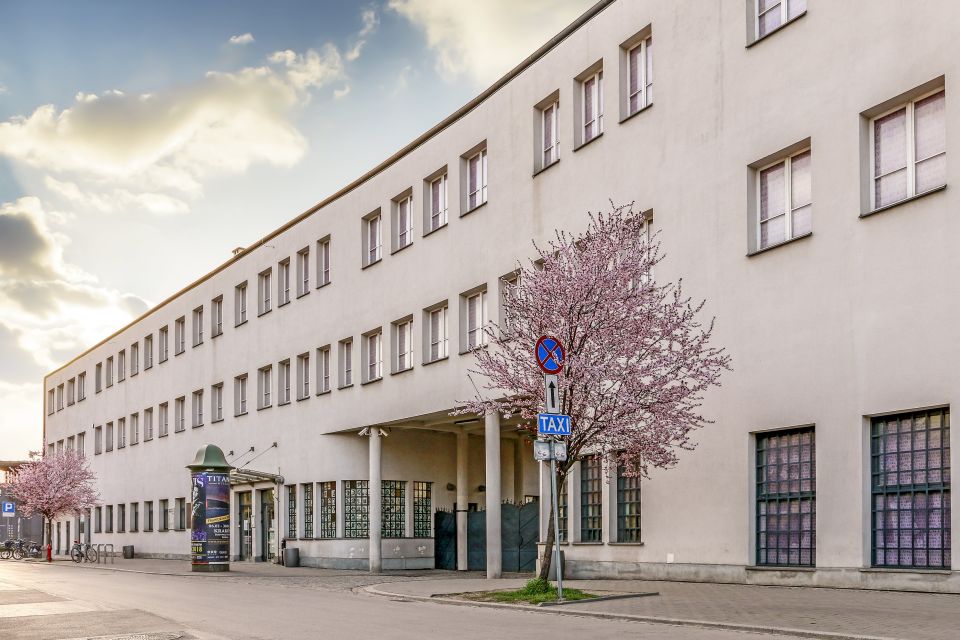
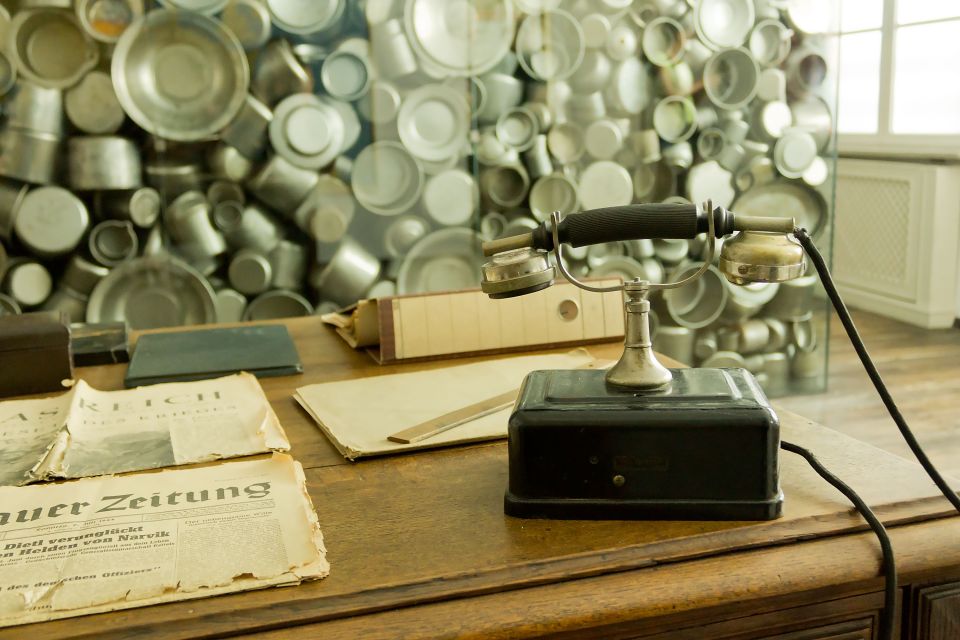
Then comes the pivot: Schindler’s Enamel Factory, today one of Kraków’s most visited and moving museums. Even though the building originally functioned as the factory, it now operates as a museum and doesn’t contain original production equipment. That’s useful to know going in. It means you’re there for the story and interpretation, not for old machines and artifacts.
The tour includes fast-track entry, which is a real value-add. When time is short, skipping waiting lines helps you stay in learning mode instead of getting cranky. And once inside, the exhibition you’ll explore is framed around Kraków under Nazi Occupation 1939–1945.
Here’s what the guide should help you understand: Oskar Schindler is presented through the lens of what he did in Kraków—using his position, influence, and resources to protect Jewish workers. The tour explains that more than a thousand men and women survived because of his actions, and it introduces the term Schindlerjuden for those he saved. That vocabulary matters because it turns a vague “survivors” idea into a more precise understanding of who was affected.
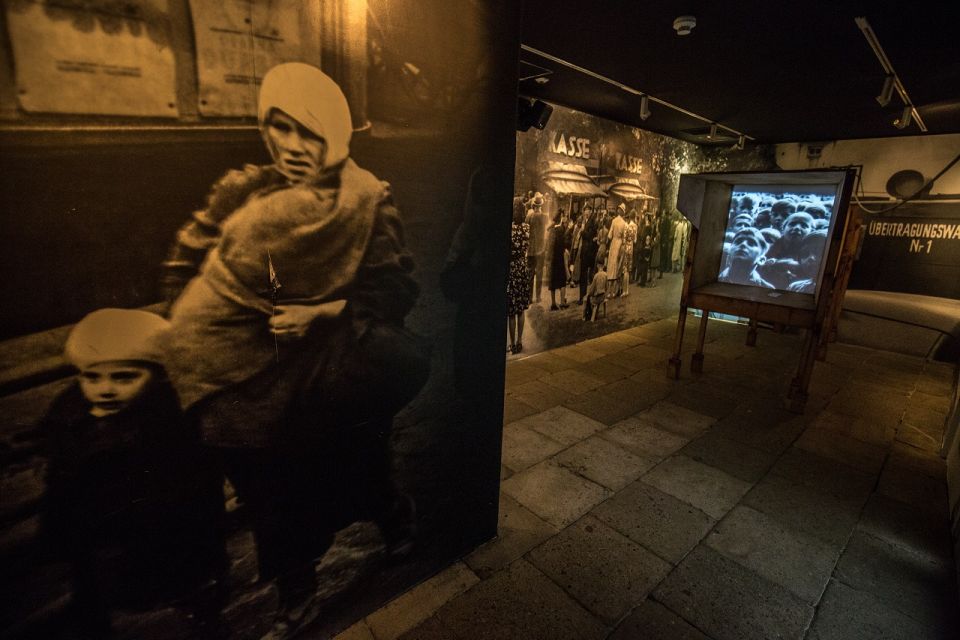
What you’ll likely see in the exhibition: photographs, personal objects, and reconstructed street scenes. The goal isn’t shock for shock’s sake. It’s to recreate the daily fear, uncertainty, and struggle people faced. When this part is guided well, you come away with a clearer picture of how occupation tightened control step by step—and how, in one specific set of circumstances, one man managed to widen the opening for some people.
The best part of this museum experience is that it gives you a human scale. You’re not only absorbing dates and policies. You’re learning how choices—risky, limited, imperfect choices—could still change outcomes.
Walking the Kraków Ghetto in Podgórze: walls, boundaries, and the chair memorial
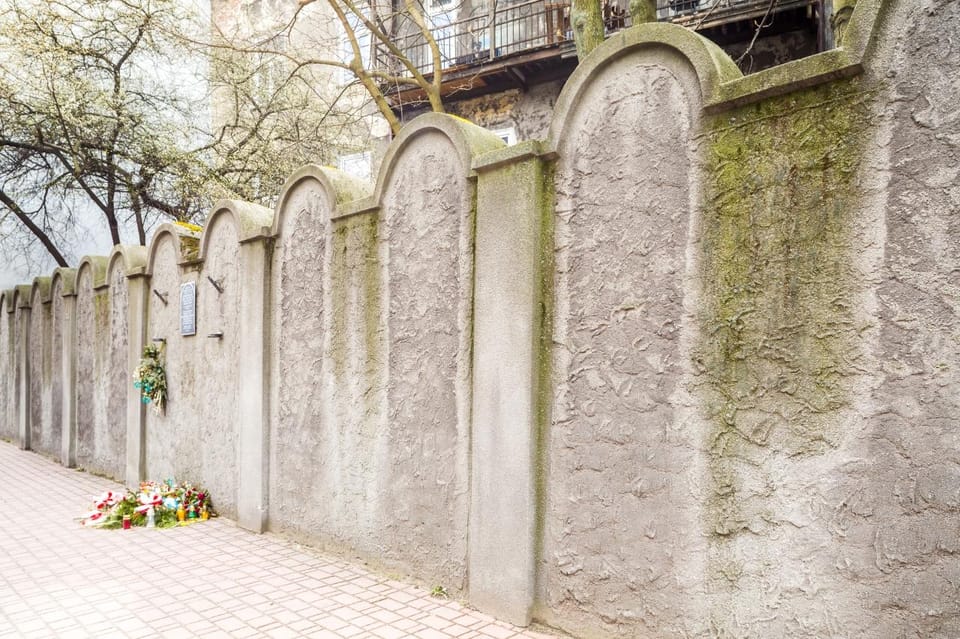
After Schindler’s story, the tour continues toward the remains of the former Ghetto Walls. Seeing fragments of those boundaries is different from reading about them. The physical remnants make it easier to understand what it meant when the city’s map became a cage line. Even if only pieces survive, your brain fills in the rest of the context because the guide has already prepared the story.
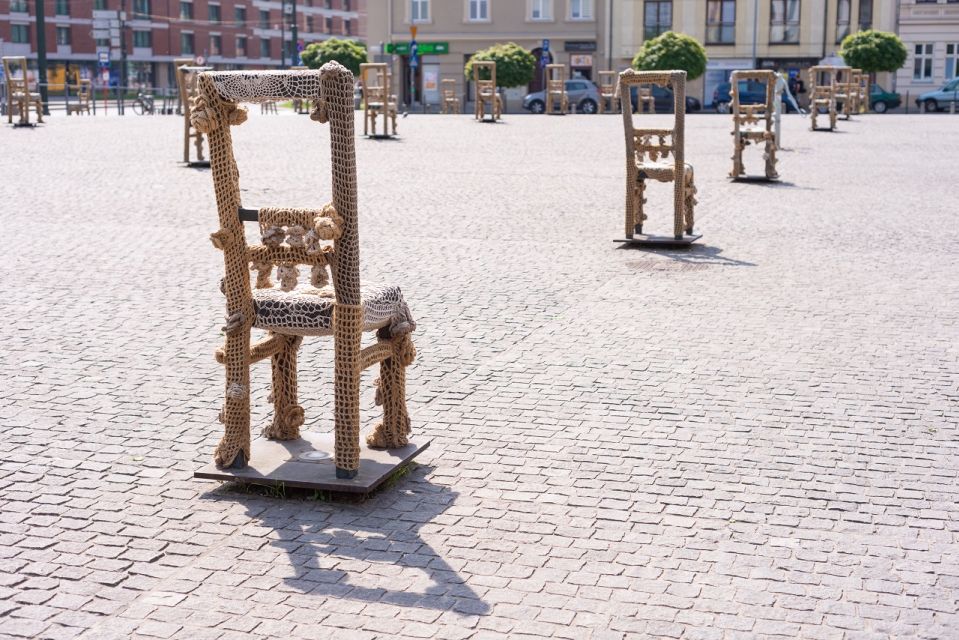
Then you reach Ghetto Heroes Square, the former center of the Kraków Ghetto and a key remembrance site connected with deportations. Today, the square includes a powerful memorial made of empty metal chairs, designed to symbolize lives lost. It’s an unusual choice for a memorial, and it tends to hit hard because it evokes absence in a simple, everyday way—chairs suggest families, gatherings, and normal life that was interrupted.
Be ready for your emotions here. This isn’t the kind of stop you power through like a checklist item. The guide’s timing matters, too. A good guide will keep you moving without treating remembrance as a photo break.
Also, consider your own limits. If you find enclosed indoor museum spaces stressful (or you’re sensitive to crowding), this is where pacing matters most. You’ll be walking and learning through heavy ground.
Price and logistics: is $81 worth it for 5 hours?
Let’s talk value, because $81 can sound either fair or steep depending on what’s included. Here, you’re paying for three big things:
- A professional, licensed guide who ties together Kazimierz, WWII context, and the ghetto narrative.
- A 5-hour guided route covering multiple sites on foot, so you’re not stitching the story together yourself.
- Fast-track admission to Schindler’s Factory, which saves you time.
You’re not paying just for entry tickets. You’re paying for interpretation—context, sequencing, and a human voice that helps you understand why each stop matters. That’s where guided tours earn their keep.
A couple of practical notes that affect your experience more than you might expect:
- Group size is limited to 25. Smaller keeps things clearer, especially inside tight spaces.
- All group tours run in a single language, selected at booking. Make sure you pick the language you’ll think in during tough scenes.
- Weather can influence comfort since it’s a walking tour. Wear shoes you trust for uneven or cobbled ground.
About included versus not included: food and drinks aren’t included. Build in a snack plan for before or after, especially because your day may not have a natural “meal stop” built in.
Who this tour fits best (and who might prefer a different plan)
This tour is a strong choice if you want two things at once: a cultural grounding in Kazimierz and a guided pathway through Kraków’s WWII ghetto sites, including Schindler’s Factory. If you’re planning to visit other WWII sites later (like Auschwitz), this can also work as a context-builder since it explains local Jewish life and occupation-era mechanics in Kraków specifically.
It’s also ideal if you like walking tours with structure. The itinerary is guided in a clear route: start on the Old Synagogue steps, move through Kazimierz’s major synagogue sites, then transition to Schindler’s Factory and the ghetto remembrance areas in Podgórze.
Who should think twice?
- If you strongly dislike heavy subjects or want a lighter sightseeing day, this isn’t that. The ghetto section includes remembrance tied to deportations and a chair memorial.
- If you’re very sensitive to crowding or tight museum corridors, you should be mentally ready for some pinch points. The tour is capped at 25, but museums are still museums—tight spaces compress the experience.
Should you book the Kazimierz, Schindler’s Factory & Ghetto guided tour?
Yes, I’d book it if you want one guided route that actually connects places, not one that hops between sites with no context. The combination works: Kazimierz gives you identity and community; Schindler’s Factory explains occupation through a specific human story; Podgórze grounds it in physical boundaries and remembrance.
I’d skip it or choose an alternative if you’re after pure entertainment or you know you need lots of breaks to handle emotions and crowds. And if your language choice matters a lot for understanding, double-check that you’ve selected your preferred guide language at booking—this tour runs in one language per group.
If you do book, show up early. Meeting is at the steps of the Old Synagogue with a Kazimierz Guided Tour sign, and once the group enters, late arrivals aren’t accommodated.
FAQ
Where do I meet the guide?
Meet on the steps of the Old Synagogue. The guide will be holding a Kazimierz Guided Tour sign.
How long is the tour?
The tour lasts 5 hours.
What languages are available?
The live guide is available in French, English, German, Spanish, and Italian.
Is admission to Schindler’s Factory included?
Yes. You get fast-track admission to Schindler’s Factory as part of the tour.
What’s not included in the price?
Food and drinks are not included.
What group size should I expect?
Group size is limited to a maximum of 25 participants.
Do I need to provide participant names?
Yes. Personalized tickets are issued, so you must provide the full names of all participants at the time of booking.
What if I’m late or need to cancel?
You’re asked to arrive at least 10 minutes early. Late arrivals can’t be accommodated, and tickets are non-refundable. If you cancel, you can cancel up to 24 hours in advance for a full refund.