REVIEW · KRAKOW
Krakow: Jewish Quarter Guided Walking Tour
Book on GetYourGuide →Operated by SeeKrakow · Bookable on GetYourGuide
Kazimierz tells its story one block at a time. You’ll walk Krakow’s former Jewish district with a guide who ties street corners, landmarks, and big history into something you can actually picture. I especially like the synagogue stops and how Schindler’s List filming locations add a movie-to-reality connection. One thing to factor in: this is a walking tour (plan on a solid stretch of walking) and the themes can get heavy, so it’s worth going in with emotional stamina.
The experience is built for small groups, with a professional, English-speaking guide and lots of story time rather than a rush-through checklist. Guides such as Magda, Bart, Jack, and Max come up for their pacing and storytelling, and that matters because Kazimierz can feel confusing until someone gives you the map. If you prefer a super-short stroll or you’re looking for only light sightseeing, you might find this one too focused on history.
In This Review
- Key Things That Make This Walking Tour Work
- First Steps in Kazimierz: Getting Oriented Fast
- Szeroka Street and the Feel of a Neighborhood That Still Breathes
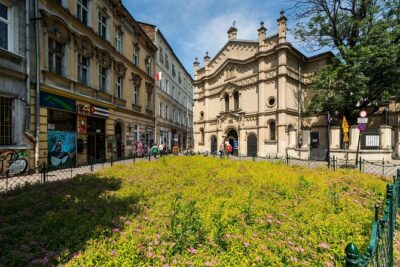
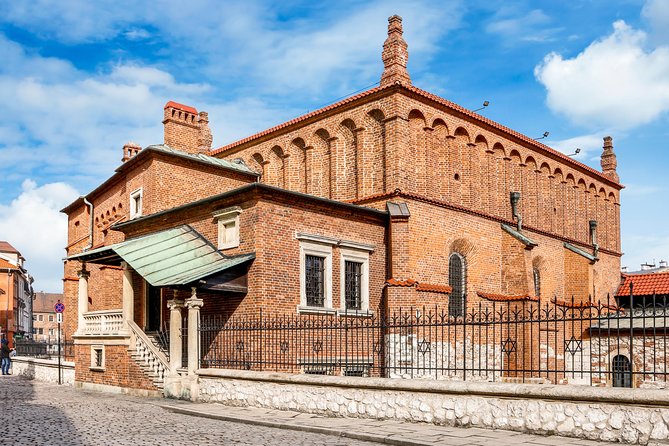
- Synagogues You See Up Close: Old Synagogue, Tempel Synagogue, Izaak Jakubowicz
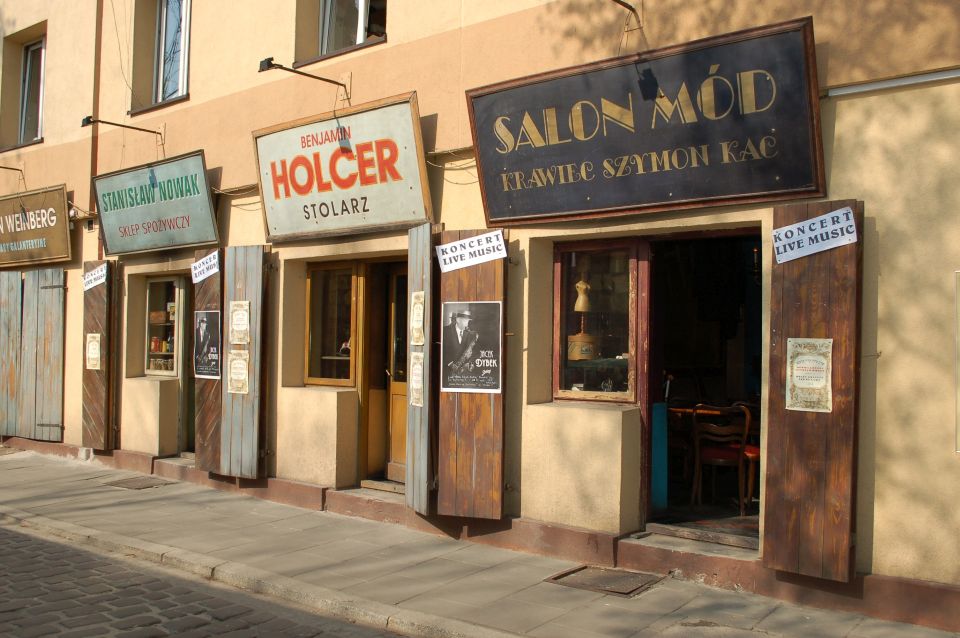
- Following the Schindler’s List Footprints Through Real Streets
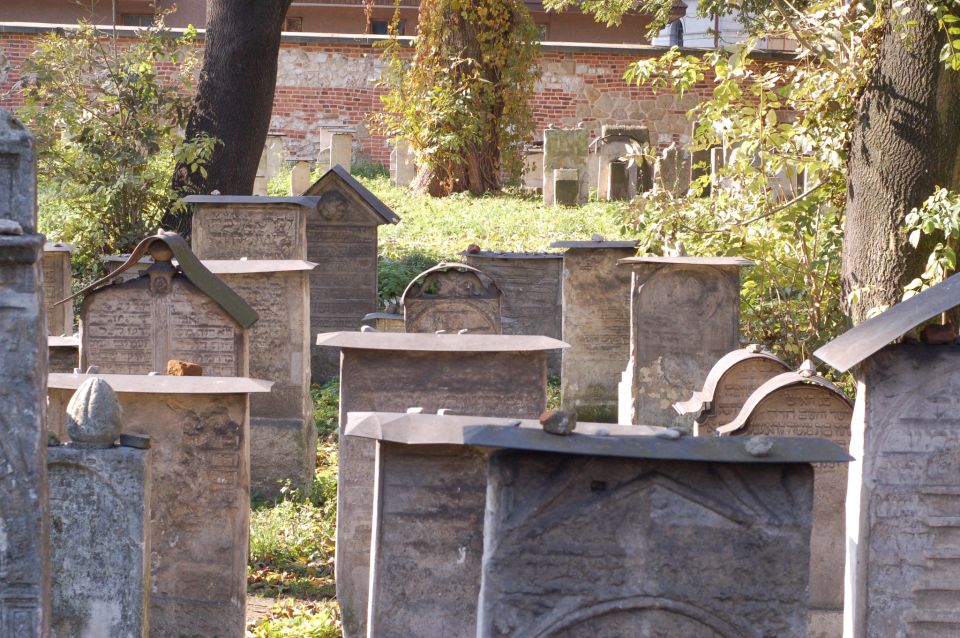
- The Jewish Cemetery: When the Tour Gets Quiet and Personal
- How the Tour Handles Weighty History Without Turning It Into a Lecture
- Walking Distance, Pace, and What to Bring
- Price and Value: Is $32 a Good Deal?
- Who This Tour Suits Best (and Who Might Skip It)
- Should You Book This Krakow Jewish Quarter Guided Walking Tour?
- FAQ
- How long is the tour?
- What language is the guide?
- Where do I meet the guide?
- Does the tour run in bad weather?
- Are synagogue or site entry tickets included?
- Is this a walking tour?
Key Things That Make This Walking Tour Work
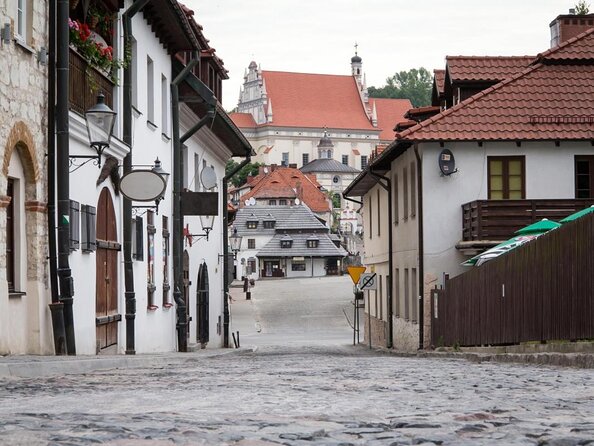
- Kazimierz, the former Jewish district, explained through daily life and local landmarks
- Szeroka Street and the cobblestones, where the area’s feel still comes through
- Major synagogues in the tour mix: Old Synagogue, Tempel Synagogue, and Izaak Jakubowicz Synagogue
- Schindler’s List filming sites, connecting Spielberg’s choice of Krakow to what you see on the ground
- Jewish Cemetery visit, with context that helps you read the place instead of just passing it
- A small-group format with English guides, which keeps questions and explanations in the flow
First Steps in Kazimierz: Getting Oriented Fast
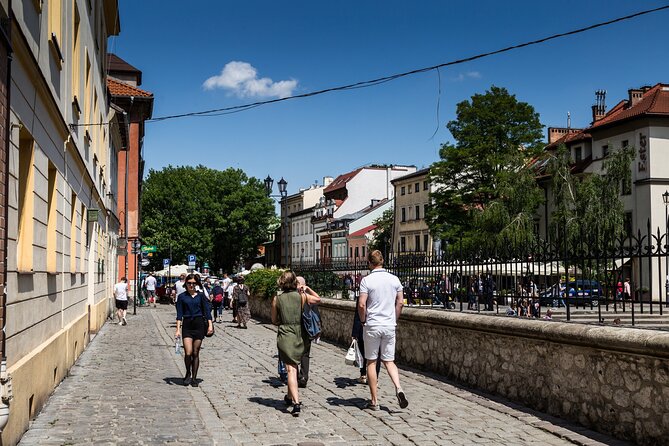
Most people arrive in Krakow expecting main-square photos. This tour does something smarter: it sends you into the older city layers right away. You start at the KrakowTIP tourist information point on ul. Grodzka 18, then begin a walk that’s designed to give you bearings quickly.
I like this approach because Kazimierz isn’t just a “set of attractions.” It’s a neighborhood with narrow streets, older tenement buildings, and small pockets where everyday life still feels close to the surface—coffee shops, street corners, and the human scale of the place. You’re not just learning dates. You’re learning how people moved through the district.
And yes, the vibe can be very real and very direct. Several guides are known for handling Polish history and the Holocaust with care, which means you get context instead of a bland script. If you want to understand why places matter, that’s the point of starting here.
You can also read our reviews of more walking tours in Krakow

Szeroka Street and the Feel of a Neighborhood That Still Breathes
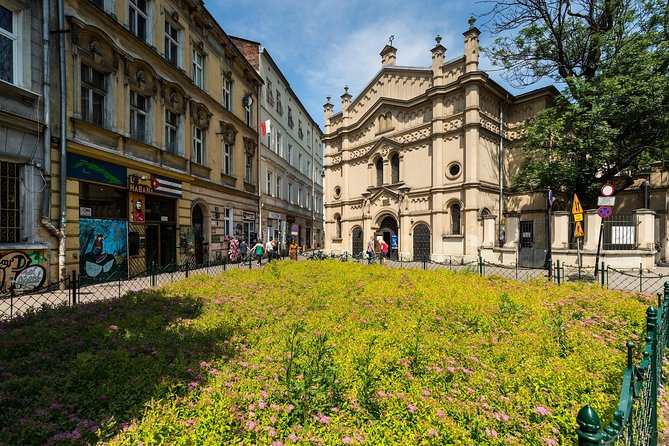
One of the tour highlights is Szeroka Street, and it’s easy to see why. It’s the kind of street where the city’s past stays visible in the architecture and the rhythm of the blocks. When your guide points out what to notice—how the street layout shaped community life, where people gathered, and how the neighborhood developed—it stops being just scenery.
This part also helps you understand the phrase you’ll hear about Kazimierz as the city inside the city—a district with its own structure and social fabric inside Krakow. You get a sense of the “unfinished” feeling people describe: parts of the community were interrupted, changed, and rebuilt, leaving traces in the streets and buildings.
Practical note: this is still a city walk. Wear shoes that handle cobblestones without drama, and give yourself time for small pauses. The tour keeps things moving, but the best moments come when you slow down for a story.
Synagogues You See Up Close: Old Synagogue, Tempel Synagogue, Izaak Jakubowicz
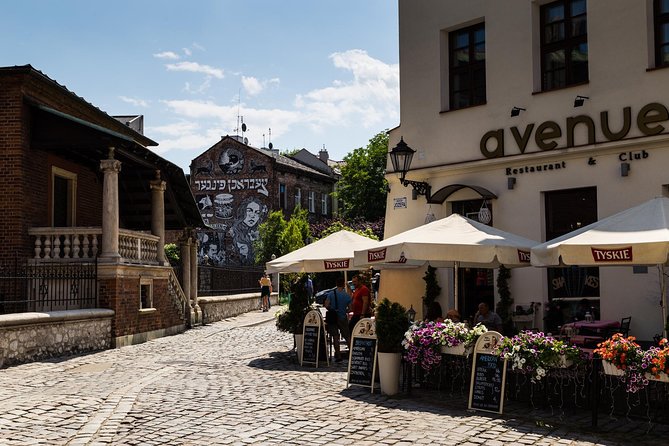
Kazimierz’s synagogue history is a core reason this tour is worth doing with a guide. Stand-alone sightseeing can make them feel like separate monuments. With interpretation, you start to understand how these sites relate to a community’s timeline and identity.
You’ll visit synagogues such as:
- The Old Synagogue
- The Tempel Synagogue
- The Izaak Jakubowicz Synagogue
Here’s what I like about this setup: each synagogue teaches more than architecture. Your guide’s job is to connect the building to the people who used it, the changes the community went through, and why certain spaces became symbols.
Also, you’re not stuck with only one lens. You’ll hear about the district’s development and the lived experience of Jewish residents of Kazimierz and Krakow. That’s what turns the tour from “I saw three buildings” into “I understand why these buildings mattered.”
One consideration: optional entry tickets for some objects along the way are not included. That can affect how much time you’ll spend inside, depending on what’s offered the day you go. If you’re the type who likes photos and interior details, check which stops have optional tickets before you arrive.
Following the Schindler’s List Footprints Through Real Streets
Spielberg chose Kazimierz as part of Schindler’s List for a reason, and this tour helps you see that reason with your own eyes. As you walk, you’ll visit some of the places used as filming locations, and your guide explains how the movie’s fiction connects to the reality of the district.
I like the way this works because movie locations can go two ways: either you get a scavenger hunt, or you get understanding. This tour aims for understanding. By pairing film context with neighborhood history, you end up with a mental map that sticks.
It’s also a good way to make the emotional weight more concrete. Instead of absorbing history as an abstract concept, you connect it to street geometry, building presence, and what it must have felt like to move through the area.
Quick tip for planning after: because the tour includes filming-related sites, it’s smart to leave time for a follow-up stop if you have other Schindler-themed interests. Don’t cram your schedule right after the walk unless you like rushing.
The Jewish Cemetery: When the Tour Gets Quiet and Personal
The Jewish Cemetery stop is where the tone often shifts. Even if you’re not a history buff, cemeteries have a way of slowing your brain down. The tour gives you the context you need so you aren’t just looking at stones and trying to guess what you’re seeing.
You’ll learn about why the cemetery matters to the district’s story. That includes the idea of honoring experiences and recognizing heroic figures connected to the community’s history. The goal is respectful reading: understanding what the place represents rather than treating it like a photo backdrop.
This is also one of the times when you’ll be glad you brought patience. Some sections of the walk can feel brisk, but at the cemetery you should plan to take your time. If you rush, you miss what makes it meaningful.
You can also read our reviews of more guided tours in Krakow
How the Tour Handles Weighty History Without Turning It Into a Lecture
A big part of why guides are praised on this route is their delivery style. You’re hearing about occupation and the Holocaust, but the tour also balances it with stories of community life and the district’s people.
That blend matters. If all you get is tragedy, it becomes hard to connect. If all you get is architecture, the significance floats away. Here you get a more complete picture: daily life, interruptions, survival, remembrance, and why the district’s identity still resonates.
I’d call this a serious tour, not a party walk. But it doesn’t feel like a classroom. You get explanations in a human voice, with a pace that keeps you moving while still making the information land.
Walking Distance, Pace, and What to Bring
This is a walking tour, and you should plan for around 4–6 km of walking time. That doesn’t mean it’s an all-out endurance event, but you’re not stepping on and off a tram every ten minutes either.
Here’s how to prepare so the tour stays fun:
- Wear supportive shoes for cobblestones.
- Bring a light layer; Krakow weather can shift even when your day looks mild.
- Expect rain or shine, because the tour runs in both conditions.
- If you’re with kids or teenagers, pick a pace that lets them ask questions. Guides often handle different interests well.
Group size is small, and you’ll get more attention than on big “herd” tours. That’s useful because the guide can respond to what you find most interesting—synagogues, streets, or film connections.
Price and Value: Is $32 a Good Deal?
At $32 per person for a 3-hour guided walking tour, the value depends on what you want out of Krakow. If you’re happy with photos and quick facts from a phone app, you could do it on your own for less. But if you want to understand Kazimierz properly, this price makes sense.
You’re getting:
- A professional, English-speaking guide
- A structured route through key sites
- Plenty of storytelling that explains what you’re seeing
- Optional entry tickets only if you want to go inside certain objects
For me, the best value is the guide’s ability to connect film locations to real place, and architecture to community life. Those connections are hard to piece together solo without either deep prior reading or luck.
So if your goal is meaning, not just movement, $32 is a fair trade.
Who This Tour Suits Best (and Who Might Skip It)
This tour is ideal if you:
- Want the Kazimierz story told through real stops, not abstract history
- Like film connections that lead to actual understanding
- Appreciate guided context at synagogues and memorial spaces
- Prefer a small-group format with time for questions
It might not be the best fit if you:
- Have limited mobility or know you struggle with a 4–6 km walk
- Want only light sightseeing and nothing emotionally heavy
- Get turned off by tours that focus on serious historical context
If you’re somewhere in between, this is still a good option. Just plan your day like you’re choosing a quality experience, not a quick detour.
Should You Book This Krakow Jewish Quarter Guided Walking Tour?
I’d book it if you want Krakow to feel human—street-by-street, story-by-story. The combination of synagogue visits, Szeroka Street atmosphere, Jewish Cemetery context, and Schindler’s List filming locations makes this tour more than a standard “see the sights” walk.
Book it with eyes open: wear good shoes, expect weighty history, and plan for steady walking time. If that sounds like your kind of travel, you’ll come away with a much clearer picture of Kazimierz—and a better sense of how place and memory intertwine.
FAQ
How long is the tour?
The tour runs for about 3 hours.
What language is the guide?
The guide offers live commentary in English.
Where do I meet the guide?
Meet at the KrakowTIP tourist information point on ul. Grodzka 18.
Does the tour run in bad weather?
Yes, the tour takes place rain or shine.
Are synagogue or site entry tickets included?
Optional entry tickets are not included, so some stops may require separate tickets if you want to go inside.
Is this a walking tour?
Yes. It’s a walking route, and you should plan for roughly 4–6 km of walking.