REVIEW · KRAKOW
Krakow City Pass – Museums, Atractions & City Transport
Book on Viator →Operated by DISCOVER CRACOW · Bookable on Viator
A pass that powers a Krakow museum crawl. This Krakow City Pass packages museum admission with free public transport on trams and buses, so you can move around the city day or night without buying tickets each time. You pick 1, 2, or 3 consecutive days, redeem the card in central Krakow, then go straight into participating museums and sights you care about.
I love the sheer variety: World War II memory stops like the Galicia Jewish Museum and Oskar Schindler’s Factory (plus medieval-feeling places like Rynek Underground). I also like that it keeps you flexible with plenty of church and art options, from the Archdiocesan Museum to MOCAK, plus a big outdoor payoff at Kościuszko’s Mound for panoramic views. The main thing to watch is timing: some museums don’t run on Mondays, and certain popular attractions can require advance booking or have limited time slots.
In This Review
- Key things to know before you buy
- Krakow City Pass price and what you actually get
- How the pass works: consecutive dates, not hours
- Free trams and buses: using Krakow transit without second-guessing
- Museum and church highlights across Krakow’s main zones
- Stop-by-stop: what to expect at each included attraction
- Church of St. Adalbert
- Czartoryski Palace Museum
- Ethnographic Museum (in a former town hall)
- Galicia Jewish Museum
- Home Army Museum (Muzeum Armii Krajowej)
- House of Jan Matejko (Krakow National Museum)
- Jozef Mehoffer House (Krakow National Museum)
- MOCAK Museum of Contemporary Art in Krakow
- Polish Aviation Museum
- The Archdiocesan Museum
- Bishop Erazm Ciolek Palace (National Museum in Krakow)
- Kościuszko’s Mound (Kopiec Kosciuszki)
- Hutten-Czapski Museum (Czapski Museum)
- Wyspianski Museum – Szolayski Tenement House
- Legends of Cracow (Legendy Krakowa)
- Archaeological Museum (Nowa Huta branch in Branice)
- Gallery of 19th-Century Polish Art (National Museum in Krakow)
- How to plan 1, 2, or 3 days so you don’t waste the pass
- Discounts at restaurants and stores: small perks with real usefulness
- Should you book the Krakow City Pass? My practical verdict
- FAQ
- How long is the Krakow City Pass valid?
- What does the pass include?
- Can I use the pass for public transport at night?
- Do I need to start early with the pass?
- Are all museums open on Mondays?
- What time should I plan to enter museums?
Key things to know before you buy
- Free trams and buses, day or night means you can hop between districts without worrying about ticket lines.
- 22 museum entries are included, which is ideal when you want more than just Old Town postcards.
- Valid for consecutive dates, not hours: start early to fit in the most sights each day.
- Most admissions end about 90 minutes before closing so plan your last stop like a smart adult.
- Monday closures happen at some museums, so check before you lock in your schedule.
- Some top attractions may need pre-booking, so don’t assume every timed entry is walk-in.
Krakow City Pass price and what you actually get
The pass costs $42.61 per person and is designed for 1 to 3 days of museum + transit use. The value depends on two things: how many included sights you’ll realistically fit in, and which “paid” attractions you were going to do anyway.
In Krakow, museum ticket prices are often not outrageous, but the pass still makes sense if you’re planning a busy itinerary. One review pegged the average entry around 10 zloty, with Schindler’s Factory higher (24 zloty). That tells you the math: if your schedule includes a few pricier anchor museums plus several smaller ones, the pass stops feeling like an experiment and starts feeling like a timesaver.
Where the pass can disappoint is if you’re only staying a short time or if you prefer wandering Old Town on foot over museum hopping. A couple of critiques basically said: if you’re not going to stack enough museum visits, you’ll spend more than you planned and still not see “full value.”
My practical take: this pass shines when you’re the type who likes to trade one or two longer walks for a tight cluster of museums and sights, all within the same day.
You can also read our reviews of more city tours in Krakow
How the pass works: consecutive dates, not hours
This card is valid for the consecutive number of days you select (1, 2, or 3). It’s also valid for dates, not hours, which is a big deal for planning. Even if you start late in the day, you’re still “burning” that full calendar day on the pass.
That’s why I always suggest starting earlier than you think you need. If you begin mid-afternoon, you can easily lose a chunk of museum time before closing. The pass also notes that last admission is usually 90 minutes before closing, so the “we’ll just pop in real quick” strategy needs a reality check.
Two more timing realities to keep in mind:
- Some museums don’t operate on Mondays, so don’t build a Monday around “surely we can go in.”
- Many sights have their own hours, so even with included admission, you still have to play the local clock.
Free trams and buses: using Krakow transit without second-guessing
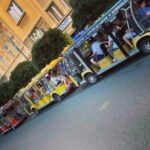
The headline benefit is simple: rides on Krakow’s buses and trams are free at any time of day. That matters because Krakow’s districts (Old Town, Kazimierz, and areas beyond the core) can be a pain to reach if you’re relying only on walking.
One helpful review also warned that tram travel is easy, as long as you have a detailed plan of lines and stops. I agree. Before you go, look up a transit map so you’re not standing at a stop trying to decode which tram actually gets you where you want. Once you’ve done that once or twice, the system becomes calm and predictable.
This is also where the pass feels like more than a museum ticket. It’s a “movement budget.” When transport is handled, you spend your time choosing sights, not calculating fares and change.
Museum and church highlights across Krakow’s main zones
The pass doesn’t just feed you one theme. It spreads across WWII memory, Jewish history in Krakow’s Kazimierz area, medieval and underground pathways, and plenty of art stops.
Here are the categories I’d use to plan your day:
- WWII and Holocaust-related sites: Oskar Schindler’s Factory and the Galicia Jewish Museum are core anchors. The Pharmacy Under the Eagle is also mentioned as part of this broader remembrance theme.
- Kazimierz and Jewish cultural heritage: the Galicia Jewish Museum fits here, and the surrounding area is where a lot of Krakow’s story gets personal fast.
- Old Town and underground medieval routes: Rynek Underground is described as a hidden route passing excavated merchant stalls—perfect when you want “Krakow beneath Krakow.”
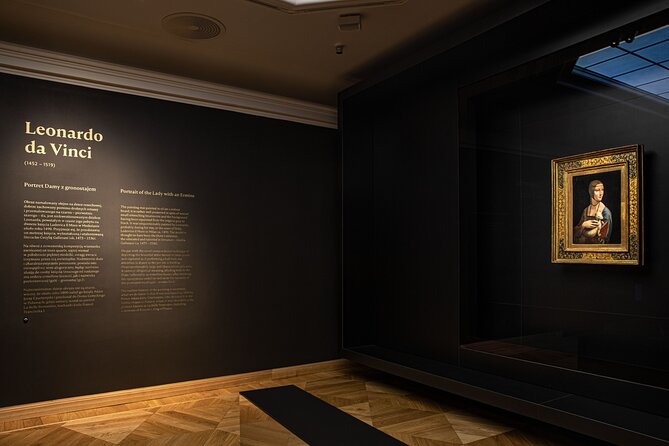
- Art museums and houses of artists: Czartoryski Palace Museum, the House of Jan Matejko, the Jozef Mehoffer House, MOCAK, and the Wyspianski Museum give you a strong line of visual culture.
- Church and cathedral-adjacent museum options: the pass includes churches and art galleries, and one review mentioned Wawel Cathedral access coming up in materials (with a note that an audio guide expectation didn’t match what staff offered). For places like this, I’d plan to confirm any extras on-site.
Then there’s the outdoor angle:
- Kościuszko’s Mound is free with the pass and comes with the payoff: a serpentine path and panoramic views toward the Vistula River.
Stop-by-stop: what to expect at each included attraction
Below is the order you can build around. Many visits are listed around an hour, but I’d treat that as “aim time,” not “you must leave exactly on the hour.”
You can also read our reviews of more museum experiences in Krakow


Church of St. Adalbert
This is a straight-up included church stop with about an hour allotted. Even if you’re not chasing architecture every day, it’s a nice way to break up museum density with something calmer and more local-feeling.
Consideration: religious sites often have their own rules and timing, so if you’re moving fast across multiple venues, keep this one early in your schedule.
Czartoryski Palace Museum
Czartoryski Palace Museum is included for about an hour. The palace setting matters here: you’re not just browsing rooms, you’re inside a landmark-type building where the atmosphere is part of the experience.
Why I like it for the pass: it fits neatly into a day of Old Town or center-area museum visits.
Ethnographic Museum (in a former town hall)
This stop is placed in Kazimierz and described as a 15th-century town hall later converted into a Renaissance building. That building story makes the museum feel connected to the neighborhood instead of something dropped in.
Practical tip: treat it as a “slow hour” stop. Ethnographic museums reward time you don’t rush.
Galicia Jewish Museum
This museum exists to commemorate Holocaust victims and celebrate Jewish culture from Polish Galicia, with Jewish history presented from a new perspective. It’s included for about an hour.
What to expect: this is emotional, serious material. If your day is packed, don’t schedule it as your last stop—give yourself enough time to process and still get around.
Home Army Museum (Muzeum Armii Krajowej)
Another included WWII-related stop with about an hour allotted. If you want a fuller picture than just one narrative, this kind of museum helps add context to Krakow-era resistance history.
Drawback to watch: if you’re already feeling museum fatigue, this is the kind of stop that can feel heavier when you stack too many “serious” venues back-to-back.
House of Jan Matejko (Krakow National Museum)
Included for about an hour. An artist house is a different vibe than a gallery: you often see the work in a more personal setting.
Why it works with the pass: it’s easy to pair with other National Museum branches, without needing to rethink transportation.
Jozef Mehoffer House (Krakow National Museum)
Also included for about an hour. Like Matejko’s house, it’s a chance to spend time with an artistic legacy in an environment that supports it.
Small scheduling win: houses of artists can be less overwhelming than large institutions, so you can keep your day under control.
MOCAK Museum of Contemporary Art in Krakow
Included for about an hour. Contemporary art tends to be a mood-shifter after WWII and historic sites. This is the kind of stop that can make the whole day feel less heavy.
Consideration: if contemporary art isn’t your thing, you may feel like this is “the filler museum.” If that’s you, swap it with another included art option on your pass.
Polish Aviation Museum
Included for about an hour. It’s a strong choice if you like objects, design, or technology-based museums more than painting-and-frames days.
Practical note: this can also be a good relief stop if you’ve had too much text.
The Archdiocesan Museum
Included for about an hour. Since the pass includes churches and art galleries, this fits the “church-adjacent culture” idea well.
What to expect: religious-adjacent artifacts and art collections. Like other museum-church hybrids, it’s best when you don’t rush.
Bishop Erazm Ciolek Palace (National Museum in Krakow)
Included for about an hour. Palace spaces naturally feel grand, even when the collection is smaller than a huge museum.
Why I’d keep it in a day plan: it adds a change of setting without requiring a long detour.
Kościuszko’s Mound (Kopiec Kosciuszki)
This one is free with the pass and listed at about 1 hour 30 minutes. The description says it’s an artificial mound with a serpentine path, plus panoramic views of the Vistula River and the city.
This is your “breather” stop. After indoor museums, you get outdoors air and a view that helps you orient yourself in Krakow.
Possible drawback: it’s a path up. If you’re worn out or traveling with limited mobility, build it earlier in the day so you don’t arrive too tired.
Hutten-Czapski Museum (Czapski Museum)
Listed as free with the pass and about 1 hour 30 minutes. It’s described as a branch of the National Museum in Krakow, spread across Czapski Palace and a house on Józefa Piłsudskiego Street.
Scheduling advice: because it’s a branch spread across locations, give yourself breathing room in case you don’t want to rush.
Wyspianski Museum – Szolayski Tenement House
Also free with the pass and listed at about 1 hour 30 minutes. The description says the National Museum in Krakow holds the largest and most valuable collection of Stanisław Wyspiański’s works, with about 900 works in the collection and around 500 on display as part of a major exhibition.
Why it’s worth leaning into: a focused artist museum can be easier than bouncing across many genres in one day.
Legends of Cracow (Legendy Krakowa)
Free with the pass, about 1 hour 30 minutes. This is a robotic show about Krakow legends, including the Wawel Dragon, Kinga and the salt mine in Wieliczka, Mariacki towers, the yellow boot, and the Sigismund Bell.
Who this suits best: if you like stories or you’re traveling with someone who gets less excited by museum labels, this can be a great reset.
Downside: it’s entertainment, not a traditional museum. If you want quieter, purely informational stops, you might not prioritize it.
Archaeological Museum (Nowa Huta branch in Branice)
Free with the pass and listed at about 1 hour 30 minutes. The description places it in Branice, in a manor and park complex in the Nowa Huta area. Written sources mention the village in 1250, and the site also shows evidence of settlement as early as the Neolithic age (around 6000 BC).
Practical consideration: it’s farther out than Old Town. You’ll want to plan it when you’re already moving in that direction, so you’re not burning transit time.
Gallery of 19th-Century Polish Art (National Museum in Krakow)
This is free with the pass and listed at about 1 hour. It’s located in the historic Cloth Hall on the Main Market Square and described as having masterpieces by leading Polish painters in rooms labeled Classicism, Romanticism, Academic Art, and Realism/Impressionism. The gallery description also mentions a terrace with a view of the square and modern amenities, while keeping access to over 200 paintings and sculptures.
Why I like it: it’s a “value combo”—big-square location plus art variety plus the option to pause on a terrace.
How to plan 1, 2, or 3 days so you don’t waste the pass
Because your pass is valid for consecutive dates, not hours, the goal is to start strong and then keep the day moving in a sensible cluster.
If you have 1 day: focus on one or two nearby museum zones and include one “anchor” emotional or visual stop (for example, Galicia Jewish Museum or Czartoryski Palace Museum), then add one art option and one church stop. End with Kościuszko’s Mound if you still have steam, because the view is a good way to close the loop.
If you have 2 days: this is where the pass often feels best. Build one day around WWII and Jewish cultural history, and build the second around art museums and Old Town/market-square choices. Use the free trams and buses to bridge districts without thinking about tickets.
If you have 3 days: add one out-of-core stop like the Archaeological Museum in Nowa Huta, plus an extra museum branch. This is the schedule that reduces stress because you’re not trying to cram everything into tight windows.
Two smart habits:
- Always check Monday closures before you choose your “Monday day plan.”
- Remember last admission is usually about 90 minutes before closing, so plan your last museum accordingly.
Discounts at restaurants and stores: small perks with real usefulness
Beyond museums and transport, the pass includes discounts at select restaurants, stores, and more. The exact deals aren’t listed here, so I’d treat it as a helpful bonus rather than a reason to buy.
Still, these small savings matter when you’re doing museum-heavy days and you’re buying a couple of meals on the fly.
Should you book the Krakow City Pass? My practical verdict
Book it if:
- You want to do a museum-heavy trip and you’re comfortable spending a big chunk of each day indoors.
- You’ll use the free trams and buses to jump between Old Town, Kazimierz, and other areas instead of relying only on walking.
- You’re traveling for 2 to 3 days and you can start earlier in the morning to use the pass efficiently.
Maybe skip it if:
- You’re in Krakow for just a few days and your plan is mostly walking, Old Town views, and one or two major stops.
- You hate the idea of coordinating timed entry at popular attractions that may require advance booking.
- You’re worried about Monday openings, since some museums don’t run that day.
One more quick note: there’s free cancellation available if your plans change, so you can book with less stress and sort out your schedule once you’re sure of your dates.
FAQ
How long is the Krakow City Pass valid?
You choose 1, 2, or 3 days, and the pass is valid for consecutive dates for the number of days selected.
What does the pass include?
It includes admission to 22 museums, plus free travel on Krakow buses and trams, and it may include discounts at select restaurants and stores.
Can I use the pass for public transport at night?
Yes. Free travel on trams and buses applies day or night.
Do I need to start early with the pass?
Yes. The pass is valid for dates, not hours, so it’s best to start using it earlier in the morning to fit more admissions into each day.
Are all museums open on Mondays?
No. Some museums don’t operate on Mondays, so you should plan your days accordingly.
What time should I plan to enter museums?
Last admission to exhibitions is usually 90 minutes before closing time.