REVIEW · KRAKOW
Auschwitz-Birkenau and Salt Mine Tour with private transport from Krakow
Book on Viator →Operated by Cracow Private Tour · Bookable on Viator
Two icons, one long day of contrasts. I like the hotel pickup convenience and the fact that admission is included, plus you get guided time at both sites—but it’s also a full-on, tiring day with a lot of walking and stairs.
This is a private tour, so it’s just your group, and you’re not wasting energy on trains, stations, or searching for meeting points. It runs about 11 hours total, includes transport and English speaking guidance, and it’s mostly about history and reflection rather than food stops—so plan ahead since food and drinks aren’t included.
In This Review
- Key things that make this tour work
- A Long, Meaningful Day From Krakow
- Hotel Pickup and Private Transport: Why It’s the Real Convenience
- Wieliczka Salt Mine: 3 km Underground and About 800 Steps
- What you’ll see on the tourist route
- The mine’s microclimate is part of the experience
- A real-world pacing tip
- Auschwitz-Birkenau: What Guided Time Helps You Do
- What “no rush” looks like in practice
- When You Should Do Wieliczka First (and When Not To)
- What the Tour Includes (and the Stuff You Need to Handle)
- The Price: Is $431.22 Worth It?
- Who This Tour Fits Best (and Who Might Want a Different Plan)
- Should You Book This Tour?
- FAQ
- What’s included in the Auschwitz-Birkenau and Salt Mine private tour from Krakow?
- Do I need to go to a meeting point?
- How long does the tour take?
- Are the tickets included for both Auschwitz-Birkenau and the Salt Mine?
- Is the tour offered in English?
- Is this a private tour or a shared group?
- Is food and drinks included?
- How much walking should I expect at the Wieliczka Salt Mine?
- How far in advance is this tour usually booked?
- Can I get a refund if I cancel?
Key things that make this tour work
- Door-to-door pickup means you skip the stress of meeting points in Krakow
- Admissions included helps you avoid time lost in ticket lines
- Guided Auschwitz-Birkenau with an unhurried feel so you can pause and reflect
- Wieliczka’s underground route covers about 3 km through up to 20 chambers (and roughly 800 stairs)
- Comfort-focused transport praised for timing, cleanliness, and keeping the day flowing
A Long, Meaningful Day From Krakow
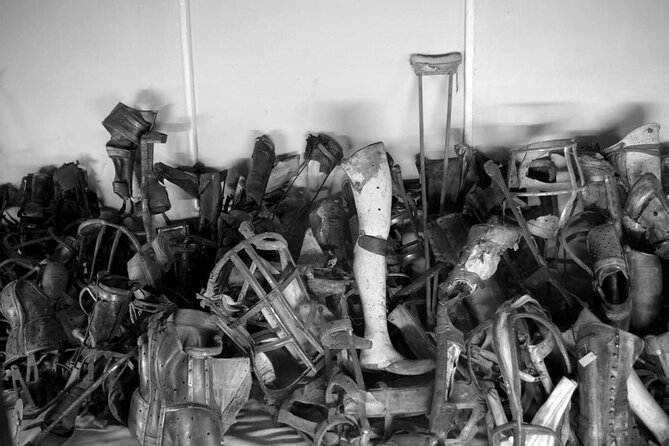
If you’re coming to Krakow for history, this is one of the most efficient ways to experience two heavyweight sites in a single stretch. Wieliczka Salt Mine is stunning and surprisingly accessible, while Auschwitz-Birkenau is deeply sobering. Done together, the contrast hits hard—in a way that stays with you.
The tour clock is about 11 hours. Each main site is scheduled for around 3 hours of visiting with guided support, leaving time for driving between the locations. That structure matters. When you’re moving between two very different places—bright, glittering salt chambers versus memorial spaces—you want the logistics handled so your brain isn’t also managing directions.
You’ll also appreciate that this is designed as a private experience. No crowds from other groups piling into your day’s rhythm. That usually means you can keep a calmer pace, especially at the salt mine when you’re working your way through staircases and viewpoints.
You can also read our reviews of more private tours in Krakow



Hotel Pickup and Private Transport: Why It’s the Real Convenience
Krakow can be easy to navigate, but tours like this are where convenience turns into comfort. This one includes pickup from your hotel and no need to go to a meeting place. For a day this long, that’s not a small detail—it’s the difference between starting relaxed or starting frazzled.
Transport is part of what you’re paying for. You’re getting round-trip driving, plus time management between the stops. In the real-world experience of this kind of day, the most helpful drivers do two things well: they keep the schedule under control and they reduce friction when you need a moment—bathroom, getting organized, or simply moving as a group without delays.
Some people also note practical touches between stops, like having water and snacks ready in the vehicle. Even if your exact setup varies, it’s smart to assume you won’t have long, planned meal breaks because food and drinks are not included. Treat the van as your buffer: use it to reset between sites.
Wieliczka Salt Mine: 3 km Underground and About 800 Steps
Wieliczka is the kind of place that reminds you travel isn’t only about seeing. It’s also about stepping into a world you didn’t know existed.
This mine has been operating for centuries, tied to the Cracow Saltworks. The salt itself is noted as dating back to the Miocene period, and the mine’s long timeline is one reason it feels layered rather than themed. You’re not just walking through attractions—you’re moving through a working story that spans from early extraction methods to the mining structures that developed over time.
What you’ll see on the tourist route
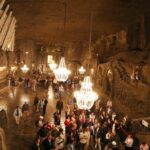
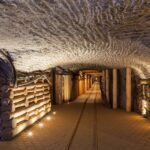
The underground tourist route is about 3 km, with around 20 chambers at depths up to about 135 meters. Plan on climbing down and climbing back up. The full route involves roughly 800 stairs, so your legs will know you did this tour.
A quick practical note: the mine is also listed at UNESCO (as part of the wider site context) and has been a major visitor destination for both Polish and international travelers for a long time. That matters because the tour is built around how people actually move through the space—there’s guidance, there’s pacing, and you’re less likely to feel lost.
The mine’s microclimate is part of the experience
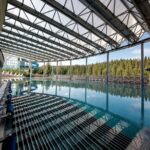
Here’s a detail that feels almost strange until you’re underground: Wieliczka is used for rehabilitation stays for people with upper respiratory tract issues and asthma. The mine’s environment is described with a constant temperature around 14–16 °C, plus high humidity and sodium chloride content. If you’re the kind of traveler who likes practical facts, this is one worth filing away because it explains why the air inside is so consistently cool and damp.
You’ll also learn about the chambers and the Cracow Saltworks Museum, which was established at the mine area in 1951. The underground route itself traces how this became a formal tourist path—especially the fact that the underground tourist route dates to the late 18th and 19th century, when chambers and visitors routes were shaped into what you can follow today.
A real-world pacing tip
Wieliczka can be a physical challenge even though it’s often described as family-friendly. One of the most repeated practical notes is that you should expect a serious chunk of walking and lots of stairs. So if you’re booking this combo tour, don’t schedule heavy activities for the rest of the day. You’ll likely need recovery time.
Auschwitz-Birkenau: What Guided Time Helps You Do
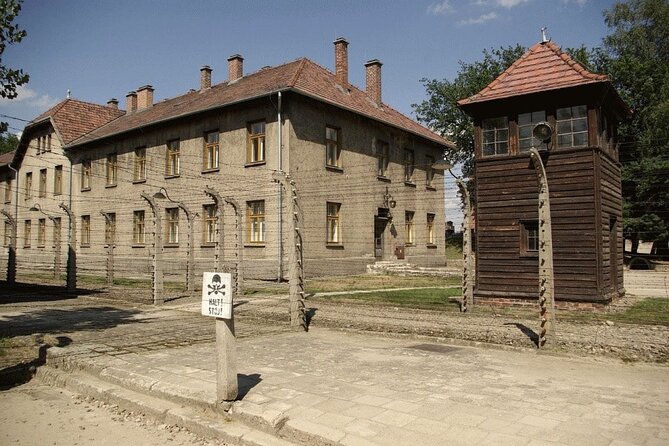
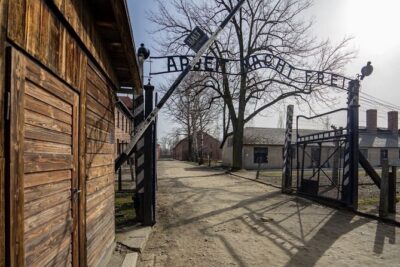
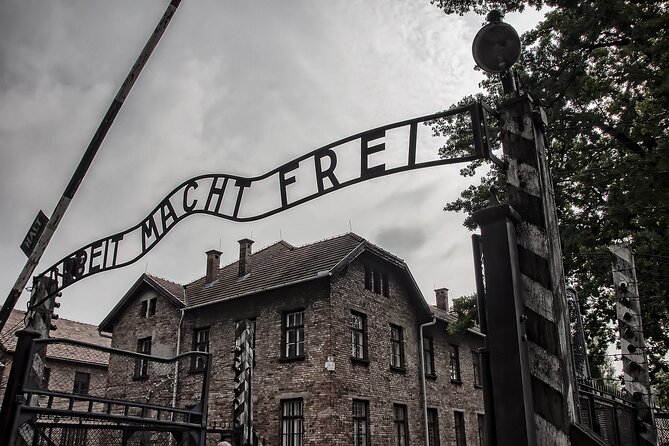
Auschwitz-Birkenau isn’t an “add to the itinerary” stop. It’s one of those visits where the guide’s role is less about entertainment and more about making sure you understand what you’re seeing.
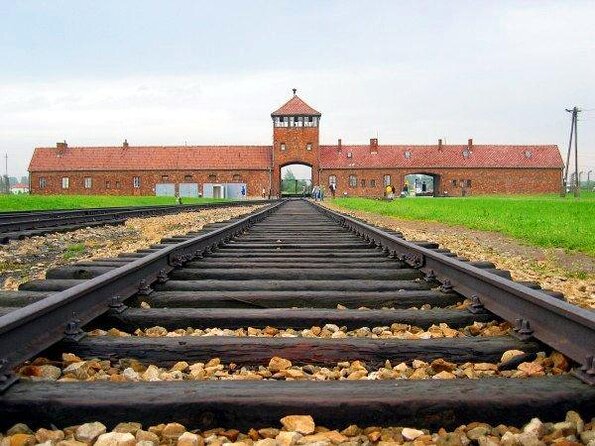
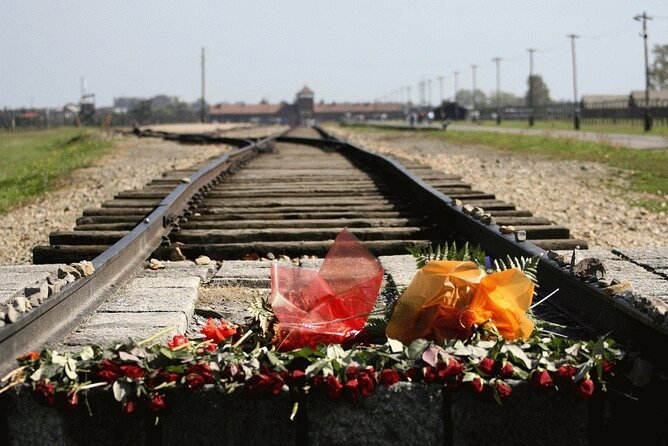
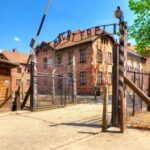
The camp is recognized as a UNESCO World Heritage site, and the scope is enormous. The information provided for the visit emphasizes that over 1.1 million men, women, and children lost their lives there. During the visit, you’ll see the conditions prisoners were forced to live in and how slave labor shaped daily life.
This is where the guided component becomes essential. When explanations are clear and pacing is respectful, you can take in the scale without feeling rushed past what you’re meant to process. Many people find it emotionally intense, and a good guide helps you find the balance between learning and reflection.
There’s also a difference in how “personal stories” are handled. The experience here focuses on the broader camp story and the museum created on site. That can make the scale harder to grasp until you see it in person, which is exactly why a guided visit matters.
What “no rush” looks like in practice
Some groups highlight that the Auschwitz guide is careful about giving space to mourn and pause, rather than pushing through the visit like it’s a checklist. That’s the kind of tour behavior you want here. If you’re traveling with family or someone who processes slowly, this matters even more.
If your Auschwitz guide happens to be someone named Agata (one name that’s been specifically praised), you can expect a detailed, calm approach with time to explain from multiple perspectives.
When You Should Do Wieliczka First (and When Not To)
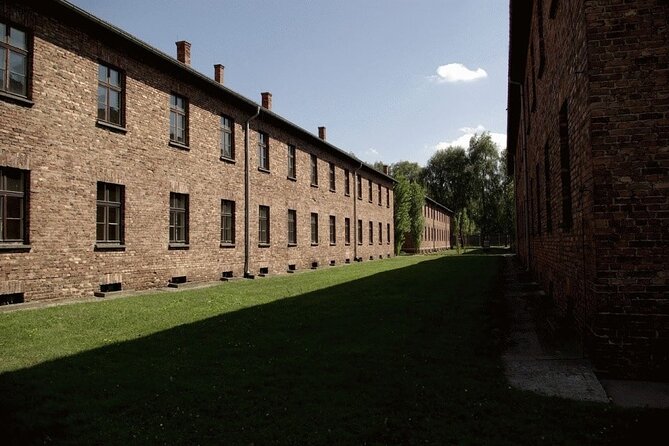
Doing Wieliczka first is often smart. Salt mine visits can be visually amazing, and they help you get moving before the emotional weight of Auschwitz. If your schedule allows, that ordering also gives you a chance to build momentum into the day—before you settle into the slower pace needed for memorial spaces.
That said, the “combo tour” format means you’re stacking two major experiences back to back. Even if each location is about 3 hours, the total day is long because you’re factoring in travel time and group movement.
So here’s my practical advice: treat this as the anchor event of your day. Plan a quiet night afterward, and consider getting some rest the day before. Multiple people stress that the day is tiring, even when everything runs smoothly.
What the Tour Includes (and the Stuff You Need to Handle)
Here’s the value you get, clearly:
- Transport during the tour time
- All admission and guide for the sites
- English speaking driver and tour leader
- Pickup from hotel
- Door-to-door service (no meeting point hassle)
And here’s what you need to plan:
- Food and drinks aren’t included
Because of that, I recommend you pack a realistic plan for meals. The tour is long enough that you may end up hungry at some point, even if you don’t love long restaurant searches. Some drivers handle this with helpful stop suggestions, but the tour price itself doesn’t cover meals. Bring water planning in mind as well, especially since the salt mine environment is cool and damp.
Also, wear shoes you can trust. You’ll be walking on guided routes and dealing with staircases at Wieliczka. If your usual vacation shoes are more fashion than support, swap them for something sturdier.
The Price: Is $431.22 Worth It?
$431.22 per person for an 11-hour private day with two guided visits can sound steep—until you break down what’s bundled.
What you’re really paying for is:
- Hotel pickup and private transport (less time wasted, fewer transfer hassles)
- Admissions handled for both sites (less queue stress)
- Guides included for both stops
- English speaking support across the full itinerary
If you tried to DIY this, you’d still spend time coordinating transit, ticketing, and guide bookings. And the whole point of a day like this is to reduce decision fatigue. You want to arrive, follow someone who knows how to pace the visit, and then move on without losing momentum.
Also, the tour offers group discounts. Even though it’s private, that suggests the operator is used to adjusting the cost story depending on your group size.
My bottom line: if you want a smooth day with admissions and guidance taken care of, this price can be fair. If your goal is pure budget travel and you’re comfortable planning every segment yourself, you could theoretically spend less. But you’ll likely spend time and mental energy—something you won’t want to do on a day this emotionally and physically demanding.
Who This Tour Fits Best (and Who Might Want a Different Plan)
This combo tour is a good match if:
- you want two major sites without juggling buses, trains, or transfers
- you prefer guided learning rather than trying to interpret everything on your own
- you’re okay with a long, tiring day and you can handle stairs and walking
Wieliczka is often described as a trip that can work for kids and adults, and the structure of the mine tourist route supports that kind of sightseeing. Still, the stairs count is real, so plan with that in mind.
Auschwitz-Birkenau is for anyone who wants to understand history in a direct way. Because it’s structured as a museum visit with guided explanation, it’s especially suitable for travelers who want context without having to hunt for it.
If you have very limited mobility or you’re not comfortable with intense walking, this might be more difficult than it looks on paper. The mine’s 800-stair estimate is the big clue.
Should You Book This Tour?
Book it if you value smooth logistics and guided visits in English for both stops. The hotel pickup, admissions included, and private format are the backbone of what makes the day feel manageable, even when it’s emotionally heavy and physically demanding.
Skip or rethink it if you’re the type who needs a lighter itinerary, or if you don’t like long days with lots of steps. In that case, it may be better to split the experiences across separate days so you can recover and process at a slower pace.
FAQ
What’s included in the Auschwitz-Birkenau and Salt Mine private tour from Krakow?
The tour includes transport during the tour time, all admission and guided visits, an English speaking driver and tour leader, and hotel pickup.
Do I need to go to a meeting point?
No. Door-to-door pickup is included, so you can be collected from your hotel and you won’t have to travel to a meeting spot first.
How long does the tour take?
The total duration is about 11 hours.
Are the tickets included for both Auschwitz-Birkenau and the Salt Mine?
Yes. Admission is included for both stops.
Is the tour offered in English?
Yes, it’s offered with English speaking driver and tour leader support.
Is this a private tour or a shared group?
It’s private. Only your group will participate.
Is food and drinks included?
No. Food and drinks are not included.
How much walking should I expect at the Wieliczka Salt Mine?
Expect a lot of walking and many stairs. The underground route involves about 800 stairs and a route length of about 3 km.
How far in advance is this tour usually booked?
On average, it’s booked about 34 days in advance.
Can I get a refund if I cancel?
No. The experience is non-refundable and cannot be changed for any reason.