REVIEW · KRAKOW
Krakow to Auschwitz Birkenau Guided Tour with Transfer and Ticket
Book on Viator →Operated by Welcome in Cracow · Bookable on Viator
Auschwitz isn’t a normal day trip. It’s a heavy, important visit to two UNESCO sites, run with a licensed English guide and door-to-door transport from Krakow. The value here is practical: you get the logistics handled and a museum-trained explanation that helps you make sense of what you’re seeing.
I especially like that you’re not stuck managing tickets, lines, or timing. Your Auschwitz I admission is handled in advance, so you’re not wasting the morning at the ticket office. And the pacing works: a guided walk through Auschwitz I, then a second guided walk at Birkenau with time to absorb what the site shows you.
One drawback to plan for: this is a long, emotional day with lots of walking and an outdoors-heavy second camp. If you’re sensitive to early mornings, motion, or long stretches on your feet, this tour may be tough.
In This Review
- Key things that make this tour worth your attention
- Why this Auschwitz-Birkenau trip is the right kind of planning
- Price and what you really get for around $35
- Door-to-door Krakow transfer: the part most people underestimate
- Auschwitz I: the first guided walk and the key sites you’ll face
- Birkenau (Auschwitz II): the longer walk, Death Gate, and the scale shock
- The guide experience: museum-trained teaching in English
- Group size, pace, and what a “7-hour day” feels like
- Rules that can trip you up if you ignore them
- Bags and what’s allowed
- Security checks
- Dress and on-site behavior
- Photos
- Lunch, snacks, and how to stay human through it
- Comfort tips for a day that’s both moving and demanding
- Should you book this Krakow to Auschwitz-Birkenau guided tour?
- FAQ
- How long is the Krakow to Auschwitz-Birkenau guided tour?
- Does the tour include round-trip transfer from Krakow?
- Are tickets included for both camps?
- Is the tour available in English?
- What about lunch?
- Are there rules about bags and backpacks?
- Do I need a passport or ID?
- Is the tour suitable for people with mobility issues?
- Can I cancel for free?
Key things that make this tour worth your attention
- Prebooked Auschwitz I tickets help you avoid ticket-office hassle
- Hotel pickup and drop-off keeps the day simple in Krakow
- Museum-guided route means you follow the official path inside the camps
- Birkenau focuses on the biggest concentration camp layout with key ruins and memorials
- Small-group format (typically 16–30, max 30) keeps the experience controlled
- Air-conditioned minibus/minivan transfers add comfort for the drive
Why this Auschwitz-Birkenau trip is the right kind of planning
If you’re coming from Krakow, your big question is usually simple: How do I do Auschwitz without turning the day into a stress circus? This tour answers that with straightforward logistics: pickup from a Krakow hotel or apartment area, a comfortable ride to the camps, two guided walks, then a drop-off back where you started in the city center.
The other big reason this works is the format. Auschwitz-Birkenau isn’t a place where you’ll get much from wandering with zero context. Here, the route is set by the museum, and you’re guided by English interpretation tied to museum rules. That matters because you’re not just reading plaques—you’re following an explanation that connects buildings, artifacts, and locations into one story.
And yes, it’s heavy. That’s not optional. But “heavy” is different from “chaotic.” The goal is a respectful visit that stays organized enough for you to focus.
You can also read our reviews of more tours and experiences in Krakow


Price and what you really get for around $35
At about $35.07 per person, this is positioned as a budget-friendly way to cover both camps with transport and English guidance. That price point matters because the hard part of visiting Auschwitz is rarely the ticket—it’s the end-to-end coordination: timing, getting there, finding the right entrance flow, and staying on schedule between two separate areas.
What you should treat as part of the value:
- Two camp visits with licensed English guidance (Auschwitz I + Auschwitz II Birkenau)
- Round-trip transfer from your Krakow accommodation area
- Tickets arranged in advance so you don’t queue at Auschwitz I’s ticket office
- Air-conditioned vehicle for the ride
What isn’t included is also part of the math. Lunch is not included in the package. That said, you can order lunch boxes through the operator for an additional fee (and there’s limited snack access at the parking lot). If you plan snacks or choose a lunch pack, the day runs more smoothly.
Door-to-door Krakow transfer: the part most people underestimate
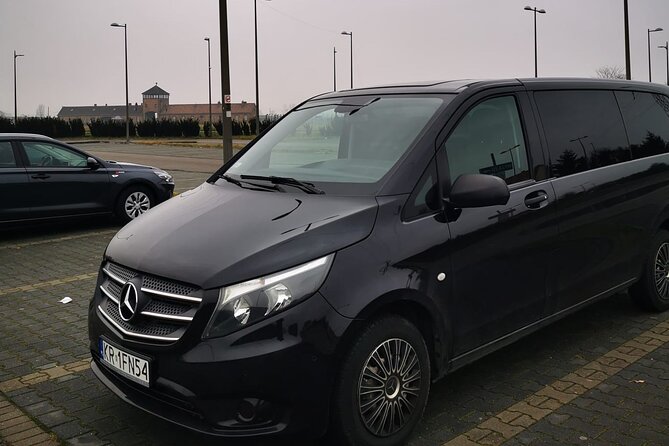
The drive from Krakow to Auschwitz takes about 1.5 hours each way, depending on weather and road conditions. This tour runs with minibuses and minivans, and the company notes the schedule can shift slightly due to those conditions.
What I like for your peace of mind:
- Pickup is arranged from the closest reachable point if your hotel sits in a restricted traffic zone.
- You receive vehicle details the day before, including the driver’s phone number and the vehicle color.
- Drop-off returns you to your Krakow accommodation or a City Centre point.
A small but real tip: because the camps operate on strict entry limits, pickup times can be adjusted within museum constraints. So don’t stack appointments for later the same day. One of the easiest mistakes in Krakow is treating this like a normal “morning activity.” It’s not.
Also, if you’re prone to motion sickness, tell the operator beforehand. They specifically ask you to notify them if car travel affects you.
Auschwitz I: the first guided walk and the key sites you’ll face
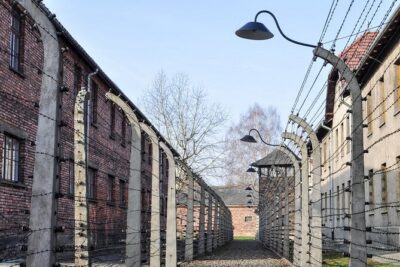
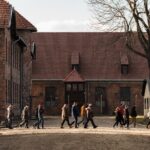
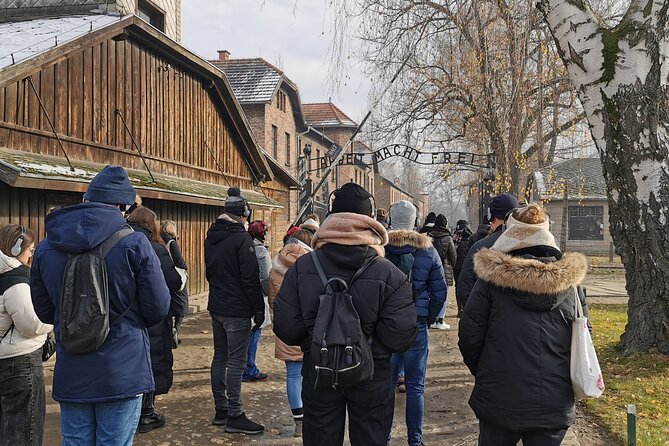
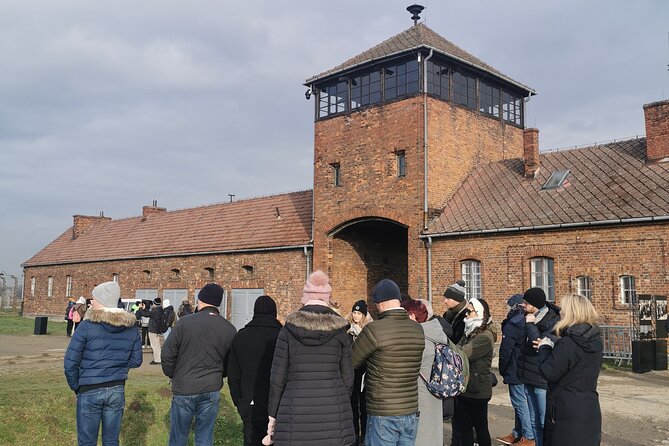
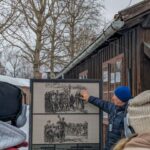
Your day starts with pickup, then you arrive and meet your guide at Panstwowe Muzeum Auschwitz-Birkenau. The guided portion at Auschwitz I runs about 1 hour 45 minutes (and the Auschwitz I ticket is included).
Here’s what you can expect to see during that first camp walk:
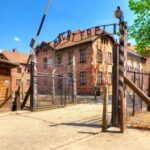
- The gate Arbeit macht frei
- The last surviving gas chamber
- Exhibitions with photos and remains of prisoners
The “why this matters” part: Auschwitz I includes the administrative and more preserved sections, and it’s where many visitors first grasp how the system was organized. A guide helps you connect the physical locations to what the exhibits explain, instead of treating each corner like a separate story.
Practical note: the tour is not designed for long bathroom breaks. Build in extra time before you meet the group. Wear shoes you can walk in for a while.
Birkenau (Auschwitz II): the longer walk, Death Gate, and the scale shock
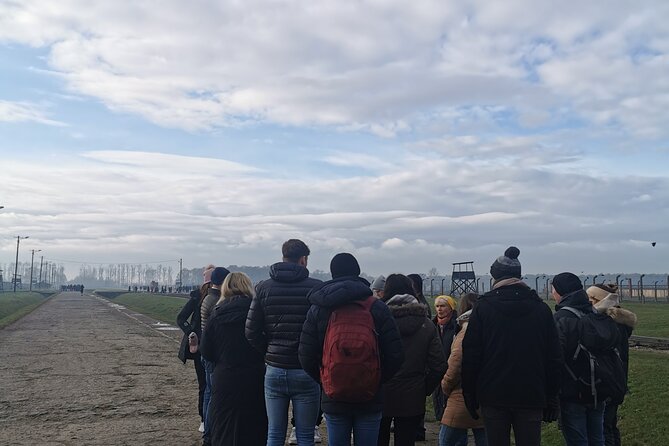
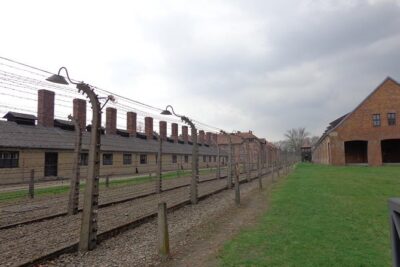
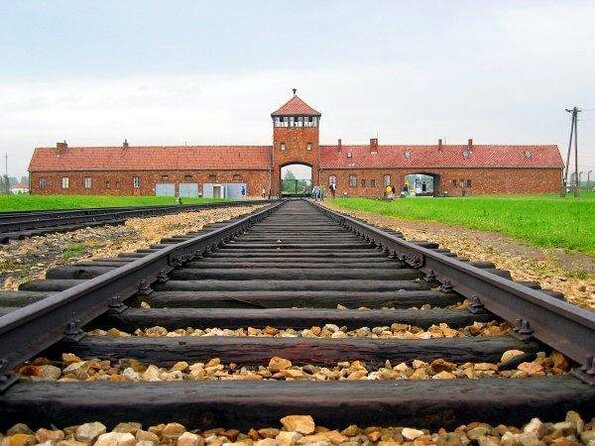
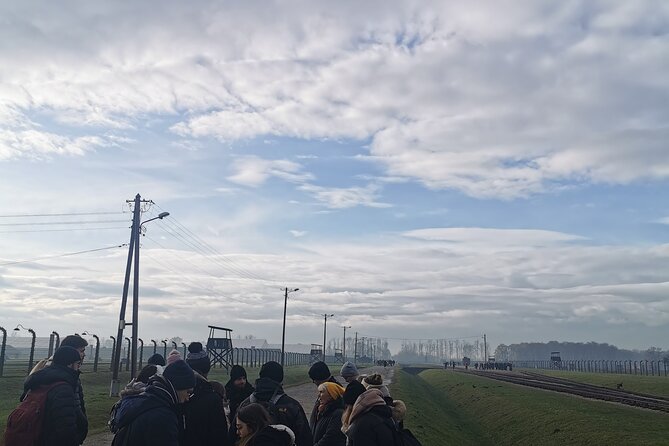
After a break, the driver takes you from Auschwitz I to the second site, Auschwitz II Birkenau. You meet the guide again at the entrance gate and then walk for just over an hour with the guide.
The tour highlights here include:
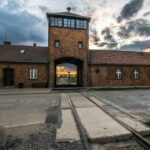
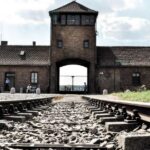
- Death Gate with the tracks leading into the camp area
- The unloading ramp where trains arrived with prisoners
- The ruins of gas chambers and crematoria
- The monument to victims of the Holocaust
- Buildings where prisoners lived
Birkenau is where the scale lands in your body. Auschwitz I can feel dense and close; Birkenau is open in a way that can make the suffering feel even larger. Since the operator notes you’ll spend up to 70% of your time outdoors—especially at Birkenau—dress for the weather and bring water.
There’s another practical thing: photography is generally allowed, but flash inside buildings is strictly prohibited. The guide will set expectations for what’s okay as you go.
You can also read our reviews of more guided tours in Krakow
The guide experience: museum-trained teaching in English
This isn’t the kind of tour where you get a random narrator. The tour data says the guides are trained by the museum and are its employees. If a specific language guide isn’t available, the museum allows interpreters from partner companies who accompany the museum guide—also with strong English.
In past experiences, names like Ava and Joanna have shown up as guide examples. Don’t expect the same person every time, but do expect that your guide is using the museum’s structure and terminology.
Also important: the tour route is determined by the museum, and the tour operator doesn’t control it. Translation: the experience may feel fixed, but that’s exactly what you want at a site with heavy regulation and a set historical path.
Group size, pace, and what a “7-hour day” feels like
This is a standard group format recommended by the museum, typically 16 to 30 people, with a maximum of 30.
Your total tour time is listed at about 7 hours (approx.). That includes the transport, the two guided segments, and the museum flows. The result is a day that runs like a schedule—not like a free-form sightseeing stroll.
What you should plan for:
- A couple of walking-heavy blocks
- Limited time for a “real lunch break”
- Moving between two separate camp areas
If you’re the type who hates pressure, this could still work because the plan is clear. If you want long pauses for wandering, you’ll have less control than you might in Krakow’s Jewish Quarter or the old town.
Rules that can trip you up if you ignore them
Auschwitz has multiple checkpoints and restrictions. The tour data is pretty direct about what can cause problems if you’re unprepared.
Bags and what’s allowed
Entry isn’t allowed with large bags or backpacks. The maximum permitted size is 30cm x 20cm x 10cm. The tour notes that you can leave bags in the locked car.
If you’re traveling with a bigger daypack, plan ahead. Keep only what you need on your person—water, a snack, and a layer for the weather.
Security checks
Expect a security check similar to airport procedures before entering the museum grounds.
Dress and on-site behavior
A smart casual dress code is advised. More importantly: you’re expected to behave respectfully and appropriately. The rules also specify no eating, no smoking, and no disruptive behavior on the museum grounds.
Photos
Photography is generally permitted with some exceptions. Flash inside buildings is strictly prohibited.
These rules aren’t there to be annoying. They exist because Auschwitz is a functioning museum with controlled access.
Lunch, snacks, and how to stay human through it
Lunch is not included. The tour explains why: there isn’t ample time for a regular lunch break between Auschwitz I and Birkenau.
You have two workable options:
- Bring your own snack and water
- Order a lunch box through the operator for an additional fee
The practical detail I’d follow: at the parking lot, you only get vending-machine snacks, and the restaurant is under construction. So if you want something more than a quick bite, the lunch-box option is the smoother plan.
Also, because the day is outdoors-heavy at Birkenau, snack timing matters. If you wait until you’re starving, you’ll feel it during the emotional parts.
Comfort tips for a day that’s both moving and demanding
This isn’t a museum where you can sit down every ten minutes. The tour data explicitly warns it’s not recommended for people with mobility issues due to a lot of walking.
If you can walk comfortably, still take it seriously:
- Bring comfortable walking shoes (many people learn this the hard way)
- Dress for cold or sun since up to 70% of the time can be outdoors
- Bring water
- Keep the small-bag limit in mind
One more practical note: the tour system uses messaging apps for confirmation and communication. If you use WhatsApp, Viber, Signal, or Telegram, you’ll likely get details that way. If you don’t, you’ll get email (check spam folders).
That sounds minor until you’re trying to find your pickup point.
Should you book this Krakow to Auschwitz-Birkenau guided tour?
I’d book it if you want three things: English guidance, transport from Krakow, and a visit that’s organized around the museum’s rules. At this price level, you’re paying mostly for the logistics and the structure. That’s what makes the day workable.
Skip it—or think carefully—if any of these apply:
- You can’t handle long walking time and outdoors exposure, especially at Birkenau
- You need lots of flexibility to change your schedule once the day starts
- You prefer visiting with total independence rather than a fixed museum route
If you’re coming from Krakow and you want the day to feel respectful, clear, and stress-free on the planning side, this is a solid choice. Pack light for the bag rules, bring water, and treat the day like the event it is.
FAQ
How long is the Krakow to Auschwitz-Birkenau guided tour?
It’s listed at about 7 hours (approx.), including travel time and visits to both Auschwitz I and Auschwitz II Birkenau.
Does the tour include round-trip transfer from Krakow?
Yes. The tour includes pickup from your hotel/apartment/hostel in Krakow (from a defined area) and drop-off back in Krakow city center or at your accommodation.
Are tickets included for both camps?
Auschwitz I entry ticket is included, and the Birkenau (Auschwitz II) admission is listed as free for this tour.
Is the tour available in English?
Yes. It offers an English-speaking guide and an English-speaking driver.
What about lunch?
Lunch is not included. The operator notes there isn’t much time for a regular lunch break, but you can bring a snack or request a lunch box for an additional fee.
Are there rules about bags and backpacks?
Yes. Large bags and backpacks aren’t allowed. The maximum size allowed is 30cm x 20cm x 10cm, and you may leave bigger items in your locked car.
Do I need a passport or ID?
The museum requires verification of personal information, so you should bring your passport or identification card, as it might be inspected on entry.
Is the tour suitable for people with mobility issues?
The tour states it isn’t recommended for people with mobility issues due to a lot of walking.
Can I cancel for free?
Yes. Free cancellation is available if you cancel at least 24 hours before the experience’s start time for a full refund. If you cancel less than 24 hours before, the amount is not refunded.