REVIEW · KRAKOW
Krakow: Auschwitz-Birkenau Guided Tour with Transportation
Book on GetYourGuide →Operated by Discover Cracow · Bookable on GetYourGuide
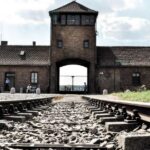
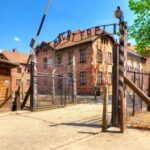
Auschwitz deserves your full attention, and this tour helps you focus. I like the hotel pickup setup and air-conditioned coach ride, and I like that you enter via the Arbeit Macht Frei gate with a licensed local guide rather than trying to figure it out on your own. You’re also given structured time for the exhibits, including personal belongings and photographs, so the place doesn’t feel like a random maze.
One thing to plan for: the schedule can start as early as 3:00 AM, and the sites involve a lot of walking on uneven ground. If you’re sensitive to early wake-ups or long days, this is the part that may test you most.
In This Review
- Key highlights I’d prioritize
- Getting to Auschwitz from Kraków without burning your whole day
- The coach ride: film, context, and the tone for what’s ahead
- Auschwitz I: walking the beginning of the system
- Auschwitz II-Birkenau: the scale you feel in your legs
- The exhibits that connect history to real people
- Guided by real pros: English delivery and compassionate tone
- Transportation and timing in Kraków: how the day starts and ends
- What to bring (and what to wear) for a long, uneven day
- Price and value: how $20 fits an 8–9 hour day
- So… should you book it?
- FAQ
- How long is the Auschwitz-Birkenau guided tour with transportation?
- Is hotel pickup included?
- Do I need to buy tickets in advance?
- What language is the guide?
- What will I see during the visit?
- Where do I meet the tour?
- Is this tour suitable for people with mobility impairments?
Key highlights I’d prioritize
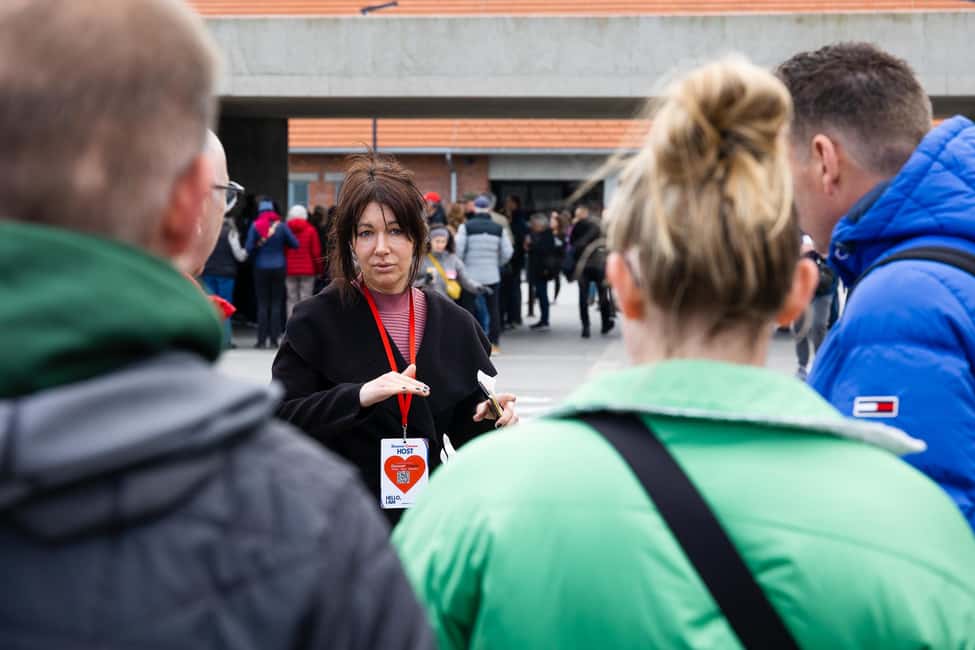
- Arbeit Macht Frei gate visit led by a licensed local guide (not a generic narration)
- Auschwitz I + Auschwitz II route with guided time at both sites
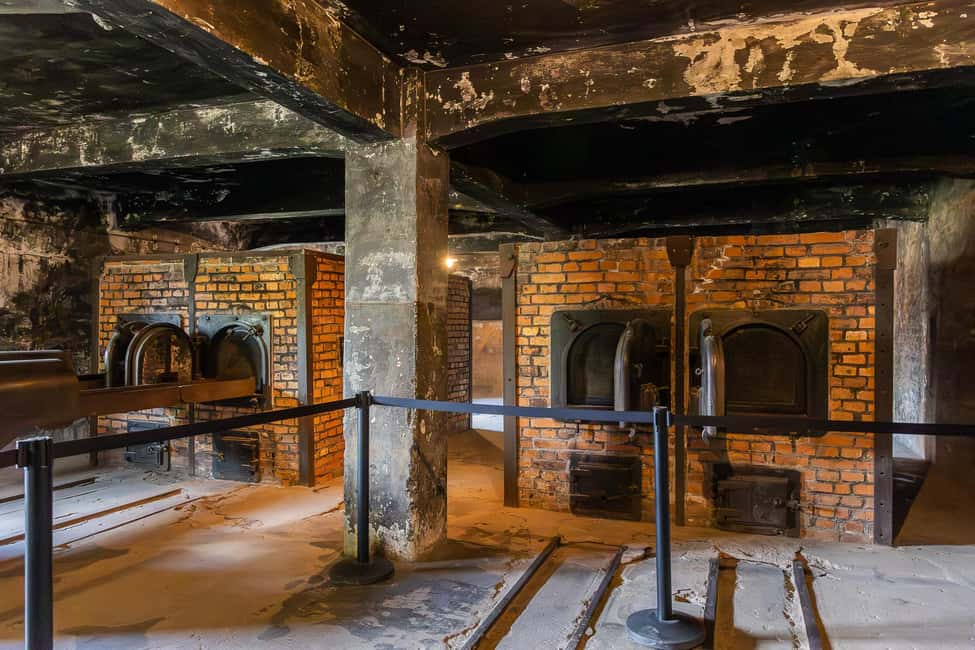
- Original barracks, crematoriums, and gas chambers plus exhibits with personal artifacts and photos
- Skip-the-ticket-line approach, with fewer delays than day-of entry attempts
- English-language guiding with strong communication reported by many guide-team members (John, Cyprian, Dorotta, Natalia, Norbert, and others)
Getting to Auschwitz from Kraków without burning your whole day
This is an 8–9 hour outing that starts early on purpose. Pickup can be as early as 3:00 AM, and while you choose a preferred start time, the exact pickup is only confirmed the day before. That sounds intense, but it’s actually what buys you something valuable at Auschwitz: a calmer arrival and better timing for the guided route.
The transport part matters more than it sounds. You’re riding in an air-conditioned coach, and the day is organized so you’re not spending your limited time searching for meeting points or rerouting midstream. You’ll also want to brace for how emotionally heavy the content is, so having the logistics handled is a real benefit. A few guides (like Cyprian, John, and Norbert, based on past guide reports) are noted for setting a serious, caring tone right from the start, which helps the whole day feel controlled and respectful rather than chaotic.
You can also read our reviews of more guided tours in Krakow
The coach ride: film, context, and the tone for what’s ahead
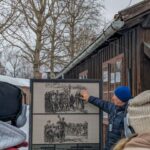
You’re not dropped off into the silence without preparation. During the coach ride, you’ll hear historical insights, and there’s often a film shared on the way. That context is useful because Auschwitz can look like a collection of buildings at first. With a quick framework in place, your eyes start connecting the dots before you even reach the memorial.
I also like the human rhythm of this kind of tour. The best guides don’t only talk; they pace the group. In guide reports, clear communication is a recurring theme—messages before pickup, updates on timing, and guidance on what to expect at meeting points. Some guide-team members specifically used WhatsApp to keep everyone aligned, which is helpful when the schedule is long and the start time is very early.
Auschwitz I: walking the beginning of the system
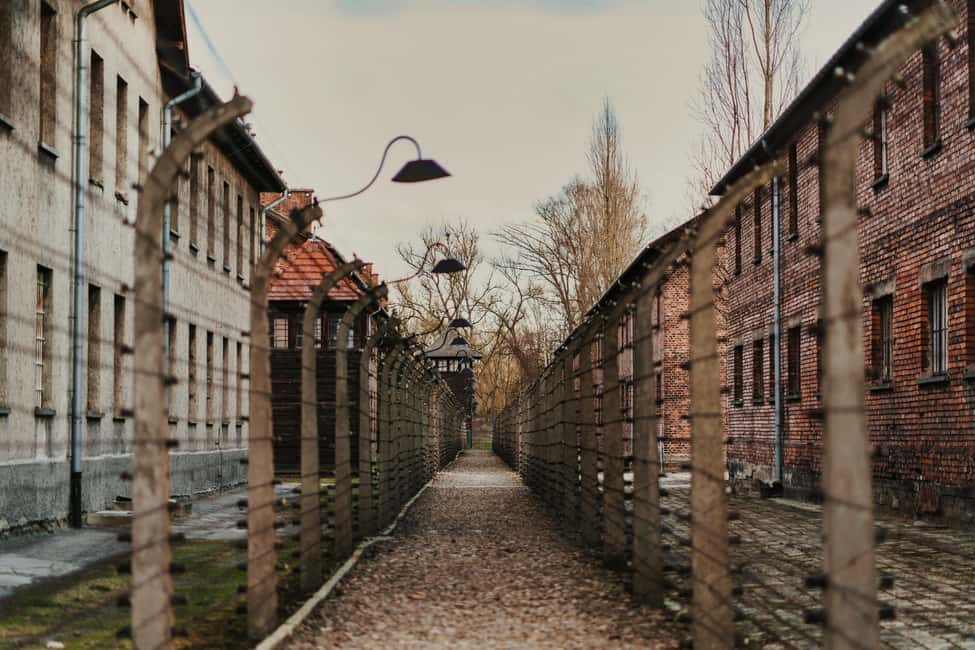
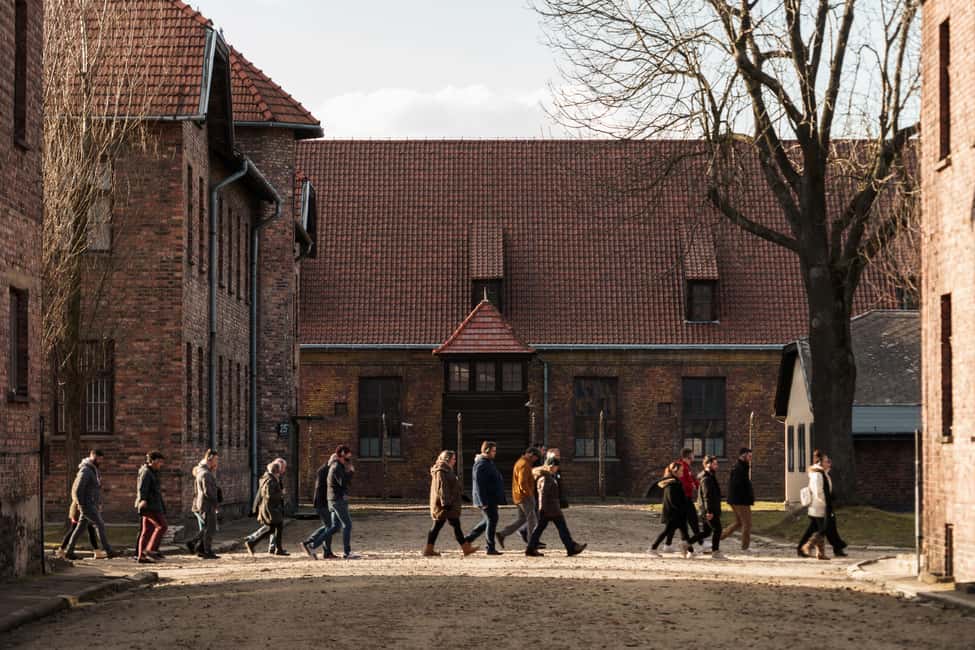
Auschwitz I is where you get the foundational look at how the camp system worked. You’ll spend about 2 hours on a guided route here, which is long enough to absorb the major features without feeling like you’re rushing past the key story beats.
What makes Auschwitz I important is that it’s not just “more buildings.” It’s a place where you start to understand the logic of the camp and the layers of control and terror that followed. With an English-speaking licensed guide, you’ll see original areas and learn what you’re looking at—rather than just reading placards and trying to translate them yourself.
The emotional weight is unavoidable. The difference is whether your visit feels like a checklist. A recurring compliment in the guide reports is that guides set a respectful tone and keep things structured, which helps you hold your attention without feeling pushed through. If you have questions, this is usually the time to ask, but don’t expect a “museum tour” pace where everything is light and casual.
Auschwitz II-Birkenau: the scale you feel in your legs
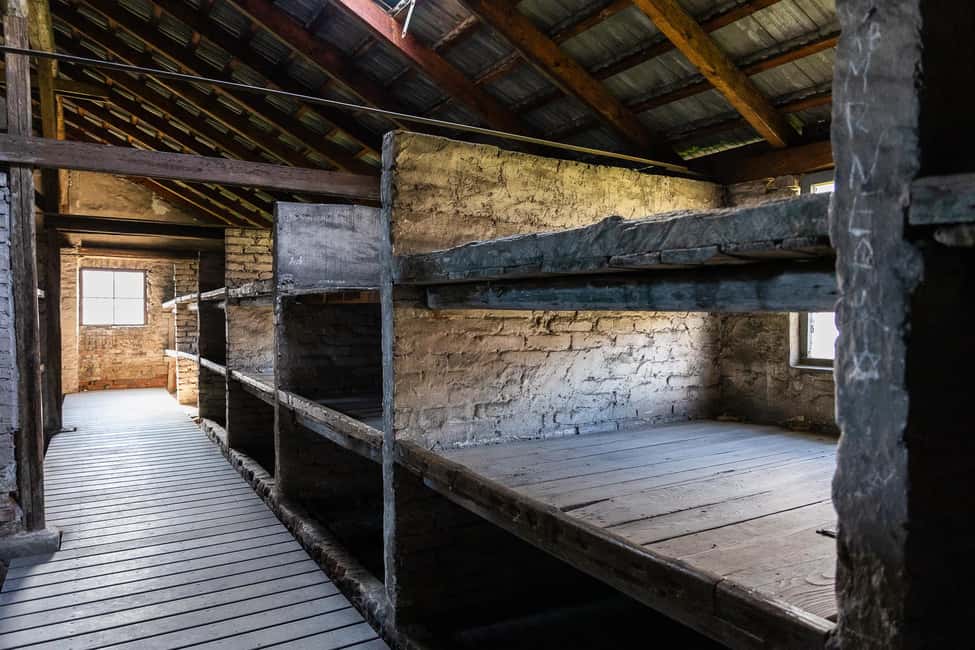
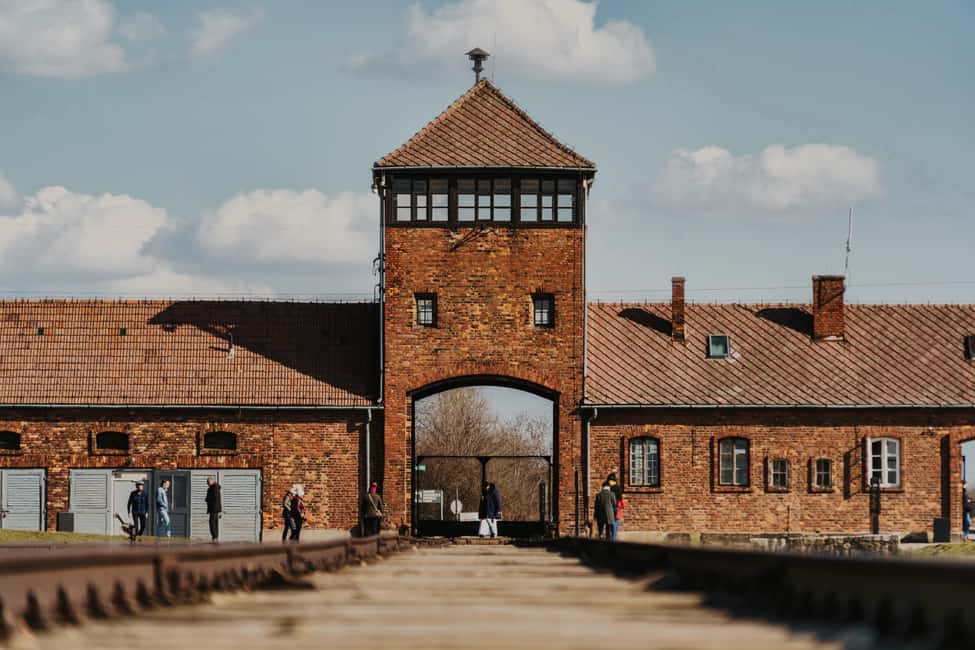
Then you move to Auschwitz II-Birkenau, and that’s where many people realize the camp wasn’t built to hold you briefly. It’s enormous, and the route takes about 75 minutes with a guide.
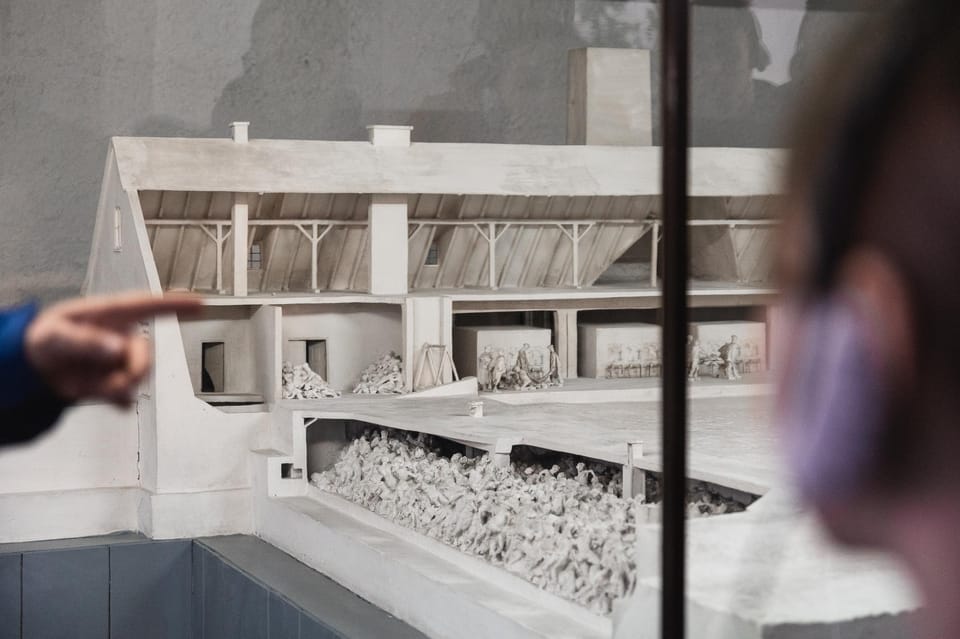
This section is especially important because Birkenau shows the system at industrial scale—how the geography of the camp shaped daily life and death. You’ll see original barracks and, across the overall visit, the crematoriums and gas chambers. Even if you’ve read or watched documentaries, being there changes your sense of proportion. You’re not dealing in abstractions anymore.
Practical tip: wear shoes that can handle uneven ground. Several guide reports mention rough walking surfaces, and rain can make it slick. The memorial’s own pace and timing also control how long you spend in each spot, so try not to plan anything right after this tour. Your body will feel the day, and your mind will likely replay parts of it later.
The exhibits that connect history to real people
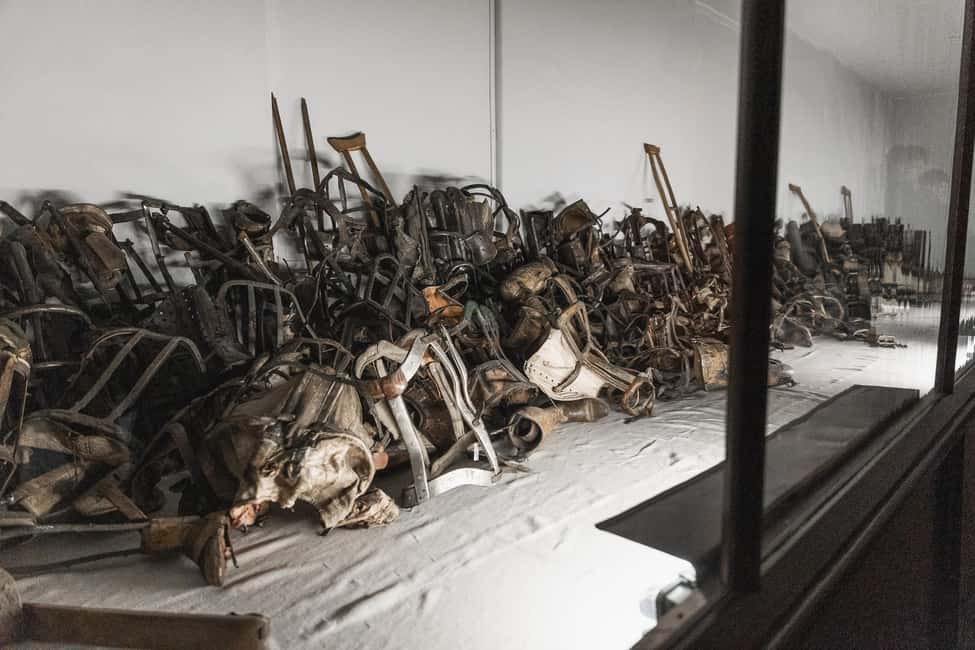
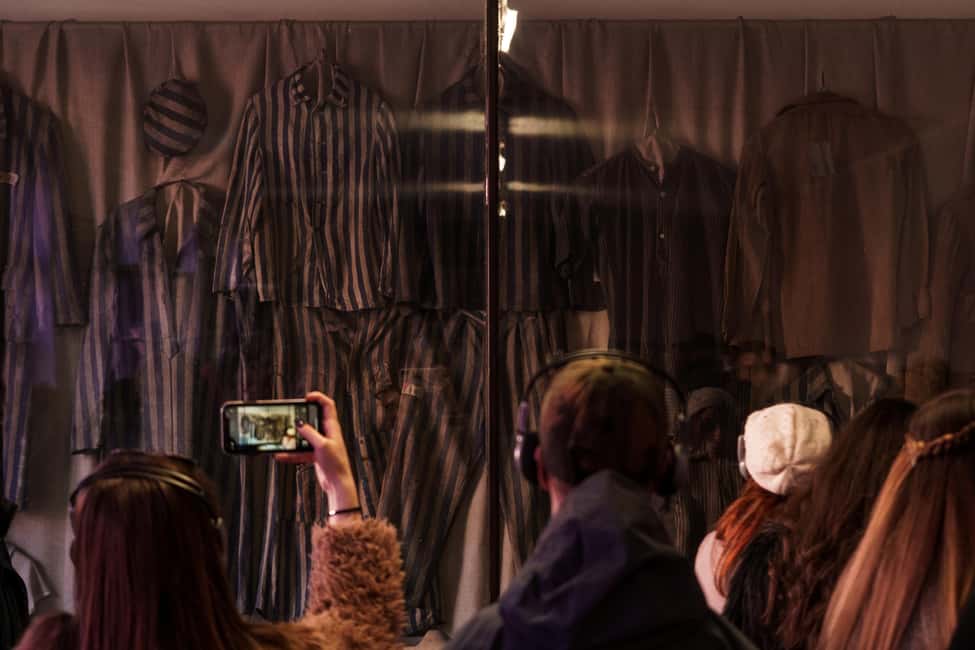
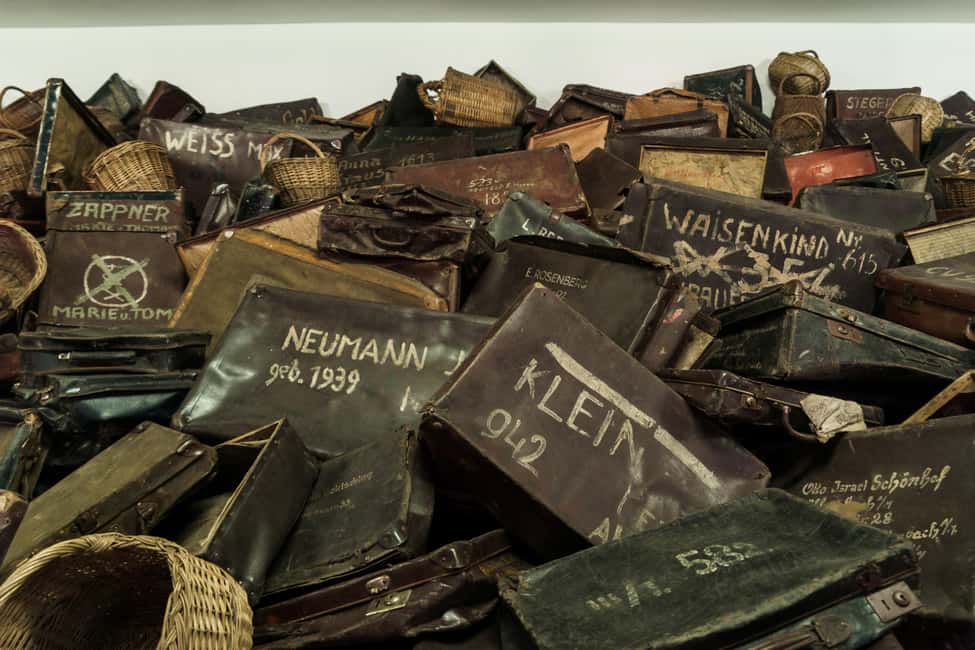
Auschwitz isn’t just space and structure. One of the most powerful parts of this experience is the focus on personal belongings, photographs, and museum exhibits. You’ll have a break time of about 30 minutes at the memorial and museum area, and during the guided experience you’ll also work through the display content.
This is where you’ll start understanding the violence wasn’t random. It was targeted, documented, and systematized—down to everyday objects and recorded images. The photos and belongings are not presented as shock tactics; they’re there to restore identity, even when the system tried to erase it.
If you’re the type who likes to look slowly, don’t fight the schedule. The pace is set by the memorial’s visitor service, and your best strategy is simple: pick one or two moments where you slow down and really take in what’s in front of you. The rest will move faster than you’d like, but the guided framing helps you not miss the meaning.
Guided by real pros: English delivery and compassionate tone
This tour leans heavily on the guide experience. It’s an English-speaking licensed local guide, and in guide reports you’ll see repeated praise for clarity and sensitivity—especially from guides such as John, Cyprian, Dorotta/Dorota, Natalia, Norbert, and Ilona. Some teams also include a translator setup (for example, a report mentioning Mathieu with translator John), which is useful when English delivery needs extra support.
What you should care about: a good guide doesn’t just recite facts. They explain what you’re seeing in plain language and help you stay oriented. They also create space for reflection instead of turning it into a speed-run of information.
There’s also a practical upside: guides and tour managers often help coordinate meeting points and timing. Several reports highlight frequent updates and clear instructions before pickup and during the day, which reduces stress when you’re dealing with an early departure and a strict flow of entry and movement.
Transportation and timing in Kraków: how the day starts and ends
Pickup works either from a central Kraków meeting point or directly from your hotel. If you’re near the Old Town or Kazimierz, note that those areas are restricted traffic zones, and the operator may contact you to confirm the nearest possible pickup point. That’s worth confirming early so you don’t walk into the wrong street at 2:00 or 3:00 AM.
Meeting point details are straightforward: look for the K+R sign, and the coach waits with a sign in the front window reading Discover Cracow Auschwitz Tour. Drop-off is listed as two Kiss&Ride locations in Kraków.
One thing to remember: pickup time isn’t guaranteed in the way you might expect. It can vary, sometimes by about 15 minutes in some reported experiences, and the correct start time gets confirmed the day before. Build in some flexibility and keep your ID ready, because entry rules are strict.
What to bring (and what to wear) for a long, uneven day
Bring your passport or ID card. Entry can be refused if the name on your booking doesn’t match the name on your ID exactly.
For comfort, prioritize comfortable shoes and weather-appropriate clothing. The ground is uneven, and rain can make it more slippery. Since this is a full day with limited downtime, dressing for the weather is how you protect your energy and your ability to focus.
Food: time is limited on-site. One guide report specifically suggests bringing a packed lunch because restaurants at the destination can have long queues and there isn’t much spare time built into the day. If you want to minimize stress, do that. If you prefer buying something, at least plan for the possibility of waiting.
Price and value: how $20 fits an 8–9 hour day
This tour is listed at about $20 per person, which is unusually low for a day that includes coach transport, a licensed local guide, and guided access across both Auschwitz sites. The value comes from what’s included: transportation plus structured guidance plus the core memorial route, not just a transfer.
Two cautions that affect value in the real world:
- Skip-the-ticket-line is part of the plan, but if online reservations aren’t available, you might have to wait in line for tickets on the day. One report notes that waiting can stretch to a few hours on last-minute tours.
- The pace and duration at the memorial are determined by the memorial’s visitor service. That means you may feel the schedule is tight, even if the overall organization runs smoothly.
If you book ahead and show up ready for an early start, the low price can feel like a win. If you’re booking very late, the ticket-line risk can reduce the value, even though the tour operator can’t control ticket availability.
So… should you book it?
I’d book this tour if you want an organized day that protects your time, gets you into the sites with an English-speaking licensed guide, and keeps the visit respectful and structured. It’s especially a good fit if you’re worried about navigating the memorials on your own or you want someone to explain what you’re seeing as you walk it.
I’d think twice if you need a later start, dislike long early pickup windows, or have mobility limitations. The tour isn’t suitable for people with mobility impairments, and the walking can be demanding.
FAQ
How long is the Auschwitz-Birkenau guided tour with transportation?
The duration is listed as 8–9 hours.
Is hotel pickup included?
Pickup is available either from a central Kraków meeting point or from your hotel (if your area allows it). You’ll get pickup details based on the option you select.
Do I need to buy tickets in advance?
The tour is designed to skip the ticket line. However, if online Auschwitz reservations are unavailable, you may need to wait in line for tickets, and waiting time can be up to a few hours on last-minute departures.
What language is the guide?
The tour includes a live guide in English.
What will I see during the visit?
You’ll visit Auschwitz-Birkenau and see original barracks, crematoriums, and gas chambers, along with exhibits showing personal belongings and photographs.
Where do I meet the tour?
Look for the K+R sign, where the bus will wait with a front-window sign reading Discover Cracow Auschwitz Tour.
Is this tour suitable for people with mobility impairments?
No. It’s not suitable for people with mobility impairments.