REVIEW · KRAKOW
Schindler’s Factory Guided Tour in Krakow & skip the line ticket
Book on Viator →Operated by SeeKrakow Day Tours · Bookable on Viator
A wartime story you can’t shake. In Krakow, this guided visit turns a museum into a timeline you can walk through. You get guaranteed skip-the-line access, plus an English-speaking guide to connect the artifacts to the people.
I like two things most: the tour’s focus on Kraków under Nazi occupation 1939–1945 through the real Oskar Schindler enamelware factory setting, and how it lays out the story step-by-step—from before the war to the arrival of the Soviet Army in 1945. It’s also emotionally direct, with accounts tied to the Jews of Krakow and the fate of families and communities.
One thing to consider: this is typically a small-in-space, big-in-group experience. Several visitors struggled to hear in tight rooms (and note that headsets weren’t being provided), so if good audio is a must for you, you’ll want to plan accordingly.
In This Review
- Key things to know before you go
- Why Schindler’s Factory hits differently in Krakow
- Entering the factory: what you’ll actually see
- The guided pace: 1.5 hours that can feel both helpful and rushed
- Skip-the-line entry: the real value of the ticket
- Hearing the guide in small rooms: headsets are the sticking point
- How the storyline connects to Krakow’s WWII map
- Price and logistics: what $42.95 buys (and what it doesn’t)
- Who should book this guided ticket
- Should you book the Schindler’s Factory guided tour?
- FAQ
- How long is the Schindler’s Factory guided tour?
- Is the tour offered in English?
- Does the ticket include admission to the museum?
- Does this ticket include skip-the-line access?
- Are food and drinks included?
- Is hotel pickup or drop-off provided?
- Are headsets provided during the guided tour?
- Can children attend?
- FAQ
- Is this experience refundable?
- Is the museum near public transportation?
- Are service animals allowed?
- What if the minimum traveler count isn’t met?
Key things to know before you go
Skip-the-line entry saves time when the museum is busy.
One main stop, tight timing gives you a structured visit in about 1.5 hours.
The story is chronological from the month before the war to 1945.
It covers the ghetto and Płaszów as part of the occupation narrative.
Hearing can be tricky in small rooms without headsets.
English guides vary, with some highly praised names like Alicia, Eva, Ava, and Joanna.
Why Schindler’s Factory hits differently in Krakow
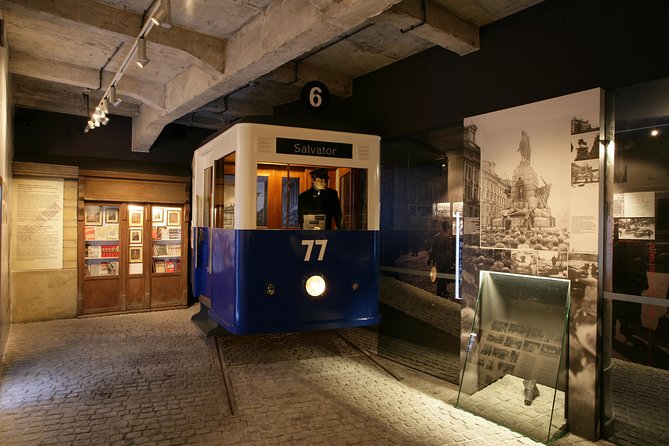
Schindler’s Factory isn’t a feel-good museum. It’s a war museum with a clear goal: show you what occupation did to real people in Kraków, and do it in the place where industrial life once happened. That factory setting matters. Even when the exhibits feel staged (like many museums built to explain trauma), the walls and rooms still give you that stop-you-in-your-tracks sense of place.
This tour also does something practical: it gives you a guided storyline. Without a guide, a museum like this can turn into a lot of reading and photos with your brain scrambling for context. With a guide, you get the dates, the sequence, and the why behind the artifacts. It’s designed so you leave with a map in your head, not just snapshots.
Also, the emotional range is real. The subject matter is heavy. If you know you’re sensitive to Holocaust-era topics, go in with a little breathing room in your day. You may need it.
You can also read our reviews of more tours and experiences in Krakow


Entering the factory: what you’ll actually see
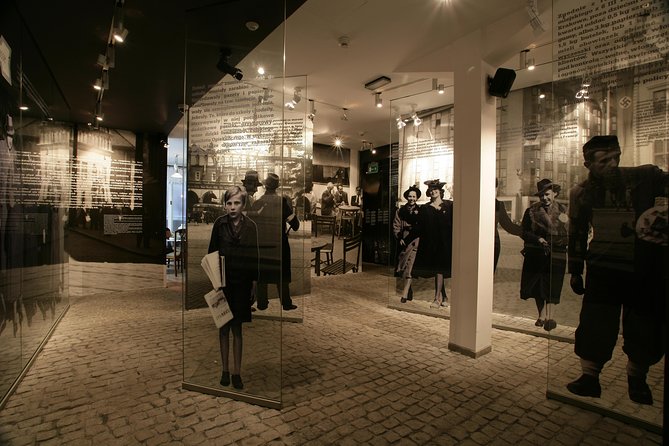
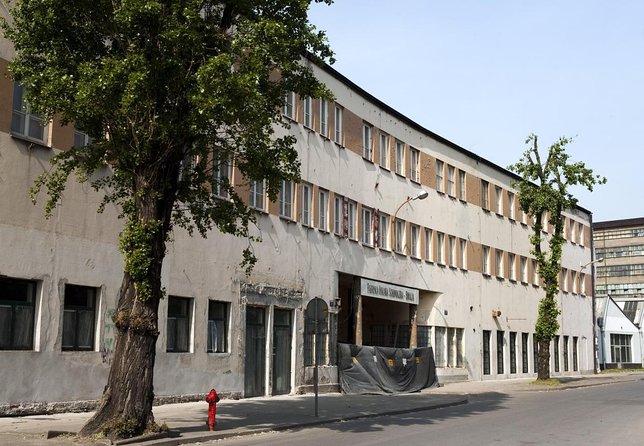
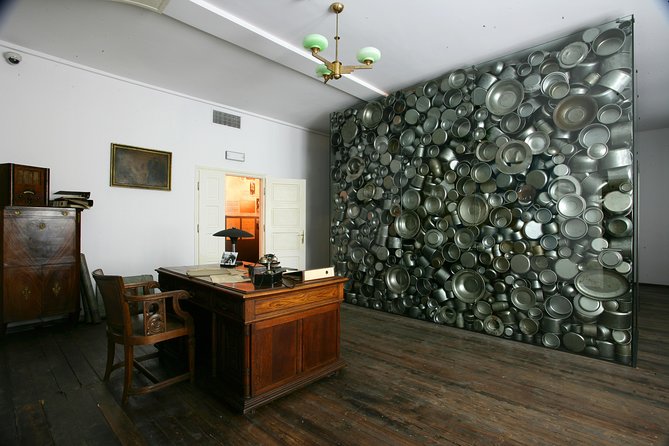
Your visit centers on Fabryka Emalia Oskara Schindlera, the Schindler Factory Museum in the original enamel goods factory. The museum opened to the public in June 2010 after years of preparation. The permanent setup you’ll walk through includes Kraków Under Nazi Occupation 1939–1945, which frames the conflict locally, not just as an abstract European event.
Expect a guided path that takes you through the history from early warning signs to the occupation years. The tour is built around a clear arc:
- the period leading up to war,
- the first months of Nazi rule,
- the rise and horror of the Kraków Ghetto story,
- and the onward route of persecution, including Płaszów Concentration Camp in the timeline.
One of the biggest strengths is that the tour ties the exhibits to human stakes. Oskar Schindler’s name is part of the story, but the bigger point is Kraków—its Jewish and Polish residents, and what changed once the Nazis took control.
Now, a reality check: the expectations some people walk in with are very movie-shaped. If you’re hoping for a full-on look at factory workspaces exactly as they operated day-to-day, you might find the experience more museum than factory-floor. A number of visitors felt the title leans toward Schindler while the museum space spends more time on occupation history overall. That doesn’t mean it’s wrong—it just means go with the right goal: understand the occupation, and learn where Schindler fits into that larger story.
The guided pace: 1.5 hours that can feel both helpful and rushed
The tour is about 1 hour 40 minutes, roughly 90 minutes on the museum content. In that time, you’re going from room to room in a guided flow. For many people, this is exactly what they need. You’re not staring at a wall for an hour, trying to figure out what matters most.
But the pace is also where you’ll feel the tradeoff. The rooms can be tight, and your group moves as a group. Several visitors specifically said there wasn’t enough time to stop for artifacts, read plaques slowly, or take in videos and survivor statements—especially when groups were large.
If you’re the type who loves soaking in details, you’ll want to manage your expectations. Treat the guided tour like a fast, organized orientation. Then consider spending a little extra time on your own if you want to read more and linger.
Skip-the-line entry: the real value of the ticket
This ticket includes guaranteed skip-the-line access, which is the headline perk for a reason. In peak hours, queues can chew up your schedule faster than you think, especially if your Krakow day is already packed with other top sites.
At the same time, a good value question matters: is the guided, skip-the-line package worth more than buying regular admission directly at the museum? Some visitors felt the guided option cost more than their direct tickets would have, and they didn’t think the added guidance justified the extra price.
Here’s my practical take: if you’re traveling during a busy season or you hate wasting time standing still, skip-the-line is real value. If you’re flexible with timing and don’t mind a slower museum day, you may prefer the self-guided route where you can go at your own pace. Either option can work—you just need to decide what you value more: time saved, or control over your pace.
Hearing the guide in small rooms: headsets are the sticking point
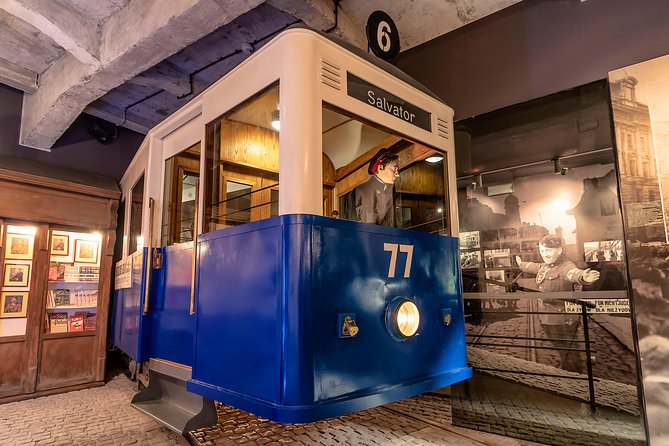
The museum experience depends heavily on how well you can hear the guide. And that’s where things get mixed.
A recurring complaint in the feedback you provided: headsets weren’t provided by the venue at the time of these experiences, which can make listening hard in crowded, narrow rooms. If you’re near the back, or if the group is large, you may find yourself craning your neck and losing key details.
This is also why guide quality matters. Some guides were praised as excellent, with strong storytelling and sensitivity. Names mentioned in the feedback include Alicia, Eva, Ava, and Joanna, and the common thread was clarity and empathy.
If you book this, here’s how to set yourself up:
- Aim for a spot where you can see the guide clearly.
- Don’t plan on catching every word in every room; treat it as guided context.
- If audio matters a lot to you, consider the self-guided option instead.
Also note one timing risk that came up: one booking mentioned a guide meeting slightly late. That’s not ideal, so if you have a tight afternoon plan, leave buffer time.
You can also read our reviews of more guided tours in Krakow


How the storyline connects to Krakow’s WWII map
What makes this tour more than a Schindler-themed stop is that it grounds you in Kraków’s lived timeline. You aren’t just hearing about one person. You’re seeing how occupation reshaped daily life.
The museum’s structure—taking you from the lead-up to war into occupation and beyond—helps you connect several parts of Kraków’s story without needing to stitch it together yourself later. The tour includes the Kraków Ghetto and Płaszów Concentration Camp within the historical flow, so you get continuity rather than isolated facts.
That continuity matters because WWII history can feel like a list of dates. A guided timeline helps your brain connect causes and consequences. And because the focus is local—Jewish and Polish residents, and Kraków’s specific transformation—you come away understanding that this wasn’t just distant war history. It was a reordering of normal life into something brutal and systematic.
Price and logistics: what $42.95 buys (and what it doesn’t)
This tour costs $42.95 per person and lasts about 1 hour 40 minutes. For that price, you’re buying:
- a museum guide when you choose the guided option,
- admission ticket included,
- and guaranteed skip-the-line access.
What you’re not getting is what you’d expect: no food or drinks, no hotel pickup, and no transportation arranged. You’ll be taking public transit or walking, since the museum is near public transportation.
So where does the price feel fair? If the skip-the-line benefit helps you avoid losing a big chunk of your day, the cost can make sense. If you’re paying extra mainly for the guide but you end up struggling to hear, then the value drops.
One more practical angle: in a museum like this, you can get two different experiences—information transfer (guided) or personal reading time (self-guided). Decide which one you want. Then don’t let the name of the tour bully your expectations about factory details.
Who should book this guided ticket
This guided, skip-the-line tour is a strong fit if:
- you want a guided framework for Kraków under Nazi occupation rather than just reading independently,
- you’re short on time and hate queuing,
- you prefer not to assemble the story yourself from multiple sources,
- and you can hear a guide reasonably well in crowded indoor spaces.
It’s also a good choice if you learn best from a person telling the story with sensitivity and structure. Several highly rated guides (Alicia, Eva, Ava, Joanna, and Eva again in another entry) were praised for clarity and thoughtful pacing.
But it may be less ideal if:
- you need headsets to comfortably follow spoken narration,
- you’re very detail-first and want long stops for plaques, videos, and artifacts,
- you dislike group movement through tight rooms.
Should you book the Schindler’s Factory guided tour?
Book it if you want a time-efficient, guided orientation to Kraków’s WWII occupation story, and the skip-the-line part saves you from losing your schedule to a queue. If you like having someone connect dates, places, and people for you, this option can be worth it—especially when paired with a guide who speaks clearly and paces well.
Skip it (or switch to self-guided) if you’re expecting a long, slow, factory-floor-style walkthrough where you can stop everywhere you want. Based on the issues raised around hearing and room crowding, you may feel rushed.
If you’re on the fence, here’s my best decision trick: think about your number-one comfort factor. If it’s saving time and getting the story in order, choose the guided skip-the-line ticket. If it’s reading and audio clarity without stress, you’ll likely be happier going at your own pace.
FAQ
How long is the Schindler’s Factory guided tour?
The tour runs about 1 hour 40 minutes (approximately).
Is the tour offered in English?
Yes, the guided tour is offered in English.
Does the ticket include admission to the museum?
Yes, admission is included.
Does this ticket include skip-the-line access?
Yes. It includes guaranteed skip-the-line access for faster entry.
Are food and drinks included?
No, food and drinks are not included.
Is hotel pickup or drop-off provided?
No, hotel pickup and drop-off are not included.
Are headsets provided during the guided tour?
The venue does not provide headsets at the moment, based on information shared in the feedback you provided.
Can children attend?
Children must be accompanied by an adult.
FAQ
Is this experience refundable?
No. It is non-refundable and cannot be changed for any reason.
Is the museum near public transportation?
Yes. It is near public transportation.
Are service animals allowed?
Yes, service animals are allowed.
What if the minimum traveler count isn’t met?
If the minimum isn’t met, the experience may be canceled and you’ll be offered a different date/experience or a full refund.