REVIEW · KRAKOW
Guided Tour from Krakow to Auschwitz Birkenau with hotel pick up
Book on Viator →Operated by Welcome in Cracow · Bookable on Viator
One day can change how you see everything. This Auschwitz-Birkenau tour is set up to run smoothly from Krakow, with door-to-door pickup, pre-booked entry, and a licensed English-speaking guide. You’ll walk Auschwitz I and Auschwitz II Birkenau with headsets so you don’t miss the story while the crowds move around you.
I especially like the no-stress logistics: you don’t have to figure out transfers, ticket windows, or meeting points. I also like the practical add-ons that matter on-site, like admission handled in advance and headsets included for clear audio. The main drawback is the day is long and you’ll do a lot of walking outdoors, so it’s not a great fit if mobility is an issue or if you hate cold/heat.
If you go, go prepared. Your day starts with a hotel pickup in Krakow, then it’s straight into two heavy, historically important sites, with respectful rules at every step.
In This Review
- Key things that make this tour work
- Door-to-door pickup in Krakow, not a scavenger hunt
- How the day typically flows
- Skip the ticket lines and hear every word with headsets
- Auschwitz I: what you’ll see and why the guide route matters
- Why a guided walk is worth paying for here
- The pace reality check
- Auschwitz II Birkenau: the larger camp walk and the emotional weight
- What makes Birkenau different (and harder)
- The rules you’ll notice fast: respect, security checks, and what you can’t do
- Plan for the “can’t linger” feeling
- Walking distance, weather, and the mental load of a long day
- Smart packing checklist (based on the rules)
- Price and value: what $66.54 buys you (and what it doesn’t)
- The real cost of “not eating”
- Communication that reduces stress: WhatsApp, timing, and real-world pickup tips
- Who should book this Auschwitz tour from Krakow?
- Should you book it?
- FAQ
- How long is the tour from Krakow?
- Does the price include transport and museum admission?
- Will I have to wait in line for tickets?
- What time will pickup happen in Krakow?
- What documents do I need to bring?
- What can I bring for a bag?
- Is lunch included?
- How much walking is involved?
- Is the tour group small?
Key things that make this tour work
- Hotel pick up in Krakow City Centre reduces hassle and cuts down on stress.
- Admission is included and booked in advance, so you skip the ticket office line.
- Headsets are provided, which helps a lot in a crowded place.
- Two guided segments cover Auschwitz I and Auschwitz II Birkenau with a clear plan.
- Small-group feel with a standard museum-recommended group size (often 16 to 30 people, max 30).
Door-to-door pickup in Krakow, not a scavenger hunt
Getting to Auschwitz on your own sounds simple until you’re standing in Krakow trying to match bus times, ticket counters, and a schedule that depends on museum entry slots. This tour keeps it straightforward: you’re picked up from a hotel/apartment/hostel in Krakow (if you choose hotel pickup) or a nearby accessible meeting point.
Plan on about 1.5 hours each way to the memorial. You’ll get the pickup time information one day before the trip, and the final timing can shift a bit because the museum assigns entry slots based on its own capacity rules.
Also worth knowing: a few hotels sit in traffic-restricted zones. If that’s your situation, you’ll be collected from the nearest accessible point, and you’ll get notification.
You can also read our reviews of more guided tours in Krakow
How the day typically flows
The tour is timed for museum entry and efficient movement between the two sites. You can expect a return to Krakow around the afternoon (some groups note a 4:00 to 4:30-ish return, others around 14:00), but don’t plan other stuff right after pickup—museum rules can tighten the schedule.
Skip the ticket lines and hear every word with headsets
At Auschwitz and Birkenau, the crowds are real. This is not the kind of place where you can wander off and still catch up easily.
Two things make a real difference. First, your admission is included and handled in advance, so you don’t spend your limited time at the ticket counter. Second, the tour uses headsets so you can hear the guide clearly even when groups are passing each other.
The tour is designed around a group pace. One review note stuck with me: if you stop too long, you can lose touch with the flow. That’s not a bad thing—it just means you’ll do better if you stay close and take photos when your guide cues it.
Auschwitz I: what you’ll see and why the guide route matters
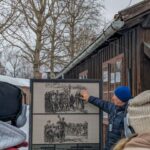
Auschwitz I is the smaller, older camp in the complex, and it hits fast. You meet your guide at arrival and enter together, then you’ll spend under about two hours walking and learning the key areas.
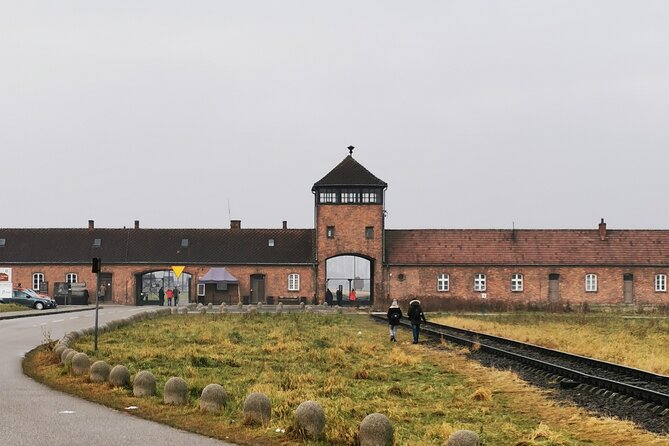
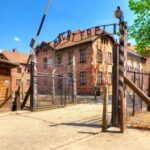
This stop focuses on the essentials, including the gate Arbeit macht frei, exhibits with photos and artifacts, and major surviving structures connected to the camp’s function. The tour also points you toward the last gas chamber that survived, plus the most important interpretive areas that help you connect the physical site to the historical system behind it.
Why a guided walk is worth paying for here
Auschwitz isn’t just “see buildings.” It’s a place where details can look similar if you don’t know what you’re looking at. A good guide helps you keep your bearings and understand why certain locations matter.
A licensed English-speaking guide leads you through this part, and the tone is usually careful and respectful. That matters, because the subject is heavy and the site asks for quiet attention rather than a sightseeing mood.
The pace reality check
Even with a guide, Auschwitz I is an active walk. The official visit time at this camp is around two hours, and you should expect uneven ground and lots of stairs/paths where you’ll want sturdy shoes.
Auschwitz II Birkenau: the larger camp walk and the emotional weight
After a short break, you move to Auschwitz II Birkenau, the larger camp. You meet your guide again at the entrance gate and spend a bit more than an hour walking.
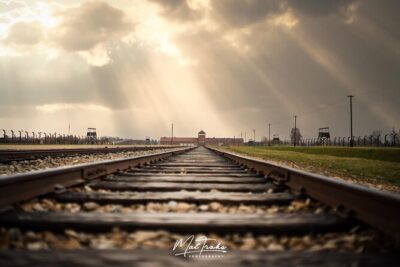
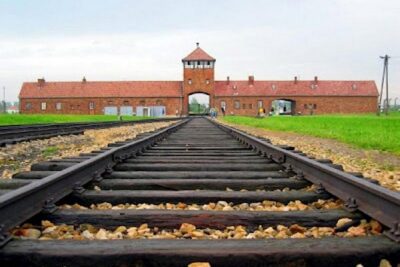
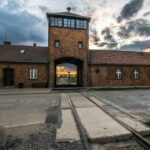
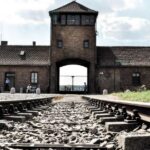
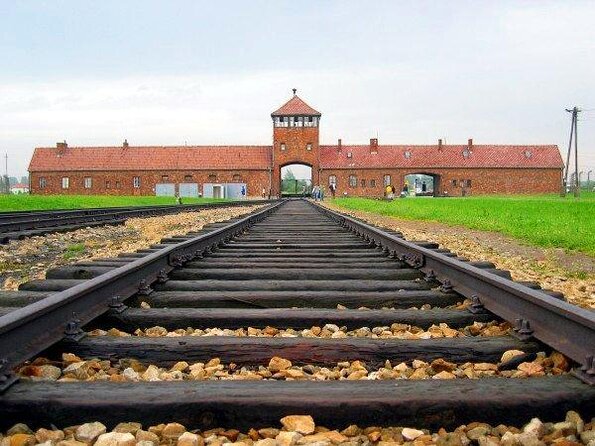
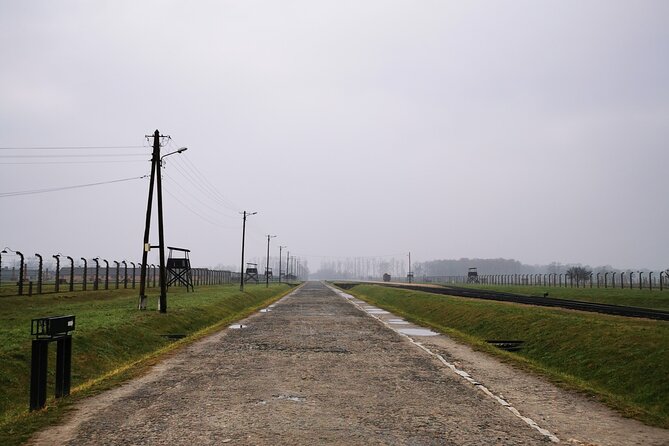
Here, the tour highlights the features that show how the machinery of persecution worked at scale. You’ll pass the Death Gate area, see the tracks that lead into the camp, and visit the unloading ramp where prisoners arrived by train. The route also covers the ruins of gas chambers and crematoria, plus the monument dedicated to the victims of the Holocaust and buildings where prisoners lived.
What makes Birkenau different (and harder)
Birkenau feels bigger because it was. Even if you’re prepared mentally, the space and the layout can make it harder to process. This is the portion where you’ll spend more time outdoors—so weather matters.
Many people underestimate how much physical space you cover at Birkenau. The tour guidance also notes that about 70% of your time is outdoors, and you’ll want water and layers. If you go on a hot day, bring enough to stay hydrated.
The rules you’ll notice fast: respect, security checks, and what you can’t do
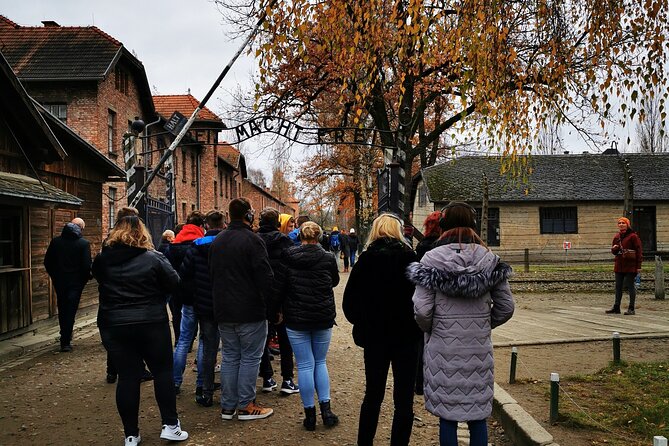
Auschwitz-Birkenau is run like a memorial, not a typical attraction. You’ll go through a security check similar to an airport process before entering museum grounds.
Once inside, rules are strict:
- Dress code is smart casual.
- Eating, smoking, and loud behavior are prohibited within the museum premises.
- Photography is generally allowed, but flash inside buildings is not allowed.
- Large bags or backpacks are not allowed. The max size is 30 cm x 20 cm x 10 cm, and you can store bigger items in your car (locked during your visit).
If you tend to overpack, this is where you’ll thank yourself for traveling light.
Plan for the “can’t linger” feeling
This is a controlled visit with many groups moving at once. The combination of capacity limits in buildings and high visitor numbers means you won’t always have the luxury of hanging around quietly in one spot for a long time.
If that frustrates you, go anyway—but don’t schedule tight plans afterward. You might lose flexibility even if your start time looks good at first.
Walking distance, weather, and the mental load of a long day
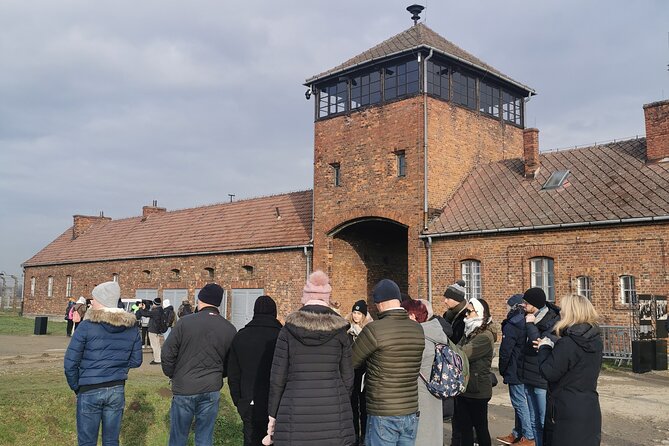
This is a long day, and it’s long in a specific way. You’ll walk a lot across rough walkways, often estimated at around 10,000 to 12,000 steps. On top of that, a lot of the route is outdoors, which means you’ll feel the day’s weather more than you might expect.
The tour also isn’t recommended for people with mobility issues. The ground can be uneven, and the pacing is set by group movement through the camp areas.
Smart packing checklist (based on the rules)
Bring:
- A small bag within 30 cm x 20 cm x 10 cm
- Passport or ID (the museum may check personal details)
- Water, especially on sunny days
- Layers that work in changing temperatures
- A snack if you get hungry (see next section)
Skip:
- Big backpacks
- Flash photography inside buildings
- Loud behavior (yes, staff really mean it)
Price and value: what $66.54 buys you (and what it doesn’t)
At $66.54 per person, the value is mostly in the time-saving and the “done for you” parts.
You’re paying for:
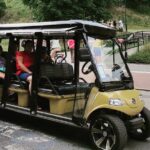
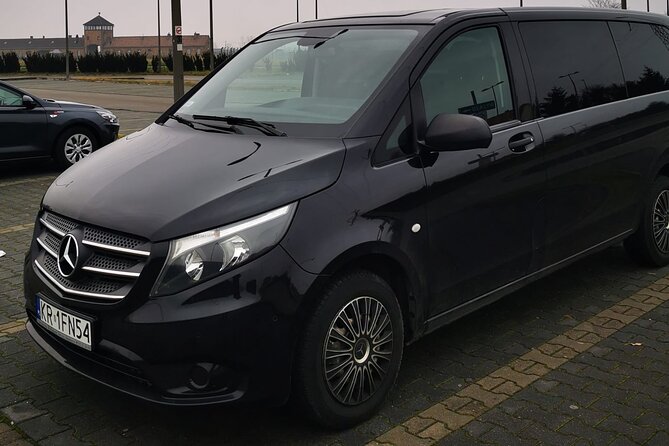
- Round-trip transportation from Krakow via air-conditioned minivan or minibus
- An English-speaking driver
- Licensed English-speaking guides for both Auschwitz I and Auschwitz II Birkenau
- Admission tickets handled in advance (so you avoid ticket office lines)
- Headsets so you can actually hear the guide
What you don’t get is lunch. There usually isn’t enough time for a proper sit-down meal between Auschwitz I and Birkenau. You may find vending machines with snacks at the parking area, and lunch boxes can be ordered through the operator for an extra fee (you’ll be offered options ahead of time).
The real cost of “not eating”
Because the schedule is tight, hunger can steal your focus. If you tend to get shaky when you’re hungry, plan a snack. If you’d rather not think about it, add the lunch box option if it’s offered for your day.
Communication that reduces stress: WhatsApp, timing, and real-world pickup tips
This operator confirms and coordinates using messaging apps like WhatsApp, Viber, Signal, or Telegram. If you use those, you’ll likely get updates faster and in a more personal way.
You should also expect:
- Names submitted to the museum first for entry time assignment
- The pickup time window might shift based on museum capacity rules and VIP ceremonies
- Clear guidance on where to meet and what to look for (some groups even receive a photo of the van)
That last detail sounds small, but it helps. Krakow streets can be confusing, and you want “arrive, find the right vehicle, go” rather than “guess and hope.”
Who should book this Auschwitz tour from Krakow?
This tour makes sense if you want:
- Door-to-door transport so you don’t gamble with trains or transfers
- Guided visits that explain what you’re seeing at both Auschwitz I and Birkenau
- Headsets for clear audio in crowded spaces
- A schedule designed to fit two camps in one day
It’s less ideal if:
- You have mobility limitations and need a more flexible, slower route
- You hate long days and long outdoor stretches
- You’re hoping to wander independently for long periods
Should you book it?
I think this is a solid choice for most people doing Auschwitz from Krakow, especially if logistics would otherwise eat your time. The big wins are practical: transport is handled, tickets are managed in advance, and headsets keep you connected to the guide while crowds swirl around you.
If you’re ready for a physically active, emotionally heavy day and you can keep your plans loose afterward, this tour earns its strong rating. If you need lots of mobility support or very flexible pacing, look for a more specialized option.
FAQ
How long is the tour from Krakow?
The tour runs about 7 hours (approx.), including travel time to Auschwitz and time at Auschwitz I and Auschwitz II Birkenau.
Does the price include transport and museum admission?
Yes. Transportation from Krakow is included, and the admission tickets for Auschwitz I and Auschwitz II are included and booked in advance.
Will I have to wait in line for tickets?
No ticket-office line is required in advance, because entry tickets are booked for your group. You may still pass through museum security.
What time will pickup happen in Krakow?
Pickup times vary by season and by the museum’s entry slot rules. You’ll get your pickup time information about one day before the trip, and the museum can adjust entry timing based on capacity and events.
What documents do I need to bring?
Bring your passport or ID. The museum requires confirmation of personal details, and they may check at the entrance.
What can I bring for a bag?
Large bags and backpacks are not allowed. The maximum allowed size is 30 cm x 20 cm x 10 cm. You can leave larger items in the locked car during the visit.
Is lunch included?
No lunch is included. There isn’t ample time for a regular lunch break between Auschwitz I and Birkenau II. Snacks may be available from vending machines, and lunch boxes can be ordered through the operator for an extra fee.
How much walking is involved?
There’s a lot of walking across the sites. The tour can involve roughly 10,000 to 12,000 steps, and it is not recommended for people with mobility issues.
Is the tour group small?
The group size is standard for museum-recommended visits, typically between 16 and 30 people, with a maximum of 30 travelers for this tour.