REVIEW · KRAKOW
From Krakow: Auschwitz-Birkenau Guided Tour & Pickup
Book on GetYourGuide →Operated by KrakowTouring.com · Bookable on GetYourGuide
It starts while Krakow is still asleep, and that early push matters. You’ll go by air-conditioned bus with pickup from your hotel area and a museum-certified guide, plus you skip the ticket line. It’s a hard day, but it’s also one that’s made more bearable by being organized and deeply explained.
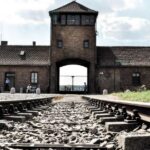
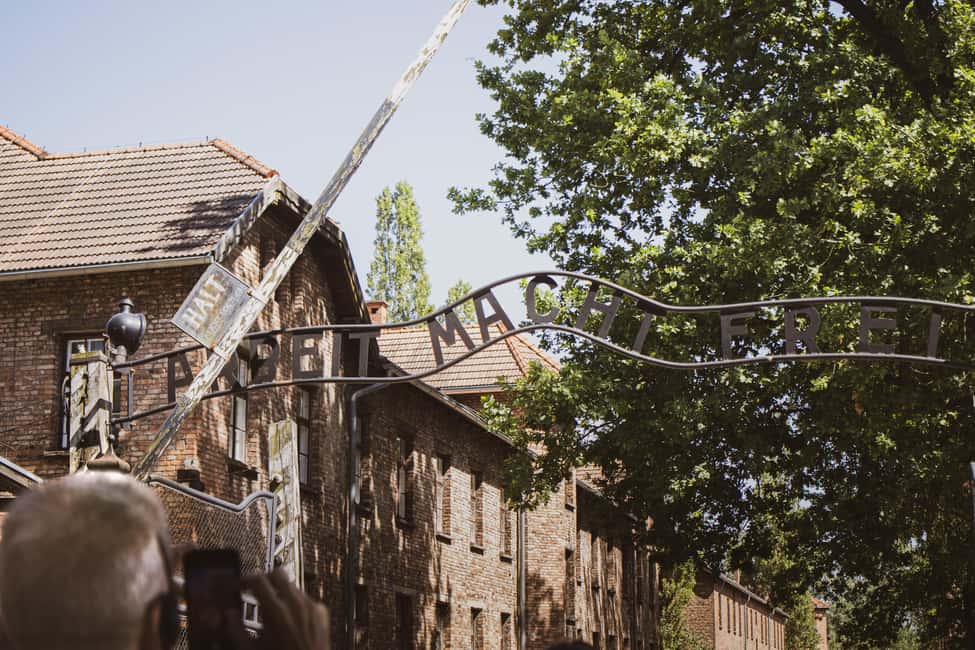
I love the way this tour pairs respectful pacing with the big visual moments, like walking under the Arbeit Macht Frei gate and then seeing the preserved barracks and the layout of Birkenau. I also like that you’re not left to guess—guides (like Suzanna, Rafael, Karolina, and Gregory, based on past groups) tend to keep the group together and explain what you’re looking at in plain terms. One drawback to plan for: the start time can swing earlier than you expect, and the pace is set by the memorial, so you’ll do a lot of walking.
In This Review
- Key things that make this tour work
- From Krakow pickup to the ride out to Oświęcim
- Why a museum-certified guide changes the whole experience
- Auschwitz I: walking through Arbeit Macht Frei and the preserved layout
- The one drawback to consider at Auschwitz I
- The short break point: transfer time between Auschwitz I and Birkenau
- Auschwitz II (Birkenau): scale, layout, and the “Final Solution” context
- Hearing the guide: what helps most in a large memorial setting
- Transportation and timing: why the early start can be worth it
- What’s included (and what you should plan for yourself)
- Who this tour fits best in your Krakow trip
- Should you book this Auschwitz-Birkenau guided tour from Krakow?
- FAQ
- How long is the Auschwitz-Birkenau guided tour from Krakow?
- What’s included in the price?
- Is pickup from Krakow included?
- Do I need to bring ID?
- Are there restrictions on bags or luggage?
- Does the tour have guided time in both camps?
- What languages are the guides available in?
- Are restrooms included?
Key things that make this tour work
- Museum-certified guidance at Auschwitz-Birkenau, not just a general history talk
- Two-site structure so you see Auschwitz I and Auschwitz II/Birkenau with enough time in each
- Skip-the-line entry so the day stays focused on the sites, not queues
- Small-group option that usually feels easier to manage around sensitive spaces
- Pickup and drop-off from Krakow-area meeting points, so you’re not coordinating transport on your own
- Clear group control with guides who keep you with the group and help you hear the story
From Krakow pickup to the ride out to Oświęcim
This is the kind of tour that starts with logistics doing the heavy lifting. You’ll get picked up from one of several Krakow-area spots (including popular central stops), then board a comfortable bus for about a 1.5-hour ride toward Oświęcim and the Auschwitz-Birkenau complex.
That commute time is more than “getting there.” It gives you a buffer to brace yourself before you arrive, and it also means you aren’t stressed about tickets, parking, or navigating public transit. In practice, I like tours like this because they keep the day from fracturing into stressful mini-tasks.
One practical note: the earliest departures can begin very early—reports show starts as early as about 5:15, and the tour’s schedule can be anywhere roughly between 5:00 AM and 1:30 PM depending on the day. You’ll learn the exact pickup time the day before, so build your morning buffer and don’t plan anything tight right before pickup.
You can also read our reviews of more guided tours in Krakow
Why a museum-certified guide changes the whole experience
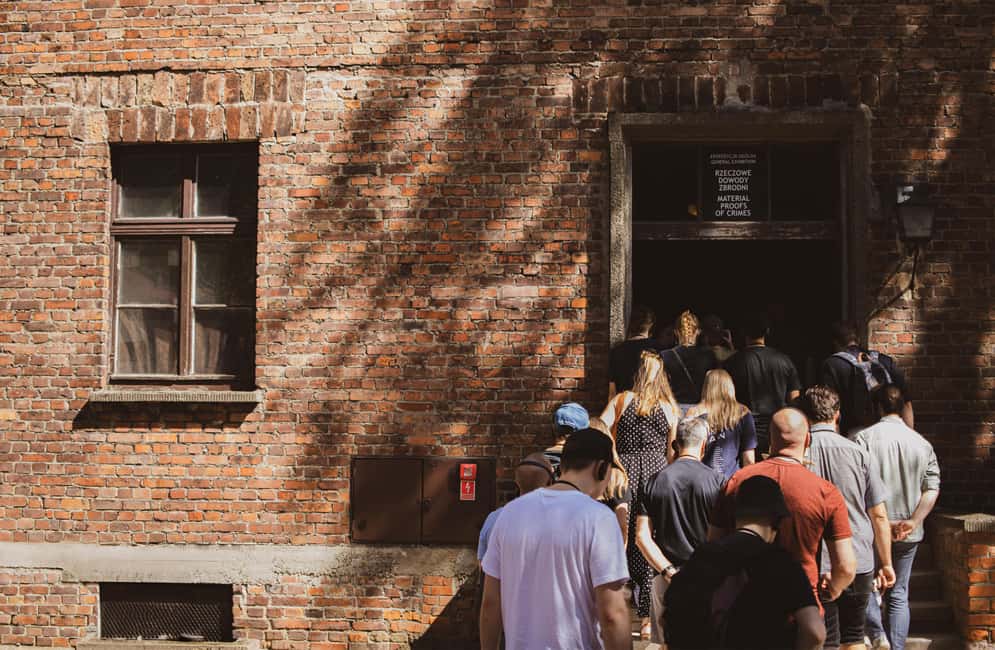
Auschwitz-Birkenau is one of those places where it’s easy to feel overwhelmed fast. The big thing this tour offers is a guide who’s licensed and certified by the museum, which matters for accuracy and for how the information is framed.
In plain terms: you’ll spend less time trying to interpret what you’re seeing and more time understanding what happened in that specific space. Several guides referenced by past groups—Suzanna, Rafael, Karolina, Gregory, Tomas, Sarah—are described as sensitive, attentive, and clear. That combination helps a lot, because the site itself doesn’t come with labels that explain everything you’ll want to know.
Also, your guide is local to the storytelling demands of the site. The memorial’s visitor flow determines how long you can stay and how you move through areas. A good guide helps you work with that rhythm instead of feeling rushed or lost.
Auschwitz I: walking through Arbeit Macht Frei and the preserved layout
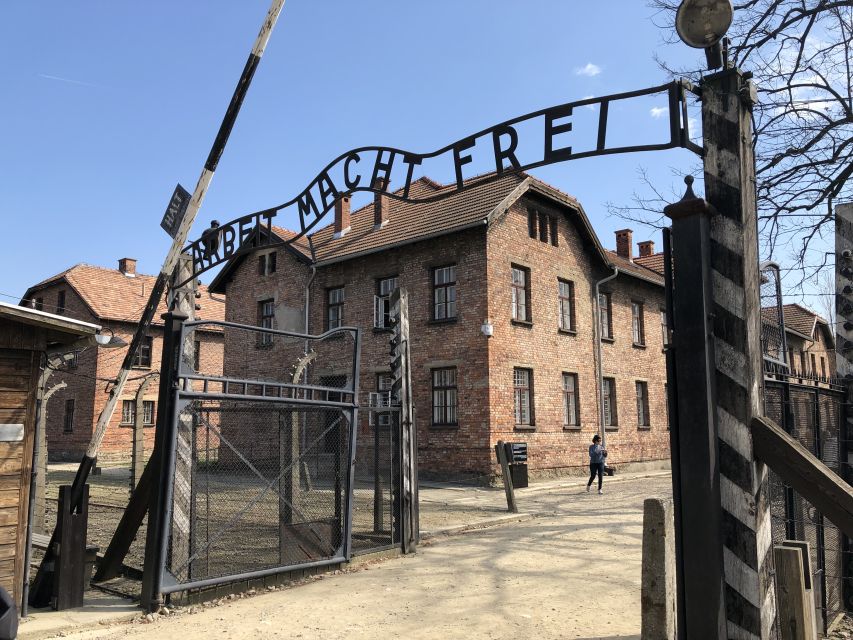
Once you arrive, you meet your guide and head into Auschwitz I. This is where many people feel the emotional weight first, partly because it’s the original camp and partly because the preserved structures make the past feel close.
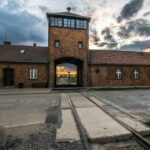
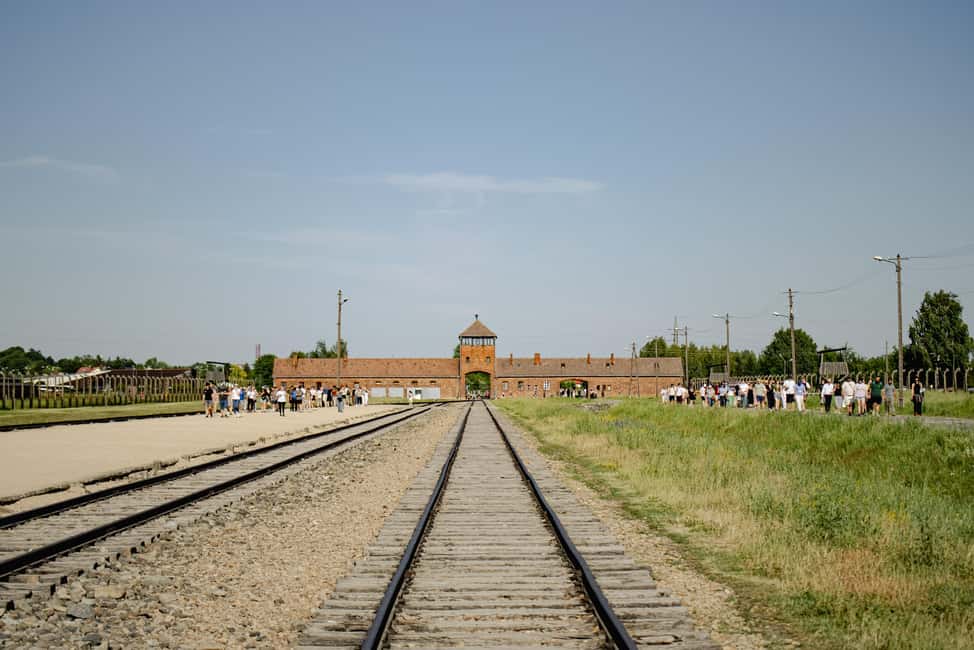
The tour highlights this moment for a reason: walking under the gate marked Arbeit Macht Frei. Even if you’ve read about Auschwitz before, the gate and the approach to the camp tend to hit differently in person. It’s not just “seeing a famous place.” It’s stepping into the geography of a system built to dehumanize.
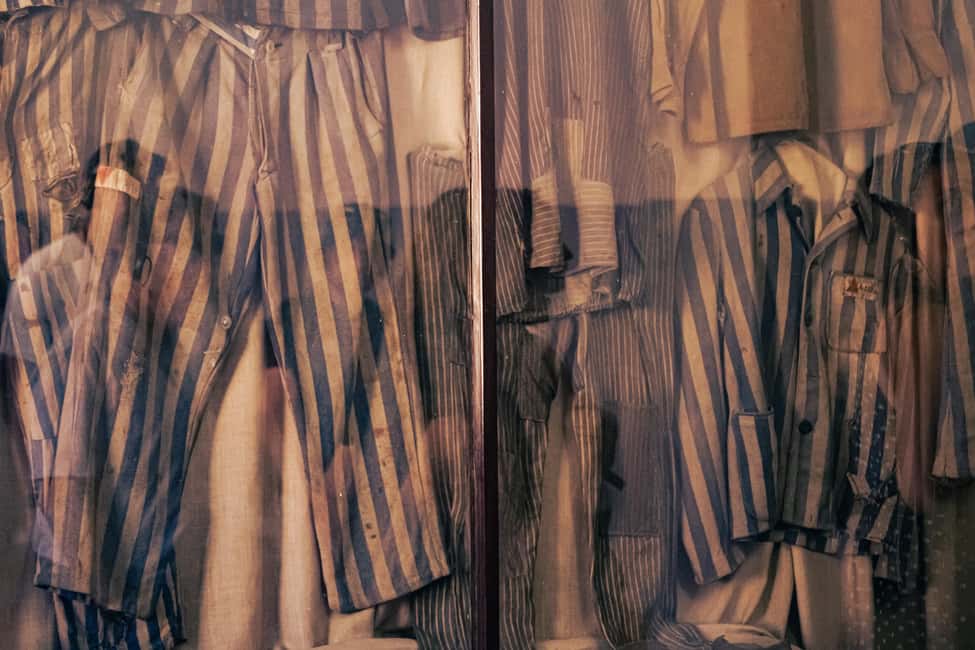
From there, you’ll move through the preserved areas with your guide explaining what you’re looking at. Past groups talk about seeing the original barracks and where prisoners were held, which is crucial context—because the space only becomes meaningful when you understand how it was used. This is also where a guide’s structure really helps. You’re not just wandering; you’re being led through a coherent story that connects buildings, functions, and time.
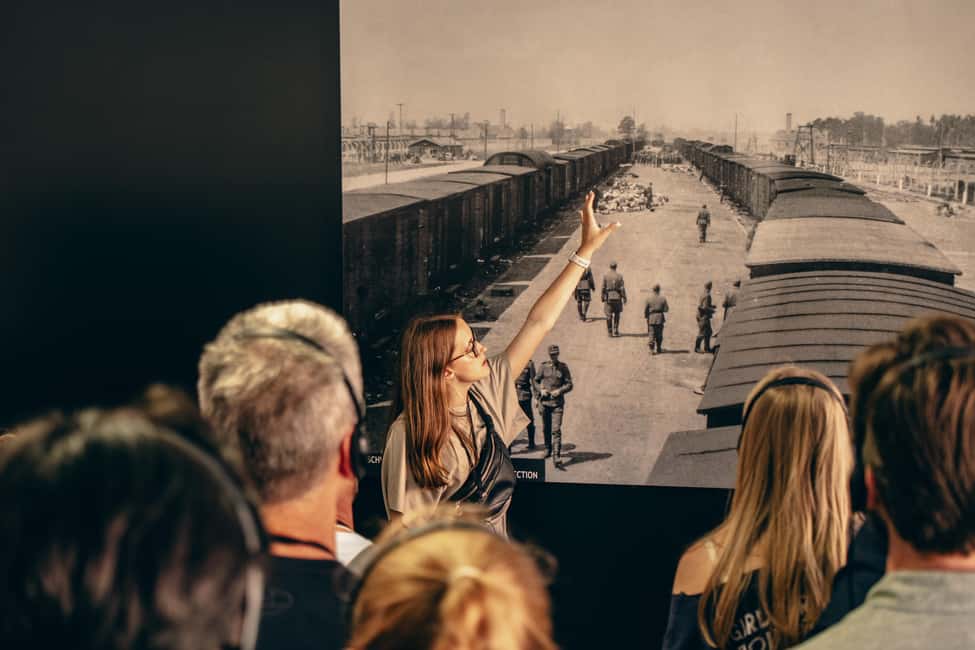
Some tours include extra time for side viewing if schedules allow. One past group even mentioned their guide taking them to see original train carriages before entering Auschwitz proper. That’s not something you can assume every day, but it’s a good example of how a strong guide may try to use available time to help you understand logistics and transportation in the larger system.
The one drawback to consider at Auschwitz I
Even with a guide, you should expect a lot of walking and standing. The memorial sets the pace, and the emotional tone can make you feel more tired than usual. Wear shoes you can stand in for a long stretch, and give yourself permission to slow down when the information lands.
The short break point: transfer time between Auschwitz I and Birkenau
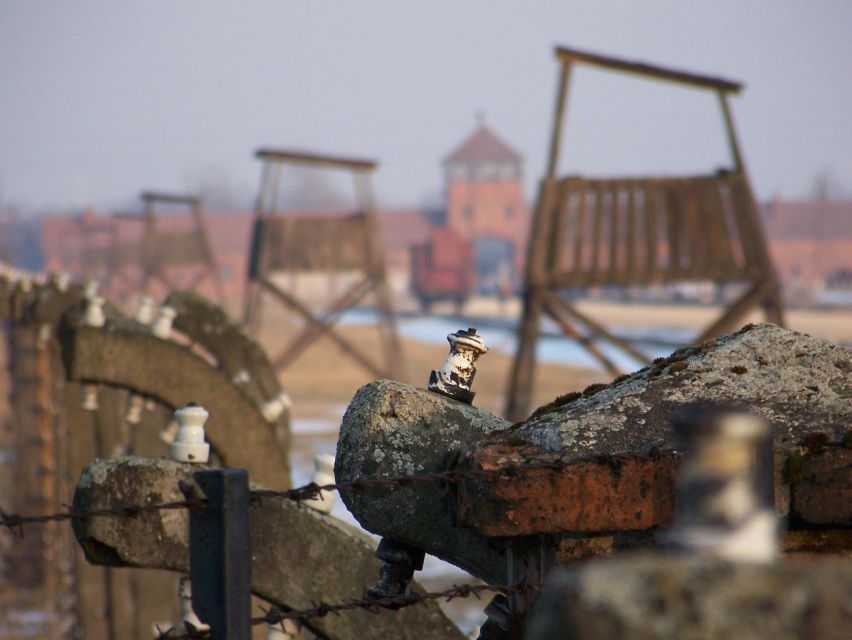
After Auschwitz I, you’ll move to Auschwitz II/Birkenau. In this tour format, the transfer is short—about 10 minutes by bus—so you don’t lose your momentum.
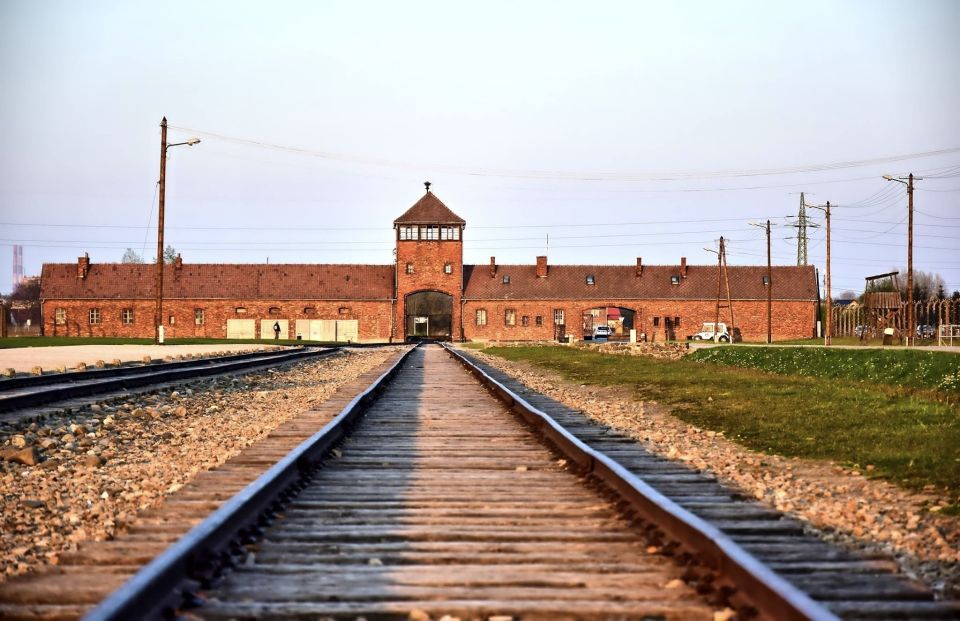
This between-camp moment matters. It’s long enough to adjust your focus from the more “compact” preserved areas of Auschwitz I to Birkenau’s wider, more sprawling layout. If Auschwitz I gives you the beginnings and the core structures, Birkenau often gives you the sense of scale and the system’s industrial logic.
Auschwitz II (Birkenau): scale, layout, and the “Final Solution” context
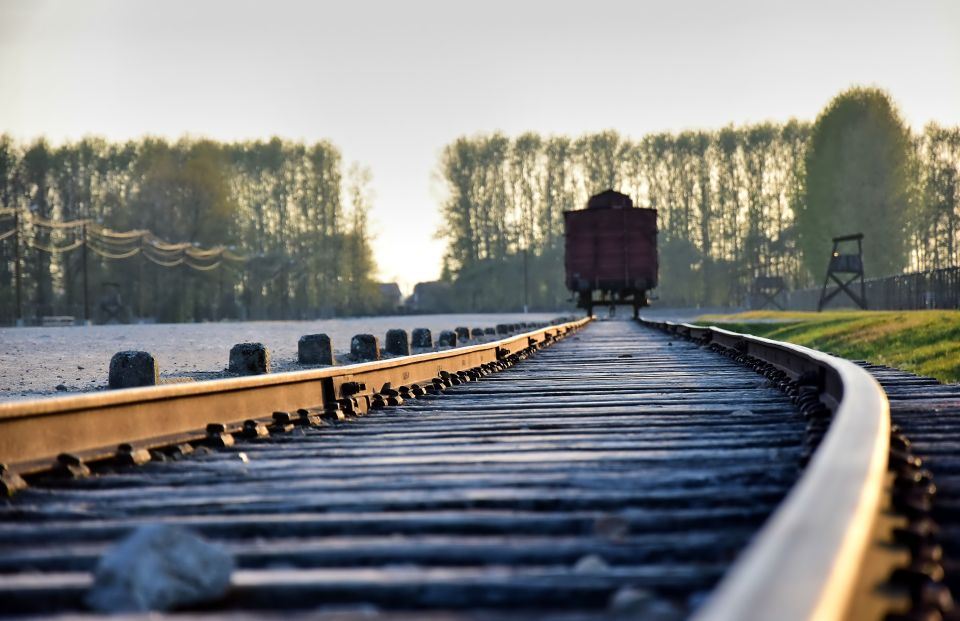
Birkenau is where you see the largest camp used by the Nazis during the Holocaust, and you’ll spend about 1.5 hours there on a guided route. This is typically the hardest part for many people—not because the guide is shocking, but because the physical space helps the reality sink in.
Your guide will explain what happened here as part of the Nazi “Final Solution to the Jewish Question.” The point of being in Birkenau with a guide is to avoid turning it into a photo stop. You’ll look at the layout and understand how people were processed, what the camp design was meant to accomplish, and why the scale matters for comprehending the system.
This is also where being organized helps your group. In past experiences, guides were described as staying attentive to the whole group and maintaining a steady flow through the site. That’s important here, because Birkenau can feel visually overwhelming. A guide’s steady pace keeps you from drifting into silence without understanding what you’re seeing—or from rushing to “get it over with.”
Hearing the guide: what helps most in a large memorial setting
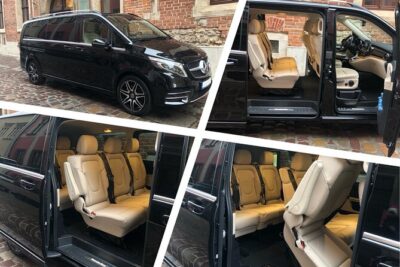
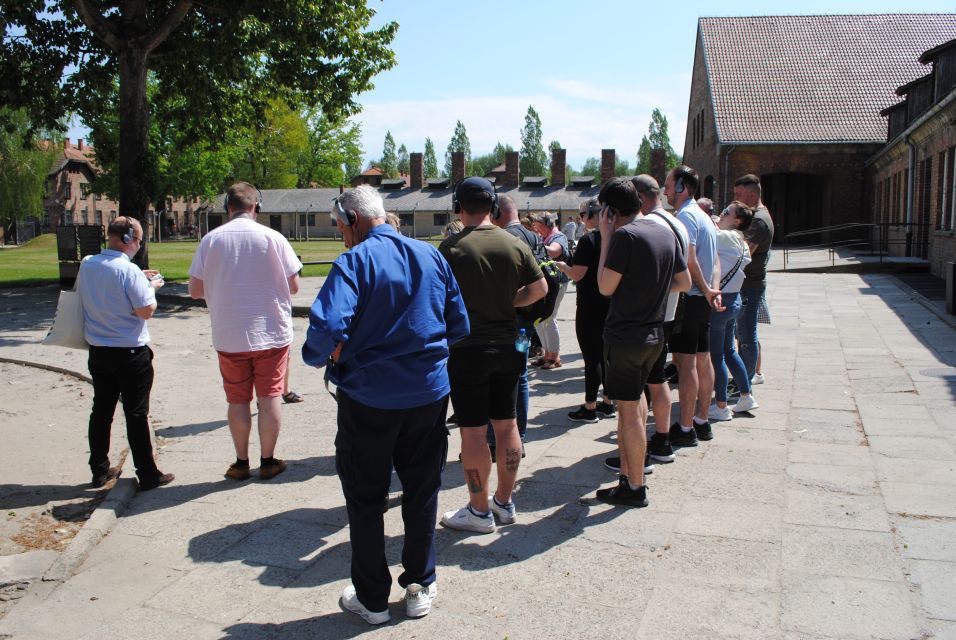
One thing I genuinely like about this tour’s setup is that it’s designed around being able to follow the story. Several past groups mentioned the use of headsets, which makes a real difference in a place where you’re dealing with crowds, wind, and distance between people and your guide.
Even if you don’t get headsets on every departure, plan for the fact that sound can be tricky. If you know you sometimes struggle to hear in noisy places, bring it up with your guide on arrival and position yourself where you can listen well.
Also, remember: this isn’t “tour time” in the fun sense. It’s a guided education with moments that call for silence and reflection. A good guide respects that balance.
Transportation and timing: why the early start can be worth it
The bus portion is straightforward—air-conditioned coach to and from the memorial area. The real timing question is the pickup hour. Many people find the early departure a bit extreme at first, especially when you’re planning to make the most of Krakow afterward. But the upside is that you’re often arriving when the crowds are still manageable.
One practical benefit that shows up in past feedback: getting there early helps reduce time standing around at entry. Since this tour includes skip the ticket line, you’ll spend less of your day waiting and more of your day learning.
The total day stretches roughly 7.5 to 8 hours, including the drive, the two guided segments, and the transfer. That’s a full chunk of your time. If you’re hoping to fit in dinner tours or long evening plans, you’ll likely be happier choosing a day with a lighter schedule afterward.
What’s included (and what you should plan for yourself)
This tour is priced at about $10 per person, and that’s the big value point. You’re not just buying an entrance ticket. You’re paying for pickup and drop-off, round-trip transportation by air-conditioned bus, entry to Auschwitz-Birkenau Memorial and Museum, and a professional licensed guide.
That bundle is what makes it good value for a first-time visit. If you try to DIY it from Krakow, you’ll spend your energy managing transport, tickets, and timing, and the “cost” becomes time stress instead of dollars.
What’s not included is also worth knowing. Restrooms aren’t included, and you shouldn’t count on that being part of the service beyond what’s provided on-site. Also, large bags and backpacks are limited; your maximum allowed bag size is 20 x 30 cm for museum areas. Bring only what you need, and keep essentials easy to reach.
Lunch is flexible. A lunch box may be included if you choose that add-on, but you should still consider bringing your own lunch and drinks. Food and drinks inside the memorial area can be expensive, and you’ll be happier if you’re not searching for options during your limited day.
Who this tour fits best in your Krakow trip
This is a strong fit if:
- You want a guided, respectful first visit with enough time at both Auschwitz I and Birkenau
- You prefer not to coordinate transport and ticket logistics on your own
- You care about accuracy, not just general overview
- You’ll benefit from a guide keeping your group together and on pace
It may feel less ideal if:
- You hate early starts and long days
- You want lots of free time to wander without guidance
- You’re very sensitive to crowds and the emotional intensity of the setting
Should you book this Auschwitz-Birkenau guided tour from Krakow?
I’d book it if you want an organized day that prioritizes correct context and a clear path through both parts of the memorial. At around $10, the value is strong because you’re getting transportation, museum entry, and museum-certified guiding—not just a lecture.
I’d think twice only if the early pickup schedule and the amount of walking would throw off your comfort level. If you can handle a long emotional day and you want expert help interpreting what you’re seeing, this is one of the most practical ways to do it from Krakow.
If you do book: pack light for the bag size limit, wear sturdy shoes, and consider bringing your own lunch and water so you don’t lose time hunting for overpriced options.
FAQ
How long is the Auschwitz-Birkenau guided tour from Krakow?
The duration is about 7.5 to 8 hours, depending on the starting time available.
What’s included in the price?
You get pickup and drop-off, air-conditioned bus transportation, entry to Auschwitz-Birkenau Memorial and Museum, and a professional licensed guide. A lunch box is included only if you select the add-on.
Is pickup from Krakow included?
Pickup is included, with multiple meeting-point options in Krakow listed for pickup and drop-off.
Do I need to bring ID?
Yes. You should bring a passport or ID card.
Are there restrictions on bags or luggage?
Yes. You’re not permitted to enter the museum with large bags or backpacks. The maximum size allowed is 20 x 30 centimeters.
Does the tour have guided time in both camps?
Yes. You’ll have a guided visit at Auschwitz I (about 2 hours) and a guided visit at Auschwitz II/Birkenau (about 1.5 hours).
What languages are the guides available in?
The live tour guide can be in German, Spanish, English, French, Italian, or Dutch.
Are restrooms included?
Restrooms are listed as not included.