REVIEW · KRAKOW
Krakow: City Sightseeing Tour by Golf Cart
Book on GetYourGuide →Operated by Cracow Visit Tours & Transfers · Bookable on GetYourGuide
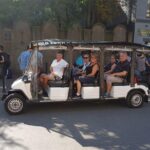
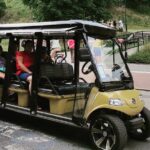
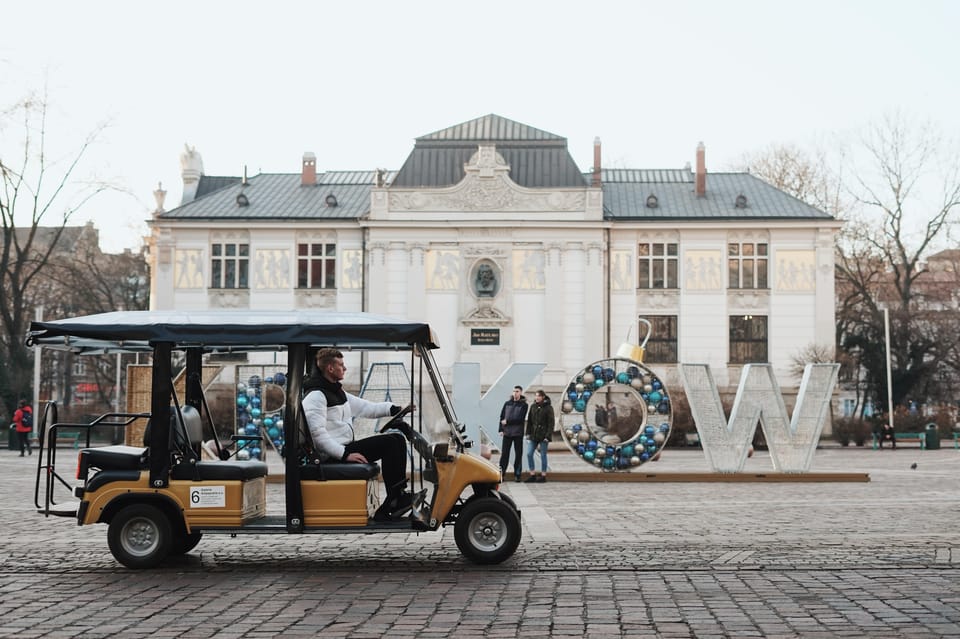
Krakow in 90 minutes is doable, if you ride smarter. This electric golf cart tour strings together three big parts of the city—Old Town, Kazimierz, and the former ghetto district—so you get the highlights without spending half your day walking steep streets. I love that the ride is built for comfort (the vehicle is for no more than 13 people) and that the professional audio guide gives you historical context you can actually use while you’re looking at the buildings.
Two things I really liked: you get a structured way to see major landmarks you’d otherwise need separate tickets or multiple long walks for, and the route includes both the famous sights and the Holocaust-era sites tied to Oskar Schindler and the ghetto’s daily life. One thing to consider: a golf cart ride is still a walking-and-standing city, so if you hate crowds or prefer long stops for photos, you may feel the pace is a bit “see-and-go.”
You’ll be outside for the whole 90 minutes, and the tour runs in all weather, so dress for Krakow’s mood swings. The payoff is a clear story of the city—medieval Krakow, Jewish life in Kazimierz, and the gravity of Podgórze—set to narration in your chosen language.
In This Review
- Key things to know before you go
- Why a golf cart works so well for Krakow
- Old Town stops: medieval Krakow at street level
- Kazimierz Jewish Quarter: buildings you can connect to real life
- Podgórze and the ghetto area: solemn history, clearly presented
- Krakus Mound: the “get your bearings” moment
- Audio guide and driver: how the narration holds it together
- Price and logistics: what you’re really paying for
- Who this Krakow golf cart tour is best for
- Should you book the Krakow City Sightseeing Tour by Golf Cart?
- FAQ
- How long is the Krakow city sightseeing tour by golf cart?
- What areas of Krakow does the tour cover?
- Is a guide or audio included, and what languages are available?
- What vehicle size is used for the tour?
- Does the tour run in bad weather?
- Are there luggage restrictions?
Key things to know before you go
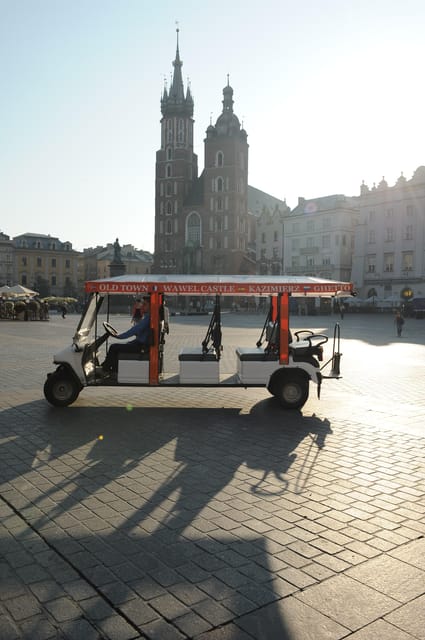
- Small-group cart ride (vehicle for no more than 13 people) means it stays friendly and easy to hear.
- Pro audio guide in your language keeps the tour moving and helps you connect what you’re seeing to what it meant.
- Three districts in one: Old Town, Kazimierz, and the former ghetto area of Podgórze.
- Over 29 major sites along the route, so you’re not just “passing through.”
- Comfort-focused electric vehicle makes it realistic for people who don’t want a lot of stairs or long distances.
- Krakus Mound panorama is a strong end point for getting your bearings.
Why a golf cart works so well for Krakow
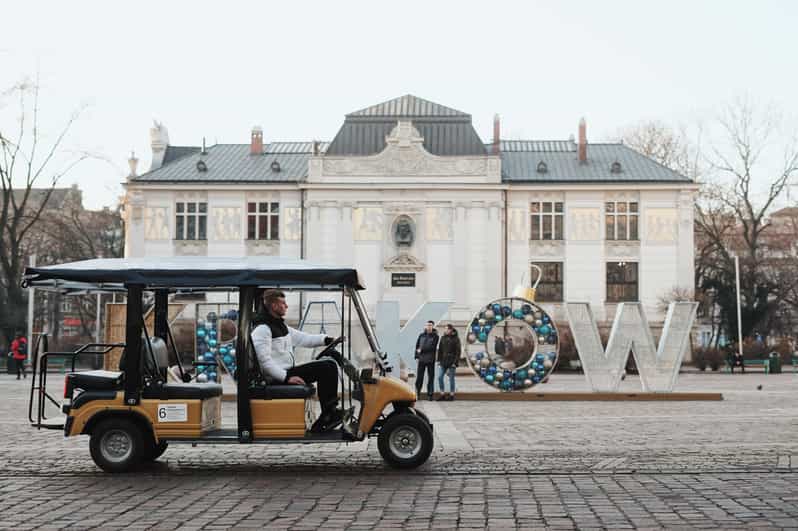
Krakow’s center looks walkable on a map, but in real life you feel the push-and-pull of cobblestones, turns, and hills. This electric golf cart approach is a practical fix. You still see the streets and squares that shape the city, but you spend less time exhausted and more time paying attention.
I also like that the tour is structured around “you see it, then you understand it.” You move through major areas, and the audio guide fills in the what, when, and why while your eyes are on the sites. That’s the kind of tour that helps you later when you’re back at a café and trying to remember what you actually learned.
The “small group” part matters too. With a vehicle capped at 13 people, you’re not shoved into a sardine lineup. It’s easier to follow along and less stressful when the streets get tight.
You can also read our reviews of more city tours in Krakow
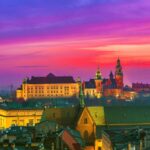
Old Town stops: medieval Krakow at street level
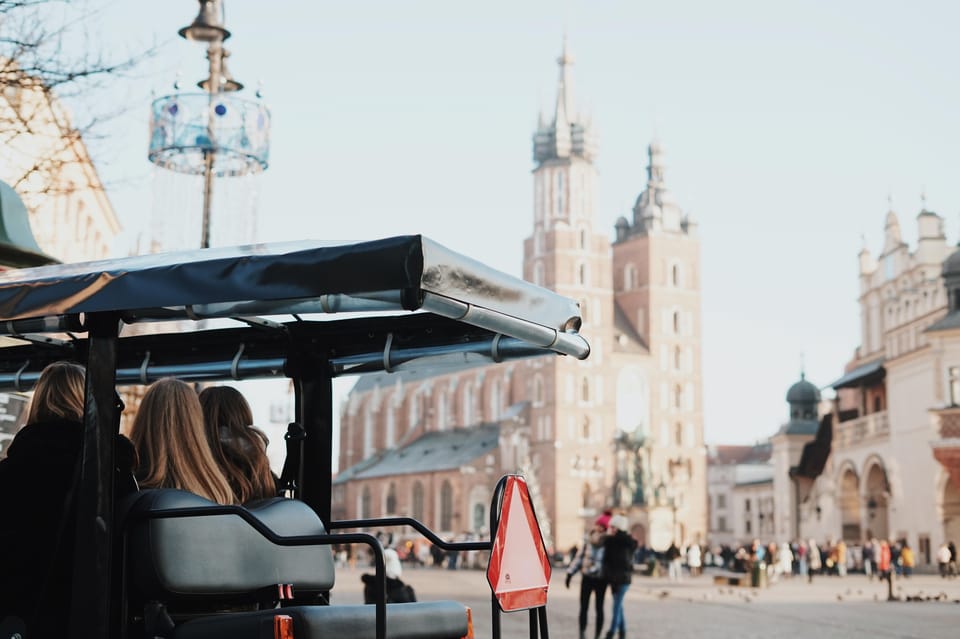
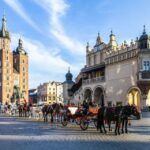
Your first chapters are the core medieval city sights—things like fortifications, squares, and the landmarks people associate with Krakow’s early identity. From the cart, you’ll take in spots that are central enough that you’ll recognize them again later if you explore on your own.
Here are some of the Old Town-style highlights you’ll be seeing along the way:
- Barbakan: This defensive structure is a reminder that Krakow’s historic center wasn’t built just for beauty. It was built for protection.
- Matejko Square: A key urban space that helps you understand how the city developed around important public areas.
- St. Florian’s Church: A major landmark that gives you something to orient around. Even if you don’t go inside, you’ll get a strong visual anchor.
- Planty Park: This green belt helps connect the medieval core to the modern feel of Krakow. It’s an easy way to spot the city’s old walls and later redevelopment in one glance.
- Wawel Castle: You’ll get the castle as the symbolic center. Wawel is where you feel the “power and legacy” part of Krakow most clearly.
The value here is simple. Many first-time visits to Krakow try to cover too much on foot, then you end up with photos and no story. This format lets you keep momentum while still getting the historical context that makes those places meaningful instead of just scenic.
One practical benefit: because you’re traveling by electric vehicle, you can keep your attention on the city design. You’ll notice how squares connect to churches, and how park areas act as transitions between old and new.
Kazimierz Jewish Quarter: buildings you can connect to real life

Kazimierz is the part of Krakow most visitors want to experience, but it’s also the part that can be confusing. You hear big terms—synagogues, Jewish neighborhoods, historic cemeteries—but it helps when the city tour puts them in sequence and explains the links.
This tour takes you through Kazimierz with stops and viewpoints tied to Jewish heritage and religious life. You’ll see (or pass) well-known houses of worship and neighborhood streets, including:
- Skałka Church and Church of St. Catherine: These stops add context to the wider religious landscape of the area.
- Wolnica Square: A public space that helps you picture how daily city life played out around these institutions.
- Church of Corpus Christi: Another landmark that rounds out the “neighborhood fabric,” not just the Jewish sites.
- Tempel Synagogue, Kupa Synagogue, Isaac Synagogue: These named synagogues are the kind of places where you want the story alongside the stonework.
- Ciemna Street and Old Synagogue: Streets and older structures are where you start to feel how the district evolved and how generations layered on top of each other.
- Popper Synagogue and Family House of Helena Rubinstein: Helena Rubinstein’s presence is a reminder that Jewish life in Kazimierz wasn’t only about religion—it also connected to culture and people who shaped the world beyond Poland.
- Remuh Synagogue and old cemetery: This is where the tone becomes personal and reflective, because cemeteries keep the story human.
The audio guide is especially useful in Kazimierz because there’s a lot to interpret: which building served what role, how the neighborhood functioned, and why the district became a symbol of Jewish life. I like that the narration stays with you while you’re looking at the buildings, rather than forcing you to read a guidebook later and guess what you saw.
Podgórze and the ghetto area: solemn history, clearly presented
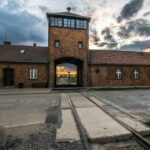
The hardest part of any Krakow visit is the former ghetto area. This tour doesn’t treat it like a quick photo stop. It frames the district with named sites tied to the Warsaw-to-world story of forced confinement and survival—without turning it into a gimmick.
In the former ghetto zone of Podgórze, you’ll focus on major memorial and historical points, including:
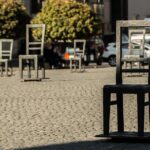
- Ghetto Heroes Square: This sets the tone right away. It’s designed to make you pause and think about people, not just dates.
- Pharmacy under the Eagle (Tadeusz Pankiewicz’s residence): A named place linked to someone who helped in the ghetto context. It’s the kind of detail that makes the story feel specific.
- Oskar Schindler’s Factory: Schindler’s name is widely known, but seeing the factory area as part of the neighborhood context helps you understand why it matters.
- Life in the Ghetto: You’ll encounter this part of the route as a theme, not just as an abstract history lesson.
- Ghetto Wall: A physical reminder that the city’s limits became a prison perimeter.
- Church of St. Joseph: Included as part of the area’s existing built environment alongside the ghetto story.
This is one area where I think the golf cart format helps. If you try to cover all of this on foot while also trying to read every plaque, you can end up overwhelmed and numb. Here, you’re given a guided path and a narration track so your brain isn’t juggling everything at once.
Important note for your expectations: the tour gives you a tour-style look at many sites rather than long, slow time inside any one location. If you want deep museum time, plan to do that separately after the ride.
Krakus Mound: the “get your bearings” moment
The ending viewpoint is one of the strongest ways to close the story. Krakus Mound provides that high outlook where Krakow finally clicks into place: you can see the city layout and understand why certain areas became centers of power, trade, faith, and later tragedy.
Panorama viewpoints are often just photo moments. Here, the cart ride already gave you the narrative. So when you look out from the mound area, it’s easier to place what you’ve just learned into geography: districts connect, old roads matter, and the boundaries of history feel more real.
If you’re the type who likes remembering cities from above, this finish is worth it. Even if you’re not a big viewpoint person, it’s a practical way to leave the tour with mental maps you can use later.
Audio guide and driver: how the narration holds it together
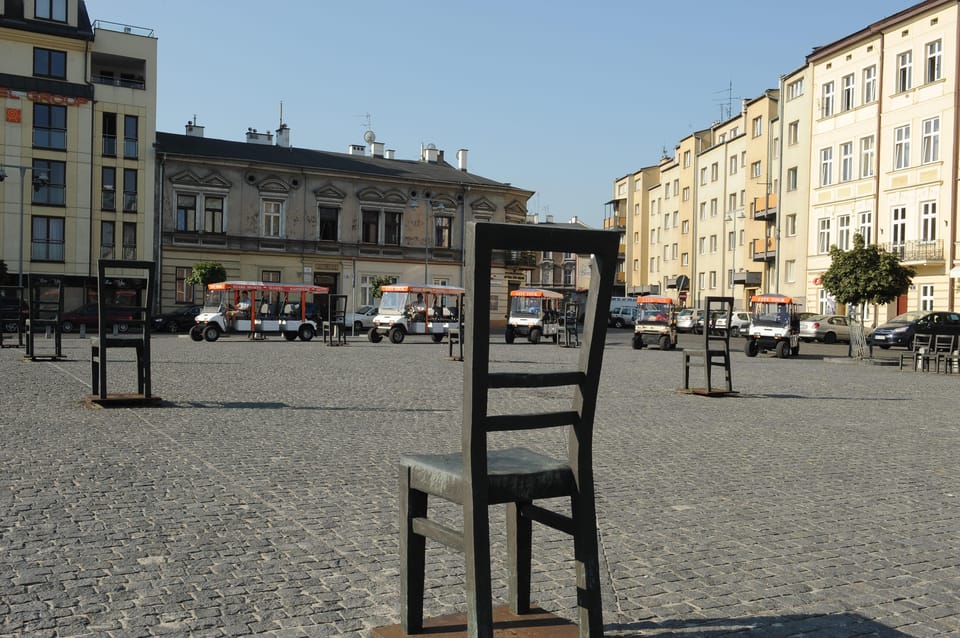
This tour includes a professional audio guide in a long list of languages (including English, Spanish, Italian, German, French, Russian, Ukrainian, Arabic, and many more). What that means in practice is you’re not stuck with a group-language compromise.
One small caution based on real experiences: the audio guide is the backbone of the tour, and the driver’s added commentary can vary depending on language match and how energized they are. In the best moments, you get both the guided narration and lively driver anecdotes. If you end up with less extra commentary, you can still rely on the audio track to keep you anchored.
Also, having the narration while you’re moving helps a lot in Poland. Places can have similar-looking churches or repeated architectural elements. The audio guide helps you sort them fast and remember them later.
Price and logistics: what you’re really paying for
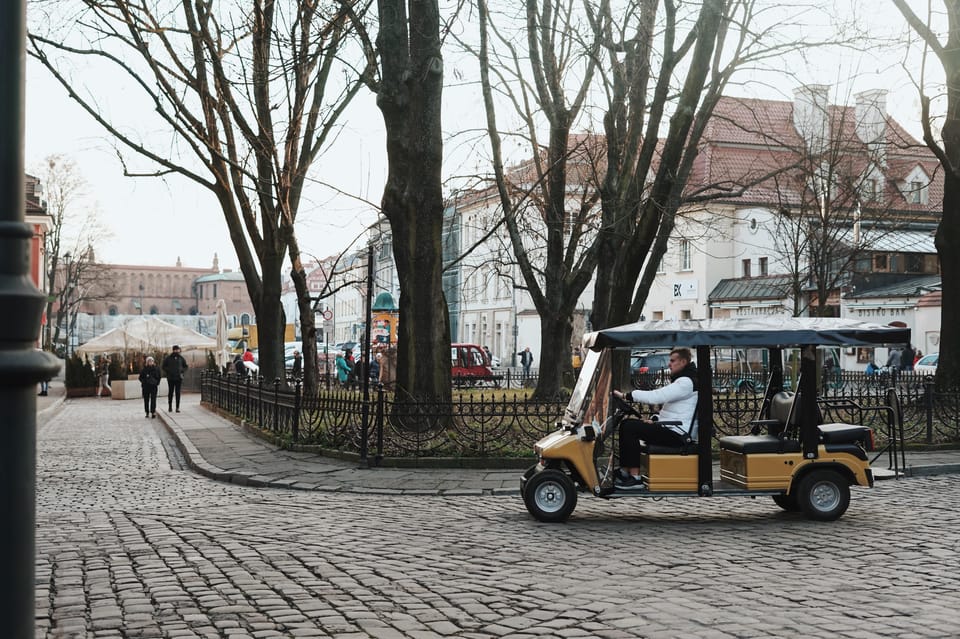
At $44 per person for 90 minutes, this tour isn’t “cheap,” but it’s also not trying to sell you an all-day program. What you’re paying for is time savings plus coherent coverage.
You get:
- Electric, ecological transport in a small group (max 13 people)
- A language-matched audio guide
- A route that spans Old Town, Kazimierz, and the former ghetto area, with over 29 significant sites
If you were to try to do this yourself on foot, you’d be stitching together multiple long walks, and you might still miss the connective tissue that turns landmarks into history. That connective tissue is where the value sits.
A few practical details worth factoring in:
- Luggage or large bags aren’t allowed, so travel light.
- It runs in all weather, so bring a jacket or rain layer if skies look uncertain.
- It’s built for people of different fitness levels because the cart handles the bulk of the moving around.
If you’re optimizing for a first visit, this one is a solid way to get the big picture fast before you choose what to revisit more slowly.
Who this Krakow golf cart tour is best for
I’d steer you toward this tour if you want:
- A fast first pass through major areas: Old Town, Kazimierz, and Podgórze
- Historical context in real time, not just after the fact
- A comfortable way to see a lot without feeling fried
It’s also a good match if you’re traveling with a mix of interests or fitness levels. The cart smooths out the physical side, while the narration handles the learning side.
You might skip it (or add extra time elsewhere) if you’re the type who needs long, quiet museum time at each stop. This ride gives breadth and structure, not deep lingering.
Should you book the Krakow City Sightseeing Tour by Golf Cart?
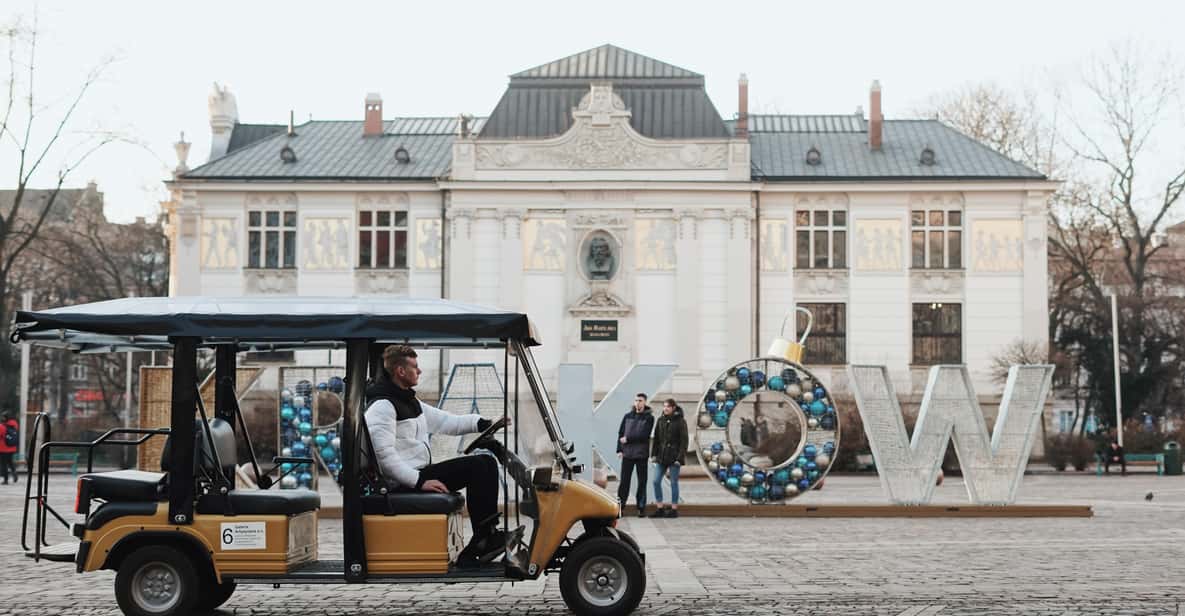
If you want a readable, low-stress way to understand Krakow’s layers—medieval landmarks, Kazimierz Jewish heritage sites, and the former ghetto area—then yes, this is a smart booking. The audio guide does the heavy lifting, the cart keeps you comfortable, and the route covers enough named sites that you’ll actually remember the trip.
Book it especially if it’s your first day in Krakow and you like getting oriented quickly. Then follow up with slower, focused time where you felt the strongest pull—be it a church square, a synagogue area, or the memorial-minded sites in Podgórze.
FAQ
How long is the Krakow city sightseeing tour by golf cart?
The tour lasts 90 minutes.
What areas of Krakow does the tour cover?
You’ll cover the medieval Old Town, the Jewish Quarter of Kazimierz, and Podgórze, the former site of the Krakow ghetto.
Is a guide or audio included, and what languages are available?
A professional audio guide is included in your language, with many listed languages such as English, Spanish, Italian, French, German, Russian, Ukrainian, and more.
What vehicle size is used for the tour?
It’s a small-group ride, with a vehicle for no more than 13 people.
Does the tour run in bad weather?
Yes, the tour operates in all weather conditions, so you should dress appropriately.
Are there luggage restrictions?
Luggage or large bags are not allowed.