REVIEW · AUSCHWITZ II BIRKENAU
Auschwitz-Birkenau: Skip-the-Line Entry Ticket & Guided Tour
Book on GetYourGuide →Operated by SuperCracow.com · Bookable on GetYourGuide
Auschwitz hits hard, even before you reach the exhibits. This guided, skip-the-line experience pairs fast-track entry with a museum-licensed guide, so you can focus on what you’re seeing instead of getting stuck in queues or guessing what matters.
I like two things right away. First, you get a clear structure: Auschwitz I first, then Auschwitz II Birkenau after a short break. Second, the guide’s commentary is easy to follow, and headsets help you hear every detail as you move through the camps.
One thing to consider is the pace. It’s emotionally intense and not a slow walk, so you may not have much time to linger and read everything at your own speed, especially on busier days or when the group is moving efficiently.
In This Review
- Key points before you go
- What the $21 ticket really buys: skip-the-line and a licensed guide
- Entering the museum: security, the main gate, and why the first moments matter
- Auschwitz I: barracks, the ruins of the gas chamber area, and the guided story arc
- The short break and the Brzezinka handoff: plan for the 2 km move
- Auschwitz II Birkenau: an hour that shows the scale
- Headsets and group pacing: how the tour stays clear without feeling rushed
- What to bring (and what gets you turned away)
- Language, start times, and timing advice that actually helps
- Who this tour is for (and who should rethink it)
- Should you book this Auschwitz-Birkenau guided tour?
Key points before you go
- Skip-the-line entrance to the Auschwitz-Birkenau Museum so your time starts with the right people and places
- Museum-licensed, live guide covering Auschwitz I and Auschwitz II Birkenau
- Headsets to keep you from straining to hear while the group moves
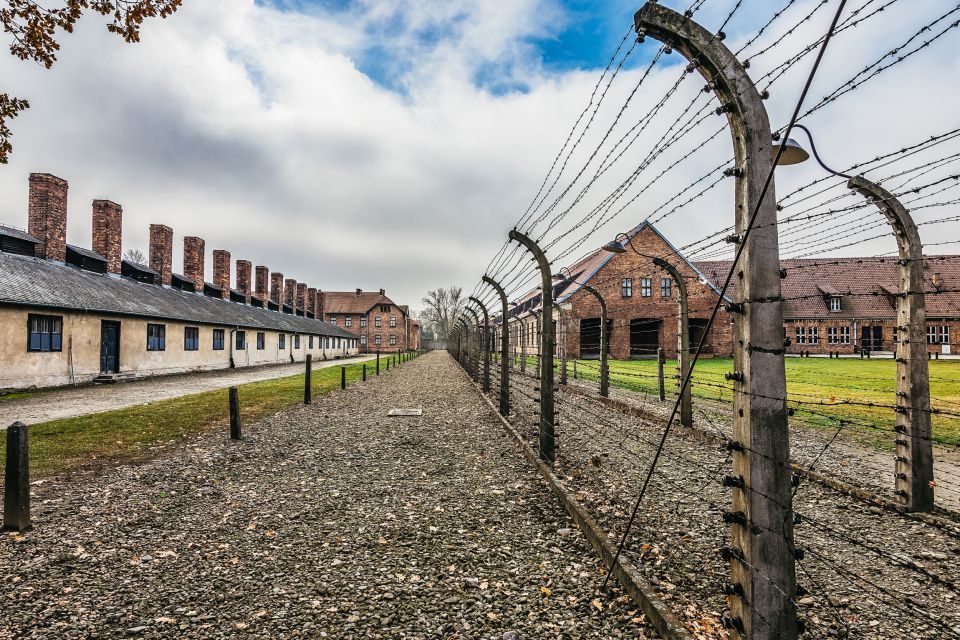
- Auschwitz I + Birkenau highlights including the main gate, original barracks, and gas chamber ruins
- A short break between camps plus a practical 2 km move to Brzezinka parking during the switch
- A 7:00 AM to 3:30 PM operating window with the exact start time sent the day before
What the $21 ticket really buys: skip-the-line and a licensed guide
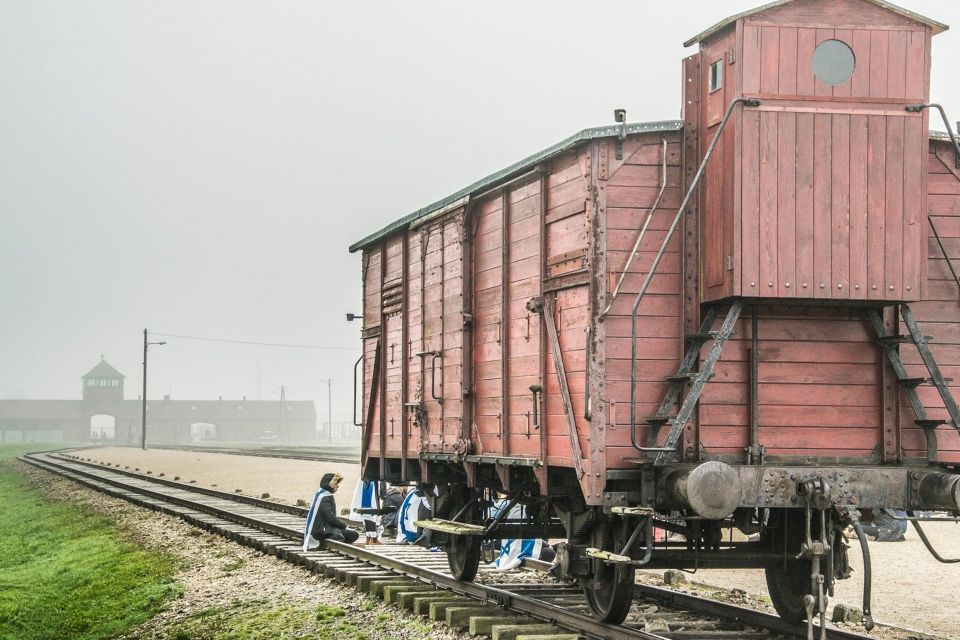
At about $21 per person, the value here is not just the museum entry. You’re paying for a skip-the ticket line experience plus a licensed guide provided by the Auschwitz-Birkenau Museum, which matters because this site has a lot of meaning packed into a small space.
You also get a fixed, sensible flow: Auschwitz I first (about 1 hour 20 minutes to 1 hour 50 minutes), a short break, then Auschwitz II Birkenau (about an hour). That structure helps you avoid the common problem of being physically there but mentally lost.
The ticket does not include transportation from your hotel or parking, and it’s also not set up as a private door-to-door transfer between camps. If you’re relying on taxis or public transport, build in time and keep your phone ready for last-minute start-time details.
Entering the museum: security, the main gate, and why the first moments matter
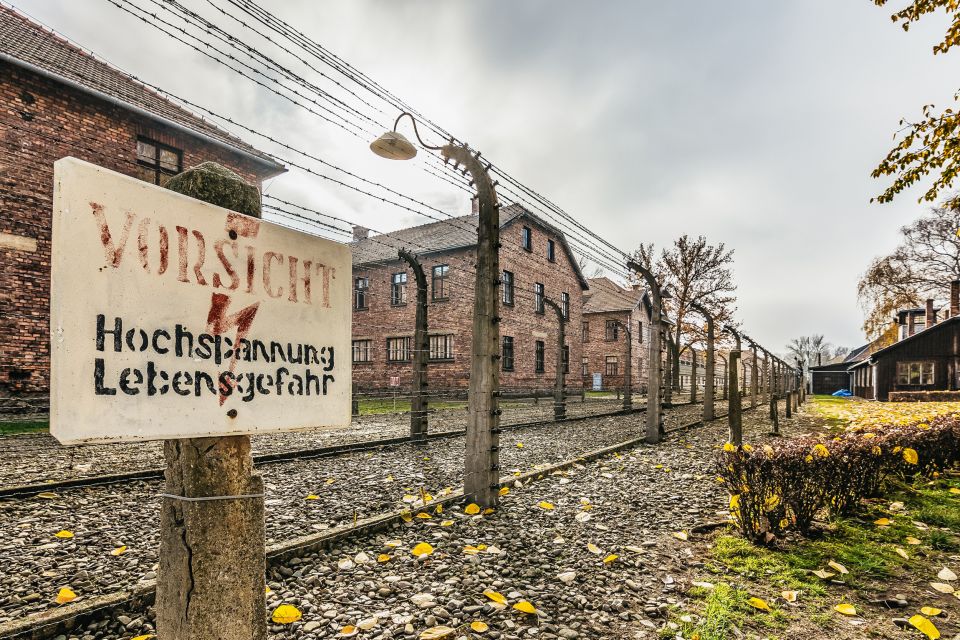
Your day starts at the museum entrance, where your host meets you and you go in using your pre-booked ticket. There’s a security check before you enter the exhibit areas, so arrive with ID in hand and keep your bag rules in mind.
The tour “begins” in the emotional sense right at the start area. Even if you do everything right, you may see a lot of people and other guides. One traveler noted the outside area can feel chaotic until you find your exact meeting spot, so I suggest giving yourself a little buffer and not waiting until the last minute to locate your group.
Once you’re inside, you’re aiming for context fast. The tour introduces what Auschwitz-Birkenau became after being funded by the Nazi party in 1940, including how it grew into the largest concentration camp system in World War II. That framing is important because the physical remains are only part of the story; the guide’s explanations turn the space into something you can understand without needing extra reading.
Auschwitz I: barracks, the ruins of the gas chamber area, and the guided story arc
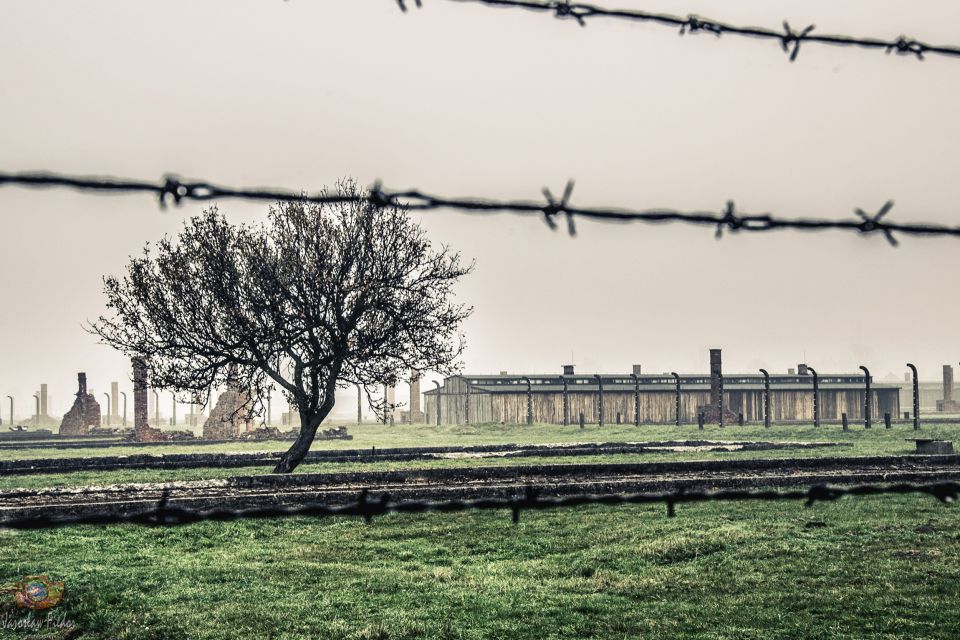
Auschwitz I is where you get the densest “set-up” for the rest of the visit. You’ll spend roughly 1 hour 20 minutes to 1 hour 50 minutes here, with the same licensed guide guiding you through key areas.
A few highlights you should expect:
- The main gate and the immediate sense of control and threat
- Original barracks that help you grasp how daily confinement was structured
- The ruins of the gas chamber area, which the guide addresses directly and respectfully
This part matters because it’s where you learn the why and how before you see the wider scale at Birkenau. It’s also where the guide often points out details people might otherwise miss: things like how property and personal effects were cataloged or how the site’s physical layout ties into the camp’s function.
You should also expect a sober, careful tone. In one guide experience, Anna stood out for sharing context thoughtfully, with a sense of care that kept the group together and moving without rushing. Another guide, Suzanna, was praised for making the historical explanation feel clear even when the subject is overwhelming.
If you’re hoping to read every posted item slowly, plan for the opposite: the tour is designed to cover major stops in a set time window. You’ll likely feel the tension between wanting to pause and needing to move with the group.
The short break and the Brzezinka handoff: plan for the 2 km move
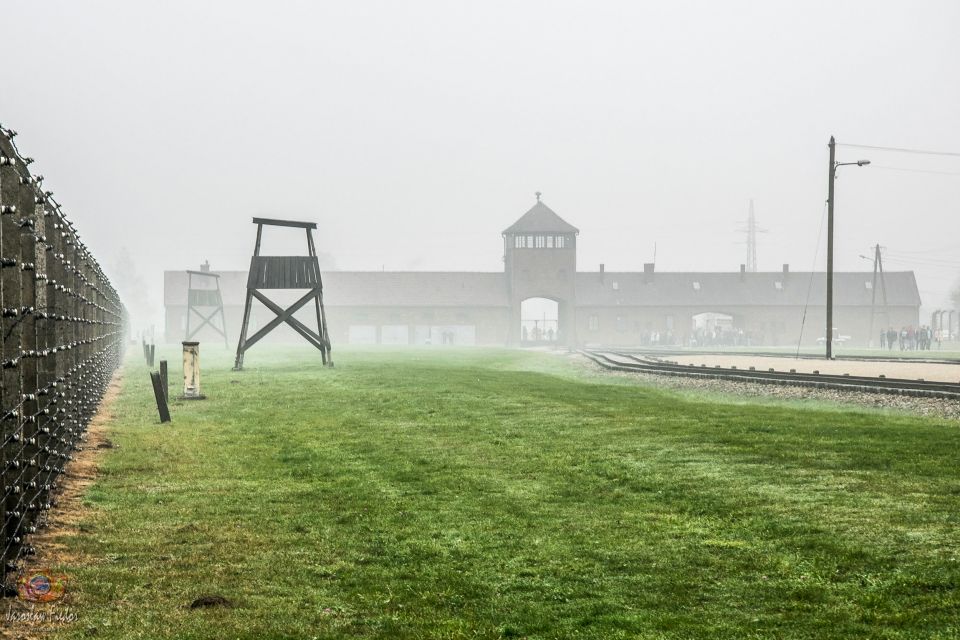
Between Auschwitz I and Auschwitz II, you get a break. It’s typically 10–15 minutes, and some instructions describe an approximately 15-minute break after finishing Auschwitz I.
Here’s the practical piece you need to know: during this break, you should move to the car parking area in Brzezinka by your own transport, which is described as 2 km. That means your plan should include how you’ll reposition, even if the tour later involves bus support for the Birkenau leg.
This is one of the places where small logistics can stress you out, especially if you’re coming from public transport. If you took trains or buses to reach the area, tell your tour leader early so you can get pointed to what you need for the Brzezinka parking move.
My advice is simple: eat and drink during the break if you can. Lunch isn’t included, and it’s recommended to bring it. Even a quick snack helps you last through the final hour, because your brain will be working hard the entire time.
Auschwitz II Birkenau: an hour that shows the scale
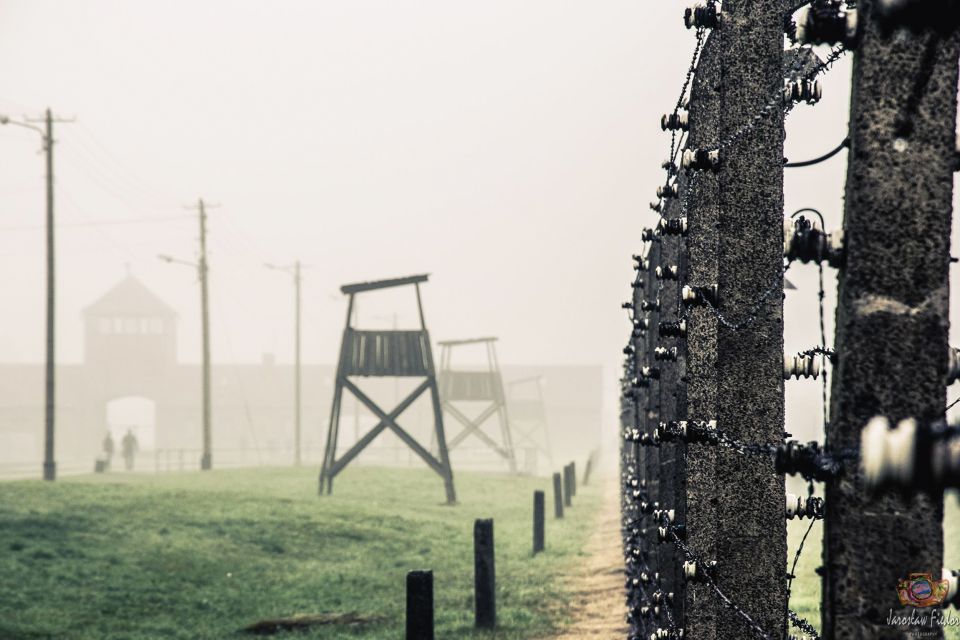
After the switch, you board the next phase of the tour and head to Auschwitz II Birkenau. This part is about one hour with the same guide, which is long enough to absorb the site’s scale, but not long enough to explore it slowly on your own.
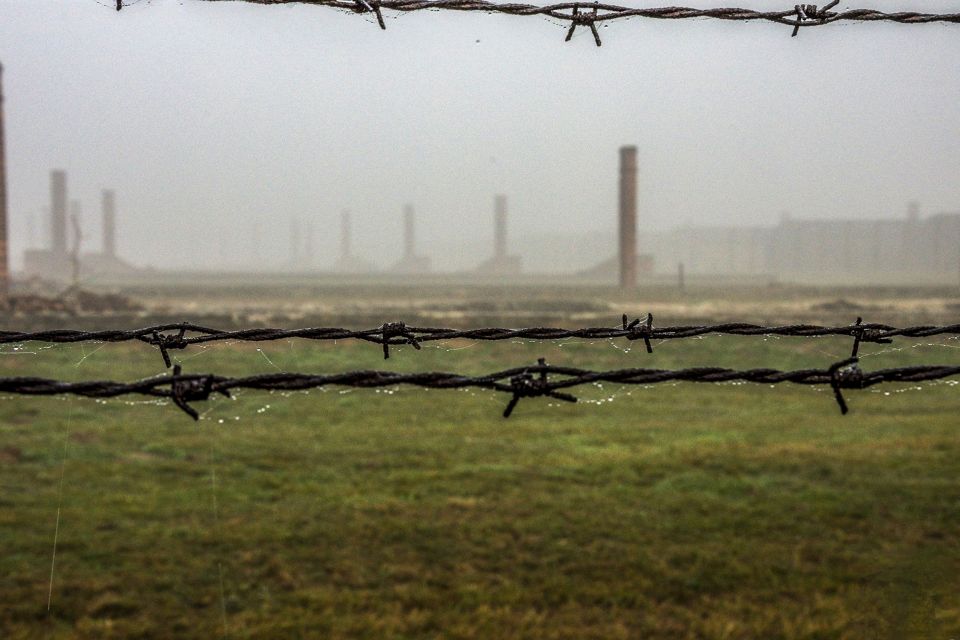
Birkenau is where the experience can feel bigger than the words you’ve read. The physical remains spread out in a way that makes the system’s scale easier to grasp, and the guide’s job is to connect those impressions back to human reality.
People often remember specific kinds of moments here: the emotional punch of seeing the ruins, the unsettling feeling of walking paths that were part of camp operations, and the way the guide ties those locations to the broader Holocaust story.
In one example from a guide session, Anna used context and clear explanations to connect what’s visible to what happened there. The result is that Birkenau doesn’t feel like random buildings and concrete. It feels like a place with a purpose you can understand, even if you wish you didn’t.
Headsets and group pacing: how the tour stays clear without feeling rushed
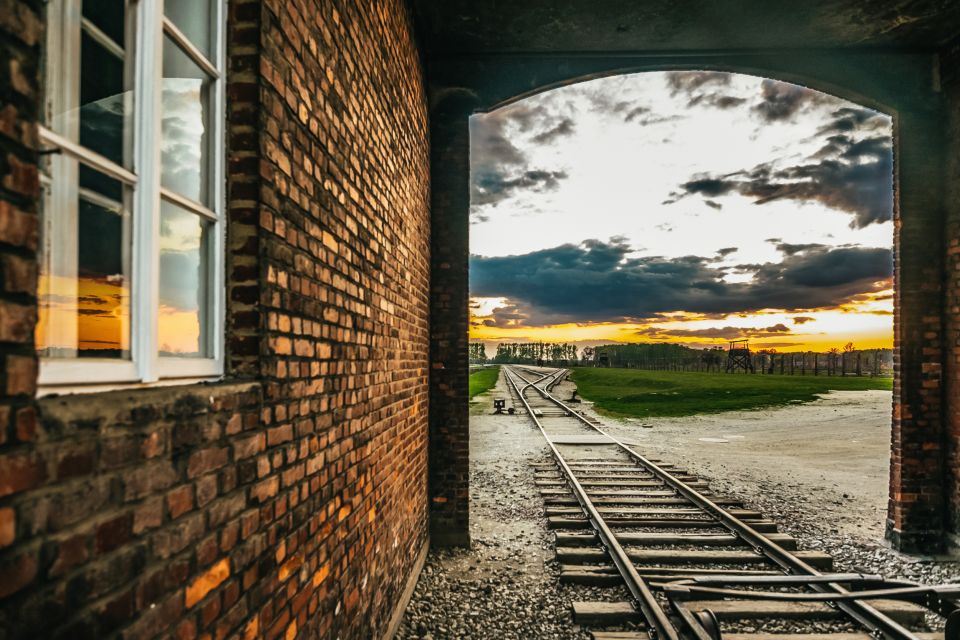
One reason this experience works for many people is that communication is built in. In multiple accounts, visitors mentioned headsets so the guide can be heard clearly as the group moves. That’s a big deal at Auschwitz-Birkenau, where wind, distance, and crowds can make spoken explanations hard.
You also get a reality check about time. The memorial visitor service sets the pacing, including how long you stop at each segment and how breaks are scheduled. That means your freedom to linger is limited by design.
This can be a drawback if you want to slow down and read every display in depth. One person noted the flow can be quick, and another mentioned there isn’t much time for long independent reading because many groups move through in overlapping waves. If you’re the type who likes to stare at details for 30 minutes at a time, you might leave wanting a second visit or extra solo time later.
Still, the trade-off is that you’ll see the major pieces and get explanations right where they belong, rather than standing confused in the wrong order.
What to bring (and what gets you turned away)
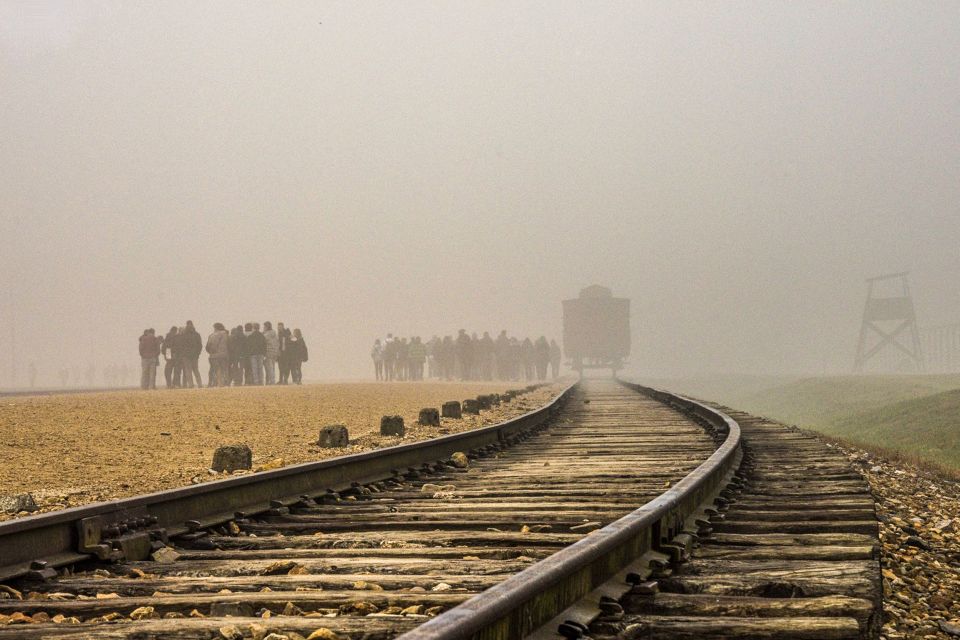
This tour is strict about security and site rules, so treat the checklist like part of the experience.
Bring:
- A passport or ID card (required for entry)
- Your pre-booked ticket details as sent by the operator
- Lunch and drinks, since food and drinks aren’t included
Know the bag and clothing limits:
- No pets
- No smoking
- No large bags or luggage, and no backpacks
- The maximum bag size permitted is 20 x 30 cm
- Short skirts and sleeveless shirts are not allowed
- Alcohol and drugs are not allowed
If you’re carrying camera gear, keep it simple. If you’re unsure whether something counts as luggage, assume it might. At Auschwitz-Birkenau, “almost” counts as “not allowed.”
Language, start times, and timing advice that actually helps
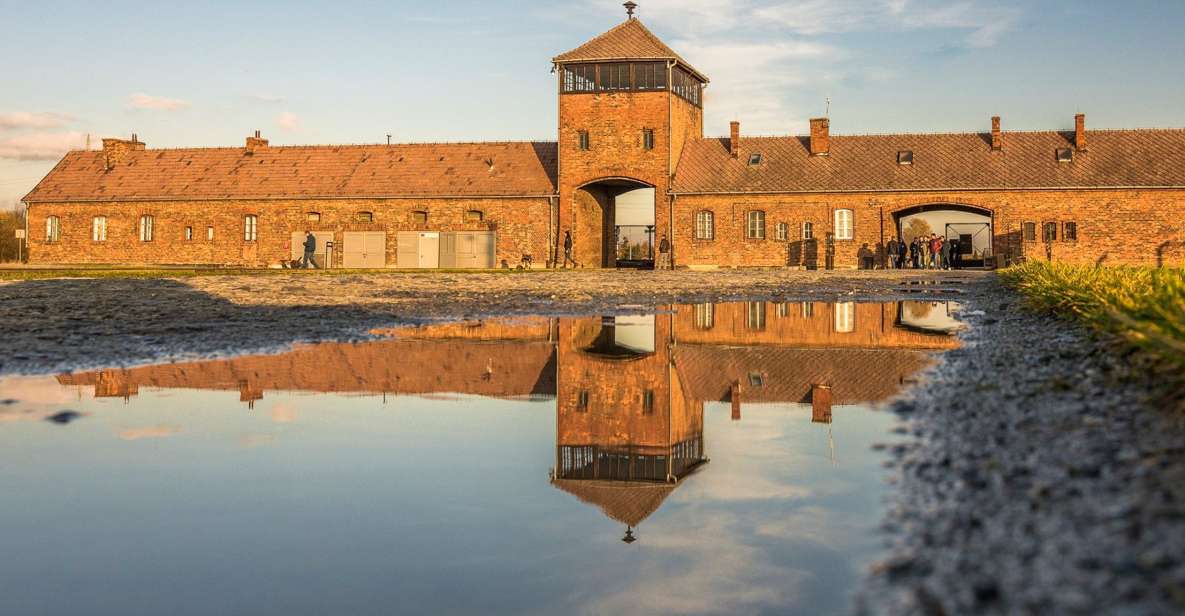
The tour runs in the window 7:00 AM to 3:30 PM, and you can choose a preferred start time when booking. The exact starting time is sent to you the day before, so don’t plan tight connections right after your morning or early afternoon slot.
The total duration is listed as 225 minutes. Within that, you’ll see Auschwitz I first, then have a break, then do Birkenau. You’re looking at a full half-day commitment, so plan for slower travel afterward, especially if you’re returning by train or taxi.
Weather can also shape your experience. One visit in late January involved snow and minus temperatures, which made the cold feel part of the atmosphere. Another experience included rain and made the day feel heavier. You can’t control the weather, but you can dress for it without overthinking it.
Who this tour is for (and who should rethink it)
This is a strong choice if you want:
- A licensed guide explaining the Holocaust with structure
- Major stops covered in the right order: Auschwitz I, then Auschwitz II Birkenau
- A tour format that reduces uncertainty and helps you hear the guide clearly via headsets
It can work for families too, including with young kids, if everyone is prepared for the emotional weight. Some guides were praised for maintaining clarity and keeping younger listeners engaged, but the subject is still intense.
It’s not suitable for wheelchair users, based on the tour info provided.
If you want a silent, self-paced museum day with lots of lingering and independent reading, this format may feel too structured. If you want an explanation at each step, this format is doing exactly what it’s supposed to do.
Should you book this Auschwitz-Birkenau guided tour?
Book it if you want fast-track entry plus a museum-licensed guide and you’re okay with a guided pace. This is the best way to make sure the place doesn’t overwhelm you into confusion. You’ll leave with a clearer understanding of what you saw at Auschwitz I and what scale and layout meant at Birkenau.
Consider alternatives or adjust expectations if you:
- Need maximum time to read exhibits on your own
- Are sensitive to crowd movement and prefer a slower rhythm
- Have mobility limitations, since the tour is not suitable for wheelchair users
- Have tight timing constraints, since the exact start time comes the day before
Bottom line: for most people, this tour is a practical way to do an essential visit respectfully and with clarity. Bring your ID, pack for cold or rain, bring lunch, and let the guide do the hard work of turning space into meaning.