REVIEW · KRAKOW
Kraków: Schindler’s Factory & Jewish Ghetto Guided Tour
Book on GetYourGuide →Operated by Hello Cracow · Bookable on GetYourGuide
History hits differently in Kraków. This tour pairs Schindler’s Enamel Factory with a guided walk through the Jewish Ghetto, so you see how Nazi occupation reshaped everyday life and then you follow the geography of confinement and resistance. I especially liked the guide-led clarity in the museum and the stop-by-stop way the ghetto sites are explained, but one watch-out is that the museum has narrow corridors and if your spot is far from the guide, you may miss some details.
The best value here is the combination: a top, much-visited museum plus a structured walking tour in only 3 hours, without wasting time in ticket lines. Still, if you’re sensitive to dark, tight spaces or you need lots of free time on your own, this format may feel a bit fast.
In This Review
- Key things to know before you go
- Schindler’s Enamel Factory: where the war story turns tangible
- The exhibition focus: Kraków under Nazi Occupation 1939–1945
- Practicalities inside the museum: dark corners, narrow space, and timing
- Ghetto Walls remains: walking the boundary you can still feel
- Ghetto Heroes Square and the Chair Memorial: a simple symbol with heavy meaning
- Under the Eagle Pharmacy: resistance that looked like medicine
- How long is enough? Timing a packed 3-hour plan
- Languages and guide quality: you’re paying for how the story is told
- Price and value: $58 for two major sites plus skip-the-line
- Meeting point and getting there smoothly
- Who should book this tour, and who should think twice
- Should you book this tour?
- FAQ
- FAQ
- How long is the Kraków Schindler’s Factory & Jewish Ghetto guided tour?
- Where do I meet the guide?
- What’s included in the tour price?
- What language options are available?
- Is food or drinks included?
- Do I need to arrive early?
- Does the tour run in bad weather?
- Will I skip the ticket line at Schindler’s Factory?
- Starting in 2026, do I need to provide participants’ names?
Key things to know before you go
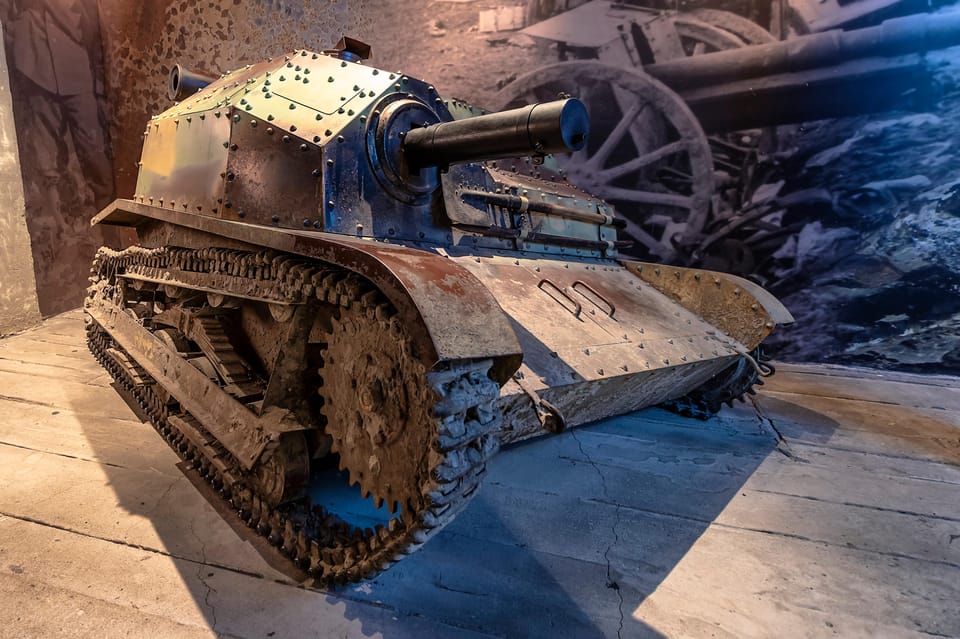
- Skip-the-line entry into Schindler’s Factory, so you start learning sooner
- Kraków under Nazi Occupation 1939–1945 is the museum focus, not just one man’s biography
- Ghetto Walls remains and the meaning of the boundaries you walk through
- Ghetto Heroes Square and the Chair Memorial, with deportations placed in context
- Under the Eagle Pharmacy, including the story of Tadeusz Pankiewicz and those who preserved medicine
Schindler’s Enamel Factory: where the war story turns tangible
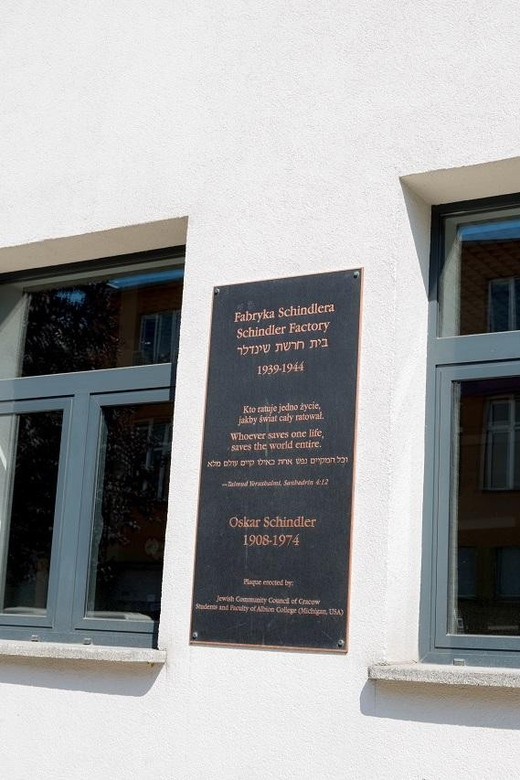
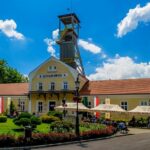
Schindler’s Enamel Factory is one of Kraków’s most popular museums for a reason. It’s housed in Oskar Schindler’s former enamel works, so the setting feels like it has weight—even before you hit the first room. With a licensed guide and skip-the-line entry, you avoid the common “stand around and wait” problem at a peak attraction.
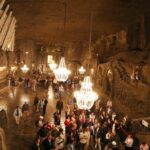
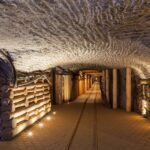
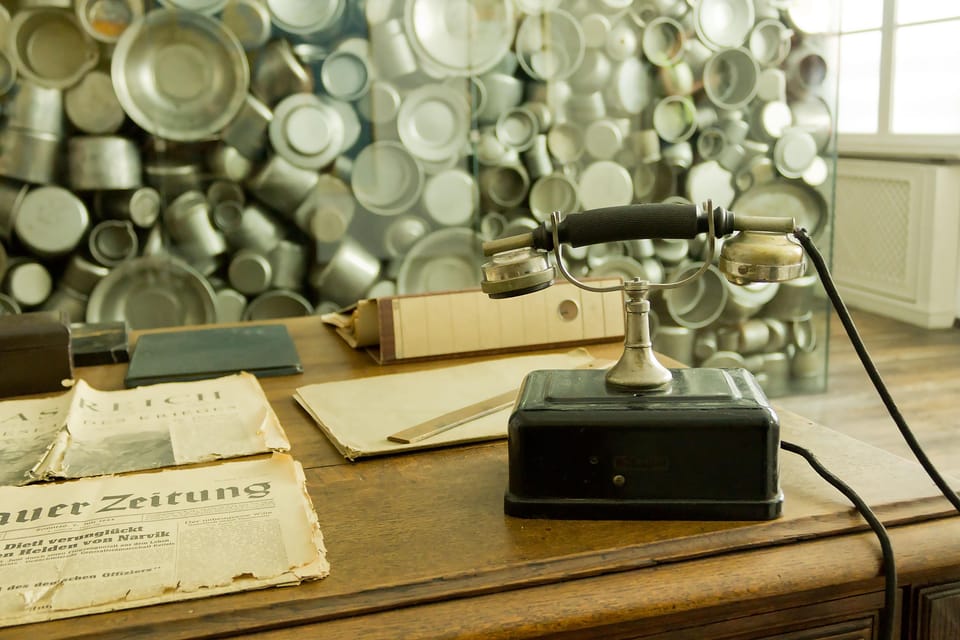
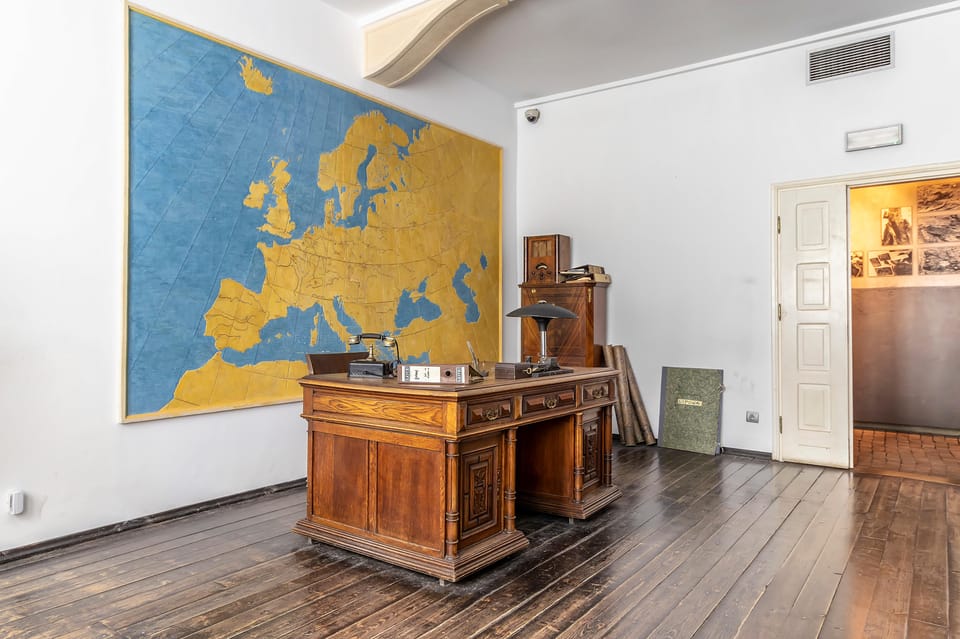
Inside, what hits you is not just the subject matter, but the pacing and the way the exhibition is presented. You’ll move through galleries focused on Kraków during the Nazi occupation, with original artifacts, photographs, and carefully built recreations that help explain what daily life became. Expect narrow corridors, dim lighting, and rooms designed to make uncertainty feel real—like the city itself is holding its breath.
One practical note: the building was a factory, but today you’re touring a museum. The info emphasizes that the site does not contain original machinery, so don’t show up expecting industrial equipment. What you get instead is a story-driven experience anchored to the factory’s historical role.
You can also read our reviews of more guided tours in Krakow
The exhibition focus: Kraków under Nazi Occupation 1939–1945
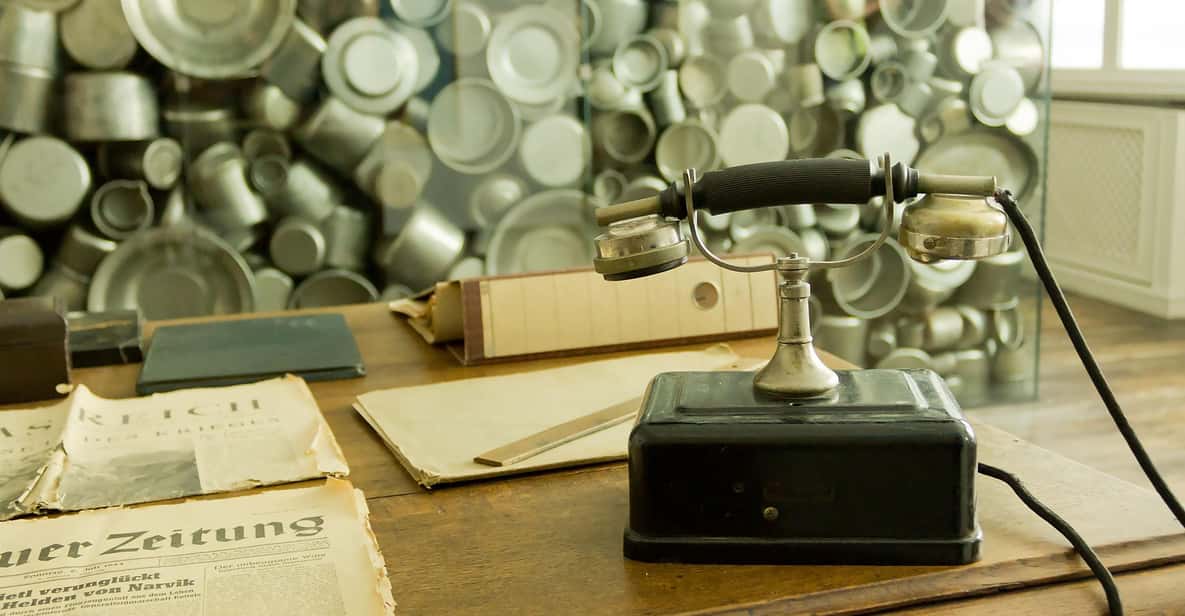
This tour doesn’t treat Schindler as a standalone hero story. Yes, you’ll hear about Oskar Schindler and how his factory provided refuge to over a thousand Jewish workers, but the museum framework is broader. It’s centered on how Nazi rule reshaped Kraków from 1939 to 1945—for both Jewish and non-Jewish residents.
That wider lens matters for you as a visitor. It helps you understand that the ghetto was not a vague concept; it was something enforced day by day. It also keeps the story balanced by showing persecution and deportations alongside the daily struggle to keep going.
As you follow the galleries, you’ll learn about confinement and the escalating reality of the occupation, including what happened as Kraków’s Jewish community was destroyed. The museum organizes this into a sequence that’s easier to absorb than reading alone, especially when your guide connects the dots clearly.
There is one consideration if you’re specifically hunting for lots of factory detail: the exhibition can feel more focused on the occupation period overall than on Schindler’s factory operations. If your top priority is the day-to-day mechanics of the enamel works, you might feel the factory angle is shorter than you expected. For most people, though, the trade-off works because the story explains why the factory mattered at all.
Practicalities inside the museum: dark corners, narrow space, and timing
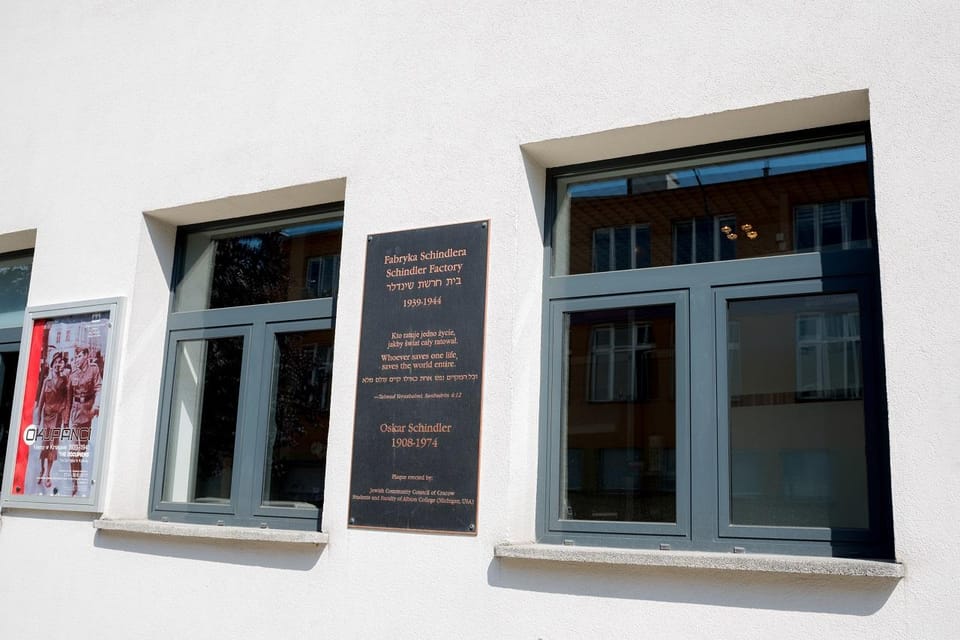
Schindler’s Factory is designed to recreate the wartime atmosphere, which means practical comfort is secondary. Corridors can be tight and lighting can be low. You’ll want to dress for it: sturdy footwear matters, and planning to move carefully through narrow spaces will make your experience smoother.
Arrive early—really early. The tour asks you to show up 10 minutes before the start time. Once the group leaves, latecomers can’t join and tickets can’t be refunded. That rule is blunt, but it keeps the schedule from turning into chaos.
Group size can also shape what you can see. The museum is narrow, so if your group ends up larger, you may notice that only the people nearest the guide get the full visual line to what the guide is pointing out. My advice: when the tour starts, position yourself where you can comfortably see the guide and the display items at the same time. If you’re at the back, you might still learn, but you’ll work a bit harder.
Ghetto Walls remains: walking the boundary you can still feel
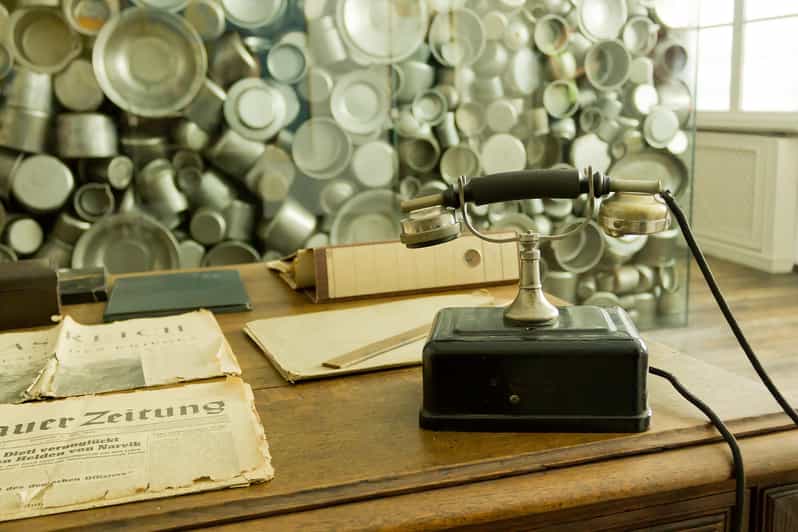
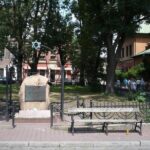
After the museum, the experience shifts outdoors and turns into a real geography lesson. The first ghetto stop is the remains of the Ghetto Walls. You’ll see what’s left of the physical separation that once cut the city into safe and unsafe zones.
This part is more than a photo stop. The walls are a reminder that segregation was enforced with material structures, not just laws. Walking near what’s left helps you understand why later stops hit harder—because you can connect the abstract with the street-level reality.
The pace here is usually steady. You’re moving between key points, but the goal is to understand what each location meant—where people were trapped and how the rest of the city related to that confinement.
Ghetto Heroes Square and the Chair Memorial: a simple symbol with heavy meaning
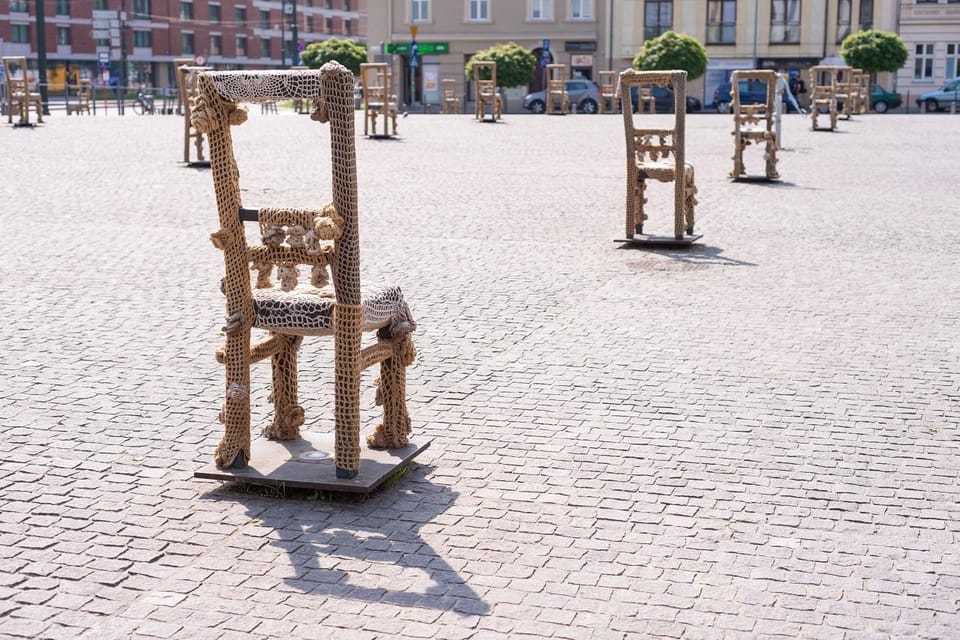
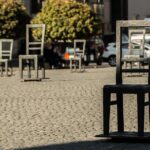
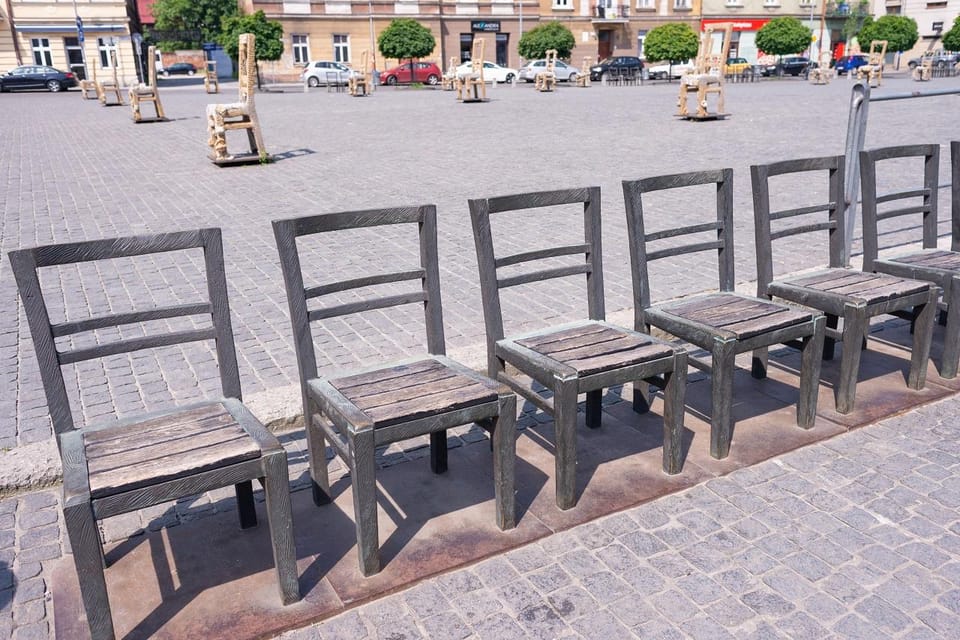
Next comes Ghetto Heroes Square, described as the heart of the ghetto. This is where deportations to extermination camps took place, and the guide explains that the square wasn’t only a place people passed through—it became part of the machinery of murder.
Today, it includes the Chair Memorial. The chairs are symbolic, with each chair representing a life lost. It’s a design choice that can feel almost too quiet compared to the brutality it represents. That contrast is part of why this stop works: it forces you to slow down and confront what the symbol stands for.
If you want a respectful experience, keep your voice low and your phone use minimal. You’ll get more from the stop if you let yourself absorb what the guide says before you start snapping pictures.

Under the Eagle Pharmacy: resistance that looked like medicine
Across the square is Under the Eagle Pharmacy, a site that brings the story into a different register. Here you learn about Tadeusz Pankiewicz and his staff, who aided ghetto residents and helped preserve medicine and hope.
This pharmacy stop is valuable because it reminds you that resistance wasn’t always dramatic. Sometimes it was practical: finding ways to keep people alive, keeping supplies from being destroyed, and protecting small acts of humanity when the system was built to erase them.
It also balances the ghetto story. You don’t only hear about destruction and deportations. You learn how individuals and teams created pockets of survival, even under intense danger.
How long is enough? Timing a packed 3-hour plan
The tour runs about 3 hours, covering both the museum and the walking portion of the ghetto. That duration is tight enough to feel efficient, but not so short that you’re rushed through everything. In practice, the museum is where most of the time gets spent, and the ghetto walk focuses on key sites rather than a long, broad route.
Plan for energy. You’ll likely do a fair amount of standing and walking, and the museum requires slow movement through confined spaces. If you’re pairing this with other Kraków sights the same day, give yourself buffer time afterward. You’ll probably want a walk afterward just to reset.
Food and drinks aren’t included, so either eat before you go or plan a meal after. Kraków has plenty of options nearby, but the main point is simple: don’t rely on this tour for sustenance.
Languages and guide quality: you’re paying for how the story is told
The tour is offered with licensed live guides in French, Italian, German, English, and Spanish. That matters because this subject needs careful explanation. The museum has narrow corridors and lots of information, and a guide’s structure turns the space from confusing to meaningful.
One strong signal from past participants is how well guides can explain the material, with clear and concise storytelling and strong grounding in history and politics. That’s what you want here. If you get a good guide, the exhibits don’t feel like a list of dates. They feel like a connected chain of choices, consequences, and human behavior.
There’s also a small structural reality: because the museum can be crowded and tight, being positioned well helps. If you prefer front-row learning, get your place early at the museum entrance and stay where you can see the guide during key explanations.
Price and value: $58 for two major sites plus skip-the-line
At $58 per person, this tour sits in the “worth it if you care about context” category. The skip-the-line admission isn’t a gimmick—it’s a practical value. Schindler’s Factory is a highly popular museum, and saving time helps you spend more of your visit actually learning.
You’re also paying for more than entry. You get a licensed expert guide for both parts: the museum visit and the ghetto walking tour. That matters because the ghetto sites can be confusing if you’re reading alone. A guide gives you names, timelines, and location-specific meaning.
You do not get hotel pickup and drop-off, and food and drinks aren’t included. So your true cost is partly how you handle transport and meals before or after. If you’re already moving around Kraków on your own, the tour price still feels reasonable for what you’re getting: two top experiences compressed into one guided program.
Meeting point and getting there smoothly
Meet the guide in front of the main entrance to the Schindler’s Factory Museum. The meeting point uses the sign excursions.city. This is the kind of detail that can save you stress, especially with a packed schedule day in Kraków.
Since you need to be there about 10 minutes early, do yourself a favor: arrive a little earlier than required so you’re not rushing to find the right entrance while the group is forming.
Who should book this tour, and who should think twice
This tour is ideal if you want a guided, structured view of Kraków in WWII—especially if you care about how people lived, suffered, and resisted. It’s also a strong choice if you like your history grounded in specific locations: the museum, the ghetto boundary, Heroes Square, and the pharmacy.
Think twice if:
- You strongly dislike dark, narrow interiors and may find the museum layout uncomfortable.
- You want lots of personal time alone inside a museum, because this tour keeps a guided rhythm.
- You’re expecting an ultra-detailed focus on Schindler’s factory operations rather than the broader occupation narrative.
Should you book this tour?
If your goal is to understand Kraków during Nazi occupation through both a world-famous museum and the real-world layout of the ghetto, I think you should book this. The value is in the guidance: you’re not just seeing sites, you’re learning how they connect.
If you’re short on time, the 3-hour format is a practical win. And if you hate waiting, the skip-the-line entry helps you get moving fast.
FAQ
FAQ
How long is the Kraków Schindler’s Factory & Jewish Ghetto guided tour?
It lasts about 3 hours.
Where do I meet the guide?
The guide meets you in front of the main entrance to Schindler’s Factory Museum, with an excursions.city sign.
What’s included in the tour price?
You get a licensed expert guide, skip-the-line admission to Schindler’s Factory, and a walking tour through the Kraków Ghetto.
What language options are available?
The live guide is available in French, Italian, German, English, and Spanish.
Is food or drinks included?
No. Food and drinks are not included.
Do I need to arrive early?
Yes. You should arrive 10 minutes before the tour begins, or you may not be able to join once the group departs, and tickets can’t be refunded.
Does the tour run in bad weather?
Yes. The tour goes ahead in all weather, rain or shine.
Will I skip the ticket line at Schindler’s Factory?
Yes. Skip-the-line admission is included.
Starting in 2026, do I need to provide participants’ names?
Yes. From January 1, 2026, tickets are personalized, and you must provide the names of all participants during booking, or entry may be denied.