REVIEW · AUSCHWITZ MAIN ENTRANCE GATE
Auschwitz-Birkenau: Guided Tour with Fast Track Ticket
Book on GetYourGuide →Operated by Poland Tours · Bookable on GetYourGuide
Auschwitz changes you fast. This is a focused visit to Auschwitz I and Auschwitz II-Birkenau with pre-booked, fast-track entry so you can spend more of your limited time learning on-site.
I love that you get a certified guide covering the history of Nazi camps and the Holocaust, not just a quick walk-through. I also like the small-group feel and the fact that you’ll have a local guide at each camp in your chosen language when available.
One thing to keep in mind: even with fast-track tickets, waiting can still run up to 15 minutes, and the meeting point can be tricky to spot when lots of groups arrive at once.
In This Review
- Key things to know before you go
- Fast-Track Tickets: What Skip-the-Line Really Means
- Meeting Point and the Start of Your Day from Krakow
- Auschwitz I: Prison Blocks, Nazi System, and the Shape of the Camp
- What to watch for
- Auschwitz II-Birkenau: Gas Chambers, Crematoria, and the Railway Ramp Remains
- A practical mindset that helps
- Guides and Language: Getting Value from a Small Group
- Timing, Breaks, and the 3–7 Hour Reality
- Rules You Actually Need to Follow (So Entry Doesn’t Get Messy)
- Price and Value: Is $69 a Good Deal?
- Who This Tour Fits Best (and Who Should Rethink It)
- Should You Book This Auschwitz and Birkenau Fast-Track Tour?
- FAQ
- How long is the Auschwitz-Birkenau guided tour?
- Does fast-track mean I won’t wait at all?
- What languages are available for the live guided tour?
- Is transport from Krakow included?
- What should I bring, and what’s not allowed?
- Is the tour suitable for children or wheelchair users?
Key things to know before you go
- Fast-track helps, but it doesn’t guarantee instant entry; some waiting can still happen
- Two camp visits give you the full contrast between Auschwitz I and Birkenau
- Guides drive the experience with on-site context, including gas chambers, crematoria, and railway ramp remains
- Small groups make the day feel manageable, even though it’s emotionally heavy
- A short break (about 10 minutes) is built in, but the rest follows the memorial’s pace
Fast-Track Tickets: What Skip-the-Line Really Means
Fast-track at Auschwitz is one of those things that sounds simple until you’re standing there with hundreds of people moving through security. In real terms, your pre-booked ticket is designed to skip the main ticket line, but you can still wait as much as 15 minutes even with fast-track.
That matters because your time feels precious here. You’ll want more minutes in the blocks, along the tracks, and in the exhibition spaces—less time watching doors open and close.
Also, plan for a strict, controlled flow. Even if you’re early, the memorial’s visitor service determines the pace and duration of what you see. Your tour company can’t rewrite that schedule, so you get a real-world experience, not an imagined one.
Meeting Point and the Start of Your Day from Krakow
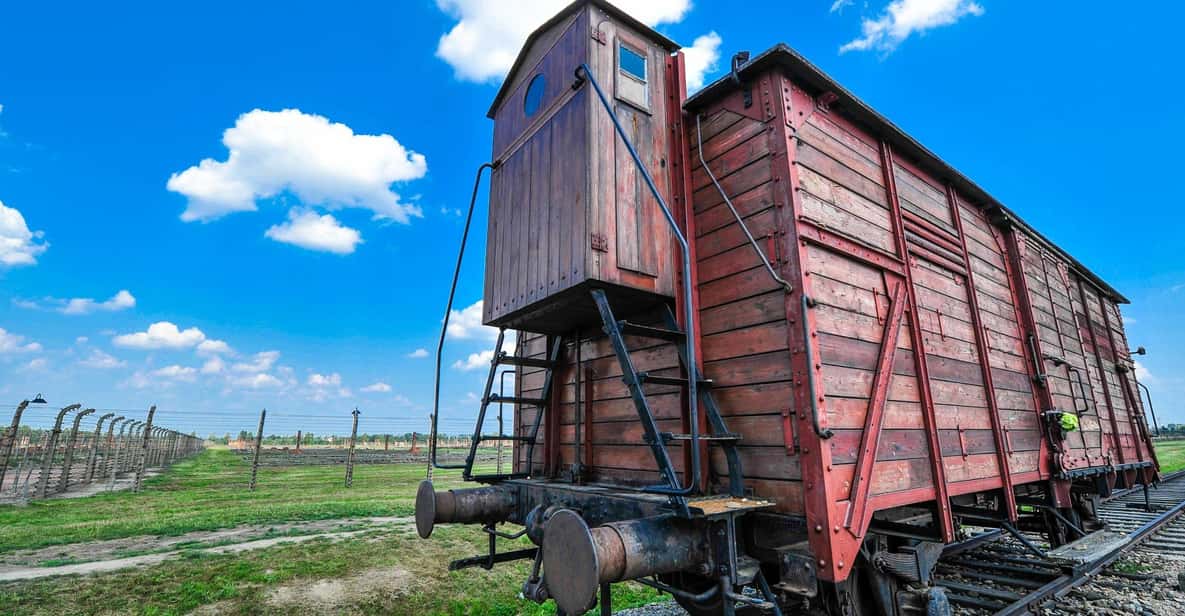
This tour is built around getting you from Krakow to Auschwitz with minimal stress—if you choose the transport option. If transport isn’t selected, you’ll be on your own for getting between sites, and you should budget extra time and parking complexity.
The meeting point can vary depending on what you booked, so don’t assume you’ll find the same place as someone else’s day. Bring your ID (passport or national ID card). The name on your booking must match the name on your ID exactly, or entry can be refused—this is not the place to rely on flexible check-in.
One practical tip: keep your ticket confirmation email handy and arrive a few minutes early. Several reviews mention confusion around locating the correct guide, especially when there are many groups and not much signage. If you’re the type who hates standing around with uncertainty, aim to reduce that risk on purpose.
Auschwitz I: Prison Blocks, Nazi System, and the Shape of the Camp
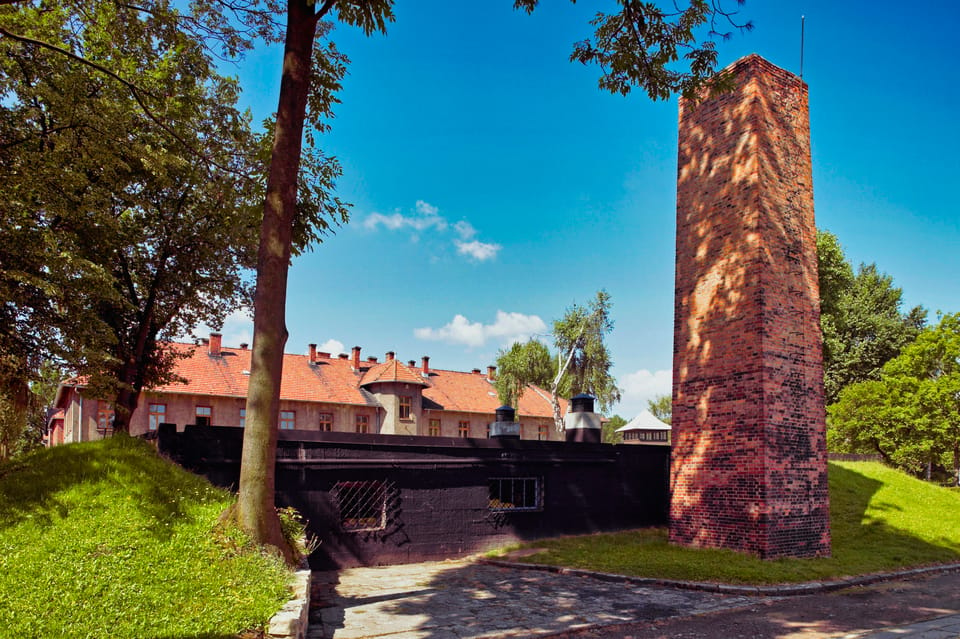
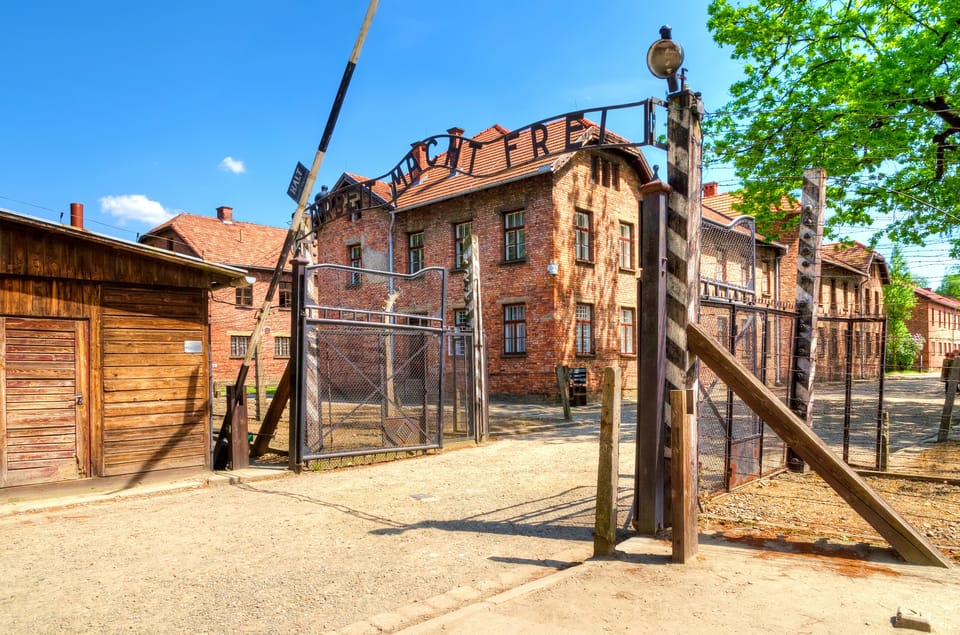
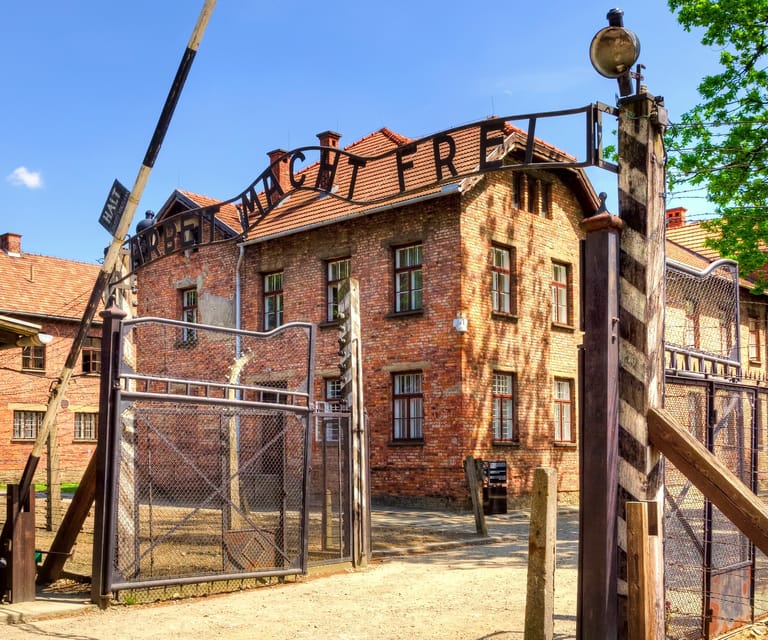
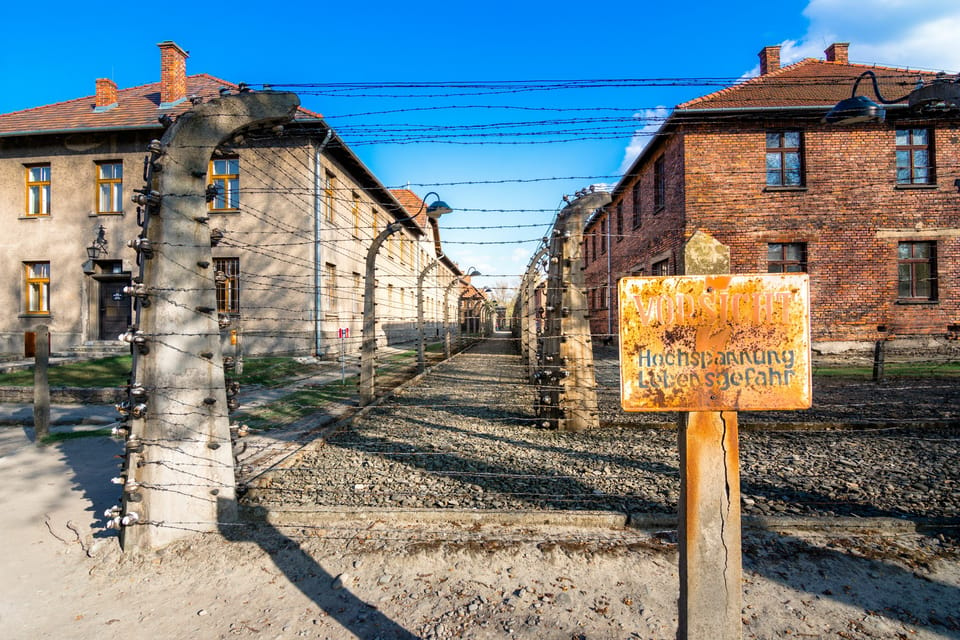
Auschwitz I is where the story becomes structured. You’re walking through the part that has become a symbol of Nazi crimes, and the tour is designed to give you a sense of how the camp operated as a system, not a random set of buildings.
A good guide here does two jobs at once. First, they connect what you’re seeing—remaining blocks, pathways, and preserved structures—to what those spaces meant under Nazi rule. Second, they set context about the Holocaust and who was targeted, including Poles, Romas, and other groups.
You’ll also see memorial information that helps you understand why Auschwitz I is so central to the historical record. The emotional weight can feel intense, so I’d treat this section as your “understand the rules of the world” portion. You’re less likely to feel lost if your guide keeps the big picture clear.
What to watch for
- Keep an eye on your group. These sites are large, and a small misstep can put you out of sync with the guide’s timing.
- Wear weather-appropriate clothing. You’re outside for parts of the day and the memorial areas can be chilly or hot depending on season.
Auschwitz II-Birkenau: Gas Chambers, Crematoria, and the Railway Ramp Remains
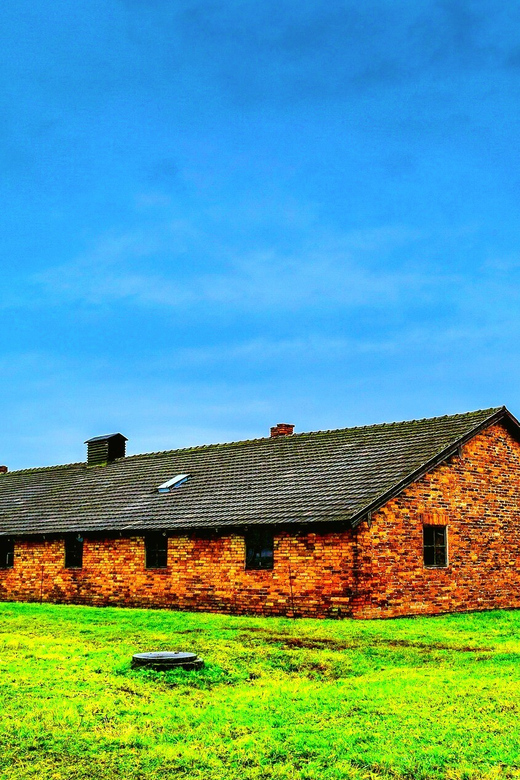
Birkenau is where scale hits you. It’s not just another stop—it’s the place that makes the industrial nature of persecution feel painfully real.
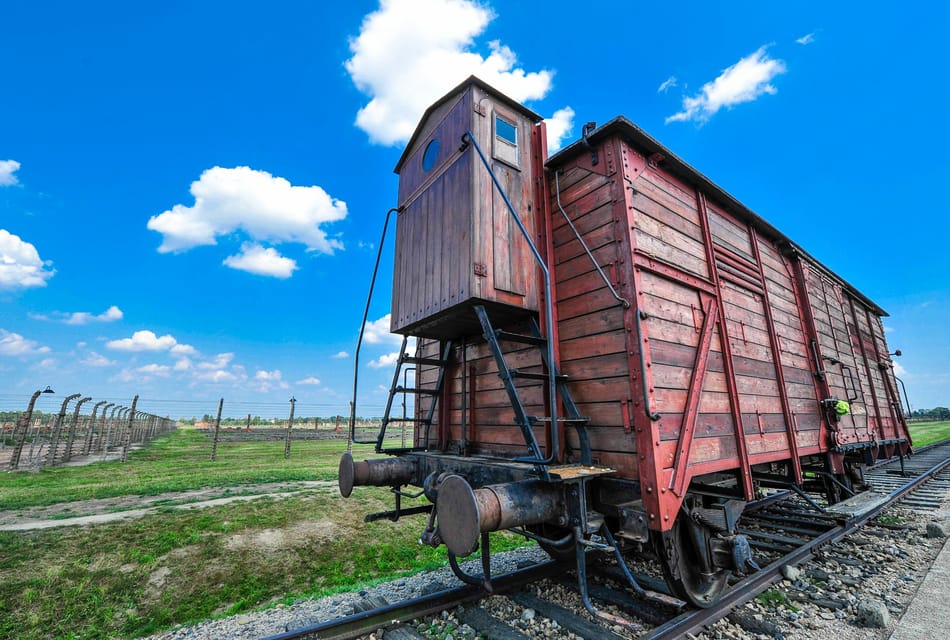
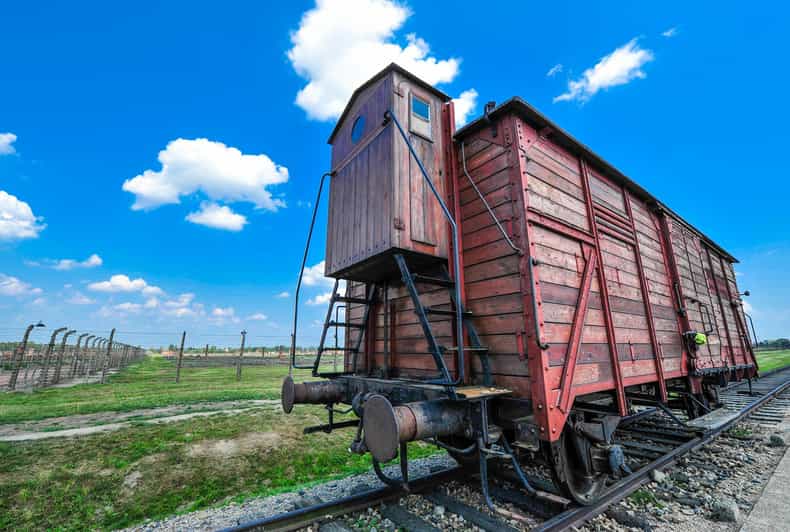
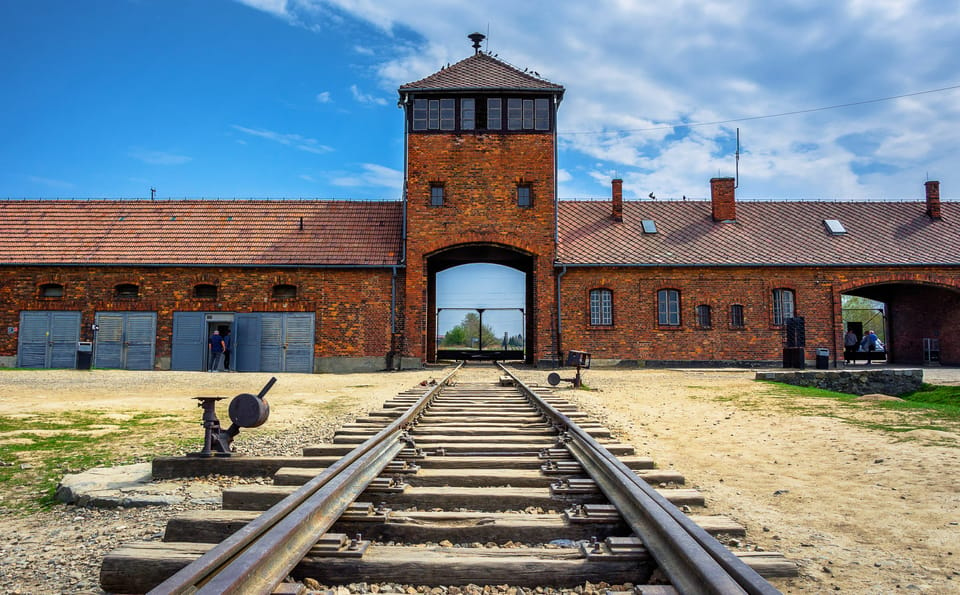
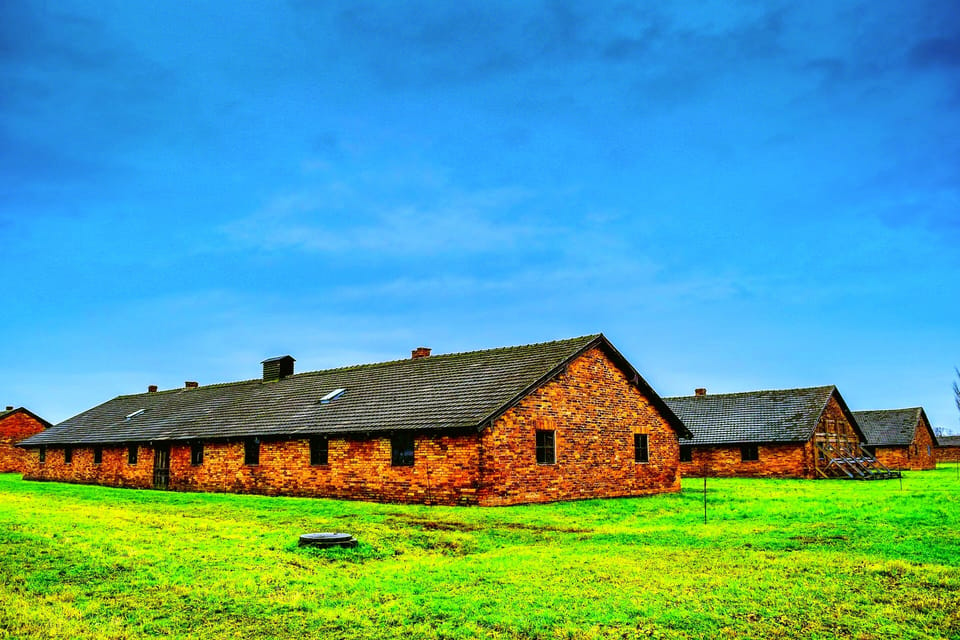
This tour includes Auschwitz II-Birkenau highlights like remaining prison blocks and the areas associated with gas chambers and crematoria. You’ll also see the remains of the railway ramp, where prisoners were transported. That railway detail is especially important because it turns “history” into geography: you can picture how people were brought in and processed.
This portion is often the hardest. Not because the tour is designed to shock, but because your brain finally has a full map of what happened. Seeing the remains and structures helps you understand why the site is a world-class memorial and UNESCO World Heritage Site.
A practical mindset that helps
Try to slow down and let your guide’s explanations land. If you rush, you end up staring at buildings without absorbing meaning. If you pace yourself, you come away with more than sadness—you come away with real understanding.
Guides and Language: Getting Value from a Small Group
The structure of this tour leans on professional guides. You get a local guide at each camp based on your desired language, and the available languages include German, Spanish, French, Polish, Italian, and English.
A small-group format is a big deal for a site like this. With fewer people, there’s more chance your guide can manage questions and pacing. And when language is handled well, you don’t spend your time translating your own tour in your head—you focus on the meaning.
One detail I really like is the flexibility: if there aren’t enough participants in a specific language, the tour can be provided in English. That’s helpful because it reduces the risk of missing out on a solid guide just because your language grouping is smaller than expected.
And yes, guides can make the day. One guide named Martin was singled out for jokes plus in-depth historical knowledge, with people describing him as engaging without turning the subject into entertainment. That blend—serious content with readable delivery—is exactly what you want.
Timing, Breaks, and the 3–7 Hour Reality
The tour duration is listed as 3 to 7 hours depending on availability and starting times. That range is common for major memorial sites because guides and entry windows shift with museum operations. The most important thing: save your day for this activity. This isn’t a “squeeze it in” stop.
There’s also a short break of about 10 minutes during the tour. Build a little patience into your expectations: it’s not a long lunch break, and it’s not an open-ended stop for photos.
Start times can change day before the tour depending on guide availability. You’ll receive confirmation by email. Check that message when it arrives and don’t rely on whatever you first saw when booking.
Rules You Actually Need to Follow (So Entry Doesn’t Get Messy)
Auschwitz is strict, and the strictness is part of how it protects the site.
Bring:
- Passport or ID card
- Student card (if relevant)
- Weather-appropriate clothing
Not allowed:
- Luggage or large bags
- Anything bigger than 30 x 20 x 10 cm
Even with fast-track entry, waiting can still happen. So, don’t show up carrying a big bag and hoping it won’t matter. If you travel light, your start will feel smoother.
Also, remember the cancellation is non-refundable. You’re making a commitment to a fixed memorial schedule. If your dates are fragile, plan for that before you buy.
Price and Value: Is $69 a Good Deal?
At around $69 per person, this tour can feel like a bargain or a splurge depending on how you’d do it alone. Here’s the honest value math:
You’re paying for:
- Fast-track entry (skipping the ticket line)
- Guided interpretation at both Auschwitz I and Auschwitz II-Birkenau
- Pre-booked tickets handled by the operator
- Transport from Krakow if you selected that option
If you try to DIY it, you’ll often end up paying in time and mental energy. You have to figure out transport, arrival coordination, entry flow, and then still find good explanations once you’re there. Auschwitz rewards understanding. A guided tour is how you convert walking through rooms into real knowledge.
For some budgets, the price is easiest to justify when you’re taking transport from Krakow. Not everyone wants to add the logistics of parking, inter-site travel, and timing to an already emotionally demanding day.
Reviews also mention parking fees when driving yourself, with one account citing different parking costs at Auschwitz I versus Birkenau. That’s a reminder that going solo can add costs and friction fast.
So is $69 worth it? For most people, yes—especially if you want a guided experience in a specific language and you’re avoiding the headache of coordinating entry and between-site logistics.
Who This Tour Fits Best (and Who Should Rethink It)
This is best for adults and older teens, since it’s not suitable for children under 13. It also isn’t recommended for people with mobility impairments or wheelchair users based on the tour’s access limits.
If you want:
- A structured visit with a guide who explains what you’re seeing
- A small-group pace that doesn’t swallow the day
- A fast-track approach to reduce waiting
…then this tour style matches your needs.
If you hate group travel, or if you strongly prefer total independence, you might find the fixed memorial pace frustrating. But for Auschwitz, many people actually prefer guided structure because it helps them understand quickly and avoid wasting time.
Should You Book This Auschwitz and Birkenau Fast-Track Tour?
If you’re visiting Krakow and you want Auschwitz to be a priority, I’d book it—especially with fast-track. The combination of two camps, a guide, and pre-booked entry is what turns “I went” into “I understood.”
I’d only hesitate if you know you’ll struggle with meeting points in crowded places, or if your schedule can’t handle a start-time adjustment day before. Also, if you’re traveling with larger luggage, plan to simplify your packing because restrictions are strict.
Bottom line: for most visitors, $69 buys you less waiting, less coordination stress, and better use of the hours you have at Auschwitz. That’s real value when the day is both educational and emotionally demanding.
FAQ
How long is the Auschwitz-Birkenau guided tour?
The duration is listed as 3 to 7 hours, depending on availability and starting times.
Does fast-track mean I won’t wait at all?
No. Even with fast-track entry, waiting times can still be up to 15 minutes.
What languages are available for the live guided tour?
The tour is offered in German, Spanish, French, Polish, Italian, and English. If there aren’t enough participants in your chosen language, the provider will run the tour in English.
Is transport from Krakow included?
Transport from Krakow is included only if you select the option that includes it.
What should I bring, and what’s not allowed?
Bring your passport or ID card, and a student card if applicable. Don’t bring luggage or large bags; items larger than 30 x 20 x 10 cm are not permitted inside the museum.
Is the tour suitable for children or wheelchair users?
It is not suitable for children under 13. It is also not suitable for people with mobility impairments or wheelchair users.