REVIEW · KRAKOW
Discover the Jewish Quarter with a Bike Tour
Book on Viator →Operated by Krakow Tour - Segway, E-scooter, Bike, Walking Tours in Krakow · Bookable on Viator
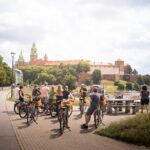
Bike through Krakow’s Jewish heart in two hours.
This tour is a fast, well-paced way to get oriented in Kazimierz and learn what made the Jewish quarter so important before the war. I also like how the route strings together big landmarks (from Tempel Synagogue to the old synagogues) with smaller stop points that make the neighborhood feel real instead of like a checklist. The main thing to consider is that a few synagogue visits may require you to buy admission separately if you want to go inside.
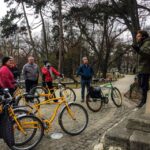
I’m especially a fan of the way the guide, Arthur, keeps the stories moving while you’re rolling. You usually get a short ride from the pickup area to the quarter, then you’re stopping frequently at points of interest to look, listen, and connect the dots. This makes it a strong choice if you’re short on time, but still want the context.
One more practical note: you’re on a bike for the whole session, so if your comfort level is low with riding on city streets, you’ll want to think twice and compare with a walking tour.
In This Review
- Key highlights
- Krakow by bike: getting your bearings in Kazimierz
- Meeting at Wiślna 4 and how the 2 hours really feel
- Tempel Synagogue and JCC Krakow: why the pre-war story matters
- Market Square and Zapiekanki: a lesson with lunch energy
- Schindler’s List Passage: using movies without losing context
- Singer, bar culture, and why the name matters
- Old Synagogue and Popper Synagogue: sacred buildings and side-by-side stories
- Remuh and Kupa: when you want optional inside access
- Corpus Christi Church and plac Wolnica: stories beyond synagogue walls
- Price and value: what $30.23 buys you
- Bikes, weather, and practical comfort tips
- Who this tour fits best (and who might want to choose differently)
- Should you book this Jewish Quarter bike tour?
- FAQ
- How long is the bike tour?
- Where does the tour start and end?
- What language is the tour offered in?
- Are admission tickets included for synagogue stops?
- Will I have time to try Zapiekanki?
- How large is the group?
- Is the tour dependent on weather?
- Can I get a full refund if I cancel?
Key highlights
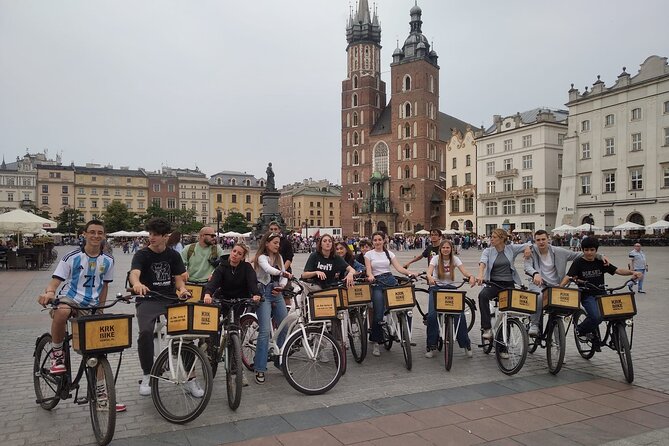
- A tight 2-hour route with frequent stops so you don’t just “pass through”
- Tempel Synagogue stories about the thriving community before the war
- JCC Krakow (Jewish Community Centre) and how it shaped local life
- Market Square and Zapiekanki, a classic Krakow stop
- Singer and Schindler’s List Passage for culture and memory in one loop
- Optional inside visits at several synagogues when you want them
Krakow by bike: getting your bearings in Kazimierz
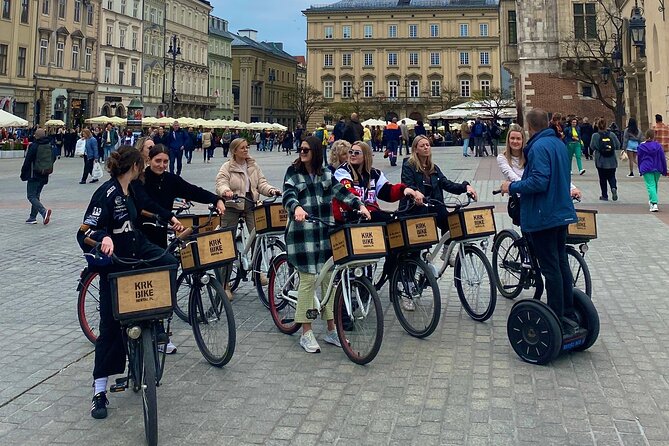
Krakow’s Jewish Quarter, tied closely to Kazimierz, can feel like a lot to take in when you first arrive. A bike tour solves that. You cover ground quickly, but you still stop often enough to make the streets make sense.
The biggest value here is the rhythm. You’re not stuck in one place for a long lecture. Instead, you glide between major sites and then pause to get the story behind what you’re seeing. That is a smart way to learn a neighborhood, because the buildings and street layout do the teaching too.
If you’re doing another heavy-hitting history stop during your trip, this one pairs well. It gives you day-to-day context for Jewish life in Krakow rather than only focusing on the darkest chapters.
You can also read our reviews of more cycling tours in Krakow

Meeting at Wiślna 4 and how the 2 hours really feel
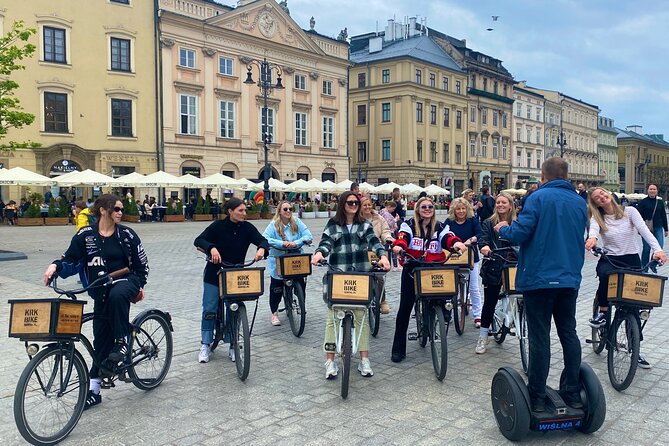
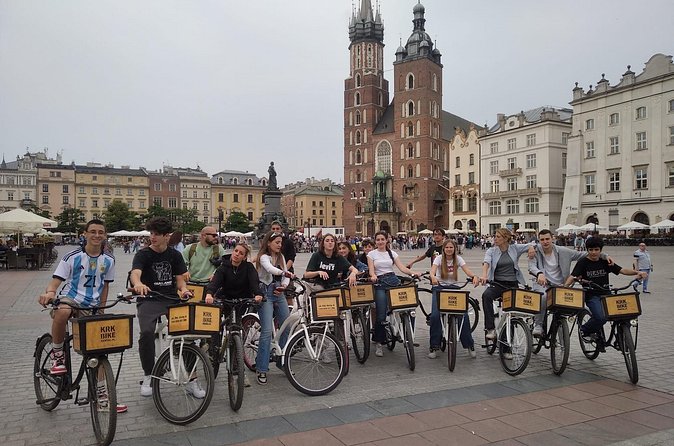
You start at Wiślna 4, and the tour ends back there. That round-trip format matters. You don’t have to figure out pickup logistics or worry about getting back across the city at the end of a guided session.
The tour runs for about 2 hours. In the practical world, that’s long enough to cover multiple landmarks and short enough that you stay energized. You’ll also spend time at each stop for the guide’s explanation and time to look around.
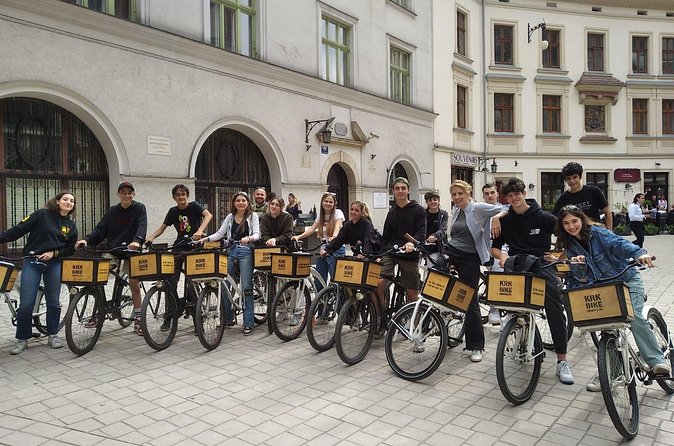
The group size stays limited, with up to 30 travelers. That tends to keep the pace smoother and makes it easier to hear the guide when you’re stopped at street-level points.
Tempel Synagogue and JCC Krakow: why the pre-war story matters
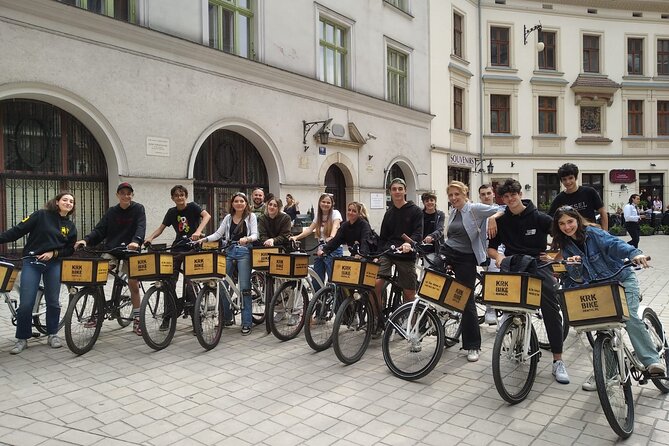
The first big cultural stop is Tempel Synagogue. This is where the guide sets the tone, with a focus on the Jewish community and what life looked like before the war. You’ll get the sense that the neighborhood was not only about tragedy; it was also about community, institutions, and daily identity.
A detail you should know up front: admission at the synagogue is not included. So if you want to go inside, plan for a separate ticket. If you’re happy to learn from the outside and your short time inside isn’t a priority, this still works well.
Next comes Jewish Community Centre of Krakow (JCC Krakow). Here, the story shifts from sacred space to community space. You’ll hear about why the JCC mattered for the neighborhood and also get background tied to Prince Charles and the centre’s importance for Jewish community life.
This combo of stops hits an important learning goal: it helps you see the quarter as both religious and social. That’s the difference between visiting a list of sights and understanding a neighborhood.
Market Square and Zapiekanki: a lesson with lunch energy
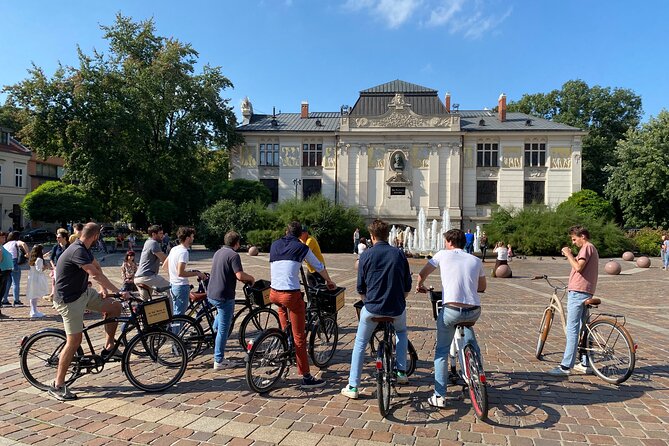
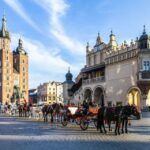
Then the tour changes pace at Market Square. This is one of the most “alive” moments on the route because the focus turns toward local life in Kazimierz.
You’ll hear stories about the New Square, and then you get time to meet locals and take in the atmosphere. The guide also nudges you to try Zapiekanki, described as Poland’s favorite fast food. It’s the kind of quick, casual bite that makes a tour feel local instead of museum-quiet.
One caution: the tour doesn’t say food is included. So treat Zapiekanki as a buy-your-own snack if you want it. I think that’s fair. It keeps the tour price lower and lets you choose what and how much you eat.
Schindler’s List Passage: using movies without losing context
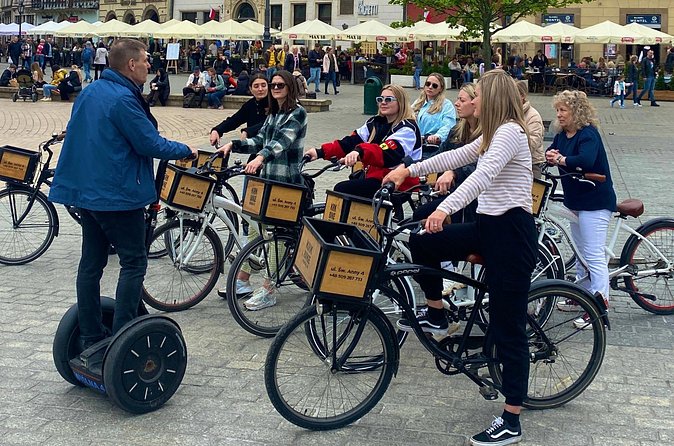
Next is Schindler’s List Passage. This stop is built around the story of the movie, along with mention of documentaries and factual context.
This is a smart inclusion, because a film can pull your attention fast, but it can also flatten details. Having a guide point you toward documentaries and factual notes helps keep your understanding grounded while you walk the streets.
The best part of this stop is that it doesn’t feel like you’re only watching something that happened elsewhere. You’re connecting story to place. Even if you’re familiar with Schindler’s List, seeing how the neighborhood is discussed through that lens can sharpen what you think you already know.
Singer, bar culture, and why the name matters
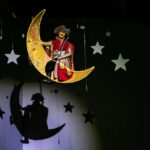
After that you’ll visit Singer. The guide explains the bar’s meaning and the reason it’s called Singer.
That might sound small next to synagogues and major history points, but it’s exactly what makes a neighborhood tour work. Place names and businesses carry memory. They tell you how the streets evolved, how people used the spaces, and how meaning gets layered over time.
This is also a shorter stop, so it functions like a mental breather. You’ll move on without feeling like you’ve been parked for too long.
Old Synagogue and Popper Synagogue: sacred buildings and side-by-side stories
Then the route turns to Old Synagogue. Like Tempel Synagogue, admission here is not included, so you’ll decide on the spot whether it’s worth adding an inside visit with a separate ticket.
The guide’s focus is on the story of the Old Synagogue. Even if you skip the interior, the talking points help you read the building as part of the Jewish quarter’s long arc, not as an isolated monument.
Nearby comes Popper Synagogue, where you’ll hear about Popera Synagogue as well as the presence of a bookshop next to it. The guide also explains Wolf Popper and connects that person to why this area is remembered.
I like this stop because the context doesn’t only come from one building. It comes from what sits next to it—like the bookshop—showing how culture, scholarship, and daily life often travel together in these neighborhoods.
Remuh and Kupa: when you want optional inside access
Next is Remuh Synagogue (Synagoga Remuh). The tour includes explanation about the synagogue’s history, and the guide indicates that you can visit the synagogue and also the cemetery if you wish.
As with other major synagogues, admission is not included. So this is where your personal choice matters. If you want the full experience, plan for the extra ticket costs and time spent on-site. If you’re trying to keep things light, you can still get a lot from the guided story and exterior viewing.
After Remuh, you reach Kupa Synagogue (Synagoga Kupa). This stop is another history-focused explanation, with admission listed as free for the stop.
I find these later synagogue stops especially valuable because they broaden the picture. You’re not only seeing one “representative” building. You’re learning that Krakow’s Jewish quarter had multiple places of worship and different identities within the same wider community.
Corpus Christi Church and plac Wolnica: stories beyond synagogue walls
The route then includes Corpus Christi Church (Kosciol Bozego Ciala). Here the guide talks about the origin of the church’s name and the history of the place. You also can visit the church during the tour, with admission marked as free for this stop.
This inclusion is more than a random detour. It helps you understand that the neighborhood’s history intersects with broader Krakow life. If you’re paying attention, you’ll notice how Jewish and Christian sites exist side-by-side in the urban fabric, with their own narratives and names.
Finally, you end at plac Wolnica 1. This quick stop focuses on facts and local legends. It’s the kind of ending that sticks, because it turns the street into a story you can carry with you.
Price and value: what $30.23 buys you
The price is $30.23 per person for about 2 hours, with an English guide and a mobile ticket. When I judge value, I look at two things: how much ground you cover and how much context you get while you’re there.
Here, you get both. You’re not just biking between landmarks; you’re stopping to hear targeted stories at each point. The tour also limits group size to 30, which helps the experience feel more controlled and easier to follow.
A small but important value factor: several of the biggest stops list admission as not included. Tempel Synagogue, Old Synagogue, and Remuh are the clear examples. That means your total “cost” may be slightly higher if you choose to go inside.
Still, I think the overall deal makes sense. You’re paying for a guided route that ties history, place names, and community meaning together in a short time window.
Bikes, weather, and practical comfort tips
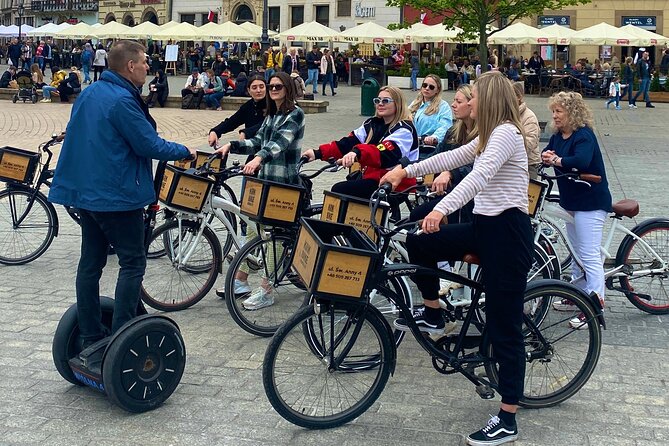
You’ll be biking during the full tour. The experience is described as suitable for most travelers, but city riding can still be a personal question. If you’re new to bikes or concerned about comfort, make sure you’re confident on urban streets before booking.
Weather matters. The tour requires good weather, and if it’s canceled due to poor conditions, you’ll be offered a different date or a full refund. That’s helpful if you’re traveling in shoulder seasons when Krakow skies can be moody.
One more practical tip: since you’ll stop frequently, wear shoes that you can stand in comfortably at street corners. You’re not just passing by; you’ll pause and look while the guide talks.
Who this tour fits best (and who might want to choose differently)
This is a great match if you:
- Want a fast orientation to the Jewish Quarter and Kazimierz
- Like history presented through real street-level viewing, not only indoor museums
- Are pairing Krakow history with another major trip stop and want context that feels local
It may be less ideal if you:
- Don’t feel comfortable biking in city traffic areas
- Want only inside visits and prefer a slower, ticket-heavy itinerary
- Are traveling in a way that makes outdoor stops hard (and you might not be able to handle weather changes)
Should you book this Jewish Quarter bike tour?
Yes, I’d book it if you want your Krakow Jewish Quarter visit to feel structured, guided, and efficient without turning into a sprint. The combination of synagogue stories, community-focused stops like JCC Krakow, and the local food moment at Market Square for Zapiekanki makes it feel like a real neighborhood tour, not a theme park of monuments.
If you’re especially interested in going inside multiple synagogues, you’ll likely want to budget for the extra tickets where admission isn’t included. And if weather is questionable during your stay, keep an eye on the forecast so you don’t end up scrambling for a reschedule.
If you line those pieces up, this is an easy win for your Krakow days.
FAQ
How long is the bike tour?
The tour lasts about 2 hours.
Where does the tour start and end?
It starts at Wiślna 4, 33-332 Kraków, Poland and ends back at the same meeting point.
What language is the tour offered in?
The tour is offered in English.
Are admission tickets included for synagogue stops?
Not always. Admission is listed as not included for Tempel Synagogue, Old Synagogue, Remuh Synagogue, and the tour mentions optional visits there. Other stops are listed as admission ticket free.
Will I have time to try Zapiekanki?
Yes. At Market Square, the tour includes a stop with time to meet locals and try Zapiekanki.
How large is the group?
The tour has a maximum of 30 travelers.
Is the tour dependent on weather?
Yes. The experience requires good weather. If it’s canceled due to poor weather, you’ll be offered a different date or a full refund.
Can I get a full refund if I cancel?
Yes. You can cancel up to 24 hours in advance for a full refund. If you cancel less than 24 hours before the start time, the amount paid is not refunded.