REVIEW · KRAKOW
Discover Kraków by Bike with a Dutch guide
Book on Viator →Operated by DutchPoint Kraków · Bookable on Viator
Kraków clicks into place faster on a bike. This Dutch-guided ride links Old Town landmarks with the Jewish district of Kazimierz, plus major history stops that are hard to manage on foot. You start in the city center, get help picking a bike, and then roll through the places you actually want to see.
What I love most is the guide energy. The Dutch-speaking guides (from what I’ve read, including Johan, Wesley, Max, and Jeroen) come with stories, pacing that feels relaxed, and answers that go beyond the script. Second, I like that the route covers big-name highlights without turning into a checklist slog, so you get a real sense of how Kraków is laid out.
One drawback to plan around: there’s extra cost if you choose an e-bike (€15) and Schindler’s Enamel Factory entry is not included, so you’ll want to decide ahead of time if you want to pay for museum time.
In This Review
- Key things to know before you ride
- From Stare Miasto to the Market Square: the easiest way to get oriented
- Collegium Maius and Maria Magdalena Square: pretty stops with real context
- Wawel hill: the dragon story and the royal residence area
- Kazimierz and the former Jewish district: art streets with a memory layer
- Schindler’s List passage to the Enamel Factory: where emotion is part of the schedule
- Planty Park, Father Bernatek’s Bridge, and a break from the hard stuff
- Barbican fragments and St. Florian’s Gate: old fortification power
- Bikes, time, and what you’re really paying for
- Where this Kraków bike tour fits best
- Should you book this Kraków bike tour?
- FAQ
- How long is the Kraków bike tour?
- What is the price per person?
- What is included in the tour?
- Are e-bikes included?
- Is Schindler’s Enamel Factory admission included?
- Where does the tour start and end?
- What kind of ticket do I receive?
- How big is the group?
- Is free cancellation available?
Key things to know before you ride
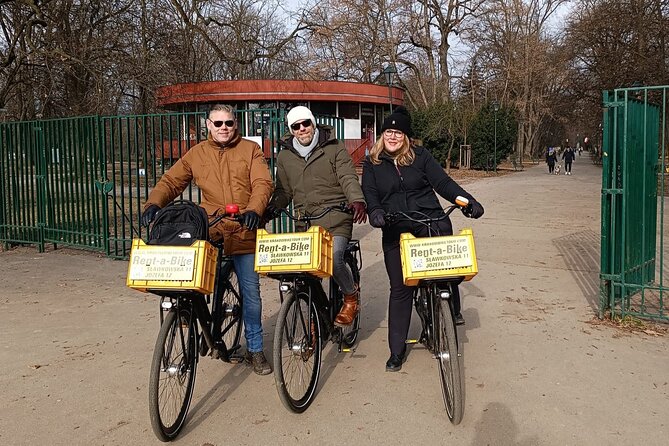
- Dutch-speaking guides with lots of city know-how: expect fun anecdotes and room for questions.
- Fast access to major zones: Old Town, Kazimierz, ghetto memorial areas, and the Wawel hill area.
- Bike choice on arrival: classic Dutch bikes are included; e-bike is an add-on (€15).
- Balance of big sights and reflective stops: from Rynek Główny to ghetto wall fragments and Schindler’s List locations.
- Small group size: up to 20 travelers, which helps with traffic flow and attention.
From Stare Miasto to the Market Square: the easiest way to get oriented
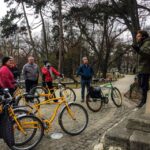
The tour starts at Hotel Alexander, Garbarska 18, right in the city center. You’ll park your day with a simple rhythm: pick your bike, get quick instructions, and use the restroom if you need it before rolling out. Then Kraków starts making sense.
Before you even reach the big photo stops, the format helps. Cycling keeps you moving when walking would slow you down with repeated stairs, crossings, and backtracking. In a few hours, you cover ground that usually takes a full day with a lot of “wait, we’re far from where we wanted to be.”
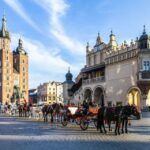
Rynek Główny is the first major payoff. This is Kraków’s central square and one of Europe’s best-known medieval market settings. You’ll look at landmarks like the Cloth Hall, the Town Hall Tower, and St. Mary’s Basilica. The guide also adds the kind of story you can’t read on a sign, including a legend about a trumpeter and some historical context touching Stalin and Lenin. It’s a good way to switch on your “history brain” before you head into neighborhoods.
If you’re the type who hates feeling rushed, you’ll likely appreciate the pace. Reviews I’ve seen describe the ride as relaxed and safe, which matters on cobblestones and at busy intersections. You’re not sprinting between stops. You’re cruising with someone who knows where to slow down.
You can also read our reviews of more cycling tours in Krakow

Collegium Maius and Maria Magdalena Square: pretty stops with real context
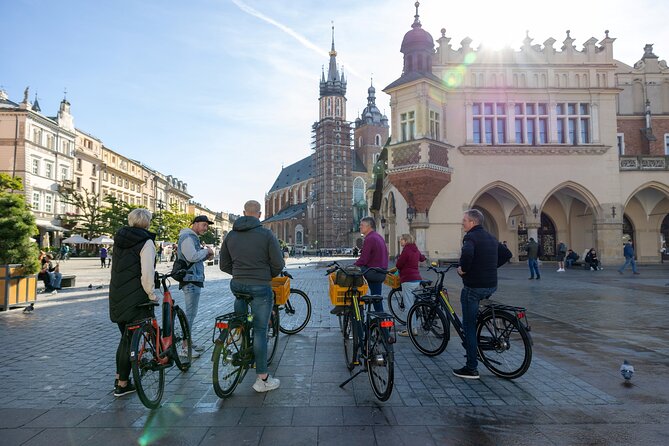
Next comes Muzeum Uniwersetu Jagiellonskiego Collegium Maius, the old university building where Copernicus once studied. Even if you don’t go deep inside, the quick stop is useful because it marks a shift from medieval Kraków into the city’s later role as a center of learning.
Then you’ll roll to Plac Świętej Marii Magdaleny (Maria Magdalena Square). This is one of those places where the buildings and layout do the talking. The guide’s job here is to connect architecture to culture, so you’re not just snapping a picture and moving on.
My take: these short “culture” pauses are what make the tour feel more like understanding than sightseeing. The square and university stop are also practical breaks in the ride, so your legs don’t feel like they’re on a never-ending loop.
Wawel hill: the dragon story and the royal residence area
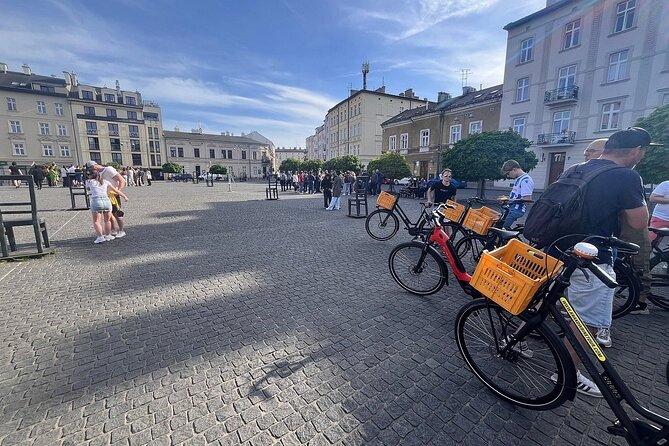
One of Kraków’s most fun myths is the Wawel Dragon. You’ll stop to hear the legend of the monster that terrorized the city and the clever trick used to outsmart it. That single-minute switch from solemn to storybook is smart. It keeps the tour human.
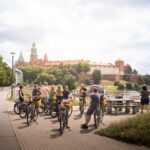
After that, you head to Wawel Royal Castle and Wawel hill. This is one of Kraków’s most iconic royal settings, and the stop is designed to give you the big-picture story: the significance of the kings’ residence and the legends that keep swirling around it. Even if you’ve seen Wawel in photos, standing nearby helps you understand why everyone makes a beeline for this hill.
A practical note: Wawel-area stops can feel busy, even in a morning or afternoon. The bike format helps because you’re not trying to squeeze through long walking queues for position. You’ll still want to bring your patience for pedestrian areas.
Kazimierz and the former Jewish district: art streets with a memory layer
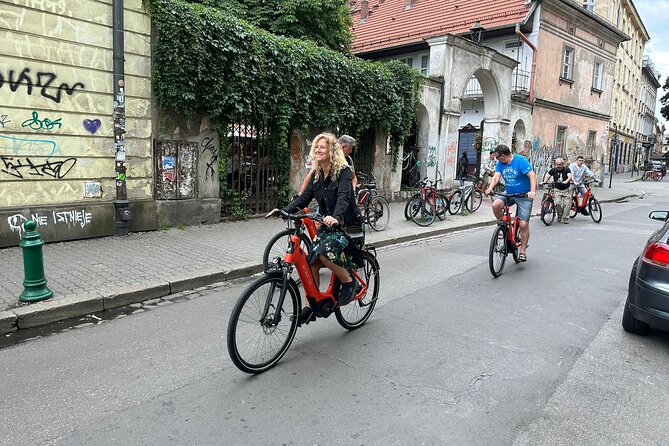
This is where the tour turns from “major sites” into “how Kraków became Kraków.” You’ll ride toward Kazimierz, the former Jewish district. The guide frames it as a place where history and modern life mix—galleries, cafés, and the kind of street energy that makes you want to linger after the tour ends.
Before that broad neighborhood stop, there’s a meaningful “anchor” at Plac Wolnica. Once a market square that rivaled Rynek Główny, it’s connected to the district’s founding and old trading life. You’ll also see the remaining town hall building, now home to an ethnographic museum, and hear about neo-Renaissance architecture and a commemorating plaque related to Jewish arrivals.
Here’s the best reason to do this by bike: you can sample the mood of Kazimierz without burning a day walking hills and side streets. You get just enough time to understand the layout and feel the difference between districts, then you’re off to the next historical stop.
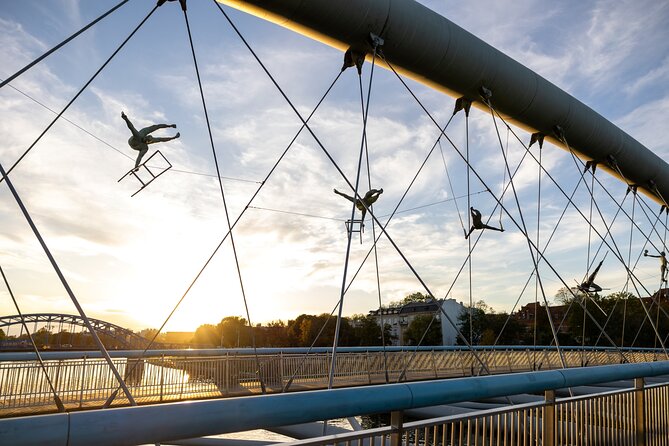
The next stop includes Muzeum Krakowa – Stara Synagoga (Old Synagogue). Important detail: the stop is listed as not included for admission. So you’ll be able to connect the exterior and area context with the story the guide tells, but if you want museum time inside, you’ll need to pay separately.
Schindler’s List passage to the Enamel Factory: where emotion is part of the schedule
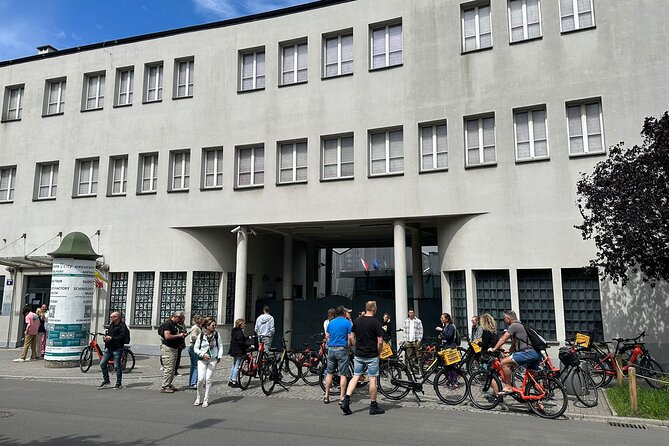
The tour includes a pause at the Schindler’s List Passage. You’ll stop and reflect on the historical significance shown in Spielberg’s film. It’s brief time, but that’s the point. This isn’t a full memorial visit; it’s a guided moment that keeps you moving through the story without turning it into a heavy, day-long detour.
Then you’ll reach Fabryka Emalia Oskara Schindlera (Oskar Schindler’s Enamel Factory). The tour description notes that entrance is not included, so this is likely a guided viewing stop from the outside or a stop to decide whether to add museum time. If you want to go in, plan for that extra cost.
Also on the route: Plac Bohaterów Getta (Ghetto Heroes Square), plus the Pharmacy Under the Eagle location. You’ll then see remains of the ghetto wall, including a fragment of the wall. These are the types of places where tone matters, and the format helps because the group is small and your guide can set expectations.
I also like that the itinerary doesn’t treat these sites as disconnected “spots.” The ride keeps pulling you forward so you feel the geographic reality: neighborhoods, boundaries, and the way places relate to each other.
If you’re pairing this with an Auschwitz visit later (or earlier), this Kraków ride works well as a contrast and a setup. One review explicitly called it a nice addition to an Auschwitz and Birkenau day. The flow from Kazimierz into ghetto memory sites is a clear bridge.
You can also read our reviews of more guided tours in Krakow
Planty Park, Father Bernatek’s Bridge, and a break from the hard stuff
Not every part of the tour is monument-only. You’ll get a relaxing ride through the green space around the old town, described as a green paradise around the center. This matters because your brain needs a breather after memorial stops.
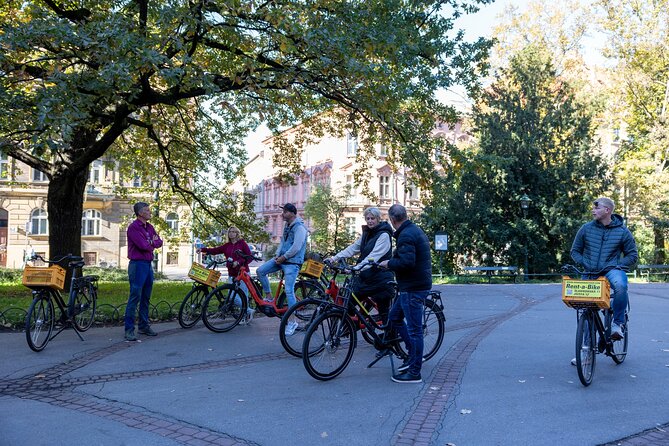
You’ll also stop at Father Bernatek’s Bridge (Kładka Ojca Bernatka). It’s one of the most picturesque pedestrian bridges in Kraków, and the timing is good: it’s a visual reset while still staying in the historic core.
And yes, the tour includes the chance to taste a real zapiekanka during a break. That’s not just a snack. It’s a way to experience local food culture without going out of your way. If you like small tastings on tours, this is one of the better “authentic” moments built into the schedule.
Barbican fragments and St. Florian’s Gate: old fortification power
Toward the later part of the ride, you’ll see remaining fragments of Kraków’s medieval defenses at the Barbican area. The stop includes the Museum of Krakow association, but the key value is the fortifications themselves and what they symbolize about the city’s past.
Next is St. Florian’s Gate, described as a medieval gate and once a main entrance to Kraków. This is a classic “put it in context” moment: you’re not just looking at old stone; you’re seeing the kind of entry points that shaped how the city worked.
Cycling here again is practical. Walking between fortification remnants can feel spread out. By bike, you can string them together with less fatigue.
Bikes, time, and what you’re really paying for
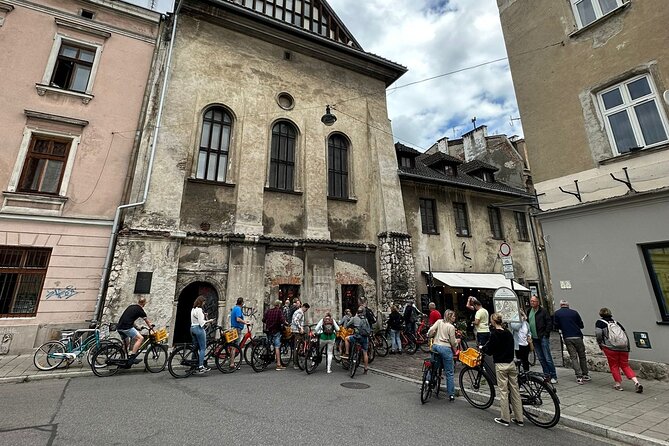
Price is $31.53 per person, and the tour runs about 3 to 3.5 hours. For that length of time, you’re paying for two big things: a bike and a Dutch guide who connects the route into a coherent story. That value is especially strong because you’re hitting multiple districts in one outing.
What’s not included is also clear:
- If you want an e-bike, there’s an add-on of €15.
- Schindler’s Enamel Factory entry is not included.
In my view, the decision point is simple: if you’re the type who definitely wants museum time at Schindler’s Factory, budget extra. If you’re mainly there for the guided route and the exterior context, you can keep costs down.
Group size is limited to 20 travelers, which usually means you won’t spend your entire ride waiting for people to catch up. Reviews also describe the guides as conversational and supportive, even when weather gets messy. One review mentioned enjoying the tour despite rain, with the guide sharing lots of tips.
Where this Kraków bike tour fits best
This is ideal if you want a high-impact orientation to Kraków. In a single afternoon or morning block, you’ll see the old core, cross into Kazimierz, touch key ghetto memory points, and still end with fortifications and gates.
It’s also a strong choice for:
- Couples and solo travelers who want structure but don’t want to be trapped in a bus.
- Travelers who like history but appreciate when it’s told with human stories, not only dates.
- People doing Auschwitz separately who want Kraków to feel connected, not random.
If you hate shared-group tours, this might feel too scheduled. And if you expect long museum time, this isn’t designed to replace a full independent visit to major sites.
Should you book this Kraków bike tour?
I’d book it if you want a guided overview that actually covers the key zones without draining you. The big wins are the Dutch-speaking guides who bring energy (Johan, Wesley, Max, Jeroen show up repeatedly in reviews), the relaxed cycling pace, and the way the route connects famous landmarks with the harder history stops.
Book it with a small planning tweak: decide in advance whether you want e-bike help and whether you’ll pay for Schindler’s Enamel Factory entry. With that settled, you’ll get a smooth, efficient way to understand Kraków’s layers in just a few hours.
FAQ
How long is the Kraków bike tour?
It runs about 3 hours to 3 hours 30 minutes.
What is the price per person?
The price is $31.53 per person.
What is included in the tour?
You get use of the bicycle and a Dutch guide.
Are e-bikes included?
No. If you choose an e-bike, there is an additional fee of €15.
Is Schindler’s Enamel Factory admission included?
No. Entrance to Schindler’s Enamel Factory is not included.
Where does the tour start and end?
It starts at Hotel Alexander, Garbarska 18, Kraków, and it ends back at the meeting point.
What kind of ticket do I receive?
You receive a mobile ticket.
How big is the group?
The tour has a maximum of 20 travelers.
Is free cancellation available?
Yes. You can cancel up to 24 hours in advance for a full refund.