REVIEW · KRAKOW
Cracow – Guided Tour of the Jewish Ghetto
Book on GetYourGuide →Operated by MyRide · Bookable on GetYourGuide
One hour, heavy memories, clear facts. This guided route through Kraków’s Podgórze district feels important because you actually walk past former ghetto buildings tied to displacement, and you end at Under the Eagle pharmacy with a story of survival you won’t forget.
The one possible drawback: 1 hour is brief for such a dense subject. You’ll get a strong overview, but you won’t have time for lingering at every corner or for a deep dive into every family story.
In This Review
- Key things I’d plan for on this Kraków tour
- Podgórze: where the ghetto story still shows on the street
- Getting oriented at Schindler Factory with the excursions.city sign
- Plac Bohaterów Getta: the square where deportations began
- Walking past former ghetto buildings: what it means to see walls
- The ghetto wall fragment: a physical remnant of confinement
- Under the Eagle pharmacy: resilience with a human face
- Price and value: $15 for a guided hour that sets context
- Guide quality and language: how to make the most of the narration
- Who should book this Kraków Jewish Ghetto tour
- Quick, respectful tips before you go
- Should you book this tour?
Key things I’d plan for on this Kraków tour
- Podgórze street walk past the buildings where thousands of displaced Jews were forced to live
- Plac Bohaterów Getta (Ghetto Heroes’ Square) focused on how residents were identified and deported
- A fragment of the ghetto wall you can see up close as a physical reminder
- Under the Eagle pharmacy as a final stop that connects history to resilience
- A guide-driven experience in multiple languages, with the narration quality making a real difference
Podgórze: where the ghetto story still shows on the street
Kraków’s wartime Jewish ghetto is remembered in a very specific place: Podgórze. Even today, this district preserves that hard legacy about what happened and why the world has to keep watching for the warning signs.
What I like about doing it with a guide is that the walk turns the area from scenery into context. You’re not just sightseeing. You’re tracing a system—where people were confined, how lives were reduced to paperwork and geography, and how quickly normal routines disappeared.
Keep in mind that this is a somber topic. You’ll want a quiet kind of attention: phones away for a few minutes, slower steps at the key memorial points, and a willingness to hear facts that are not easy.
You can also read our reviews of more guided tours in Krakow
Getting oriented at Schindler Factory with the excursions.city sign
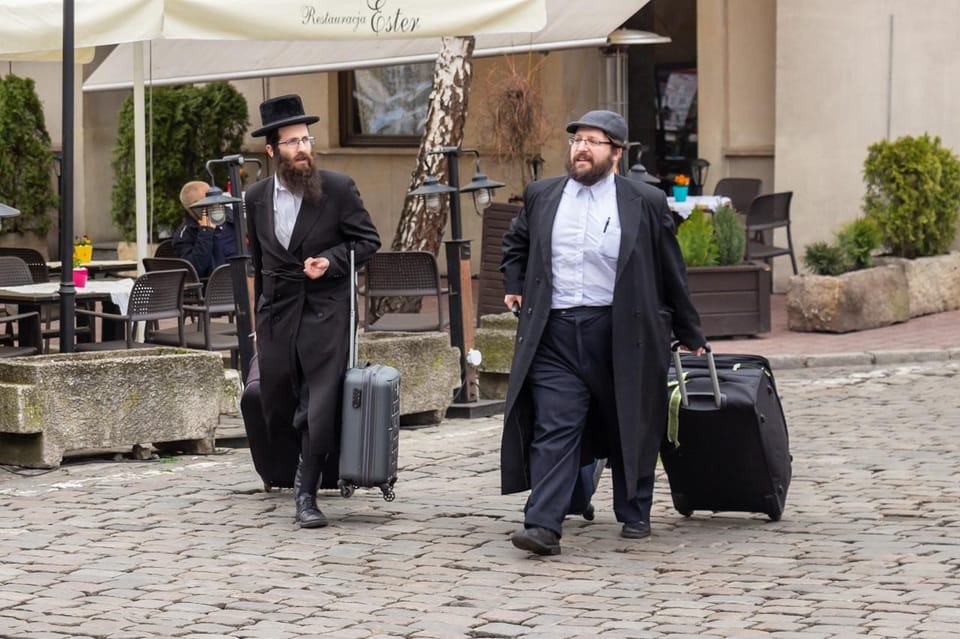
The practical start matters because it sets the tone. Your meeting point is at the entrance to the Schindler Factory Museum area—look for a guide holding an excursions.city sign.
This is helpful for two reasons. First, it reduces stress when you arrive in a busy area. Second, it keeps you connected to the broader Kraków wartime story—Schindler’s site is close enough that it adds extra meaning to what you’ll walk through next.
The tour is listed for 1 hour, and it’s a live guided experience in English, German, French, Spanish, or Italian. If you care about language nuance, pick the language you feel most comfortable asking questions in.
Plac Bohaterów Getta: the square where deportations began
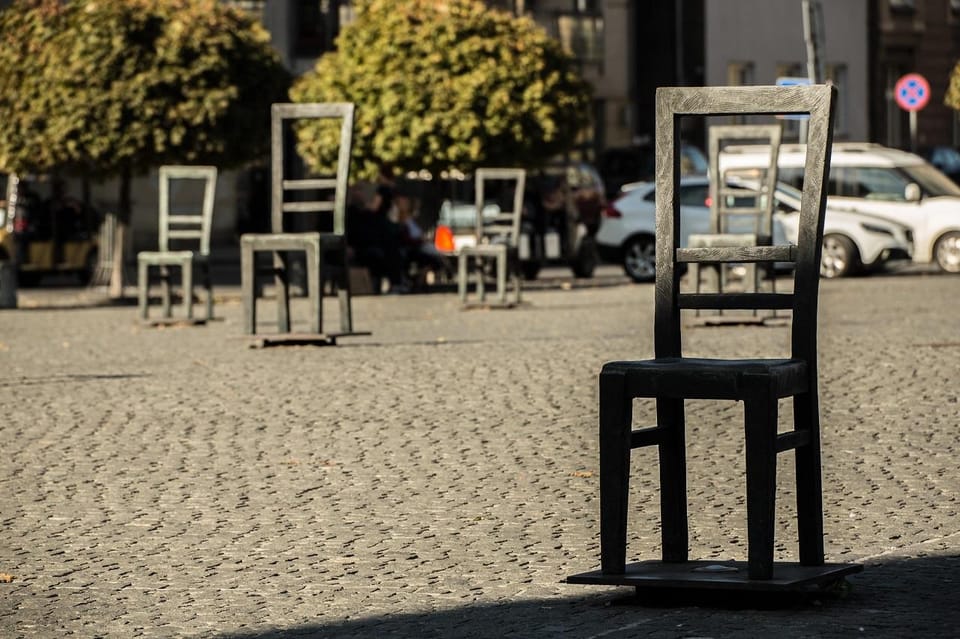
One of the tour’s main stops is Plac Bohaterów Getta, also called Ghetto Heroes’ Square. This is not just a memorial spot you pass through. It’s the place tied to how Jewish residents of Kraków were identified and then deported to concentration camps.
What makes this stop powerful is the way a good guide ties the square to the broader mechanism of the Holocaust—people weren’t only imprisoned, they were processed. Your job as a visitor is to look carefully, listen closely, and let the facts land.
If you’re the type who likes to understand the sequence of events, this is where the tour tends to give you that backbone. You’ll get the clearest explanation of why the memorial exists and why the ghetto’s name still matters.
Walking past former ghetto buildings: what it means to see walls
A big part of the value here is simple: you walk past buildings where thousands lived under extreme conditions. From the outside, these look like normal streets. The tour gives you the translation key—what those buildings represented during the ghetto period and how cramped, controlled living shaped everyday life.
This is the kind of stop where pacing matters. Because the tour is only an hour, you may not get long at each location. If you tend to absorb slowly, you’ll want to stay present anyway—don’t rush just because you’re “almost done.” Those minutes are the whole point.
Also, the emotional tone of this segment can vary depending on the guide’s approach. The ratings suggest most guides handle the story with compassion and clear explanation, but at least one experience highlighted how disappointing too-brief narration can be. If you feel your guide is moving fast without context, it’s reasonable to ask a question once or twice to pull the story back into focus.
The ghetto wall fragment: a physical remnant of confinement
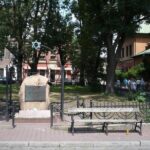
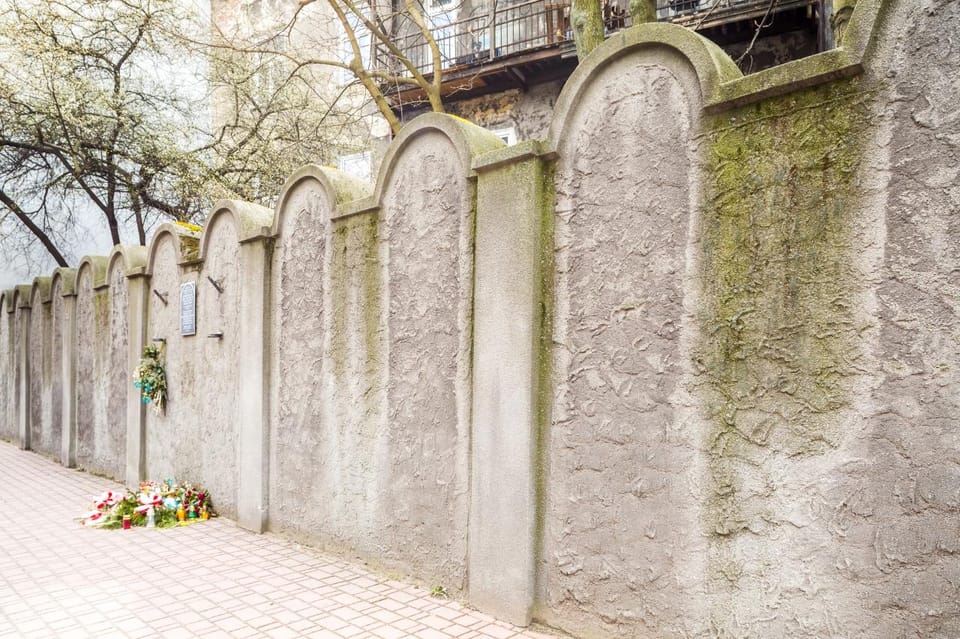
Another standout is seeing a fragment of the original ghetto wall. Even a small surviving piece can carry a lot, because it turns an idea—confinement—into something you can stand next to.
Memorial sites often risk feeling abstract. A wall fragment fixes that problem. You get to think in scale: how real the boundary was, how it structured movement, and how long-term separation can be built from stone and rules rather than just fear.
I recommend you treat this segment like a pause, not a photo stop. Look, then listen. If you’re taking photos, do it quickly and then give the rest of your attention to the guide’s explanation.

Under the Eagle pharmacy: resilience with a human face
The tour concludes at the Under the Eagle pharmacy, a famous place tied to the wartime experience. It’s a meaningful final note because it shifts the story from the mechanics of oppression to the human reality of coping and survival.
Finishing here works well. You start with the geographic reality of the ghetto, you move through memorial points and remnants, and then you end with a site that makes the history feel personal. In a lot of Holocaust-related tours, visitors want one place where you can leave with an ending that isn’t only loss. This stop doesn’t erase tragedy, but it does add a thread of endurance.
If you’re traveling with family or friends and want the group to stay engaged, this closing stop often helps. It gives people something concrete to carry with them after the walk is over.
Price and value: $15 for a guided hour that sets context
At $15 per person for a 1-hour guided walk, this tour is priced for value. In practical terms, you’re paying for three things: a trained guide, access to context you might not get on your own, and a tight route that hits the most significant points.
The trade-off is time. One hour won’t cover everything. If you’re the kind of traveler who likes to read every plaque and linger until your brain sorts out every detail, you may leave wanting more. But if you want a solid, guided introduction that helps you understand what you’re seeing in Podgórze, the price-to-time ratio is fair.
One more practical note: food and drink are not included. I’d plan to eat before or after, and consider bringing water if you tend to get thirsty walking.
Guide quality and language: how to make the most of the narration
This is a live tour with professional guides, and it runs in multiple languages: English, German, French, Spanish, and Italian. That’s a real benefit in Kraków, where many people want history explained in a language they can fully follow.
The reviews also hint that guide style can make or break the experience. Most experiences rate the guides as extremely informative and compassionate, and one positive Italian-language experience specifically praised a guide’s ability to speak Italian well. On the other hand, one low rating described narration that felt far too short at key spots, with another person named Fabio da Foggia giving a faster burst of explanation nearby.
That doesn’t mean your tour will go that way. It does mean you should help yourself. If something isn’t clear—dates, locations, how the deportation process worked—ask one direct question. A good guide will welcome it, and it can turn a rushed moment into a useful one.
Who should book this Kraków Jewish Ghetto tour
This tour fits best if you want:
- A guided overview focused on the Podgórze ghetto sites
- A walking route that includes the big memorial anchors like Plac Bohaterów Getta and the wall fragment
- A final stop at Under the Eagle that provides a more human closing note
You might consider skipping or adding extra independent time if:
- You want slow, deep study of every location with long pauses
- You’re already doing several heavy history stops and need a lighter schedule rhythm
This is also a good choice for first-time visitors to Kraków who plan to keep studying Jewish history afterward. The tour helps you place the rest of your time correctly.
Quick, respectful tips before you go
Because this tour deals with deportations and forced displacement, keep your expectations aligned. You’re not doing light sightseeing. You’re learning how a neighborhood was turned into a trap and how people endured.
I’d also recommend you show up ready to listen. This is where the guide’s wording matters—especially around Plac Bohaterów Getta and the ghetto wall fragment. If you treat it like a museum walk-through, you’ll miss the story’s weight.
Should you book this tour?
If you want a short, guided introduction that hits the core sites in Podgórze—former ghetto buildings, Ghetto Heroes’ Square, a surviving wall fragment, and then Under the Eagle—this is a good booking. The price is reasonable, the guide is the main value, and ending at the pharmacy gives your visit a grounded human finish.
My advice: book it if you’re okay with 1 hour as an overview and you’ll be an active listener. If you’re craving long explanations and lots of time at each memorial corner, plan to supplement with extra reading or a longer guided experience later in your Kraków stay.