REVIEW · KRAKOW
From Krakow: Wieliczka Salt Mine Tour with Guide
Book on GetYourGuide →Operated by excursions.city · Bookable on GetYourGuide
A world made of salt is waiting below. I love that you get a UNESCO-listed Wieliczka Salt Mine visit with a licensed guide, and I also love how craft shows up everywhere, from the Chapel of St. Kinga to salt-carved sculptures and chandeliers. The main drawback to plan for: this is a stair-heavy tour in cool, tight underground spaces, so it’s not the right pick if you’re short on mobility or get claustrophobic.
From Krakow, the day runs on easy mode: organized round-trip transport (about 30 minutes each way) and a smooth half-day schedule. You’ll spend around 4 hours total, with about 2.5 hours underground, and you’ll come back to the surface by lift after the guided portion.
A smart detail: the guide is on-site at the mine, while transfers are handled by the driver. That means your time underground goes to seeing and learning, not trying to figure things out on your own.
In This Review
- Key highlights to know before you go
- Why Wieliczka’s salt mine feels like living history
- From Krakow in comfort: the 30-minute transfer and what it solves
- The descent reality: 380 steps down, 800 steps total, and 14–16 °C
- Inside the tunnels: chapels, sculptures, and underground lakes
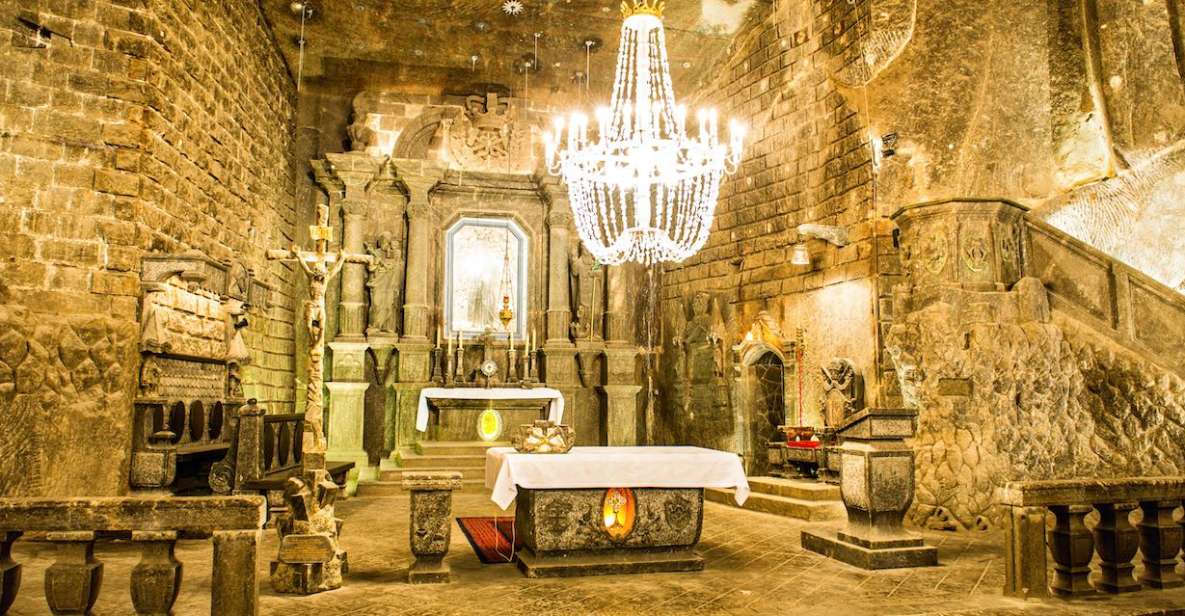
- The Chapel of St. Kinga and salt chandeliers: what to watch for
- How $99 fits the value equation for a half-day tour
- Who this tour suits best (and who should think twice)
- Practical tips that make your mine day go smoothly
- Should you book the Wieliczka Salt Mine tour from Krakow?
- FAQ
- How long is the Wieliczka Salt Mine tour from Krakow?
- How long is the transfer from Krakow to Wieliczka?
- Is there an elevator to go down into the mine?
- What’s the temperature inside the salt mine?
- Is the tour wheelchair or stroller accessible?
- What languages are available for the guided tour?
- Where do I meet for the tour?
- What should I bring?
- Are pets allowed on this tour?
Key highlights to know before you go
- Licensed in-mine guide who explains the mine’s 700-year mining tradition and what you’re seeing
- UNESCO Wieliczka sights like salt-carved chapels, sculptures, and underground lakes
- Comfortable round-trip transport from Krakow plus skip-the-ticket-line entry
- Stairs are the real challenge: descent by stairs (380 steps) and about 800 steps total, with lift only on the way back up
- Cool temps underground around 14–16 °C, so bring a warmer layer even in summer
Why Wieliczka’s salt mine feels like living history
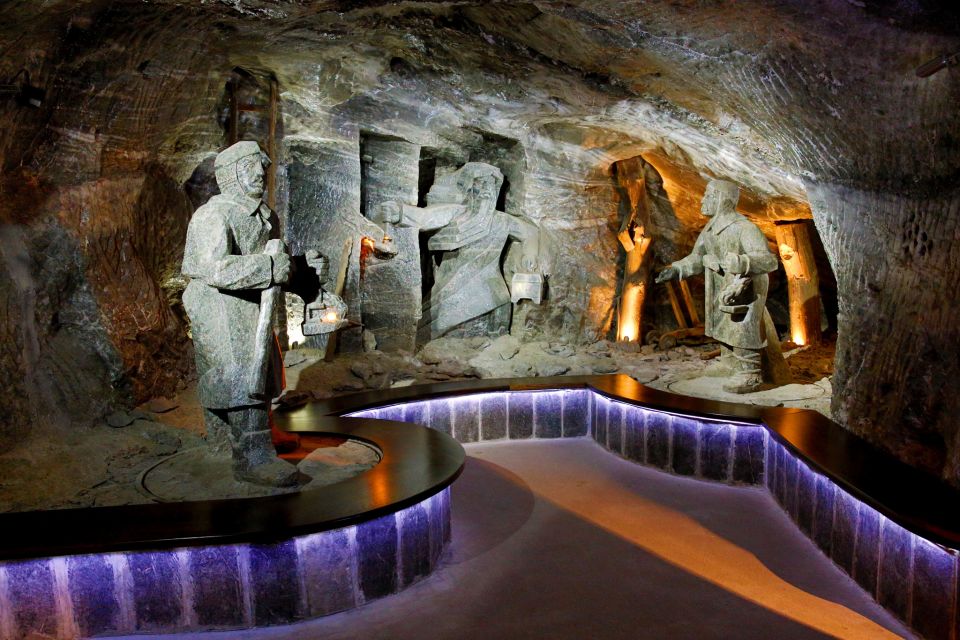
Wieliczka is one of those places where history isn’t behind glass. It’s right in front of you—worked into the walls, carved into chapels, and built by generations of miners who treated salt like both a resource and a craft.
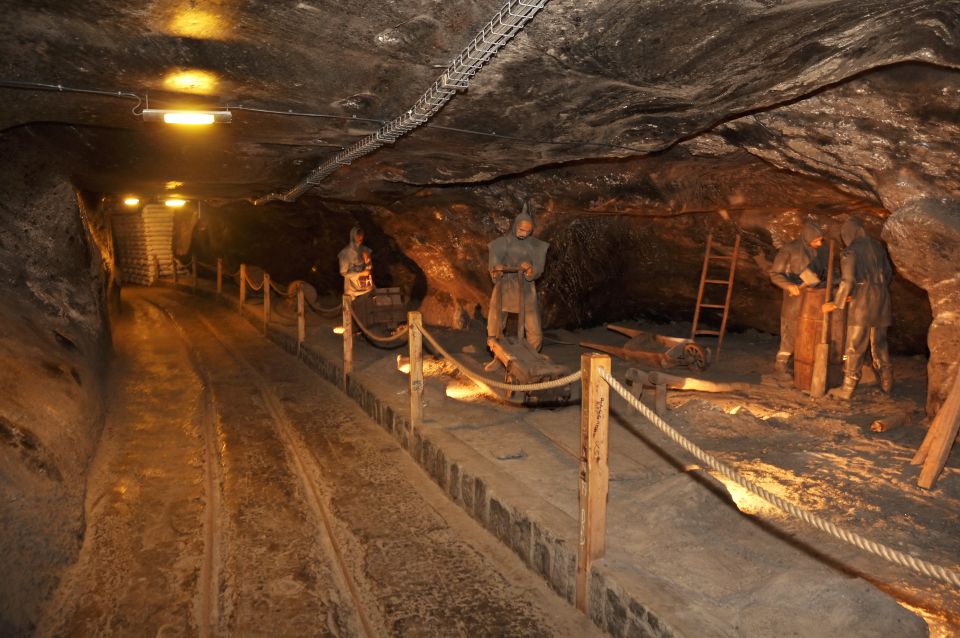
This mine is famous for its long-running tradition. You’re not just touring a “cool cave.” You’re walking through a working legacy that stretches back centuries, with tunnels and chambers shaped by the people who did the heavy lifting—literally, in stone and salt.
What I like most about a guided format here is simple: the mine has a lot going on. Without a guide, you’ll see stunning rooms. With one, you also get the story of why certain sculptures exist, what the chapel space means, and how the mine’s underground world became a place people could worship and gather—not just a factory for extraction.
You can also read our reviews of more guided tours in Krakow


From Krakow in comfort: the 30-minute transfer and what it solves
Krakow to Wieliczka is close enough that you don’t need to burn your whole day commuting. Expect about a 30-minute drive each way, and the tour is designed so you don’t have to juggle tickets, directions, and timing.
You’ll use a Kiss&Ride touristic bus stop meeting point. If you choose optional pickup, you wait in your hotel lobby by the reception desk (or at the main entrance if there’s no reception). Either way, the point is the same: you arrive when you should, you start the mine portion on time, and you avoid that pre-tour stress that can eat the joy.
Transfers cover round-trip logistics, and you also get skip-the-ticket-line entry. That matters in a place like this, where you’re eager to get underground before your energy dips.
One extra detail I appreciate: the tour separates roles clearly. During transfers you have a driver; at the mine you have the licensed guide. That keeps the ride simple and keeps the expert time focused where it counts.
The descent reality: 380 steps down, 800 steps total, and 14–16 °C
Here’s the part you should take seriously: you descend to the mine by stairs. There’s no lift down.
The tour starts with a descent of 380 stairs down the Daniłowicz Shaft, reaching about 64 meters underground. After that, the rest of the guided walk continues with many stairs, totaling around 800 steps for the full mine experience. You end up at roughly 135 meters underground.
Then, when the tour finishes, you go back to the surface by elevator ride (lift). So yes, the return is easier on your legs. But your legs still need to be ready for the main route in.
Add the cold and it becomes more practical than romantic. Mine temperature stays around 14–16 °C. Even if Krakow feels warm, plan for a cooler environment down there. Bring a warmer layer that you’ll actually want to wear through the guided walk, not just a thin jacket you regret later.
This tour also has clear limits. It’s not wheelchair or stroller accessible. It’s also not suitable for pets, pregnant travelers, or anyone with heart conditions. If you’re at all unsure, check directly with the mine for the most suitable option—because “works for me” varies a lot person to person when stairs and confined spaces are involved.
Inside the tunnels: chapels, sculptures, and underground lakes
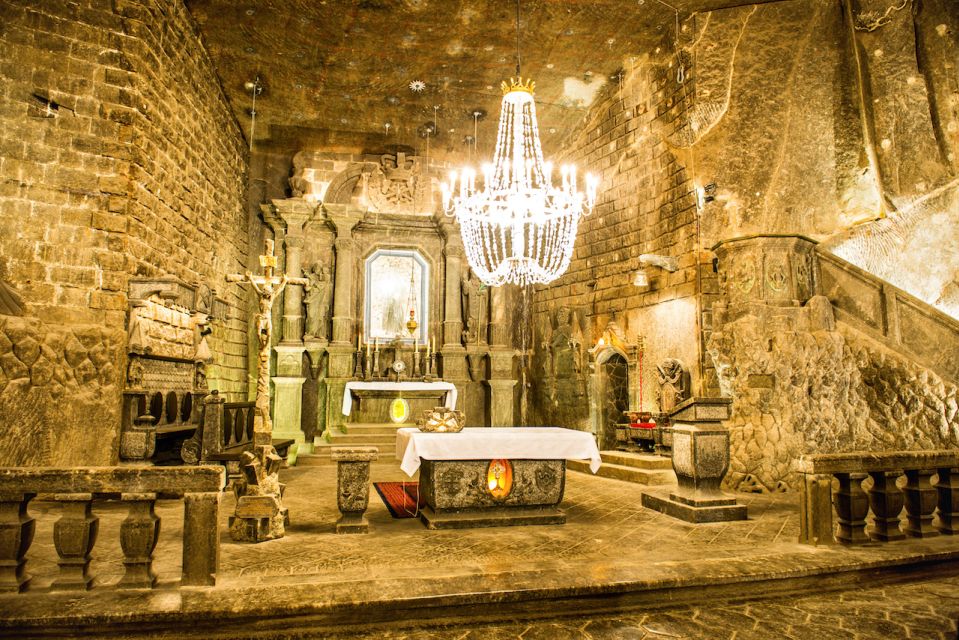
Once you’re underground, the scale can surprise you. The rooms don’t just look impressive—they feel thoughtfully arranged, like a world built from salt and shaped into meaningful spaces.
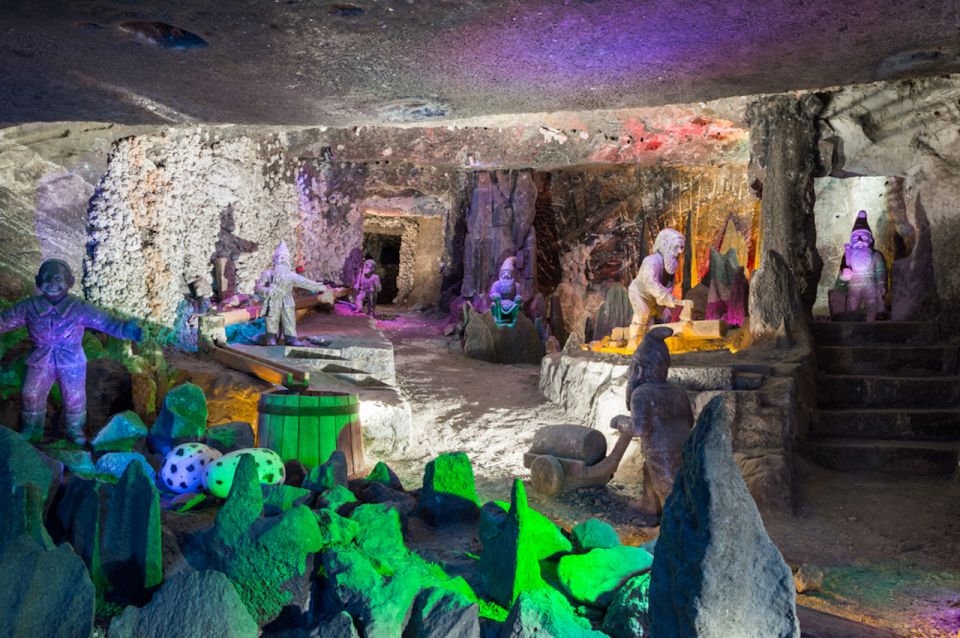
Expect to see salt-carved chapels and sculptures that look detailed enough to feel like they could’ve been carved yesterday. Instead, they’re proof of how long-term craftsmanship can turn an industrial material into art. The result is a kind of underground architecture where everything—arches, niches, ornaments—comes from the same basic substance: salt.
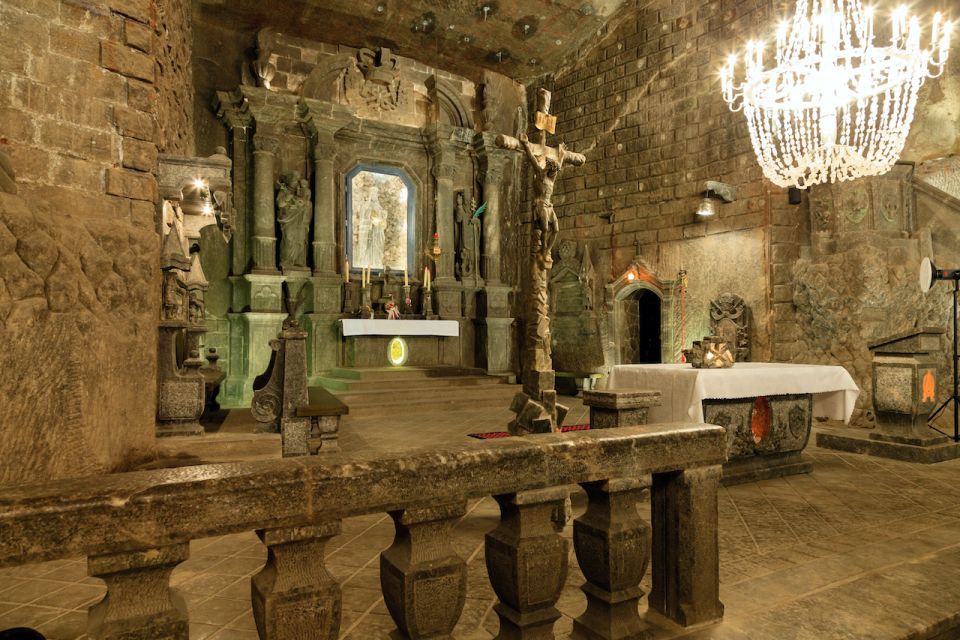
One of the big moments is the set of famous chapel spaces, including the Chapel of St. Kinga. The name matters because the chapel is a centerpiece of the mine’s story. When your guide explains what you’re looking at, you start noticing the “why” behind the scenes: how the mine became more than work, how miners’ skills shaped a place people could experience for reflection and ceremony.
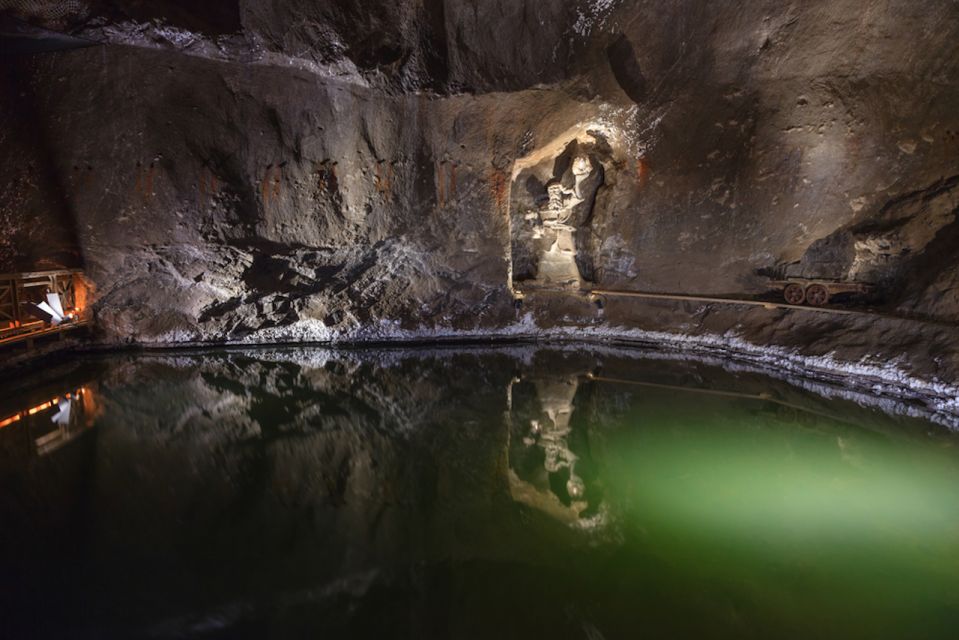
Then there are the underground lakes, which add a different texture to the day. Salt can look pale and dry above ground, but underground it turns into something else—moody light, glassy water, and shimmering surfaces that make the tunnels feel alive.
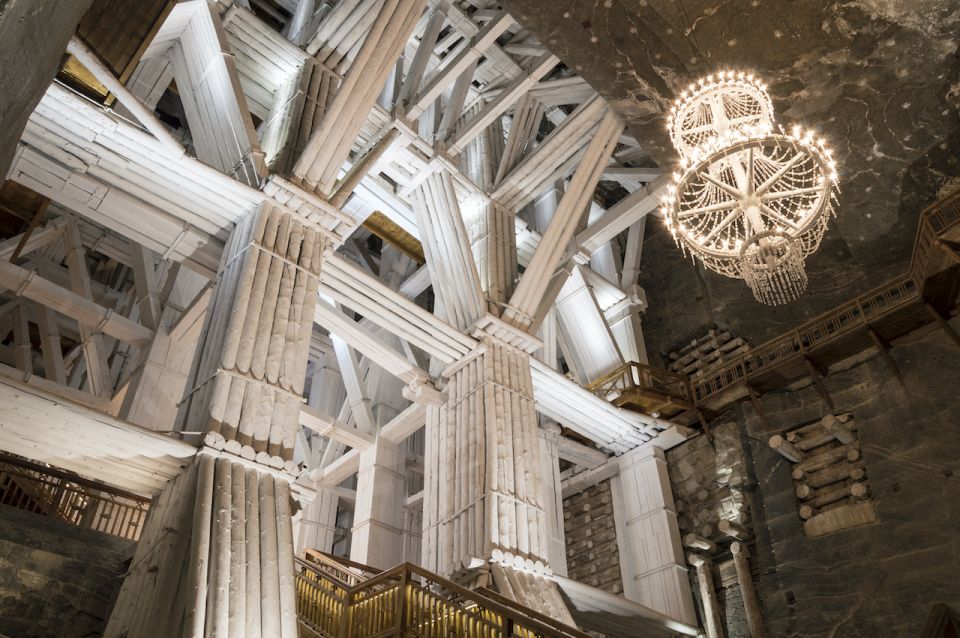
And yes, you’ll likely notice the salt chandeliers too. They’re a reminder that this mine is not only about survival and extraction; it’s also about imagination and technique.
The Chapel of St. Kinga and salt chandeliers: what to watch for
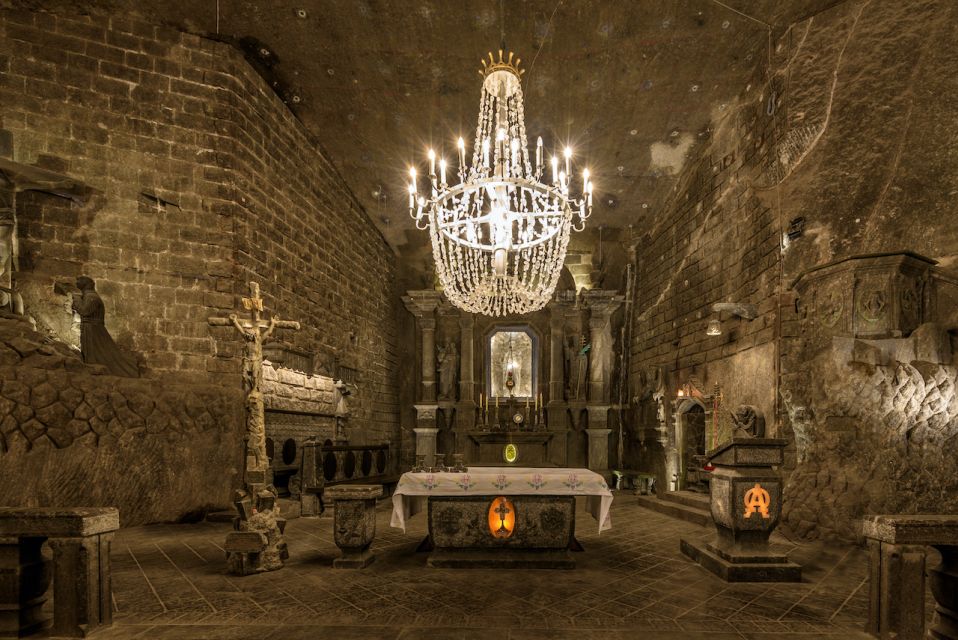
At some point underground, you’ll probably do the same thing I do: tilt your head and start scanning for details. That’s where a guide pays off.
In the chapel areas, focus on the craftsmanship. Look for how shapes are formed, how figures and patterns hold detail, and how the room’s salt architecture helps the space feel complete. Your guide’s job is to connect those visuals to the mine’s long tradition of work—about 700 years’ worth of mining culture and craft knowledge passed down through generations.
The salt chandeliers are another place where your eyes can either skim or soak it all in. If you take a few seconds to really look—how the structure holds, how light reflects—you’ll feel the “made by hands” quality more clearly. It’s one of those small shifts that turns a pretty room into an impressive one.
A practical tip: chapel areas can get crowded at certain moments as the group pauses for explanation and photos. If you care about photos, keep your camera ready but be patient. The best pictures often come when you let people move first, then you get your shot without blocking the view.
How $99 fits the value equation for a half-day tour
At $99 per person for a 4-hour tour, this isn’t bargain-basement sightseeing. But it also isn’t overpriced in the way some “big-name” tours can feel.
Here’s what you’re buying:
- Entrance ticket to the mine
- Licensed guide during the underground portion
- Round-trip transport from Krakow
- Elevator ride back up after the tour
- Skip-the-ticket-line access
If you tried to DIY this—transport, timing, entry tickets, and a guided explanation for the most interesting parts—you’d likely spend more time coordinating than you’d like. Even when tickets are comparable, DIY usually loses the “guided meaning” piece, which is honestly half the reason to do a mine visit like this.
Also, you’re getting a time-efficient day. About 2.5 hours underground is enough to see the key highlights without turning the outing into an all-day slog. For a place like this, that sweet spot matters: you’ll still have energy to enjoy Krakow after.
One more value note: the operator’s support has been described as solid, including helpful office assistance from staff member Pan Marek. That kind of responsiveness isn’t something you notice at the mine—but it can make your planning feel smoother.
Who this tour suits best (and who should think twice)
This is a strong pick if you want a structured, guided visit to a UNESCO site without handling the logistics yourself. You’ll like it if:
- You’re comfortable with a lot of walking and stairs
- You enjoy learning context—what you’re seeing and why it matters
- You want a half-day format that still packs major highlights (chapels, sculptures, lakes)
It’s a poor fit if any of these apply:
- Claustrophobia: the spaces are confined, and some people feel uncomfortable
- Heart conditions: the tour isn’t suitable
- Mobility limits that make stairs difficult
- Traveling with pets or if you’re pregnant
Even if none of the “not suitable” rules apply to you, think about your personal stamina. The mine route has a lot of steps and a long descent. If you’re unsure, choose your comfort level first, the photos second.
Practical tips that make your mine day go smoothly
A few small choices can make the difference between loving the day and just getting through it.
Wear comfortable shoes. The tour includes extensive stair walking, and the temperature stays cool underground. Skip anything too soft, slippery, or hard-to-walk-in.
Bring a warmer layer. The mine temperature sits around 14–16 °C. You’ll be glad for a jacket or warm top you can keep on through the walk.
Keep your bag size in check. Bags must not exceed 35×20×20 cm. Larger belongings can be left safely in the locked vehicle.
Know about the student discount. If you’re a student and want the youth discount, you’ll need a valid photo ID.
And if you’re the type who plans ahead for comfort: aim to arrive on time for your pickup or at the Kiss&Ride stop. Punctuality matters because you’re coordinating transport and the timed entry flow.
Should you book the Wieliczka Salt Mine tour from Krakow?
If you want a guided UNESCO experience with major highlights and minimal hassle, I think this tour is a smart booking. The price makes sense when you factor in the licensed guide, entry, organized transport, skip-the-line access, and the lift back up when you’re done.
Book this tour if:
- You’re okay with lots of stairs
- You want the meaning behind what you see (not just pretty rooms)
- You’d rather spend energy exploring than coordinating
Skip it (or contact the mine for options) if you:
- Have claustrophobia concerns
- Need wheelchair or stroller access
- Have a heart condition, or you’re traveling with pets or during pregnancy
If your body can handle stairs and your mind can handle tight spaces, you’ll likely walk away impressed by how far miners’ hands took salt—turning it into chapels, sculpture, and underground wonder all in one place.
FAQ
How long is the Wieliczka Salt Mine tour from Krakow?
The tour runs for about 4 hours total, with around 2.5 hours spent underground.
How long is the transfer from Krakow to Wieliczka?
The travel time is about 30 minutes each way.
Is there an elevator to go down into the mine?
No. You descend by stairs (380 stairs down the Daniłowicz Shaft). You return to the surface by lift.
What’s the temperature inside the salt mine?
The mine stays around 14–16 °C, so bring warmer clothing.
Is the tour wheelchair or stroller accessible?
No. It is not wheelchair or stroller accessible.
What languages are available for the guided tour?
The live guide offers English, Italian, Spanish, and French.
Where do I meet for the tour?
Meet at the Kiss&Ride touristic bus stop. Optional pickup may be available at your hotel lobby or main entrance.
What should I bring?
Wear comfortable shoes, and since the mine is cool, bring warmer clothing as well.
Are pets allowed on this tour?
No. The tour is not suitable for pets.