REVIEW · KRAKOW
Auschwitz Birkenau Tour from Krakow with guidebook Self-Guided
Book on Viator →Operated by Charming Cracow · Bookable on Viator
A quiet ride, then history gets loud. This Auschwitz-Birkenau day trip from Krakow works because it has a late start for easier hot-weather timing, plus a self-guided visit plan that keeps you moving without feeling chained to a group clock. You also get pickup, drop-off, and a driver who can point you in the right direction.
I like two things a lot: the pickup/drop-off door-to-door comfort (minivan, not public transport stress), and the fact that you can decide how much time you want to spend inside the camps instead of being forced to sprint from stop to stop. The day is structured so you spend roughly 3.5 hours on-site, split between Birkenau and Auschwitz I.
One thing to consider: Auschwitz is strict about what you bring in. Your bag or handbag can’t be bigger than 30x20x10 cm (A4 format), so you’ll want to travel light.
In This Review
- Key points before you go
- How the Krakow-to-Auschwitz day fits into 7.5 hours
- Birkenau (Brzezinka): what 1 hour 20 minutes is for
- Auschwitz-Birkenau Museum (Auschwitz I): using the planned route with a guidebook
- Rynek Główny Central Square: a Krakow moment built into the day
- Price and value: why $36 can make sense here
- Practical stuff that can change your experience
- Who this self-guided Auschwitz day trip suits best
- Should you book this Auschwitz-Birkenau tour from Krakow?
- FAQ
- Is pickup and drop-off in Krakow included?
- Is the Auschwitz visit fully guided by a person?
- What language is the guidebook available in?
- How much time do you spend at Birkenau and Auschwitz I?
- What’s the bag size limit for the museum?
- What’s the cancellation window?
Key points before you go
- Late start for heat and easier pacing: the schedule is designed to feel less brutal on hot days.
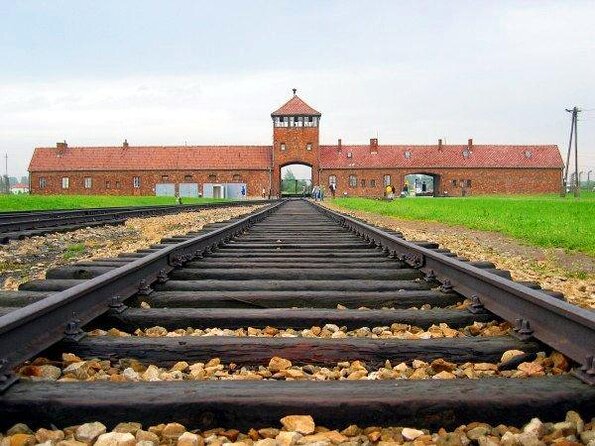
- Birkenau (Brzezinka) first: you start at the second camp, the place where the majority of victims died.
- Auschwitz I visit on a planned route: you follow a set pathway to the key sights, without a live guide crowding your questions.
- Guidebook in your language: you borrow a professional guidebook in English, French, Spanish, German, Italian, or Russian.
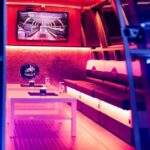
- Door-to-door Krakow transportation: comfortable minivans handle the long drive so you can focus on the visit.
- Bag size rules matter: bring only what fits the strict 30x20x10 cm limit.
How the Krakow-to-Auschwitz day fits into 7.5 hours
This trip is built around one big idea: reduce the annoying logistics so you can spend your energy on the memorial. You’ll be picked up from your Krakow accommodation or meeting point, then transferred in a comfortable minivan to the Auschwitz area. The total day runs about 7.5 hours door-to-door, including transport.
You also get something practical: a driver who can share recommendations for how to structure your visit. That matters because Auschwitz-Birkenau is not the kind of place where you want to improvise your route at the last minute. The trip keeps you from losing time to confusion—while still letting you walk through at your own tempo.
The “self-guided” part is the heart of the value here. Instead of paying for a fully guided tour inside the camps, you get written guidance. The result is you’re not tied to a group’s speaking pace, and you can choose which portion you want to linger on—especially useful if you feel pulled to spend more time at Auschwitz I than you expected, or the opposite.
You can also read our reviews of more guided tours in Krakow
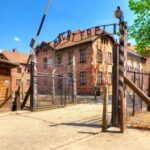
Birkenau (Brzezinka): what 1 hour 20 minutes is for
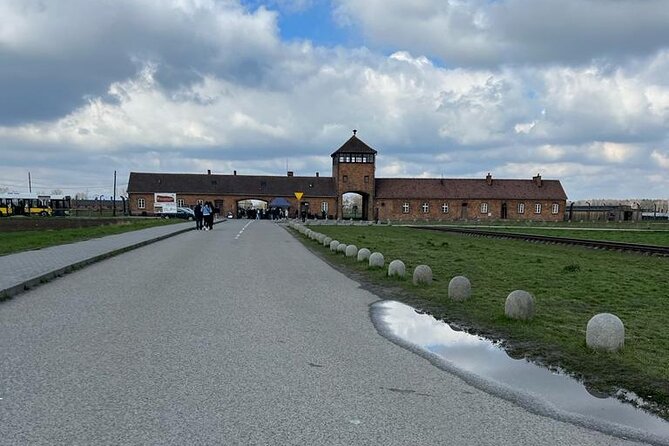
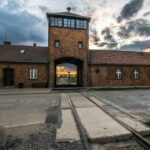
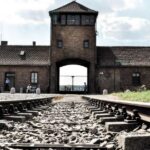
Your first stop is Brzezinka, the Birkenau camp. This is the second camp of KL Auschwitz and the one most associated with mass extermination. The visit time listed for this segment is about 1 hour 20 minutes, which sounds short until you realize how carefully you’re expected to look and absorb what you’re seeing.
In a place this heavy, the trick is to use the time well. Since you’ll be on your own, your best tool is the guidebook you borrow for your chosen language. It helps you place what you’re seeing into context quickly, so you’re not stuck guessing what each area was used for. You also won’t waste energy hunting for the “right” path—your route is planned.
Because you’re starting at Birkenau, you’ll get the clearest sense of the scale early. That can shape how you read Auschwitz I later, since Auschwitz I is often where visitors feel the administrative and historical layers more tightly.
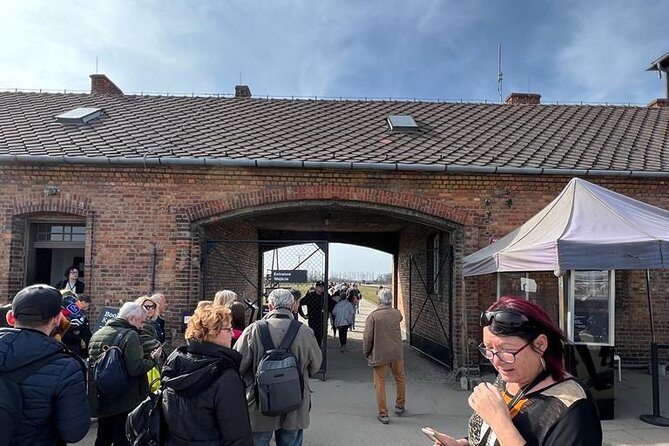
A small practical note: security screening can eat time in any crowded tourist destination. One tip that shows up for this kind of visit is to arrive with a buffer so you’re not rushed. That means building in extra margin before your camp entry rather than counting on smooth timing.
Auschwitz-Birkenau Museum (Auschwitz I): using the planned route with a guidebook
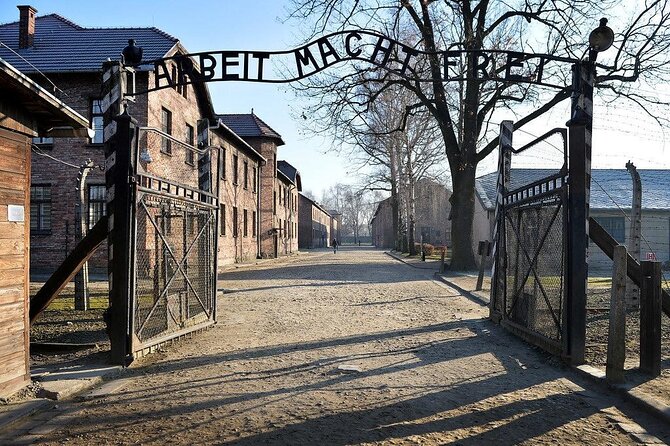
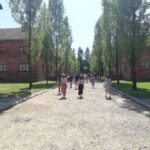
After Birkenau, you move to Panstwowe Muzeum Auschwitz-Birkenau for the main museum visit—listed at about 2 hours. This is where you’ll tour the camp via a planned route that highlights the most important sightseeing points, while still staying independent rather than listening to a live guide through every moment.
This is also where the trip structure supports a calmer experience. You receive an admission ticket that’s tied to your identity—your entry ticket includes your name and surname—and you have the guidebook for each person on the booking. The idea is: you can move through without having to manage paperwork, while still having written support.
Since you’re self-guided, you control the intensity. If you find yourself needing more time in one area—say, Auschwitz I’s key buildings—you can slow down where you need to. If you feel you want to shift attention to the big visual markers rather than reading every line, you can do that too. The guidebook keeps you grounded either way.
One detail I appreciate: you’re not just wandering. The visit is arranged so you hit the crucial points. That matters because Auschwitz is sprawling, and getting lost adds stress in a place that’s already emotionally demanding. The planned route is what keeps “self-guided” from turning into “confusing.”
Rynek Główny Central Square: a Krakow moment built into the day
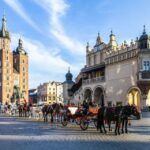
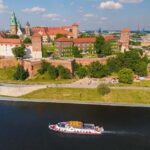
The day doesn’t end inside the memorial. You’ll also have a stop connected to Krakow’s Rynek Główny Central Square. The itinerary shows the pickup-to-first-point drive as taking about 2 hours each way, so the time in Krakow is mostly handled around the camp experience rather than as a long sightseeing block.
What makes this stop worth it is how it helps you transition. After the emotional heaviness of Auschwitz-Birkenau, a familiar public square gives you a chance to reset your bearings—walk a bit, get fresh air, and process what you’ve seen at a human pace instead of a tour-pace pace.
For food, don’t guess wildly. The tour experience includes time for your own arrangements, and your driver can give recommendations for a Polish meal near the main square. One restaurant that comes up as a good option is Morskie Oko on the main square—use it as a starting point, then follow what’s practical for the day’s timing and crowds.
Price and value: why $36 can make sense here
At $36, this is priced like a transport-and-access deal rather than a full guided tour. That’s not a bad thing—if you understand what you’re buying.
Here’s where the value shows up:
- You get pickup and drop-off from your Krakow accommodation or meeting point.
- You cover the long round-trip drive in comfortable minivans.
- You receive an admission ticket for the Auschwitz Historical Museum experience connected to your visit.
- You borrow a professional guidebook in your selected language.
- Your driver can help with recommendations so you don’t spend your energy figuring things out.
What you don’t get (and should expect):
- No live guide inside the camps. You’ll be following the planned route using the guidebook.
- No included food or drinks.
- Tips for the driver aren’t included.
For me, the big question is fit: if you’re the type who likes written context and a self-paced walk through heavy sites, the price is strong. If you need constant spoken narration to understand what you’re seeing, you may want a different style of tour that includes a live guide throughout.
You can also read our reviews of more tours and experiences in Krakow

Practical stuff that can change your experience
This tour is built to be smooth, but a few on-the-ground rules can affect your day.
Bring the right bag size. Museum entry has a strict limit: your backpack or handbag can’t exceed 30x20x10 cm (A4 format). Pack like you’re traveling light for a long day—small water bottle if allowed by the venue rules, essentials only, and keep your camera/phone use respectful and in line with site expectations.
Carry your ID. You’re asked to remember your ID documents—passports and driver’s licenses are specifically mentioned. Since your entry ticket is tied to your name, skipping this step can turn a long-planned day into a stress spiral.
Plan for security time. One recurring tip for Auschwitz visits is to arrive earlier to pass security checks without running late. Even if you think you’ll be fine, give yourself a little extra margin. A memorial visit shouldn’t feel like a deadline.
Use the driver as a resource. This isn’t only a “sit in the van” arrangement. The driver is English-speaking and can share recommendations about visiting Auschwitz-Birkenau and Krakow. If you want a suggested lunch spot or a realistic plan for how to structure your camp time, ask.
If you need food, ask ahead. The tour notes that lunch boxes can be arranged on special request. This is a helpful option if you don’t want to start searching for meals mid-journey.
Who this self-guided Auschwitz day trip suits best
This is a smart fit if you want structure without being rushed.
You’ll likely enjoy it most if:
- You prefer self-guided walking with a guidebook rather than listening to a live guide constantly.
- You want the freedom to spend more time where your attention lands—especially since the day is designed so you can choose which parts you want to spend more time on.
- You’d rather pay for transportation and access than for a full guided narration.
- You like the idea of a smaller maximum group size (the tour lists a cap of 50 travelers).
It may feel less ideal if you strongly want a live, on-the-spot explanation of everything you see inside the camps, or if you’re likely to feel overwhelmed without spoken guidance. In that case, consider whether a fully guided option matches your learning style better.
Language matters too. The guidebook is available in English, French, Spanish, German, Italian, or Russian, depending on what you choose when booking. If language support is a top priority for you, this tour is one of the easier ways to handle it.
Should you book this Auschwitz-Birkenau tour from Krakow?
If your main goals are efficient transport, a self-paced visit, and a guidebook in your preferred language, I’d say this is worth strong consideration. The $36 price works because most of the cost goes into getting you from Krakow, handling the logistics, and supplying written support so you can follow a planned route.
However, only book it if you’re comfortable being independent inside the camps. This is not a spoken narrative tour; it’s a structured self-guided experience where you’re supported by a guidebook and a route plan.
My practical recommendation: pack light for the bag-size rule, bring your ID, and give yourself extra buffer time for security. Then use the guidebook to help you understand what you’re seeing—so your visit stays respectful, focused, and not stressful.
FAQ
Is pickup and drop-off in Krakow included?
Yes. The tour includes pickup and drop-off from your Krakow accommodation or meeting point in comfortable minivans.
Is the Auschwitz visit fully guided by a person?
No. This is a self-guided visit. You’ll have a borrowed professional guidebook in your chosen language and you’ll follow a planned route through the key points.
What language is the guidebook available in?
You can choose from English, French, Spanish, German, Italian, or Russian when booking.
How much time do you spend at Birkenau and Auschwitz I?
You’ll spend about 1 hour 20 minutes at Brzezinka (Birkenau) and about 2 hours at the Auschwitz-Birkenau Museum on the planned route.
What’s the bag size limit for the museum?
Your backpack or handbag can’t exceed 30x20x10 cm (A4 format).
What’s the cancellation window?
You can cancel for a full refund up to 24 hours before the experience starts. If you cancel within 24 hours, the amount paid isn’t refunded.