REVIEW · KRAKOW
Auschwitz-Birkenau: Entrance Ticket and Live Tour Guide
Book on GetYourGuide →Operated by GR8 WAY · Bookable on GetYourGuide
Auschwitz hits fast. This live guided tour takes you through Auschwitz I and Auschwitz II Birkenau with an English-speaking guide, entrance tickets, and headphones—so you’re not left guessing what you’re looking at. I especially like that you start at Auschwitz I with skip-the-ticket-line entry, and that the guide keeps the focus on what prisoners experienced day to day. One drawback to plan for: the schedule is tight and museum rules control timing and breaks, so you shouldn’t expect a leisurely pace.
You’ll spend a lot of time outside—about 70%, especially in Birkenau—so what you wear matters. Also, because ticketing is tied to visitor lists, your name on the booking has to match your ID.
In This Review
- Key things you’ll notice on this Auschwitz-Birkenau tour
- Price and what you get for $47
- Meeting point at Auschwitz I: the easiest way to start on time
- The first camp: Auschwitz I and why the guide’s context matters
- Shuttling between camps: moving from Auschwitz I to Birkenau
- Auschwitz II Birkenau: memorial respect, gas chambers, and the railway remains
- What to wear (and pack) so you can handle 70% outdoors
- How the tour pace actually works inside the memorial
- Transportation options from Krakow: what’s included versus what you arrange
- Is it worth booking with GR8 WAY?
- Who this tour suits best
- Quick decision guide: should you book this tour?
- FAQ
- How long is the Auschwitz-Birkenau tour?
- What’s included in the tour?
- Where do I meet the tour?
- Do I need an ID or passport?
- Is food included?
- Is the tour wheelchair accessible?
Key things you’ll notice on this Auschwitz-Birkenau tour
- Licensed English guide plus headphones to help you follow the story without crowding or shouting
- Skip-the-ticket-line at Auschwitz I with entrance tickets provided at the start
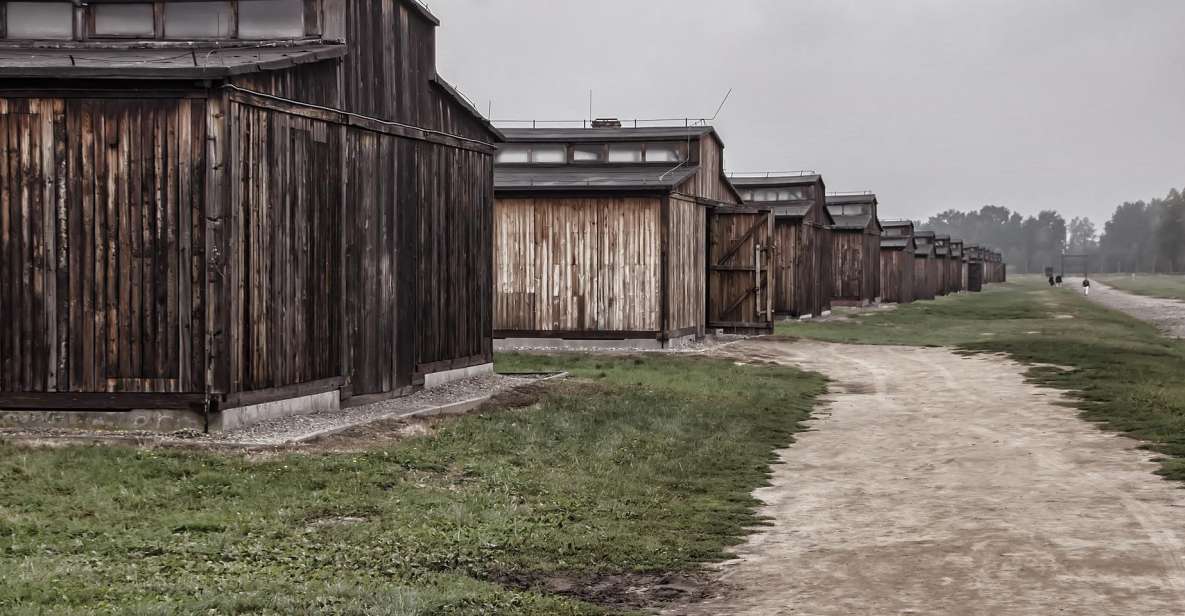
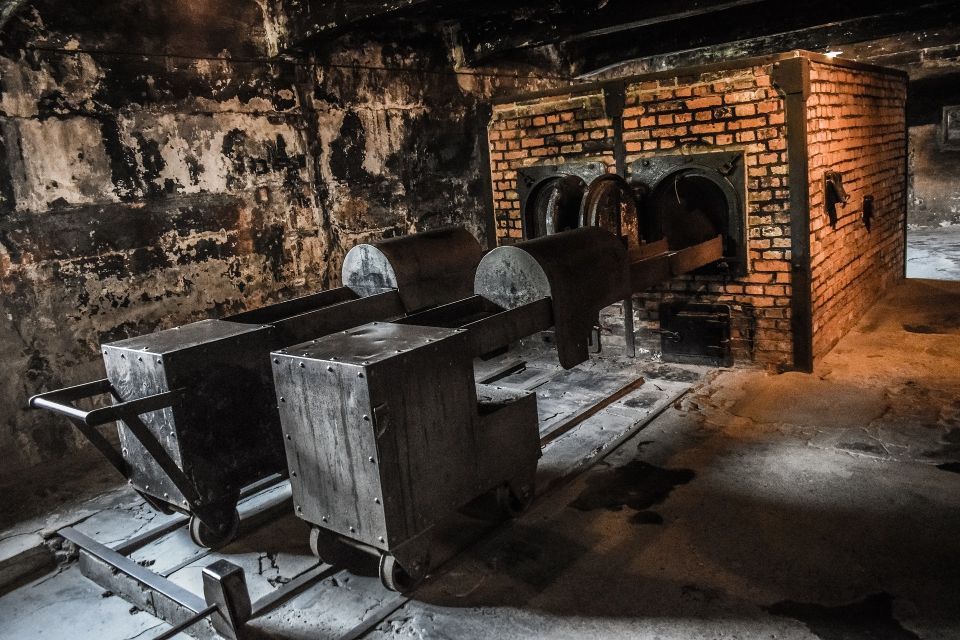
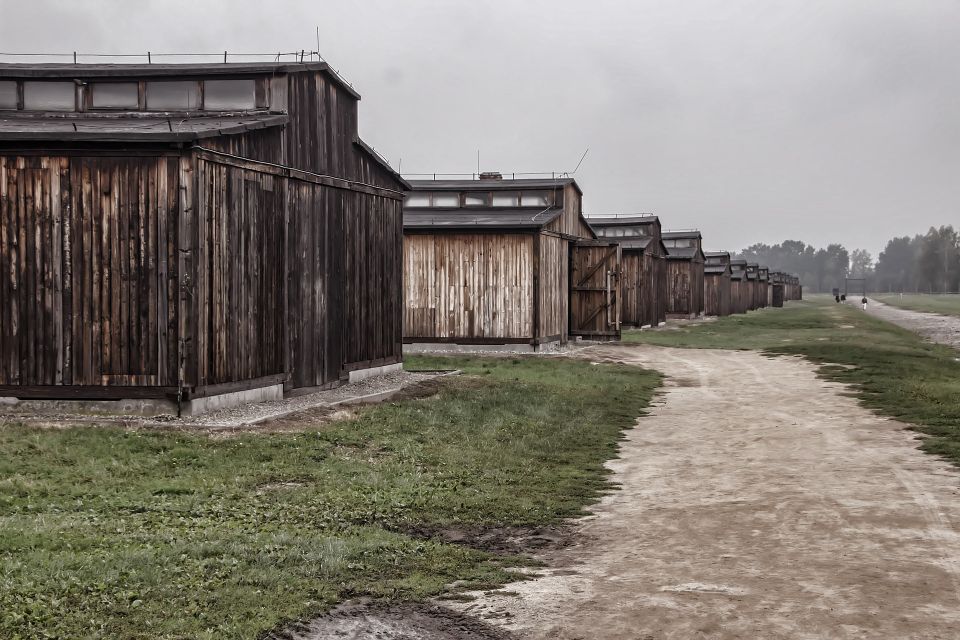
- Auschwitz I remains explained including barracks, watchtowers, and crematorium areas
- Auschwitz II Birkenau memorial and gas chambers plus the remains of the railway used to transport prisoners
- Outdoor time is long—you’ll be outside most of the experience, especially at Birkenau
- Timing is controlled by the memorial—your tour length and pauses follow the site’s visitor flow
Price and what you get for $47
At around $47 per person, this is priced in the range you’d expect for a guided, ticketed Auschwitz-Birkenau experience. What makes the value feel real is that you’re paying for three practical upgrades at once: a licensed guide, headphones, and entrance tickets handled for you at Auschwitz I.
If you tried to do this alone, you’d still be dealing with timed entry pressure, long queues, and the challenge of interpreting what you’re seeing. Here, the guide helps connect the physical remains to the human story—barracks, crematoriums, guard structures, and the memorial areas in Birkenau.
Do keep expectations grounded: this is not a comfort tour. The emotional weight is heavy, the pace is set by the museum, and the outdoors time is substantial.
You can also read our reviews of more tours and experiences in Krakow


Meeting point at Auschwitz I: the easiest way to start on time
The tour starts at Więźniów Oświęcimia 20, 32-600 Oświęcim, Poland. A representative from the local partner is posted in front of a restaurant at Auschwitz I, holding a sign that says Gr8way Meeting Point.
One small but important detail: the museum is very busy. Your starting time is approximate, and the exact visit time is confirmed the day before. I’d treat this like a real appointment, not a flexible stroll. If you arrive late, you can end up fighting the clock right at the beginning.
You’ll also want to have your ID ready. At the entrance, you might be asked to confirm your identity because visitor lists are sent in advance. If the name you booked with doesn’t match the name on your passport or ID, entry may be refused—so double-check spelling.
The first camp: Auschwitz I and why the guide’s context matters
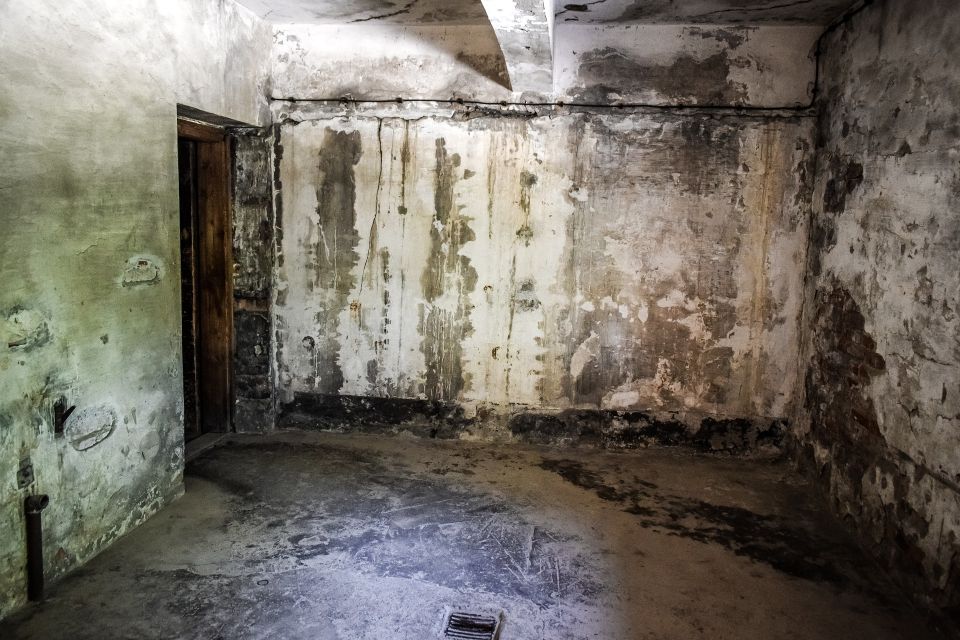
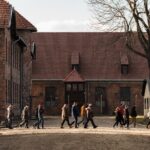
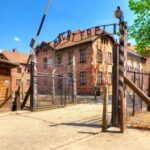
Your tour begins at the Auschwitz I entrance area, where you receive your entrance ticket. This matters because Auschwitz I is the point where the history becomes specific and structured: you’re moving through the camp’s remains with someone guiding your attention.
With a licensed guide, you’ll explore key parts of Auschwitz I, including:
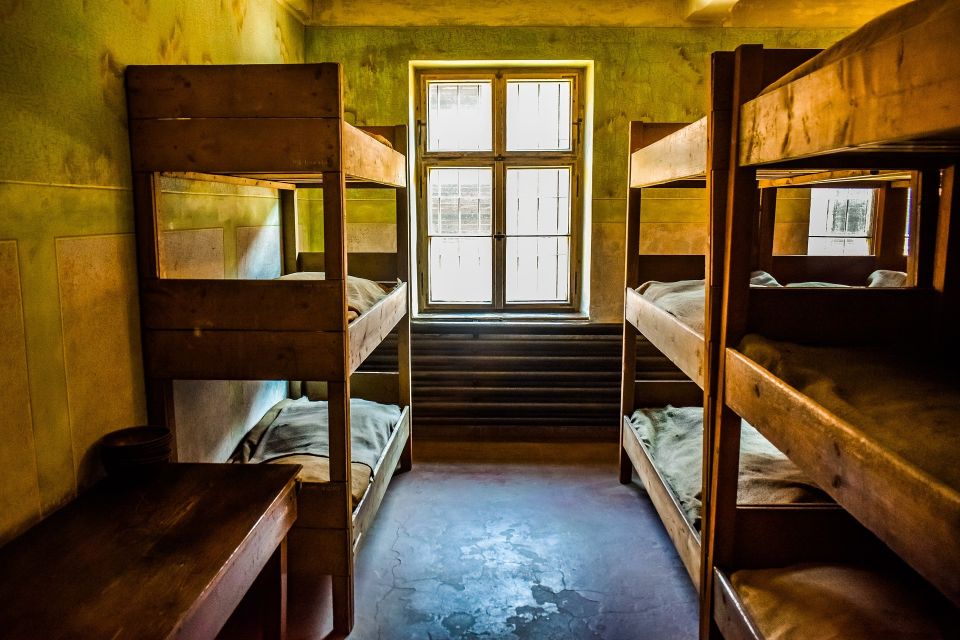
- the remains of barracks
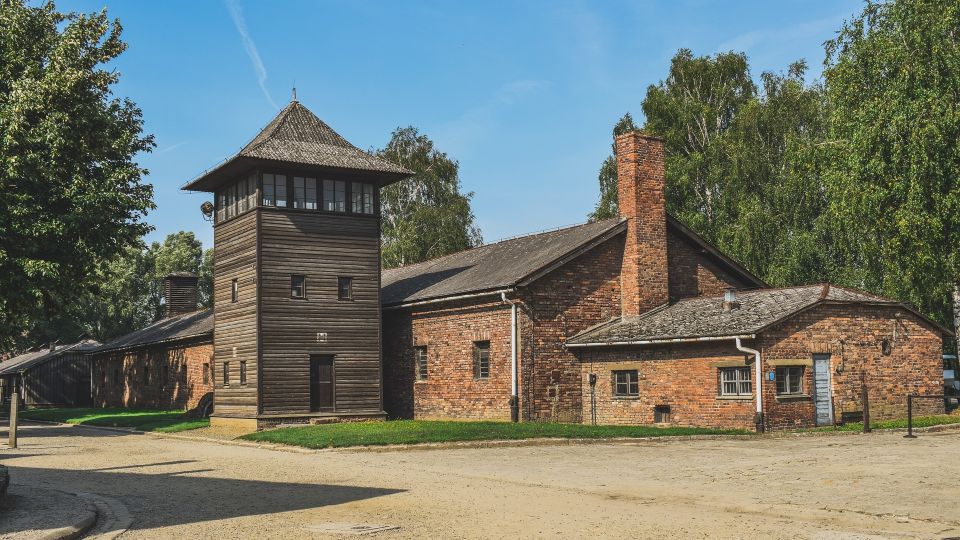
- watchtowers and other camp infrastructure
- crematorium areas
- evidence of Nazi crimes
What I like about starting at Auschwitz I is that it gives you a foundation before you move to Birkenau. The guide’s job isn’t to overwhelm you with dates—it’s to help you understand how the camp worked and what conditions meant for real people. When you’re standing in front of structures that still look stark and unfinished, context is the difference between seeing objects and understanding systems of persecution.
Also, expect a real “walk and listen” format. You’re not touring for scenery. You’re touring for clarity, and the headphones help keep you connected to the explanation even in a large crowd.
Shuttling between camps: moving from Auschwitz I to Birkenau
After Auschwitz I, you board a comfortable shuttle to Auschwitz II Birkenau. This transfer isn’t the exciting part of the day, but it’s important because it keeps the flow moving without you having to figure out transport between sites.
In practical terms, you’re going from a first, more structured “camp” experience into a sprawling memorial landscape. That shift is what makes the second half so intense: Birkenau forces you to understand scale.
Also remember the timing point: the memorial’s visitor service sets the tour’s pace and break times. That means you shouldn’t plan to sprint afterward for a tight schedule elsewhere.
Auschwitz II Birkenau: memorial respect, gas chambers, and the railway remains
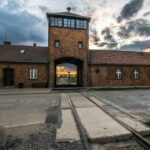
At Birkenau Memorial Place, you’ll have time to pay respects to the victims of the Holocaust. This part matters emotionally, but it also matters for comprehension, because Birkenau is where you see the system at massive scale.
During the Birkenau section, you’ll witness:
- gas chambers
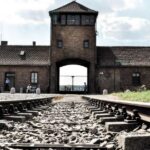
- the remains of the railway used to transport prisoners
Seeing those remains with a guide helps you avoid the common trap of treating the site like a museum diorama. The guide’s explanations connect the infrastructure to the reality of deportation and imprisonment.
If you’re wondering why this tour is so often recommended, it’s because Birkenau is visually demanding. With a live guide and headphones, you get orientation: what you’re looking at, why it’s significant, and how it fits into the wider story.
You can also read our reviews of more guided tours in Krakow
What to wear (and pack) so you can handle 70% outdoors
You’ll be outdoors for up to 70% of the tour, especially during the second part at Birkenau. That’s not a minor note—it’s the difference between tolerating the experience and feeling miserable while trying to listen.
Bring:
- Passport or ID card
- weather-appropriate clothing
And plan for the onsite rules:
- no luggage or large bags
My practical advice is simple: dress for the outdoors, not for comfort in a warm van. Wear shoes you can walk in for a few hours, and think about cold wind or rain depending on the season. You’ll want your body calm enough to focus on the guide’s words.
How the tour pace actually works inside the memorial
The pace is determined by the Auschwitz-Birkenau Memorial and Museum visitor service. Your guide and the tour operator can’t control how long break times last or exactly how the group moves.
That’s worth knowing because it affects how you plan the rest of your day. If you’re trying to fit a restaurant reservation, a train ticket, or a long drive immediately after, you could get squeezed.
The good news: the structure is predictable in the right way. You know the flow is Auschwitz I first, then transportation to Birkenau, then the memorial-focused second half. The surprise is only the timing tightness, not the order.
Transportation options from Krakow: what’s included versus what you arrange
This experience is offered with two practical ways to reach the site area:
- You can make your own way and meet at Auschwitz I.
- You can choose an option with round-trip shuttle service from and to Krakow, and that option allows 4 hours to explore the site.
The shuttle from Krakow isn’t always bundled the same way for every booking type, so confirm what you’ve selected. If your transport is already tight, self-arranging can reduce confusion—just make sure you’re at the correct Gr8way Meeting Point start area.
Either way, transportation to and from Krakow isn’t something you should assume is included unless you picked the shuttle option.
Is it worth booking with GR8 WAY?
I’d book this if you want a guided Auschwitz-Birkenau experience without the hassle of planning entry details. The strong value comes from three elements working together:
- Entrance tickets handled at the start (skip-the-ticket-line format)
- Headphones provided, which helps the guide’s explanations land clearly
- A licensed English guide, which is essential at Auschwitz where the sites can look confusing without context
Where you should be cautious is the audio setup and the group rhythm. There’s at least one reported issue where audio quality was so poor that explanations were missed. You can’t fully control that, but you can reduce your risk: arrive early, put the headphones on right away, and tell the guide if something isn’t working so it can be corrected quickly.
Also, because ticketing is tied to names and identity checks, you should treat your booking details like a flight ticket: accurate and consistent with your ID.
Who this tour suits best
This is best for you if:
- you want a structured, English-language walkthrough of both Auschwitz camps
- you prefer to understand what you’re seeing instead of reading alone
- you’re okay with a serious, outdoor-heavy day and a fixed pace
It may not be a good fit if you:
- have mobility limitations (this tour is listed as not suitable for people with mobility impairments)
- use a wheelchair (also listed as not suitable for wheelchair users)
Quick decision guide: should you book this tour?
Yes, if you’re planning one day to do Auschwitz I and Auschwitz II with a guide, entrance tickets, and headphones included, this is a practical way to get the most meaning from your time. The $47 price is easier to justify when you compare it to the cost and effort of planning entry, managing timing, and trying to interpret large, complex areas on your own.
Think twice if your itinerary is extremely rigid right after the tour. The memorial sets the pace, the start time can be approximate until it’s confirmed, and there are onsite timing realities you can’t override.
If you’re looking for a respectful, guided experience that helps you understand the sites instead of just visiting them, this is a solid choice.
FAQ
How long is the Auschwitz-Birkenau tour?
The duration is listed as 3.5 hours. Starting times vary, so you should check availability for the exact schedule.
What’s included in the tour?
It includes an English-speaking live guide, headphones, entrance tickets, and an online booking fee.
Where do I meet the tour?
You meet at Więźniów Oświęcimia 20, 32-600 Oświęcim, Poland. A partner representative stands in front of the restaurant at Auschwitz I with a sign saying Gr8way Meeting Point.
Do I need an ID or passport?
Yes. You should bring a passport or ID card. Your identity may be checked at the entrance, and your name on the booking must match your ID.
Is food included?
No. Food and drinks are not included.
Is the tour wheelchair accessible?
No. It’s listed as not suitable for wheelchair users (and not suitable for people with mobility impairments).