REVIEW · KRAKOW
Jewish Quarter Kazimierz and Schindler’s Factory Guided Tour
Book on Viator →Operated by Intercrac Sp. z o.o. · Bookable on Viator
Krakow’s Jewish Quarter leaves an imprint. I loved how this tour strings together Kazimierz from daily Jewish life through WWII, and how the walk is anchored by real places like the Old Synagogue and Remuh sites. I also liked the way it pairs the history walk with Schindler’s Factory Museum, where you’ll see the exhibition on Krakow under Nazi occupation and hear what Schindler did to protect Jewish workers. The main drawback is that the Schindler part is time-limited, so the museum can feel a bit rushed if you want to linger.
If you’re the type who learns best by moving through streets, this format works. You’ll get a guided sense of the Jewish community’s centuries-long presence in Krakow, then shift into the heavy WWII story without needing to sort it out on your own.
In This Review
- Key highlights at a glance
- Entering Kazimierz: Szeroka Street and the feeling of old Krakow
- Old Synagogue, Remuh Cemetery, and the key religious landmarks
- WWII in Kazimierz: how the ghetto story fits this exact street maze
- Schindler’s List locations: where film meets real geography
- Schindler’s Factory Museum: the exhibition you’ll actually walk through
- The Schindler piece: what you might be expecting vs what you get
- Timing and how to avoid feeling rushed in a 3.5-hour format
- Guides in real life: what to look for on the day
- Price and value: why $71.20 can make sense here
- Who this tour suits best (and who should add extra time)
- Practical tips before you go
- Should you book this tour of Kazimierz and Schindler’s Factory?
- FAQ
- How long is the Jewish Quarter Kazimierz and Schindler’s Factory guided tour?
- Is the tour offered in English?
- What’s included in the tour price?
- What are the main places you’ll visit during the tour?
- Do I need to provide full names for tickets?
- Is Schindler’s Factory still a working factory with production equipment?
Key highlights at a glance
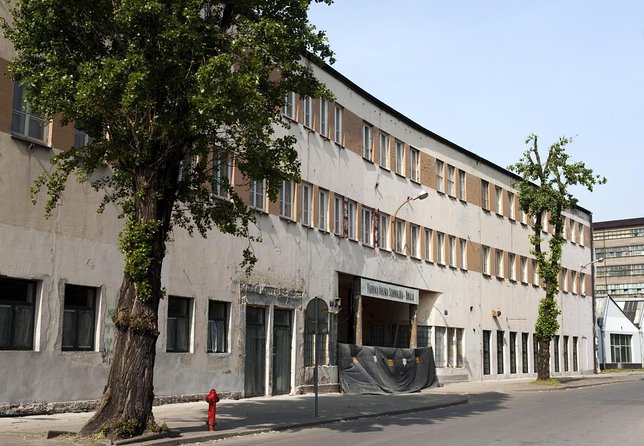
- Szeroka Street start: the historic heart of Kazimierz, framed by synagogue-era streetscapes from the 16th–18th centuries
- Synagogue stops you can picture: Old Synagogue museum, Remuh Synagogue and Cemetery, Kupa Synagogue, Tempel Synagogue
- Remuh connection: Rabbi Moses Isseries, known as Remuh, and the 16th-century teaching site
- Schindler’s Factory Museum entry fast-track: skip the long line and go straight into the story
- Exhibition focus: Krakow under Nazi Occupation 1939–1945 and the “Schindlerjuden” testimonies and objects
- Small group cap: up to 25 people, with some passageways narrow in the museum
Entering Kazimierz: Szeroka Street and the feeling of old Krakow
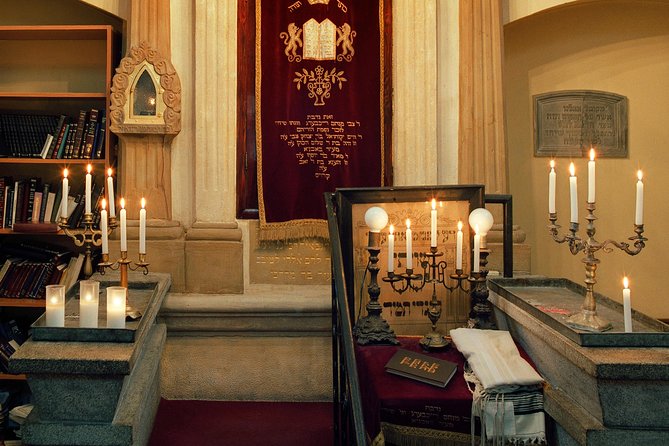
Kazimierz is the kind of neighborhood where you don’t just look at history. You walk it. Your tour starts on Szeroka 24, and you begin right on Szeroka Street, the historic pulse of Kazimierz, where synagogues and townhouses date back to the 16th–18th centuries.
The best part here is that Kazimierz is still a living area. You’ll pass monuments and synagogue buildings, and you’ll also notice that the neighborhood today has kosher restaurants and community life layered over older eras. That contrast matters: it keeps the story from turning into a museum-only experience.
You can also read our reviews of more guided tours in Krakow
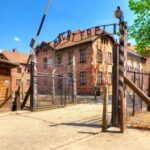
Old Synagogue, Remuh Cemetery, and the key religious landmarks
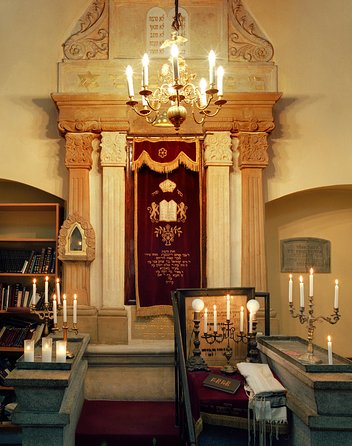
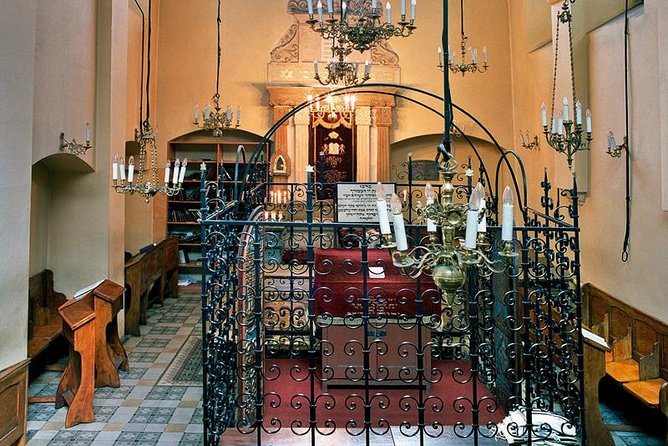
On the Kazimierz walk, you’ll hit the places that make the area feel unmistakably Jewish. The route includes the Old Synagogue, described as the oldest preserved synagogue in Poland and now a museum of Jewish history. Even if you don’t go inside during this tour, simply seeing how the site anchors the neighborhood gives you context you’ll carry into the rest of Krakow.
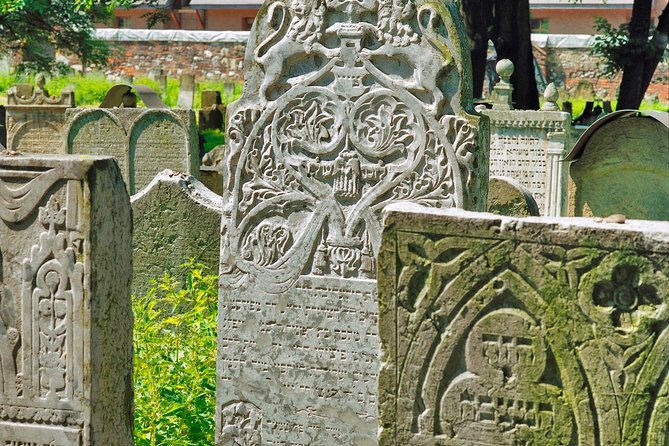
Next comes the Remuh Synagogue and Cemetery. This is one of those stops where the guide’s voice can change the whole way you look at the street. You’ll also hear about Rabbi Moses Isseries, known as Remuh, and his role in teaching in the 16th century—details like that help you understand why these locations still matter.
You’ll also pass the Kupa Synagogue, once associated with the poorest residents, and the Tempel Synagogue, which is now an active cultural center. I like that mix because it refuses a one-note version of history. You’re seeing religious life, social class realities, and cultural continuity all in one walking route.
WWII in Kazimierz: how the ghetto story fits this exact street maze
Kazimierz is not just “before WWII.” The tour connects the district’s WWII reality directly to what happened to Jewish residents during the occupation. You’ll learn how people were herded into the Jewish ghetto of Podgorze, and you’ll understand this was not an abstract tragedy. It happened to neighborhoods, families, and daily routines.
One detail I appreciate in this kind of tour is the way it teaches you how to read the city. The streets become evidence. Even the gaps in what survives (and what doesn’t) make more sense when your guide explains the pattern of displacement and confinement.
Schindler’s List locations: where film meets real geography
If you’ve seen Schindler’s List, Kazimierz can feel oddly familiar. This tour notes that Steven Spielberg filmed scenes here to depict the Jewish ghetto of Podgorze. The point is not to turn suffering into movie tourism. It’s to help you map fiction to real streets and then carry that clarity back into the WWII story.
In the walk, you’ll be shown locations tied to the film’s setting. A few guides in this program also point out that Spielberg made creative location choices. That’s useful to know because it trains you not to assume the camera equals accuracy.
Schindler’s Factory Museum: the exhibition you’ll actually walk through
After Kazimierz, the tour shifts to Oscar Schindler’s Factory Museum: Fabryka Emalia Oskara Schindlera. This is the enamelware factory site tied to Schindler’s efforts, and it’s now a museum built around the theme of Krakow during the Nazi occupation.
You won’t be wandering freely. You’ll follow the licensed guide through the exhibition titled Kraków under Nazi Occupation 1939–1945. The museum explains Schindler’s position and what he did to protect Jewish workers from deportation. You’ll learn that more than a thousand men and women survived thanks to his courage and determination, and you’ll hear about the term Schindlerjuden.
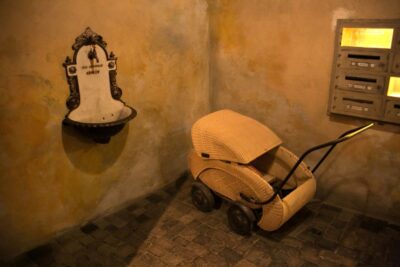
What you see tends to be the stuff that helps the story stick: photographs, personal objects, and reconstructed street scenes that convey fear, uncertainty, and daily struggle. The museum is designed so you move through an atmosphere of pressure and oppression, not just a list of facts.
Two practical notes that matter:
- The building used to function as a factory, but it no longer contains original production equipment.
- The museum layout includes narrow passageways, so it can feel tight, especially if you’re sensitive to crowds.
The Schindler piece: what you might be expecting vs what you get
This stop is where expectations can get tricky. The museum focuses on Krakow and WWII, using Schindler’s actions as the human thread. Some people come hoping for a full factory-floor experience. The site is a museum today, and the tour won’t take you into a preserved manufacturing space with working equipment.
In fact, multiple people note that you’re guided through the administrative-office and exhibition space rather than a full factory tour. If you want “Schindler the businessman” details, this can feel like the spotlight is broader than the man himself. If you want the bigger context of occupation and Jewish life under Nazi control, this stop works very well.
Also, the guidance is helpful for orientation, but it’s not built for slow reading. One of the most common concerns is that the guided portion can feel rushed. Even if you love the guide, you may wish you had extra time after the tour ends.
Timing and how to avoid feeling rushed in a 3.5-hour format
The whole tour runs about 3 hours 30 minutes. That’s actually a smart length for value, because you cover Kazimierz walking + the Schindler museum without turning it into an all-day ordeal.
But the tradeoff is pacing. The museum is designed for extended attention, and a guided walk through an immersive exhibition can feel like a sprint if you’re someone who reads everything. I recommend mentally planning a “see the highlights with the group” mindset for this part, then consider doing a longer self-guided visit afterward if you care deeply about the exhibits.
A few reviews also mention some guides took an easy-paced approach for the Kazimierz portion. If you get that style of tour, you’ll likely feel less rushed overall. If you prefer slower, you can still manage it by keeping an eye on your group’s pace and stepping slightly back during museum segments when the guide allows room to pause.
Guides in real life: what to look for on the day
You’re touring with a licensed guide in English, and that usually makes a big difference in how quickly you feel grounded in the story.
I saw repeated praise for guide performance and English clarity in reviews. Names like Margaret, Helena, Filipe, Dominika, Magda, Janna, Joanna, Ziggy, and Barbara come up as standout guides people were happy to follow. Even when the tour style was described as a bit mechanical by one person, the overall pattern is that the guide explains what you’re seeing and ties it to the larger narrative.
My practical advice: if something hits you emotionally—especially around ghetto life and occupation—stay with the guide for the main beats, but don’t force yourself to keep up at every second. If you need a pause to process, take it in a doorway or wider room. The story is heavy. You don’t need to “win” the walking pace.
Price and value: why $71.20 can make sense here
At $71.20 per person, you’re paying for two things that are hard to replicate without effort: a guided street-level history walk and guided entry into Schindler’s museum with fast-track admission.
The value shows up in time saved. One of the strongest practical perks mentioned is skipping long lines at the Schindler museum. If you’ve dealt with museum queues in busy cities, you know that waiting can chew up the most meaningful part of your day.
You’re also getting a structured route through Kazimierz’s main religious and historic sites. Visiting those on your own is doable, but having a guide helps you connect the dots—Remuh in the 16th century, the WWII ghetto context, and the way film locations fit into geography.
Who this tour suits best (and who should add extra time)
This tour is a great fit if you want:
- a guided way to understand Jewish Krakow history before and during WWII
- a walking format that helps you learn by seeing places in sequence
- a museum visit that gives you a frame for what you’re looking at, rather than guessing alone
It may be less ideal if:
- you want a long, slow museum session as your main priority
- you expect a full factory-floor manufacturing tour
- you dislike tight spaces and crowded passageways in enclosed museum sections
If you care deeply about Holocaust history and want to read exhibits more thoroughly, plan extra time on your own after the tour, especially if the museum is calling you to stop and linger.
Practical tips before you go
This is a walking tour, plus a museum experience with narrow passageways. Wear comfortable shoes. Check the weather forecast and dress for real conditions, not the forecast app optimism. The tour operates in all weather, so you’ll want footwear you trust on wet pavement.
Also, come on time. You’re asked to arrive at least 10 minutes early. Once the group enters, late arrivals aren’t accommodated and tickets aren’t refundable. In a schedule like this, being late can mean missing the start.
And don’t forget the paperwork detail: the museum issues personalized tickets, so you must provide full names of all participants at booking. If you’re traveling with multiple people, double-check spellings.
Should you book this tour of Kazimierz and Schindler’s Factory?
I’d book it if you want an efficient, guided hit of Kazimierz’s historic Jewish landscape paired with a focused entry into Schindler’s Factory Museum. The street walk helps you understand what you’re seeing, and the museum part keeps you from getting lost in the sheer amount of material.
But if you’re a slow museum reader or you’re hoping for an in-depth factory production tour, you might feel constrained by the time limit and the exhibition focus. For that style of visit, I’d still consider booking, then plan to add additional self-guided museum time right afterward.
Bottom line: this is one of the stronger ways to connect Krakow’s neighborhoods to WWII reality without turning your day into a chaotic research project.
FAQ
How long is the Jewish Quarter Kazimierz and Schindler’s Factory guided tour?
The tour lasts about 3 hours 30 minutes.
Is the tour offered in English?
Yes, the tour is offered in English.
What’s included in the tour price?
You get a walking tour through Krakow’s historic Kazimierz Jewish Quarter with a professional licensed guide, plus fast-track admission to Schindler’s Factory (admission ticket included for the museum part).
What are the main places you’ll visit during the tour?
In Kazimierz, you’ll walk past key synagogue and cemetery sites such as the Old Synagogue, Remuh Synagogue and Cemetery, Kupa Synagogue, and Tempel Synagogue. Then you’ll visit the Oscar Schindler’s Factory Museum to see the exhibition about Krakow under Nazi occupation.
Do I need to provide full names for tickets?
Yes. The museum issues personalized tickets, and you’re required to provide the full names of all participants at booking.
Is Schindler’s Factory still a working factory with production equipment?
No. The building functioned as Schindler’s factory in the past, but it operates as a museum now and no longer contains original production equipment.