REVIEW · KRAKOW
Schindler’s Factory Museum Guided Tour – Krakow
Book on GetYourGuide →Operated by MyRide · Bookable on GetYourGuide
Auschwitz is not the only place where history hurts, and this tour tells you why. Schindler’s Factory gives you live commentary and wartime Krakow scenes built from everyday things, not just big speeches. I especially like how the museum uses ordinary objects to make the occupation feel real, room by room.
The biggest thing to keep in mind is the tone: it’s heavy, and the 90-minute group pace means you may not linger as long as you’d like in every corner of the exhibition.
In This Review
- Key Things You’ll Notice on This Tour
- Why This Museum Works So Well in 90 Minutes
- Entering Schindler’s Enamel Factory and Getting Oriented Fast
- Everyday Krakow Under Occupation: How Objects Tell the Story
- The Photo-Artist, the Tailor, and the Point of the Recreated Spaces
- Walking the Ghetto Labyrinth: Where the Exhibition Gets Personal
- The Płaszów Camp Section: From Occupation to Confinement
- Oskar Schindler’s Story in the Factory: The Office and the Pots
- The Schindler’s List Effect: Why People Recognize the Setting
- Price and Value: Is $50 Worth It?
- Timing, Group Pace, and What to Do Before You Go
- Who Should Book This Tour (and Who Might Want to Plan Differently)
- Should You Book Schindler’s Factory Guided Tour?
- FAQ
- What is the duration of the Schindler’s Factory guided tour in Krakow?
- Where do I meet for the tour?
- Does the price include museum admission?
- Can I skip the ticket line?
- Which languages are available for the live guide?
- Is this a group tour?
- Is the tour wheelchair accessible?
- What identification do I need for entry?
- What is the tour content mainly about?
- Can I cancel and get a full refund?
- Are tour times fixed?
Key Things You’ll Notice on This Tour
- Live guide explanations that connect rooms into one clear wartime story
- Tram and street-life scenes that use film-style presentation to show daily Krakow life
- Ghetto labyrinth + apartment recreation to help you picture where families lived
- Płaszów camp section that shifts the story from occupation to imprisonment
- Oskar Schindler’s office and the ark of survivors made of thousands of wartime-style pots
Why This Museum Works So Well in 90 Minutes
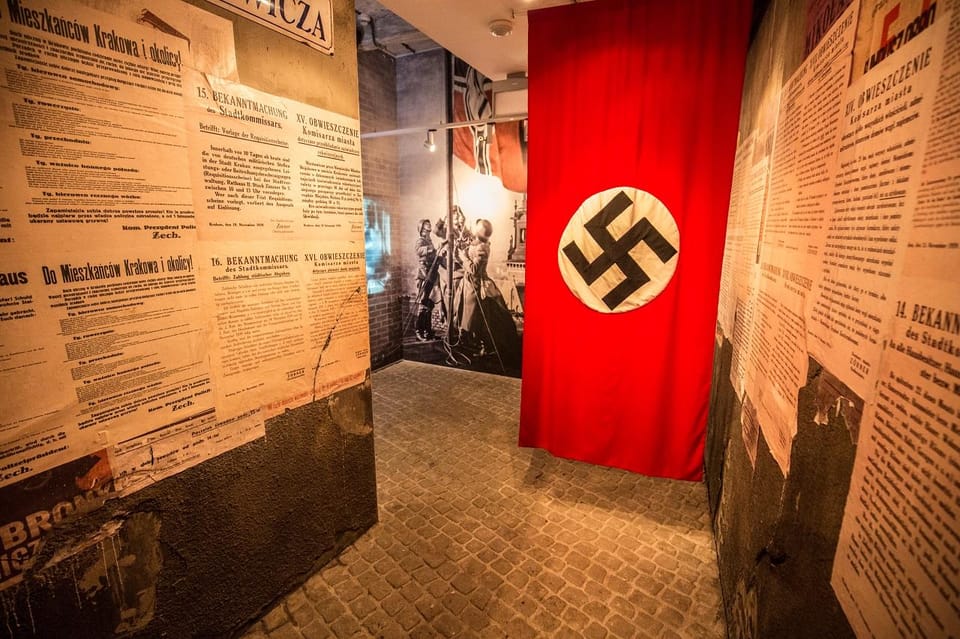
Schindler’s Factory Museum can feel like it’s made of fragments: photos, documents, objects, and recreated spaces. What makes the guided tour worth it is that your guide stitches those fragments into a timeline you can actually hold in your head. Instead of wandering and piecing things together yourself, you follow a plan with the key context spelled out.
You also get something the museum can’t do on its own: a human voice answering the questions that pop up as you look. Why were everyday items so important? What changed after the Germans arrived? How did Krakow’s civilian life warp under occupation? A good guide keeps you from missing the big points while still respecting the small details.
And yes, it’s emotionally intense. This isn’t a museum that treats the past like a distant exhibit. The exhibition focuses on World War II’s tragedy in both personal and collective ways, using everyday life recorded through ordinary objects, photographs, newspapers, and personal and official documents. That combination is exactly what makes the experience hit.
You can also read our reviews of more guided tours in Krakow

Entering Schindler’s Enamel Factory and Getting Oriented Fast
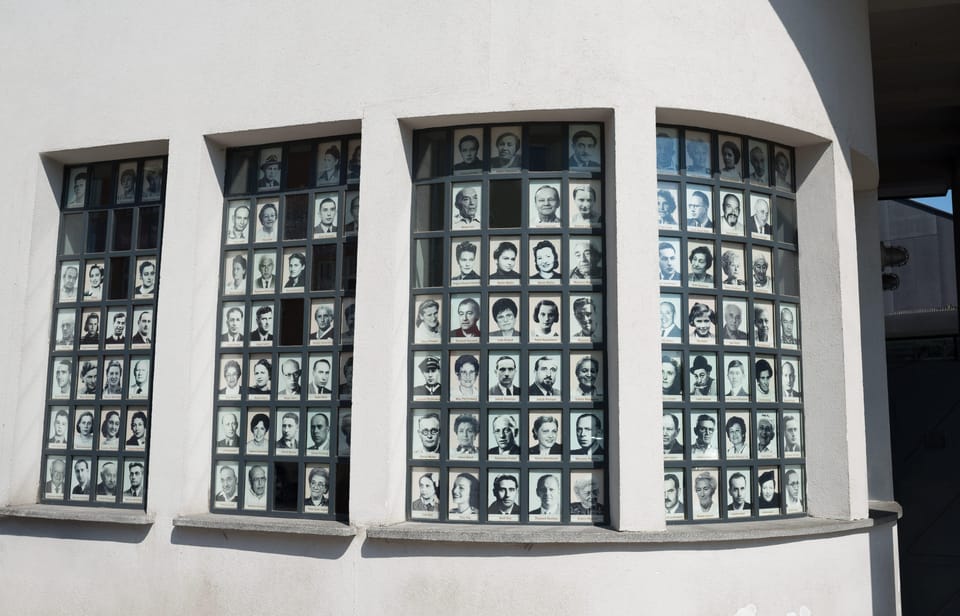
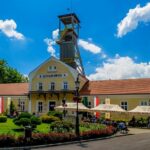
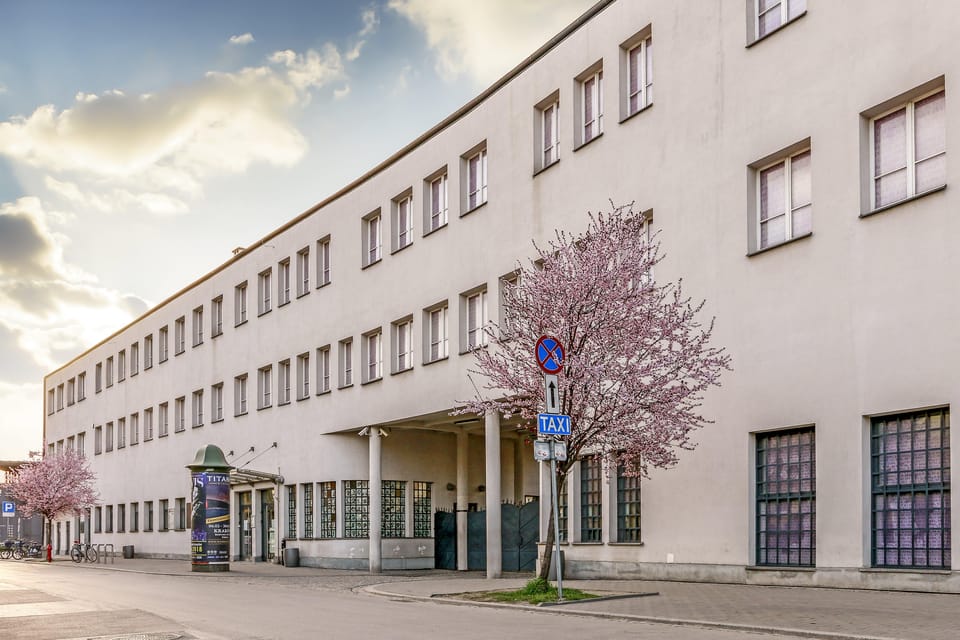
Your tour meets in front of the entrance to the Oskar Schindler’s Enamel Factory. Look for the person holding an excursions.city sign. If you’re arriving from Krakow’s center, give yourself a few extra minutes so you can show up without stress—this is one of those places where being late is not worth it.
Once you’re inside, the layout is what makes the guided format useful. The permanent exhibition is housed in the former Enamel Museum seat, and it’s structured to move you through wartime Krakow life. Your guide helps you understand what you’re seeing before you sink into it, which makes the museum much more than a room-by-room checklist.
Also, you get to skip the ticket line, which matters here. The museum is popular, and time can evaporate while you wait.
Everyday Krakow Under Occupation: How Objects Tell the Story
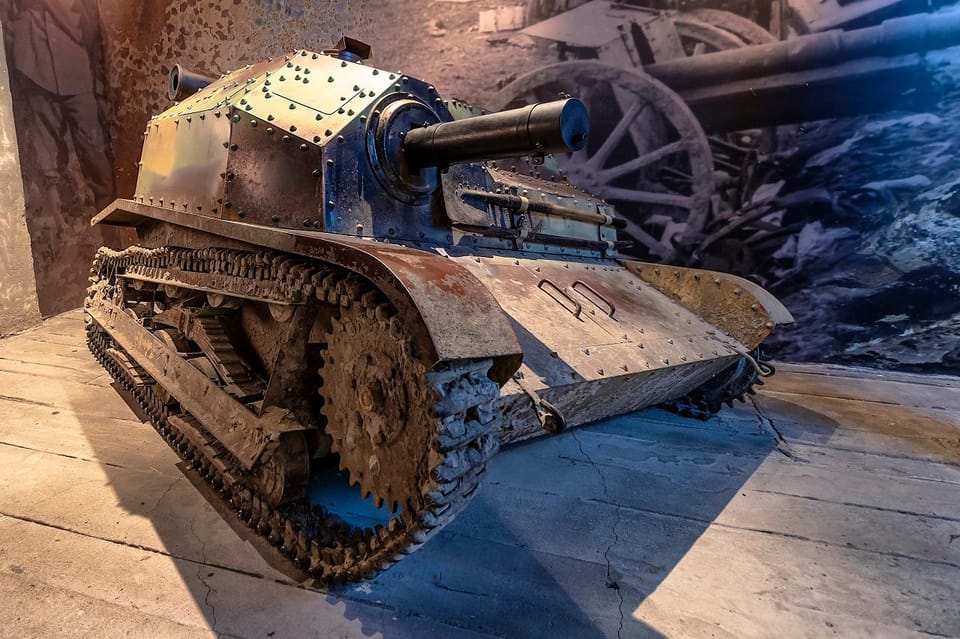
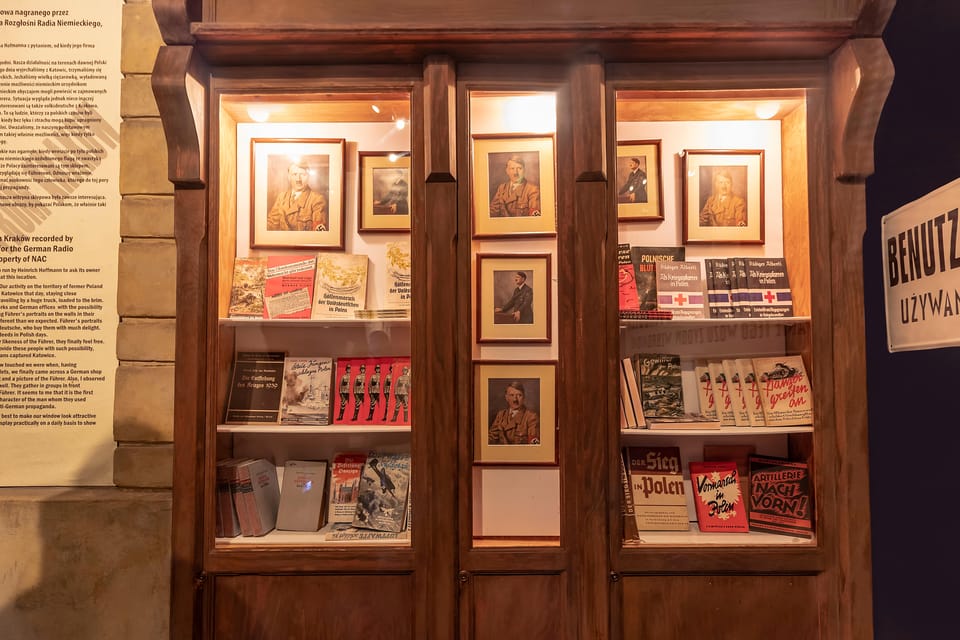
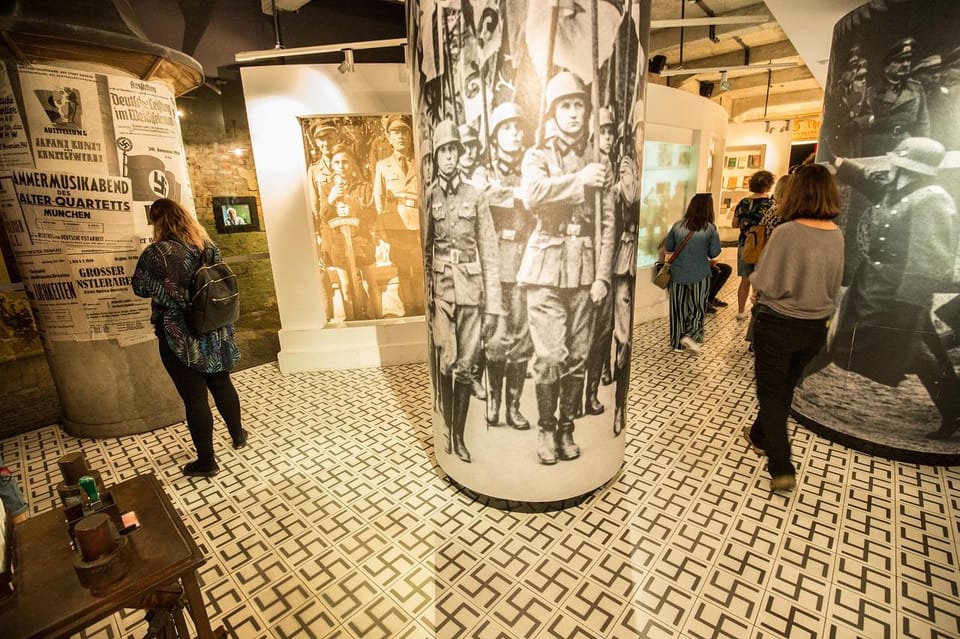
One of the best parts of this visit is how the museum talks through daily life. Instead of starting with the most famous stories, it shows how occupation worked through the stuff people owned and used. You’ll encounter a mix of photographs, newspapers, personal documents, and official papers. You’ll also see how multimedia treatments are used alongside artifacts, and the design encourages direct engagement with what’s presented.
This matters because World War II history can become abstract fast. Your guide helps you keep it grounded. When you’re shown the kinds of items ordinary residents might have had, you get a clearer sense of what was lost—not just lives, but routines, privacy, and the basic assumption that tomorrow looks like today.
This is also where the tour’s “guided” value is easiest to see. You aren’t just looking at objects; you’re learning what those objects meant, and how the city’s inhabitants experienced the war in real time.
The Photo-Artist, the Tailor, and the Point of the Recreated Spaces
As you move through the exhibition, you’ll hit recreated and guided experiences designed to feel like you stepped into wartime Krakow. One part takes you to a photographer and a tailor, and another focuses on an authentic photo-artist. These stops aren’t there to create entertainment. They’re there to show how people made images, how identity was recorded, and how daily work kept going even as the city changed around them.
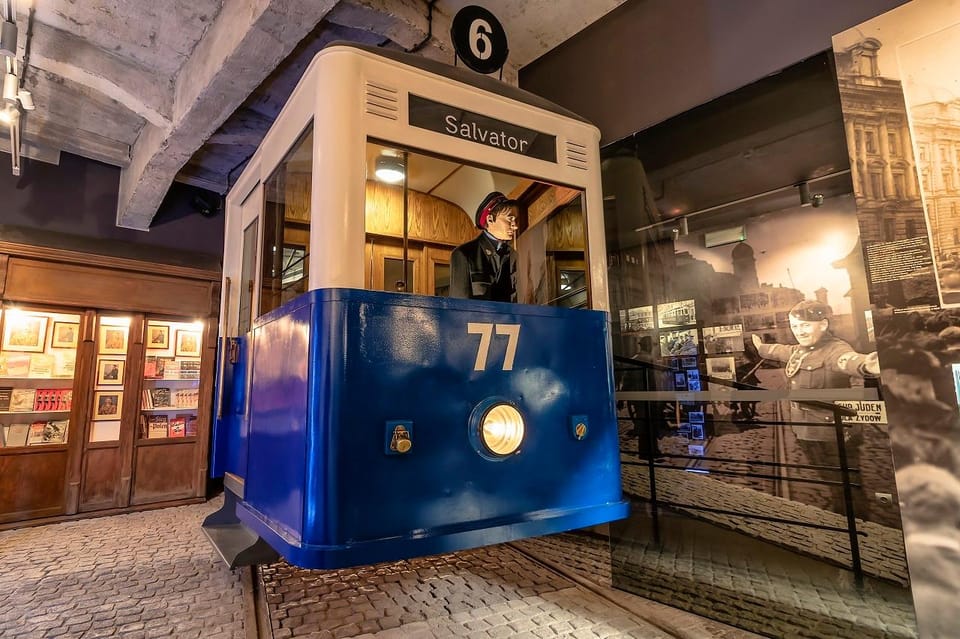
Then there’s the tram experience. You’ll get on a tram through windows where you can see a film of the city’s life. It’s one of the more “cinematic” moments in the museum, but it still serves a practical purpose: it gives your brain a moving picture of daily Krakow while your guide connects it to what’s happening in the exhibition around you.
If you care about how history is presented—how museums shape memory—this sequence is one of the smartest parts. The tour helps you see the museum’s method, not just its message.
Walking the Ghetto Labyrinth: Where the Exhibition Gets Personal
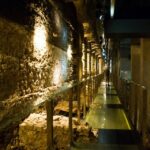
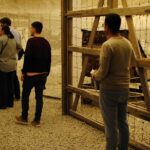
The exhibition then moves toward Krakow’s ghetto, and this is where the experience turns more direct. You’ll go through the tight labyrinth of the ghetto, where a Jewish apartment is located inside the space. It’s built so you can picture where families lived and how cramped daily life could become.
A recreated apartment can be controversial in the wrong setting. Here, it works better because the focus stays on lived conditions and documented reality, supported by the museum’s emphasis on artifacts and personal material like documents and photographs. Your guide’s job is especially important in this section: they help you read what you’re seeing without turning it into a set piece.
This stop is a gut-check. If you like museums that leave you feeling emotionally steady, you might find this section intense. But if you want your visit to mean something, this is one of the places that makes the story harder to dismiss as “just something you read about.”
You can also read our reviews of more museum experiences in Krakow




The Płaszów Camp Section: From Occupation to Confinement
After the ghetto spaces, the exhibition moves to the camp in Płaszów. This part changes the story’s scale. You’re no longer focused on how people tried to continue daily life under occupation—you’re looking at confinement and the machinery of persecution.
Your guide helps you connect the dots across the exhibition’s different formats: objects, documents, recreated spaces, and multimedia. That connection matters because you can otherwise feel like the museum is bouncing between “too many things.” The guided approach turns those shifts into one coherent path.
If you tend to take your time in museums, you may feel you’re moving quickly here. That’s not a reflection of the museum’s quality. It’s the reality of a 90-minute group format and a heavy topic that demands respectful pacing.
Oskar Schindler’s Story in the Factory: The Office and the Pots
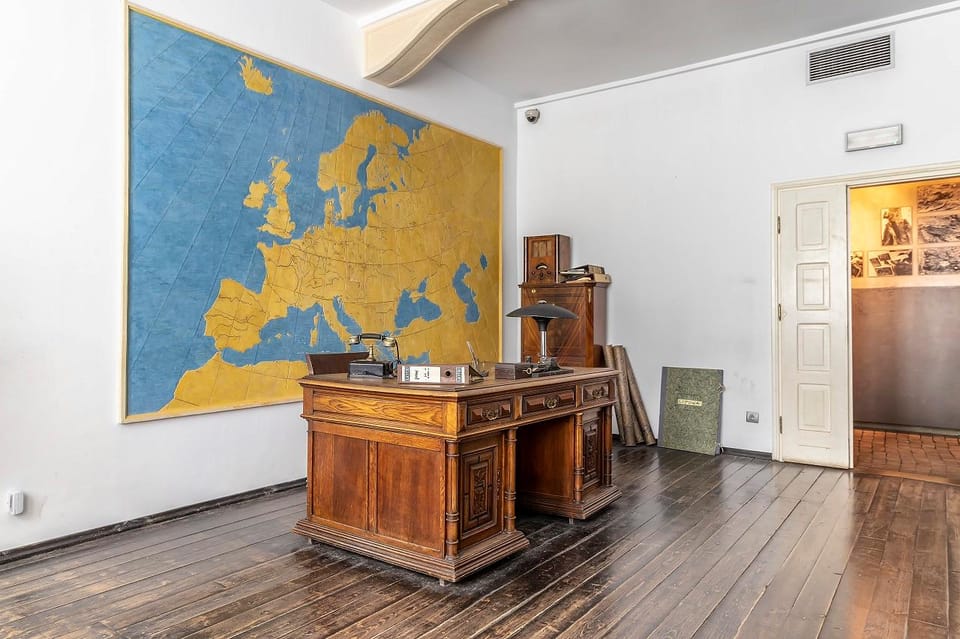
Even though the museum is not a biography in the traditional sense, Oskar Schindler appears as part of the city’s complicated wartime history. His story is presented in the exhibition, and it’s anchored in a space that’s important for how physical history feels: his office, preserved in the factory’s administrative building.
One standout detail here is the symbolic ark of survivors. It’s made of thousands of pots resembling those produced by his employees during the war. That’s the kind of museum artifact that turns a name into a tangible concept: survival as something made, not something magically given.
This section can create mixed emotions. Some people come expecting a simple hero story. The museum instead frames Schindler within the wider context—why help happened, what it cost, and what the city endured. Your guide can help you keep that balance so the story stays honest.
The Schindler’s List Effect: Why People Recognize the Setting
Many visitors know this place from the cult 1993 film. The museum leans into that cultural recognition without letting it replace the historical content. If you’ve seen the film, you’ll likely recognize the emotional footprint of the story, but the guided visit shifts you toward the real war-time Krakow layers: the paperwork, the everyday life, and the atmosphere those years left behind.
If you haven’t seen the film, don’t worry. The museum still works. Your guide keeps the context clear, and the exhibition’s structure teaches you what you need to know as you go.
Price and Value: Is $50 Worth It?
At around $50 per person for a 90-minute guided tour with the ticket included, you’re paying for two things: expertise in how to read a complex museum and time saved by skipping the ticket line.
If you planned to visit on your own, you could still get a lot from the exhibition. But you’d be doing more work: interpreting what you’re seeing, connecting rooms, and understanding the occupation story across multiple formats. The guided approach reduces the “wait—what am I looking at?” moments and keeps the history coherent.
The other value point is the professional live commentary across multiple languages. The tour runs in English, French, German, Italian, and Spanish, which makes it easier to match your comfort level.
For me, the best way to judge the price is this: if you want the museum to feel like a guided lesson rather than a difficult self-guided maze, $50 is reasonable.
Timing, Group Pace, and What to Do Before You Go
This is a group tour, so you’ll follow the movement of the group. That means you might not stop at every single object. The museum’s themes are heavy, so rushing can feel wrong if you’re not mentally prepared. I suggest you mentally pack for the emotional weight. Bring water if you need it, but don’t bring anything that’s likely to distract you from the spaces and documents.
From January 1, 2026, starting times are approximate and may change due to museum scheduling. You can choose a preferred time, but the exact time isn’t guaranteed. When it matters, plan buffer time around the start.
One more practical thing that can trip people up: the tour uses personalized tickets. You’ll need to provide full names of all participants when reserving, and you must bring a passport or ID for entry. If you forget, entry can be denied, and that’s the kind of hassle you want to avoid before a museum visit like this.
Who Should Book This Tour (and Who Might Want to Plan Differently)
This guided tour is a strong fit if you:
- want a clear World War II context for Krakow instead of piecing it together
- like museums that use objects, documents, and recreated scenes
- want the emotional atmosphere to be explained, not just observed
It may feel less ideal if you:
- need lots of silent time and don’t want to follow a group pace
- get overwhelmed easily by intense historical subject matter
- prefer a slower, self-directed museum visit where you can spend extra minutes on every display panel
Should You Book Schindler’s Factory Guided Tour?
Yes, if you want the museum to make sense fast and you value interpretation from a live guide. The tour’s structure is doing the heavy lifting: connecting everyday life under occupation, ghetto life, the Płaszów camp section, and the Schindler thread without turning it into a simplistic story.
Book it if you’re the type who gets more out of history when someone explains what you’re looking at before you get emotionally stuck in the details.
Skip it only if you’re determined to go at your own pace and you’re comfortable figuring out the connections yourself. For most people, the guided 90 minutes offers the best value: ticket access, less waiting, and a clear narrative path through a museum that can otherwise feel overwhelming.
FAQ
What is the duration of the Schindler’s Factory guided tour in Krakow?
The tour lasts 90 minutes.
Where do I meet for the tour?
Meet in front of the entrance to the Oskar Schindler’s Enamel Factory. Look for the person with an excursions.city sign.
Does the price include museum admission?
Yes. The entrance ticket to the museum is included.
Can I skip the ticket line?
Yes, the tour includes skipping the ticket line.
Which languages are available for the live guide?
The live tour guide is available in English, French, German, Italian, and Spanish.
Is this a group tour?
Yes, it’s a group tour.
Is the tour wheelchair accessible?
Yes, it is wheelchair accessible.
What identification do I need for entry?
Because the museum uses personalized tickets, you must provide full names when reserving and bring a passport or ID for entry.
What is the tour content mainly about?
It focuses on World War II history in Krakow, including the everyday life of occupied Krakow, the ghetto, and parts of the story connected to Oskar Schindler and survivors.
Can I cancel and get a full refund?
Free cancellation is available up to 24 hours in advance for a full refund.
Are tour times fixed?
From January 1, 2026, starting times are approximate and may change due to Schindler’s Factory Museum scheduling. You can choose a preferred time, but the exact time isn’t guaranteed.