REVIEW · KRAKOW
Museo Czartoryski: Visita in italiano e salta la fila
Book on GetYourGuide →Operated by Viaggio In Polona · Bookable on GetYourGuide
A famous painting, shown with real guidance, is different from wandering alone. This 2-hour Italian tour at Museo Czartoryski is built around Leonardo da Vinci’s Lady with an Ermine, with an expert explaining the painting’s history and the Renaissance context. I like that the group stays small and you get room to ask questions, and I also love the priority access that helps you use your time better in Krakow. One drawback to consider: the tour is in Italian only, so if you need English, you’ll want to think twice.
Here’s the thing: the museum is popular, and a line can eat up your morning or afternoon. This experience is designed to get you inside faster, then slow down once you’re there—so you can focus on what you’re actually seeing, not on waiting. Still, one recent booking report included a guide no-show, so it’s smart to arrive a few minutes early and have the local contact info handy.
You’ll also want to note the simple rules (no flash, no audio recording) and the practical tip: wear comfortable shoes. The experience runs three times a day, so you can usually pick a start that fits your day.
In This Review
- Key things to know before you go
- Museo Czartoryski: where Krakow keeps a big-name masterpiece
- Leonardo’s Lady with an Ermine: what the guide brings to the viewing
- The guided pace: how a 2-hour Italian tour usually works
- Skip the ticket line: why priority access is worth paying for
- Small group size and Q&A: the real difference
- Pricing: is $47 good value for this museum tour?
- When this tour fits best (and when it doesn’t)
- What you must follow inside the museum
- Timing and meeting point: how to show up without stress
- Should you book this Czartoryski skip-the-line tour?
- FAQ
- What language is the guided tour?
- How long is the visit?
- What time does the tour run?
- Where do I meet the group?
- Does this ticket help you avoid the line?
- Are photos or videos allowed?
- Is it suitable for wheelchair users?
Key things to know before you go
- Priority access that helps you skip the ticket line and start the visit with less waiting
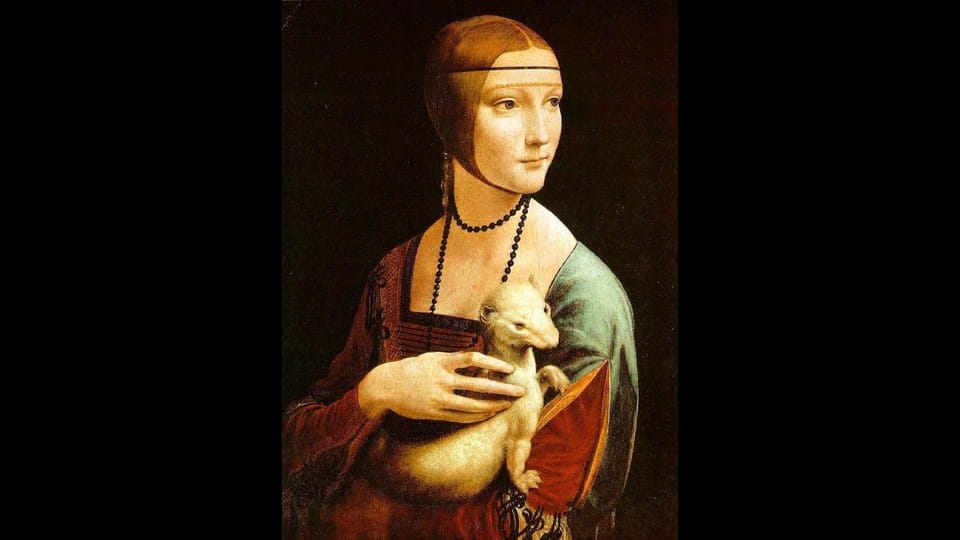
- Live Italian guide for 2 full hours, focused on Lady with an Ermine and the Renaissance setting
- Small group format, with time for questions instead of a rushed walk-through
- Clear visitor rules: no flash photography and no audio recording
- Fixed daily departures: 10:15–12:15 and 2:15, with three tours total each day
Museo Czartoryski: where Krakow keeps a big-name masterpiece
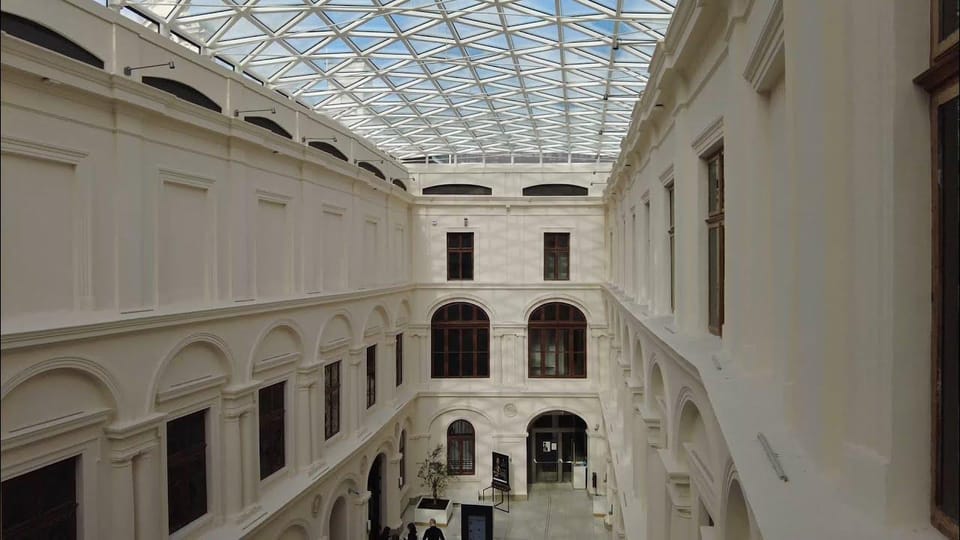
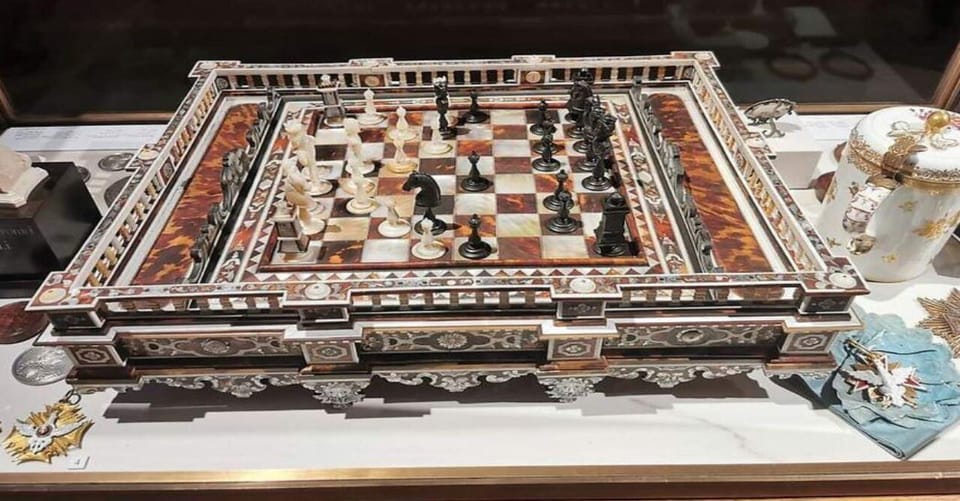
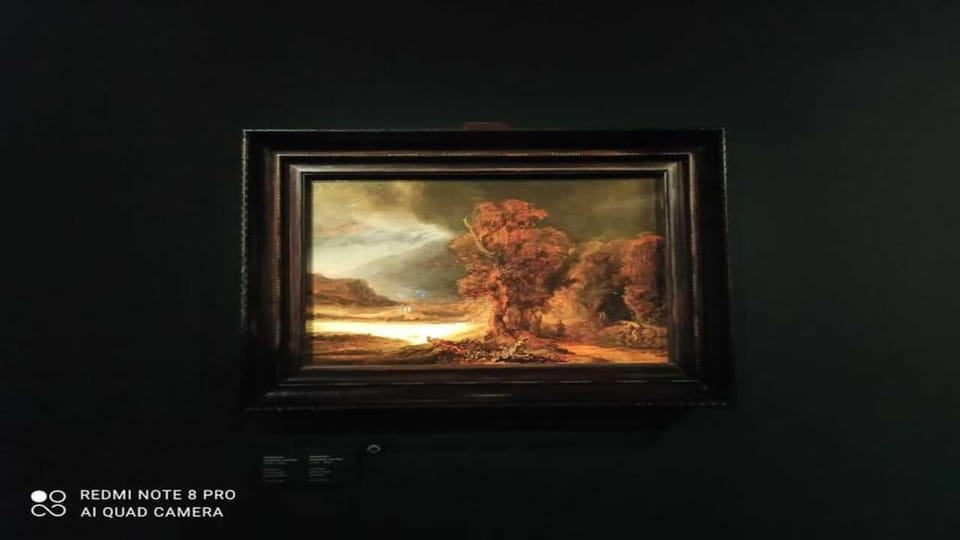
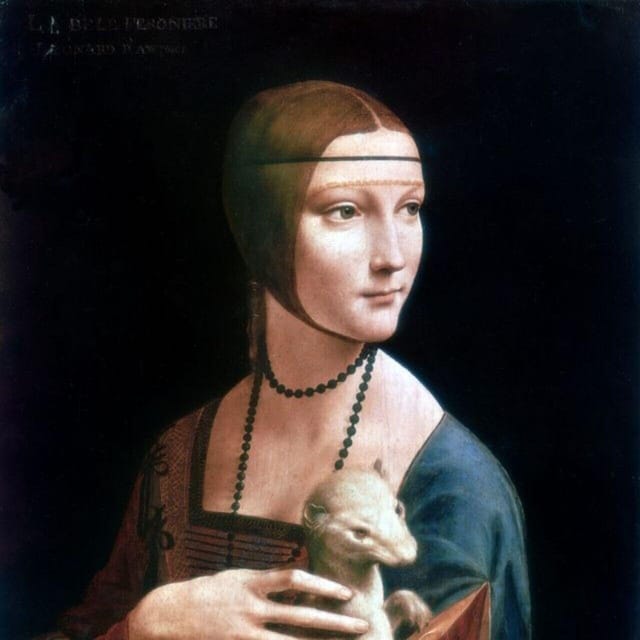
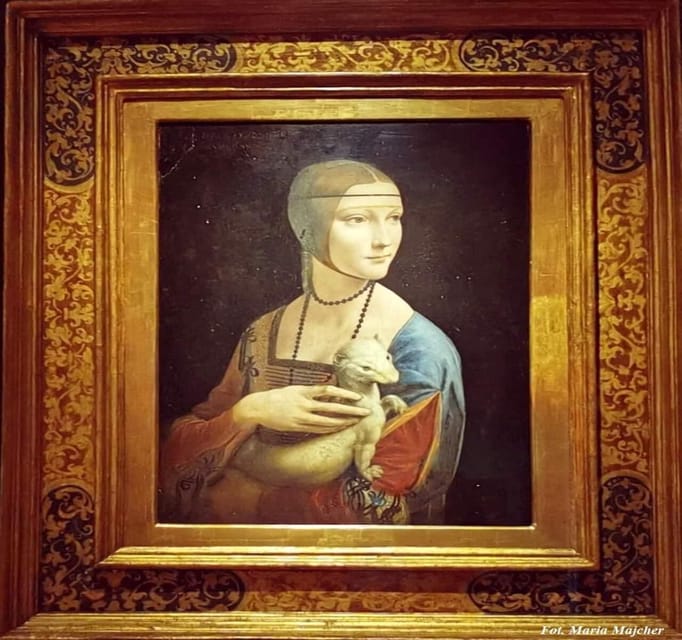
If you’re doing Krakow and you want at least one “this is why museums exist” moment, the Museo Czartoryski is one of the first places to target. The museum is known for its collection and, in this tour, the spotlight is on one painting: Leonardo da Vinci’s Lady with an Ermine.
What I like about this stop is the balance between art and story. You’re not just looking at a famous name; you’re getting the meaning behind it—how it fits into Renaissance art, and why this work still pulls people in centuries later. Even if you only know the basics of Leonardo, the guide’s job is to connect the dots in a way you can follow.
One practical note: the museum can get busy. That’s exactly why the priority access matters. If you show up during peak hours without a timed plan, you can easily lose 20–40 minutes just dealing with entry lines.
You can also read our reviews of more tours and experiences in Krakow.


Leonardo’s Lady with an Ermine: what the guide brings to the viewing
This tour is structured around one central experience: seeing Lady with an Ermine with an expert guide who explains the painting’s history and secrets. That phrasing is marketing, sure—but the real value is how a guide changes your viewing.
Without guidance, you might spend your time scanning details at random: clothing textures, face expression, animal symbolism. With a good guide, you’ll likely notice those elements in a more purposeful way. You’ll also hear the big-picture context of why this painting became so famous and how Renaissance artists approached portraiture and symbolism.
I also appreciate that the tour is framed as more than “look at this.” The guide walks you through the art and culture of the Renaissance, which helps the painting sit in its proper time and place. It turns a single artwork into a mini lesson you can actually remember when you’re back on the street.
The guided pace: how a 2-hour Italian tour usually works
The experience is listed as 150 minutes (so about two hours plus a little buffer), and it’s delivered as a live tour in Italian. That matters. You’ll get explanations in real time, and you’ll be able to ask questions, but you’ll also need to keep up with Italian phrasing.
In practice, expect the guide to do three things:
- Set the scene so you know what to look for
- Point out key visual details in a way you can connect to the story
- Help you understand why the painting mattered during the Renaissance
Because it’s a small group, the pace feels more human than a headset shuffle. Instead of standing shoulder-to-shoulder with strangers while someone tries to cover everything, you’ll likely have space to pause and ask follow-ups.
If you’re not comfortable with Italian, consider this a potential problem rather than a minor inconvenience. The tour language isn’t optional.
Skip the ticket line: why priority access is worth paying for
Priority access sounds like a small perk, but it can affect your whole day. In a museum setting, time isn’t just time—it’s also energy and attention. When you’re not waiting, you can arrive calmer and more focused. That makes it easier to absorb the guide’s explanations.
This tour explicitly includes priority museum access and a way to skip the ticket line, so you don’t have to perform the awkward “waiting while trying to figure out where the group goes” dance. You’ll start inside and move toward the main artworks without losing half your visit to logistics.
That said, priority access doesn’t remove every queue or every moment of crowd flow. It just reduces the part you control least. I’d still plan to arrive a few minutes early so you can find your guide at the meeting spot and settle in.
Small group size and Q&A: the real difference
The standout feature here isn’t just that it’s guided. It’s that it’s designed for interaction: restricted group size and the chance to ask questions.
That matters because art questions aren’t always simple. You might want to know:
- Why a particular element in the painting was chosen
- How portrait symbolism worked at the time
- What to focus on when you’re looking at details
- How the painting fits into Leonardo’s broader style
A group that’s too large usually means questions get cut short or never happen. A smaller group gives you a better shot at having your curiosity answered—whether it’s a quick clarification or something deeper.
And yes, this is where you’ll get more value. The museum’s walls don’t “teach” by themselves; they’re just surfaces until you connect them to meaning. Q&A is the mechanism that makes your time feel like it’s working for you, not against you.

Pricing: is $47 good value for this museum tour?
At $47 per person for about 150 minutes, you’re paying for three things: a live guide, Italian language instruction, and the priority access that avoids line time.
Is it cheap? No. But it’s not an outlandish price for a timed, guided art experience in a museum that draws crowds. The value comes from not wasting your visit in queues and from getting structured explanations around one major artwork instead of wandering and hoping you “get it” on your own.
Here’s the balanced way to think about it:
- If you want maximum flexibility and self-paced wandering, you can always choose standard admission and go at your own pace.
- If you want the painting to make sense fast—especially with a focus on Renaissance context—the guided format is where your money goes.
Also, a booking note in the feedback includes that the price can feel high and that timing changes can happen. That doesn’t mean it will happen to you, but it’s a reminder to double-check your scheduled start time the day of your visit.
When this tour fits best (and when it doesn’t)
This is a good fit if:
- You enjoy guided explanations for major art works
- You want to see Lady with an Ermine with context, not just a quick glance
- You’re okay with a tour in Italian
- You prefer a smaller group so you can ask questions
It’s likely not the best choice if:
- You need English interpretation (the tour language is Italian)
- You have concerns around the museum experience being unsuitable for some visitors with mobility needs (the information includes wheelchair accessibility wording, but also lists it as not suitable for wheelchair users—so you should confirm directly before booking)
- You have animal allergies (the experience isn’t suitable for people with animal allergies)
One more practical point: bring comfortable shoes. Museums in Krakow often involve walking and standing, and the 2-hour slot will feel longer if your feet are unhappy.
What you must follow inside the museum
The rules are straightforward, and they’re there to protect the collection and keep the experience smooth:
- No flash photography
- No alcohol and drugs
- No audio recording
If you rely on your phone for voice notes or audio guides, plan differently. The whole point of this tour is the live guide’s narration, so your phone shouldn’t replace it with recorded audio.
Also, skip the idea of stopping constantly for photos while the guide is speaking. A quick photo for your own memory is fine, but flashing or prolonged recording can slow the group.
Timing and meeting point: how to show up without stress

Tours run three times daily: 10:15 AM–12:15 PM and 2:15 PM. The duration is listed as 150 minutes, and the meeting point is inside the museum.
That setup is helpful because it reduces uncertainty. You’re not trying to meet outside in the cold with everyone guessing which entrance is correct. Still, give yourself a few minutes buffer so you can find the right spot inside.
If you’re coordinating with the rest of your Krakow day—lunch, another museum, or a walking tour—these fixed departures make planning easier. Just remember that the guide leads the group, so arriving late can mean missing key explanations.
One more reality check from booking feedback: there’s at least one report of a guide not showing, which resulted in having to pay for an audioguide. That’s not something you want, so here’s my practical advice: if possible, confirm the start time with the provider before you go, and keep the contact details accessible on your phone. If anything feels off when you arrive, act quickly rather than waiting it out.
Should you book this Czartoryski skip-the-line tour?
I’d book it if you want a smarter, faster way to see Lady with an Ermine, and you’re comfortable with Italian. The biggest value is the pairing of priority access with a live two-hour guide and a small group format that actually allows questions.
Skip it (or at least consider alternatives) if you need English instruction, if you’re sensitive to rules like no audio recording, or if you have mobility or allergy concerns and can’t confirm suitability with the provider.
If you’re the type who likes to understand what you’re looking at—rather than just collecting photos—this is the kind of museum experience that pays you back later, when you remember the story behind the painting.
FAQ
What language is the guided tour?
The live guide speaks Italian.
How long is the visit?
The tour lasts about 150 minutes (listed as 2 hours guided time).
What time does the tour run?
There are departures at 10:15 AM–12:15 PM and at 2:15 PM (three daily tours total).
Where do I meet the group?
You meet inside the museum.
Does this ticket help you avoid the line?
Yes. It includes priority museum access and lets you skip the ticket line.
Are photos or videos allowed?
Flash photography is not allowed, and audio recording is not allowed.
Is it suitable for wheelchair users?
The information includes wheelchair accessibility, but it also lists the activity as not suitable for wheelchair users. Check directly with the provider before booking if you use a wheelchair.