REVIEW · KRAKOW
From Kraków: Wieliczka Salt Mine Guided Tour
Book on GetYourGuide →Operated by SuperCracow.com · Bookable on GetYourGuide
One trip turns a worksite into an underground museum. You’ll follow a guided route through salt chambers carved for centuries, including chapels, statues, and sculpted scenes. I love that the experience mixes history and hands-on visual awe with an English-speaking guide, and then you’re back on the surface by original elevator. The main drawback: it’s a lot of stairs to get in, so if steps make you nervous, plan for that early.
This tour is also built for stress-free logistics. You get air-conditioned transport from Kraków with an English-speaking driver, and then a paced 2.5-hour guided walk along a special tourist route about 2 kilometers long, set 135 meters below ground.
Price-wise, it’s not a budget add-on, but it’s bundled value: entrance, guide, and hotel pickup/drop-off are included, so you’re not piecing together multiple tickets and transfers. I especially like the vibe when the crew is on top of timing; in a few examples, drivers like Gregg were praised for clear, friendly help, and hosts like Martin for keeping everyone informed.
In This Review
- Key things to know before you go
- Wieliczka Salt Mine, in plain words: medieval worksite turned art gallery
- The Kraków-to-mines ride: why the 45-minute transfer is part of the value
- Stepping into the underground: the 800-step reality at the start
- The guided route: 2 kilometers of chambers, lakes, shafts, and carved scenes
- English guide quality: what matters, and when it could be a problem
- The “salt art” part: chapels, statues, lakes, and the feeling of scale
- Souvenirs from rock salt: when to buy and what to look for
- Heading back up: the original elevator and why it’s a win
- Price and value: is $82 worth it for a UNESCO mine with a guide?
- Who should book this tour (and who should skip it)
- Should you book this Wieliczka Salt Mine tour from Kraków?
- FAQ
- How long is the Wieliczka Salt Mine guided tour from Kraków?
- Will I have an English-speaking guide?
- How far below ground will we go, and how many steps are there?
- How do we return to the surface?
- Is the tour suitable for mobility impairments?
- What’s included in the price?
- Can I cancel, and what should I bring?
Key things to know before you go
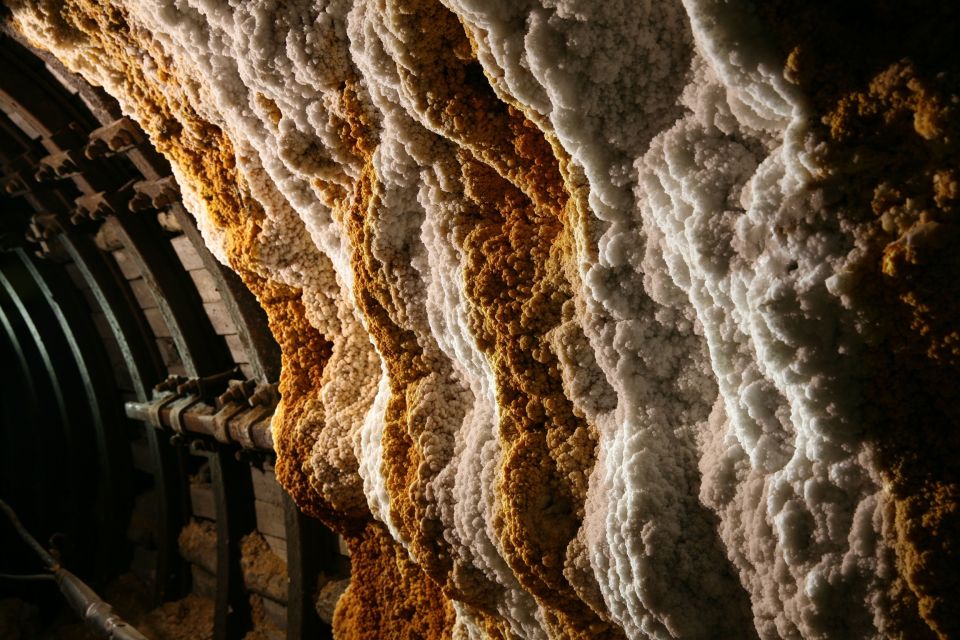
- 800 steps down to reach 135 meters below ground, with a return by original elevator
- English-speaking guide and a guided route of about 2 km through working-mine spaces turned art
- UNESCO World Heritage site feel: statues and four chapels carved from salt
- Mix of old and new carvings, since contemporary artists also contributed work
- Small-group style is common, which helps you stay together inside the mine
- Rock salt souvenirs are part of the experience, and you’ll have time to shop at least a bit
Wieliczka Salt Mine, in plain words: medieval worksite turned art gallery
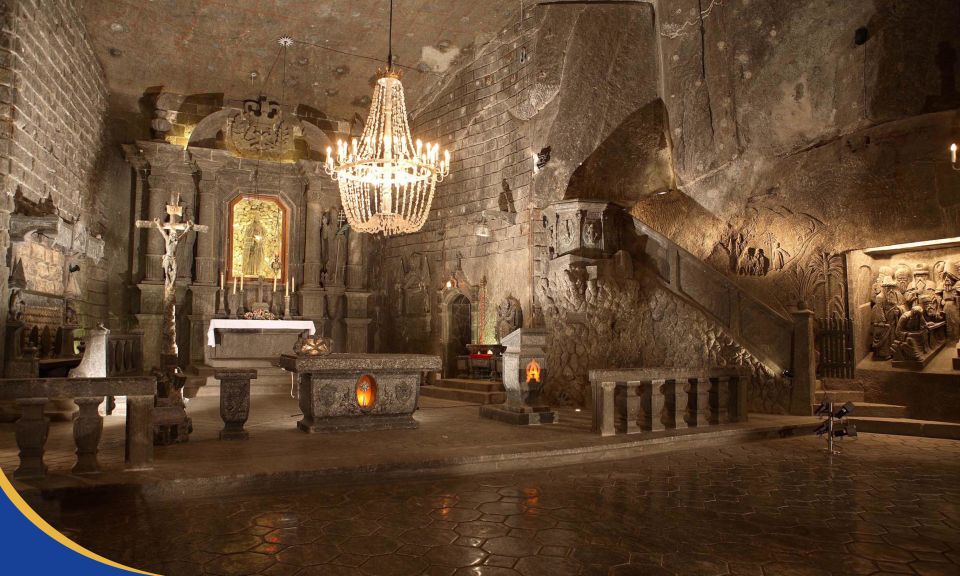
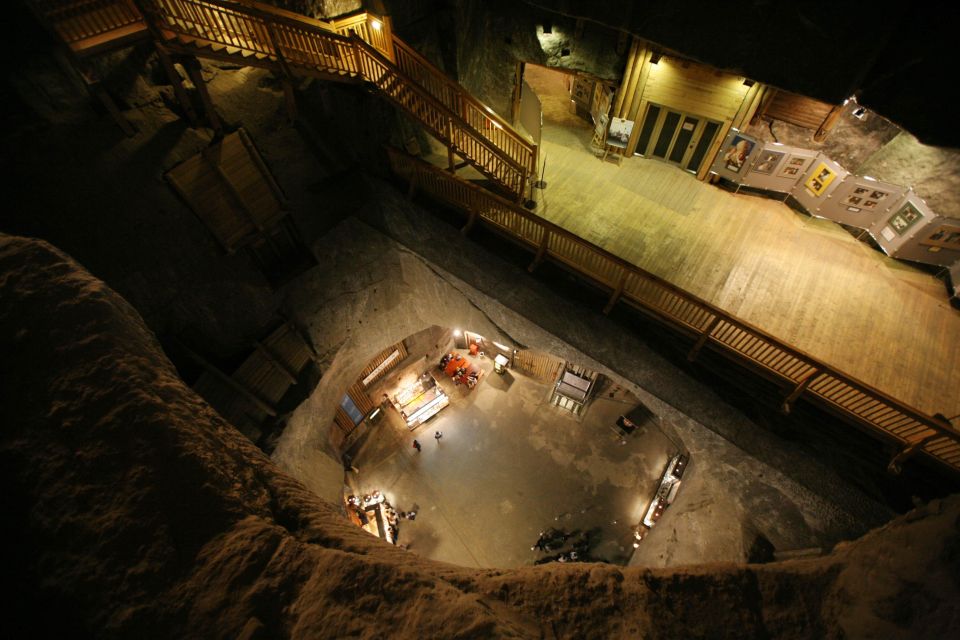
Wieliczka Salt Mine isn’t a theme park cave. It’s a real industrial site that kept producing salt for a very long time—and then, piece by piece, it became an underground art museum. The scale hits you quickly: this is a place with galleries, ramps, chambers, shafts, and even lakes, all carved and shaped around salt extraction.
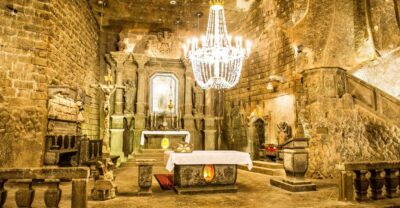
What makes the underground world feel unique is the blend of function and creativity. You’ll see original spaces from mining history, then you’ll notice how miners carved chapels and statues directly out of the salt rock. There are four chapels credited to miners’ work, plus additional carvings done by contemporary artists. That “old craft meets later artistry” angle is a big reason people fall for this mine fast.
And yes, it’s cool underground—in temperature and in atmosphere. Once you’re down there, you’re walking through a carved environment that makes depth feel real without being claustrophobic all the time, because the route is designed for visitors.
You can also read our reviews of more guided tours in Krakow


The Kraków-to-mines ride: why the 45-minute transfer is part of the value
You start in Kraków with optional pickup from your hotel in the city center. After that, you head out by air-conditioned minibus, with an English-speaking driver. That may sound like a small detail, but it matters. It means you’re not trying to figure out local transport while also worrying about timed entry.
Expect around 45 minutes each way. The pickup and drop-off are straightforward, with two possible drop-off points (including a Kiss&Ride option back in Kraków). This setup is helpful if you plan to keep your day structured—especially if your schedule is tight.
One practical note: you choose a preferred start time, but the exact timing isn’t locked in until the day before. So if you have another booking right after the tour, give yourself some breathing room. The tour is typically timed so you can be back in town by early afternoon, which is great for a second activity later.
Stepping into the underground: the 800-step reality at the start
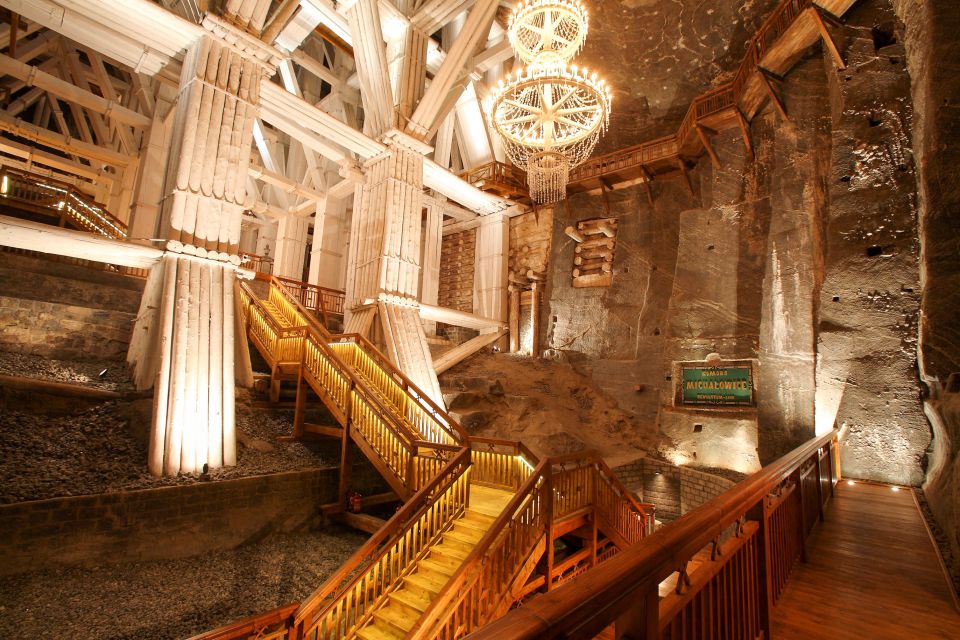
The first challenge is also the defining one: you’ll walk down 800 steps to reach the mine depth of 135 meters. This is not optional. There are handrails on both sides, and you’ll likely take short pauses as your group moves, but you should still go in expecting real stair work.
If you’re someone who hates stairs or has balance issues, this is where you’ll feel it most. The tour also notes it’s not suitable for people with mobility impairments, which is worth respecting rather than trying to “power through.”
What helps: you’re walking into a space that’s visually rewarding at every turn. The stairs are steep, but once you start getting into the main visitor route, the environment changes from effort to wow.
In terms of what to wear, keep it practical. Cooler air underground means layers can help, but the guide route is walking-heavy, so you don’t want to be too bundled. Closed-toe shoes are the safe move.
The guided route: 2 kilometers of chambers, lakes, shafts, and carved scenes
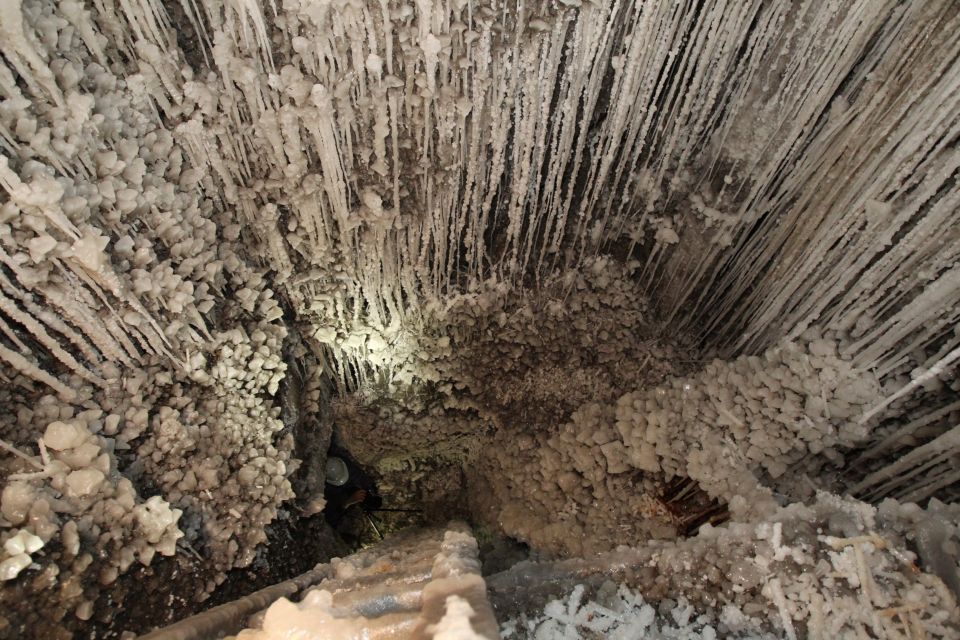
Once you’re down, you’ll tour for about 2.5 hours with an English-speaking guide. The route is specially prepared for visitors, covering around 2 kilometers through different underground spaces. The goal is to keep the story moving while still giving you time to see the workmanship.
You can expect a mix of practical mining spaces and “wow” moments. You’ll move through original-looking areas—think galleries and ramps—then transition into areas where salt carving becomes the star. Even if you’re not a “history person,” this works because it’s hard to ignore the craftsmanship.
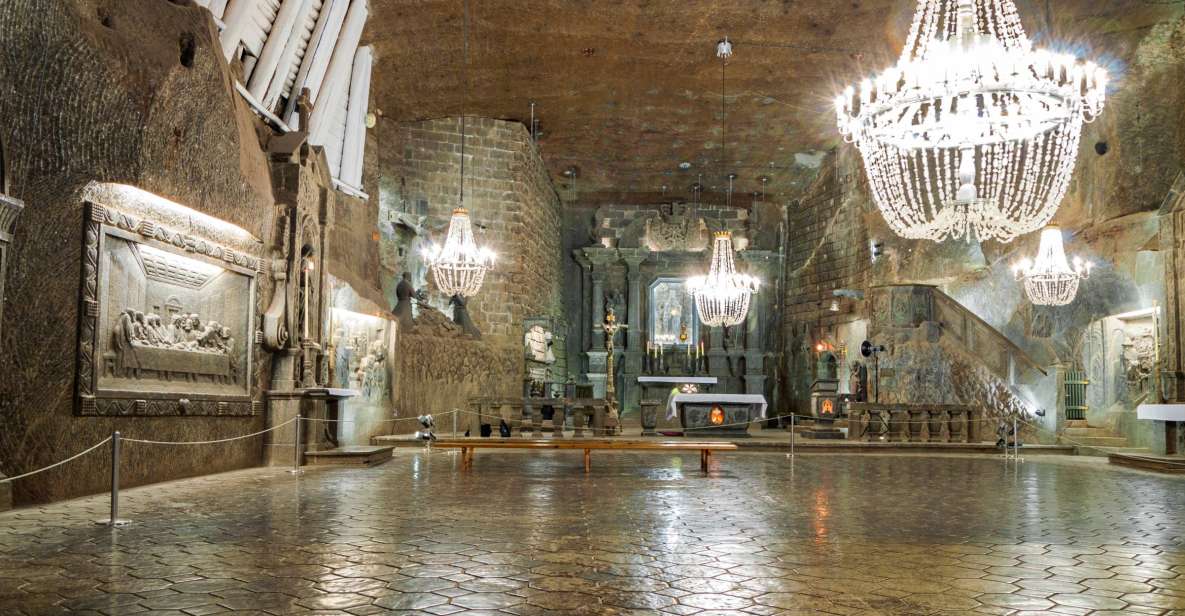
Some of the most memorable sections involve the mine’s sculpted religious and narrative scenes. In one standout example, there’s a salt-carved section often described as a cathedral, with an altar and biblical scenes including the Last Supper. Whether that’s exactly where your route stops, the key point is the mine has large-scale, story-based carvings, not just small statues.
You’ll also encounter chapels and statues—lots of them. And since the mine includes carvings by both miners and contemporary artists, you’ll see different styles of work. That contrast keeps the tour from feeling repetitive.
Pace is important here. If the group moves efficiently, you’ll have time to look rather than just shuffle. A few people noted that staying together as you walk means you don’t linger everywhere, so if you’re the type who wants to stop and stare at every corner, mentally plan for “selective staring.”
English guide quality: what matters, and when it could be a problem
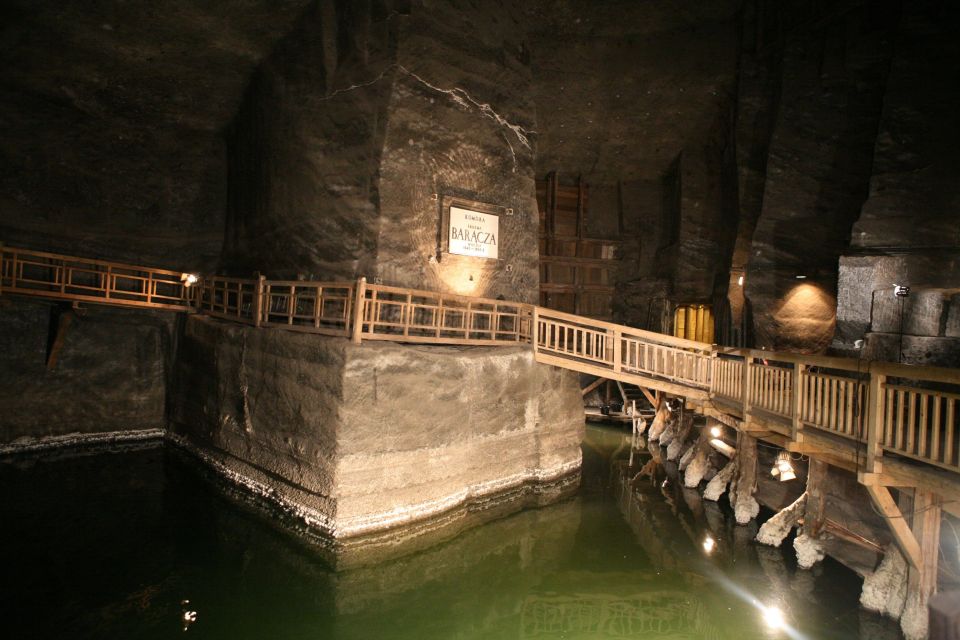
An English-speaking guide is included, and that’s a big deal for a site this detailed. When the guide is fluent and clear, the experience clicks into place fast—especially with topics like mining history, how the route works, and what you’re looking at in each chamber.
In the best versions of this tour, the guide’s delivery is energetic and easy to follow. Drivers and hosts can add context too. For example, a host named Martin was praised for energy and for keeping the group informed. A driver named Gregg was also singled out for being friendly and good at explaining things.
But there’s one caution from the real world: not every guide speaks at the same speed or with the same audio clarity. If you’re sensitive to slow speech or you have trouble catching details in English, it may help to position yourself well in the group and stay attentive early, when the guide is laying down the story.
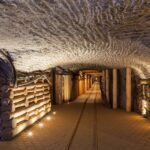
The “salt art” part: chapels, statues, lakes, and the feeling of scale
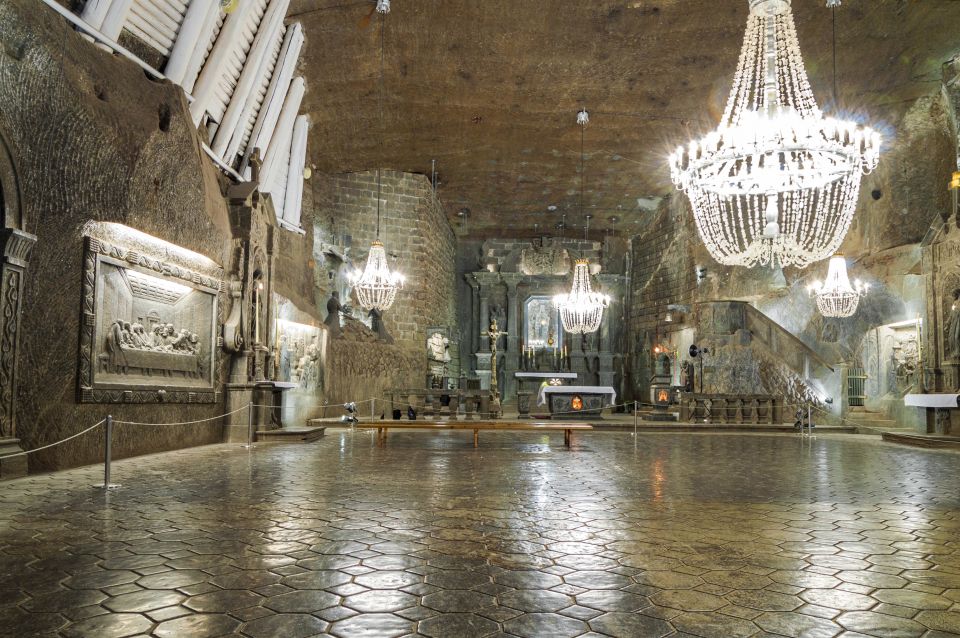
The mine has a way of making you stop measuring the world in floors and start measuring it in rooms. You’re below ground, yet the visitor route passes through spaces that feel architectural—like you’re walking through rooms that were never meant to be rooms but became them.
The chapels are the core emotional anchor. They’re carved from salt rock, and you’ll see how miners created sacred spaces in a working mine environment. Those four chapels aren’t just curiosities; they give the whole site a human center.
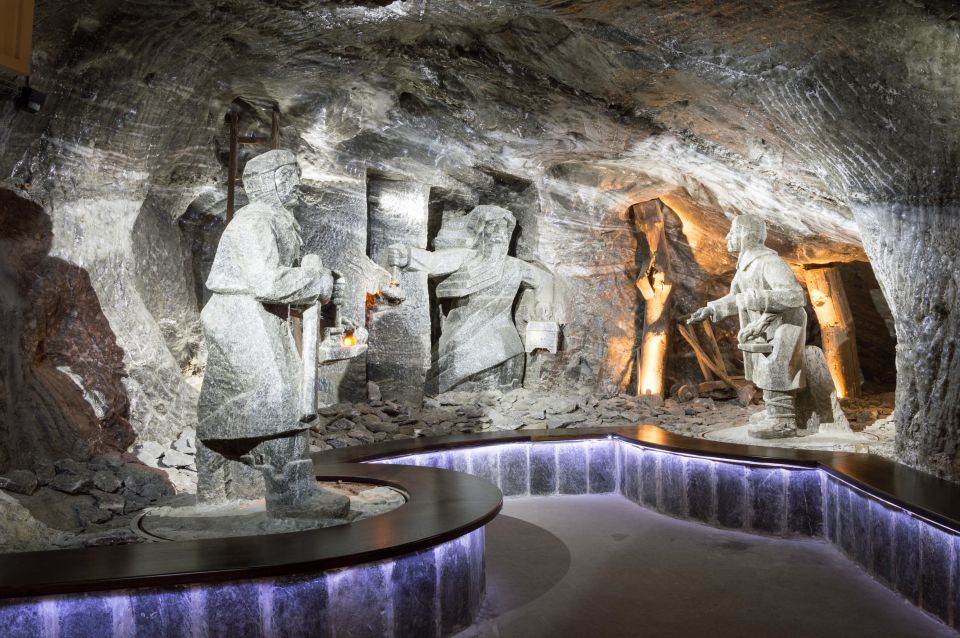
Then there are the statues and the broader carving work. The mine functions like an “underground art museum,” but unlike a museum, the art is tied directly to place—salt, depth, and the labor behind it.
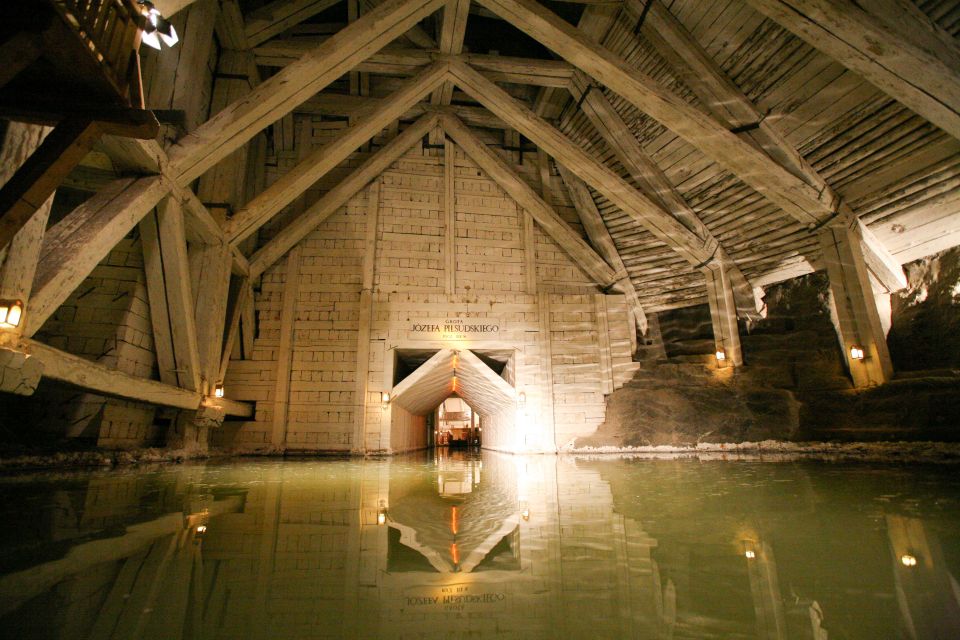
Also, watch for the less obvious natural elements, like underground lakes. They can change your sense of the mine’s atmosphere in seconds. And because the route is around 2 kilometers long, you don’t just see one highlight—you get multiple “I can’t believe this is carved” moments.
Souvenirs from rock salt: when to buy and what to look for
Shopping for rock salt souvenirs is included as a real option during the experience. This is one of those places where the souvenirs are more believable because they come from the material you just saw in the chambers and carvings.
Practical tip: don’t leave shopping until the very end of your mine time. Once you’re ready to head back toward the surface, you’ll likely feel rushed. If you’re hunting for specific items, aim to buy early enough that you can still enjoy the main carved stops without distractions.
Quality is usually about craftsmanship rather than price. Look for items that feel sturdy and are clearly made—not just dusted salt shapes. If something looks fragile, it probably is.
Heading back up: the original elevator and why it’s a win
The climb back matters. Since you return to ground level by the original elevator, you avoid the hardest part of the physical effort. That’s a big quality-of-life feature on a tour that already asks you to do 800 stairs down.
It also changes the tone of the experience. The mine can feel like a demanding morning (or afternoon), but the return elevator helps you end without feeling wiped out. You’ll also warm up after being underground, so the transition from cool air to Kraków’s surface temperature feels noticeable.
Price and value: is $82 worth it for a UNESCO mine with a guide?
At about $82 per person, this tour isn’t cheap, but it’s also not just an entrance ticket. What you get is the package:
- entrance ticket to the Wieliczka Salt Mine
- hotel pickup and drop-off
- transportation by air-conditioned minibus
- English-speaking guide
That bundling is where the value comes from. If you were to arrange entrance plus a guide plus transport on your own, you’d likely spend time and mental energy chasing details. Here, the plan is built around a guided route and timed access.
For short visits to Kraków, this kind of all-in-one tour can be a smart use of time. You’re not losing a big chunk of your day to planning and transfers. And because the experience is so structured underground, you benefit from having someone explain what you’re seeing.
Where value can feel weaker: if you’re mainly interested in speed-run sightseeing, you might feel the guided route sets the pace for you. You also should budget for meals, since food and drinks aren’t included.
Who should book this tour (and who should skip it)
This is best for you if:
- you want an English-speaking guide to make the carvings and mining story understandable
- you’re okay with a serious stair descent (800 steps)
- you prefer organized, door-to-door logistics from Kraków
- you enjoy visual detail—statues, chapels, and sculpted scenes
You should consider skipping or choosing a different option if:
- stairs are a deal-breaker for you, since it’s not suitable for mobility impairments
- you’re traveling with pets or oversize luggage (both aren’t allowed)
- you need food included, since food and drinks aren’t part of the package
- you’re very sensitive to audio clarity, since guide speaking speed can vary
It also helps if you like small-group motion. A few people highlighted a smaller group size (under 20) as ideal for moving around inside together.
Should you book this Wieliczka Salt Mine tour from Kraków?
My honest take: if you’re visiting Kraków for a limited time and you want the salt mine done in a way that feels efficient and explained, this tour makes a lot of sense. The best part isn’t just that it’s famous—it’s that you’re taken through a prepared route with context, plus you get smooth transportation with hotel pickup.
Book it if you’re comfortable with the 800-step descent and you’re happy to follow a guided pace. Pass if stairs are going to stress you out. For everyone else, this is one of those rare places where the work of mining turns into a real underground art experience you’ll remember long after you’re back in Kraków.
FAQ
How long is the Wieliczka Salt Mine guided tour from Kraków?
The tour runs about 4 hours total, including hotel pickup/drop-off and travel time, with around 2.5 hours spent on the guided mine visit.
Will I have an English-speaking guide?
Yes. The tour includes a live English-speaking guide, plus an English-speaking driver for the transfer.
How far below ground will we go, and how many steps are there?
You descend to about 135 meters below ground and you’ll walk down 800 steps to enter the mine.
How do we return to the surface?
You return to ground level by the mine’s original elevator.
Is the tour suitable for mobility impairments?
No. It’s not suitable for people with mobility impairments.
What’s included in the price?
The price includes the entrance ticket, hotel pickup and drop-off, transportation by air-conditioned minibus, and an English-speaking guide.
Can I cancel, and what should I bring?
Cancellation is free up to 24 hours in advance for a full refund. You’ll need to bring a valid student ID if you book a reduced-price student ticket (student card).