REVIEW · KRAKOW
Krakow: Schindler’s Factory & Ghetto Guided Tour
Book on GetYourGuide →Operated by Kraków Explorers · Bookable on GetYourGuide
One of Krakow’s most serious walks is also one of its most well-structured. This guided tour pairs Schindler’s Factory Museum with a street-level look at Podgórze, so you understand the story instead of just reading it.
I like how the format is hands-on and human, with your guide explaining what you’re seeing as you go. I also like the sharp focus on Podgórze itself, not vague generalities, so you walk away with clear mental images of the ghetto area during the war.
One thing to keep in mind: this is a tightly scheduled group tour, and late arrivals are not accepted for entry to Schindler’s Factory.
In This Review
- Key things I’d prioritize on this tour
- Why Schindler’s Factory plus Podgórze makes sense together
- Schindler’s Factory Museum: how the guide turns rooms into understanding
- The key museum takeaway
- The Krakow Under Nazi Occupation exhibition and the Schindler thread
- Podgórze on foot: seeing the ghetto through streets and surviving traces
- What you’ll look for on the ground
- A practical way to handle emotional density
- Heroes’ Square and the Empty Chair Monument with 68 chairs
- Where Pod Orłem pharmacy fits in the story
- Price and value: is $58 worth 3 hours in Krakow?
- Timing, pace, and what a strictly scheduled group tour means for you
- What to know before you go: ID, names, and the personalized ticket reality
- Who this tour suits best (and who might want a different option)
- Should you book this Krakow Schindler’s Factory and Podgórze tour?
- FAQ
- How long is the tour?
- What is the price per person?
- Where do I meet the guide?
- Is museum admission included?
- What’s included in the tour package?
- Are food and drinks included?
- Which languages are available for the live guide?
- What should I bring for entry to Schindler’s Factory Museum?
- What if I arrive late?
- Can I cancel for a refund?
Key things I’d prioritize on this tour
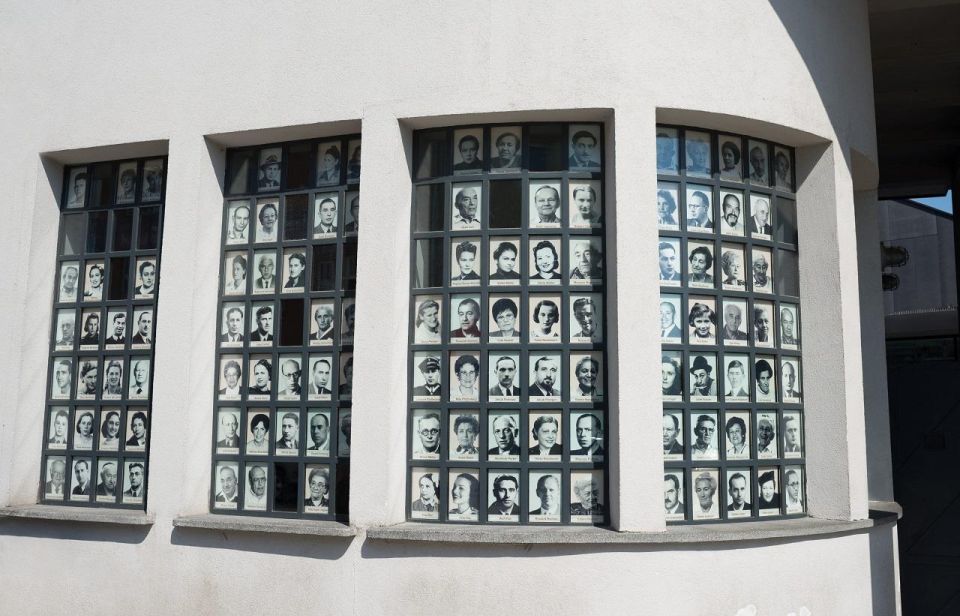
- Professional guided visit to Schindler’s Factory Museum with your admission handled as part of the tour
- Podgórze street walk through the area where the Jewish ghetto was located
- Krakow Under Nazi Occupation exhibition, including the story of a German entrepreneur who helped many Jews
- Stops for physical evidence like the undestroyed ghetto wall and preserved neighborhood details
- Heroes’ Square Empty Chair Monument with its symbolic 68 chairs, for a clear visual impact
- Pod Orłem pharmacy stop on the walk, adding real-world texture to the story
Why Schindler’s Factory plus Podgórze makes sense together
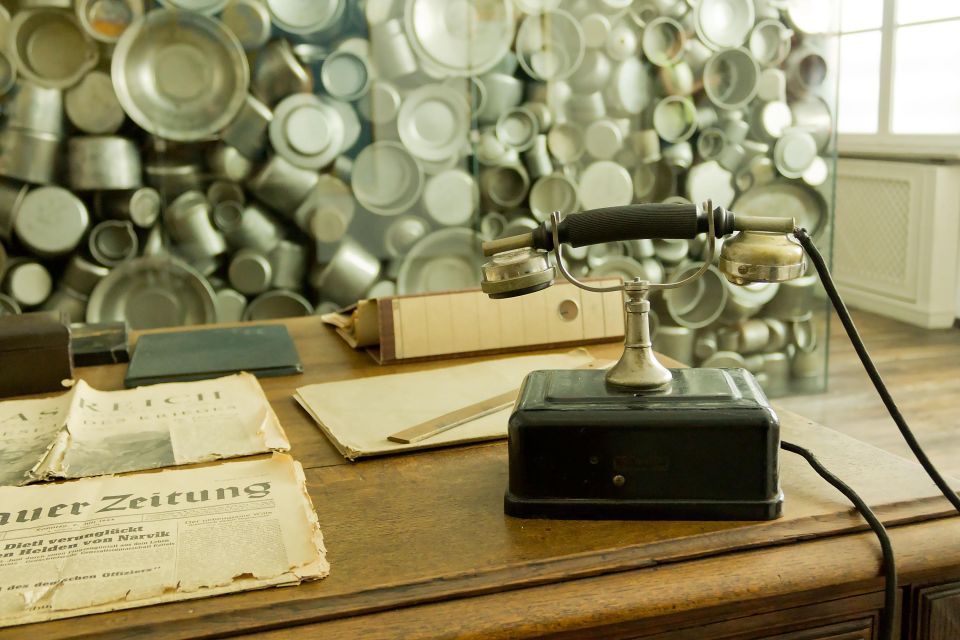
Krakow can feel like a city of postcard beauty from a distance. This tour brings you close to the parts of the city where that beauty was overwritten by Nazi occupation and forced displacement.
The best part is that it’s not just museum time. You start at Oskar Schindler’s Factory Museum and then shift to the streets of Podgórze, where the ghetto-era reality becomes visible in the built environment. That combination helps you connect dates and names to actual locations.
Also, this tour is designed for a specific outcome: to show you daily life in Nazi-occupied Krakow, not just the headline events. You’ll walk, look, and listen in a way that makes the past feel specific, not abstract.
You can also read our reviews of more guided tours in Krakow
Schindler’s Factory Museum: how the guide turns rooms into understanding
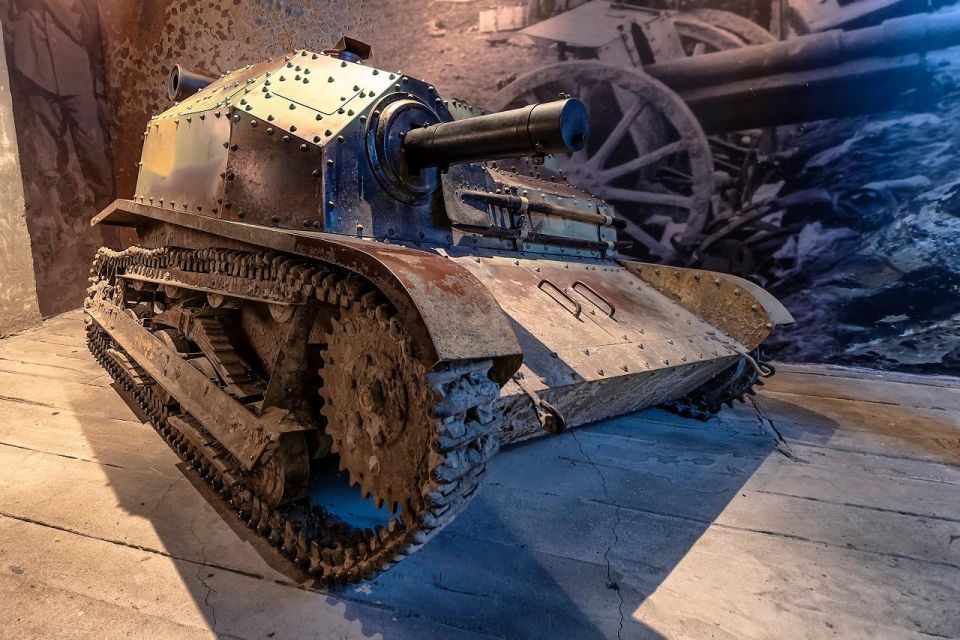
Schindler’s Factory Museum is the anchor of the experience. You’re not going in alone with headphones. You have a live guide and the tour is structured so you’re led through the key parts without guessing what matters.
What I’d expect you to get out of the museum segment is orientation and meaning. A good guide makes you notice details you might otherwise miss, like how the story is presented and how it connects to Krakow’s occupation reality. With a guided visit, you can also ask questions while the information is fresh.
From the included setup, you also avoid one common travel annoyance: you get tickets included and you can skip the ticket line. That matters here because Schindler’s Factory is strict about timing. If you’ve ever been stuck in a queue while the group moves on, you’ll appreciate that this tour is built to keep momentum.
Language options are solid too: the live tour guide is offered in French, German, Italian, or English. In one past departure, a guide named Eva received top marks for being enthusiastic and answering questions with real depth. That’s a strong sign you’re not just getting a script.
The key museum takeaway
Try to treat the museum as your map. Let it explain the big picture first, then use the street walk to confirm what that big picture looks like on the ground.
The Krakow Under Nazi Occupation exhibition and the Schindler thread
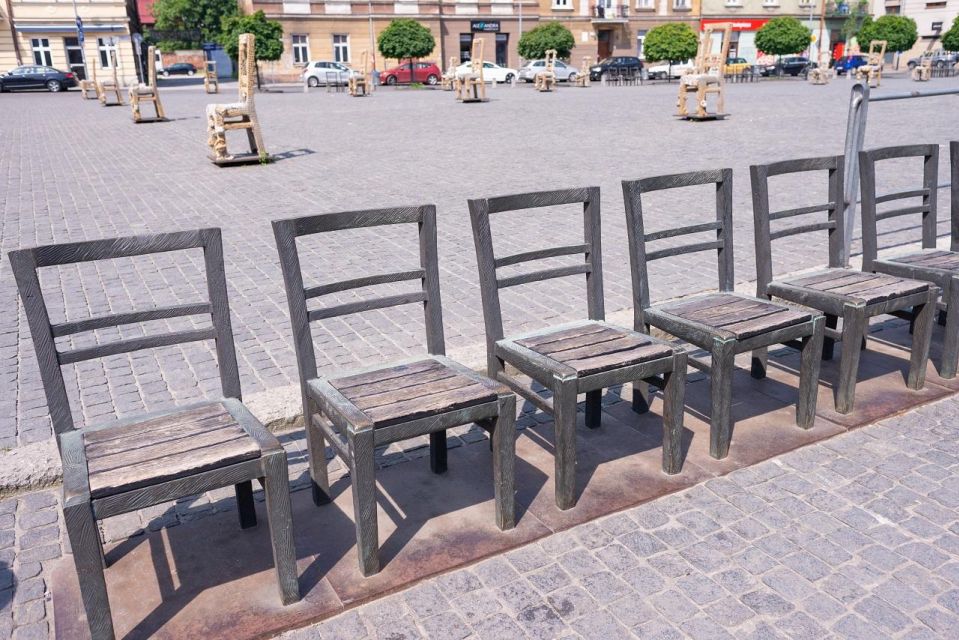
Inside the museum experience, you’ll encounter the exhibition Krakow Under Nazi Occupation. The tour description specifically calls out that you’ll learn about the story of a German entrepreneur who helped many Jews throughout the war.
That detail is important for your understanding because it gives the story a human center. When you hear about helping others during a period defined by organized terror, the lesson isn’t only historical tragedy. There’s also a thread of courage and action inside the facts.
A guided approach helps here because occupation history can become a list of events if you’re not careful. With a guide, you can follow the logic: what was happening, how daily life changed, and where those changes showed up in Krakow’s communities.
And since the tour runs about 3 hours, you’re getting a concentrated, not an endless, experience. It’s enough time to process a museum visit and a neighborhood walk without turning the day into a blur.
Podgórze on foot: seeing the ghetto through streets and surviving traces
After the museum, you shift into Podgórze, the area tied to the wartime Jewish ghetto in Krakow. This walking segment is one of the most valuable parts of the tour because it turns history into geography.
You’ll walk through Podgórze while your guide explains daily life under Nazi occupation. That’s a key phrase because the ghetto isn’t only a single event. It was a system that reshaped everyday routines, safety, and movement. A guided street walk helps you understand that the restrictions weren’t abstract. They were experienced block by block.

What you’ll look for on the ground
The tour highlights several specific ghetto-area elements:
- An undestroyed wall around the ghetto
- Houses where thousands of displaced Jews used to live
- The Pod Orłem pharmacy
- The Empty Chair Monument in Heroes’ Square
You’ll likely feel a different kind of impact seeing a remaining wall or recognizing a long-standing building. Textbook history tends to float. Physical structures bring it back down to scale.
A practical way to handle emotional density
This is serious material. If you’re prone to information overload, do this: pause for a few quiet seconds after key stops. Let your guide’s explanation land, then continue walking. It keeps the tour from turning into a sprint through heavy topics.
Heroes’ Square and the Empty Chair Monument with 68 chairs
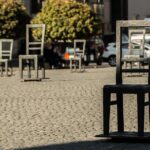
The tour includes a stop at Heroes’ Square for the Empty Chair Monument. The description notes it has a symbolic set of 68 chairs.
Even without adding extra facts, this is the kind of stop that works because it’s visual. You don’t need to decode it for it to communicate loss. A monument like this helps you remember that history is about people, not only dates.
In a guided tour format, you also get the context you need to see why the monument is placed where it is, and how it fits into the broader story your guide has been building since the museum.
Where Pod Orłem pharmacy fits in the story
The tour also calls out the Pod Orłem pharmacy as a visible stop during the Podgórze walking portion. That matters because pharmacies are tied to day-to-day survival needs: illness, supplies, and care when systems break down.
Even if you’ve never studied ghetto history in detail, a pharmacy stop can help you imagine ordinary needs under extraordinary pressure. Your guide’s explanation will connect that building and location to the daily-life theme running through the tour.
Think of it like this: museums give the big frame. Street stops like this supply the texture.
Price and value: is $58 worth 3 hours in Krakow?
At $58 per person for about 3 hours, this isn’t a budget impulse buy. But it also isn’t priced like a luxury experience. It lands in the practical “pay for a guide, save yourself time” category.
Here’s what you get for the money, based on the tour inclusions:
- Tickets to Schindler’s Factory Museum
- A professional guide
- A walking tour through Podgórze
You also get skip-the-ticket-line treatment for the museum segment, which can save you time and stress. For a museum that’s strict about timing, that alone can be worth real value.
The tour doesn’t include food and drinks, so plan on covering that yourself. Still, for many people, this structure is ideal: you get the guided education first, then you decide where to eat nearby afterward.
Timing, pace, and what a strictly scheduled group tour means for you
This tour is built around a fixed schedule, and the details matter.
First, Schindler’s Factory Museum does not accept late arrivals. That means you should treat the meeting time seriously and plan extra buffer time. If you arrive after the group has entered, you may not be admitted, and the tour also notes that late entrants won’t be admitted without the possibility of returning money.
Second, tour start times can be approximate. The information also notes that exact timing isn’t guaranteed due to museum scheduling. That’s common with museums using personalized ticketing systems. Your best move is to choose a time that fits your day and then plan for a little flexibility.
Lastly, the pacing is likely designed for a typical 3-hour history-and-walk experience. Expect a museum segment plus a guided neighborhood walk. If you’re the type who needs lots of breaks, build in buffer time before and after the tour so you don’t feel rushed.
What to know before you go: ID, names, and the personalized ticket reality
This tour uses personalized tickets for Schindler’s Factory Museum. That means you must provide full names of all participants when reserving, and you must bring a passport or ID for entry.
Also, you’ll meet your guide in front of the main entrance to Schindler’s Factory Museum. The guidance is to look for a guide with the inscription excursions.city.
These are not tiny details. They’re the difference between a smooth start and a frustrating shutdown at the gate.
Who this tour suits best (and who might want a different option)
I think this tour is a strong match if you:
- Want a focused Krakow experience that’s more than a quick sightseeing loop
- Prefer learning from a live guide rather than trying to self-navigate a heavy subject
- Like the idea of connecting museum learning to real locations in Podgórze
It may feel like the wrong fit if you:
- Need very spontaneous plans with lots of flexibility
- Don’t handle structured group timing well
- Are looking for a light, casual outing with minimal emotional weight
This is a serious, guided way to understand what happened in Krakow during the occupation. The upside is that it’s meaningful and organized.
Should you book this Krakow Schindler’s Factory and Podgórze tour?
If you’re choosing between a self-guided museum day and a guided education plus street walk, I’d lean toward booking this one. You get a professional guide, included museum entry, and a structured path through Podgórze that turns a difficult topic into something you can actually follow.
It’s also good value for what’s included at $58, especially since you avoid the ticket-line headache and you’re not paying extra separately for the museum.
Just go in with two expectations: arrive on time, and be ready for heavy subject matter. If you can do those two things, you’ll leave with a clearer, more grounded understanding of Krakow under Nazi occupation.
FAQ
How long is the tour?
The tour duration is 3 hours.
What is the price per person?
The price is $58 per person.
Where do I meet the guide?
Meet your guide in front of the main entrance to the Schindler’s Factory Museum. Look for a guide with the inscription excursions.city.
Is museum admission included?
Yes. Tickets to the Schindler’s Factory Museum are included, and the tour also notes you can skip the ticket line.
What’s included in the tour package?
Included are tickets to Schindler’s Factory Museum, a professional tour guide, and the walking tour.
Are food and drinks included?
No. Food and drinks are not included.
Which languages are available for the live guide?
The live tour guide is offered in French, German, Italian, and English.
What should I bring for entry to Schindler’s Factory Museum?
You need to bring a passport or ID for entry. You also must provide full names of all participants when reserving.
What if I arrive late?
Schindler’s Factory Museum does not accept late arrivals. Groups enter punctually and late persons will not be admitted to the tour.
Can I cancel for a refund?
Yes. Free cancellation is offered up to 24 hours in advance for a full refund.