REVIEW · KRAKOW
Krakow: Old Town, Ghetto, and Kazimierz Golf Cart Tour
Book on GetYourGuide →Operated by INTERCRAC Ltd. · Bookable on GetYourGuide
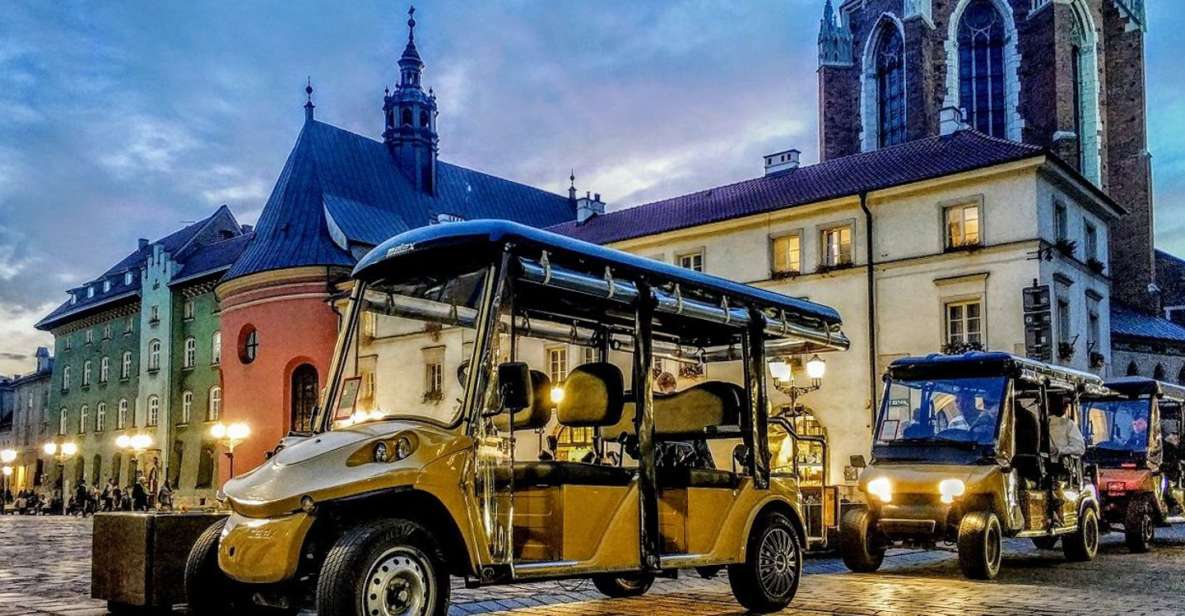
Streets in Krakow, minus the walking grind. I like the electric golf cart pace for getting around the UNESCO Old Town without turning it into a leg workout, and you’ll have an audio guide in your headphones that helps you understand what you’re seeing as the city shifts from Christian landmarks to the Jewish districts.
I’d also call out the coverage: you get Main Market Square landmarks, Planty Park greenery, and then a drive through the Kazimierz area tied to the Jewish Ghetto story. The one possible drawback is that this tour is audio-led rather than a live-guided Q and A, so you’ll want to bring your curiosity and let the narration do most of the explaining.
In This Review
- Key things I’d circle before you go
- Electric Golf Cart Touring: Faster Sightseeing, Less Fatigue
- Starting in UNESCO Krakow Old Town: You Get the Big Picture Quickly
- Main Market Square and Cloth Hall: The Heartbeat of Old Town
- St. Mary’s Church and Planty Park: Old Stones, Then a Green Reset
- Narrow Streets, Temples, Universities, and Charming Houses
- Views of Wawel Castle on the Way to Kazimierz
- Kazimierz and the Jewish Neighborhood Story: Where the Ghetto Was
- What the Audio Guide Adds (and When It Doesn’t)
- Eco-Friendly Pace: Why the Cart Works for This Route
- Price and Value: Is $55 Worth It?
- Getting Oriented: Meeting Point and Timing That Actually Helps
- Who This Tour Suits Best (and Who Might Skip It)
- Should You Book This Krakow Old Town, Ghetto, and Kazimierz Golf Cart Tour?
- FAQ
- How long is the Krakow Old Town, Ghetto, and Kazimierz golf cart tour?
- What is the price per person?
- What’s included in the tour price?
- Is there a live guide on this tour?
- Where does the tour start?
- Is the tour wheelchair accessible?
Key things I’d circle before you go
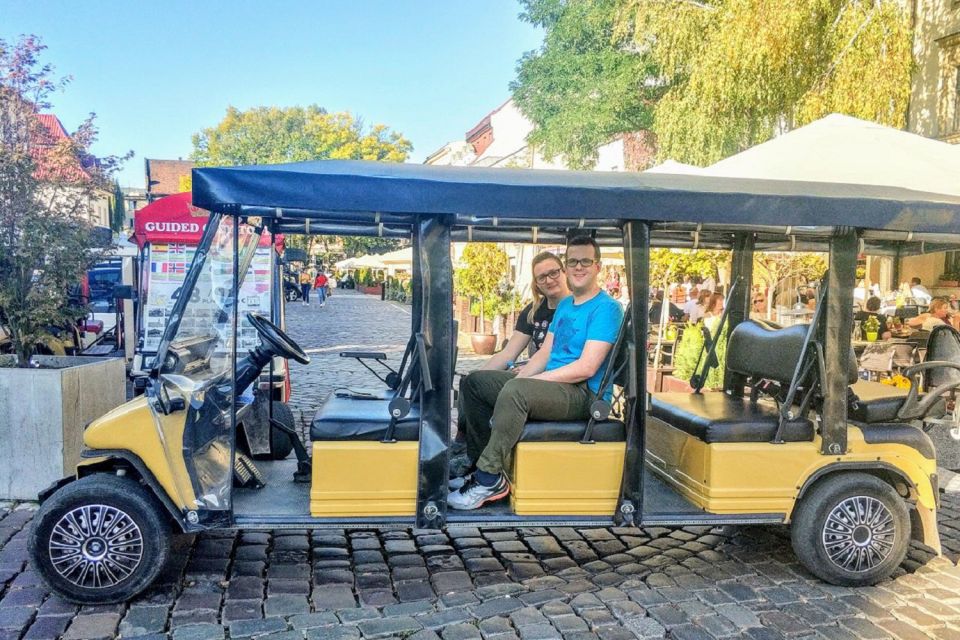
- Eco-friendly electric golf cart means you see more with less effort
- UNESCO Krakow Old Town start sets the stage fast and clearly
- Headphone audio context helps you connect streets to the Jewish Ghetto story
- Main Market Square + Cloth Hall give you classic Krakow sights in one run
- Kazimierz streets and synagogues feel like a real neighborhood, not a museum
- St. Mary’s Church view + Planty Park adds a breather between heavier history stops
Electric Golf Cart Touring: Faster Sightseeing, Less Fatigue
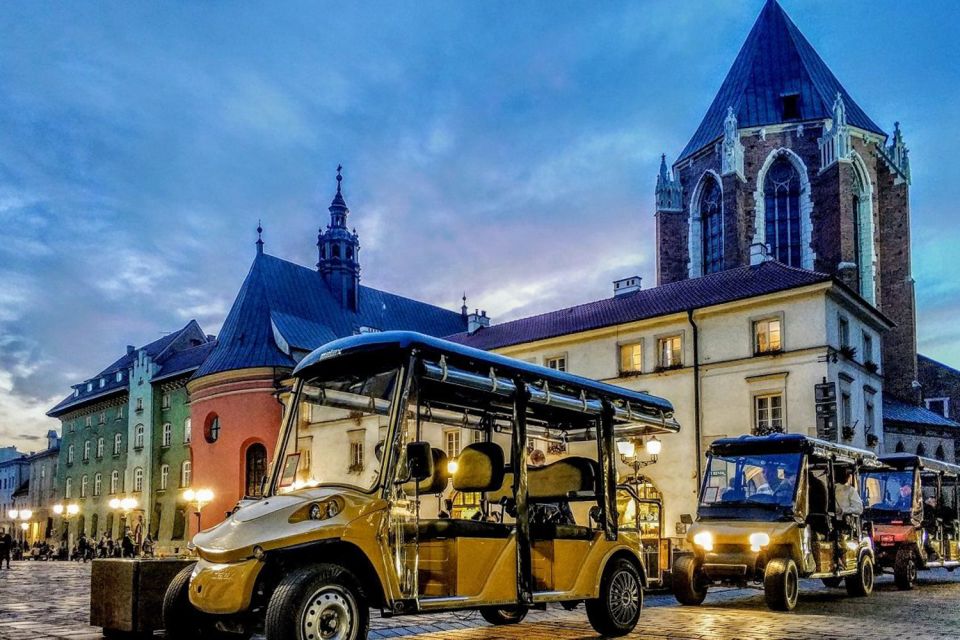
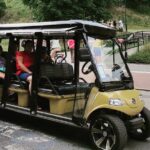
Krakow can be a lot on your feet. This tour solves the common problem: you still get to see major highlights, but the transport is an electric golf cart, so you’re not spending the whole day pacing from one corner to the next.
Practically, that changes how you experience the city. When you’re not constantly walking, you can actually look up—at façades, rooftops, and the rhythm of older streets. And because the tour covers Old Town and then moves into Kazimierz, the cart is a big part of why the itinerary works as a single, coherent loop.
If you’re traveling with anyone who tires easily, has limited mobility, or just wants a comfortable way to get the lay of the land, this style of tour is a smart fit. It’s also a good first-day option if you want context before you start choosing longer, self-guided walks.
You can also read our reviews of more tours and experiences in Krakow.
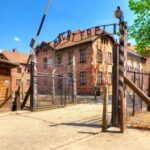
Starting in UNESCO Krakow Old Town: You Get the Big Picture Quickly
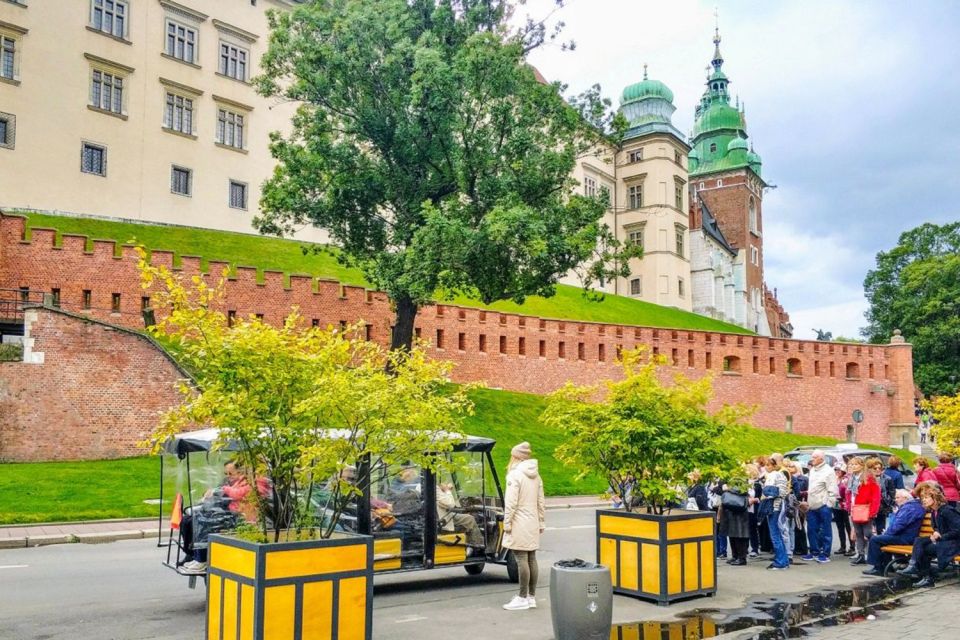
The tour begins at Krakow Old Town, a UNESCO World Heritage Site. That matters more than it sounds. In practical terms, you start with the geographic and architectural center of the historic city, so everything after it feels connected rather than random driving around.
Once you’re seated, you put on headphones and follow the audio guide as the cart moves through the area. I like this approach because you’re not trying to read every plaque and building label at once. The narration helps you understand why a street or square matters before you decide where you want to spend more time later.
A small but real advantage: seeing the Old Town from a rolling, paced viewpoint helps you spot where the major pedestrian areas are (so you can return on foot). It’s like getting a fast map made out of streets instead of paper.
Main Market Square and Cloth Hall: The Heartbeat of Old Town
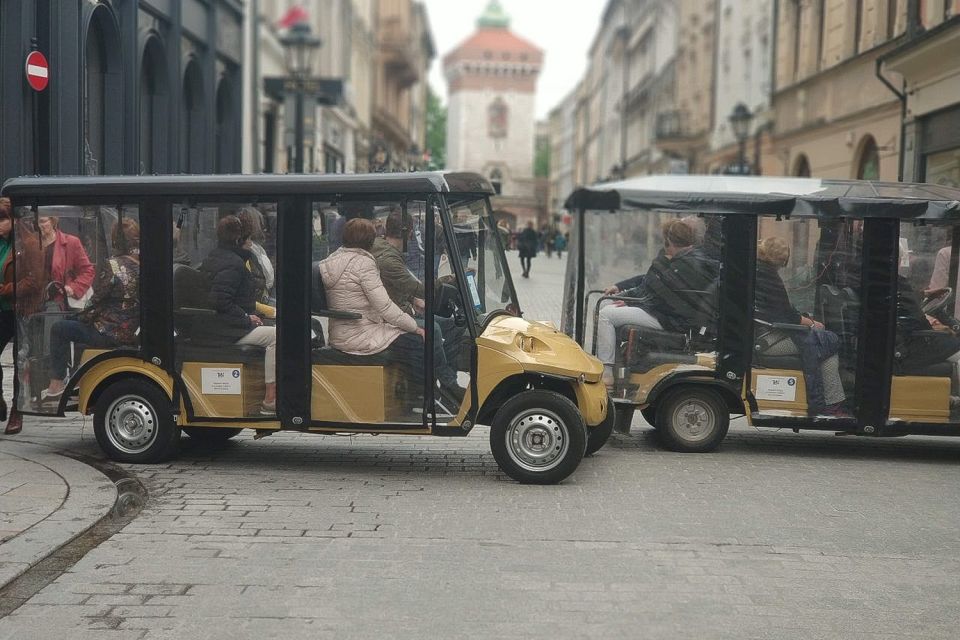
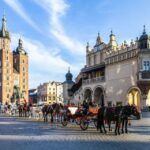
You’ll drive through the iconic Main Market Square area, then you’ll see the towering Renaissance-style old market hall known as the Cloth Hall. This is the postcard part of Krakow, but it’s still worth your attention because it’s the architectural anchor of the Old Town.
Here’s what to watch for while you’re there. Even from the cart, try to visually connect three things:
1) the open square space,
2) the market hall’s presence rising above it, and
3) the church landmark nearby that frames the view of the center.
If you later walk this area on your own, you’ll feel like you already know where you are. That’s a huge value for a short tour.
One consideration: if you’re hoping to do a lot of inside touring of major buildings, this cart tour won’t do that for you. Entrance tickets are not included, so treat the stops as viewpoint-and-context moments, not a full sightseeing checklist with paid admissions.
St. Mary’s Church and Planty Park: Old Stones, Then a Green Reset
After the square highlights, the tour takes you toward St. Mary’s Church and the green space in Planty Park. This shift is more than scenic. It’s where you feel the Old Town’s structure: heavy stone landmarks surrounded by a belt of open space.
Planty Park is the kind of break that makes a tour like this feel doable. You don’t just get history thrown at you for 90 minutes straight. You get a mental reset, and that helps you keep track of what you’ve already learned in the audio guide.
Even if you don’t hop out of the cart for long, the visuals do work. You’ll likely notice how the city’s historic center is ringed and how that helps with orientation for later self-guided strolling.
Narrow Streets, Temples, Universities, and Charming Houses
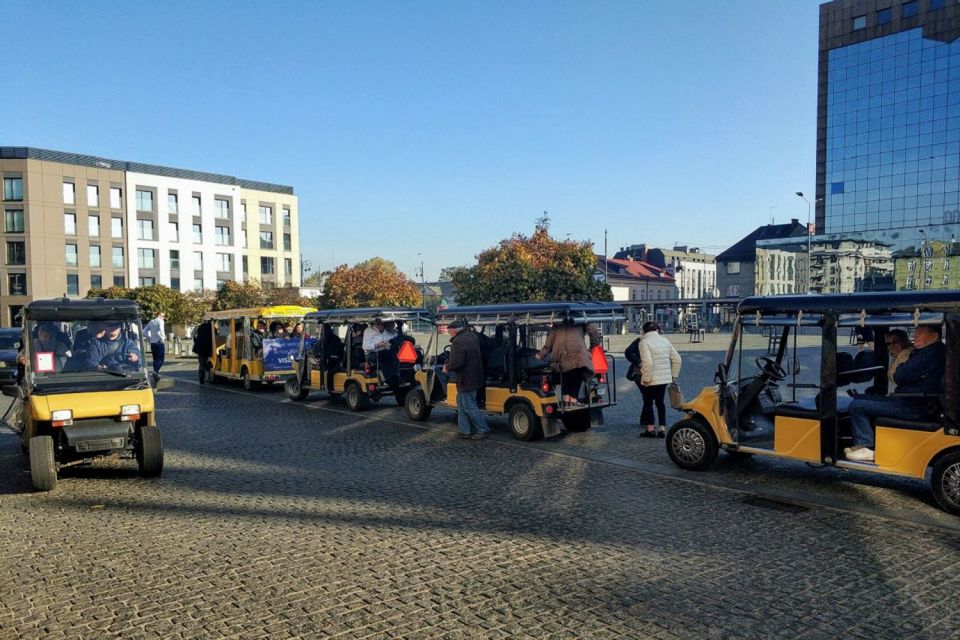
One reason I like driving through Old Town areas is the way side streets reveal themselves—temples, universities, and old homes appear in quick flashes. This tour leans into that reality: Krakow isn’t just squares and big monuments. It’s smaller spaces with layers of use and meaning.
As you move down these narrower streets, the audio guide plays a role in turning what might look like “pretty architecture” into something you can place. Instead of guessing what you’re seeing, you get context that makes each street segment feel purposeful.
Potential drawback here: because the tour is moving and the guide is primarily audio, you won’t capture every single detail. If you’re the type who loves to stop and photograph every door knocker and stained-glass window, you may want to plan a follow-up walk. Think of this tour as the map and the interpretation; your feet can handle the slow looking afterward.
Views of Wawel Castle on the Way to Kazimierz
As the tour transitions toward Kazimierz, you’ll appreciate views of Wawel Castle. This is a classic Krakow perspective, and it’s useful because Wawel isn’t just a pretty castle on a hill. It’s tied to how Krakow’s power and identity were shaped over centuries.
Even if you don’t enter anything during the cart tour, those views help you understand the city’s geography. You start to see the historic center’s relationship to the elevated castle area, which makes later sightseeing feel more coherent.
I like adding “pause moments” to my travel days, and this is one of them. You get the kind of sight you’d normally stop for, but without needing to coordinate a separate viewpoint walk.
Kazimierz and the Jewish Neighborhood Story: Where the Ghetto Was
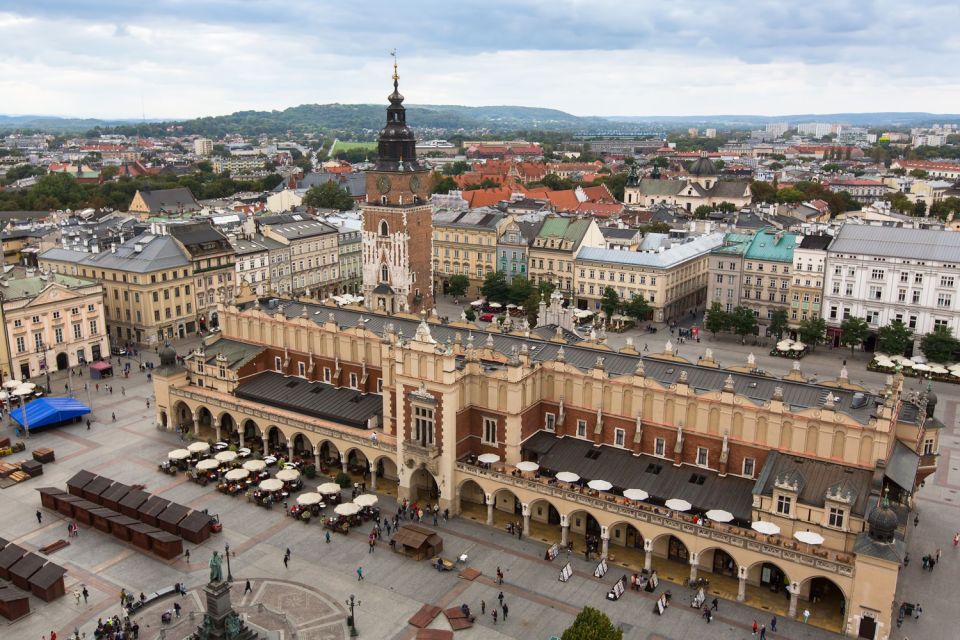
This is the part of the tour that gives it emotional weight and historical meaning. You drive through Kazimierz, the old Jewish district, including streets lined with old synagogues, cafes, and stalls.
The audio guide helps explain where the Jewish Ghetto was located and what you’re seeing as the cart passes through. That’s important because without context, it’s easy to treat Kazimierz like a charming district and miss the historical geography underneath.
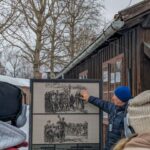
One of the most praised elements from recent bookings is how hosts like Andrew have supported the explanation with visual materials. In particular, I’ve seen feedback about Andrew sharing papers with photos to show how the ghetto area looked and using additional images on a phone to make the story easier to understand, including mentions connected to places like Hero’s Square. That kind of visual framing can turn “I heard a fact” into “I can actually picture it,” and it’s a real reason this tour lands well for people who want the past to feel real rather than abstract.
Still, keep your expectations grounded. You’re not walking through a museum or doing a long, indoor historical program. This is a drive-and-look experience. The value comes from connecting the streets to the story while you’re moving through the neighborhood.
What the Audio Guide Adds (and When It Doesn’t)
This tour includes an audio guide with many languages available, including English and a long list of options. That’s helpful if you’re traveling as a group with mixed language needs.
Audio guides can be great when you want steady pacing and clear prompts about what matters. They’re less great if you want lots of back-and-forth. And that’s where the “audio-led, not live guide” reality matters.
Here’s what I suggest you do. Before the tour begins, think of two or three questions you’d like answered. Then let the audio provide what it can. If your questions don’t get answered, that’s your cue to follow up afterward with a separate guide-led session or your own targeted reading.
If you’re someone who loves independent travel, this setup is a strong match. If you’re someone who thrives on discussion, you may find yourself wanting a person to bounce ideas off.
Eco-Friendly Pace: Why the Cart Works for This Route
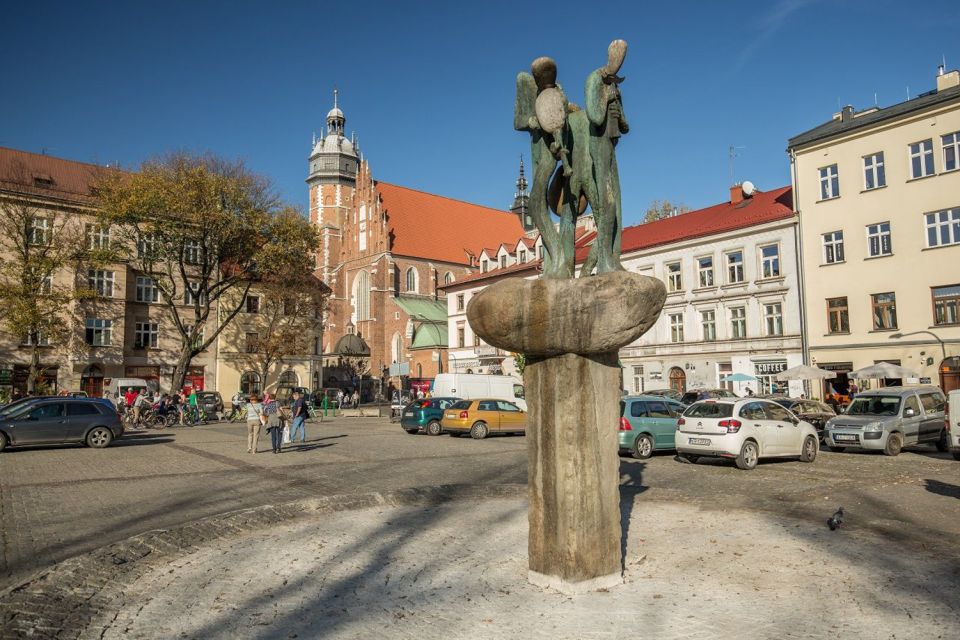
This isn’t just about being “green.” The electric cart changes the practical flow of your day.
- You cover Old Town, then the Jewish district of Kazimierz, without exhausting yourself before the history portion.
- You get enough viewpoints to orient yourself, so you’re not lost when you later decide to walk the most interesting streets.
- You can keep moving even when you’d otherwise wait around for the “right time” to do multiple areas in one day.
It also tends to feel more comfortable than long walking routes, especially if your travel style is photo-heavy. You can stop for your photos at the moments the cart allows, then let the tour keep the momentum without you burning daylight negotiating transfers.
Price and Value: Is $55 Worth It?
At $55 per person for about 150 minutes, the main value is in what you’re getting rather than what you’re paying.
You’re paying for:
- transport by electric golf cart,
- a multi-language audio guide, and
- a structured route that ties together Old Town monuments, the Jewish Ghetto location story, and Kazimierz neighborhood sights.
What’s not included matters too. Entrance tickets are not part of the price. So if your dream day includes going inside multiple churches or museums, plan to add tickets separately or decide which interior you care about most and save the rest for later.
Who gets the best value? People who want a guided route but still like flexibility—someone who wants to learn the “why” behind the streets, then come back later for the “how” (your own pace, your own photos, your own detours).
Who might not? If you already know Krakow deeply and plan to spend most of your time inside monuments, a cart tour may feel like a shortcut. In that case, you might prefer a full walking guided tour or a museum-focused program.
Getting Oriented: Meeting Point and Timing That Actually Helps
You meet at Parking Kiss&Ride at 2 Mikołaja Zyblikiewicza street, in front of the Zabka store. Look for the electric car with the excursions.city sign, and check in about 10 minutes before the booked start time.
I like this kind of arrangement because it keeps the tour from turning into a complicated pickup puzzle. You just show up, get your headphones, and go. If you’re arriving from somewhere else in the city, give yourself a little buffer so you’re not rushing during check-in.
Who This Tour Suits Best (and Who Might Skip It)
This Krakow golf cart tour is a strong fit for:
- first-time visitors who want a quick, structured introduction to Old Town and Kazimierz
- travelers who prefer less walking but still want history and context
- groups where not everyone wants the same walking intensity
- people who enjoy audio-guided learning and can guide themselves for deeper follow-up later
It might be less satisfying if:
- you want lots of in-person questions answered during the drive
- you plan to rely on this tour for paid entries inside major sites
- you’re mainly shopping for a long, slow street-walk experience without vehicle pacing
Should You Book This Krakow Old Town, Ghetto, and Kazimierz Golf Cart Tour?
I’d book it if you want the most efficient way to connect three parts of Krakow that people often treat separately: the Old Town core, the Jewish Ghetto context, and Kazimierz’s living neighborhood feel. The electric cart makes the route realistic in a single sitting, and the audio guide gives you a framework so you don’t just see streets—you understand them.
Skip it if you already have a strong plan for multiple indoor admissions and you prefer walking at a slow pace with lots of live conversation. In that case, you’ll likely get more value from a walking or museum-focused option.
FAQ
How long is the Krakow Old Town, Ghetto, and Kazimierz golf cart tour?
The tour duration is 150 minutes.
What is the price per person?
The price is $55 per person.
What’s included in the tour price?
You get transport by electric golf cart and an audio guide.
Is there a live guide on this tour?
No live guide is listed as included.
Where does the tour start?
Go to Parking Kiss&Ride at 2 Mikołaja Zyblikiewicza street, in front of the Zabka store, and look for the electric car with the excursions.city sign.
Is the tour wheelchair accessible?
Yes, the tour is wheelchair accessible.