REVIEW · KRAKOW
Kraków: Jewish Quarter & Schindler’s Factory Guided Tour
Book on GetYourGuide →Operated by Hello Cracow · Bookable on GetYourGuide
Nazi history, in walkable steps. This guided tour pairs a Kazimierz Jewish Quarter walk with a powerful visit to Schindler’s Factory Museum, including the exhibition Kraków under Nazi Occupation 1939–1945, told by a licensed local expert. I love that you save time with skip-the-line entry, and I love how the museum layout turns the war years into something you can actually follow room by room. One thing to think about: the galleries use narrow corridors and dim lighting to recreate wartime pressure, so it can feel intense.
You’ll start at a symbolic place and finish in a museum built from a real piece of wartime industry. The guide keeps things clear and human, focusing on what changed in Kraków and how people survived. If you’re sensitive to heavy topics, plan to pace yourself once inside the museum.
In This Review
- Key highlights to look for
- Entering the story: why this tour works so well in Kraków
- A quick word on tone
- Kazimierz walk: getting the neighborhood context before the museum
- What you’ll likely notice as you walk
- Schindler’s Enamel Factory: what the museum really is (and isn’t)
- Why skip-the-line is more than convenience
- Inside the exhibition: how to follow Kraków under Nazi Occupation 1939–1945
- A practical comfort tip
- Oskar Schindler’s story: what refuge looks like in this museum
- The big takeaway you should carry out
- Duration, pacing, and who this tour suits best
- Who this is a great fit for
- Who should think twice
- Meeting point at the Old Synagogue: small details that prevent stress
- Language note that actually affects your experience
- Price and value: is $69 worth it for 3.5 hours?
- Should you book this guided tour?
- FAQ
- How long is the Kraków Jewish Quarter & Schindler’s Factory tour?
- Where do we meet the guide?
- What’s included in the price?
- Which languages are available?
- What do I need to bring?
- What should I do if I’m late?
Key highlights to look for
- Skip-the-line entry into Schindler’s Enamel Factory Museum, so your time goes to the exhibits, not ticket queues
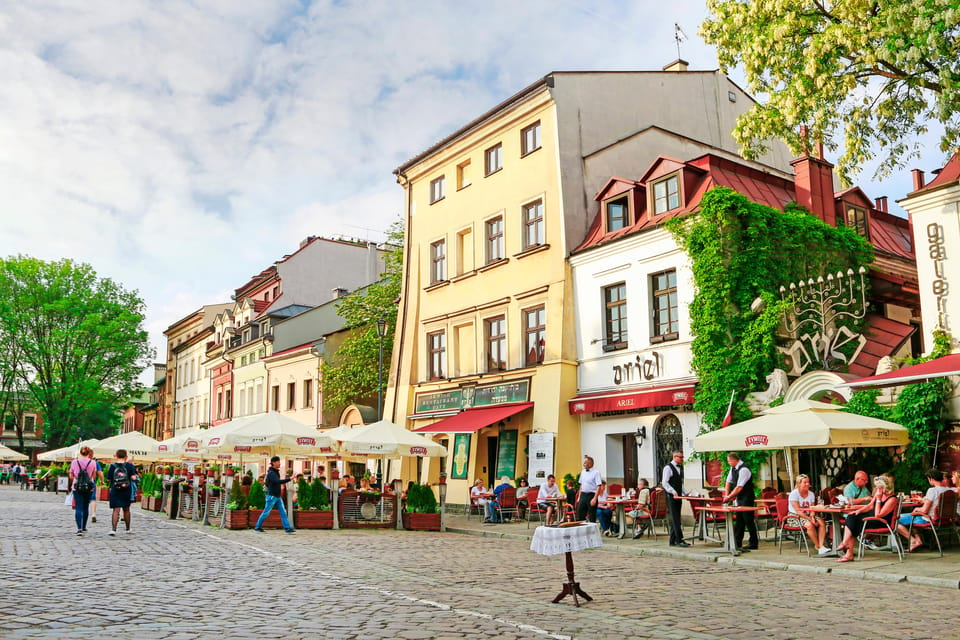
- Kazimierz Jewish Quarter walk to give you the neighborhood context before the museum stories start
- Kraków under Nazi Occupation 1939–1945 exhibition, guided with expert storytelling
- Schindler’s factory role in refuge, including how the factory protected over a thousand Jewish workers
- Immersive, dim, narrow galleries designed to recreate fear and uncertainty
- Choose your language, with one group language per tour
Entering the story: why this tour works so well in Kraków
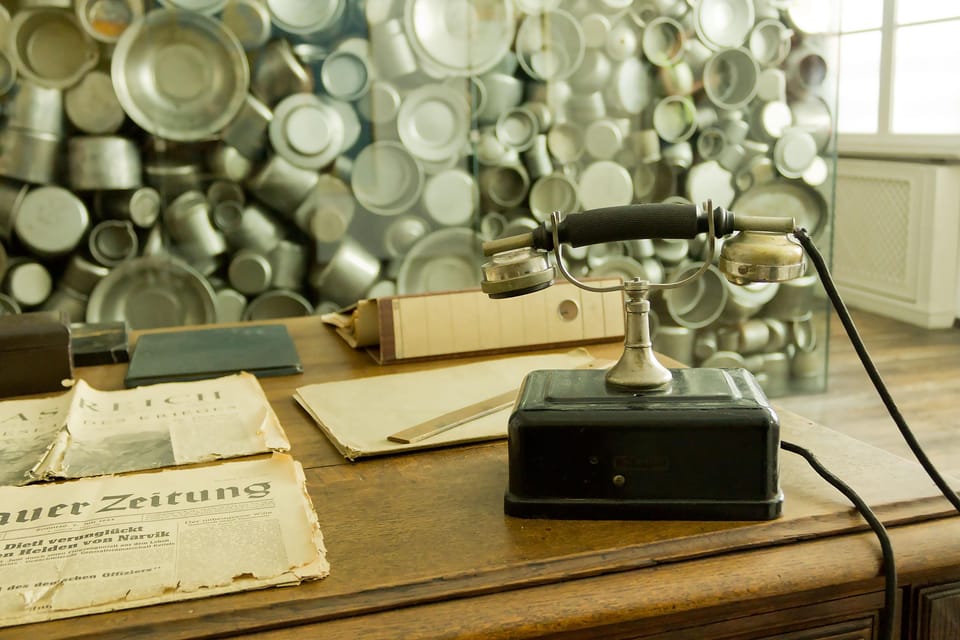
Kraków can feel like a city of postcards. This tour makes you swap the easy views for the harder story underneath them. The reason it works is simple: it’s not just a museum drop-off. You get a short walk in Kazimierz, then you go straight into Oskar Schindler’s former enamel factory, where the exhibition is built to show what daily life became under Nazi occupation.
What I like about that order is how it trains your eyes. In Kazimierz, you’ll be thinking about the community and streets tied to Jewish life. Then, inside the museum, you’ll recognize the patterns of persecution and control, not as abstract history but as lived experience.
You can also read our reviews of more guided tours in Krakow
A quick word on tone
This is not a light “see the museum” outing. The exhibition design uses narrow corridors and darker rooms to recreate pressure. You’ll probably find yourself slowing down. That’s not a problem. It’s the point. Just make sure you’re mentally ready.
Kazimierz walk: getting the neighborhood context before the museum
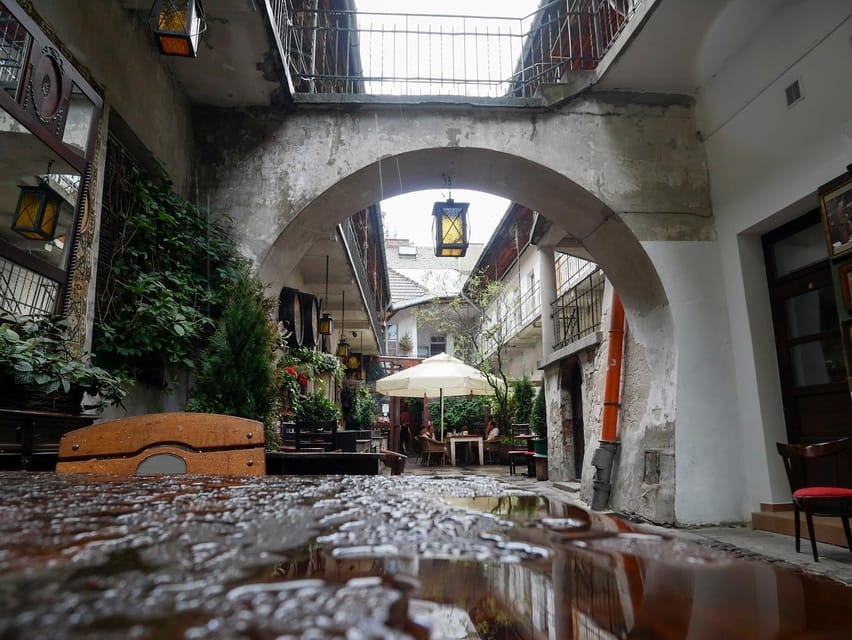
Your tour starts at a landmark tied to Jewish community life: the steps of the Old Synagogue, where your guide holds a sign that says excursions.city. From there, you’ll take a walking tour of the Kazimierz Jewish Quarter.
This part matters more than people think. Schindler’s story is famous, but the museum experience becomes much clearer when you also understand the setting—how Kraków’s Jewish and non-Jewish residents lived side by side, and what changed as occupation deepened. A short neighborhood walk helps your brain build a map. Then the museum stops feeling like random rooms. It starts feeling like a chronological and social story.
What you’ll likely notice as you walk
You should expect a focus on how the war transformed everyday life in Kraków. Even if you’re not a “history walk” person, the guide’s framing makes this section useful. It also sets the emotional temperature for what comes next, so you don’t feel dumped into tragedy all at once.
Schindler’s Enamel Factory: what the museum really is (and isn’t)
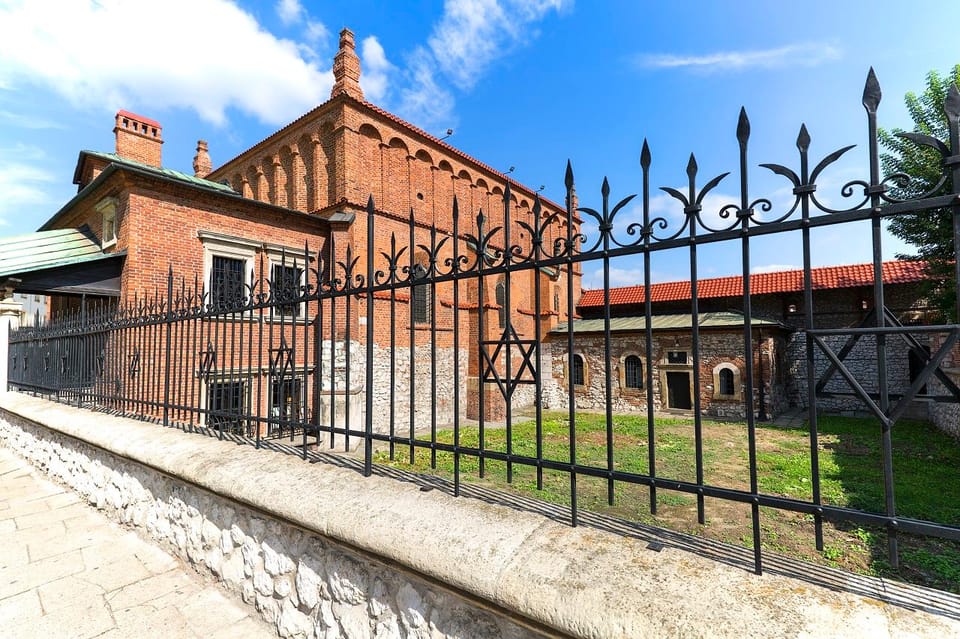
The museum sits in the building that once housed Schindler’s enamel factory. Today, it’s a museum experience—not a preserved industrial site with the original machinery. That detail matters because it keeps expectations grounded. You’re not touring the workshop exactly as it ran in the 1940s. Instead, you’re walking through an exhibition that uses artifacts, photographs, and reconstructions to explain what happened.
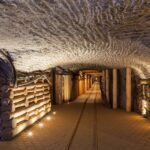
The building’s design also shapes how you experience it. Many rooms are narrow and dimly lit on purpose, to recreate fear, pressure, and uncertainty. If you’ve ever wondered why some museums feel “too clean” for their subject, this one does the opposite. It feels deliberately constrained, because wartime life often was.
Why skip-the-line is more than convenience
The tour includes skip-the-line admission ticket to Schindler’s Factory Museum. On paper, that’s just time saved. In real life, it helps you keep momentum. This tour is about storytelling and emotional pacing. If you lose 30–60 minutes waiting, the day can turn choppy. Skipping the ticket line keeps the flow intact, especially on busy museum days.
Inside the exhibition: how to follow Kraków under Nazi Occupation 1939–1945
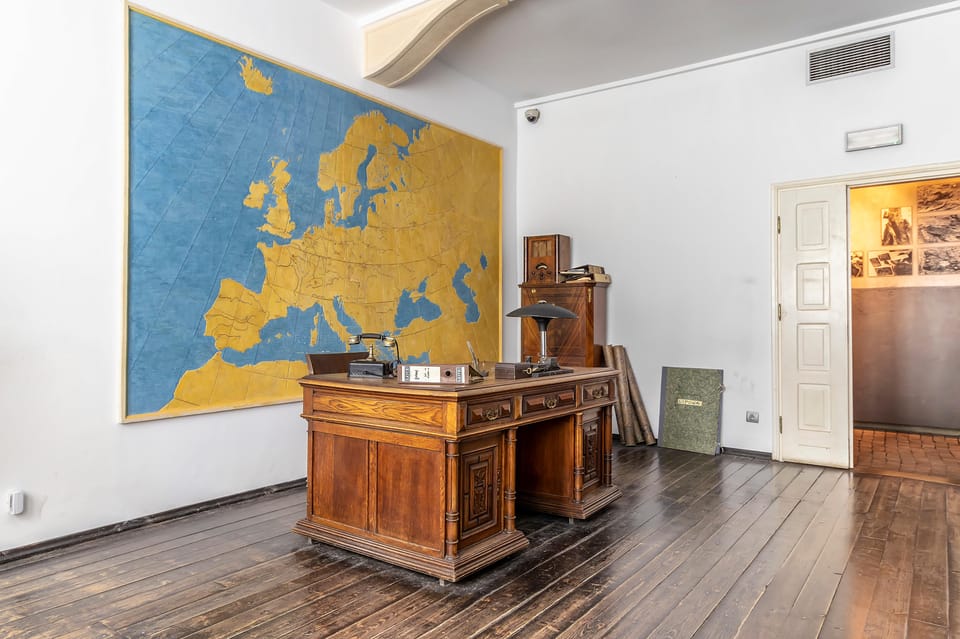
Once you’re in, your guide leads you through Kraków under Nazi Occupation 1939–1945. The exhibition isn’t only about Schindler. It’s about the transformation of the city and the way occupation reshaped daily choices for both Jewish and non-Jewish residents.
Here’s how I’d approach it so you get the most value out of the guided format:
- Follow the chronology. The war years are presented as a sequence, and your understanding will click faster if you let the guide connect the timeline for you.
- Look for the everyday details. Artifacts and photographs do more than prove facts. They help you picture what fear looked like day to day.
- Notice the room layout. The narrow, dim spaces aren’t random design choices. They’re part of the message.
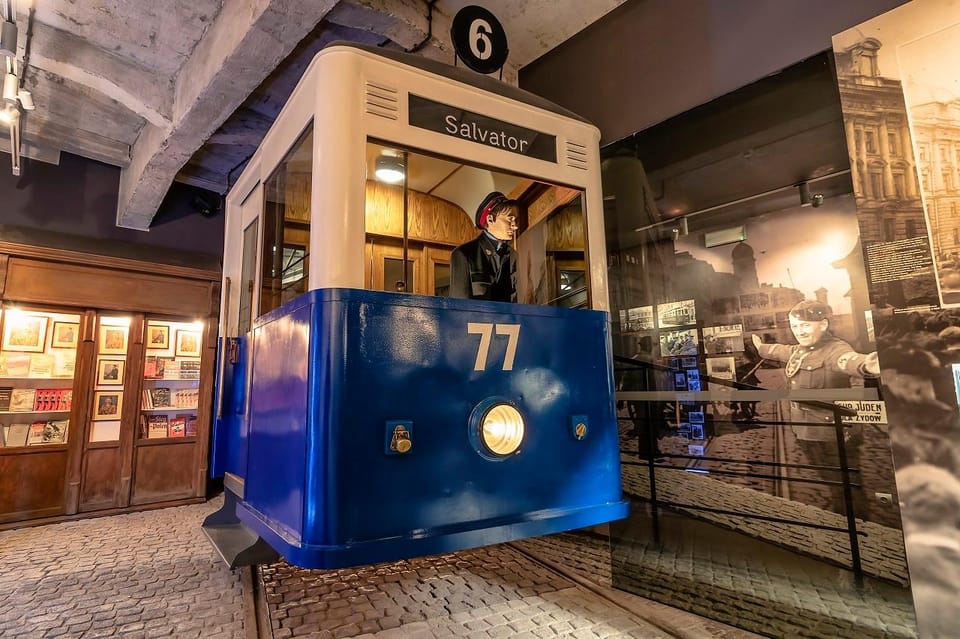
You’ll also see immersive reconstructions and historical materials. The intent is clear: history here isn’t presented as a “date and numbers” report. It’s presented as something that affected bodies, families, work, and community structure.
A practical comfort tip
If you know you get overwhelmed in dim spaces, plan small breaks where you can. Your tour runs about 210 minutes, but not every minute will feel equally heavy. Some rooms will hit hard. Some will clarify and steady your understanding. Let the guide set the pace.
Oskar Schindler’s story: what refuge looks like in this museum
A lot of people book this because they know the name Oskar Schindler. You’ll get his story here, but what makes it meaningful is how it’s woven into the wider story of persecution and destruction of Kraków’s Jewish community.
The museum focuses on Schindler’s factory provided refuge to over a thousand Jewish workers. That number isn’t meant as a statistic that ends the story. It’s meant to underline the scale of what his factory became in the middle of an unfolding catastrophe.
As the guided tour moves through the exhibition, you’ll see how Schindler’s choices worked within the brutal system around him. The guide will also connect that individual action to the wider forces shaping deportations and the collapse of community life in Kraków.
The big takeaway you should carry out
This tour doesn’t try to make you feel “comforted by heroism.” It does something smarter. It shows the difference a small set of courageous, risky decisions can make in the middle of a machine that wanted everyone destroyed.
If you leave thinking only about one person, you’ll miss the point. Leave thinking about the web of people and choices that determined who got a chance to live.
Duration, pacing, and who this tour suits best
The tour runs about 210 minutes. That’s long enough to do real walking and guided museum time, but not so long that you’ll be exhausted beyond usefulness. The best part is that the tour is built around guided transitions: neighborhood context first, then museum explanation, then the Schindler story anchored within the broader occupation timeline.
Who this is a great fit for
This works well if you:
- want to see Kraków’s most popular museum in a structured way
- like guided interpretation rather than wandering and guessing
- want an experience that is serious but still organized and understandable
Who should think twice
If dim lighting, narrow corridors, or emotionally heavy themes can overwhelm you quickly, be honest about your limits. This is designed to recreate wartime atmosphere. That means “museum comfort” is not the priority.
Meeting point at the Old Synagogue: small details that prevent stress
Getting started smoothly makes the whole experience better. Meet on the steps of the Old Synagogue, and find your guide holding a sign that says excursions.city.
Arrive about 10 minutes early. Once the group has departed, latecomers can’t join and tickets can’t be refunded. For tours in historic areas, that matters more than you’d think. Streets, stairs, and other crowds can slow you down.
Language note that actually affects your experience
The tour runs in one language per group. Available languages include English, Italian, Spanish, German, and French. If you book, double-check you selected the right language for your group. It changes everything about your ability to follow the story.
Price and value: is $69 worth it for 3.5 hours?
At $69 per person for about 210 minutes, you’re paying for three key things: a licensed local expert guide, the walking tour context, and the museum experience with skip-the-line entry.
If you planned to do the same items on your own, you’d still likely pay for museum admission and you’d still need to figure out timing and interpretation. The value here comes from the guide doing the connecting work—linking Kazimierz context to the exhibition, and linking Schindler’s choices to the larger occupation story.
I’d call this a fair price for a high-demand museum plus guided storytelling. It’s not a bargain deal. But it’s the kind of outing where the guide can turn a famous site into a clear, emotionally coherent narrative.
Should you book this guided tour?
I think you should book it if you want structure and expert framing at one of Kraków’s top museums, and you also want the Kazimierz context so the story doesn’t feel disconnected. The skip-the-line part is a real quality-of-life upgrade, and the exhibition’s design choices mean you’ll get more out of the guided route than a quick self-tour.
I’d skip it or go in with extra caution if you know you’re sensitive to dim, narrow spaces and heavy historical themes. This experience is built to recreate wartime pressure.
FAQ
How long is the Kraków Jewish Quarter & Schindler’s Factory tour?
The duration is about 210 minutes.
Where do we meet the guide?
Meet on the steps of the Old Synagogue. Look for your guide holding a sign that says excursions.city.
What’s included in the price?
It includes a licensed expert local guide, a walking tour of the Kazimierz Jewish Quarter, skip-the-line admission to Schindler’s Factory Museum, and a guided tour inside Schindler’s Factory.
Which languages are available?
The live tour guide is available in English, Italian, Spanish, German, and French.
What do I need to bring?
Bring a passport or ID card. You’ll also need passport or ID card details for children.
What should I do if I’m late?
Please arrive about 10 minutes early. Once the group has departed, latecomers can’t join and tickets can’t be refunded.