REVIEW · KRAKOW
Kraków: Guided Tour of the Torture Museum
Book on GetYourGuide →Operated by Araneus Sebastian Wadycki · Bookable on GetYourGuide
A visit to the Torture Museum is not for the faint-hearted. It’s a tight, live guided tour that walks you from medieval punishment devices to more modern methods, ending with the kind of detail that makes you rethink “comfort.” The small group setup (up to 10 people) also means your guide can keep the story moving without losing anyone.
Two things I really like about this tour are the mix of medieval to modern displays and the way a live host turns the material into a fast, watchable experience. You’ll also meet the executioner and aides, which adds a theatrical edge to what’s otherwise very grim. One drawback to consider: this is graphic, macabre content, and you should skip it if you prefer light, family-friendly attractions.
In This Review
- Quick hits
- Kraków’s Torture Museum at Floriańska 10: what you’re paying for
- How the hour-long guided tour actually moves
- 1) Arrive at the gates and get oriented fast
- 2) Medieval punishment devices: ironwork and mechanics
- 3) The timeline shifts toward modern methods
- 4) The guillotine: a centerpiece moment
- 5) The executioner and aides close the loop
- Guides, tone, and why Kamil’s name comes up
- What to look for during the medieval-to-modern displays
- Price and group size: why $9 can feel like a deal
- Who this tour fits best (and who should skip it)
- A practical tip for planning your Kraków day
- Should you book this Guided Tour of the Torture Museum?
- FAQ
- Where is the Kraków Torture Museum tour located?
- How long is the guided tour?
- Is the tour in English?
- How big is the group?
- What will I see during the tour?
- Will I meet the executioner?
- Is the museum wheelchair accessible?
- How much does it cost?
- Can I cancel for a refund?
Quick hits
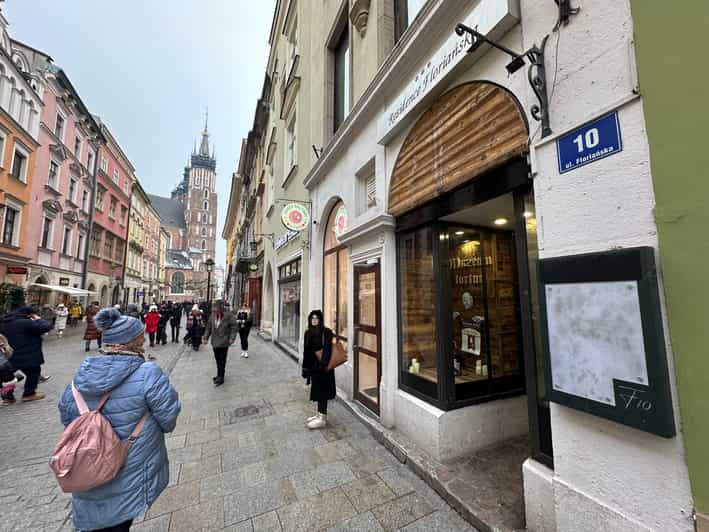
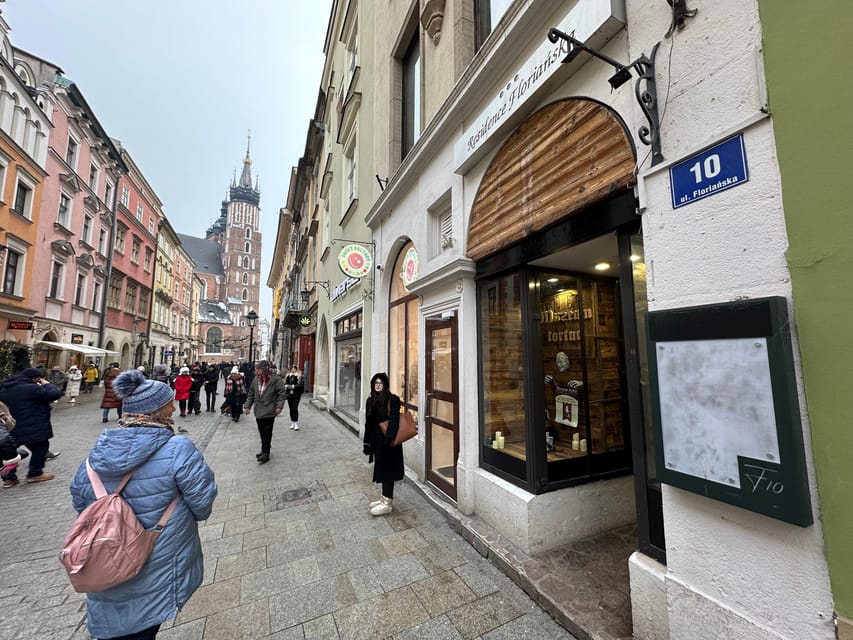
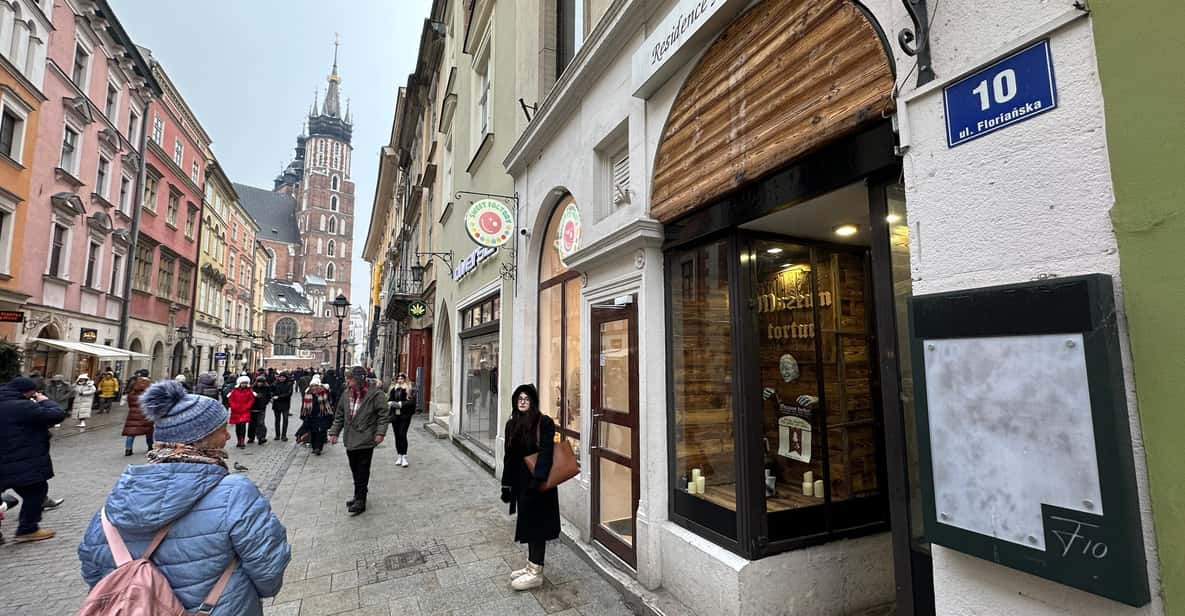
- Floriańska 10 entrance: You start at the Torture Museum gates on Florianska 10 in Kraków.
- One-hour timed visit: Valid for 1 hour from first activation, so it’s easy to fit into your day.
- Medieval to modern evolution: You’ll see reconstructions spanning eras, including the French Revolution guillotine.
- Live English host: A real guide keeps the tone moving in English, with a sarcastic style noted by visitors.
- Executioner involvement: The experience includes meeting the executioner and aides on-site.
- Up to 10 people: Small-group format helps the guide stay interactive.
Kraków’s Torture Museum at Floriańska 10: what you’re paying for
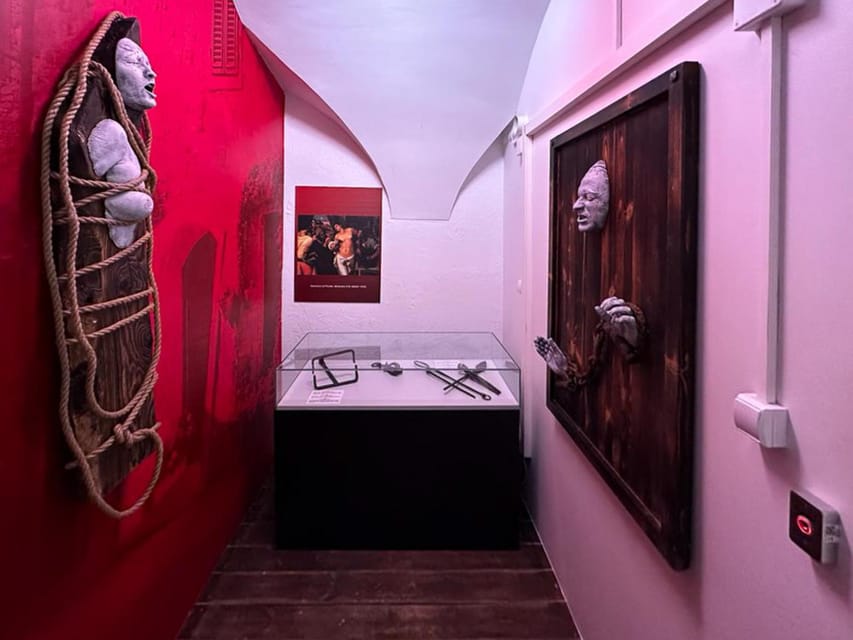
This tour is built around one simple idea: show how punishment tools evolved, and make the story hard to forget. For about $9 per person (and a guided, English-language format), the value is clear. You’re not just looking at props behind glass. You’re walking through a guided explanation of devices from different time periods, from medieval setups to later methods.
The location matters too. Floriańska 10 puts you in central Kraków, so you can plan this without wrestling with long commutes or complicated transfers. In practical terms, that means you can slot it in before dinner, after a morning sightseeing block, or as your one “different” stop that breaks up the usual parade of churches and viewpoints.
The tour also limits the group size to 10 participants, which helps keep the pace tight. When a visit is only an hour long, crowd control isn’t a “nice to have.” It’s part of the experience.
You can also read our reviews of more guided tours in Krakow


How the hour-long guided tour actually moves
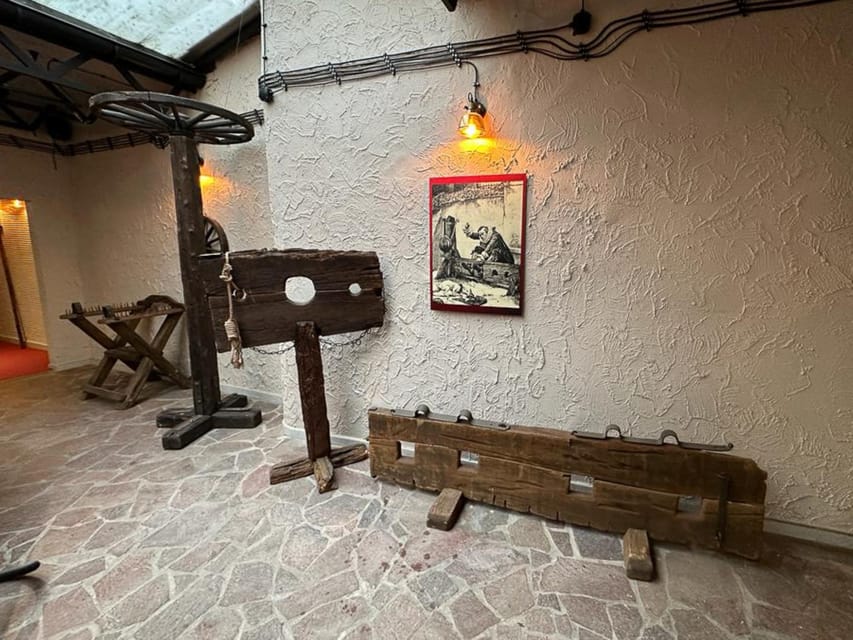
The tour is valid for 1 hour from first activation. That matters because the museum experience is paced. You’ll go through multiple sections and devices without getting stuck in one corner for too long.
Here’s the flow I’d expect you to experience based on how the tour is described:
1) Arrive at the gates and get oriented fast
You enter through the museum at Florianska 10 and start learning right away. The guide sets expectations early: this is about human cruelty, shown through reconstructions of torture devices from different eras.
This first phase is useful even if you know nothing going in. It frames the visit so the devices don’t feel like random spectacle. Instead, it becomes an organized story about changing methods of punishment.
2) Medieval punishment devices: ironwork and mechanics
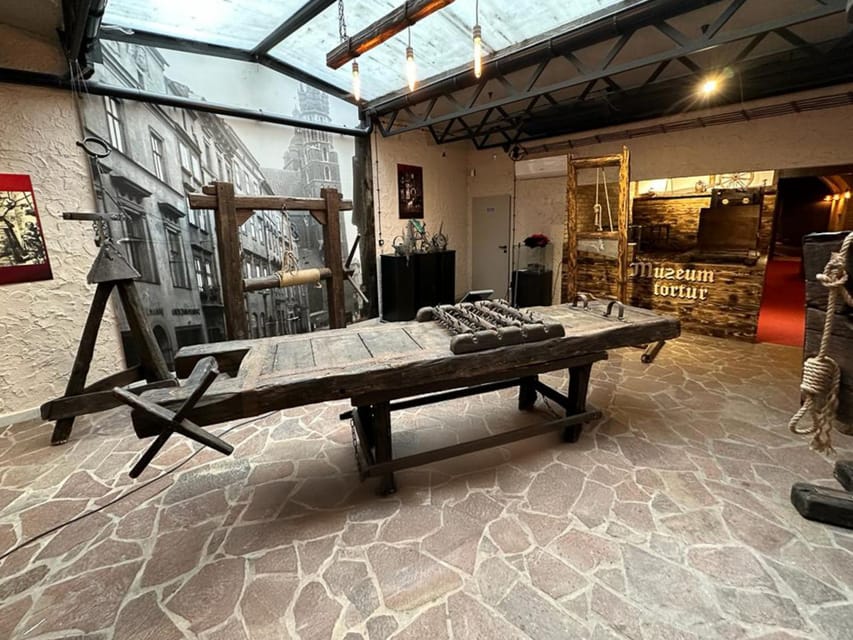
A big part of the tour is the medieval side—think medieval iron devices and other tools used historically. You’ll see reconstructions and learn how people could face different forms of punishment.
In a museum like this, the “what” is obvious, but the “how it was used” is what makes the explanations stick. If you like hands-on clarity (even in dark material), this is the part where a good host earns their keep.
3) The timeline shifts toward modern methods
After the medieval section, the tour emphasizes the evolution of punishment. You transition into displays representing later approaches, including more modern machinery.
This part is valuable because it answers a question many visitors bring with them: did punishment really change, or did it just change costume? The museum’s framing helps you compare methods across time.
You can also read our reviews of more museum experiences in Krakow




4) The guillotine: a centerpiece moment
One device highlighted is the guillotine, connected with the French Revolution. When a museum calls out one item like that, it usually becomes a moment the guide uses to sharpen the storyline.
Even if you’ve heard the name before, seeing it in a guided context is different. It turns a historical buzzword into something concrete—still grim, but easier to understand.
5) The executioner and aides close the loop
The tour includes meeting the executioner and aides. That’s not just a gimmick for laughs. It reinforces the idea that punishment was not distant, not abstract. It was performed.
For me, the strongest value here is tone control. The executioner element keeps the event from becoming purely educational slideshow material. It reminds you this is a theatrical recreation of real cruelty.
Guides, tone, and why Kamil’s name comes up
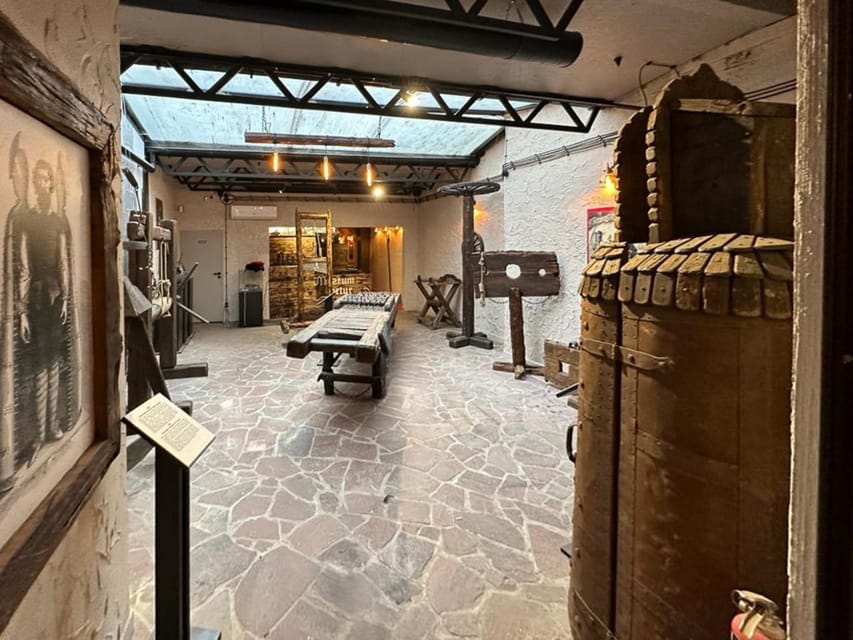
This is a live experience with an English guide. The host style is often mentioned as a key reason people enjoyed the tour. Visitors highlight a sarcastic host who brings gruesome details to life, and they specifically praise guide Kamil for being fun and keeping people involved.
That’s an important distinction. In a museum focused on torture, you don’t want a slow lecture. You want someone who can explain what you’re seeing clearly while keeping the energy steady. With an hour on the clock, a chatty guide who can pull you along matters.
What I take from the feedback is this: the best experience isn’t about enjoying the subject. It’s about getting your head around it. A guide like Kamil seems to do exactly that—explaining the types in a way that feels engaging rather than numb.
One more practical point: because the tour is only English-language live guiding, you’ll get the most out of it if you’re comfortable following spoken explanations at normal speed.
What to look for during the medieval-to-modern displays
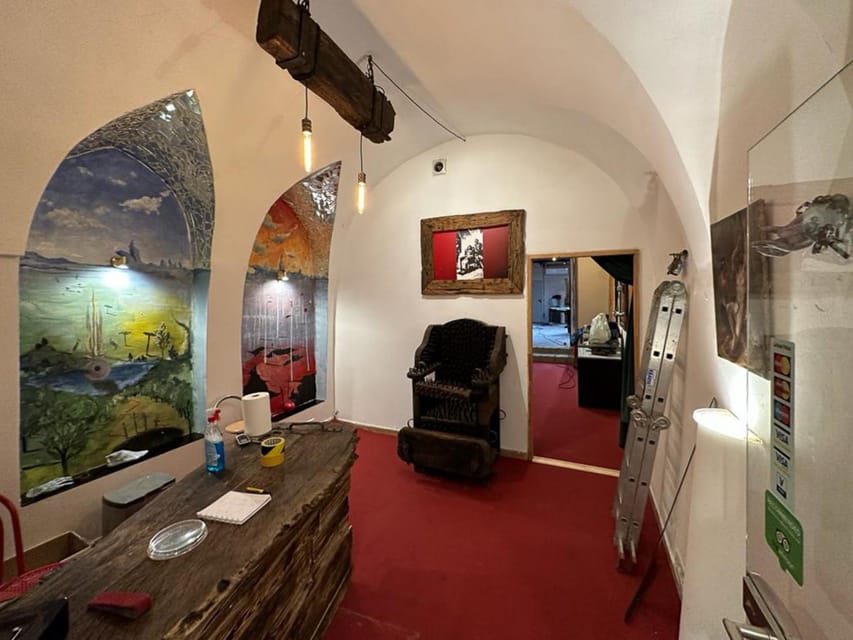
You’ll see a range of torture devices, including reconstructions and examples described as moving from medieval tools to more modern ones. The museum’s collection includes things like iron maidens and the guillotine, and the guide ties it together into a readable timeline.
Here’s how to make the most of it without getting overwhelmed:
- Watch the pattern, not just the shock. The point is the evolution of methods. When you notice similarities and differences, the hour becomes clearer.
- Pay attention to mechanical details as the guide explains them. Even in dark contexts, how something works often matters more than the name.
- Use the guide’s pacing as your “map.” Don’t try to read every label and stop for long gaps. The tour is built to move you through sections efficiently.
One thing I’d caution you on: the museum is explicitly built around “in a thousand ways” style storytelling and graphic devices. If your tolerance is low, you might find the content stressful. If you can handle grim history, the structure and guided pacing make it manageable.
Price and group size: why $9 can feel like a deal
At $9 per person, this tour is priced like a budget-friendly add-on, which is unusual for an English live guided experience with a small group limit. And that small group limit—up to 10—is doing real work. When you’re in a darker, higher-intensity attraction, you want space and attention, not just a passive herd experience.
The duration is also a factor: 1 hour keeps costs low and limits the time you have to sit in one setting. That’s not about rushing. It’s about making sure you leave with a full experience without dragging the emotional weight for too long.
So for value, I’d frame it like this:
- You get a guided walkthrough, not a self-guided pass.
- You get English interpretation.
- You get a small group and a timed visit.
For many sightseeing days, that’s the sweet spot.
Who this tour fits best (and who should skip it)
This is a “different Kraków” stop. It works well if you want something outside the typical church-and-market routine and you don’t mind macabre themes.
You’ll likely enjoy it most if you:
- Like history that isn’t sanitized.
- Prefer guided storytelling over browsing alone.
- Want a short, structured activity that fits into a busy day.
- Appreciate a lively host (including guides like Kamil, praised for keeping things engaging).
You should think twice if you:
- Know you’re sensitive to graphic historical content.
- Prefer attractions that stay light or family-friendly.
- Don’t do well with strong theatrical elements like meeting the executioner.
This isn’t a “comfort attraction.” It’s a guided, one-hour look at punishment methods recreated for modern visitors.
A practical tip for planning your Kraków day
Because this tour runs for about an hour, I’d treat it like your anchor for a shorter, focused block. Pair it with calmer activities before or after so you don’t overwhelm yourself.
Also, with an English live guide, you’ll want a time slot where you’re not rushing between places. If you arrive sweaty and flustered, you’ll miss some of what the guide is doing. You don’t need to be early, but you do need a calm entry.
If you’re building your itinerary around classic Kraków sights, this works best as a contrast: a dramatic, dark experience sandwiched between bright streets and viewpoints.
Should you book this Guided Tour of the Torture Museum?
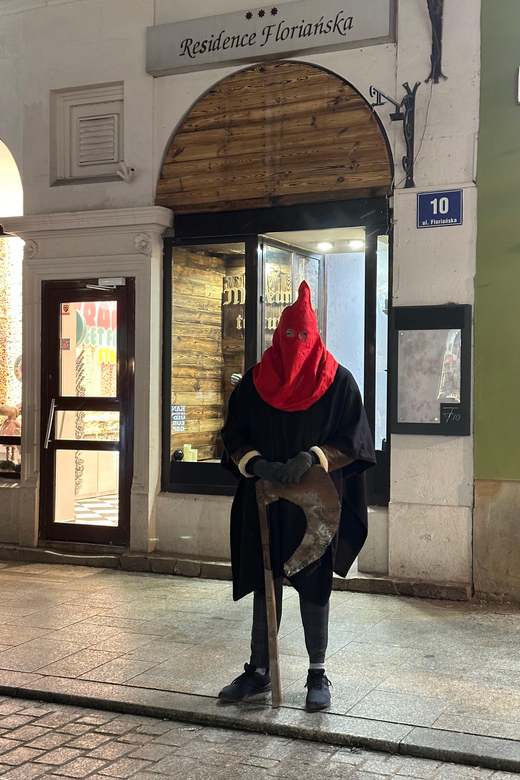
Book it if you want a fast, guided, English-language experience at Florianska 10 that shows medieval to modern punishment devices, includes a famous centerpiece like the guillotine, and brings the story to life with a host tone that visitors describe as fun and engaging (including praise for Kamil). The small group limit and the low price make it feel like smart value for what you get.
Skip it if torture-themed content will make you uncomfortable or if you want something light and easy-going. This museum doesn’t soften the topic, and that’s part of the point.
If you’re ready for dark history presented in a structured, theatrical way, this is one of the most memorable short tours you can add to your Kraków day.
FAQ
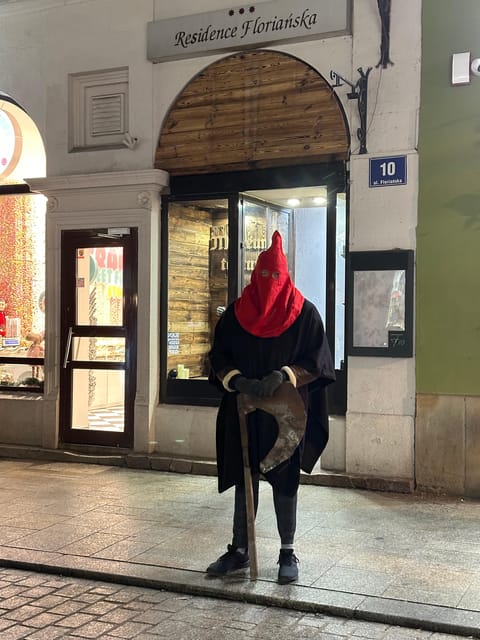
Where is the Kraków Torture Museum tour located?
The tour takes place at the Torture Museum on Floriánska 10 in Kraków, Poland.
How long is the guided tour?
The ticket is valid for 1 hour, starting from first activation.
Is the tour in English?
Yes, the live tour guide is available in English.
How big is the group?
The tour is a small group limited to 10 participants.
What will I see during the tour?
You’ll see medieval to modern torture devices, including detailed reconstructions, and you’ll learn about the evolution of punishment. The tour also references the guillotine used during the French Revolution.
Will I meet the executioner?
Yes, the museum experience includes meeting the executioner and his aides.
Is the museum wheelchair accessible?
Yes, it is wheelchair accessible.
How much does it cost?
The price is $9 per person.
Can I cancel for a refund?
Yes. You can cancel up to 24 hours in advance for a full refund.