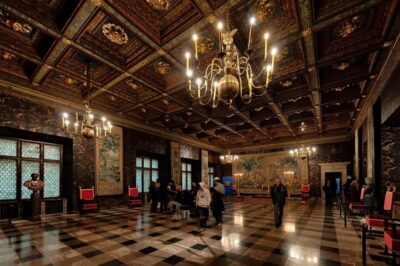
REVIEW · KRAKOW
Krakow: Czartoryski Museum Guided Tour in italian
Book on GetYourGuide →Operated by 101 Cose Da Fare A Cracovia · Bookable on GetYourGuide
Leonardo’s Lady with an Ermine is a story machine. On this Czartoryski Museum guided tour in Italian, you’ll hear how that painting moved through mystery, war, loss, and return, and why it’s still talked about today. I especially like the way the guide connects the painting’s subject to its real-life journey, and I also like that you get a guided pass through the museum rather than a quick walk-by. One drawback to consider: the museum spaces can feel tight, so you’ll want to be comfortable in close quarters with a limited group.
The tour lasts 90 minutes, and it’s built around one of Krakow’s most important art experiences: the Czartoryski collection, back in its renovated home after a long pause. If you’re coming for the big Leonardo draw, this is a focused, story-first way to make the time count.
In This Review
- Key things to know before you go
- Where the Italian Tour Starts in Krakow’s Museum Cloisters
- Leonardo’s Lady with an Ermine: Why This Painting Gets Treated Like a Legend
- The Czartoryski Collection and the Museum Reopening That Made This Possible
- What the 90 Minutes Feels Like On the Ground
- Price and Value: Is $16 for a Guided Czartoryski Visit Worth It?
- Practical Tips to Get More Out of Your Visit
- Who This Tour Suits Best (and Who Might Want a Different Option)
- Should You Book This Italian Guided Tour?
- FAQ
- Is the tour guided, or is it self-service?
- How long is the guided tour?
- What language is the guide?
- Where is the meeting point?
- Is the museum tour wheelchair accessible?
- Can I cancel or pay later?
Key things to know before you go
- Lady with an Ermine, explained step by step: the model, the animal, and the long debate around what you’re really seeing
- A guided walk in a renovated museum setting: the Czartoryski buildings reopened after a major collection purchase
- Close spaces, small group pace: the route can be cramped in spots, so group size is limited for comfort
- Italian live guide: you’ll get the full narrative in Italian, not a headset script
- Tickets included and line-skipping: you arrive ready to go straight into the experience
Where the Italian Tour Starts in Krakow’s Museum Cloisters
You’ll meet near the bar tables in the museum cloisters, close to the cartoon image of the Lady with an Ermine. It’s a good setup because it puts you in the right mindset: you’re not hovering outside wondering where to scan your ticket. Arriving a few minutes early helps you get your bearings fast—especially in an older site where signage can be less obvious than modern attractions.
This is also the moment where you’ll feel the “real museum” side of the plan. The route has segments where the space can be very close, so the group stays limited. That matters because it changes how the tour feels. Instead of a wide, relaxed stroll, expect a guided flow through rooms where you’re close enough to hear the details without having to crane your neck constantly.
The tour is 90 minutes, and that time window is useful. It’s long enough for a real narrative, but not so long that you burn out before you’ve absorbed the painting’s story.
You can also read our reviews of more guided tours in Krakow


Leonardo’s Lady with an Ermine: Why This Painting Gets Treated Like a Legend
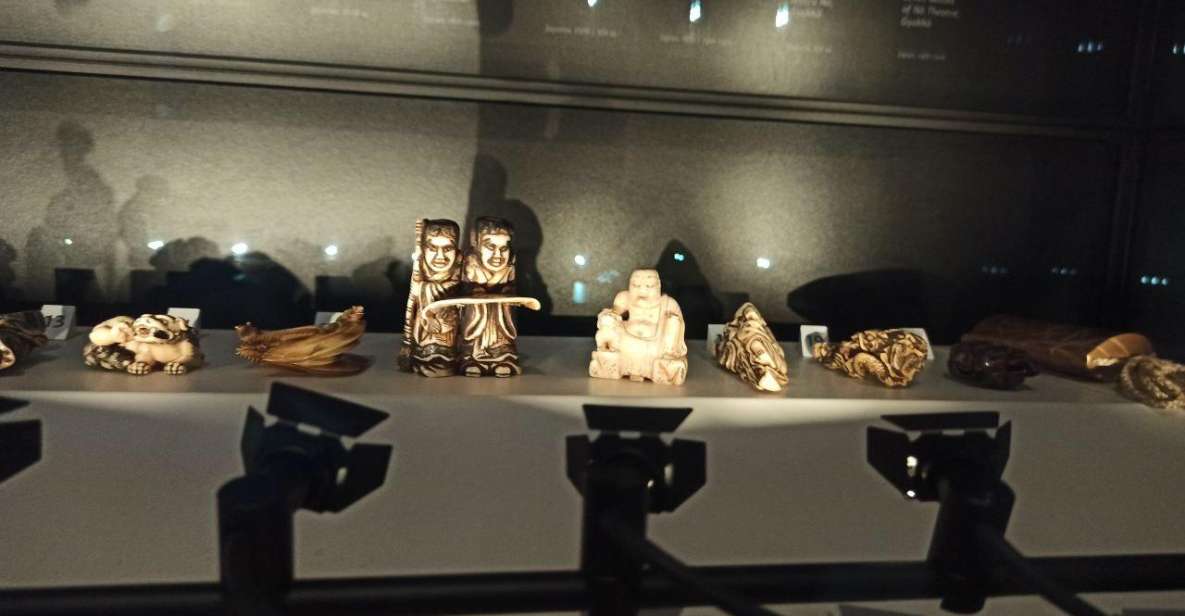
The heart of the tour is Leonardo’s Lady with an Ermine—and not just because it’s famous. You’ll hear why this specific work sits at the crossroads of art, interpretation, and money. The painting’s journey is packed with mystery: it was purchased under uncertain circumstances, and then the story kept expanding through competing interpretations of the figure and the animal she holds.
What I like about this kind of tour is that it doesn’t treat the painting like a name on a label. It frames the artwork as a puzzle people tried to solve for centuries. The model’s identity and the meaning behind the animal became subjects of argument, including disbelief from world experts that a Leonardo of that level could be in a Polish collection.
Then the guide shifts from debate to drama. You learn about the painting’s later travels: evacuation, looting, damage, nationalization, re-privatization, and eventual sale. This is where the story clicks for first-timers. War and politics aren’t just background—they explain why masterpieces can disappear, reappear, and still reshape how we see culture.
You’ll also get interpretive themes tied to the image itself. The painting symbolically connects burning love between two people and the transitory nature of beauty. And there’s a fascinating technical angle: the portrait of the adolescent Cecilia is described as practically identical to how the model appeared centuries ago—supported by a letter where she reportedly complained that she had changed too much and that no one would believe it was her image.
To put Leonardo’s attitude into words, the tour even brings in a line attributed to him: O wonderful mastery, you maintain the weak beauty of mortals alive, giving them more permanence than what the works of nature possess, continually changed by time, which lead to an inevitable old age. Even if you’re not a technical art person, that quote helps you feel the painting’s point beyond style.
The Czartoryski Collection and the Museum Reopening That Made This Possible
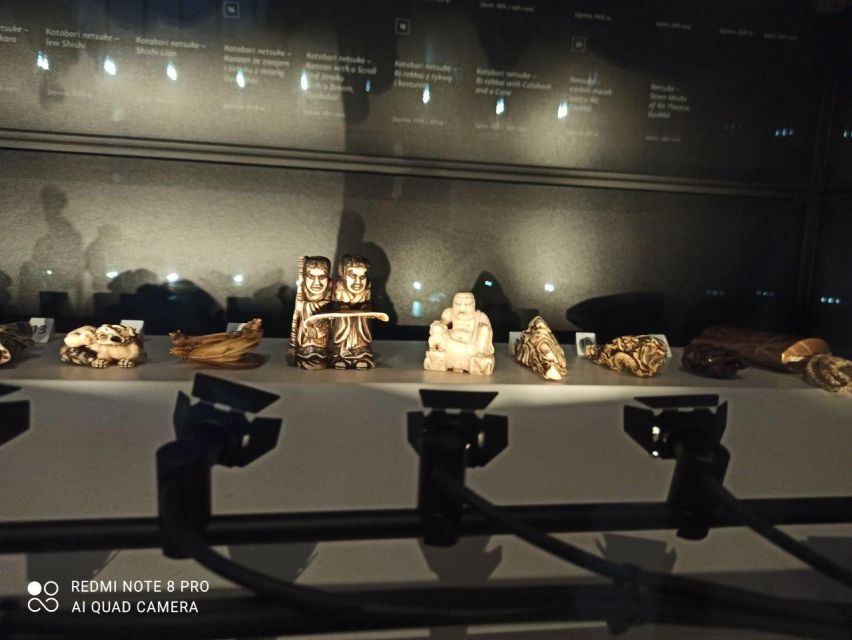
After a big collection purchase by the Polish Ministry of Culture—about 500 million Zloties—renovations were completed for the Czartoryski museum buildings. That matters for you because it explains why the museum experience exists in the form you see now. The tour points out that the painting’s home returned after a stalled phase, and with it, the chance for visitors to experience the collection in its updated setting.
On this tour, you’re not only hunting for one painting. You’re also walking through the logic of a collection. The guide sets up how a private collection became something with public meaning, and how that public meaning changed as the buildings reopened.
One highlight is the visit to the Collection Museum spaces—where you can take in the broader art world around Lady with an Ermine. Even if you came for Leonardo, you’ll likely leave thinking in “collection terms,” not “single painting terms.” That’s the difference between seeing a masterpiece and understanding how a museum builds context around it.
There’s also a practical side to this. The tour includes museum entry tickets and a live guide, so you’re spending your energy on interpretation rather than ticket wrangling. And since the group is limited for comfort, you’ll get more back-and-forth room for questions and follow-ups in the tight spots.
What the 90 Minutes Feels Like On the Ground
This tour is designed as a guided, story-based circuit. In 90 minutes, the guide moves through the essential beats: the painting’s background, why experts argued about it, and how the real-world events affected its survival and status. That pacing is important because it prevents the typical museum problem—where you stand in front of something brilliant and wonder what you’re missing.
In a positive example of what the narration can feel like, one guide name that shows up is Sofia. Her style is described as exceptional, full of explanations and also lighter in tone thanks to her personality. That combination matters. Art storytelling can become heavy fast, especially when the plot includes evacuation, damage, and looting. When the guide keeps the mood humane, you stay attentive instead of mentally bracing for the next grim chapter.
Still, there’s one consideration that can affect your enjoyment: if you want more technical instruction about paintings and the illustrated works, you might wish for deeper art-analysis detail. The tour sounds strong on narrative and big-picture context, and it may not satisfy people looking for an art-history seminar with lots of microscope-level detail.
So I’d set your expectations like this: treat it as a guided story of a masterpiece and its ecosystem. If you want that, the time is well spent.
Price and Value: Is $16 for a Guided Czartoryski Visit Worth It?
At $16 per person for 90 minutes, this is priced like a focused museum tour rather than a luxury add-on. The value comes from what’s included: museum entry tickets plus a live guide, and the tour also skips the ticket line.
That’s more important than it sounds. In older museums, line delays can steal time from the moments you actually care about. When the ticket part is handled and you’re guided in, you start the real experience sooner. You also don’t have to translate information yourself while your attention is still fresh.
Also, you’re paying for a skilled interpreter of the painting’s journey. The Lady with an Ermine story isn’t just trivia—it includes money estimates (the painting is described as estimated around 1.3 billion Zloties) and the reasons people couldn’t believe where it was. Without a guide, you’ll still see the masterpiece. With a guide, you’ll understand why it’s treated like a cultural event.
Is it for every budget? At $16, it’s one of the more approachable ways to get serious art context in Krakow. I’d say it’s especially good value if you’re spending limited time in the city and want the main Leonardo story without turning your day into a self-guided scavenger hunt.
You can also read our reviews of more museum experiences in Krakow




Practical Tips to Get More Out of Your Visit
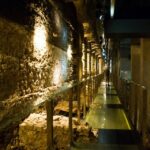
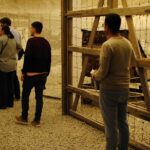
Because the spaces can be close, come prepared for a slightly compressed walking feel. Wear shoes that you can stand in comfortably. This is one of those museum tours where you’ll be watching where you step and where other people are standing, so keep your body language flexible.
If Italian is your language, you’re in the right place. The tour guide is Italian, and the guide’s narration is the core product. If you’re not comfortable in Italian, this can still be a great museum visit, but you might lose the “why” that ties the collection together.
If you care about details, don’t hesitate to pause your pace mentally. The guide is covering a chain of events—purchase mystery, expert disbelief, the painting’s wartime and post-war path, and the theme interpretation. When the story becomes multi-part, your attention needs small resets. Lean into it: listen for the sequence, not just the facts.
One extra note from real-world operation: there’s at least one instance where a tour guide reportedly didn’t arrive, and the booking became a mess for that person. I can’t tell you how often that happens, but I’d still treat this like any live-guided experience: bring your booking confirmation, and if anything feels wrong at the meeting point, act quickly and ask for help on-site rather than waiting in silence.
Who This Tour Suits Best (and Who Might Want a Different Option)
This guided tour fits best if you want a narrative-driven museum experience. If you’re curious about how one painting can carry both romance and political survival, you’ll probably enjoy the pacing and structure.
It’s also a good match for people who like art but don’t always know what to look for beyond the obvious. The tour gives you interpretive handles: love and beauty’s fleeting nature, the model’s identity discussions, and the way the painting’s physical journey affects how it’s valued.
On the other hand, if you prefer ultra-technical art analysis—brushwork, pigments, deep stylistic comparisons—this may feel more story-forward than you’d hoped. You might love the big context anyway. But if technical instruction is your main goal, keep that in mind before you commit.
The tour is wheelchair accessible, which is a real plus for travelers who need step-free options. Just remember that older museum buildings can still be physically tight in places, so you’ll want to move at a careful pace with the group.
Should You Book This Italian Guided Tour?
I’d book it if:
- you want the clearest guided path to Lady with an Ermine and the Czartoryski collection in Italian
- you’re short on time in Krakow and want a tight 90-minute experience that starts with context, not with randomness
- you like museum stories that connect art to real events, not just aesthetic descriptions
I’d think twice if:
- you need heavy technical art analysis more than narrative context
- Italian isn’t a language you can comfortably follow for a full tour
- you’re the type who panics if a tour hiccups—because this is a live guided activity where timing matters
If you fall in the first group, this is a strong value way to turn a famous painting into a real understanding of why it matters.
FAQ
Is the tour guided, or is it self-service?
It’s a live tour with a guide. Entry tickets to the museum are also included.
How long is the guided tour?
The tour duration is 90 minutes.
What language is the guide?
The guide speaks Italian.
Where is the meeting point?
You meet at the bar tables near the cartoon of the Lady with an Ermine in the museum cloisters.
Is the museum tour wheelchair accessible?
Yes, the activity is listed as wheelchair accessible.
Can I cancel or pay later?
You can cancel up to 24 hours in advance for a full refund. You can also reserve now and pay later.