REVIEW · KRAKOW
Krakow: Auschwitz-Birkenau Guided Tour with Hotel Transfer
Book on GetYourGuide →Operated by Thousand Miles Cracow Adventure Company · Bookable on GetYourGuide
A day trip that never lets you look away. I like the smooth hotel pickup in Krakow and the fact you follow an official guide route through Auschwitz I and Auschwitz II-Birkenau. Still, it’s a long, emotionally intense day, and the early pickup window (sometimes closer to 6am than 9:30) can throw off your sleep schedule.
The ride out is about 1.5 hours each way on an air-conditioned coach, with communication that can be as specific as driver Stephan’s confirming details. At the site, you use a separate entrance for skip-the-line entry, so you spend your energy where it matters: on the explanations and the walk between places.
In This Review
- Key takeaways before you go
- Auschwitz-Birkenau From Krakow: what this day trip really is
- Getting picked up in Krakow: Stare Miasto start, bus time, and why it affects your mood
- Skip-the-line entry: using that extra time well
- Auschwitz-Birkenau Memorial: what the first stop teaches you
- Auschwitz I: the guided block where you build context
- Auschwitz II-Birkenau: the exposed walking and why it hits differently
- Guides, drivers, and communication: what you gain from a licensed approach
- Timing and walking: the part people feel in their legs
- Price and value: what $22 includes, and what you should compare
- Practical rules that affect your day (and a few smart packing tips)
- Who this tour suits best
- Should you book this Auschwitz-Birkenau tour from Krakow?
- FAQ
- How long is the Auschwitz-Birkenau guided tour from Krakow?
- Do they pick you up from your hotel in Krakow?
- What time should I expect to be picked up?
- What documents do I need for entry?
- Is flash photography allowed?
- Is the tour suitable for kids?
Key takeaways before you go
- Hotel pickup in Krakow (Stare Miasto is the main meeting area), plus return drop-off for the option you choose
- Licensed English guide on the official route, which keeps you from wandering or missing context
- Skip-the-line entrance, which is helpful when entry lines are long
- Tight timing with guided blocks: Auschwitz I (about 2.5 hours) and Birkenau (about 1 hour)
- Walking-heavy and sometimes exposed, especially at Birkenau
Auschwitz-Birkenau From Krakow: what this day trip really is
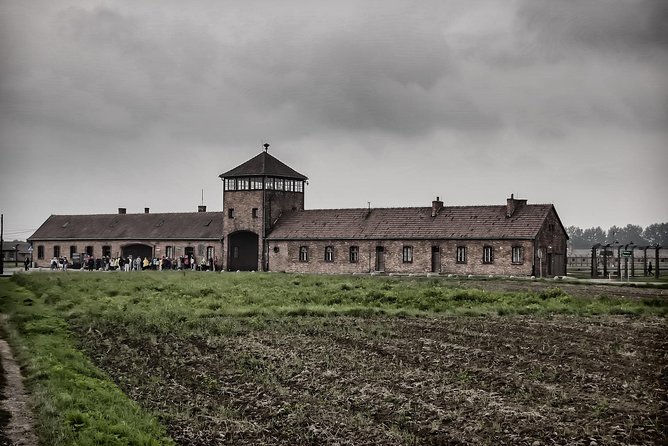
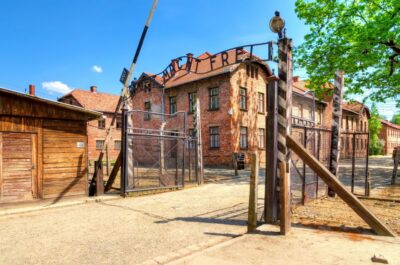
This is not a sightseeing day. It’s a guided, structured visit to the Auschwitz-Birkenau Memorial and Museum, built to help you understand what happened and how the camps operated day to day. The fact that it’s the only concentration camp under UNESCO protection gives the visit extra weight: this place isn’t treated as a normal attraction, and the rules reflect that.
The tour pairs a practical Krakow-to-Oświęcim transfer with an official, guided route once you arrive. That combination matters because the site covers a lot of ground, and it’s easy to lose time—or feel lost—if you go without strong guidance.
It’s also a trip you should plan to experience slowly, even though the schedule moves briskly.
You can also read our reviews of more guided tours in Krakow
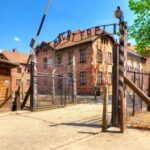
Getting picked up in Krakow: Stare Miasto start, bus time, and why it affects your mood
The experience begins with pickup from your hotel or apartment in Krakow, depending on the option you select, and you’ll end back at Stare Miasto. The transfer itself is about 1.5 hours by bus to the Oświęcim area, then about 1.5 hours back after the visit.
One of the biggest real-world variables is pickup time. The pickup window can land between 5:30AM and 3:00PM, and the exact time is confirmed the day before. While 9:30AM is common on the voucher, you should treat the day like it’s starting early until you get that confirmation.
Why this matters: a late start is a luxury you don’t get here. If you’re trying to see other places in Krakow the same day, plan carefully—or book this as your one dedicated day.
Skip-the-line entry: using that extra time well
Once you reach the museum area, you enter through a separate entrance meant to reduce waiting. That sounds small, but it can change your day. At Auschwitz-Birkenau, waiting in lines can feel like wasted emotional energy, especially when the most important part is the guided route once you’re inside.
The other thing that makes the entry process feel serious: you must provide your full name and contact details in advance. Entrance can be refused if your booking name doesn’t match the name on your passport or ID. Tickets are listed as non-refundable, so it’s worth double-checking your details before you finalize anything.
Also, keep your photo habits in check. Flash photography is not permitted. You can still take photos where allowed, but follow the on-site rules closely.
Auschwitz-Birkenau Memorial: what the first stop teaches you

The tour starts with the Auschwitz-Birkenau Memorial and Museum area, where you get a structured introduction before splitting into the main camp sections. In the schedule, you’re given time for break and visit, then a guided walkthrough plus a short walk (about 30 minutes) before moving on to Auschwitz I.
This first phase is valuable because it gives you orientation: what you’re looking at, what each zone is, and how the memorial explains the history. Without that grounding, it’s easy to see only the most visible remnants—when the point is also to understand the system behind them.
You’ll also learn the core scale of what took place: more than 1.5 million people were sent to the camps by the Nazi regime during World War II, and many were killed there. The memorial itself was founded in 1947 and became a UNESCO World Heritage Site in 1979.
The site focuses on original features and personal possessions left behind. That’s often what makes the experience so hard to summarize: it’s not just information. You’re looking at reminders that were kept in place for the purpose of bearing witness.
Auschwitz I: the guided block where you build context
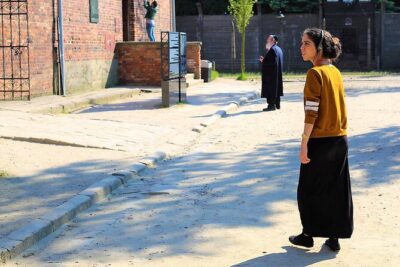
After the initial museum phase, you move to Auschwitz I, which is the part of the complex many people think of first. You’ll have a guided tour for about 2.5 hours, which is long enough for a real explanation—not just a quick walk-and-point.
This is where the tour’s pacing helps. Auschwitz I tends to provide the most structural overview: how things were organized, what prisoners faced, and what the camp’s functions were. A licensed English guide also helps you connect details you might otherwise miss, especially when you’re trying to follow along across multiple buildings and spaces.
The biggest “value” you get here isn’t the number of stops. It’s the ability to make sense of what you’re seeing in the order it’s presented. If you’re the type who likes chronology and causes, this section is likely to feel like the tour’s backbone.
Practical reality check: you should expect lots of walking and time standing still while explanations happen. Wear supportive shoes.
You can also read our reviews of more tours and experiences in Krakow

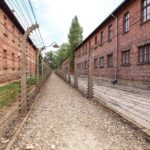
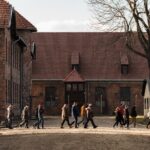


Auschwitz II-Birkenau: the exposed walking and why it hits differently
Next comes Auschwitz II-Birkenau. The guided portion here is about 1 hour, after which you may have more limited time to take in the open spaces on your own. A lot of the impact in Birkenau comes from scale: the layout looks wider and more open than Auschwitz I, and that changes how you absorb the story.
Also, Birkenau is frequently about exposure—weather and light. One notable downside you might run into: depending on season, the second part of the day can be in the dark, which reduces how much you can see clearly outdoors. On hot days, the opposite problem can happen: you can be out in heavy sun for extended stretches.
Heat is a real consideration here. One experience noted 30-degree weather with limited shade and feeling unwell from the conditions. So bring a hat and water if you can, and plan for the fact that this part of the site often doesn’t give you much shelter.
If you’re someone who worries about time, Birkenau’s shorter guided block can feel like it goes fast. But that’s partly because the space is large and the tour still has to fit the full schedule.
Guides, drivers, and communication: what you gain from a licensed approach
The tour is built around two layers: an English-speaking driver for the transfer and a professional licensed guide for the on-site portion. That matters because it keeps the day from turning into a logistics puzzle.
The guide experience is especially important at Auschwitz-Birkenau. The site contains details that are easy to misread if you don’t have context. A solid English guide helps you keep your attention on what each area is meant to teach.
You’ll also benefit from good coordination. Some departures come with strong pre-day communication, including confirmation messages and guidance for meeting and timing. In one case, the driver’s communication was singled out as excellent, down to the planning details.
Timing and walking: the part people feel in their legs
This trip runs about 7 hours total. The structure is fairly tight:
- Bus to Oświęcim area (about 1.5 hours)
- Memorial and museum time, including a break and guided visit with a short walk
- Auschwitz I guided tour (about 2.5 hours)
- Auschwitz II-Birkenau guided tour (about 1 hour)
- Bus back to Krakow (about 1.5 hours)
Because the camp portions are scheduled, you won’t have unlimited freedom to linger in one corner. That’s not a complaint—just an expectation-setting. The tour works best if you’re ready to follow the guide’s rhythm and use personal time between guided explanations wisely.
Bring clothes you can stand in. Think: layers for morning chill, and breathable fabric if you’re visiting in warmer months.
Price and value: what $22 includes, and what you should compare
At around $22 per person, this is priced as a budget-friendly way to get a fully guided, official-route experience with hotel transfer included. For that price, you’re not just paying for transport—you’re also paying for:
- English-speaking driver
- Professional licensed guide
- Entrance ticket
- Air-conditioned bus
- Hotel pickup and drop-off (for the selected option)
- Skip-the-line entrance via a separate entrance
That’s the real value: you’re not doing the hard work yourself (ticketing, transfer timing, and matching a guide to the official route). The cost is low enough that you’ll feel like you’re getting a deal, but still high enough that a real guide is part of the package.
One thing to keep in mind: the memorial tickets themselves are described as non-refundable, and the experience can be canceled if no guide is assigned. That’s rare, but it’s the kind of detail that helps you decide how flexible your travel plan needs to be.
If you’re comparing options, use this checklist: does your tour include a licensed guide and museum entrance, plus transport from Krakow? If not, a cheaper listing can end up costing more in time, stress, or both.
Practical rules that affect your day (and a few smart packing tips)
The day has several clear rules, and they matter because they can change what you can bring and do once you arrive.
What to bring:
- Your passport or ID card
Bag limits:
- Maximum size bag permitted is 30 x 20 x 10 cm
Not allowed:
- Flash photography
- Alcohol and drugs
- Baby carriages
Because there’s a bag limit, it’s smart to pack light: one small daypack, a phone charger, tissues, and anything you need for weather. If you expect heat, pack for that too. Birkenau can be unforgiving when the shade doesn’t show up.
Also, remember the entry-name requirement. Provide the exact full name matching your ID. If your booking name and ID name don’t match, entry can be refused.
Who this tour suits best
This is a strong fit if you want:
- A structured visit with official guidance
- An English explanation that helps connect what you’re seeing
- Hotel pickup from Krakow so you don’t have to plan transit on your own
It’s also not meant for everyone. It’s listed as not suitable for children under 14, which makes sense given the emotional content and long walking time.
If you’re traveling solo, this can still work well because the guide keeps you oriented. If you’re traveling with teens who can handle serious material and a long day, the age guideline suggests this might work—just check your comfort level with the content.
Should you book this Auschwitz-Birkenau tour from Krakow?
Book it if you want an all-in-one day trip that includes hotel transfer, skip-the-line entry, and a licensed English guide on the official route. The value is strong for the full package, and the structure helps you focus on understanding rather than logistics.
Skip it or think twice if:
- You hate early mornings and might struggle with a pickup that can start as early as the 5:30AM–3:00PM window
- You’re not prepared for long, emotionally heavy walking and standing time
- You get stressed by strict entry rules, like matching your booking name exactly to your ID
If you do book, plan one calm full day around it. Wear comfortable shoes, pack light, and treat the schedule as part of the experience—because at Auschwitz-Birkenau, the route is the point.
FAQ
How long is the Auschwitz-Birkenau guided tour from Krakow?
The duration is listed as 7 hours.
Do they pick you up from your hotel in Krakow?
Yes, hotel pickup and drop-off are included depending on the option you select, and pickup is also associated with Stare Miasto.
What time should I expect to be picked up?
Pickup can be between 5:30AM and 3:00PM, and the exact time is confirmed the day before. A common time shown in the booking is 9:30AM, but it can change.
What documents do I need for entry?
You need your passport or ID card. You also must provide your full name and contact details as required by the museum.
Is flash photography allowed?
No. Flash photography is not permitted.
Is the tour suitable for kids?
No. It is listed as not suitable for children under 14.