REVIEW · KRAKOW
Krakow: Auschwitz-Birkenau & Salt Mine OneDay Tour (hotel pickup)
Book on Viator →Operated by Cracow Top Tours · Bookable on Viator
Auschwitz and salt chambers in one day. Hotel pickup, small-group touring, and headset-guided visits link Krakow with Oświęcim and Wieliczka without you having to manage the day’s moving parts.
I love that you get professional guides for both Auschwitz-Birkenau and the Salt Mine, with headphones so the story comes through clearly. I also like the included round-trip transportation, which keeps this emotionally intense day from turning into logistics chaos.
One consideration: this is a long, heavy day. You’ll spend hours walking and standing at memorial sites, and your lunch break is only about an hour.
In This Review
- Key things to know before you go
- A Full-Day Plan: Krakow Pickup, Drive Time, and How the Day Feels
- Getting Through Auschwitz: Security, Tickets, and Why Headsets Help
- Auschwitz I on a Planned Route: What You’ll Actually See
- Birkenau (Auschwitz II): Why This Portion Takes Time
- Lunch Break at Wieliczka: A Simple Buffer, Not a Long Sit-Down
- Wieliczka Salt Mine: Underground Chambers, Chapels, and the Microclimate
- Transport and Group Size: How the “Small Group” Works
- Tour Value at $177.52: Is It a Good Deal?
- Who This Tour Fits Best (and Who Might Want Something Else)
- Should You Book This One-Day Auschwitz and Salt Mine Tour?
- FAQ
- How long does the Auschwitz-Birkenau and Salt Mine one-day tour take?
- What is included in the price?
- Do I need to buy tickets for Auschwitz and the Salt Mine?
- How big are the groups at Auschwitz and the Salt Mine?
- What languages are available for the guides?
- Is the tour suitable for people with limited physical fitness?
Key things to know before you go
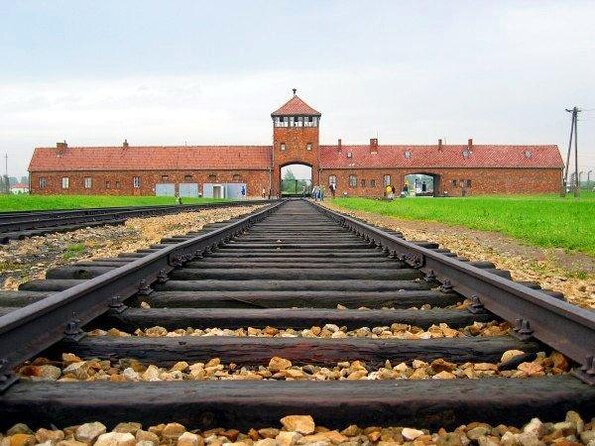
- Hotel pickup and round-trip transport handle the long drive so you can focus on the two major sites.
- Headset setup at Auschwitz helps you hear a guide clearly as you move through the camps.
- Auschwitz is timed as a group visit up to 30, even when your overall day group is smaller.
- Wieliczka runs deep underground (multiple levels down to about 327 meters) with chapels, sculptures, and an underground lake.
- A short break window is built in, but you’ll still need patience for security and pacing between stops.
A Full-Day Plan: Krakow Pickup, Drive Time, and How the Day Feels
This tour is built for people who want maximum impact in limited time. You start with pickup in Krakow by minivan from a pre-determined spot (hotel or another chosen location), then you’re on the road for about 1 hour 20 minutes to reach Auschwitz in Oświęcim. The idea is simple: you avoid the stress of finding transport, buying tickets separately, and coordinating a tight schedule.
Once you’re delivered to the memorial, the day settles into a “structured flow.” There’s a short break for a toilet and coffee/tea before the museum process begins, then security control and ticket inspection. That sequence matters because Auschwitz is not a typical attraction. Plan to follow instructions closely and keep things moving.
Emotionally, this is a marathon, not a sprint. You’ll be moving between two separate sites: Auschwitz I and Auschwitz II-Birkenau. Your pace will be controlled by museum entry times and group movement. If you want a calm, flexible day, this probably won’t feel like it. If you want an efficient, guided route and you can handle intensity, you’ll likely feel grateful you did it this way.
You can also read our reviews of more tours and experiences in Krakow.
Getting Through Auschwitz: Security, Tickets, and Why Headsets Help
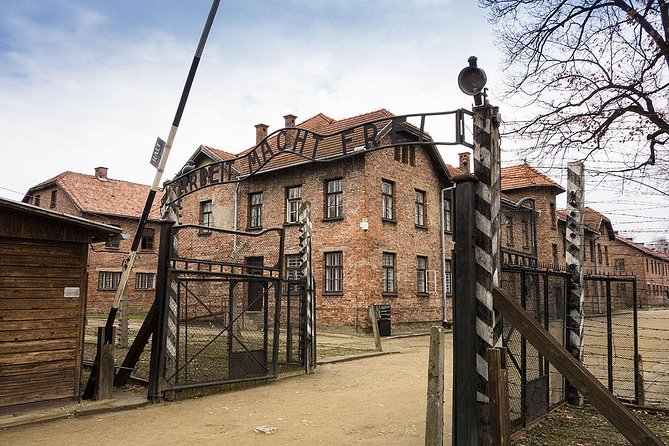
At Auschwitz, you can’t just walk up and wander. The tour handles the museum entry steps for you. After the initial short break, you go through ticket inspection and security control, then you meet your guide and begin the visit.
One of the best practical touches here is the headset system. Auschwitz can be loud, crowded, and spread out. A microphone guide with headphones makes a huge difference, especially if English is your main language. You don’t have to strain to hear, and you can keep your attention on what you’re looking at instead of chasing audio.
You’ll also be set up for a specific guided route. The Auschwitz visit includes the permanent exhibitions and key original areas at Auschwitz I, plus the most significant original buildings at Auschwitz II-Birkenau. This isn’t “see a few highlights and leave.” It’s a planned, comprehensive route with time built in for the major stops.
Auschwitz I on a Planned Route: What You’ll Actually See
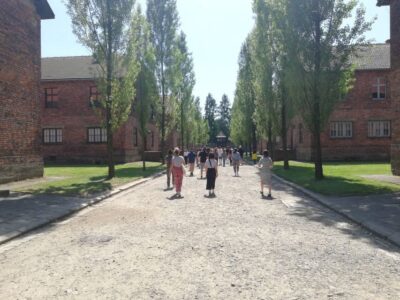
The Auschwitz I portion is timed at about 2 hours. Your guide takes you through the main camp experience along a route that includes the permanent exhibitions and buildings that form the backbone of the historical narrative.
You should expect to see places tied to imprisonment and the machinery of terror: barracks, exhibition areas, and the kinds of evidence and documentation that museums use to explain what happened. The focus isn’t just on buildings—it’s on the story they represent.
A useful detail: even though your day may be a smaller group, the Auschwitz Historical Museum organizes these visits in groups up to 30 people. That’s not a flaw; it’s how the visit format is managed on-site. What you can control is whether you’ll appreciate that structured pacing. If you like clear guidance and a thoughtful order of stops, this suits you.
Birkenau (Auschwitz II): Why This Portion Takes Time
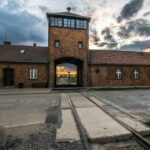
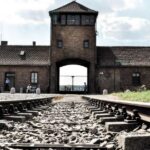
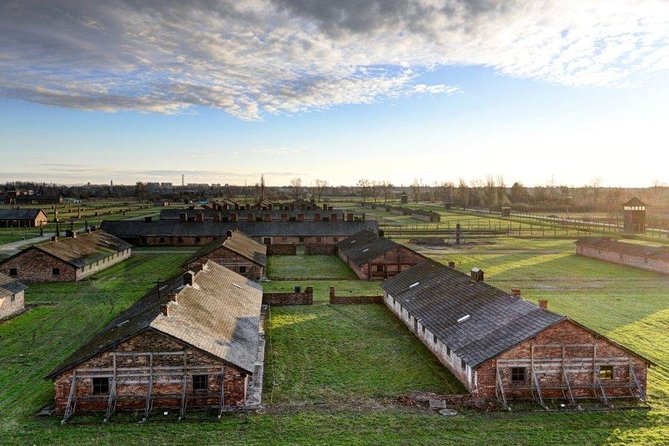
After Auschwitz I, you move to Birkenau, the camp associated with mass extermination on a massive scale. The Birkenau segment is about 1 hour, and it’s usually the point where the emotional weight of the day becomes impossible to ignore.
Birkenau is different visually and spatially. You’re looking at a place that became a site of killing on an industrial scale. The tour covers the most important areas on the route, including original structures such as the prisoner barracks and the unloading platform (the ramp), plus the ruins of the gas chamber and crematoria II and III.
This is also where you’ll likely notice the value of having a guide. You can read signage on your own, but a guide helps you connect what you see with what it means historically. The headset setup carries over, so you’re not stuck doing the classic head-bobbing thing to catch words across a crowd.
Lunch Break at Wieliczka: A Simple Buffer, Not a Long Sit-Down
Between the main sightseeing points, you’ll have time that you can use for food. There’s an option to organize a lunch break in a restaurant according to your choice, and the schedule includes flexibility: you can stop for lunch or start the next segment without pausing too long.
The catch is the timing. This kind of day doesn’t give you a long, unhurried meal. You’re fitting Salt Mine highlights after the memorial portion. If you’re the type who needs 90 minutes to decompress, plan snacks for the ride and keep lunch efficient.
Also, lunch isn’t included. That’s typical for tours like this, but it means you should budget time and cash for food where it fits best for you.
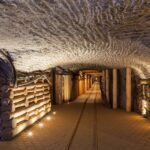
Wieliczka Salt Mine: Underground Chambers, Chapels, and the Microclimate
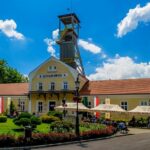
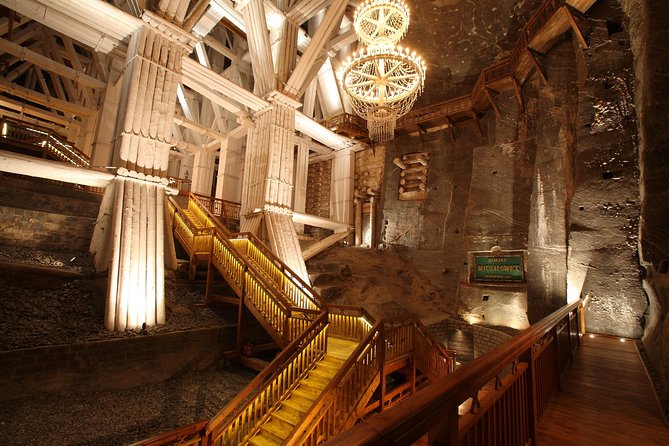
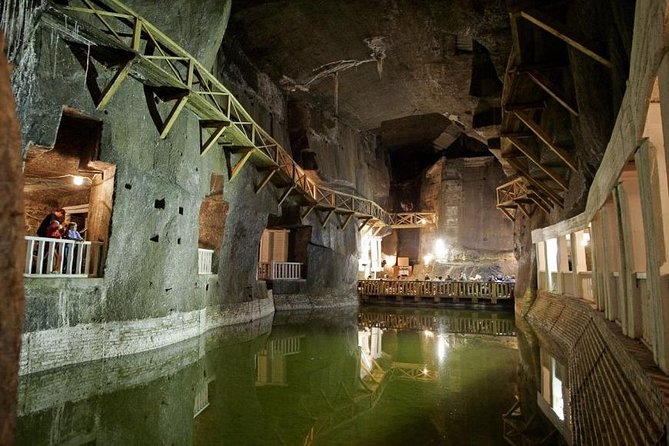
Then comes the contrast: underground beauty and craftsmanship in the Wieliczka Salt Mine. This stop is about 3 hours, including guided touring and time to explore the main highlights.
You’ll be taken from the parking area to the main entrance area, then you meet the guide and start the mine tour. Admission to the mine is included, and the touring is done in groups up to 30. If you’re doing this tour for convenience—getting both Auschwitz and Wieliczka in one day—this portion is one of the big reasons it feels worth it.
What makes Wieliczka special isn’t just the salt. It’s the layers of depth and the way the underground world is organized:
- The mine has 9 levels, from about 64 meters down to roughly 327 meters below the surface.
- You’ll walk a maze of corridors and pass through thematic chambers.
- There are sculptures and chapels carved into the rock, plus an underground lake.
- You’ll also learn the history of salt mining across key historical periods.
There’s also a practical health note included in the tour description: the mine microclimate is said to be ideal for people suffering from asthma and allergies. I can’t promise results for every body, but I like that you’re not forced into blind optimism—you’re told the condition behind the claim.
Finally, the logistics are handled. After the tour, you return to the ground level by elevator.
Transport and Group Size: How the “Small Group” Works
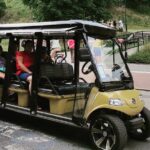
One thing I appreciate in this tour format is how it handles group reality. The overall experience is capped at a maximum of 30 travelers, and you’re transported in a private, air-conditioned, round-trip vehicle from Krakow.
But once you hit the main attractions, the on-site rules apply. Auschwitz and the Salt Mine are both conducted in groups of up to 30. So even if you’re imagining a super-intimate tour, the key point is this: you’ll likely be in a manageable crowd, not a massive cattle-herd situation, but it still won’t feel like a silent private walkthrough.
The driver is there to manage timing and transitions, and you’ll have a “helpful driver at your disposal during the trip.” In real life, I’ve seen how this can make or break the day. For example, guides and drivers such as Gregor and Marrioush have been singled out for being attentive and informative in past experiences, while Maurius has been praised for keeping logistics running smoothly. The names matter because they hint at what you should value: someone who helps you get from one checkpoint to the next without turning every transition into a guessing game.
Tour Value at $177.52: Is It a Good Deal?
At $177.52 per person, this tour isn’t the cheapest way to do Krakow’s two biggest drawcards. Still, it can be a strong value if you add up what you’re getting:
- Round-trip transportation from Krakow (included).
- Hotel pickup and drop-off (included).
- All entrance tickets (included).
- Professional guides for Auschwitz and the Salt Mine (included).
- Headsets at Auschwitz for clearer listening (included).
- A day that compresses planning into one schedule, with built-in breaks.
The value is strongest if you’d otherwise be spending your time arranging transport and wrestling with entry windows. Even if you personally prefer independent travel, this is one itinerary where the structure saves you energy for the part that matters: your attention during the memorial and your concentration underground at Wieliczka.
The price also makes sense for a long day. This is closer to two guided attractions in one package than it is to a short day out.
Who This Tour Fits Best (and Who Might Want Something Else)
I think this tour fits best if you:
- Have limited time in Krakow and want a one-day hit of both Auschwitz-Birkenau and Wieliczka Salt Mine.
- Like guided structure, especially when sites are emotionally intense and information-heavy.
- Prefer that pickup and logistics are handled for you, not improvised.
- Can handle moderate walking and standing. The tour is listed as requiring moderate physical fitness.
This may feel less ideal if you’re looking for a slow-paced day, deep silence, or lots of free time to wander. You’ll have time constraints, and the emotional subject matter isn’t something to treat like an ordinary stop.
Should You Book This One-Day Auschwitz and Salt Mine Tour?
Yes, if your priority is efficiency and clarity. You’ll get guided visits with headset support where it counts, plus included tickets and transport that protect your day from avoidable stress. The Auschwitz and Birkenau portions are structured and comprehensive, and Wieliczka gives you a memorable underground counterpoint that feels genuinely different from the memorial experience.
I’d be especially confident booking if you’re someone who prefers hearing the story in context rather than trying to piece it together alone. And if you’re sensitive to long days, make peace with the fact that this is a full schedule—plan for a calm start, quick lunch, and time to reset afterward.
FAQ
How long does the Auschwitz-Birkenau and Salt Mine one-day tour take?
It runs about 10 to 11 hours total.
What is included in the price?
The tour includes round-trip transportation, hotel pickup and drop-off, entrance tickets, professional guides for Auschwitz and the Salt Mine, and headsets to hear the Auschwitz guide clearly.
Do I need to buy tickets for Auschwitz and the Salt Mine?
No. All entrance tickets are included.
How big are the groups at Auschwitz and the Salt Mine?
The guided visits at both locations are organized in groups of up to 30 people.
What languages are available for the guides?
The tour is offered with English available, and the guide languages listed include English, French, German, Spanish, Italian, and Polish.
Is the tour suitable for people with limited physical fitness?
It’s listed for travelers with moderate physical fitness. You should expect walking and time in memorial sites and underground mine areas.