REVIEW · KRAKOW
From Krakow: Zakopane and the Tatra Mountains
Book on GetYourGuide →Operated by INTERCRAC Ltd. · Bookable on GetYourGuide
Poland’s mountain capital in one day. This trip is built around classic Tatra sights: the Gubałówka funicular views and a real slice of highlander culture in Zakopane. I also like that you get guided time plus genuine free moments in town, including time on Krupówki and a chance to shop the regional market.
Two standouts for me are the wide mountain panoramas from the funicular and the hands-on culture stop with highlander cheese tasting at a traditional mountain hut. One drawback to consider: it’s an 11-hour day with about 2 hours each way in transfers, so you’ll want comfortable shoes and a flexible mindset about weather and visibility.
In This Review
- Key things to know before you go
- From Krakow to Zakopane: the day-trip mindset
- Riding the Gubałówka funicular for Tatra views (and what to do if weather shifts)
- Zakopane’s oldest core: church, cemetery, and folk atmosphere
- Krupówki time: shopping streets with breathing room
- The traditional mountain hut and highlander cheese tasting
- The regional market: gifts, food, and real local browsing
- Lunch in a regional restaurant: Polish comfort food with mountain energy
- Optional add-ons: Tatra Museum or Chochołów’s wooden cabins
- Time, pace, and the stuff that makes the difference in comfort
- Language, guide style, and how to get the most out of the day
- Is it worth $122? Value that makes sense
- Who this tour suits best
- Should you book this Zakopane and Tatra Mountains day trip?
- FAQ
- How long is the trip from Krakow to Zakopane and the Tatra Mountains?
- Where does the tour start and end?
- About how long is the transfer one way?
- Is the funicular/cable car to Gubałówka included?
- Is lunch included?
- What local experiences are included besides the views?
- What language is the tour in?
- Is this tour wheelchair accessible?
- What kind of weather should I plan for?
- What’s the cancellation policy?
Key things to know before you go
- Gubałówka funicular views: great photo time over the Tatra peaks, when skies cooperate
- Oldest Zakopane core: wooden old parish church plus a famously unique cemetery
- Traditional mountain hut visit: a tasting focused on local highlander cheese
- Krupówki free time: walk the historical center at your own pace
- Market + lunch opportunity: pick up local wares, then eat Polish specialties at a regional restaurant
From Krakow to Zakopane: the day-trip mindset
This is one of those trips where logistics matter, because you’re trading a big chunk of the day for the chance to see the Tatra Mountains up close. You start with hotel pickup and drop-off in Krakow, then you ride the 2-hour transfers to Zakopane (and back). It’s not a quick hop, but that also means you arrive with enough time to actually do the highlights instead of rushing through them.
What helps is the structure. You’re not left figuring out tickets and getting lost. The trip includes an English-speaking driver, transfers Krakow–Zakopane–Krakow, and a ticket to the cable car to Gubałówka, plus spare time on Krupówki so you can breathe and explore.
The price—listed at $122 per person—is less about a single view and more about what you get bundled: round-trip transportation, guided-style interpretation on the day, the cable car ticket, and the cultural stop with a cheese tasting. If you were to do this on your own, you’d still pay for a private transfer or a taxi-style ride, plus the funicular ticket, plus time spent coordinating. Here, you’re buying a smooth day where you can focus on the mountains and the town.
You can also read our reviews of more tours and experiences in Krakow.
Riding the Gubałówka funicular for Tatra views (and what to do if weather shifts)
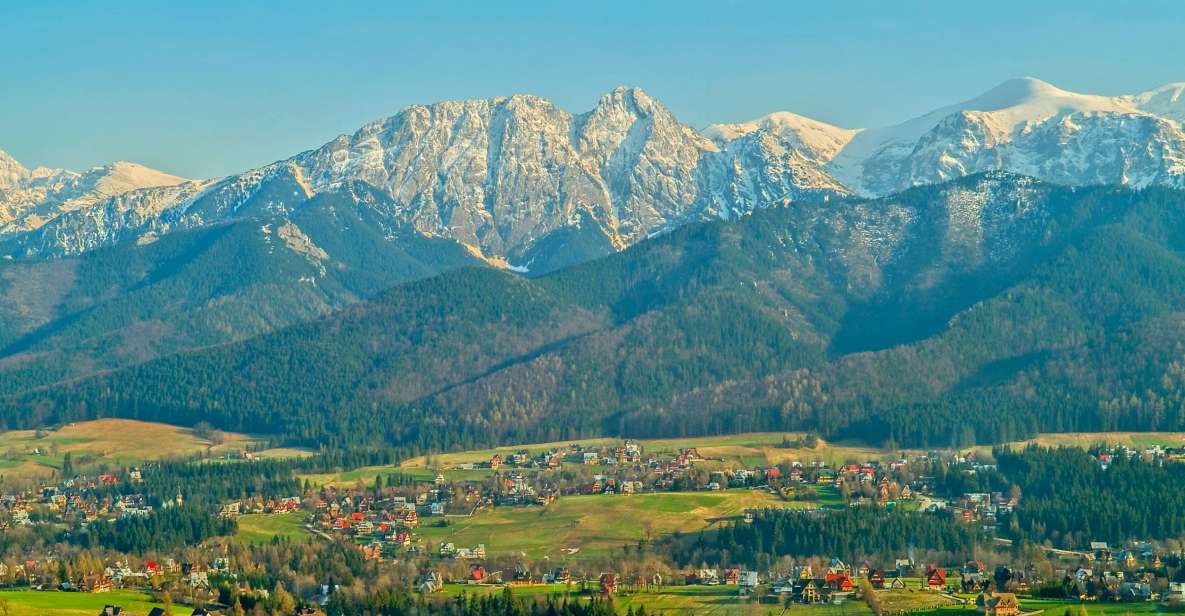
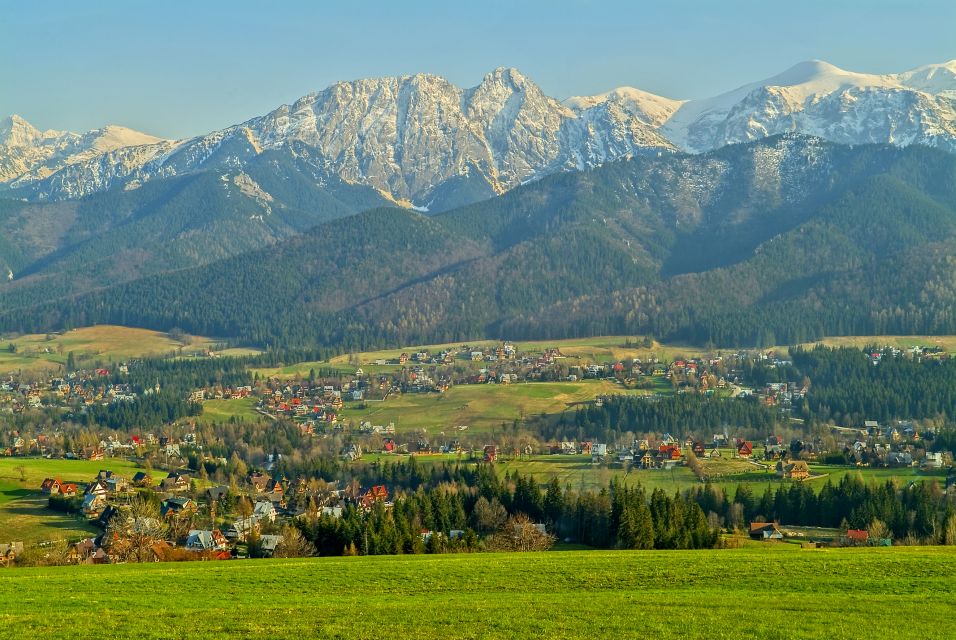
The day starts with the big visual payoff: the funicular railway to the top of Mount Gubałówka. This is where you get the classic Tatra panorama over peaks made of granite and limestone. Even if you’ve seen mountain photos before, this is different in person. The scale hits fast, and you’ll understand why Zakopane is called a winter capital with hiking trails and pistes. The mountains define everything here.
A small practical tip: bring a layer you can adjust quickly. Mountain weather changes, and a funicular ride can make you feel the temperature swing. If you’re going during mistier conditions, you might not get the crispest views, but you still get a sense of the region and the shape of the terrain below. The ride itself is worth it because it frames the Tatra range in a simple, easy way—no long climb required.
Also, the trip notes that it skips the ticket line, which saves time when you’re trying to fit everything into an 11-hour window. One more consideration: there can be days when the cable car/funicular doesn’t run normally. If that happens, your best move is to stay flexible and follow your driver’s plan, because the day is built to keep moving.
Zakopane’s oldest core: church, cemetery, and folk atmosphere
Once you come back down from the mountain-view zone, you shift into Zakopane proper—the town’s older side. This is where the day becomes more than scenery.
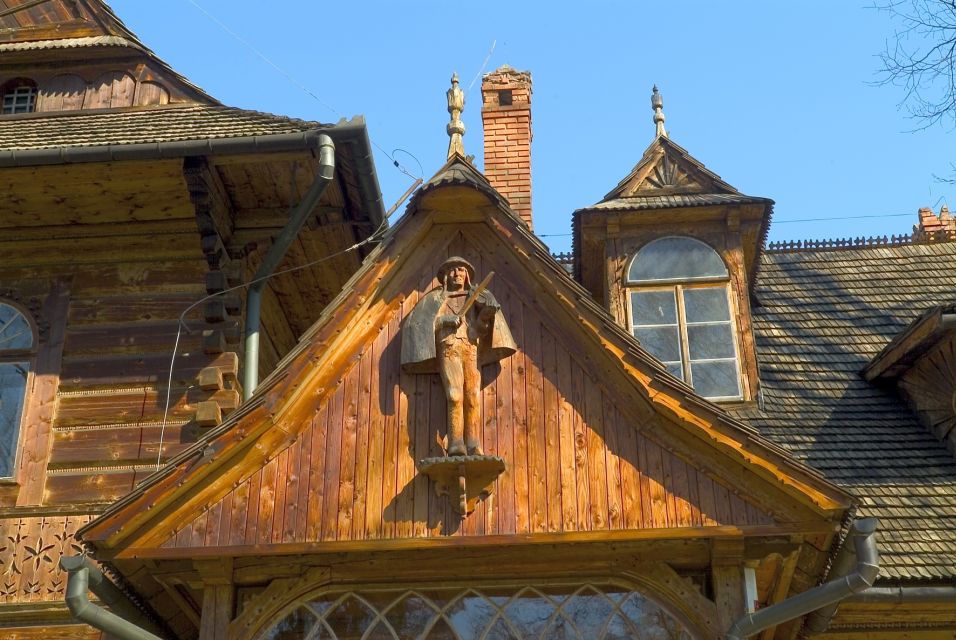
You’ll visit a wooden old parish church, a good stop if you want your photos to include craftsmanship, not just peaks. In towns like Zakopane, the wooden architecture tells you how people shaped their lives around harsh winters and long seasonal rhythms.
Then there’s the most unique cemetery in Poland. That line is dramatic, but the point is simple: you’re stepping into a place where local identity shows up in a very direct way. In many Central European mountain towns, cemeteries aren’t just background; they’re part of the story of the community—what mattered, how people honored their dead, and what symbols they used.
If you’re the kind of person who likes small, meaningful stops, this part is a highlight. If you’re only in town for shopping and views, it can feel a bit quieter. Still, it’s the best way to learn what makes Zakopane feel like a living culture instead of a scenic town.
Krupówki time: shopping streets with breathing room
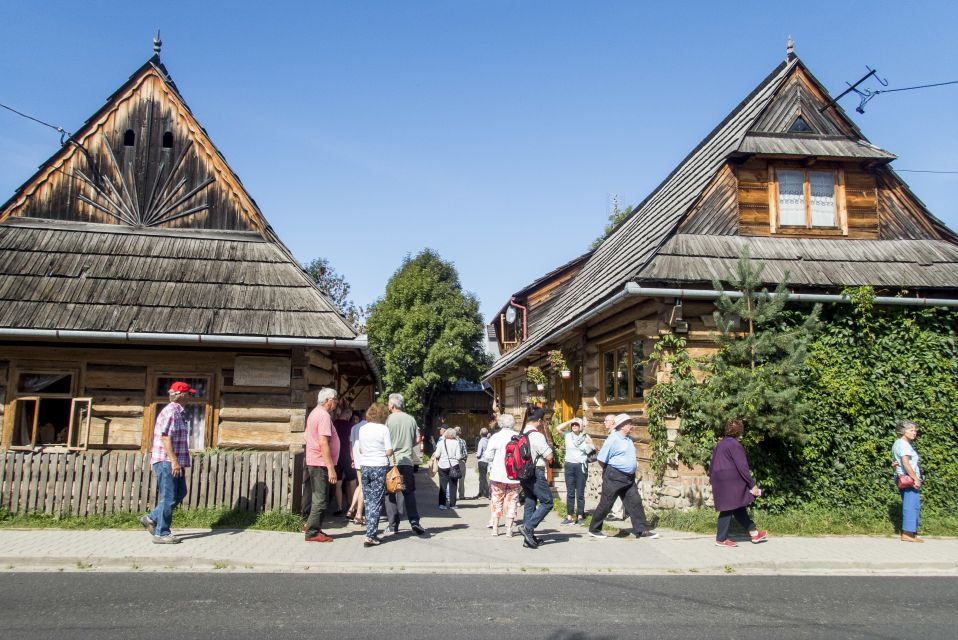
Next comes spare time on Krupówki, the historical center of Zakopane. This is where you can slow down and do the simple pleasures: walk streets, watch locals go about their day, and decide what you want to buy without feeling rushed.
Krupówki is also practical. If you want souvenirs, you’ll have a chance to pick up local wares in a way that feels natural rather than forced. And if you’re hungry, you can usually find something nearby—though the included plan is built around lunch later in the day.
When you use this free time well, you’ll enjoy it more. I like to treat it as a mini “choose your own” window: one stroll for photos, one stop for a drink or snack if you need it, and then back toward the next scheduled part so you don’t run out of daylight or energy.
The traditional mountain hut and highlander cheese tasting
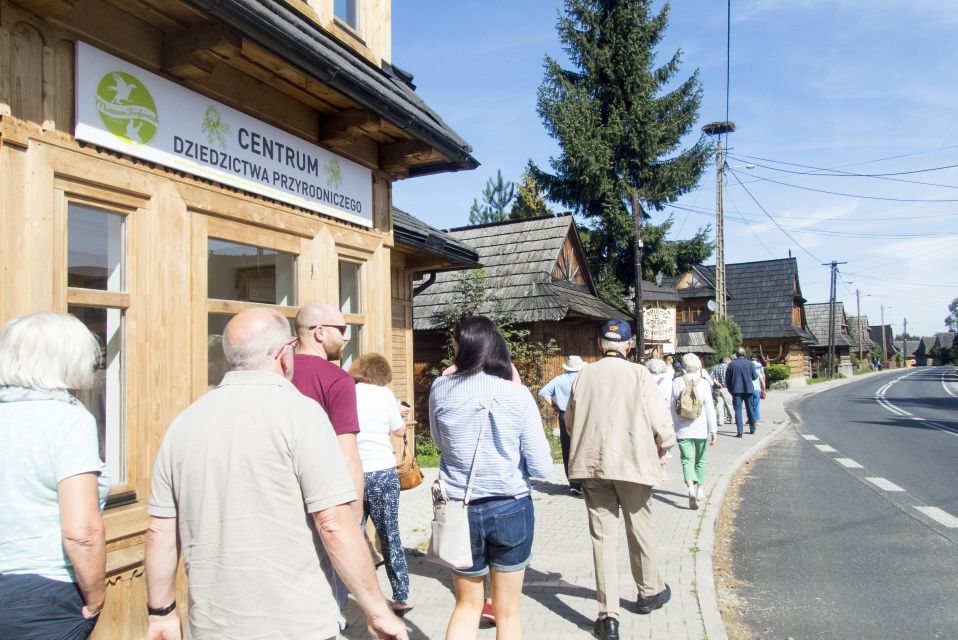
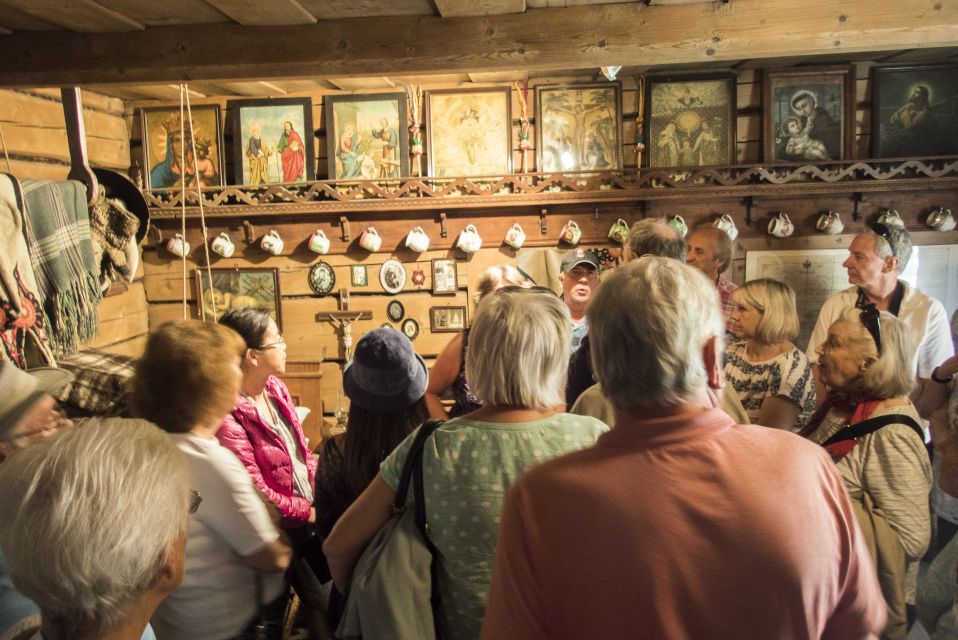
This trip includes a visit to the oldest traditional mountain hut and a highlander cheese tasting. This is one of those “sounds small, matters a lot” inclusions. A cheese tasting isn’t just about taste. It’s about place. When you try local food in the setting where it’s made and served, you instantly get the logic of the region: hardy ingredients, old traditions, and hospitality shaped by mountain life.
I’d plan for this stop like you would a food experience, not just a quick break. The tasting is part of the cultural story, so ask questions in simple terms: where the cheese fits into local tradition, what locals eat with it, and how people use mountain products through the seasons.
If you’re traveling with someone picky about food, this is still a good stop because it’s a tasting format. You’re not committing to a full meal based on one bite; you’re getting a taste and learning what the region is known for.
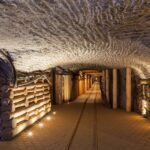
The regional market: gifts, food, and real local browsing
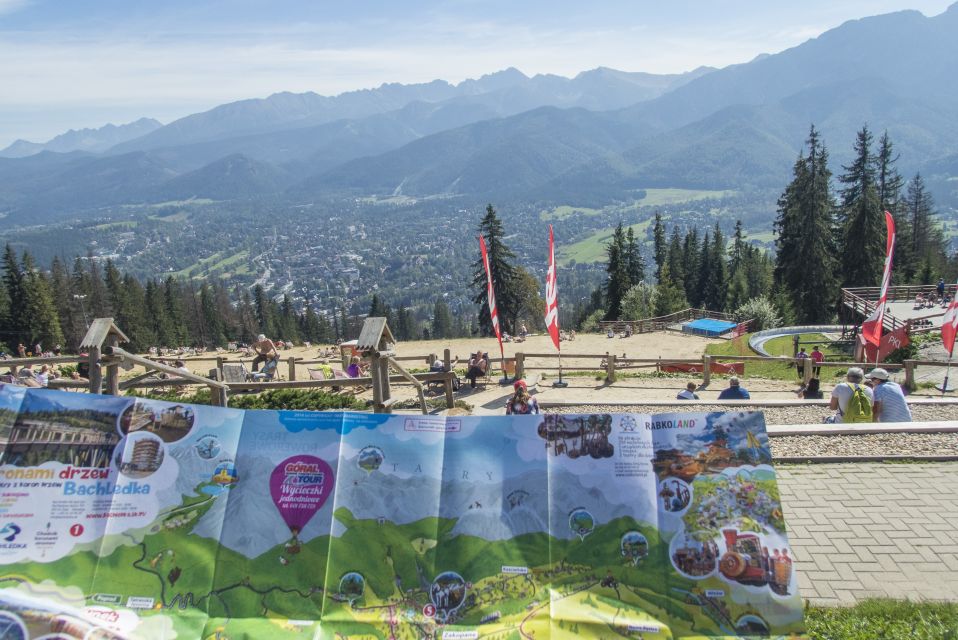
The itinerary leaves room to visit a large regional market. This is where Zakopane turns practical for visitors: you can buy wood crafts, local textiles, and small gifts that actually feel tied to the mountains rather than generic tourist items.
The market time is also where your personality shows. Some people want quick purchases and out. Others enjoy the slow browsing: checking textures, looking at patterns, and comparing prices. If you like unique souvenirs, this is where you’ll likely get the most satisfying finds.
One tip for market shopping in mountain towns: don’t decide instantly just because something is beautiful. Walk a few rows, see what repeats, and then come back. You’ll learn the pricing rhythm faster and avoid buying something you later realize isn’t as special as the first impression.
Lunch in a regional restaurant: Polish comfort food with mountain energy
You’ll have a chance to enjoy lunch in a traditional restaurant serving Polish delicacies. Because lunch isn’t listed as included in the main inclusions, you’ll likely pay for it during your meal stop. That’s not a flaw—it’s more freedom. You can choose what you want within the restaurant options your guide suggests.
What I like about this structure is the pacing. You’ve already done the mountain viewpoint and the cultural stops, so lunch feels earned rather than thrown in as an afterthought. In a day like this, a solid meal also helps you enjoy the final parts of the day without running out of energy.
If you want the best odds of a satisfying lunch, keep your order simple if you’re unsure about menus. Go for classic Polish plates and let the restaurant do the work. Even if you’re not adventurous with ingredients, the comfort-food approach is usually safe.
Optional add-ons: Tatra Museum or Chochołów’s wooden cabins
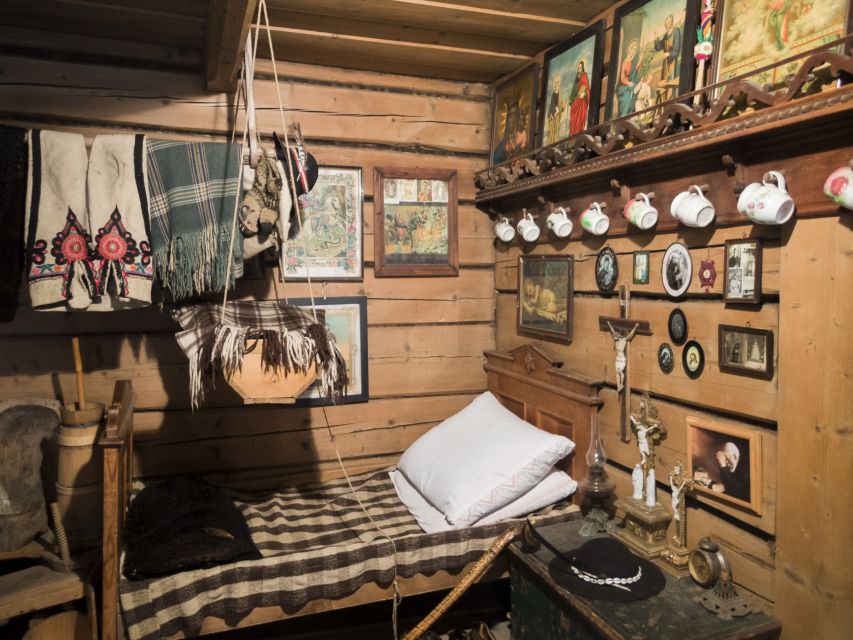
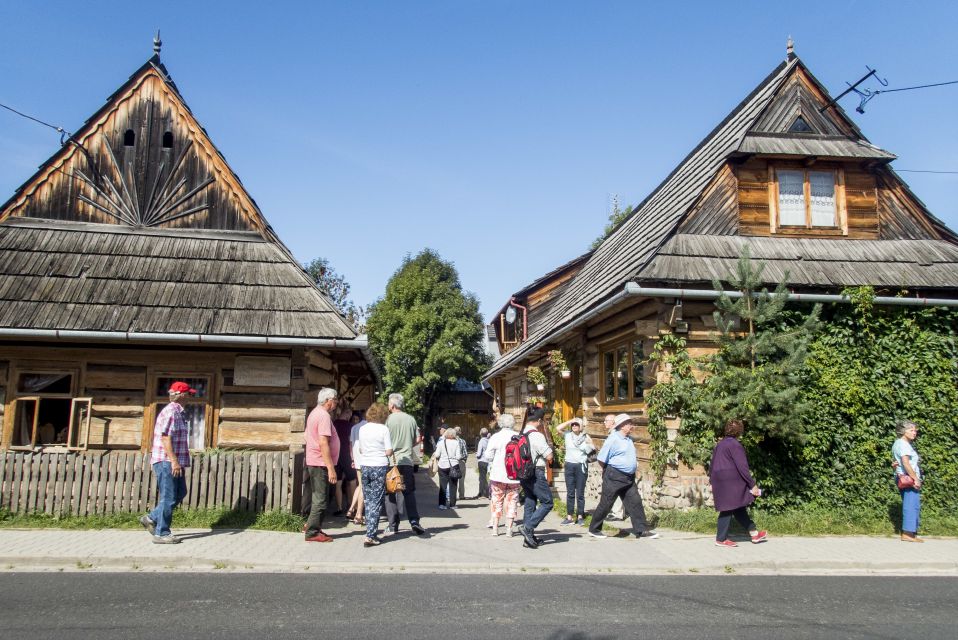
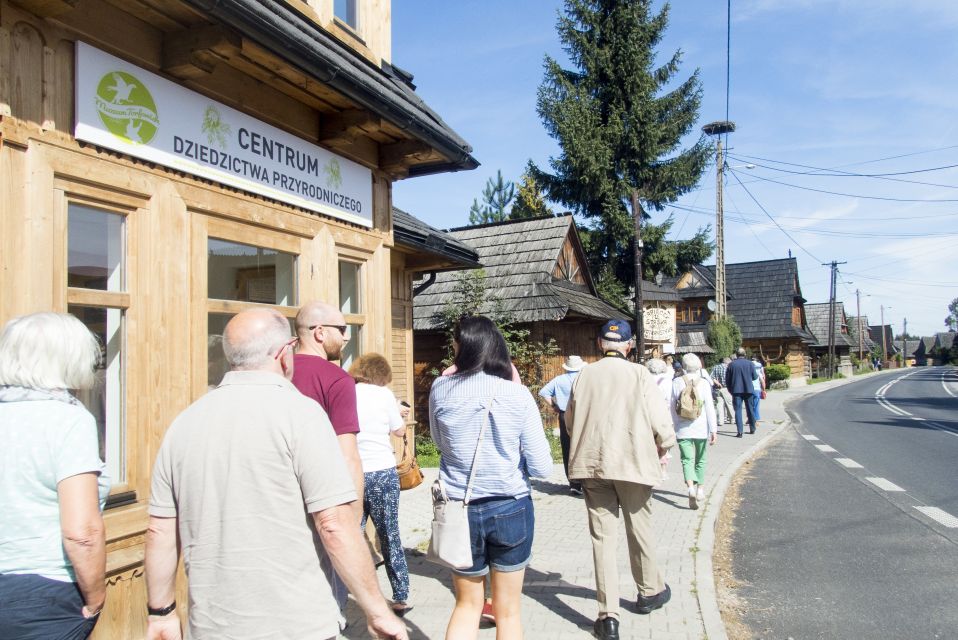
If you want more depth beyond Zakopane’s center, the plan offers options: the Tatra Museum or the village of Chochołów, known for 150-year-old wooden log cabins and a calm, serene atmosphere.
These choices are a nice way to balance the day. The mountain and town stops are more about experiencing the region right now. The museum and Chochołów add a layer of context—how the people lived, what traditions shaped daily life, and how the architecture preserved identity through time.
How to choose? If you like information and indoor stops (especially in bad weather), pick the Tatra Museum. If you’d rather see architecture and slow village life, go with Chochołów. On a long day, both are valuable, but the right pick depends on whether you want facts or atmosphere.
Time, pace, and the stuff that makes the difference in comfort
This trip is 11 hours long, which means you’ll want to treat it like a full day rather than a casual stroll. The transfers alone are about 2 hours each way, so the in-between stops carry a lot of weight.
The good news: it’s organized for smooth flow. You get hotel pickup and drop-off, and the day includes water on board. That small thing helps more than you’d think when you’re walking in mountain town streets and heading in and out of sightseeing spots.
The not-so-good news: it’s not designed for everyone. The tour is not wheelchair accessible, so if mobility is a concern, you’ll need to look for a different option.
The other pacing consideration is free time. You do get spare time on Krupówki, but the rest of the day is structured around stops. If you want maximum wandering, you may feel the day is a bit tight. That’s the trade for having transportation, tickets, and cultural stops handled for you.
Language, guide style, and how to get the most out of the day
Everything here is set up for English: English-speaking driver and English throughout. What matters isn’t just language—it’s tone. From the way different guide styles come through, the best experience tends to happen when you ask questions and treat the day like a conversation.
You may hear different guide personalities on different days. People have highlighted names like Simon for friendly, conversational guiding and Jacek for humor and helpful explanations. Another guide named Jac also shows up in feedback as someone who makes you feel looked after. Even if your guide isn’t the same person, the pattern matters: you’re likely to get commentary that’s easy to follow, not stiff.
How you can help your own experience: keep a short list of questions in your head. For example:
- What should I be looking for in the church woodwork?
- What makes this cemetery unique?
- What’s the story behind the highlander cheese tasting?
- If the views are misty, what still matters to notice?
Asking one or two questions can turn a good day into a memorable one.
Is it worth $122? Value that makes sense
Let’s talk value in plain terms. At $122 per person, you’re not just paying for a ride. You’re paying for:
- round-trip Krakow–Zakopane transfers (and the time that saves you)
- hotel pickup and drop-off
- an English-speaking driver
- cable car ticket to Gubałówka
- skip the ticket line
- time in the center (Krupówki)
- a traditional mountain hut visit plus highlander cheese tasting
- water on board
Food and drink aren’t included unless specified, and that’s important to plan for. But because lunch is an opportunity rather than a guaranteed included meal, you can choose what you spend. For a day-trip like this, it usually works out well: you’ll arrive hungry, you’ll eat Polish specialties, and you’ll still know what you’re paying for.
If you were trying to build the day yourself, the hardest part is often the transfer time and coordination. This trip sells convenience with enough structure to cover the region’s best-known highlights in one push.
Who this tour suits best
This experience is a great fit if you:
- want a big sightseeing day without planning every ticket
- care about both mountain views and local culture
- like organized stops but still want free time in town
- want an easy way to sample regional food, including the cheese tasting
It’s less ideal if you:
- need wheelchair accessibility
- dislike long days with about 2 hours of driving each way
- need lots of uninterrupted free time to wander without schedule
Should you book this Zakopane and Tatra Mountains day trip?
Yes, if you want an efficient, culturally grounded day that gets you into the Tatra mood fast. The mix of funicular views, wooden architecture, a memorable cemetery, Krupówki time, market browsing, and a traditional hut with cheese tasting is exactly the kind of itinerary that helps you understand a place without getting stuck on logistics.
Book if you can handle a long day and you’re comfortable dressing for changing mountain weather. Skip it if you’re looking for a slow, flexible experience with minimal driving, or if mobility needs require accessibility.
If you book, bring layers, wear grippy shoes for town walking, and make Krupówki your “favorite part” window—walk it at your pace, then let the rest of the day run on the guide’s plan.
FAQ
How long is the trip from Krakow to Zakopane and the Tatra Mountains?
The duration is 11 hours.
Where does the tour start and end?
The tour includes hotel pickup and drop-off in Krakow, with transfers Krakow–Zakopane–Krakow.
About how long is the transfer one way?
One way takes about 2 hours.
Is the funicular/cable car to Gubałówka included?
Yes. The ticket to the cable car to Gubałówka is included, and you skip the ticket line.
Is lunch included?
Food and drink are not included unless specified. The itinerary includes a chance to enjoy lunch in a traditional restaurant, but you should expect to pay for it.
What local experiences are included besides the views?
You’ll have spare time on Krupówki, visit the oldest traditional mountain hut, and enjoy a highlander cheese tasting. You’ll also have time at the regional market.
What language is the tour in?
It is offered with an English-speaking driver.
Is this tour wheelchair accessible?
No, it is not wheelchair accessible.
What kind of weather should I plan for?
The Tatra area can be misty or cold, and mountain visibility can vary, so bring layers and dress for cooler conditions.
What’s the cancellation policy?
There’s free cancellation up to 24 hours in advance for a full refund. You can also reserve now and pay later.